

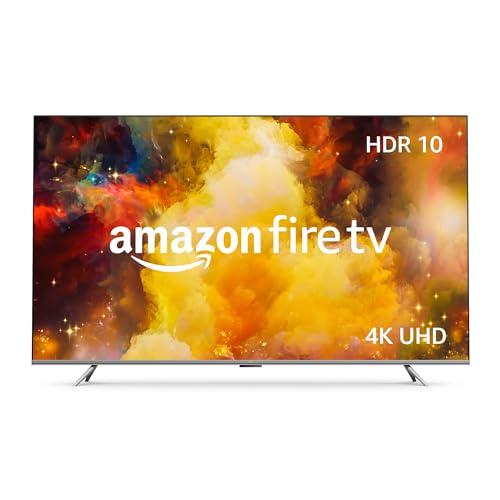
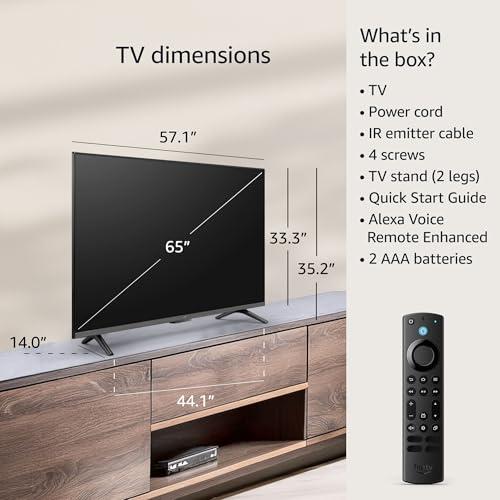
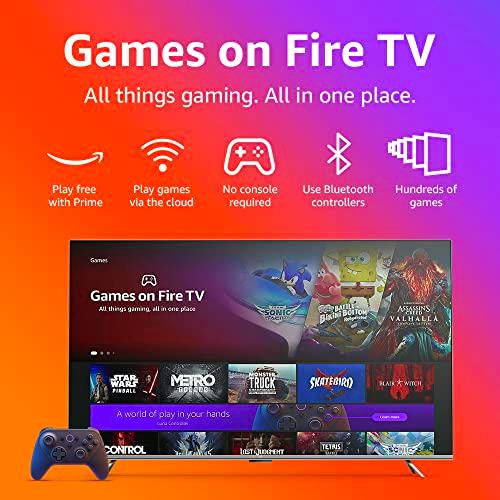
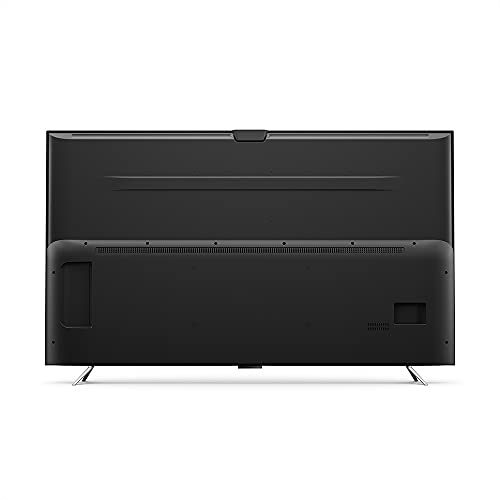
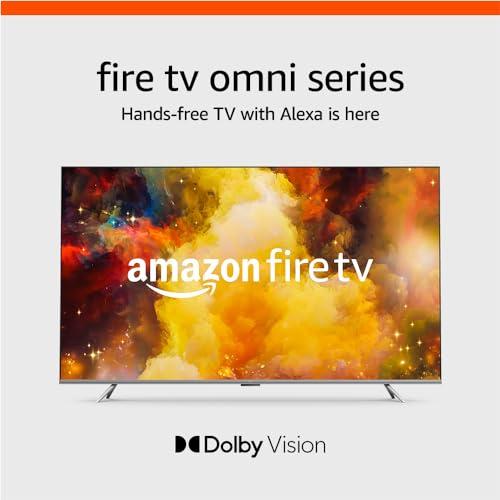
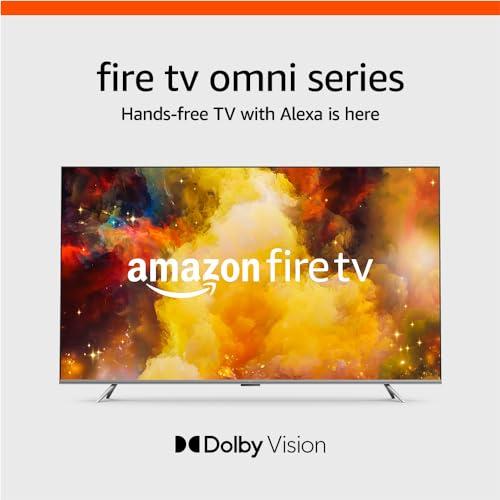
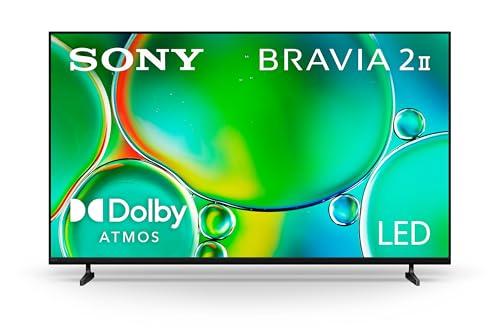
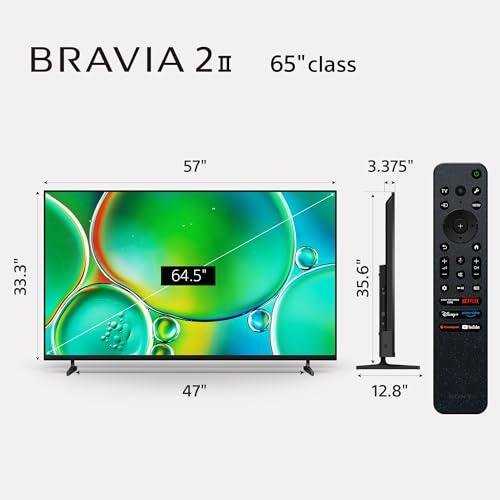



The 65-inch smart TV market has become incredibly competitive over the past few years, with traditional electronics giants now facing direct competition from tech companies like Amazon. This brings us to an interesting comparison between the Amazon Fire TV Omni Series 65" and the Sony BRAVIA 2 II 65"—two televisions that take notably different approaches to delivering 4K entertainment at similar price points.
Both models sit comfortably in what I'd call the "sweet spot" for most families: large enough to create that cinematic experience we all want, but priced reasonably enough that you won't need to take out a second mortgage. At the time of writing, both TVs typically retail in a similar range, though you'll often find them discounted during major sales events.
Before diving into the specifics, it's worth understanding what really matters when you're shopping for a 65-inch smart TV. Picture quality remains king, but the smart platform—essentially the operating system that runs your streaming apps—has become equally important. After all, if Netflix takes 30 seconds to load or the interface frustrates you every time you want to change inputs, even the most beautiful picture won't save your viewing experience.
The Amazon Fire TV Omni Series launched in 2021, marking Amazon's bold entry into making their own televisions rather than just streaming devices. This represented a significant shift for the company, moving from software to hardware. The Sony BRAVIA 2 II, on the other hand, arrived in 2025 as Sony's latest entry-level offering for North American markets, incorporating lessons learned from years of smart TV evolution.
The most fundamental difference between these TVs lies in their display technology, and this creates two distinct viewing experiences that cater to different preferences.
The Amazon Fire TV Omni uses QLED technology with quantum dots—tiny semiconductor particles that enhance color reproduction when hit by the TV's backlight. Think of quantum dots as microscopic color filters that help the TV produce more vibrant, saturated colors. This technology allows the Omni to cover about 93% of the DCI-P3 color space, which is the standard used by movie studios for digital cinema.
What does this mean in practical terms? Colors pop more dramatically, especially reds and greens. When you're watching a nature documentary or a Marvel movie, the visual impact feels more immediate and eye-catching. The trade-off is that some viewers find these enhanced colors less natural-looking, particularly for older movies or traditional television content.
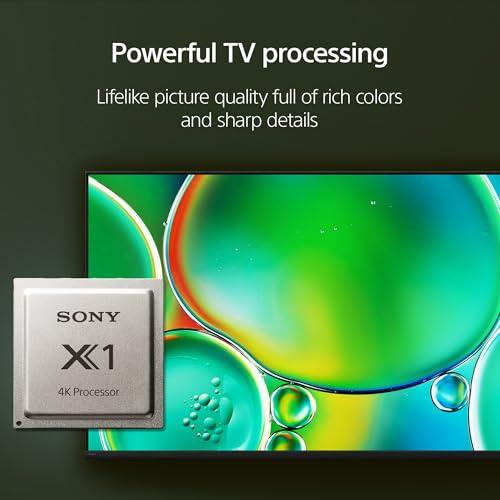
The Sony BRAVIA 2 II takes a different approach entirely. Instead of quantum dots, it relies on Sony's 4K Processor X1 and Live Color technology to enhance the standard LED display. Sony has decades of experience in image processing, and it shows. The processor analyzes each frame and adjusts colors, contrast, and sharpness in real-time to create what many consider more film-like, natural colors.
Based on our research into user and expert reviews, the Sony tends to excel with cinematic content where color accuracy matters more than pure visual impact. If you're the type of person who appreciates how a director intended their film to look, Sony's approach will likely appeal to you more.
Both TVs use direct LED backlighting, but neither includes local dimming zones—individual sections of the backlight that can be dimmed or brightened independently. This is a cost-saving measure that affects contrast performance, particularly in dark scenes.
The Amazon Fire TV Omni produces about 330 nits of peak brightness with a 5000:1 contrast ratio. These numbers might seem technical, but they translate to a TV that performs well in moderately lit rooms but may struggle in very bright environments or with demanding HDR content that requires higher brightness levels.
The Sony BRAVIA 2 II doesn't publish specific brightness figures, but based on expert reviews and the technology used, it appears to perform similarly. However, Sony's superior processing often makes better use of whatever brightness is available, creating the perception of better contrast even with similar hardware limitations.
High Dynamic Range (HDR) is supposed to make your content look more lifelike by displaying a wider range of brightness and colors. The Amazon Fire TV Omni supports Dolby Vision, HDR10, and HLG formats. Dolby Vision is particularly noteworthy because it's usually found on more expensive TVs—it dynamically adjusts the picture settings scene by scene rather than using static settings for the entire movie.
The Sony BRAVIA 2 II supports HDR10 and HLG but lacks Dolby Vision. This might seem like a significant disadvantage on paper, but the reality is more nuanced. Both TVs lack the brightness needed to make HDR content truly shine compared to premium models. Sony's advanced processing often delivers better-looking HDR within these limitations than Amazon's more basic approach, even without Dolby Vision.
For most viewers, this means HDR content will look better than standard content on both TVs, but don't expect the dramatic improvement you'd get from a more expensive model with proper local dimming and higher brightness.
This is where the two TVs diverge most dramatically in daily use experience.
The Amazon Fire TV Omni runs Fire TV OS, which feels designed primarily for streaming. The interface puts Amazon Prime Video front and center, but it also provides access to virtually every major streaming service. The platform's strength lies in its content aggregation—it can search across multiple services simultaneously and provide personalized recommendations based on your viewing history.
However, our research reveals that Fire TV OS can feel sluggish on the Omni compared to dedicated Fire TV streaming devices, which have more powerful processors. Menu navigation sometimes takes longer than it should, and the heavy promotion of Amazon content can feel overwhelming if you're not a Prime subscriber.
The platform truly shines if you're already invested in Amazon's ecosystem. The integration with Amazon Prime Video, Amazon Music, and other services feels seamless.
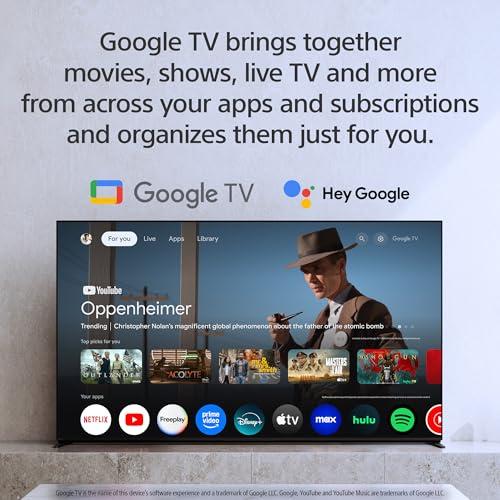
The Sony BRAVIA 2 II runs Google TV, which represents Google's evolution of Android TV with a more user-friendly interface. The platform excels at content discovery across services and integrates well with Google's broader ecosystem, including Google Photos, YouTube, and Google Play Movies.
Google TV feels more responsive and polished than Fire TV OS, based on user feedback we've analyzed. It also provides better support for Apple services like Apple TV+ and AirPlay, making it more flexible for households with mixed device ecosystems.
The downside is that Google TV requires a Google account for full functionality and may not integrate as seamlessly with Amazon Prime Video's features compared to Fire TV OS.
This is one area where the differences are substantial and immediately noticeable.
The Amazon Fire TV Omni includes basic 2 x 8-watt speakers totaling 16 watts of power. This provides adequate sound for casual viewing, but dialogue can sometimes get lost, and there's minimal bass response. Most users we've researched recommend adding a soundbar relatively quickly.
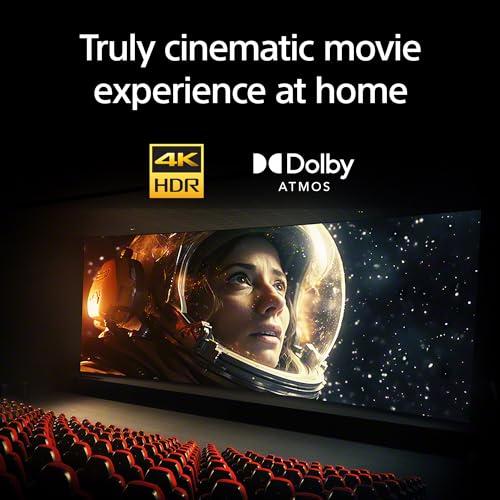
The Sony BRAVIA 2 II features a 40-watt Open Baffle Speaker system with Dolby Audio processing. The difference is immediately apparent—dialogue sounds clearer, there's more depth to the sound, and the overall audio experience feels more immersive. While it's still not going to replace a good soundbar for serious movie watching, it's genuinely usable for extended periods without feeling like you're missing something crucial.
For anyone who doesn't plan to immediately invest in external audio, the Sony represents a much better experience out of the box.
The voice control implementation reveals another philosophical difference between these companies.
The Amazon Fire TV Omni includes built-in far-field microphones that enable hands-free Alexa control. You can literally talk to your TV from across the room to change channels, search for content, or control smart home devices. It essentially functions as a large Echo device that happens to also display video.
This convenience factor is genuinely impressive when it works well. Being able to say "Alexa, find action movies" while cooking dinner and have the TV respond is the kind of futuristic interaction many of us have wanted for years.
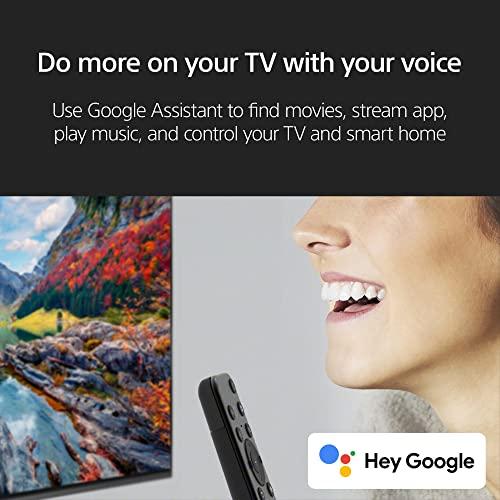
The Sony BRAVIA 2 II supports both Google Assistant and Alexa, but only through the remote control. You need to press a button and then speak, which is less convenient but more privacy-conscious.
Your preference here likely depends on your comfort level with always-listening devices and how invested you are in smart home automation.
Both TVs target casual gamers rather than enthusiasts, and their specifications reflect this positioning.
The Amazon Fire TV Omni achieves approximately 15ms of input lag in Game Mode, which is perfectly adequate for casual gaming and most console experiences. It supports Auto Low Latency Mode (ALLM), which automatically switches to Game Mode when it detects a gaming console.
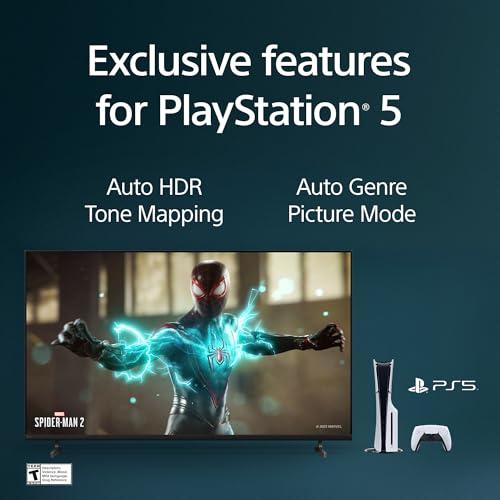
The Sony BRAVIA 2 II offers similar input lag performance but includes specific optimizations for PlayStation 5, including Auto HDR Tone Mapping and Auto Genre Picture Mode. These features automatically adjust picture settings when the TV detects a PS5 is connected.
Both TVs are limited to 60Hz refresh rates and lack Variable Refresh Rate (VRR) support or 4K gaming at 120Hz. If you're serious about gaming, especially with next-generation consoles or PC gaming, you'll want to look at more expensive models. For casual gaming and most console experiences, both perform adequately.
For a dedicated home theater setup, both TVs have notable limitations that you should understand upfront.
Neither TV includes local dimming, which is increasingly standard even on budget models from some competitors. This affects contrast performance in dark rooms, where both TVs can appear somewhat gray rather than truly black in dark scenes.
The Amazon Fire TV Omni might appeal to home theater enthusiasts who prioritize vibrant colors and don't mind tweaking settings to achieve more accurate reproduction. The QLED technology does provide wider color coverage that can look impressive in darkened rooms.
The Sony BRAVIA 2 II offers more natural color reproduction out of the box, which many home theater enthusiasts prefer. Sony's motion processing is also generally superior, reducing judder and motion artifacts that can be distracting during films.
However, both TVs work best in moderately lit rooms rather than dedicated dark home theaters, where their contrast limitations become more apparent.
After analyzing extensive user feedback and expert reviews, clear patterns emerge about who benefits most from each approach.
Are already heavily invested in Amazon's ecosystem, particularly if you're a Prime Video subscriber and use Alexa devices throughout your home. The Amazon Fire TV Omni makes the most sense for tech-forward households that embrace smart home integration and prioritize streaming over traditional television viewing.
The quantum dot display technology delivers more visually striking colors that work particularly well for streaming content, animated movies, and vibrant shows. If you tend to watch content in moderately lit rooms and appreciate punchy, eye-catching visuals, this approach will likely appeal to you.
The hands-free voice control is genuinely convenient for busy households where you might need to control the TV while cooking, cleaning, or otherwise occupied. However, this requires comfort with always-listening devices.
Value traditional television quality and want more accurate color reproduction for movies and cinematic content. The Sony BRAVIA 2 II appeals to viewers who watch a mix of streaming and broadcast content and prefer more natural-looking images.
The superior built-in audio makes this the better choice for anyone who doesn't want to immediately invest in external speakers. The 40-watt system provides genuinely usable sound for extended viewing.
Sony's reputation for long-term software support and reliability also matters if you plan to keep your TV for many years. The company has a strong track record of providing updates and maintaining performance over time.
The Google TV platform offers more flexibility for households with mixed device ecosystems, particularly if you use both Google and Apple services.
Both TVs represent solid value at their respective price points, but they serve different priorities. The Amazon Fire TV Omni Series pushes the envelope on smart features and color impact, making it ideal for streaming-focused households that want the latest conveniences. The Sony BRAVIA 2 II focuses on television fundamentals—good processing, decent audio, and reliable performance—while still offering comprehensive smart features.
At the time of writing, both typically sell for similar prices, making the decision more about features and ecosystem preference than pure value. Your choice should align with how you actually use your TV and what compromises you're willing to accept. Neither is perfect, but both deliver where it matters most for their intended audiences.
| Amazon Fire TV Omni Series 65" | Sony BRAVIA 2 II 65" |
|---|---|
| Display Technology - Determines color vibrancy and overall picture impact | |
| QLED with Quantum Dots on VA LCD panel | Direct LED LCD with 4K Processor X1 |
| Color Performance - How vivid and accurate colors appear | |
| 93% DCI-P3 coverage, more saturated colors | Live Color technology, more natural reproduction |
| HDR Support - Enhanced contrast and brightness range | |
| Dolby Vision, HDR10, HLG (premium HDR format included) | HDR10, HLG only (lacks Dolby Vision) |
| Peak Brightness - Critical for HDR performance and bright room viewing | |
| 330 nits with 5000:1 contrast ratio | Similar performance, enhanced by superior processing |
| Smart Platform - Your daily interface for apps and streaming | |
| Fire TV OS with heavy Amazon integration | Google TV with broader ecosystem support |
| Voice Control - Convenience for hands-free operation | |
| Built-in far-field microphones for hands-free Alexa | Remote-based Google Assistant and Alexa support |
| Audio System - Built-in sound quality without external speakers | |
| 2 x 8W speakers (16W total), basic performance | 40W Open Baffle Speaker system, significantly better |
| Gaming Features - Performance for console gaming | |
| 60Hz, ~15ms input lag, ALLM support | 60Hz, low input lag, PS5 optimization features |
| Connectivity - Ports for external devices | |
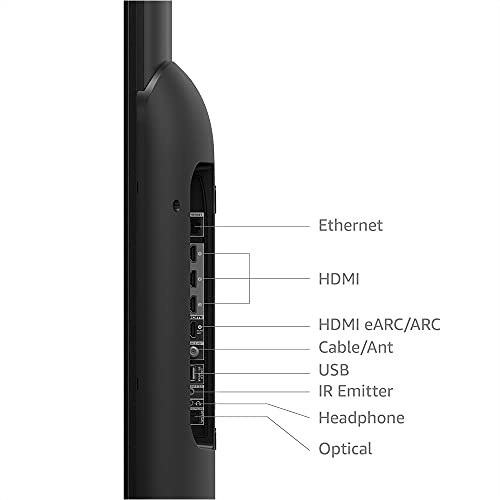
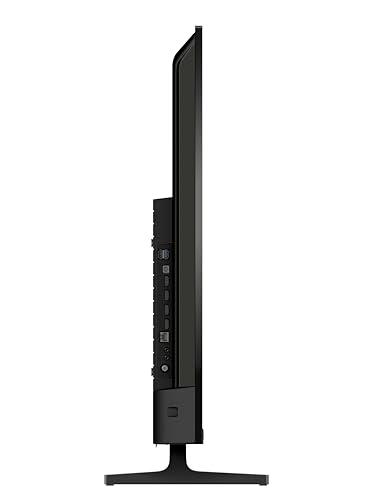
| 3x HDMI 2.0 + 1x HDMI 2.1 (eARC only) | 4x HDMI 2.0 ports, optical audio out |
| Upscaling Performance - How well non-4K content looks | |
| Average upscaling, struggles with SD content | Superior 4K X-Reality PRO technology |
| Release Timeline - Product maturity and support expectations | |
| 2021 launch, established but older platform | 2025 launch, latest features and longer support |
The Sony BRAVIA 2 II 65" delivers more natural, film-like colors that many viewers prefer for movies, thanks to Sony's advanced 4K Processor X1 and superior upscaling technology. The Amazon Fire TV Omni Series 65" offers more vibrant, eye-catching colors through its QLED quantum dot display, which works well for streaming content and animated shows. For cinematic viewing, Sony's color accuracy gives it the edge.
The Amazon Fire TV Omni Series runs Fire TV OS, which heavily integrates Amazon Prime Video and Alexa services but can feel sluggish during navigation. The Sony BRAVIA 2 II uses Google TV, offering a more responsive interface with better support for mixed device ecosystems and Apple services. Google TV generally provides a smoother, more flexible smart TV experience.
Both TVs offer similar gaming performance with 60Hz refresh rates and low input lag around 15ms. The Sony BRAVIA 2 II has a slight advantage with specific PlayStation 5 optimizations including Auto HDR Tone Mapping. However, neither TV supports advanced gaming features like 120Hz or Variable Refresh Rate, making them suitable for casual gaming but not ideal for competitive or next-gen console gaming.
The Sony BRAVIA 2 II significantly outperforms the Amazon Fire TV Omni in audio quality, featuring a 40W Open Baffle Speaker system compared to Amazon's basic 16W setup. Sony's speakers deliver clearer dialogue and more depth, making external audio less immediately necessary. Most Amazon Omni users recommend adding a soundbar sooner.
The Amazon Fire TV Omni Series includes built-in far-field microphones for hands-free Alexa control throughout the room, essentially functioning as a large Echo device. The Sony BRAVIA 2 II requires using the remote for Google Assistant or Alexa commands. Amazon offers more convenience, while Sony provides better privacy for those concerned about always-listening devices.
The Amazon Fire TV Omni supports premium Dolby Vision along with HDR10 and HLG formats, which is impressive for this price range. The Sony BRAVIA 2 II only supports HDR10 and HLG, lacking Dolby Vision. However, both TVs have limited brightness that prevents them from delivering truly impactful HDR performance regardless of format support.
Both the Amazon Fire TV Omni Series and Sony BRAVIA 2 II perform similarly in bright rooms with comparable brightness levels around 330 nits. The Amazon's QLED technology may provide slightly more vibrant colors that cut through ambient light, while Sony's processing helps maintain image quality. Neither excels in very bright environments compared to higher-end models.
The Sony BRAVIA 2 II clearly wins in upscaling performance thanks to its 4K X-Reality PRO technology, making older movies and TV shows look cleaner and sharper. The Amazon Fire TV Omni struggles more with lower-resolution content, particularly 480p and 720p sources that can appear muddy on the large 65-inch screen.
The Sony BRAVIA 2 II launched in 2025 with newer technology and Sony's strong track record for long-term software updates and reliability. The Amazon Fire TV Omni from 2021 is more established but uses older platform technology. Sony typically provides longer support lifecycles, making it potentially better for buyers planning to keep their TV for many years.
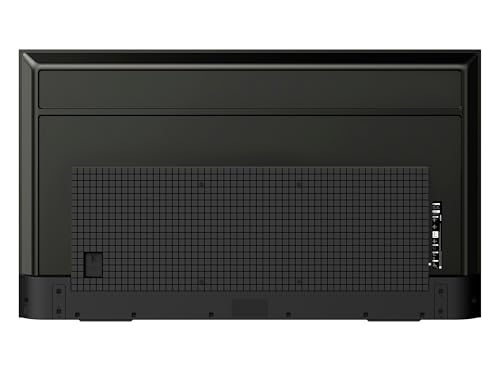
The Amazon Fire TV Omni offers 3 HDMI 2.0 ports plus 1 HDMI 2.1 port with eARC support for soundbars. The Sony BRAVIA 2 II provides 4 HDMI 2.0 ports with optical audio output. Sony offers more device connectivity, while Amazon provides newer HDMI 2.1 features, though both are limited compared to premium gaming TVs.
Neither the Amazon Fire TV Omni Series nor Sony BRAVIA 2 II is ideal for dedicated home theaters due to their lack of local dimming and limited peak brightness. However, the Sony edges ahead with more accurate colors and better motion processing for films. Both work better in moderately lit family rooms than dark theater environments where their contrast limitations become apparent.
Both TVs handle streaming well, but the platforms differ significantly. The Amazon Fire TV Omni excels with Prime Video integration and comprehensive streaming app support, though the interface can be slow. The Sony BRAVIA 2 II offers a more responsive Google TV platform with excellent app compatibility and better support for Apple services, making it more versatile for households with mixed streaming preferences.
We've done our best to create useful and informative comparisons to help you decide what product to buy. Our research uses advanced automated methods to create this comparison and perfection is not possible - please contact us for corrections or questions. These are the sites we've researched in the creation of this article: bestbuy.com - rtings.com - techradar.com - youtube.com - youtube.com - businessinsider.com - amazonforum.com - pcvarge.com - tvpartstoday.com - kitele.com - manuals.plus - bestbuy.com - youtube.com - diverse-marketplace.com - bestbuy.com - hometechnologyreview.com - hometechnologyreview.com - electronics.sony.com - youtube.com - rtings.com - costco.com - youtube.com - displayspecifications.com - flanners.com - beachcamera.com - displayspecifications.com - bestbuy.com - stereoeast.com - youtube.com - sony.com.my

Privacy Policy
Terms and Conditions - Affiliate Policy
Home Security
© Copyright 2008-2026.
11816 Inwood Rd #1211, Dallas, TX 75244