

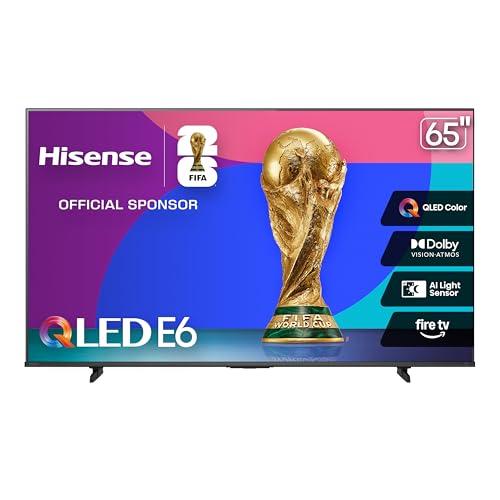
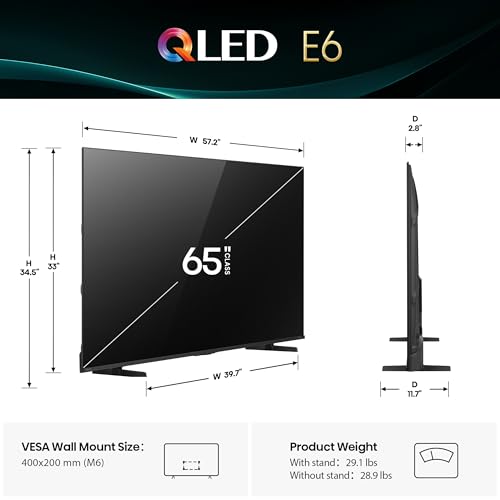

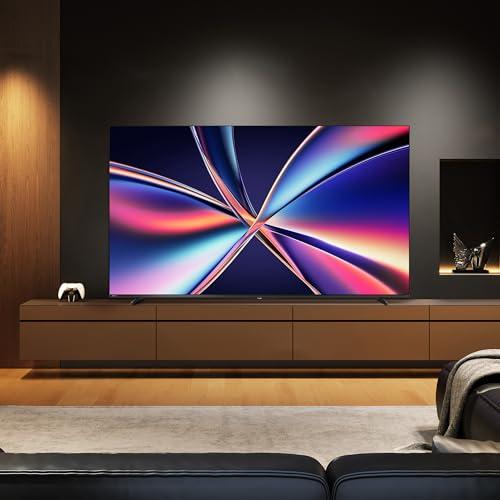
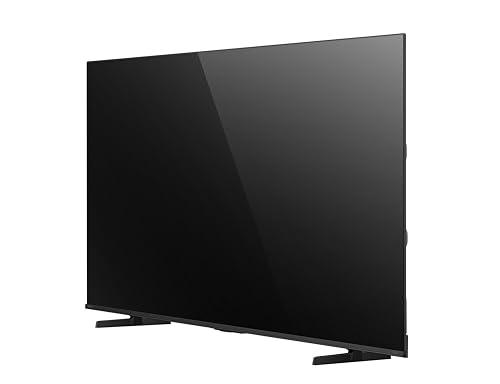
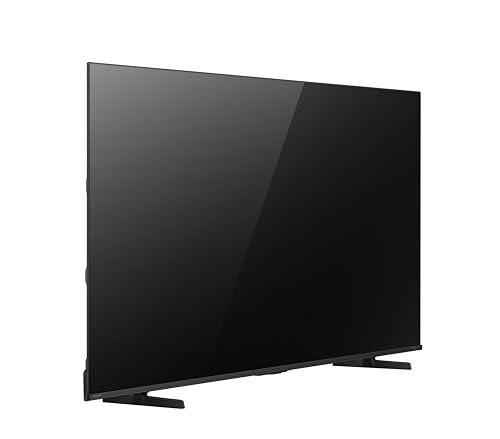


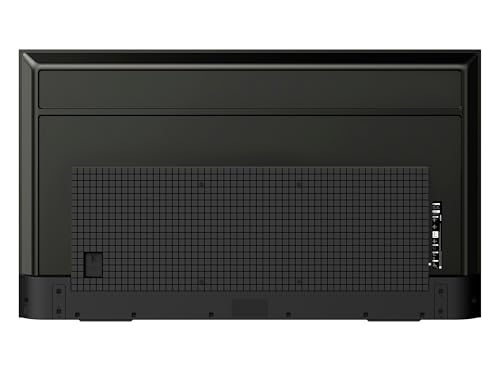
When shopping for a 65-inch 4K TV, you're entering the sweet spot of home entertainment. This screen size delivers an immersive cinematic experience without overwhelming most living rooms, and at the time of writing, represents the most popular premium TV category. But with dozens of options available, making the right choice can feel overwhelming.
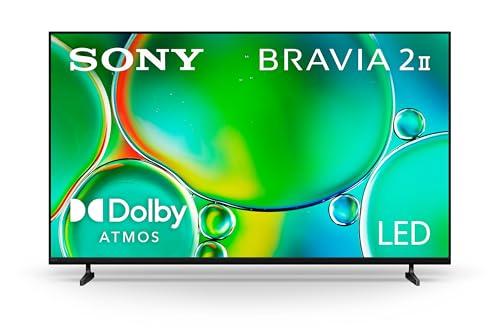
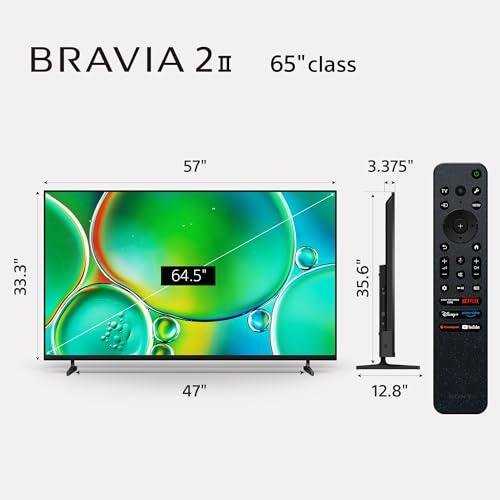
Today we're comparing two distinctly different approaches to the 65-inch 4K market: the Hisense 65" E6 Cinema Series QLED 4K Fire TV and the Sony BRAVIA 2 II 65" 4K LED Smart TV. Released in 2025, both represent their manufacturers' latest thinking about what matters most to TV buyers, but they've reached very different conclusions about the best path forward.
The TV market has evolved dramatically over the past few years. Where 4K resolution was once a premium feature, it's now standard across virtually all large TVs. The real differentiators have shifted to display technology, gaming capabilities, HDR (High Dynamic Range) support, and smart platform integration.
HDR, for those unfamiliar, dramatically improves picture quality by allowing displays to show much brighter highlights and deeper shadows simultaneously. Think of the difference between a dim flashlight and bright sunlight hitting the same scene—HDR lets TVs reproduce that full range of brightness, making images look much more realistic and vibrant.
Gaming has also become a crucial consideration. Modern gaming consoles can output games at 120 frames per second (fps) or higher, but your TV needs to support these higher refresh rates to display that smoothness. It's like the difference between a flipbook animation and smooth video—higher refresh rates eliminate the choppy motion that can make fast-paced games harder to play and less enjoyable to watch.
The Hisense E6 represents the "maximum features for your dollar" approach. At the time of writing, it's priced significantly lower than comparable QLED TVs from established brands, while packing in premium display technology and gaming-focused features that typically cost hundreds more.
The Sony BRAVIA 2 II, meanwhile, embodies the "trusted brand reliability" philosophy. Priced as Sony's entry-level 65-inch option, it costs notably more than the Hisense but focuses on proven image processing and seamless integration with Sony's gaming ecosystem.
This isn't just a price comparison—it's a fundamental difference in approach that affects everything from picture quality to gaming performance.
The most significant difference between these TVs lies in their display technology, and this is where the technical details really matter for your viewing experience.
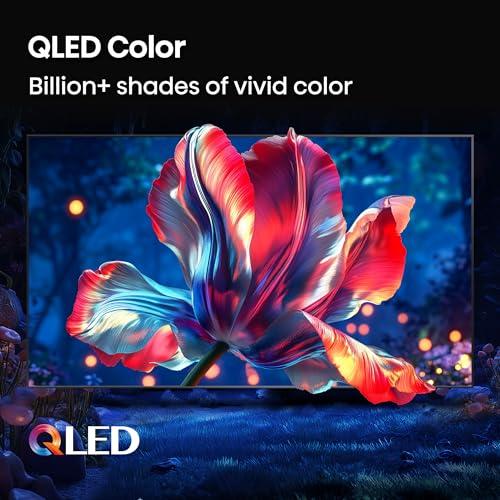
The Hisense E6 uses QLED (Quantum Dot LED) technology, while the Sony BRAVIA 2 II uses standard LED. This might sound like marketing jargon, but the difference is substantial and measurable.
QLED displays use tiny particles called quantum dots that act like extremely precise color filters. When light hits these quantum dots, they emit very specific wavelengths of color—think of them as microscopic prisms that can produce over a billion distinct color shades. This isn't hyperbole; it's the actual technical capability of quantum dot technology.
Standard LED TVs, like the Sony, use color filters that are less precise. They can still produce beautiful images, but the color range (called the color gamut) is more limited. It's like the difference between a 64-crayon box and a 256-crayon box—both can create great pictures, but one has more nuanced options.
In practical terms, this means the Hisense E6 can display more vibrant reds, deeper blues, and more natural skin tones. Sunset scenes look more dramatic, sports uniforms appear more vivid, and animated movies pop off the screen with colors that standard LED simply cannot reproduce.
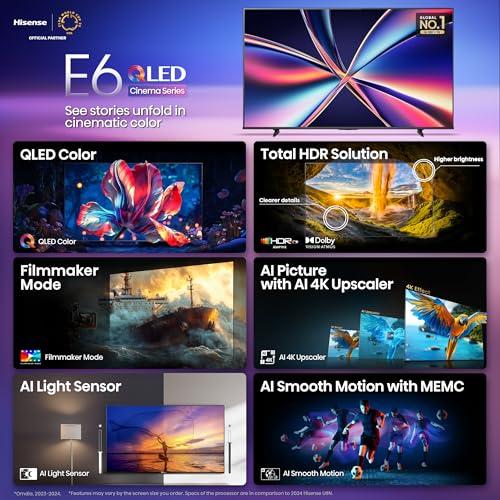
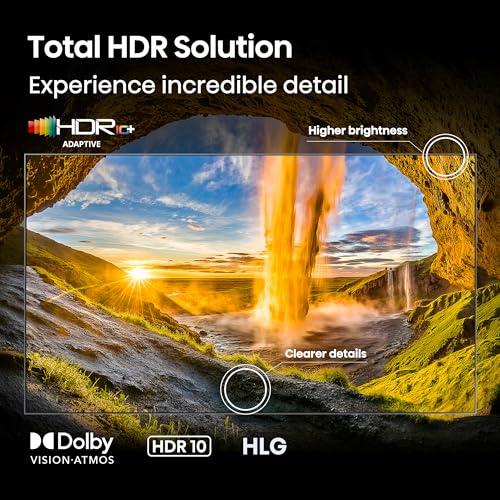
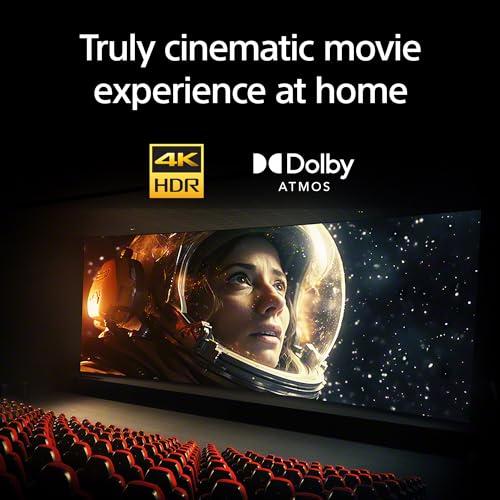
High Dynamic Range support is where these TVs diverge dramatically. The Hisense E6 supports Dolby Vision, HDR10+, HDR10, and HLG—essentially every HDR format you'll encounter. The Sony BRAVIA 2 II only supports HDR10 and HLG.
This matters more than you might expect. Dolby Vision, supported by the Hisense but not the Sony, is used by Netflix, Disney+, Apple TV+, and other premium streaming services for their highest-quality content. When you're watching the latest Marvel movie or nature documentary, Dolby Vision provides scene-by-scene optimization that can make the difference between "looks good" and "looks absolutely stunning."
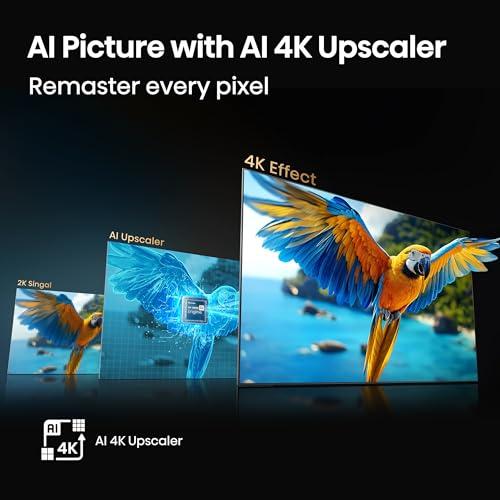
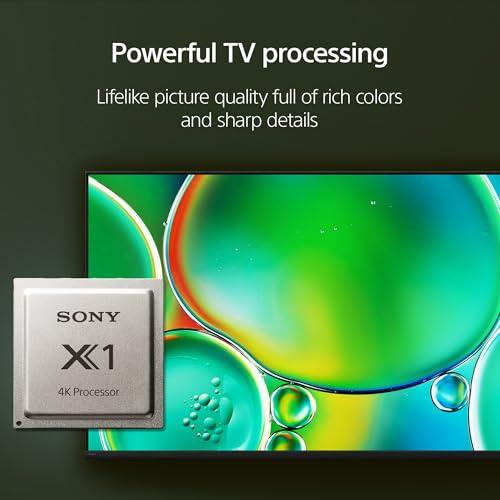
The Sony BRAVIA 2 II compensates with its 4K Processor X1, which excels at upscaling lower-resolution content and applying Sony's signature color tuning. Sony's processing has earned a strong reputation for making content look natural and pleasing, even if it can't match the raw technical capabilities of quantum dot displays.
Gaming performance has become a crucial TV specification, and this is where the philosophical differences between these models become most apparent.
The Hisense E6 features 144Hz Game Mode Pro, meaning it can display up to 144 frames per second of smooth motion. The Sony BRAVIA 2 II maxes out at 60Hz. This isn't just a numbers game—it's a fundamental difference in capability.
Modern gaming consoles like the PlayStation 5 and Xbox Series X can output games at 120fps, but only if your TV can display them. With the Sony capped at 60Hz, you're missing half the potential smoothness that these consoles can deliver. It's like having a sports car but only being able to drive in first gear.
The difference is most noticeable in fast-paced games—racing games, first-person shooters, and sports titles all benefit dramatically from higher refresh rates. Motion appears smoother, tracking moving objects becomes easier, and the overall gaming experience feels more responsive and immersive.
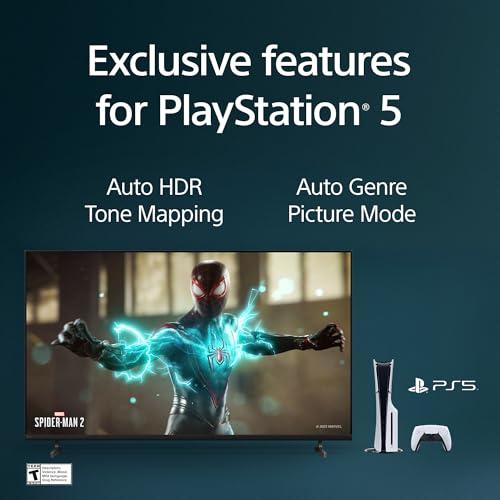
However, the Sony BRAVIA 2 II has a trump card: exceptional PlayStation 5 integration. Sony's Auto Low Latency Mode (ALLM) automatically switches the TV to its optimal gaming settings when it detects a PS5, minimizing input lag—the delay between pressing a button and seeing the action on screen.
Our research into user experiences reveals that PS5 owners consistently praise the Sony's seamless integration. The TV recognizes the console instantly, applies the best picture settings automatically, and delivers remarkably low input lag within its 60Hz limitation. If you're primarily a PlayStation gamer who values convenience over raw performance metrics, this optimization can matter more than higher refresh rates.
The Hisense E6 takes a more universal approach with its AI Smooth Motion and MEMC (Motion Estimation, Motion Compensation) technology. This system analyzes motion in real-time and inserts calculated frames to reduce blur and judder. It works with any gaming console or content source, making it more versatile but potentially less optimized for specific devices.
The smart TV experience has become nearly as important as picture quality, and these TVs take notably different approaches.
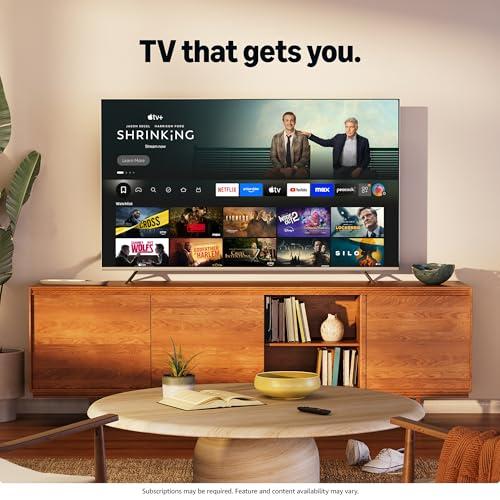
The Hisense E6 runs Amazon's Fire TV platform, which integrates live TV channels, streaming apps, and content discovery into a unified home screen. Fire TV's strength lies in its content aggregation—it pulls shows and movies from multiple services and presents them together, making it easier to find something to watch.
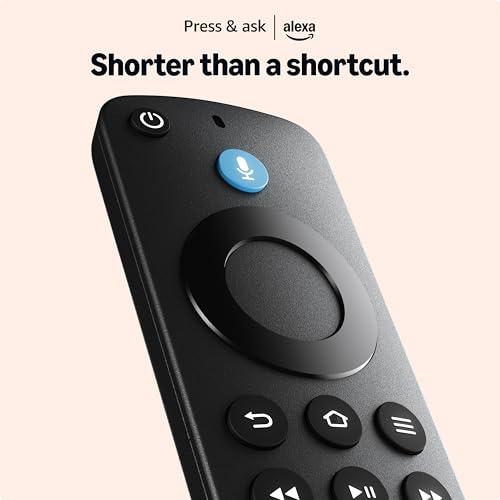
Fire TV also includes Alexa voice control, which extends beyond just TV functions. You can control smart home devices, check the weather, set timers, and perform other voice assistant tasks directly from your TV remote. The integration feels natural and comprehensive.
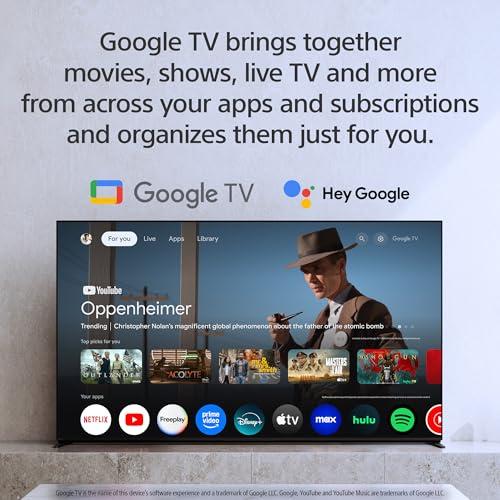
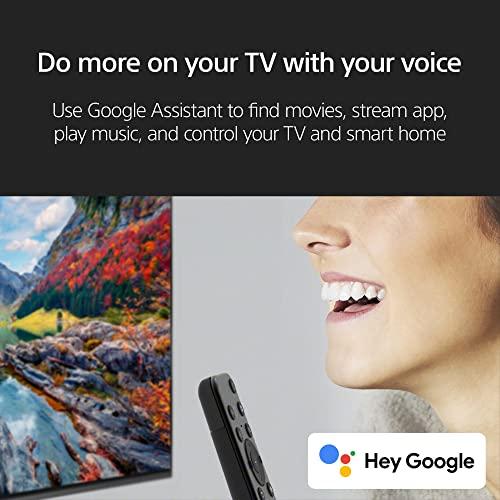
The Sony BRAVIA 2 II uses Google TV, which offers a cleaner, more app-focused interface. Google TV excels at content recommendations based on your viewing history and integrates seamlessly with other Google services. If you're already using Google Photos, YouTube TV, or other Google services, the experience feels cohesive and intuitive.
Google TV also supports both Apple AirPlay 2 and Chromecast, making it more versatile for casting content from phones and tablets regardless of whether you use iOS or Android.
Both platforms offer comprehensive app libraries, but with different strengths. Fire TV tends to prioritize Amazon's own services and has excellent integration with Prime Video's 4K and HDR content. Google TV provides superior YouTube integration and generally faster app performance, particularly for Google's own services.
WiFi 6 support in the Hisense E6 provides a future-proofing advantage, ensuring stable streaming performance even as internet speeds increase and more devices compete for bandwidth in your home.
Audio is often overlooked in TV comparisons, but it significantly impacts your viewing experience, especially for home theater setups.
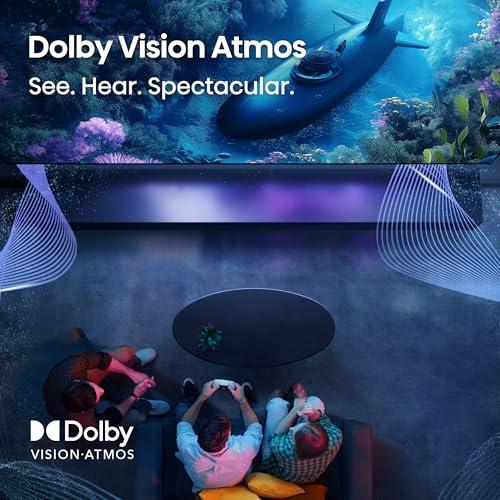
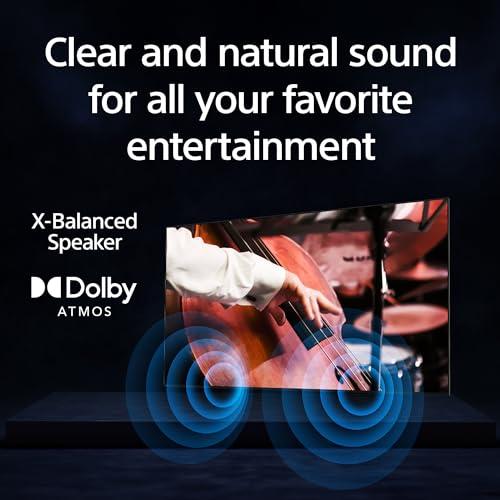
The Hisense E6 supports Dolby Atmos, which creates three-dimensional surround sound by bouncing audio off your ceiling and walls. Even with the TV's built-in speakers, Dolby Atmos content sounds more immersive and spacious than traditional surround sound.
The Sony BRAVIA 2 II features 40W Open Baffle speakers with Dolby Audio support. While this provides adequate sound for most rooms, it lacks the advanced spatial audio processing of Dolby Atmos. However, Sony includes eARC (enhanced Audio Return Channel) HDMI support, which allows high-quality audio passthrough to compatible soundbars and AV receivers.
For serious home theater enthusiasts, both TVs will likely be paired with external audio systems, making the eARC support on the Sony potentially more valuable than the built-in Dolby Atmos on the Hisense.
At the time of writing, the Hisense E6 costs several hundred dollars less than the Sony BRAVIA 2 II while offering more advanced display technology and gaming features. This represents exceptional value—you're getting QLED display technology and 144Hz gaming capability that typically costs significantly more from established brands.
The Sony commands a brand premium that reflects its established reputation for reliability, customer service, and long-term software support. Sony TVs historically receive software updates for longer periods and maintain their performance better over time. There's real value in this reliability, particularly if you plan to keep your TV for many years.
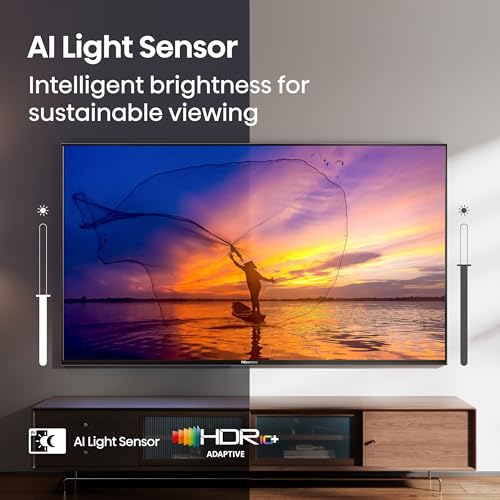
The Hisense E6's QLED technology and AI Light Sensor provide advantages in bright rooms. Quantum dots maintain color saturation even in high ambient light, while the automatic brightness adjustment ensures optimal visibility without manual tweaking. Standard LED displays, like the Sony, can appear washed out when competing with bright sunlight or overhead lighting.
Both TVs use direct-lit LED backlighting without local dimming zones, meaning they cannot achieve the perfect blacks of OLED displays. However, the Hisense E6's superior HDR processing and quantum dot technology provide better contrast and shadow detail in dark scenes.
For families watching everything from cartoons to sports to movies, the Hisense E6's comprehensive HDR support and AI-enhanced processing provide more consistent quality across different content types. The Sony's strength lies in its proven upscaling of lower-resolution content, making cable TV and older streaming content look cleaner and sharper.
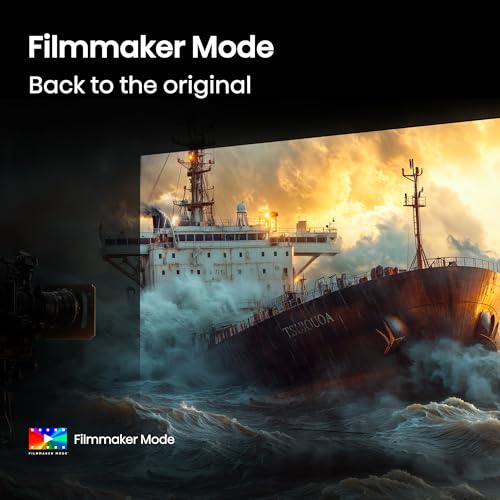
If you're building a dedicated home theater, several factors become particularly important. The Hisense E6's Filmmaker Mode preserves content creators' original intent by disabling motion smoothing and adjusting color temperature to industry standards. Combined with Dolby Vision support, this makes it better suited for serious movie watching.
The Sony BRAVIA 2 II's multiple HDMI inputs and eARC support provide more flexibility for complex AV setups with gaming consoles, streaming devices, and sound systems. Sony's reputation for reliable HDMI-CEC (device control) also matters in multi-component systems.
Technology moves quickly, and your TV purchase should remain relevant for several years. The Hisense E6's 144Hz capability, WiFi 6 support, and comprehensive HDR format compatibility provide better future-proofing for emerging gaming and streaming standards.
Sony's track record suggests the BRAVIA 2 II will receive longer software support and maintain performance better over time, potentially offsetting some of its current technical limitations.
Choose the Hisense E6 if you prioritize cutting-edge display technology, gaming performance, and maximum value. It's ideal for users who want premium features without premium pricing, particularly gamers with modern consoles or anyone who watches a lot of HDR content from streaming services.
The quantum dot display technology alone typically justifies the price difference, and the 144Hz gaming capability ensures compatibility with current and future gaming systems. The comprehensive HDR support means you'll get the best possible picture quality from Netflix, Disney+, and other premium streaming services.
Choose the Sony BRAVIA 2 II if you value brand reliability, PlayStation ecosystem integration, and proven performance over cutting-edge features. It's the safer choice for buyers who prefer established brands and don't need the latest gaming capabilities.
Sony's image processing remains excellent, and the TV will deliver consistently good performance across all types of content. If you're primarily a PlayStation 5 gamer or prefer the simplicity of Google TV, these advantages may outweigh the technical limitations.
The decision ultimately comes down to whether you prioritize maximum features and value (Hisense) or brand trust and ecosystem integration (Sony). Both will deliver excellent 4K performance, but they represent fundamentally different approaches to modern TV design and pricing.
For most buyers seeking the best combination of picture quality, gaming performance, and value, the Hisense E6 offers compelling advantages. However, Sony loyalists and PlayStation-focused gamers will find genuine benefits in the BRAVIA 2 II's more conservative but reliable approach.
| Hisense 65" E6 Cinema Series QLED 4K Fire TV | Sony BRAVIA 2 II 65" 4K LED Smart TV 2025 Display |
|---|---|
| Display Technology - The foundation that determines color quality and brightness | |
| QLED with Quantum Dots (over 1 billion color shades) | Standard LED with Direct Backlighting |
| Maximum Gaming Refresh Rate - Critical for smooth console gaming | |
| 144Hz Game Mode Pro (supports 120fps+ gaming) | 60Hz maximum (limits modern console performance) |
| HDR Format Support - Determines streaming service picture quality | |
| Dolby Vision, HDR10+, HDR10, HLG (full compatibility) | HDR10, HLG only (no Dolby Vision for Netflix/Disney+) |
| Image Processing - How the TV enhances picture quality | |
| AI 4K Upscaler with AI Smooth Motion and MEMC | 4K Processor X1 with Live Color Engine |
| Smart TV Platform - Your daily interface and app experience | |
| Fire TV with Alexa Voice Control | Google TV with Google Assistant |
| Audio Technology - Built-in sound capabilities | |
| Dolby Atmos support (3D surround sound) | 40W Open Baffle Speakers with Dolby Audio |
| Gaming Optimization - Console-specific features | |
| Motion Rate 120, Game Mode Plus with VRR | Auto Low Latency Mode (ALLM) optimized for PS5 |
| Connectivity Standards - Future-proofing and device compatibility | |
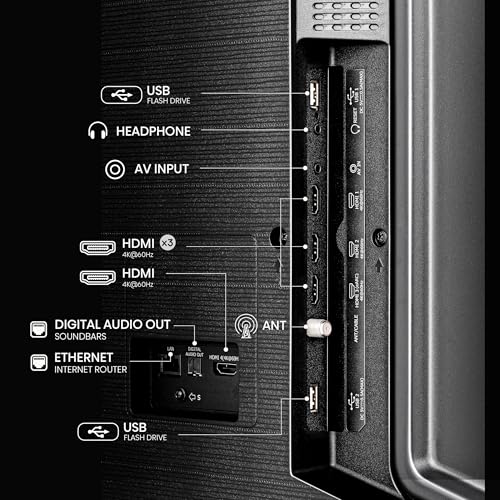
| WiFi 6, Multiple HDMI ports | WiFi standard, 4 HDMI ports with eARC |
| Special Features - AI and automation capabilities | |
| AI Light Sensor, Filmmaker Mode, Custom picture profiles | Motionflow XR, Auto HDR Tone Mapping, Clear Phase audio |
| Best Value For - Target buyer profile | |
| Gamers, HDR streaming enthusiasts, budget-conscious buyers wanting premium features | PlayStation 5 owners, Sony ecosystem users, brand reliability prioritizers |
The Hisense 65" E6 Cinema Series QLED 4K Fire TV delivers superior picture quality thanks to its QLED quantum dot technology, which produces over a billion color shades compared to standard LED. It also supports Dolby Vision HDR used by Netflix, Disney+, and other premium streaming services, while the Sony BRAVIA 2 II 65" 4K LED Smart TV only supports basic HDR10. For home theater setups and movie watching, the Hisense provides more vibrant colors and better contrast.
For raw gaming performance, the Hisense E6 offers 144Hz Game Mode Pro that can display the full 120fps output from modern consoles, while the Sony BRAVIA 2 II is limited to 60Hz. However, the Sony excels specifically with PlayStation 5 through its Auto Low Latency Mode and optimized integration. Choose the Hisense for maximum gaming performance across all consoles, or the Sony if you're primarily a PlayStation 5 user who values seamless optimization.
The Hisense E6 QLED TV uses quantum dot particles that act like precise color filters, creating more accurate and vibrant colors than the standard LED technology in the Sony BRAVIA 2 II. QLED displays can reproduce colors that regular LED TVs simply cannot show, making images appear more lifelike and saturated. This technology difference is particularly noticeable in bright, colorful content like animated movies and nature documentaries.
The Hisense E6 runs Fire TV with Alexa integration, offering excellent content discovery and smart home control directly from your TV remote. The Sony BRAVIA 2 II uses Google TV, which provides a cleaner interface and better casting support from phones and tablets. Fire TV works best for Amazon ecosystem users, while Google TV suits those already using Google services or who prefer broader device compatibility.
The Hisense 65" E6 Cinema Series QLED provides exceptional value by offering premium QLED display technology, 144Hz gaming, and comprehensive HDR support at a lower price point than the Sony. The Sony BRAVIA 2 II commands a brand premium but offers proven reliability and longer software support. The Hisense delivers more advanced features per dollar, while the Sony provides established brand trust and support.
The Hisense E6 QLED performs better in bright rooms due to its quantum dot technology maintaining color saturation even with high ambient light, plus an AI Light Sensor that automatically adjusts brightness. The Sony BRAVIA 2 II with standard LED can appear more washed out in bright sunlight. For living rooms with large windows or bright overhead lighting, the Hisense provides superior visibility and color accuracy.
The Hisense E6 supports Dolby Atmos for three-dimensional surround sound that creates a more immersive audio experience, even from built-in speakers. The Sony BRAVIA 2 II features 40W Open Baffle speakers with standard Dolby Audio. For home theater setups with external sound systems, the Sony's eARC HDMI support provides better connectivity to high-end soundbars and receivers.
The Hisense 65" E6 supports all major HDR formats including Dolby Vision, HDR10+, HDR10, and HLG, ensuring compatibility with content from any streaming service or 4K Blu-ray. The Sony BRAVIA 2 II only supports HDR10 and HLG, missing Dolby Vision used by Netflix, Disney+, and Apple TV+. This makes the Hisense more versatile for premium streaming content.
The Hisense E6 excels at sports viewing with its 144Hz refresh rate, AI Smooth Motion technology with MEMC processing, and Motion Rate 120 that eliminates blur during fast action. The Sony BRAVIA 2 II is limited to 60Hz but includes Motionflow XR processing. For sports enthusiasts and action movie fans, the Hisense provides noticeably smoother motion handling.
The Sony BRAVIA 2 II clearly specifies 4 HDMI ports, including one with eARC support for soundbars. The Hisense E6 has multiple HDMI ports but doesn't specify the exact number in available specifications. For users with many devices like gaming consoles, streaming boxes, and sound systems, the Sony's confirmed four ports provide more connectivity flexibility.
The Sony BRAVIA 2 II typically receives longer software support and maintains performance better over time, reflecting Sony's established track record with TV longevity. The Hisense E6 offers more current advanced features but may have shorter software update cycles. Sony's reputation for reliability makes it the safer long-term choice, while Hisense provides cutting-edge technology that may become outdated sooner.
For dedicated home theater use, the Hisense 65" E6 Cinema Series is the better choice due to its QLED display technology, comprehensive HDR support including Dolby Vision, Filmmaker Mode for authentic movie viewing, and Dolby Atmos audio. The Sony BRAVIA 2 II offers reliable performance and eARC connectivity for external audio systems, but lacks the advanced display technology and HDR capabilities that make the Hisense superior for serious movie watching in controlled lighting environments.
We've done our best to create useful and informative comparisons to help you decide what product to buy. Our research uses advanced automated methods to create this comparison and perfection is not possible - please contact us for corrections or questions. These are the sites we've researched in the creation of this article: bestbuy.com - bestbuy.com - rtings.com - pcvarge.com - youtube.com - youtube.com - youtube.com - rtings.com - shopabunda.com - hisense-usa.com - camelcamelcamel.com - manuals.plus - hisense-usa.com - hisense-usa.com - hisense-usa.com - slickdeals.net - bestbuy.com - hometechnologyreview.com - hometechnologyreview.com - electronics.sony.com - youtube.com - rtings.com - costco.com - youtube.com - displayspecifications.com - flanners.com - beachcamera.com - displayspecifications.com - bestbuy.com - stereoeast.com - youtube.com - sony.com.my

Privacy Policy
Terms and Conditions - Affiliate Policy
Home Security
© Copyright 2008-2026.
11816 Inwood Rd #1211, Dallas, TX 75244