

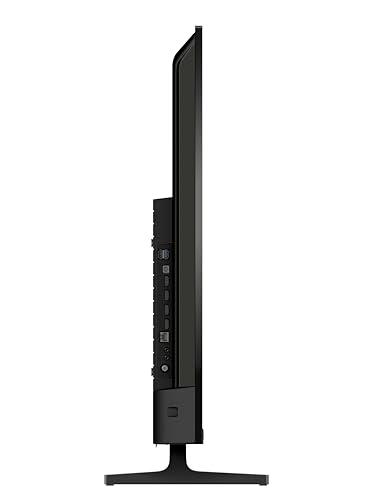



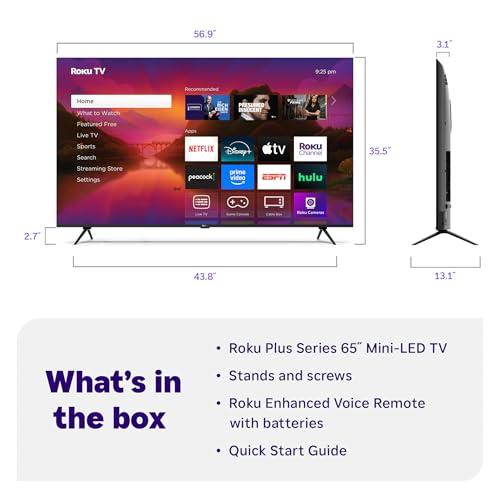
The 65-inch TV market has exploded with options in recent years, making it both exciting and overwhelming for buyers. Two standout contenders that caught our attention are the Sony BRAVIA 2 II 65" 4K LED Smart TV and the Roku Plus Series 65" 4K QLED Mini-LED Smart TV, both released in 2025. While they're priced within $50 of each other at the time of writing, they take dramatically different approaches to delivering a premium viewing experience on a budget.
After diving deep into user reviews, expert analyses, and technical specifications, we've found these TVs represent two distinct philosophies: Sony's emphasis on connectivity and ecosystem integration versus Roku's focus on cutting-edge display technology at an accessible price point. The choice between them will largely depend on how you plan to use your TV and what matters most to your viewing experience.
Before we dig into the specifics, let's establish what actually matters when you're shopping for a 65-inch TV under $700. The display technology forms the foundation—this includes how the TV creates light (LED backlighting), how it produces colors (standard LED vs QLED quantum dots), and how it controls contrast (local dimming zones). These factors directly impact how vibrant your Netflix shows look and whether you can see details in dark movie scenes.
Smart TV capabilities have become equally important. Your TV's operating system determines how quickly apps load, which streaming services are available, and how intuitive the interface feels after a long day. Connectivity matters more than many realize—having enough HDMI ports means the difference between constantly swapping cables or enjoying a clean setup with your gaming console, soundbar, and streaming devices all connected simultaneously.
HDR support deserves special attention. High Dynamic Range technology makes the brightest parts of your content actually bright while keeping dark scenes detailed. However, not all HDR is created equal—HDR10 is the baseline, while Dolby Vision and HDR10+ offer more sophisticated processing that adapts to each scene.
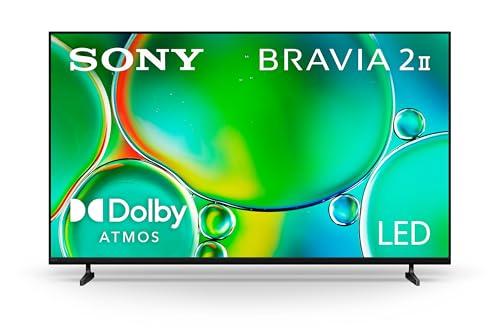
The Sony BRAVIA 2 II represents Sony's attempt to bring their decades of TV expertise to budget-conscious buyers. Released in 2025 as part of Sony's refreshed North American lineup, this model focuses on delivering reliable performance with comprehensive connectivity options.
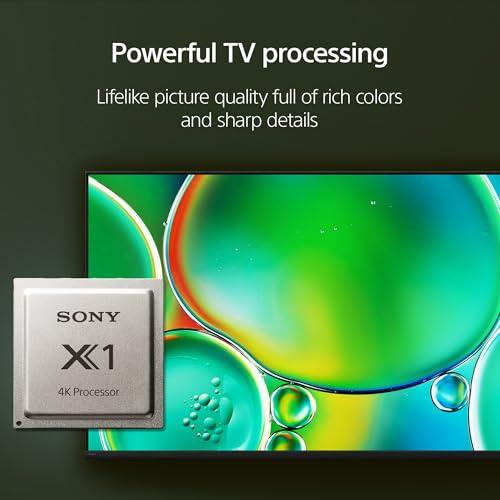
Sony built this TV around their 4K Processor X1, which might sound like marketing speak but actually performs important work. This processor runs Sony's 4K X-Reality PRO upscaling technology, analyzing incoming content against Sony's extensive database of images to enhance detail and sharpness. When you're watching older shows or lower-resolution content, this processing can make a noticeable difference in perceived image quality.
The Live Color technology expands the color palette beyond what standard LED TVs typically display, aiming for more natural-looking skin tones and vibrant landscapes. While it's not as advanced as quantum dot technology, it represents Sony's color science expertise applied to an entry-level model.
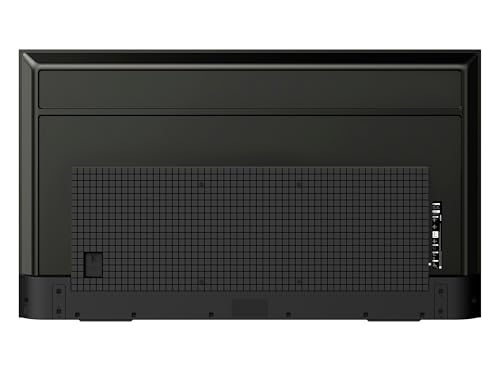
Where the Sony BRAVIA 2 II truly shines is connectivity. Four HDMI 2.0 ports might seem excessive until you realize how quickly they fill up—gaming console, streaming device, soundbar, and maybe a Blu-ray player or cable box. The TV also includes Wi-Fi 6, Bluetooth 5.3, optical audio output, and even an RS232C port for commercial installations.
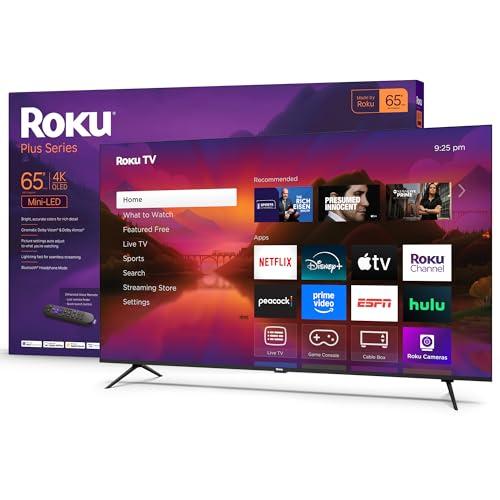
The Roku Plus Series took a different approach when it received a major upgrade in 2025. Rather than focusing on connectivity, Roku invested in display technology that typically costs hundreds more. The Mini-LED backlighting system uses thousands of tiny LEDs arranged behind the screen, allowing for precise local dimming control that dramatically improves contrast.
Mini-LED technology sits between traditional LED and premium OLED displays. Unlike the Sony BRAVIA 2 II's direct LED backlighting that illuminates the entire screen uniformly, Mini-LED can brighten or dim specific screen areas independently. This means bright explosions can coexist with detailed shadow areas in the same scene—something that's crucial for an immersive movie experience.
The quantum dot (QLED) layer adds another performance boost by converting the LED backlight into more pure colors. This isn't just about making colors more vivid—it's about expanding the range of colors the TV can display, particularly in the green and red spectrums where many TVs struggle.
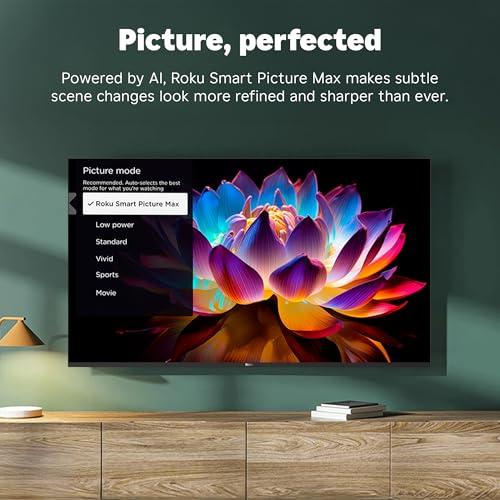
Perhaps most impressively, the Roku Plus Series supports Dolby Vision, HDR10+, and HLG—the full suite of modern HDR formats. Dolby Vision, in particular, uses dynamic metadata that adjusts the HDR mapping for each scene, rather than applying the same settings to an entire movie.
Based on our research into user experiences and expert measurements, the picture quality differences between these TVs are significant and favor the Roku Plus Series in most scenarios.
The Mini-LED advantage becomes apparent immediately when watching content with mixed lighting—think of a character standing in a doorway with bright sunlight behind them. The Roku Plus Series can keep the background properly bright while maintaining detail in the character's face. The Sony BRAVIA 2 II, with its direct LED backlighting, tends to compromise, either washing out the background or losing facial detail in shadows.
Color performance tells a similar story. Expert reviews consistently measure the Roku Plus Series achieving around 80% HDR color volume coverage, which is impressive for its price range. The quantum dot technology produces more saturated reds and greens without the artificial over-enhancement that plagues some budget TVs. Users frequently describe colors as "vibrant but natural," particularly when watching nature documentaries or animated content.
The Sony BRAVIA 2 II counters with Sony's reputation for accurate color processing. While it can't match the Roku Plus Series's peak brightness or color gamut, it tends to produce more consistent results across different content types. Sony's processing excels at upscaling lower-resolution content, which matters if you watch older shows or stream content over slower internet connections.
However, both TVs share a significant limitation—60Hz refresh rates. This means fast-moving sports or action scenes won't appear as smooth as on higher-end TVs with 120Hz panels. For most viewers, this isn't a dealbreaker, but it's worth noting if you're particularly sensitive to motion blur.
HDR support represents one of the clearest differentiators between these models. The Roku Plus Series supports the full range of HDR formats, while the Sony BRAVIA 2 II is limited to HDR10 and HLG—missing Dolby Vision and HDR10+.
This difference matters more than you might expect. When streaming a Dolby Vision movie from Netflix or Disney+, the Roku Plus Series receives scene-by-scene instructions for optimal brightness and color mapping. The result is more dramatic contrast and color accuracy that adapts throughout the movie. The Sony BRAVIA 2 II falls back to standard HDR10, which applies the same settings to the entire film.
In practice, users report that HDR content on the Roku Plus Series delivers more impactful bright highlights—think of sunlight streaming through windows or car headlights at night. The Mini-LED backlighting can achieve peak brightness levels that make these elements genuinely stand out, while maintaining detail in darker image areas.
The Sony BRAVIA 2 II handles HDR more conservatively. While it doesn't achieve the same peak brightness, it tends to produce more predictable results and avoids the occasional over-bright highlights that can occur on aggressively tuned budget TVs.
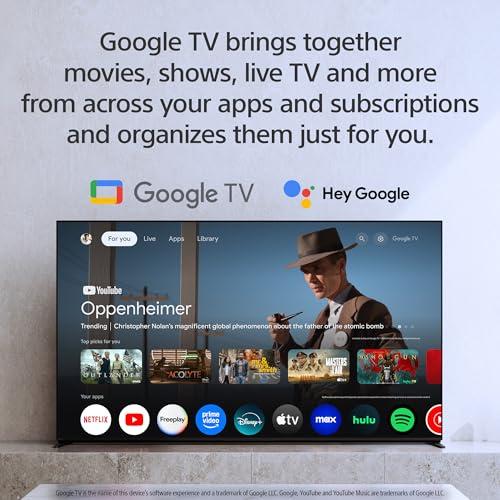
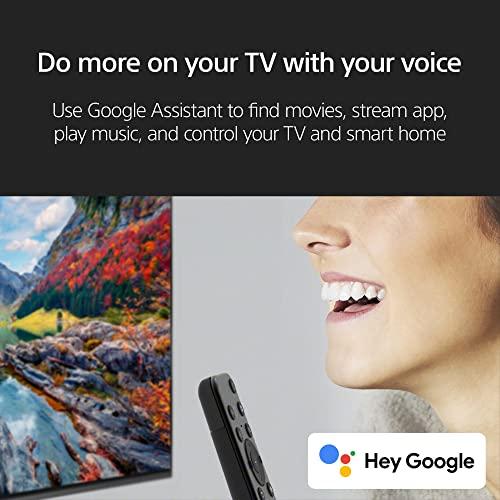
The smart TV experience reveals another fundamental difference in approach. Google TV on the Sony BRAVIA 2 II offers a more comprehensive ecosystem with deeper integration across Google services, voice assistants, and smart home devices. The interface aggregates content from multiple streaming services, making it easier to discover new shows without jumping between apps.
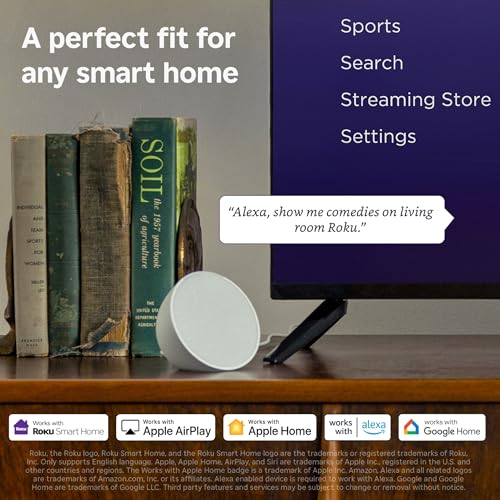
Google Assistant and Alexa integration work seamlessly, allowing voice control not just for the TV but for connected smart home devices. Apple users benefit from AirPlay 2 and HomeKit compatibility, making it easy to stream content from iPhones or iPads.
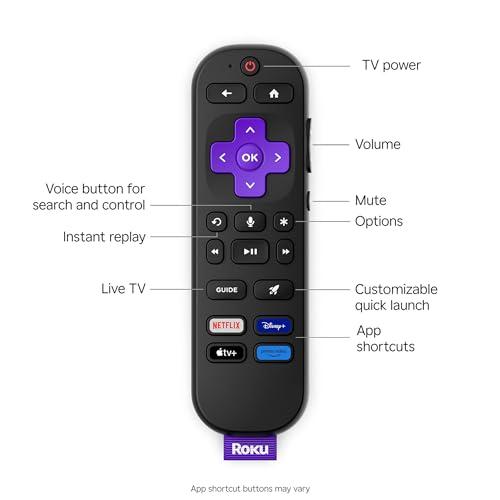
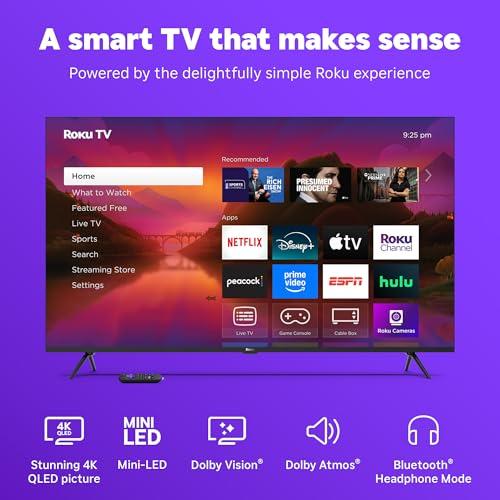
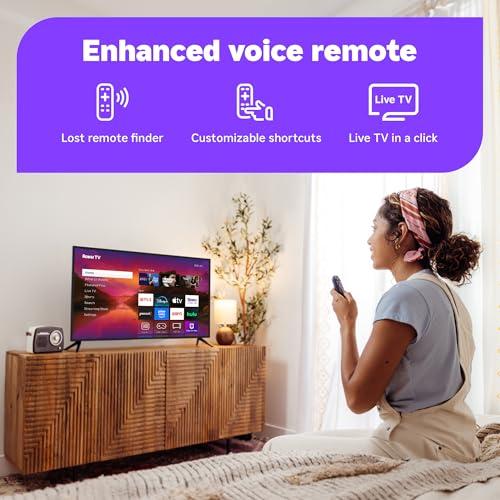
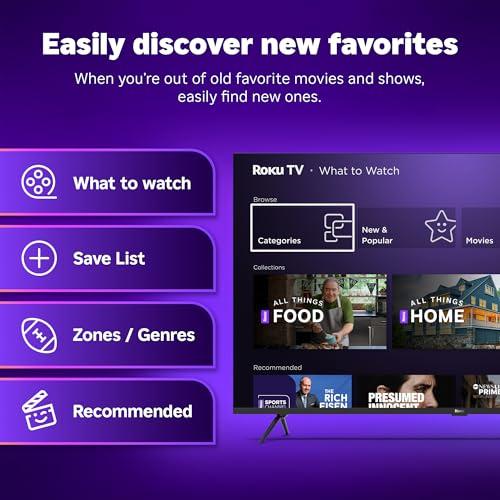
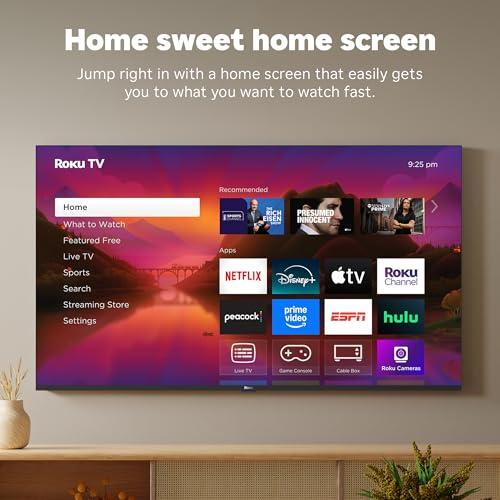
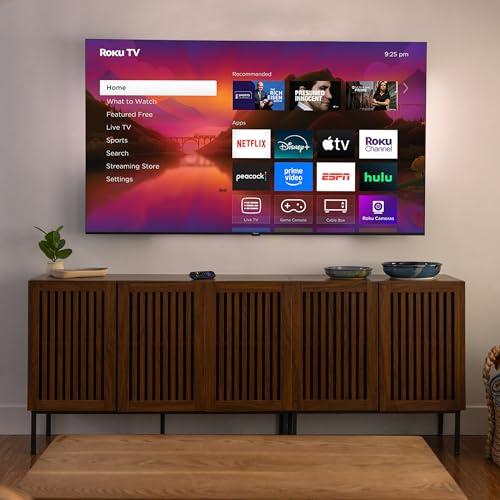
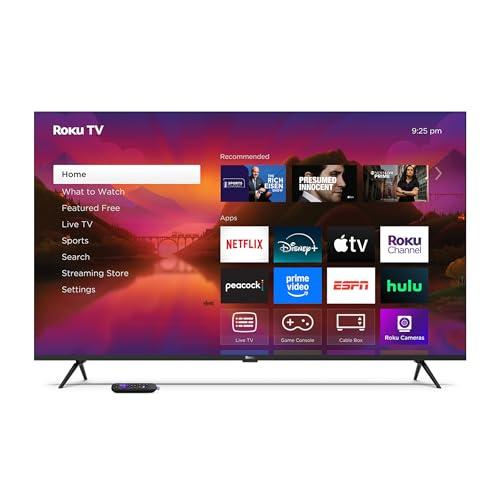
The Roku Plus Series counters with Roku's famously simple interface. After years of refinement, Roku TV delivers consistently fast performance without the bloatware or slowdowns that can plague Android-based systems over time. The home screen focuses on content discovery, and the enhanced voice remote includes rechargeable batteries and a lost remote finder—small touches that improve daily usability.
Roku's platform includes over 500 free live TV channels and Roku Originals, providing content value beyond just streaming apps. The interface loads quickly and rarely experiences the lag that sometimes affects Google TV on budget hardware.
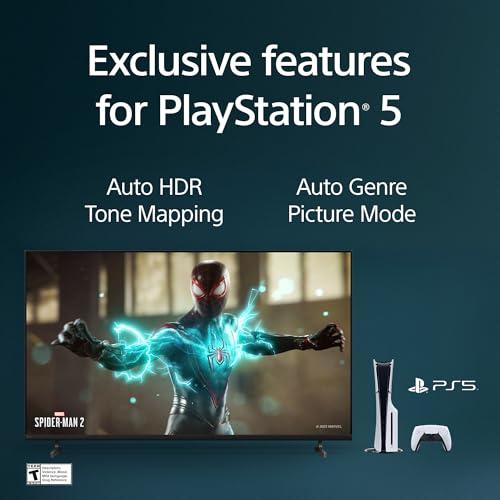
Neither TV targets serious gamers, but they handle casual gaming differently. The Sony BRAVIA 2 II includes specific PlayStation 5 optimizations—Auto HDR Tone Mapping and Auto Genre Picture Mode—that automatically adjust picture settings when gaming. The four HDMI ports accommodate a full gaming setup without requiring an HDMI switch.
Both TVs achieve low input lag suitable for casual gaming, with measurements around 11-12 milliseconds in game mode. However, they lack HDMI 2.1 support, Variable Refresh Rate (VRR), and 4K 120Hz capabilities that enhance the experience with PlayStation 5 or Xbox Series X.
For retro gaming or casual Switch sessions, either TV performs adequately. The Sony BRAVIA 2 II's additional HDMI ports provide more flexibility for connecting multiple consoles simultaneously.
Audio quality often gets overlooked in TV comparisons, but both models deliver above-average performance for their price range. The Roku Plus Series consistently receives praise for its built-in speakers, with users describing full, clear sound that handles both dialogue and music effectively. The 4.1 surround sound expandability and Night Mode provide practical benefits for apartment living or late-night viewing.
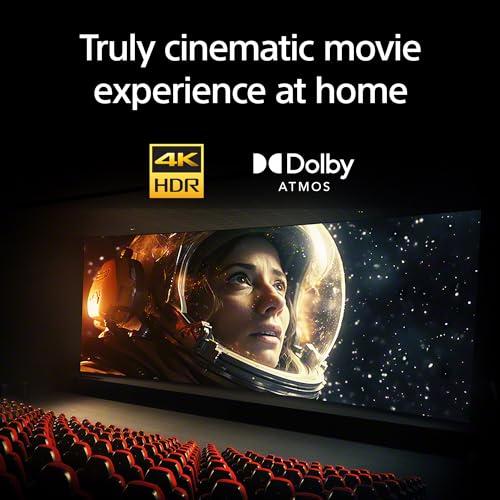
The Sony BRAVIA 2 II includes Clear Phase audio calibration and supports Dolby Atmos and DTS:X for more immersive audio experiences. While the 40W Open Baffle Speaker system provides adequate performance, it doesn't quite match the Roku Plus Series's surprising audio quality.
Both TVs benefit from soundbar additions, but the Roku Plus Series requires fewer immediate upgrades thanks to its stronger built-in audio performance.
For dedicated home theater setups, the Roku Plus Series offers several advantages despite its budget positioning. The Mini-LED backlighting and Dolby Vision support create a more cinematic experience, particularly in darkened rooms where the superior contrast becomes most apparent.
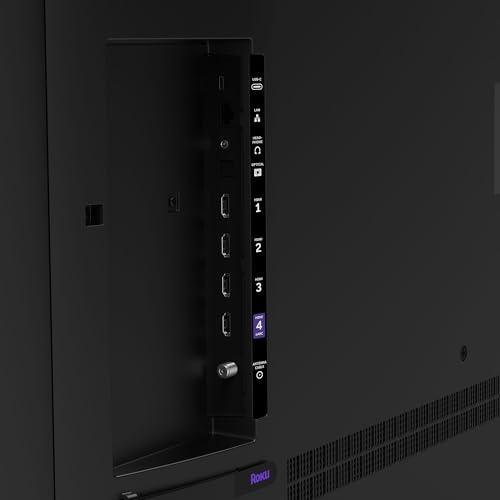
The wider color gamut and better HDR implementation make action movies and nature documentaries more engaging. However, the limited connectivity becomes problematic in complex setups—two HDMI ports force difficult choices between gaming consoles, streaming devices, and audio equipment.
The Sony BRAVIA 2 II accommodates more complex setups but doesn't deliver the same visual impact. For users prioritizing connectivity over peak performance, it represents a reasonable compromise.
After extensive research, we'd recommend the Roku Plus Series for most buyers seeking the best picture quality per dollar. The Mini-LED technology, QLED enhancement, and comprehensive HDR support deliver a viewing experience that typically costs significantly more. If you primarily stream content and can work with two HDMI connections, it offers exceptional value.
Choose the Sony BRAVIA 2 II if you need extensive connectivity for multiple devices, prefer Google's smart TV ecosystem, or want the reliability associated with Sony's brand heritage. It's particularly appealing for PlayStation owners who can benefit from the gaming optimizations.
The Roku Plus Series excels for movie nights and binge-watching, while the Sony BRAVIA 2 II handles complex entertainment setups more gracefully. At the time of writing, the Roku typically costs about $50 less, making its superior display technology an even more compelling value proposition.
Both represent solid choices in the competitive 65-inch budget TV market, but they serve different priorities. The Roku prioritizes visual performance, while the Sony emphasizes versatility and ecosystem integration. Your choice should align with how you actually use your TV rather than theoretical feature checklists.
| Sony BRAVIA 2 II 65" 4K LED Smart TV 2025 | Roku Plus Series 65" 4K QLED Mini-LED Smart TV 2025 |
|---|---|
| Display Technology - Determines contrast quality and color vibrancy | |
| Direct LED backlighting with standard LCD panel | Mini-LED backlighting with QLED quantum dot enhancement |
| HDR Support - Critical for streaming movie quality | |
| HDR10, HLG (missing Dolby Vision limits Netflix/Disney+ experience) | Dolby Vision, HDR10+, HDR10, HLG (full premium HDR support) |
| Local Dimming - Controls how well dark and bright areas coexist | |
| Frame dimming only (entire screen dims together) | Full-array local dimming with hundreds of zones |
| Peak Brightness - Affects HDR impact and daytime viewing | |
| Not specified (estimated 400-500 nits) | 648 nits measured (good for most lighting conditions) |
| HDMI Connectivity - Determines how many devices you can connect | |
| 4 × HDMI 2.0 ports (accommodates full entertainment setup) | 2 × HDMI 2.0 ports (limits device connections) |
| Smart TV Platform - Affects app selection and long-term updates | |
| Google TV with Google Assistant, Alexa, AirPlay 2 | Roku TV with enhanced voice remote and 500+ free channels |
| Gaming Features - Important for console owners | |
| Auto HDR Tone Mapping for PS5, 4 HDMI ports, low input lag | Low input lag (11.5ms), limited by 2 HDMI ports |
| Audio Quality - Affects whether you need an immediate soundbar purchase | |
| 40W Open Baffle speakers with Clear Phase calibration | Surprisingly robust built-in audio with 4.1 expandability |
| Refresh Rate - Impacts sports and action movie smoothness | |
| 60Hz (adequate for most content, limits gaming performance) | 60Hz (adequate for most content, limits gaming performance) |
| Color Technology - Determines color accuracy and vibrancy | |
| Live Color enhancement with Sony's color processing | QLED quantum dots for wider color gamut (80% coverage) |
| Price Positioning - Value consideration at time of writing | |
| Typically $50 more expensive, justified by connectivity | Better display technology for less money, connectivity trade-off |
| Best For - Primary use case recommendation | |
| Multi-device setups, PlayStation gaming, Google ecosystem | Movie watching, streaming focus, maximum picture quality per dollar |
The Roku Plus Series 65" 4K QLED Mini-LED Smart TV 2025 delivers superior picture quality for movies and streaming content. Its Mini-LED backlighting provides better contrast control with deeper blacks and brighter highlights, while the QLED technology offers a wider color gamut. The Roku Plus Series also supports Dolby Vision and HDR10+, which enhance Netflix, Disney+, and other premium streaming content beyond what the Sony BRAVIA 2 II 65" 4K LED Smart TV 2025 can achieve with its standard HDR10 support.
The Sony BRAVIA 2 II offers significantly better connectivity with 4 HDMI ports, allowing you to connect gaming consoles, streaming devices, soundbars, and cable boxes simultaneously. The Roku Plus Series is limited to just 2 HDMI ports, which may require an HDMI switch or frequent cable swapping if you have multiple devices.
Both offer excellent smart TV experiences but with different strengths. The Roku Plus Series features Roku's famously simple and fast interface with over 500 free live TV channels. The Sony BRAVIA 2 II runs Google TV, which provides deeper integration with Google services, voice assistants, and smart home devices, plus support for Apple AirPlay 2 and Chromecast built-in.
Both TVs are suitable for casual gaming with low input lag around 11-12ms, but neither excels for serious gaming. The Sony BRAVIA 2 II has advantages for PlayStation owners with Auto HDR Tone Mapping and more HDMI ports for multiple consoles. However, both are limited to 60Hz refresh rates and lack HDMI 2.1 features like Variable Refresh Rate that enhance next-generation console gaming.
The Roku Plus Series performs better in bright rooms due to its higher peak brightness (648 nits measured) and Mini-LED backlighting technology. The Sony BRAVIA 2 II uses direct LED backlighting which provides consistent brightness but may struggle more with ambient light and glare in very bright environments.
The Roku Plus Series has surprisingly good built-in audio that many users find adequate without immediate soundbar purchase. The Sony BRAVIA 2 II offers decent audio with Clear Phase calibration and Dolby Atmos support, but both TVs will benefit from a soundbar upgrade for the best home theater experience.
The Roku Plus Series typically offers better value, providing Mini-LED and QLED display technology usually found in more expensive TVs, plus comprehensive HDR support. The Sony BRAVIA 2 II costs slightly more but justifies the premium with superior connectivity options and Sony's established picture processing technology.
Yes, both handle 4K HDR streaming, but the Roku Plus Series provides a superior experience with support for Dolby Vision, HDR10+, and HLG formats. The Sony BRAVIA 2 II is limited to HDR10 and HLG, which means it won't take full advantage of premium HDR content from Netflix, Disney+, and other services that use Dolby Vision.
For dedicated home theater use, the Roku Plus Series delivers better picture quality with its Mini-LED backlighting creating more cinematic contrast and color performance. However, the Sony BRAVIA 2 II may be more practical for complex home theater setups requiring multiple HDMI connections for various components like AV receivers, gaming consoles, and media players.
The Roku Plus Series includes an Enhanced Voice Remote Pro with rechargeable batteries, hands-free voice control, and a lost remote finder feature. The Sony BRAVIA 2 II comes with a standard voice remote that's functional but lacks the premium features and convenience of Roku's enhanced remote.
Both manufacturers provide regular software updates, but they follow different approaches. The Sony BRAVIA 2 II benefits from Google TV's frequent updates and extensive app ecosystem. The Roku Plus Series is known for consistent, long-term platform support with Roku's track record of updating older TV models for years after purchase.
Sony has decades of TV manufacturing experience and is known for reliable picture processing and build quality, making the Sony BRAVIA 2 II appealing to buyers who prioritize established brand heritage. Roku has earned a strong reputation specifically for smart TV platforms and user-friendly interfaces, with the Roku Plus Series representing their commitment to bringing premium display technology to budget-conscious buyers.
We've done our best to create useful and informative comparisons to help you decide what product to buy. Our research uses advanced automated methods to create this comparison and perfection is not possible - please contact us for corrections or questions. These are the sites we've researched in the creation of this article: bestbuy.com - hometechnologyreview.com - hometechnologyreview.com - electronics.sony.com - youtube.com - rtings.com - costco.com - youtube.com - displayspecifications.com - flanners.com - beachcamera.com - displayspecifications.com - bestbuy.com - stereoeast.com - youtube.com - sony.com.my - bestbuy.com - tomsguide.com - rtings.com - youtube.com - rtings.com - youtube.com - roku.com - walmart.com - youtube.com - bestbuy.com - roku.com - tvsbook.com

Privacy Policy
Terms and Conditions - Affiliate Policy
Home Security
© Copyright 2008-2026.
11816 Inwood Rd #1211, Dallas, TX 75244