

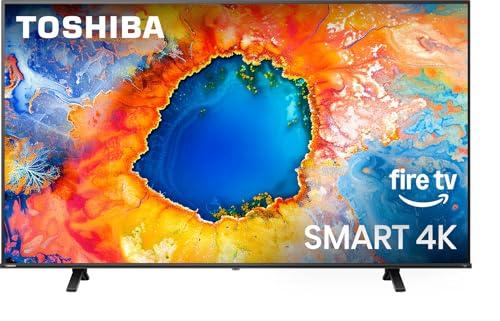
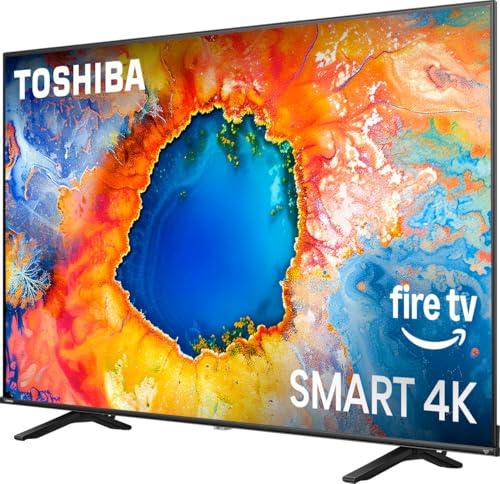
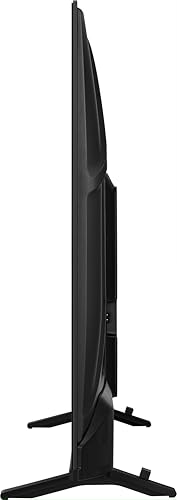

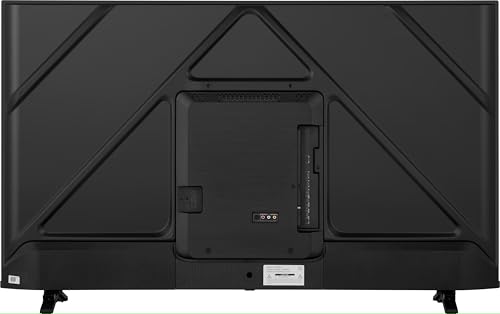
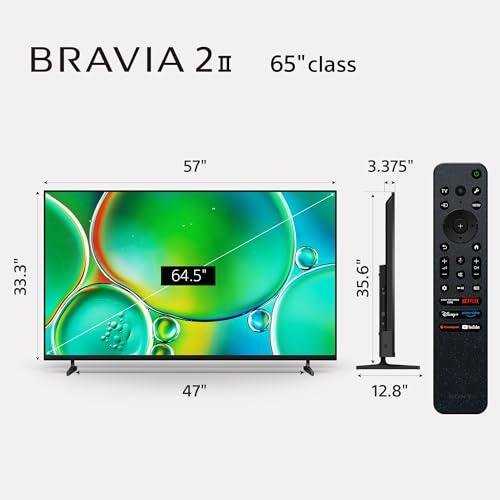
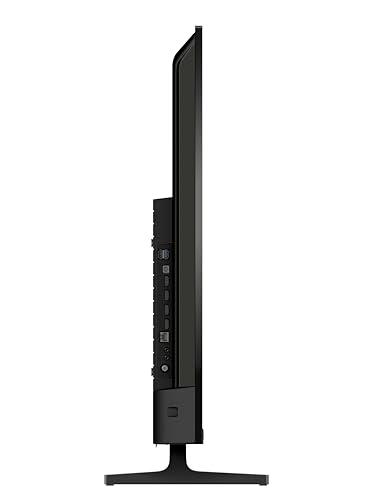



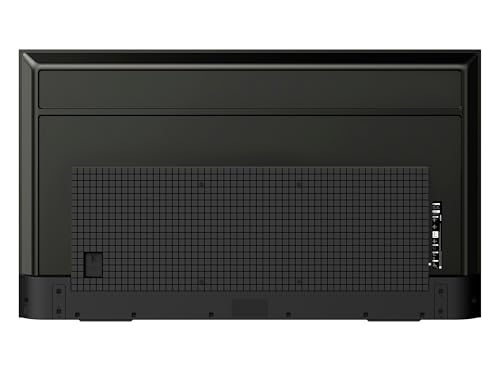
Shopping for a 65-inch 4K TV can feel overwhelming, especially when you're balancing picture quality, smart features, and budget constraints. Two models that consistently appear in budget-friendly searches are the Toshiba 65" C350 Series, released in 2023, and the newer Sony BRAVIA 2 II, which hit stores in 2025. While both target cost-conscious buyers seeking large-screen entertainment, they take fundamentally different approaches to smart TV integration and image processing.
The 65-inch 4K TV market has evolved significantly over the past few years. What once required premium pricing has become increasingly accessible, with manufacturers finding clever ways to deliver 4K resolution, HDR support, and smart TV capabilities at prices that won't break the bank. However, this accessibility comes with trade-offs, and understanding these compromises is crucial for making the right choice.
When evaluating large-screen budget TVs, several key factors determine your viewing experience. Picture quality remains paramount – this encompasses not just resolution, but color accuracy, brightness levels, and contrast performance. The smart TV platform significantly impacts daily usability, affecting everything from app selection to interface responsiveness. Audio performance, while often overlooked, can make or break your entertainment experience, especially since most budget TVs compromise on built-in speakers. Gaming capabilities have become increasingly important as console gaming has grown more sophisticated, and build quality determines how well your investment ages over time.
The most critical performance metrics in this category include peak brightness (measured in nits), which determines how well the TV performs in bright rooms and with HDR content; color gamut coverage, which affects how vibrant and accurate colors appear; input lag for gaming responsiveness; and smart platform performance, including app loading times and interface smoothness.
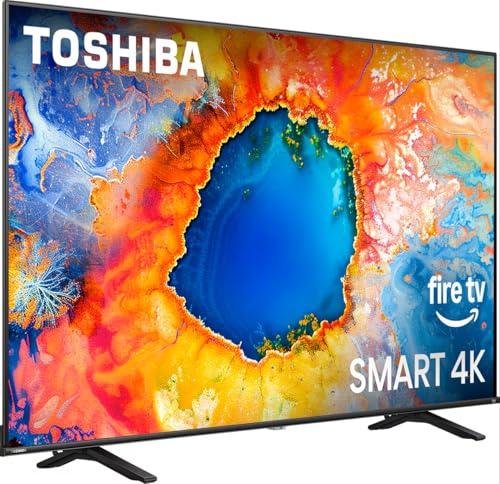
The most fundamental difference between these TVs lies in their smart platforms, and this choice will significantly impact your daily experience. The Toshiba C350 built its entire identity around Amazon's Fire TV ecosystem, while the Sony BRAVIA 2 II embraces Google TV's more open approach.
Fire TV, Amazon's smart TV platform, excels at content discovery and integration with Amazon's services. If you're a Prime Video subscriber or own multiple Alexa devices, the synergy is remarkable. The interface learns your preferences and surfaces relevant content prominently. However, this tight integration comes with trade-offs. Fire TV's interface can feel cluttered with Amazon's promotional content, and app selection, while comprehensive, isn't quite as extensive as Google TV's offerings.
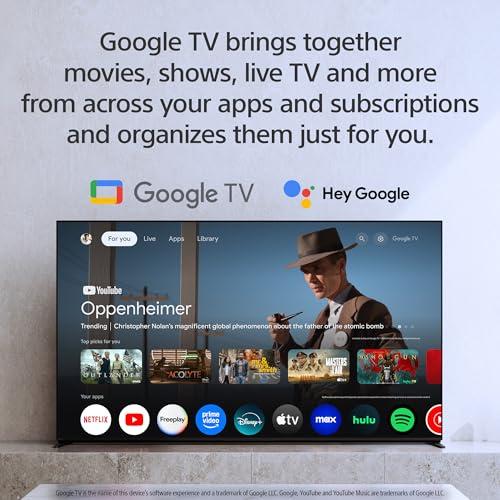
Google TV represents a more neutral approach to smart TV platforms. It aggregates content from multiple streaming services into a unified interface, making it easier to find something to watch regardless of which service hosts it. The platform supports both Google Assistant and Amazon Alexa, providing flexibility in voice control preferences. Chromecast built-in and Apple AirPlay 2 support make casting content from phones or tablets seamless, regardless of whether you're in Apple's or Google's ecosystem.
From our research into user feedback, Google TV users consistently report faster navigation and fewer software glitches compared to Fire TV. However, Fire TV users appreciate the streamlined experience when primarily watching Amazon content. Your choice here should align with your existing smart home ecosystem and primary streaming preferences.
The image quality differences between these TVs highlight why not all 4K displays are created equal. Both feature 65-inch LED panels with 3840 x 2160 resolution, but their approaches to image processing reveal significant disparities.
The Toshiba C350 relies on what Toshiba calls the REGZA Engine 4K for image processing. This system handles basic 4K upscaling – the process of taking lower-resolution content and intelligently filling in additional pixels to match the 4K display. While functional, the processing power is limited, resulting in upscaled content that can appear soft or artificial compared to native 4K material.
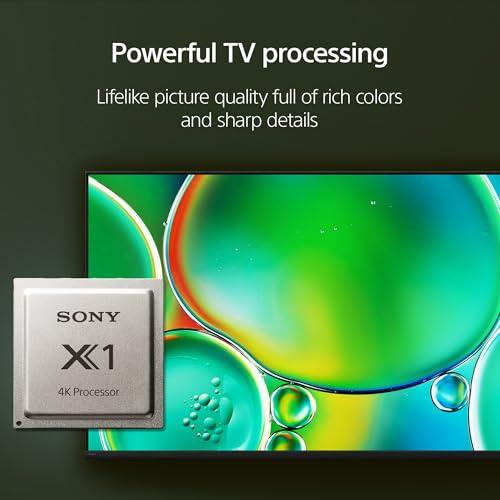
Sony's approach with the BRAVIA 2 II demonstrates the value of investing in superior processing technology. The 4K Processor X1, combined with X-Reality PRO technology, represents a significant step up in computational power. This system analyzes incoming video signals against Sony's extensive database of 4K content, making intelligent decisions about how to enhance edges, reduce noise, and optimize color reproduction. The practical result is upscaled content that appears noticeably sharper and more natural.
The color reproduction differences are equally important. The Toshiba C350 uses standard LED backlighting with basic color processing, delivering adequate but unremarkable color accuracy. Colors tend to appear somewhat oversaturated, which can look impressive in store demonstrations but becomes fatiguing during extended viewing.
Sony's TRILUMINOS Pro technology in the BRAVIA 2 II takes a more sophisticated approach to color reproduction. This system expands the color gamut – essentially the range of colors the TV can display – while maintaining accuracy. The result is colors that appear more vibrant yet natural, particularly beneficial when watching movies or high-quality streaming content where color grading matters.
Brightness performance tells another important story. The Toshiba C350 struggles to achieve high peak brightness levels, typically maxing out around 300-400 nits. This limitation becomes apparent in bright rooms where ambient light washes out the screen, and it significantly hampers HDR performance. HDR content relies on bright highlights to create dramatic contrast, and without sufficient peak brightness, HDR becomes more of a marketing checkbox than a meaningful viewing enhancement.
The Sony BRAVIA 2 II achieves better peak brightness, reaching 400-500 nits under optimal conditions. While still modest by premium TV standards, this improvement provides noticeably better performance in moderately bright rooms and more convincing HDR reproduction.
Audio represents one of the most overlooked aspects of TV selection, yet it dramatically impacts your entertainment experience. Both TVs feature relatively modest 10W x 2 speaker configurations, but their audio processing approaches differ meaningfully.
The Toshiba C350 incorporates DTS Virtual:X technology, which attempts to create a more immersive soundstage using psychoacoustic processing. This system analyzes audio signals and applies digital signal processing to simulate surround sound effects through the TV's built-in speakers. While better than basic stereo reproduction, the effect remains subtle due to the limited speaker hardware.
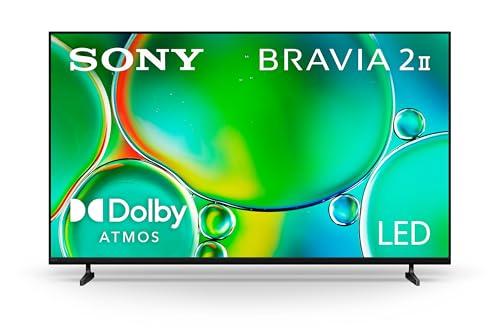
Sony's approach with the BRAVIA 2 II focuses on clarity and accuracy rather than virtual surround effects. The Open Baffle Speaker design aims to reduce unwanted resonances that can muddy dialogue, while Dolby Atmos and DTS:X support ensures compatibility with advanced audio formats. In practice, this translates to clearer dialogue and better overall sound quality, though the 10-watt power limitation still requires reasonable volume expectations.
Both TVs benefit significantly from external audio systems. A quality soundbar can transform the viewing experience, but if you're planning to rely on built-in speakers, the Sony BRAVIA 2 II provides the superior foundation.
Gaming performance has become increasingly important as consoles like the PlayStation 5 and Xbox Series X have pushed 4K gaming into the mainstream. Both TVs offer gaming-focused features, but their implementations and capabilities differ.
The Toshiba C350 includes an Auto Low Latency Mode that automatically switches to reduced input lag when it detects a gaming console. Input lag – the delay between pressing a controller button and seeing the action on screen – typically drops to around 20-30 milliseconds in game mode. This performance is adequate for most gaming scenarios, though competitive players might notice the delay during fast-paced action.
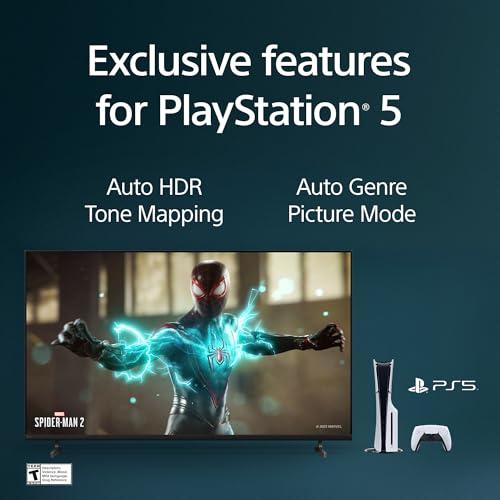
Sony's gaming integration with the BRAVIA 2 II goes deeper, particularly for PlayStation users. Auto HDR Tone Mapping automatically optimizes HDR settings when connected to a PlayStation 5, while Auto Genre Picture Mode switches between optimized settings for games versus movies. The HDMI 2.1 connectivity provides better bandwidth for future console features, though both TVs are limited to 60Hz refresh rates.
For serious gamers, the 60Hz limitation represents a significant constraint. Modern gaming TVs often support 120Hz refresh rates, which provide smoother motion and reduced input lag. However, at these price points, 60Hz remains standard, and most games still target 60 frames per second anyway.
Input lag performance on the Sony BRAVIA 2 II typically measures slightly lower than the Toshiba C350, making it the better choice for gaming enthusiasts. However, both TVs perform adequately for casual console gaming.
Using either TV as the centerpiece of a home theater setup requires understanding their strengths and limitations. Both support 4K resolution and HDR formats, but their performance with movie content reveals important differences.
The Toshiba C350 supports Dolby Vision HDR, which provides more sophisticated HDR processing than basic HDR10. However, the TV's limited peak brightness prevents it from fully realizing Dolby Vision's potential. Dark scenes suffer from poor black levels due to the lack of local dimming – a feature that allows different areas of the LED backlight to dim independently for better contrast.
The Sony BRAVIA 2 II lacks Dolby Vision support but compensates with superior overall image processing and slightly better brightness performance. The more accurate color reproduction particularly benefits movie content, where color grading plays a crucial role in the director's vision.
For home theater use, both TVs work best in controlled lighting environments. Bright rooms will wash out darker scenes and reduce overall contrast. Consider blackout curtains or bias lighting – LED strips placed behind the TV to reduce eye strain – to optimize the viewing experience.
Neither TV excels in home theater applications compared to dedicated projectors or premium OLED displays, but they provide reasonable performance for casual movie watching at their respective price points.
At the time of writing, the Toshiba C350 typically retails for significantly less than the Sony BRAVIA 2 II, making it one of the most affordable 65-inch 4K options available. This pricing advantage makes it particularly attractive for buyers prioritizing screen size over premium features.
The Sony BRAVIA 2 II commands a modest premium that reflects its superior image processing, build quality, and smart TV platform. Whether this premium represents good value depends on your priorities and how long you plan to keep the TV.
From a longevity perspective, Sony's reputation for software support and build quality suggests the BRAVIA 2 II may age more gracefully. Google TV receives more frequent updates than Fire TV, and Sony's track record with long-term support is superior to Toshiba's recent history in the TV market.
The decision between these TVs should align with your viewing habits, existing technology ecosystem, and performance expectations.
Choose the Toshiba C350 if you're deeply integrated into Amazon's ecosystem, primarily stream content rather than watch broadcast TV, and prioritize getting the largest screen possible within your budget. It's ideal for casual viewers who want 4K capability without premium pricing. The Fire TV platform works particularly well if you're already comfortable with Amazon's interface and services.
The Sony BRAVIA 2 II makes more sense if you value superior image processing, want flexibility across multiple streaming platforms, or own gaming consoles that benefit from enhanced compatibility features. The better build quality and more sophisticated processing justify the price premium if you plan to keep the TV for several years.
Neither TV represents the pinnacle of display technology – both make compromises to achieve their accessible pricing. However, they both deliver genuine 4K viewing experiences that would have cost significantly more just a few years ago. The key is matching their capabilities to your specific needs and expectations.
For most buyers, the choice comes down to ecosystem preference and whether Sony's processing improvements justify the additional cost. Both represent solid value propositions in the competitive budget 4K TV market, just with different strengths and target audiences.
| Toshiba 65" C350 Series 4K UHD Smart Fire TV | Sony BRAVIA 2 II 65" 4K LED Smart TV 2025 |
|---|---|
| Display Technology - Affects picture quality and viewing experience | |
| 65" LCD/LED with full array backlight, no local dimming | 65" Direct LED with basic local dimming |
| Peak Brightness - Critical for HDR performance and bright room viewing | |
| ~300-400 nits (struggles in bright rooms) | 400-500 nits (better for moderately bright spaces) |
| HDR Support - Determines compatibility with premium streaming content | |
| Dolby Vision, HDR10, HLG (limited by low brightness) | HDR10, HLG only (no Dolby Vision but better brightness) |
| Image Processing - Makes the biggest difference in picture quality | |
| REGZA Engine 4K (basic upscaling and enhancement) | 4K Processor X1 with X-Reality PRO (superior processing) |
| Color Technology - Impacts how vibrant and accurate colors appear | |
| Standard LED color reproduction | TRILUMINOS Pro (wider color gamut, more accurate) |
| Smart TV Platform - Determines daily usability and app selection | |
| Fire TV with Alexa integration (Amazon-focused) | Google TV with Assistant/Alexa (broader app ecosystem) |
| Audio System - Built-in sound quality before adding external speakers | |
| 10W x 2 with DTS Virtual:X | 10W x 2 Open Baffle with Dolby Atmos/DTS:X |
| Gaming Features - Important for console compatibility and performance | |
| Auto Low Latency Mode, 60Hz refresh rate | Auto HDR Tone Mapping, PS5 optimization, HDMI 2.1 |
| Connectivity - Future-proofing and device compatibility | |
| 3-4 HDMI 2.0 ports, basic connectivity | 4 HDMI 2.1 ports with eARC, Wi-Fi 6 |
| Release Year - Affects software support and feature longevity | |
| 2023 model (established but aging platform) | 2025 model (latest features and longer support) |
| Build Quality - Durability and premium feel | |
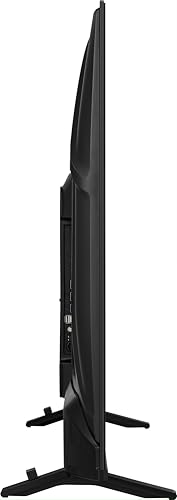
| Basic plastic construction, functional design | Improved materials, Sony's refined design language |
| Voice Control - Smart home integration and hands-free operation | |
| Alexa Voice Remote (Amazon ecosystem focus) | Google Assistant + Alexa compatibility (more flexible) |
| Casting Support - Wireless streaming from mobile devices | |
| Fire TV casting (Amazon devices prioritized) | Chromecast built-in + Apple AirPlay 2 (universal compatibility) |
The Sony BRAVIA 2 II delivers superior picture quality thanks to its 4K Processor X1 and TRILUMINOS Pro color technology. While the Toshiba C350 provides decent 4K resolution, Sony's advanced image processing produces more accurate colors, better upscaling of non-4K content, and improved overall clarity. For movie watching and premium streaming content, the Sony BRAVIA 2 II is the clear winner.
The Toshiba C350 uses Amazon's Fire TV platform, which excels if you're heavily invested in Amazon's ecosystem and primarily use Prime Video. The Sony BRAVIA 2 II runs Google TV, offering broader app compatibility, cleaner interface design, and better integration with both Android and Apple devices. Google TV also supports both Google Assistant and Alexa, while Fire TV focuses mainly on Alexa integration.
The Sony BRAVIA 2 II offers better gaming performance with Auto HDR Tone Mapping, PlayStation 5 optimization features, and HDMI 2.1 connectivity. While both TVs are limited to 60Hz refresh rates, the Sony BRAVIA 2 II typically has lower input lag and more sophisticated gaming features. The Toshiba C350 includes basic Auto Low Latency Mode but lacks the advanced gaming optimizations.
Both TVs feature modest 10W x 2 speaker configurations, but the Sony BRAVIA 2 II has an edge with its Open Baffle Speaker design and Dolby Atmos support, providing clearer dialogue and better sound staging. The Toshiba C350 uses DTS Virtual:X for simulated surround sound. However, both TVs benefit significantly from adding a soundbar for optimal audio experience.
The Sony BRAVIA 2 II performs better in bright environments thanks to its higher peak brightness (400-500 nits) compared to the Toshiba C350's limited brightness output (300-400 nits). Neither TV excels in very bright rooms, but Sony's superior brightness and basic local dimming provide better visibility and contrast when dealing with ambient light.
Both TVs support all major streaming services, but with different approaches. The Toshiba C350 prioritizes Amazon services through Fire TV, with excellent Prime Video integration but a more limited app store. The Sony BRAVIA 2 II offers broader app compatibility through Google TV, faster app performance, and more frequent software updates for better long-term support.
The Toshiba C350 typically offers better value for budget-focused buyers who want the largest screen size possible without premium features. The Sony BRAVIA 2 II provides better value for those willing to pay a modest premium for superior image processing, build quality, and more versatile smart TV features. Your choice depends on whether you prioritize lowest cost or better overall performance.
The Toshiba C350 supports more HDR formats including Dolby Vision, HDR10, and HLG, but its limited peak brightness prevents optimal HDR performance. The Sony BRAVIA 2 II supports HDR10 and HLG (no Dolby Vision) but delivers better actual HDR performance due to higher brightness levels and superior processing. For practical HDR viewing, Sony's approach works better.
The Toshiba C350 excels for Amazon ecosystem users with seamless Alexa integration and Echo device compatibility. The Sony BRAVIA 2 II offers more flexibility with support for both Google Assistant and Alexa, plus better casting options including Chromecast and Apple AirPlay 2. Choose based on your existing smart home ecosystem preferences.
The Sony BRAVIA 2 II generally offers superior build quality with better materials, more refined design, and Sony's reputation for reliability. The Toshiba C350 provides functional build quality adequate for its price point but may not age as gracefully. Sony also typically provides longer software support and more frequent updates.
For dedicated home theater use, the Sony BRAVIA 2 II is the better choice due to its superior color accuracy, better brightness performance, and more precise image processing. While the Toshiba C350 supports Dolby Vision HDR, its limited brightness and basic processing make it less suitable for serious home theater applications. Both work best in controlled lighting environments.
Choose the Toshiba C350 if you're budget-focused, primarily use Amazon services, want the largest screen for the lowest cost, and don't need premium picture quality. Select the Sony BRAVIA 2 II if you value superior image processing, want better gaming features, prefer Google TV's flexibility, or plan to keep the TV for many years and want better long-term software support.
We've done our best to create useful and informative comparisons to help you decide what product to buy. Our research uses advanced automated methods to create this comparison and perfection is not possible - please contact us for corrections or questions. These are the sites we've researched in the creation of this article: bestbuy.com - bestbuy.com - youtube.com - rtings.com - cnet.com - youtube.com - consumerreports.org - toshibatv-canada.com - bestbuy.com - bestbuy.com - dolby.com - displayspecifications.com - toshibatv-usa.com - aarons.com - bestbuy.com - hometechnologyreview.com - hometechnologyreview.com - electronics.sony.com - youtube.com - rtings.com - costco.com - youtube.com - displayspecifications.com - flanners.com - beachcamera.com - displayspecifications.com - bestbuy.com - stereoeast.com - youtube.com - sony.com.my

Privacy Policy
Terms and Conditions - Affiliate Policy
Home Security
© Copyright 2008-2026.
11816 Inwood Rd #1211, Dallas, TX 75244