

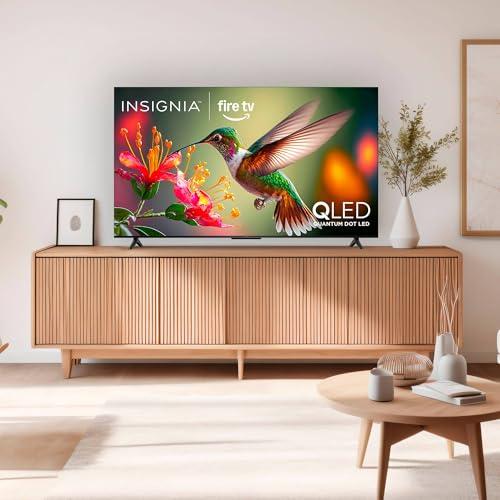


Choosing a 65-inch 4K TV in 2025 means navigating a landscape where budget-friendly options now offer premium display technologies that were exclusive to high-end models just a few years ago. The competition between the Insignia 65" QF Series QLED and Sony BRAVIA 2 II perfectly illustrates this shift, representing two fundamentally different approaches to delivering excellent 4K viewing experiences.
At the time of writing, these TVs occupy distinct price tiers that reflect their different priorities. The Insignia QF Series positions itself as a value leader, bringing QLED (Quantum Dot LED) technology to price points that were unimaginable for this display type even two years ago. Meanwhile, the Sony BRAVIA 2 II, released in 2025 as an updated version of Sony's entry-level lineup, maintains the traditional premium pricing approach while focusing on picture processing excellence and build quality refinements.
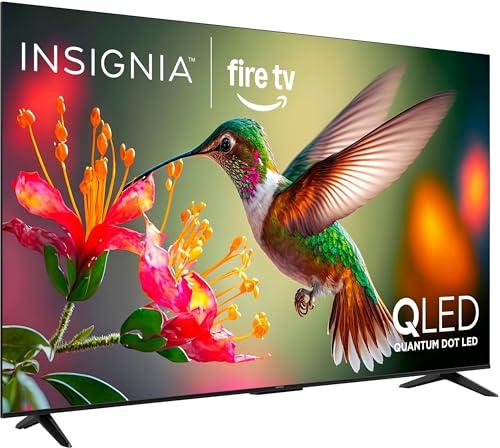
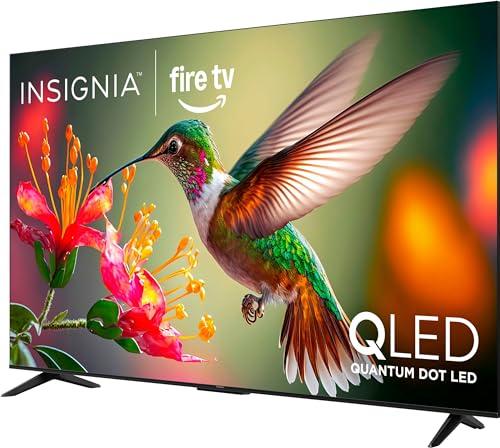
The most significant technical difference between these TVs lies in their display technologies. The Insignia QF Series uses QLED technology, which places a quantum dot film between the LED backlight and LCD panel. These quantum dots are microscopic semiconductor particles that emit specific colors when excited by blue LED light, creating a much wider color gamut—the range of colors a display can reproduce—compared to standard LED TVs.
This quantum dot layer allows the Insignia to display more vibrant, accurate colors, particularly in the red and green spectrums where traditional LED displays often fall short. The practical result is more lifelike skin tones, richer foliage in nature documentaries, and more saturated colors in animated content without the artificial oversaturation that plagued earlier wide-color displays.
The Sony BRAVIA 2 II, by contrast, uses standard LED technology with an IPS (In-Plane Switching) panel. IPS panels excel at maintaining color accuracy and brightness levels when viewed from side angles, addressing one of the traditional weaknesses of LED displays. However, they typically can't match QLED's color vibrancy or peak brightness levels.
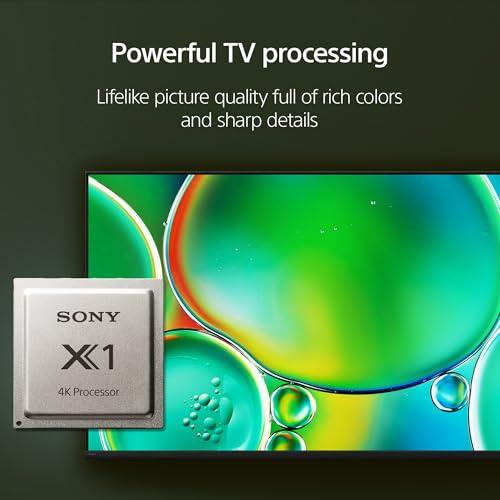
Sony compensates for this hardware limitation through their 4K Processor X1, which applies sophisticated color processing algorithms to enhance picture quality. This processor analyzes each scene and adjusts color saturation, contrast, and sharpness in real-time, often producing more natural-looking images than displays with superior raw hardware but less advanced processing.
Based on comprehensive user feedback and expert consensus, the picture quality comparison reveals interesting trade-offs. The Insignia QF Series consistently receives praise for its vibrant, eye-catching visuals that immediately impress viewers, particularly when displaying HDR (High Dynamic Range) content from streaming services like Netflix or Disney+.
HDR content contains additional brightness and color information that allows compatible displays to show brighter whites, deeper shadows, and more realistic colors. The Insignia supports Dolby Vision, the premium HDR format that optimizes each scene individually, while the Sony BRAVIA 2 II supports only basic HDR10, which uses static optimization for entire movies or shows.
The quantum dot advantage becomes most apparent when watching colorful content—nature documentaries, animated films, or vibrant dramas benefit significantly from QLED's enhanced color reproduction. However, the Sony often produces more accurate, film-like images that professional colorists intended, particularly for cinematic content where natural color reproduction matters more than visual impact.
For brightness performance, both TVs handle well-lit rooms adequately, though neither matches the peak brightness levels of premium models. The Insignia's QLED technology provides better brightness efficiency, meaning it can produce brighter images with less power consumption, while maintaining color accuracy at high brightness levels.
Black level performance—how dark the darkest parts of the image can get—favors neither TV decisively. Both use LED backlighting that can't achieve true black levels like OLED displays, though the Insignia's direct LED backlighting provides more uniform brightness distribution compared to edge-lit alternatives.
The smart platform choice significantly impacts daily usability. The Insignia QF Series runs Amazon's Fire TV OS, which has matured considerably since its 2014 launch. The current iteration provides intuitive navigation, extensive app selection, and seamless integration with Amazon's ecosystem.
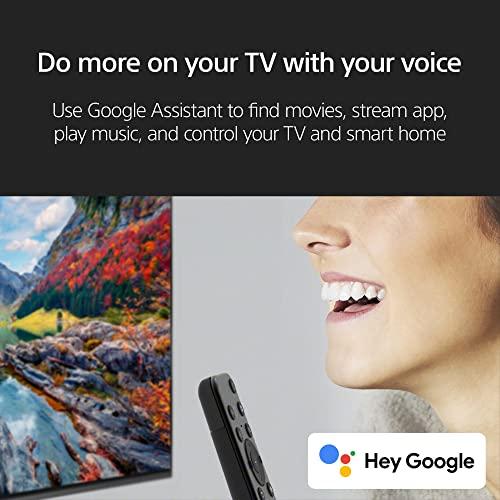
Fire TV's strength lies in content discovery and Alexa integration. You can use voice commands to search across multiple streaming services, control smart home devices, or ask for weather updates without switching inputs or grabbing additional remotes. The platform also provides excellent parental controls and user profiles, making it family-friendly for households with children.
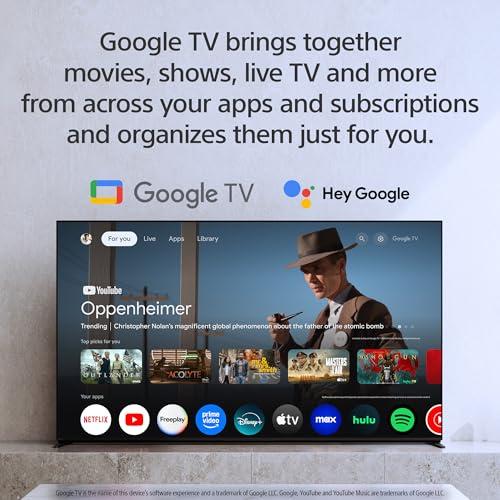
The Sony BRAVIA 2 II uses Google TV, which evolved from Android TV and launched in its current form in 2020. Google TV excels at content aggregation, pulling recommendations from all your subscribed streaming services into a unified interface. This approach works particularly well for users who subscribe to multiple services and want a single place to discover new content.
Google TV's search functionality surpasses Fire TV's capabilities, understanding complex queries like "action movies from the 1990s with Bruce Willis" and delivering relevant results across platforms. The integration with Google ecosystem services—Gmail, Google Photos, YouTube—creates a seamless experience for Android phone users.
However, app availability can vary between platforms. Fire TV typically receives streaming apps quickly due to Amazon's market influence, while Google TV sometimes lags behind for smaller or newer services. Both platforms support the major services (Netflix, Disney+, Hulu, Prime Video) without issues.
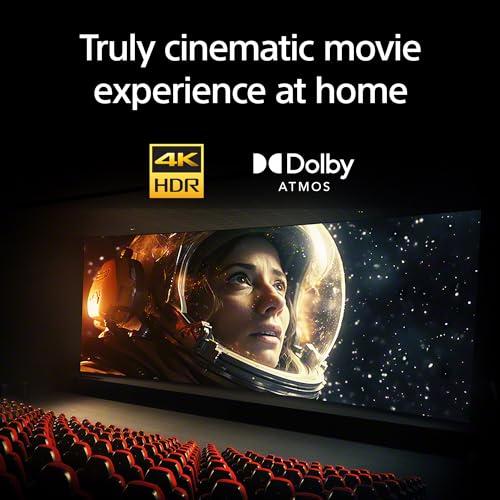
Neither TV delivers exceptional audio performance from built-in speakers, which is typical for slim modern displays. The Insignia QF Series includes Dolby Atmos processing, which attempts to create three-dimensional sound effects from the built-in speakers. While this processing helps with dialogue clarity and adds some spatial audio effects, the physical limitations of thin TV speakers prevent true Atmos immersion.
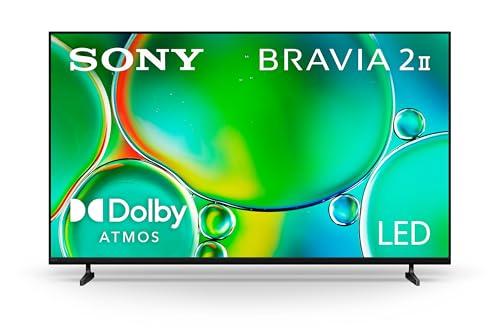
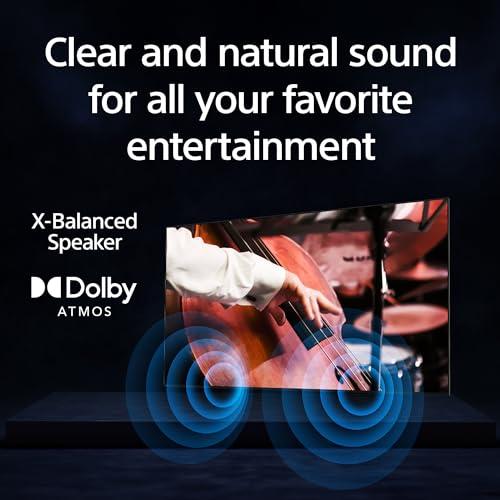
The Sony BRAVIA 2 II uses a 40W Open Baffle Speaker system with Dolby Atmos support. Sony's implementation tends to provide clearer dialogue and slightly better bass response, though it still can't match dedicated soundbars or speaker systems.
For home theater enthusiasts, the Sony's eARC (enhanced Audio Return Channel) support on HDMI port 3 enables lossless audio transmission to compatible soundbars or receivers. This feature supports advanced audio formats like Dolby TrueHD and DTS-HD Master Audio, which provide superior sound quality for Blu-ray discs and premium streaming content.
The Insignia provides standard ARC support, which handles most soundbar connections adequately but doesn't support the highest-quality audio formats. For most users, this limitation won't be noticeable, but home theater purists will prefer the Sony's advanced audio connectivity.
Both TVs target casual gamers rather than competitive gaming enthusiasts. The Insignia QF Series provides adequate gaming performance with reasonable input lag—the delay between controller input and on-screen response—though it lacks advanced gaming features like Variable Refresh Rate (VRR) or 120Hz support that benefit next-generation consoles.
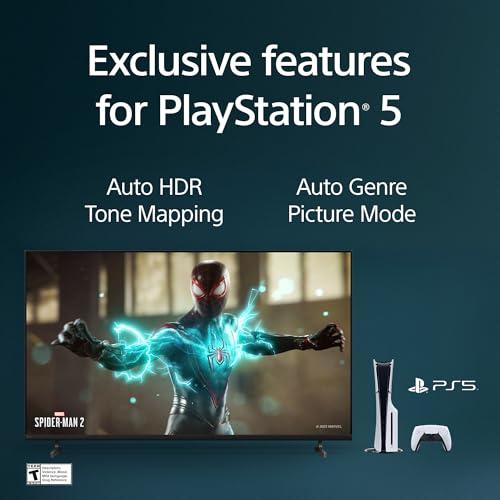
The Sony BRAVIA 2 II includes Auto Low Latency Mode (ALLM), which automatically switches to the lowest input lag setting when it detects a gaming console. This feature works particularly well with PlayStation 5, where Sony's first-party optimization provides automatic HDR tone mapping and picture mode adjustments for different games.
For most gaming scenarios—story-driven single-player games, casual multiplayer, or retro gaming—both TVs perform adequately. Competitive gamers who prioritize every millisecond of response time would benefit from dedicated gaming monitors or TVs with 120Hz support and advanced gaming features.
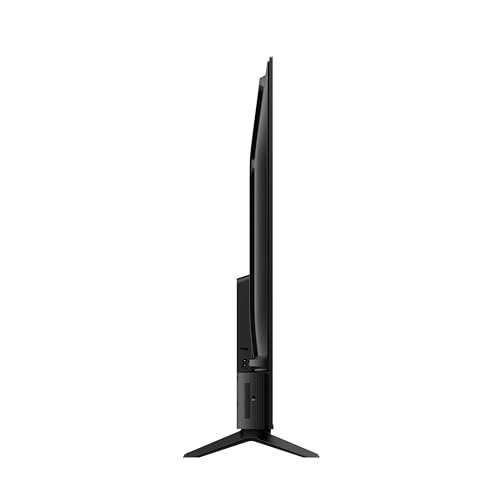
The construction quality difference reflects each brand's market positioning. The Insignia QF Series uses adequate materials and construction methods to achieve its aggressive pricing while maintaining reasonable durability. The metal bezel and slim profile provide a modern appearance that fits well in most living spaces.
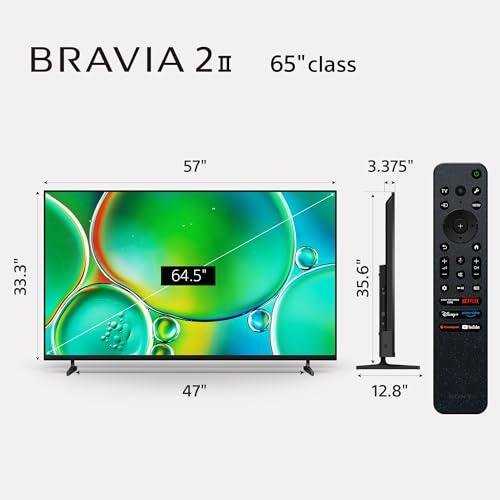
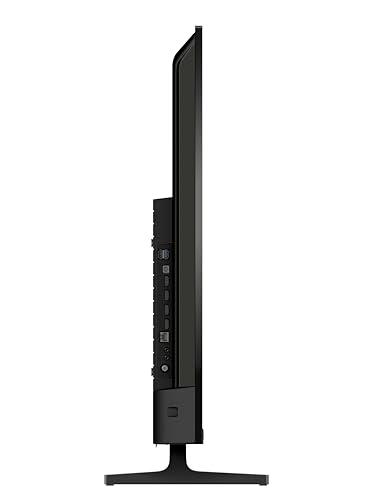
The Sony BRAVIA 2 II emphasizes premium construction with its bezelless metal frame design, representing a significant improvement over Sony's 2024 entry-level models. The T-shape blade stand provides stable support while maintaining a minimal footprint, and the overall build quality feels more substantial and refined.
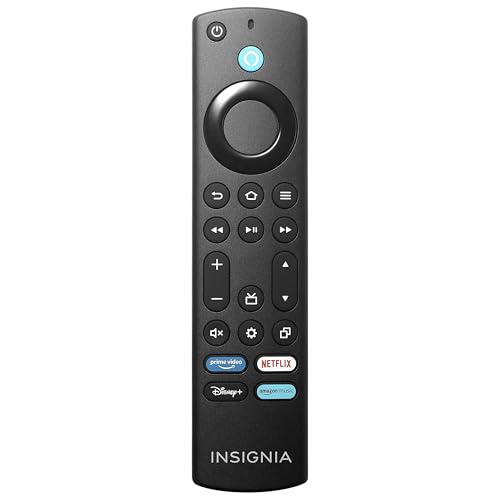
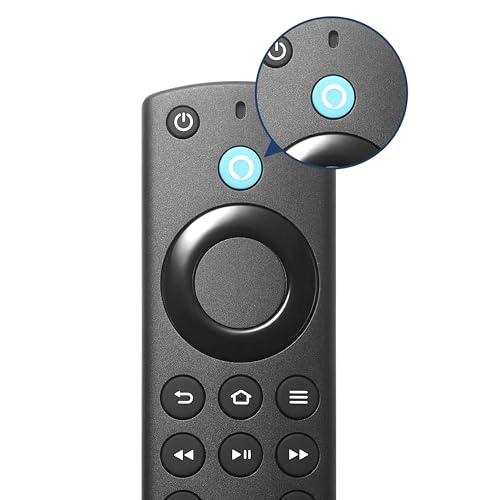
Remote control quality also differs significantly. The Insignia includes a basic but functional Alexa Voice Remote with essential buttons and voice control capabilities. The Sony provides an eco-friendly remote made from 80% recycled plastic, reflecting Sony's environmental commitments while maintaining ergonomic design and premium button feel.
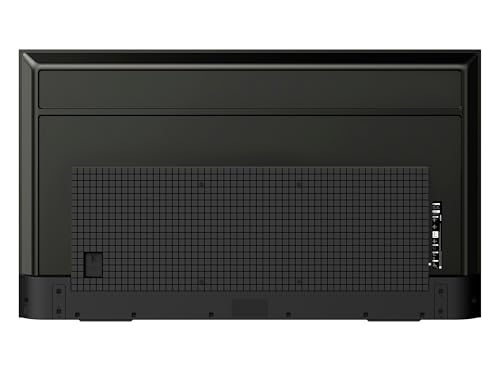
Modern connectivity requirements favor the Sony BRAVIA 2 II, which includes four HDMI 2.1 ports, Wi-Fi 6, and Bluetooth 5.3. These specifications provide better bandwidth for 4K gaming, faster wireless streaming, and more reliable connections to wireless accessories.
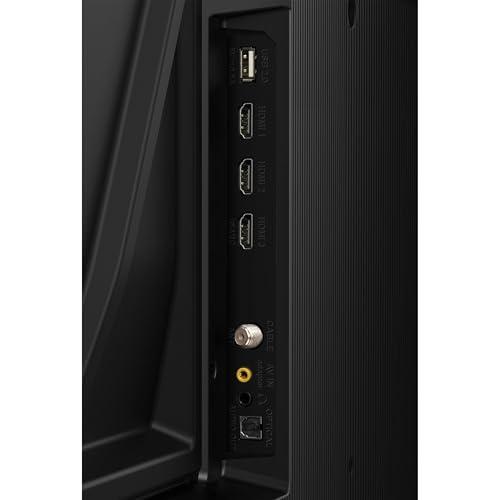
The Insignia QF Series provides adequate connectivity with multiple HDMI inputs, Wi-Fi 5, and Bluetooth support, meeting current needs without the advanced specifications that may become important as streaming services increase their bandwidth requirements or gaming consoles add new features.
Wi-Fi 6 support in the Sony becomes particularly relevant for households with multiple streaming devices, providing better network efficiency and reduced congestion compared to Wi-Fi 5. This advantage matters most in busy network environments or when streaming 4K content simultaneously on multiple devices.
For dedicated home theater setups, several factors influence the choice between these TVs. The Sony BRAVIA 2 II provides superior integration capabilities through its eARC support, comprehensive HDMI connectivity, and compatibility with professional calibration tools that enthusiasts use to optimize picture quality.
The Sony's IPS panel maintains color accuracy and brightness consistency across different viewing positions, important for theater seating arrangements where viewers sit at various angles to the screen. The 4K Processor X1 also provides more sophisticated motion processing, reducing judder and blur in film content.
However, the Insignia QF Series shouldn't be dismissed for home theater use. Its QLED technology and Dolby Vision support provide excellent picture quality for movie watching, and the vibrant colors can enhance the cinematic experience, particularly for modern blockbusters and animated films designed to showcase wide color gamuts.
At the time of writing, the Insignia QF Series represents exceptional value, offering QLED technology at prices typically associated with basic LED displays. This positioning makes premium display technology accessible to budget-conscious buyers who prioritize picture quality improvements over brand prestige or advanced features.
The Sony BRAVIA 2 II maintains traditional premium pricing that reflects brand reputation, advanced processing capabilities, and superior build quality. For buyers who value long-term reliability, comprehensive connectivity, and refined user experience, the price premium provides tangible benefits.
The value equation also depends on ecosystem preferences. Users deeply integrated into Amazon's ecosystem—Prime subscribers, Alexa smart home users, or Fire TV Stick enthusiasts—gain additional value from the Insignia's seamless integration. Similarly, Google ecosystem users benefit from the Sony's enhanced Google TV experience and cross-platform compatibility.
Choose the Insignia 65" QF Series QLED if you prioritize visual impact and value above all else. This TV excels for users who want the most impressive picture quality at the lowest price point, particularly those who primarily watch streaming content, enjoy vibrant animated films, or need a bright display for well-lit rooms. It's also ideal for Amazon ecosystem users who want seamless Alexa integration without additional setup complexity.
The Insignia works particularly well for families transitioning from smaller TVs or older display technologies, where the combination of large screen size and QLED color enhancement provides a dramatic upgrade experience. Its straightforward setup and user-friendly Fire TV interface make it accessible for less tech-savvy users.
Select the Sony BRAVIA 2 II if you value brand reputation, advanced processing, and long-term reliability. This TV suits users who appreciate subtle picture quality improvements, need comprehensive connectivity for multiple devices, or plan to integrate external audio systems through eARC. It's also the better choice for PlayStation 5 owners who want optimized gaming performance.
The Sony appeals to users who prefer Google's ecosystem, need wide viewing angle performance for varied seating arrangements, or want a premium build quality that will age well over several years of use. Its sophisticated processing makes it particularly suitable for users who watch diverse content types and appreciate natural, film-accurate color reproduction.
Both TVs represent their respective approaches to the 65-inch 4K market effectively. The Insignia QF Series proves that advanced display technology no longer requires premium pricing, while the Sony BRAVIA 2 II demonstrates why brand expertise and processing sophistication continue to command market premiums. Your choice should align with your priorities: maximum display technology per dollar, or comprehensive premium experience with long-term reliability.
| Insignia 65" QF Series QLED | Sony BRAVIA 2 II 65" 4K LED |
|---|---|
| Display Technology - Determines color vibrancy and overall picture quality | |
| QLED with Quantum Dot enhancement for wider color gamut | Standard LED with IPS panel for consistent viewing angles |
| Picture Processing - How the TV optimizes and enhances content | |
| Basic processing focused on QLED color enhancement | 4K Processor X1 with Sony's advanced color tuning algorithms |
| HDR Support - Essential for streaming services and modern content | |
| HDR10, HLG, and Dolby Vision (premium dynamic optimization) | HDR10 and HLG only (no Dolby Vision support) |
| Smart Platform - Affects daily usability and app selection | |
| Amazon Fire TV with built-in Alexa voice control | Google TV with Google Assistant and cross-platform compatibility |
| Audio Technology - Built-in sound quality and external connectivity | |
| Dolby Atmos processing with standard ARC support | 40W Open Baffle Speaker with eARC for lossless audio |
| Gaming Features - Important for console users | |
| 60Hz refresh rate with basic gaming support | Auto Low Latency Mode (ALLM) with PlayStation 5 optimization |
| Connectivity - Future-proofing and device compatibility | |
| Multiple HDMI ports, Wi-Fi 5, Bluetooth 5.0 | 4 HDMI 2.1 ports, Wi-Fi 6, Bluetooth 5.3, eARC support |
| Build Quality - Durability and premium feel | |
| Slim bezel design with adequate construction for the price | Bezelless metal frame with premium T-shape stand |
| Value Positioning - Price-to-performance ratio | |
| Exceptional value bringing QLED technology to budget pricing | Traditional premium pricing for Sony processing and reliability |
| Best For - Ideal user scenarios | |
| Budget-conscious buyers wanting maximum display tech per dollar | Users prioritizing brand reputation, processing quality, and connectivity |
The Insignia 65" QF Series QLED delivers more vibrant, eye-catching colors thanks to its quantum dot technology, which creates a wider color gamut than standard LED displays. The Sony BRAVIA 2 II focuses on natural, accurate colors through Sony's 4K Processor X1, producing more film-like images. For impressive visuals, choose the Insignia QLED; for cinema-accurate reproduction, the Sony BRAVIA excels.
QLED technology in the Insignia QF Series uses quantum dots—microscopic particles that emit specific colors when hit by light—creating more vibrant reds and greens than standard LED displays. Regular LED technology in the Sony BRAVIA 2 II relies on traditional backlighting with color filters, which can't match QLED's color intensity but often produces more natural-looking images with proper processing.
The Insignia QLED runs Amazon Fire TV, which excels at content discovery and Alexa integration, making it ideal for Amazon ecosystem users. The Sony BRAVIA 2 II uses Google TV, offering superior search capabilities and better cross-platform content aggregation. Choose Fire TV if you're an Amazon Prime subscriber with Alexa devices; pick Google TV for comprehensive streaming service integration.
Both TVs handle casual gaming well with 60Hz refresh rates. The Sony BRAVIA 2 II offers Auto Low Latency Mode and PlayStation 5 optimization, automatically adjusting settings for better gaming performance. The Insignia QLED provides adequate gaming with reasonable input lag but lacks advanced gaming features. Serious gamers will prefer the Sony BRAVIA for its console optimization.
The Insignia 65" QF Series QLED typically produces brighter images due to quantum dot efficiency, making it better suited for rooms with lots of natural light. The Sony BRAVIA 2 II offers adequate brightness but may struggle in very bright environments. For daytime viewing in sunny rooms, the Insignia QLED maintains better color accuracy at high brightness levels.
The Sony BRAVIA 2 II is better suited for dedicated home theaters with its eARC support for lossless audio, consistent IPS panel viewing angles, and sophisticated motion processing for film content. The Insignia QLED provides excellent picture quality for movies but lacks advanced audio connectivity. Choose the Sony BRAVIA for serious home theater integration.
The Sony BRAVIA 2 II features a 40W Open Baffle Speaker system with slightly better dialogue clarity and bass response. The Insignia QLED includes Dolby Atmos processing but with more basic speakers. Neither TV delivers exceptional audio—both benefit from external soundbars, though the Sony BRAVIA offers superior eARC connectivity for premium audio systems.
The Insignia QF Series includes a basic Alexa Voice Remote with essential functions and voice control. The Sony BRAVIA 2 II provides a more premium eco-friendly remote with better build quality. Both offer voice control, but the Insignia integrates better with Amazon devices while the Sony works well across multiple ecosystems.
The Insignia 65" QF Series QLED delivers exceptional value by bringing quantum dot technology to budget-friendly pricing—features typically found in much more expensive TVs. The Sony BRAVIA 2 II costs more but provides premium processing, build quality, and connectivity. Choose the Insignia for maximum display technology per dollar.
The Sony BRAVIA 2 II offers superior connectivity with four HDMI 2.1 ports, Wi-Fi 6, and Bluetooth 5.3 for better future-proofing. The Insignia QLED provides adequate connectivity with multiple HDMI ports and Wi-Fi 5. For households with many devices or those wanting the latest wireless standards, the Sony BRAVIA is better equipped.
Both TVs excel at streaming, but the Insignia QLED supports Dolby Vision, which provides optimized HDR for premium Netflix and Disney+ content. The Sony BRAVIA 2 II only supports basic HDR10. For the best streaming experience with enhanced color and contrast, the Insignia QF Series has the advantage with its Dolby Vision support.
The Sony BRAVIA 2 II typically offers better long-term reliability with Sony's established reputation, premium build quality, and comprehensive warranty support. The Insignia QLED provides solid construction for its price point but may not match Sony's longevity standards. For buyers prioritizing long-term durability and brand reliability, the Sony BRAVIA is the safer choice.
We've done our best to create useful and informative comparisons to help you decide what product to buy. Our research uses advanced automated methods to create this comparison and perfection is not possible - please contact us for corrections or questions. These are the sites we've researched in the creation of this article: bestbuy.com - bestbuy.com - bestbuy.com - youtube.com - rtings.com - youtube.com - youtube.com - manuals.plus - youtube.com - bestbuy.com - leaseville.com - financemycart.com - financemycart.com - bestbuy.com - klarna.com - bestbuy.com - slickdeals.net - bestbuy.com - hometechnologyreview.com - hometechnologyreview.com - electronics.sony.com - youtube.com - rtings.com - costco.com - youtube.com - displayspecifications.com - flanners.com - beachcamera.com - displayspecifications.com - bestbuy.com - stereoeast.com - youtube.com - sony.com.my

Privacy Policy
Terms and Conditions - Affiliate Policy
Home Security
© Copyright 2008-2026.
11816 Inwood Rd #1211, Dallas, TX 75244