

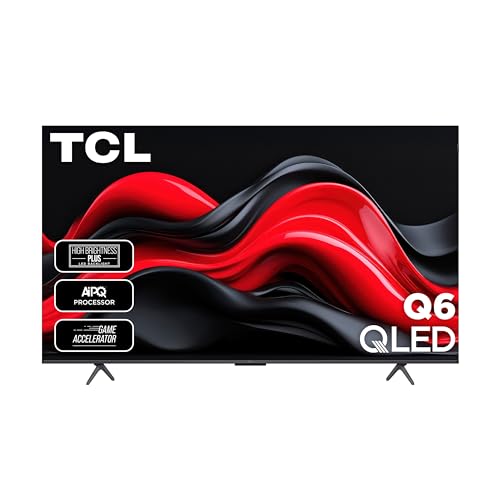

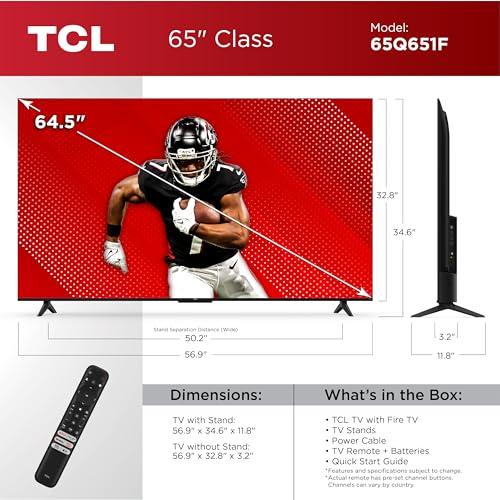

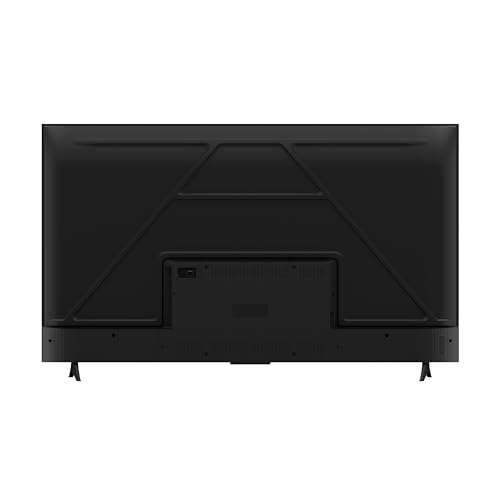
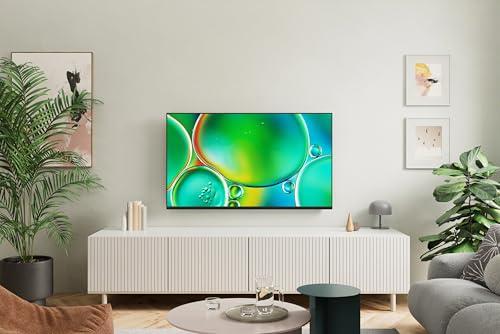
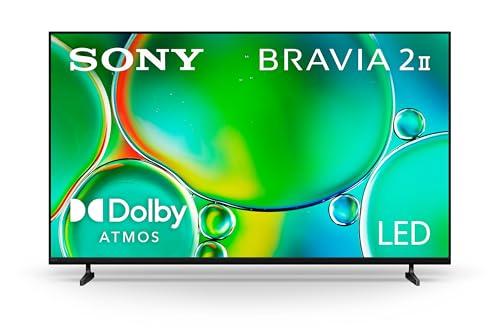
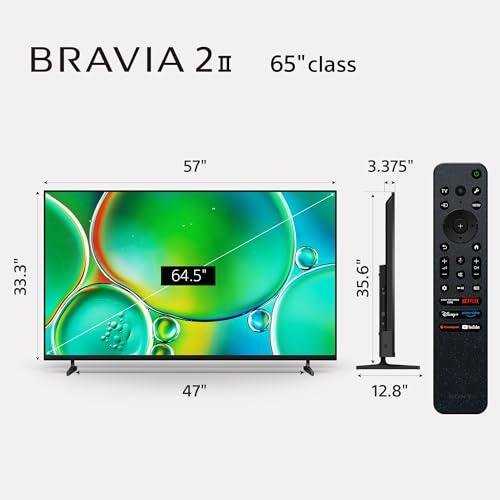

When you're shopping for a 65-inch TV, you're essentially choosing the centerpiece of your home entertainment setup. These massive screens have become surprisingly affordable, but that doesn't mean all options are created equal. Two compelling choices have emerged in the budget-friendly segment: the TCL Q Class QLED and the Sony BRAVIA 2 II, both 2025 releases that represent very different philosophies on what makes a great TV.
The 65-inch sweet spot offers that cinematic experience without completely breaking the bank. At this size, picture quality differences become much more noticeable than on smaller screens, making your choice more critical. Whether you're binge-watching Netflix, gaming with friends, or setting up a dedicated home theater, understanding what sets these TVs apart will help you make the right decision.
The biggest difference between the TCL Q Class QLED and Sony BRAVIA 2 II lies in their core display technology, and this impacts everything from color performance to your long-term satisfaction.
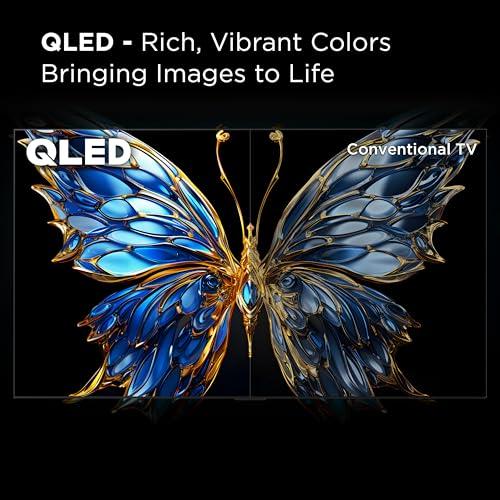
The TCL uses QLED technology, which stands for Quantum Dot Light Emitting Diode. Don't let the fancy name intimidate you – quantum dots are essentially microscopic crystals that convert blue LED light into incredibly pure red and green light. This process creates over 1.07 billion displayable colors, covering nearly the entire DCI-P3 color space that movie studios use for theatrical releases. In practical terms, this means when you're watching a nature documentary, the greens of a rainforest or the blues of an ocean appear more vibrant and true-to-life than on standard LED displays.
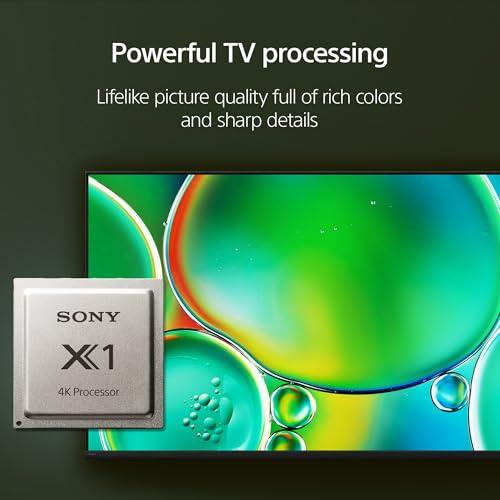
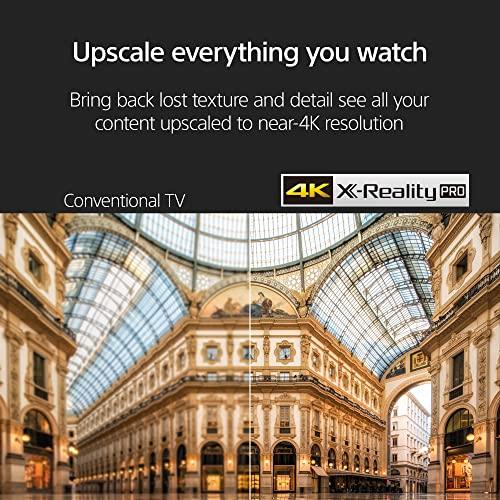
The Sony BRAVIA 2 II, by contrast, uses traditional LED technology enhanced by Sony's 4K Processor X1. This chip doesn't change the fundamental display technology but instead uses sophisticated software algorithms to improve what you see. Sony has spent decades building a massive database of how images should look, and the X1 processor references this database to clean up, sharpen, and enhance every frame in real-time.
From our research into user experiences and expert reviews, the color difference is immediately noticeable. The TCL's quantum dot layer produces colors that simply pop off the screen in a way that catches your attention. However, Sony's processing often creates more natural, film-like images that some viewers prefer for longer viewing sessions.
Your smart TV platform determines how you'll interact with your TV every single day, so this choice matters more than many realize. These two TVs take completely different approaches.
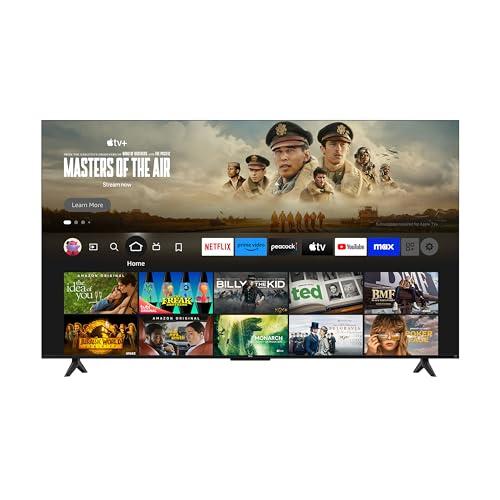
The TCL runs Amazon Fire TV, which prioritizes simplicity and Amazon ecosystem integration. Fire TV's interface puts your content front and center with large, easy-to-navigate tiles. If you're already an Amazon Prime subscriber, Fire TV feels immediately familiar and makes discovering Prime Video content effortless. The included voice remote with Alexa lets you control not just the TV but also smart lights, thermostats, and other connected devices throughout your home.
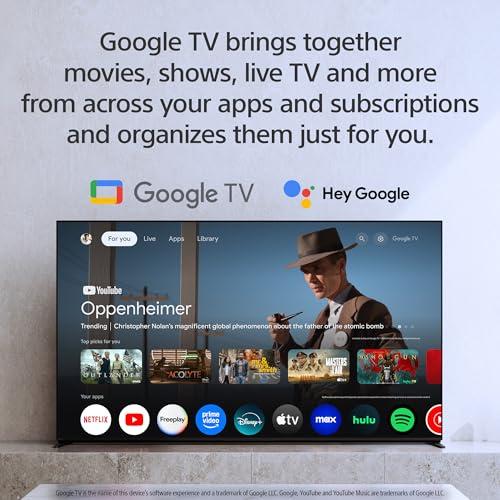
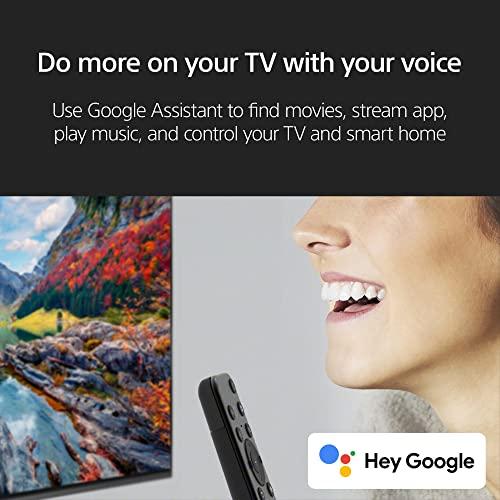
The Sony uses Google TV, which represents a more sophisticated approach to content discovery. Instead of just showing you apps, Google TV aggregates content from across all your streaming services and creates personalized recommendations. It learns your viewing habits and suggests movies from Netflix, shows from Hulu, or documentaries from YouTube all in one unified interface. Google TV also supports Google Assistant, Chromecast built-in for casting from your phone, and Apple AirPlay 2 for iPhone users.
Based on consensus from user reviews, Google TV generally feels faster and more responsive, especially when switching between apps or searching for content. However, Fire TV's straightforward approach appeals to users who prefer simplicity over sophistication.
High Dynamic Range (HDR) might sound like marketing jargon, but it's actually one of the most important features for picture quality. HDR allows TVs to display a wider range of brightness levels, from deeper blacks to brighter whites, along with more accurate colors. Think of it as the difference between a smartphone photo and what your eyes actually see in person.
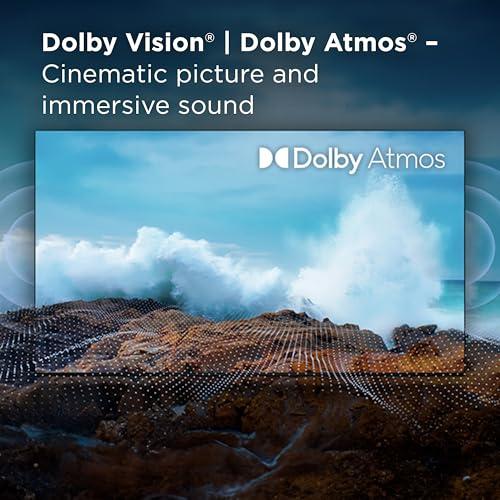
Here's where these TVs diverge significantly. The TCL Q Class QLED supports HDR PRO+, which includes Dolby Vision, HDR10+, HDR10, and HLG. This comprehensive support means virtually any HDR content you encounter – whether from Netflix, Disney+, Apple TV+, or Ultra HD Blu-ray discs – will display with enhanced dynamic range.
Dolby Vision, in particular, uses dynamic metadata that adjusts the picture settings scene by scene, frame by frame. When you're watching a movie that cuts from a dark cave to a bright outdoor scene, Dolby Vision ensures both scenes look their best rather than compromising between them.
The Sony BRAVIA 2 II supports only basic HDR10 and HLG formats, notably lacking Dolby Vision and HDR10+ support. For a 2025 TV release, this feels like a significant oversight, especially since Dolby Vision has become the premium HDR standard on major streaming platforms.
In practical terms, when you're watching Dolby Vision content on the TCL, you'll see more detail in shadows, more realistic highlights, and better color gradation. The Sony will still look good with HDR10 content, but you're missing out on the best possible version of many movies and shows.
While picture quality often gets the spotlight, audio plays a huge role in your viewing experience. This is where the Sony BRAVIA 2 II clearly outperforms the TCL.
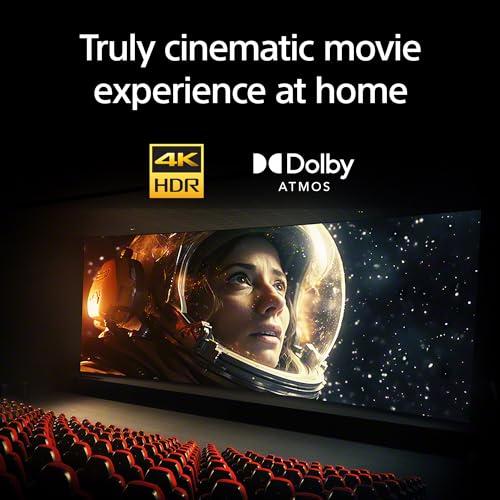
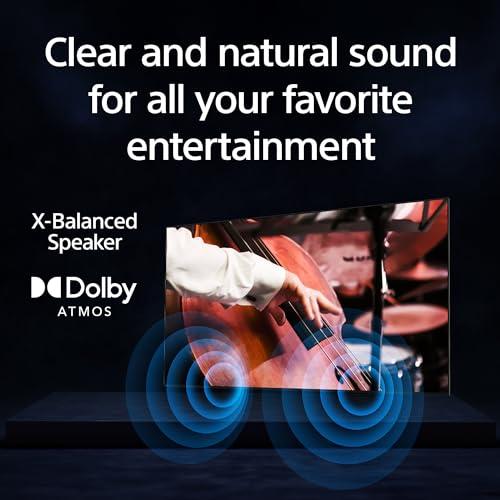
The Sony features a 40W audio system using an Open Baffle speaker design. This configuration allows the speakers to project sound more naturally into the room, creating a wider soundstage. The TV supports Dolby Atmos and DTS:X, which are spatial audio formats that place sounds precisely around you – helicopter blades overhead, footsteps behind you, or dialogue clearly centered on screen.
Sony's Clear Phase technology automatically adjusts the timing of sounds at different frequencies and heights, creating better acoustic harmony. In our research of user experiences, many owners report being surprised by how good the built-in audio sounds, with some choosing to delay purchasing a soundbar.
The TCL provides adequate audio with 24W total output and Dolby Atmos support, but the lower power output means less room-filling sound. In larger rooms or at higher volumes, the difference becomes quite noticeable. Most TCL owners in user forums recommend adding external speakers relatively quickly.
For home theater enthusiasts, this audio difference is significant. If you're planning to add a high-quality soundbar or surround sound system anyway, the TCL's audio limitations become less relevant. But if you want good sound straight out of the box, the Sony delivers a more complete experience.
Both TVs target casual gamers rather than hardcore enthusiasts, but they handle gaming differently. Both include Auto Low Latency Mode (ALLM), which automatically switches to game mode when it detects a gaming console, reducing input lag for more responsive gameplay.
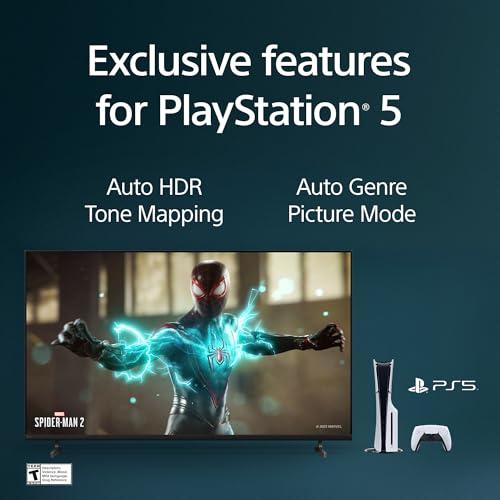
The Sony BRAVIA 2 II includes specific PlayStation 5 optimizations through Auto HDR Tone Mapping and Auto Genre Picture Mode. When you connect a PS5, the TV automatically adjusts its picture settings for optimal gaming and switches to the appropriate mode for movies when you launch streaming apps. This integration feels seamless for Sony console owners.
However, both TVs are limited by their 60Hz refresh rates. While this handles most gaming content just fine, it means you won't get the full benefit of newer consoles capable of 120fps gaming in supported titles. Competitive gamers or those with Xbox Series X or PS5 who prioritize smooth motion should consider this limitation.
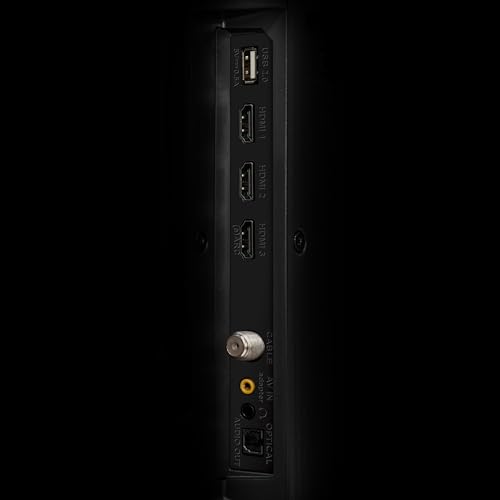
The TCL offers three HDMI ports with one supporting eARC (enhanced Audio Return Channel) for connecting soundbars. The Sony provides four HDMI 2.0 ports, giving you more flexibility for multiple gaming consoles, streaming devices, and other equipment.
The Sony BRAVIA 2 II takes a clear lead in connectivity features. Its Wi-Fi 6 support provides faster, more reliable wireless connections compared to the TCL's Wi-Fi 5. In homes with multiple devices streaming simultaneously, Wi-Fi 6's improved efficiency prevents the buffering and slowdowns that can plague older wireless standards.
The Sony also includes Bluetooth 5.3, offering better range and stability for wireless headphones or speakers compared to older Bluetooth versions. For late-night viewing or when you need to keep the volume down, being able to pair quality Bluetooth headphones directly to the TV is incredibly convenient.
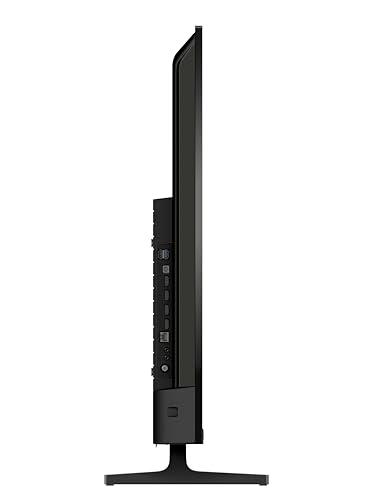
Both TVs use direct LED backlighting without local dimming zones, which means they illuminate the entire screen uniformly rather than controlling brightness in specific areas. This limitation affects their performance in different viewing environments.
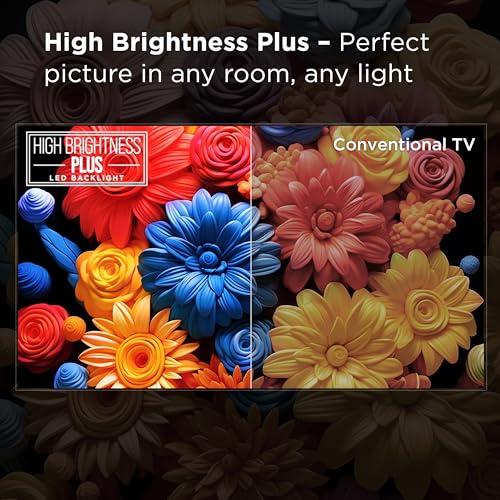
In bright rooms with lots of ambient light, both TVs perform reasonably well thanks to their LED backlights, but neither excels. The TCL's quantum dot technology can make colors appear more vibrant even in bright conditions, while the Sony's processing helps maintain detail and reduce washout.
For dedicated home theater setups in dark rooms, both TVs show their limitations. Without local dimming, they can't produce the deep blacks that make dark movie scenes truly immersive. However, the TCL's wider color gamut still provides an advantage for colorful content, while the Sony's superior upscaling shines with older movies and TV shows.
At the time of writing, these TVs represent different value philosophies. The TCL Q Class QLED typically costs significantly less while offering superior display technology through its quantum dot implementation. You're essentially getting premium color performance at a budget price point.
The Sony BRAVIA 2 II commands a notable price premium – often 50% or more expensive than the TCL. This premium buys you Sony's brand reputation, more powerful audio, better smart TV features, superior connectivity, and the peace of mind that comes with Sony's customer support.
From a pure picture quality standpoint, the TCL offers exceptional value. The quantum dot technology and comprehensive HDR support deliver visual performance that would have cost thousands just a few years ago. However, the Sony provides a more complete, polished experience that justifies its higher price for buyers who value audio quality and smart features.
The TCL Q Class QLED makes sense for budget-conscious buyers who prioritize picture quality above all else. If you're setting up a secondary TV, outfitting a college apartment, or simply want the biggest, most colorful screen for your money, the TCL delivers outstanding value. It's also perfect for Amazon Prime subscribers who appreciate Fire TV's integration with Amazon services.
The Sony BRAVIA 2 II appeals to buyers who want a more premium, complete experience. If you own a PlayStation 5, value high-quality built-in audio, or prefer Google's ecosystem, the Sony justifies its higher price. It's also the better choice for users who want the most polished smart TV interface and don't want to worry about adding external speakers immediately.
For dedicated home theater enthusiasts, both TVs have limitations due to their lack of local dimming and relatively basic HDR performance. However, if you're building a theater on a budget, the TCL's superior color performance and comprehensive HDR support make it the more compelling choice, especially if you're planning to add a quality sound system anyway.
The decision ultimately comes down to whether you value cutting-edge display technology at a budget price (TCL) or prefer a more balanced, premium experience with superior audio and smart features (Sony). Both represent solid choices in the 2025 budget TV landscape, but they serve different priorities and preferences. Consider what matters most in your viewing experience – pure visual wow factor or overall polish – and your choice becomes much clearer.
| TCL 65" Q Class QLED 4K Fire TV | Sony BRAVIA 2 II 65" 4K LED Smart TV 2025 |
|---|---|
| Display Technology - Determines color vibrancy and overall picture quality | |
| QLED with Quantum Dots (1.07+ billion colors) | Standard LED with 4K Processor X1 |
| HDR Format Support - Critical for premium streaming content quality | |
| HDR PRO+ (Dolby Vision, HDR10+, HDR10, HLG) | HDR10, HLG only (no Dolby Vision) |
| Smart TV Platform - Your daily interface for apps and content discovery | |
| Amazon Fire TV with Alexa Voice Remote | Google TV with Google Assistant |
| Audio System - Impacts whether you need external speakers immediately | |
| 24W total output, Dolby Atmos | 40W Open Baffle design, Dolby Atmos + DTS:X |
| Motion Enhancement - Important for sports and action content | |
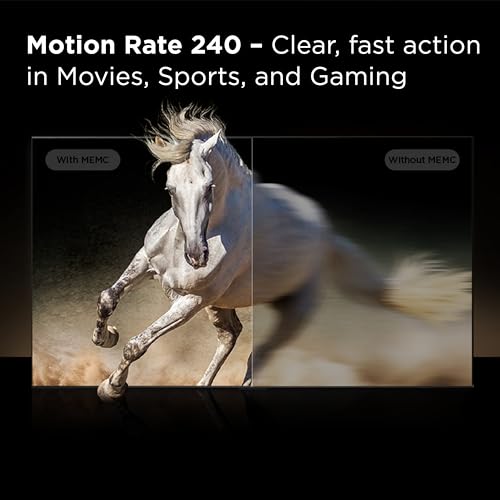
| Motion Rate 120 with MEMC | Motionflow XR with LED backlight control |
| Gaming Features - Matters for console owners | |
| Auto Low Latency Mode (ALLM) | ALLM + PlayStation 5 Auto HDR Tone Mapping |
| HDMI Connectivity - Determines how many devices you can connect | |
| 3 HDMI ports (1 with eARC) | 4 HDMI 2.0 ports |
| Wireless Connectivity - Affects streaming reliability and future-proofing | |
| Wi-Fi 5 (802.11ac) | Wi-Fi 6 (802.11ax) |
| Bluetooth Version - Important for wireless headphone quality | |
| Standard Bluetooth | Bluetooth 5.3 (improved range and stability) |
| Apple Device Integration - Matters for iPhone/iPad users | |
| No AirPlay support | Apple AirPlay 2 + HomeKit compatible |
| Voice Assistant Support - For smart home control | |
| Amazon Alexa built-in | Google Assistant + Alexa compatibility |
| Panel Refresh Rate - Limits gaming and motion smoothness | |
| 60Hz native (adequate for most content) | 60Hz native (adequate for most content) |
| Value Proposition - Best fit for different buyer priorities | |
| Superior color tech at budget price | Premium experience with better audio/features |
The TCL 65" Q Class QLED 4K Fire TV delivers superior picture quality thanks to its quantum dot technology, which produces over 1.07 billion colors and more vibrant, lifelike images. The Sony BRAVIA 2 II 65" 4K LED Smart TV 2025 uses standard LED technology with Sony's 4K Processor X1 for enhanced upscaling and natural color processing. For pure color performance and visual impact, the TCL QLED has the advantage.
The TCL 65" Q Class QLED 4K Fire TV uses Amazon Fire TV, which offers simple navigation and deep integration with Amazon Prime Video and Alexa voice control. The Sony BRAVIA 2 II runs Google TV, providing more sophisticated content discovery across all streaming services, personalized recommendations, and compatibility with Google Assistant, Chromecast, and Apple AirPlay 2. Google TV generally offers a more advanced smart platform experience.
Both the TCL QLED and Sony BRAVIA 2 II offer Auto Low Latency Mode for responsive gaming, but the Sony includes specific PlayStation 5 optimizations with Auto HDR Tone Mapping and four HDMI ports versus three on the TCL. However, both are limited to 60Hz refresh rates, making them suitable for casual gaming but not ideal for competitive or 120fps gaming.
The TCL 65" Q Class QLED 4K Fire TV supports comprehensive HDR formats including Dolby Vision, HDR10+, HDR10, and HLG for premium streaming content. The Sony BRAVIA 2 II notably lacks Dolby Vision support, offering only HDR10 and HLG. For the best HDR experience with Netflix, Disney+, and other premium content, the TCL has a significant advantage.
The Sony BRAVIA 2 II 65" 4K LED Smart TV 2025 delivers superior audio with its 40W Open Baffle speaker system, Dolby Atmos, DTS:X support, and Clear Phase technology for better acoustic harmony. The TCL QLED provides adequate 24W audio with Dolby Atmos but requires external speakers for optimal sound quality in larger rooms.
Both the TCL 65" Q Class QLED 4K Fire TV and Sony BRAVIA 2 II use direct LED backlighting that performs reasonably well in bright rooms. The TCL's quantum dot technology helps maintain color vibrancy even with ambient light, while the Sony's processing reduces washout. Neither excels in very bright conditions compared to premium models with higher peak brightness.
The TCL 65" Q Class QLED 4K Fire TV offers exceptional value with premium quantum dot display technology and comprehensive HDR support at a budget-friendly price. The Sony BRAVIA 2 II costs significantly more but provides better audio, more advanced smart features, superior connectivity with Wi-Fi 6, and Sony's brand reputation. The TCL wins on pure picture quality per dollar.
The Sony BRAVIA 2 II 65" 4K LED Smart TV 2025 supports Apple AirPlay 2 for seamless casting from iPhones, iPads, and Macs, plus HomeKit compatibility for smart home integration. The TCL QLED lacks native Apple device support, though you can still connect Apple TV devices via HDMI. iPhone and iPad users will find the Sony more convenient.
The TCL 65" Q Class QLED 4K Fire TV excels for streaming premium content thanks to its Dolby Vision support, which enhances Netflix, Disney+, and Apple TV+ content with better contrast and colors. While both TVs handle standard streaming well, the TCL's comprehensive HDR format support and quantum dot display provide a superior experience for high-quality streaming content.
The Sony BRAVIA 2 II provides four HDMI 2.0 ports for connecting multiple devices like gaming consoles, streaming boxes, and Blu-ray players. The TCL 65" Q Class QLED 4K Fire TV offers three HDMI ports with one supporting eARC for soundbar connections. If you need to connect many devices simultaneously, the Sony offers more flexibility.
For dedicated home theater use, the TCL 65" Q Class QLED 4K Fire TV provides superior picture quality with quantum dot technology, comprehensive HDR support including Dolby Vision, and excellent color performance for movies. However, both TVs lack local dimming for deep blacks. If you're adding external audio equipment, the TCL's picture advantages make it the better home theater choice despite the Sony BRAVIA 2 II's superior built-in audio.
Choose the TCL 65" Q Class QLED 4K Fire TV if you prioritize picture quality, want comprehensive HDR support, prefer Amazon's ecosystem, or need maximum value for money. Select the Sony BRAVIA 2 II 65" 4K LED Smart TV 2025 if you want better built-in audio, prefer Google TV's advanced features, own Apple devices, need more HDMI ports, or value Sony's brand reputation and customer support.
We've done our best to create useful and informative comparisons to help you decide what product to buy. Our research uses advanced automated methods to create this comparison and perfection is not possible - please contact us for corrections or questions. These are the sites we've researched in the creation of this article: bestbuy.com - tcl.com - tcl.com - circuitworldonline.com - bestbuy.com - tcl.com - rtings.com - woodruffappliance.com - rtings.com - bestbuy.com - tcl.com - tcl.com - tcl.com - youtube.com - alexraytv.com - tcl.com - alexraytv.com - avsforum.com - a1ontheweb.com - bestbuy.com - hometechnologyreview.com - hometechnologyreview.com - electronics.sony.com - youtube.com - rtings.com - costco.com - youtube.com - displayspecifications.com - flanners.com - beachcamera.com - displayspecifications.com - bestbuy.com - stereoeast.com - youtube.com - sony.com.my

Privacy Policy
Terms and Conditions - Affiliate Policy
Home Security
© Copyright 2008-2026.
11816 Inwood Rd #1211, Dallas, TX 75244