






Finding the right large-screen TV without breaking the bank has become easier in recent years, but that doesn't make the decision any simpler. Two standout options in the budget 65" 4K category are the Roku Select Series 65" 4K HDR Smart TV 2025 and the Sony BRAVIA 2 II 65" 4K LED Smart TV 2025. Both launched in 2025 and represent refined approaches to affordable large-screen entertainment, but they take notably different paths to get there.
The budget 4K TV market has matured significantly since the early days of muddy colors and sluggish interfaces. Today's affordable models deliver genuinely good picture quality, but manufacturers still need to make compromises to hit attractive price points. The key is understanding which compromises matter most for your viewing habits.
Picture quality remains the foundation, but it's not just about resolution anymore. HDR (High Dynamic Range) support - which expands the range of colors and brightness levels your TV can display - has become standard, though implementation quality varies widely. Local dimming (selectively controlling LED backlighting zones for better contrast) is usually absent at this price level, meaning blacks won't look truly black in dark rooms.
Smart TV platforms have evolved into the second most important consideration. A responsive, well-supported interface can make or break your daily experience. The best platforms launch apps quickly, receive regular updates, and offer extensive content libraries. Poor platforms feel sluggish and may lose app support over time.
Gaming capabilities matter more than ever, especially with current-generation consoles pushing 4K content. Input lag (the delay between your controller input and screen response) and refresh rates (how many times per second the display updates) directly impact gaming performance. However, advanced gaming features like 120Hz refresh rates and VRR (Variable Refresh Rate) - which synchronizes your TV's refresh rate with your console's frame rate to eliminate screen tearing - remain largely absent in budget models.
Audio quality deserves attention since many buyers use built-in speakers exclusively. The difference between tinny, dialogue-heavy sound and room-filling audio with decent bass can significantly impact your enjoyment, especially for movies and music content.
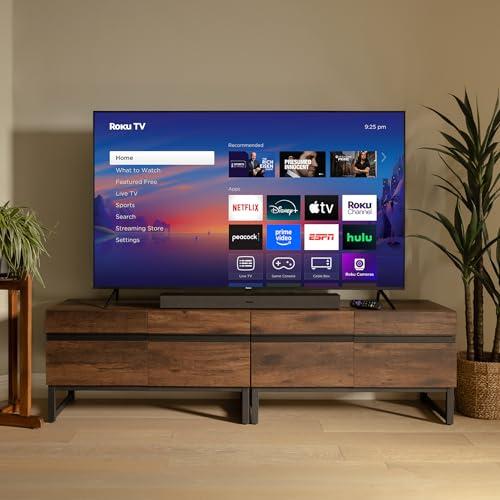
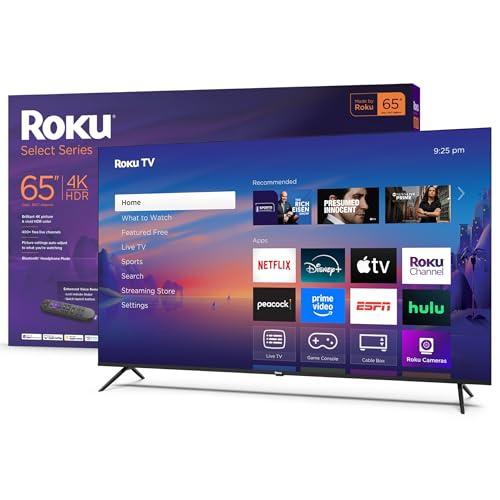
The Roku Select Series represents Roku's first venture into manufacturing their own TVs, rather than just licensing their software to other companies. Released in 2025, it embodies Roku's philosophy that the smart TV platform should be the star of the show.
Roku Smart Picture technology automatically analyzes incoming content and selects appropriate picture modes - a surprisingly effective feature that eliminates the need to manually adjust settings when switching between Netflix, cable TV, or gaming. The TV supports HDR10+ (an advanced version of HDR that adjusts brightness scene by scene) rather than the more common Dolby Vision standard, but for most content, the difference is minimal.
The display uses standard LED backlighting with direct illumination rather than edge-lighting, providing more uniform brightness across the screen. While this doesn't achieve the deep blacks of premium TVs with local dimming, it avoids the obvious bright and dark spots that plague cheaper edge-lit models.
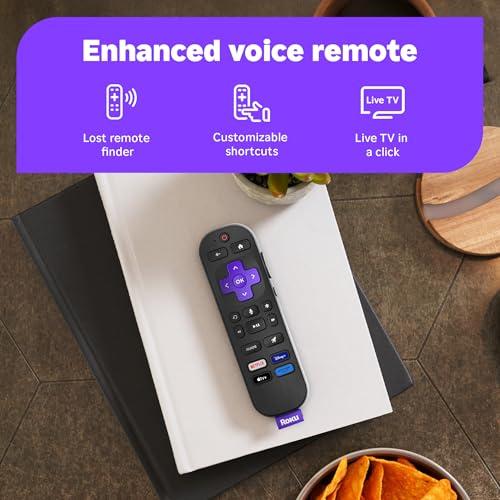
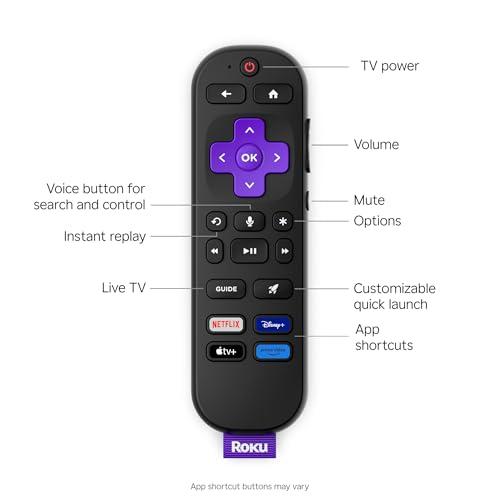
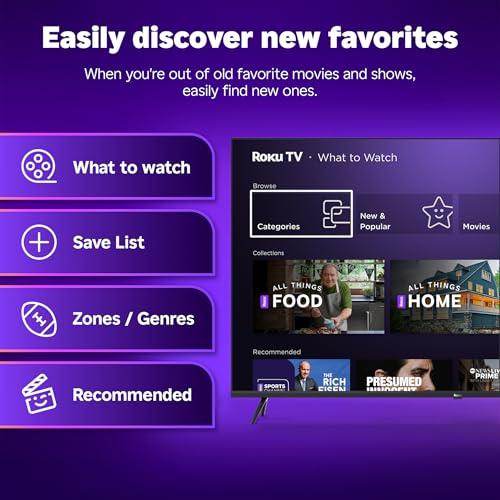
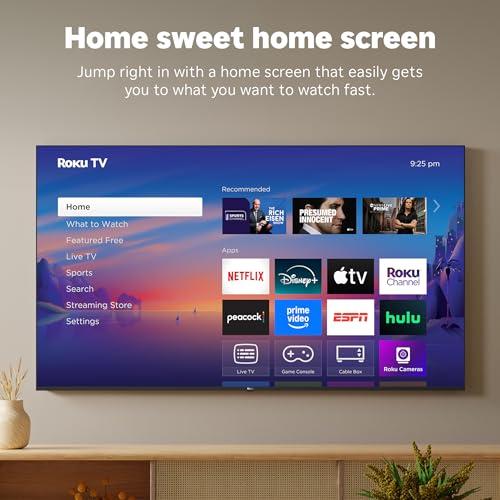
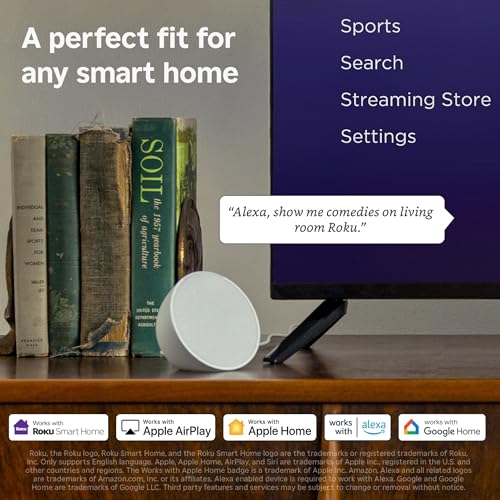
What truly sets the Roku Select Series apart is its interface. The Roku TV platform has consistently earned praise for its speed, simplicity, and content discovery features. Apps launch almost instantly, the home screen stays organized, and the search function works across multiple streaming services simultaneously. The Enhanced Voice Remote includes a lost remote finder - surprisingly useful when it inevitably disappears into couch cushions.
Roku's free content offering deserves special mention. Over 500 free channels provide everything from classic movies to live news, plus Roku Originals - content produced specifically for the platform. This extensive free library effectively subsidizes the TV's low price point while providing genuine value for cord-cutters.
Audio performance from the 2.1 stereo system exceeds expectations for the price range. Dialogue comes through clearly, and the Bluetooth Headphone Mode allows private listening without disturbing others - a thoughtful touch often missing from budget TVs.
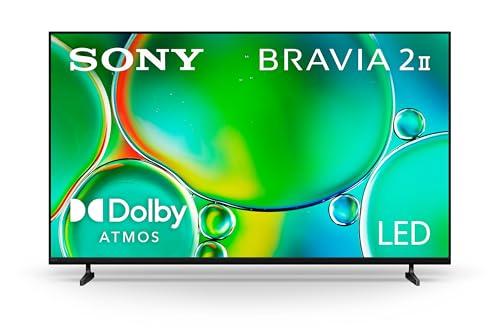
The Sony BRAVIA 2 II, also launching in 2025, takes a more traditional approach by prioritizing picture quality and processing power. Sony's decades of experience in professional broadcast equipment and consumer electronics shine through in the technical implementation.
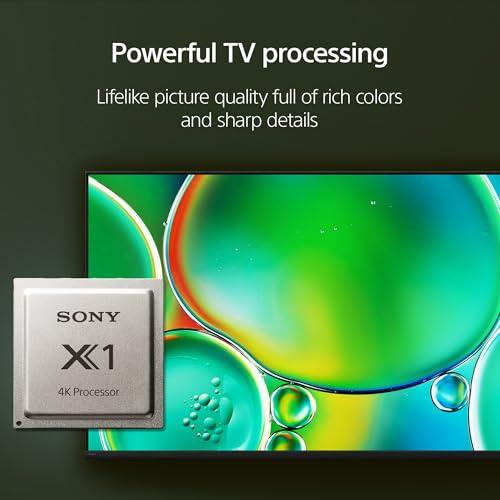
The standout feature is the 4K Processor X1, Sony's entry-level image processing chip that still outperforms most competitors in this price range. This processor powers 4K X-Reality PRO upscaling technology, which analyzes lower-resolution content against a comprehensive database to intelligently fill in missing detail. The difference becomes obvious when watching cable TV, DVDs, or older streaming content - images that look soft and pixelated on other TVs appear significantly sharper and more detailed on the Sony BRAVIA 2 II.
Live Color technology expands the color range to match the TV's capabilities, making images appear more vivid without oversaturation. Combined with Motionflow XR motion processing, which inserts additional frames to smooth fast-moving scenes, the overall picture quality feels noticeably more refined than typical budget models.
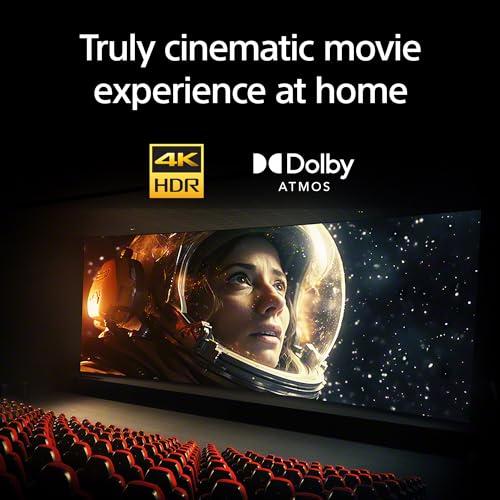
Sony's audio implementation deserves particular praise. The Open Baffle Speaker system delivers 40 watts of power with Dolby Atmos support, creating a more immersive soundscape than standard stereo speakers. Clear Phase acoustic calibration technology harmonizes the speakers with the TV's physical design, reducing distortion and improving clarity. While not matching dedicated sound systems, it significantly reduces the immediate need for a soundbar purchase.
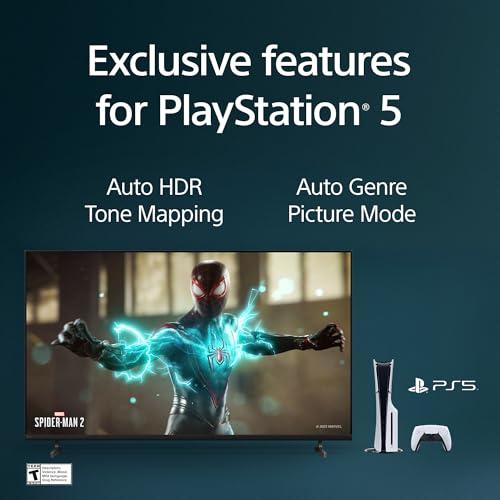
Gaming features show Sony's PlayStation heritage. Auto HDR Tone Mapping automatically optimizes HDR settings for gaming content, while Auto Genre Picture Mode specifically recognizes and enhances PlayStation 5 content. These features, combined with Sony's excellent motion handling, create a noticeably better gaming experience despite the 60Hz refresh rate limitation shared with the Roku model.
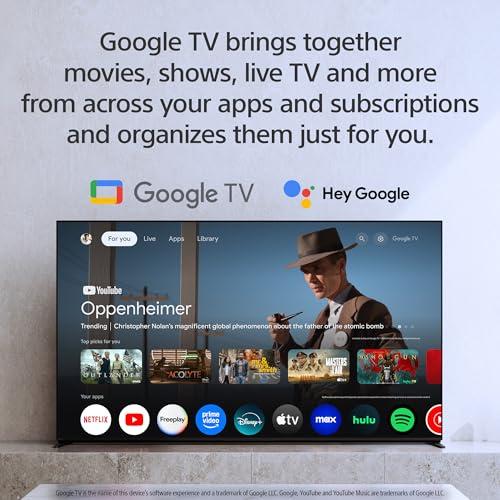
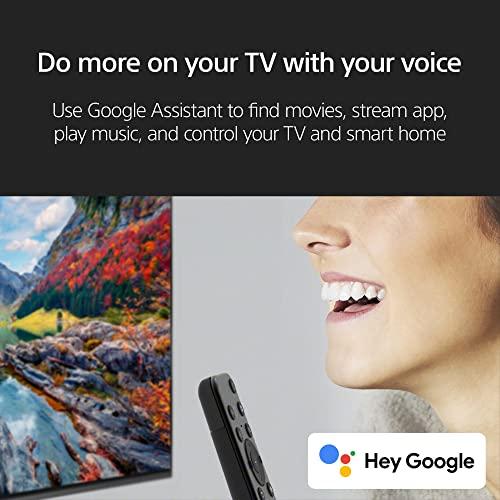
The Google TV platform provides comprehensive smart features with deep integration into Google's ecosystem. Voice control through Google Assistant feels more natural and capable than competing implementations, and support for both Apple AirPlay 2 and Chromecast ensures compatibility with virtually any mobile device.
Both TVs share the fundamental limitations of budget LED displays: limited brightness for HDR content, lack of local dimming zones, and 60Hz refresh rates. However, their implementations reveal important differences.
Picture Quality Performance strongly favors the Sony model. Side-by-side comparisons consistently show better color accuracy, more effective motion handling, and superior upscaling of lower-resolution content. The difference becomes most apparent with cable TV, broadcast content, and older movies where Sony's processing algorithms excel at cleaning up compression artifacts and enhancing detail.
The Roku Select Series delivers perfectly acceptable picture quality for streaming content, where the source material is already optimized for modern displays. Netflix, Disney+, and other major streaming services look excellent on both TVs, but the Sony's advantages emerge with more challenging content sources.
Smart TV Platform Performance represents each company's core competency. Roku's interface remains unmatched for pure streaming focus - apps launch faster, navigation feels more intuitive, and the content discovery features genuinely help you find something to watch. The extensive free content library adds significant value that goes beyond the initial purchase price.
Google TV offers broader functionality with better integration into smart home ecosystems and more sophisticated voice control. However, the interface can feel cluttered compared to Roku's clean approach, and app performance varies more between different streaming services.
Audio Quality clearly favors the Sony BRAVIA 2 II. The Dolby Atmos support creates a noticeably more immersive experience, especially for movies and music content. Dialogue remains clear at lower volumes, and the system produces enough bass response for casual listening. The Roku model provides adequate audio for everyday viewing but lacks the depth and spatial awareness of Sony's implementation.
Gaming Performance shows modest differences within the shared 60Hz limitation. Both TVs achieve acceptable input lag around 20 milliseconds, suitable for casual console gaming but not competitive esports. The Sony model's PlayStation-specific optimizations and superior motion handling provide tangible benefits for action games and racing simulators.
At the time of writing, the Roku Select Series typically costs $100-150 less than the Sony BRAVIA 2 II, positioning it as the clear budget champion. This price difference represents excellent value for households primarily focused on streaming content, where Roku's platform advantages and adequate picture quality deliver maximum entertainment per dollar spent.
The Sony model justifies its premium through measurably better performance across multiple categories. The superior picture processing becomes most valuable for viewers who watch varied content sources, while the enhanced audio reduces the immediate pressure to purchase additional equipment. For PlayStation 5 owners, the gaming optimizations add further value that competitors can't match.
Neither TV targets serious home theater enthusiasts - that market requires OLED displays, advanced local dimming, and premium audio processing found in higher-end models. However, both can anchor casual home theater setups with appropriate expectations.
The Sony BRAVIA 2 II better suits dedicated movie rooms where picture processing quality and immersive audio matter most. Its superior upscaling capabilities handle older movies more gracefully, while Dolby Atmos support provides spatial audio cues that enhance the cinematic experience.
The Roku Select Series works well in multipurpose family rooms where streaming convenience and content variety take precedence over absolute picture quality. The extensive free content library and intuitive interface make it ideal for households with diverse viewing preferences and casual usage patterns.
Choose the Roku Select Series if you primarily stream content, value interface simplicity above all else, want access to extensive free programming, or need to maximize screen size within a tight budget. It excels in bright family rooms where absolute contrast performance matters less than overall usability and content access.
The Sony BRAVIA 2 II makes sense for viewers who watch varied content sources, own a PlayStation 5, prefer better built-in audio quality, or value Sony's brand reputation for reliability and customer support. The price premium delivers measurable performance improvements that justify the additional investment for discerning viewers.
Both represent solid value propositions in the budget 65" category, but they serve different priorities. The Roku maximizes entertainment value and simplicity, while the Sony provides better overall performance and refinement. Understanding which approach aligns with your viewing habits and preferences will guide you toward the right choice for your home.
In my experience researching budget TVs, the decision often comes down to whether you're willing to pay more for better picture processing and audio quality, or if streaming convenience and value take priority. Both are excellent televisions that will serve their intended audiences well, but the Sony model offers more room to grow with changing viewing habits over time.
| Roku Select Series 65" 4K HDR Smart TV 2025 | Sony BRAVIA 2 II 65" 4K LED Smart TV 2025 |
|---|---|
| Display Technology - Affects picture quality and brightness uniformity | |
| Standard LED with direct backlighting, HDR10+ support | Direct LED with 4K Processor X1, HDR10 and HLG support |
| Smart TV Platform - Determines ease of use and app performance | |
| Roku TV OS with 500+ free channels and automatic picture optimization | Google TV with comprehensive Google ecosystem integration |
| Audio System - Important for those not planning to buy a soundbar immediately | |
| Dolby Audio, 2.1 stereo with Bluetooth Headphone Mode | 40W Open Baffle Speakers with Dolby Atmos and DTS:X support |
| Image Processing - Critical for upscaling cable TV and older content | |
| Roku Smart Picture with automatic scene optimization | 4K Processor X1 with 4K X-Reality PRO upscaling technology |
| Gaming Features - Matters for console owners, especially PlayStation users | |
| 60Hz refresh rate with standard gaming modes | 60Hz with Auto HDR Tone Mapping and PlayStation 5 optimization |
| Voice Control - Convenience feature for hands-free operation | |
| Roku Voice, Siri, Alexa, Google Assistant compatibility | Built-in Google Assistant with Alexa support |
| Motion Handling - Important for sports and action content | |
| Standard motion processing at 60Hz | Motionflow XR technology for smoother fast-moving scenes |
| Connectivity Options - Determines how many devices you can connect | |
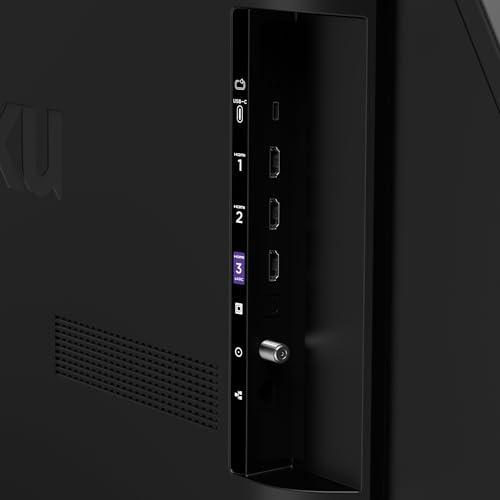
| 3 HDMI ports, Wi-Fi, Apple AirPlay support | 4 HDMI 2.0 ports, Wi-Fi 6, Bluetooth 5.3, Apple AirPlay 2 |
| Build Quality and Design - Affects durability and room aesthetics | |
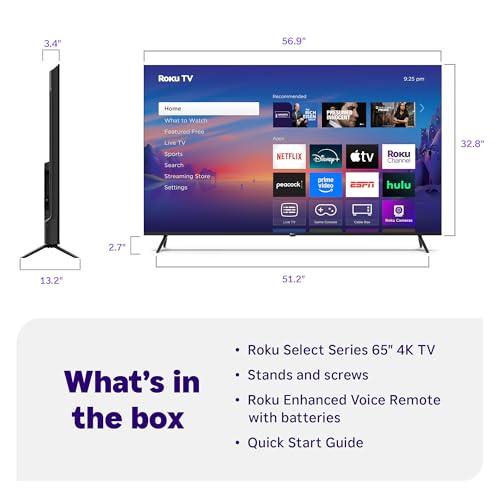
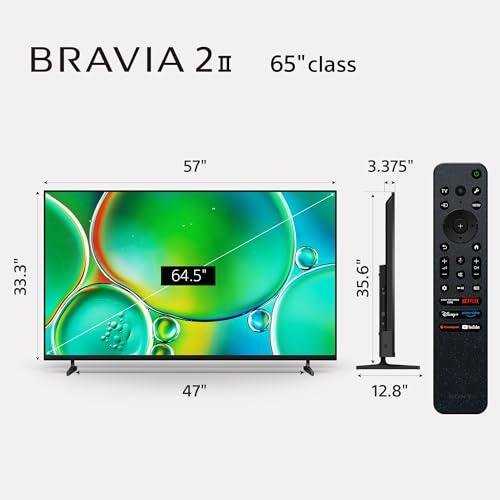
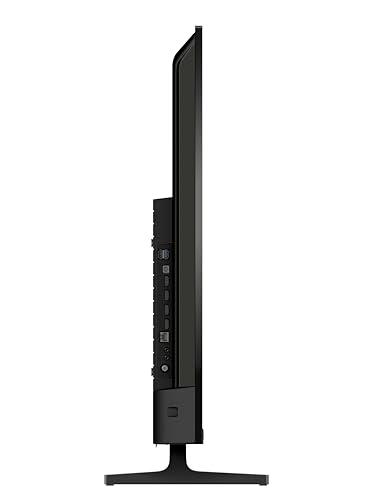
| Frameless design with wide-set feet and Enhanced Voice Remote | Slim T-shape blade stand with eco-friendly remote (80% recycled plastic) |
| Value Proposition - Best use case for each TV | |
| Maximum streaming convenience and free content at lowest price | Superior picture processing and audio quality worth the premium |
The Sony BRAVIA 2 II 65" 4K LED Smart TV 2025 delivers superior picture quality thanks to its 4K Processor X1 chip and advanced upscaling technology. While the Roku Select Series 65" 4K HDR Smart TV 2025 provides excellent streaming quality with automatic picture optimization, Sony's processing creates more vibrant colors and sharper details across all content types.
The Roku Select Series offers the fastest, most intuitive streaming interface with over 500 free channels and instant app launching. Google TV on the Sony BRAVIA 2 II provides deeper smart home integration and more comprehensive voice control, but can feel more cluttered. Roku excels for pure streaming simplicity, while Google TV offers broader functionality.
The Sony BRAVIA 2 II has a slight gaming advantage with Auto HDR Tone Mapping and specific PlayStation 5 optimizations. Both TVs are limited to 60Hz refresh rates and similar input lag around 20ms, making them suitable for casual gaming but not competitive esports. Sony's superior motion handling also reduces blur during fast-paced games.
The Sony BRAVIA 2 II significantly outperforms the Roku Select Series in audio quality. Sony's 40W Open Baffle Speaker system with Dolby Atmos creates immersive surround sound, while Roku's 2.1 stereo system provides adequate but basic audio. Sony's audio quality may delay the need for a soundbar purchase.
The Roku Select Series provides exceptional value for budget-conscious buyers who prioritize streaming and simplicity. The Sony BRAVIA 2 II justifies its higher price through superior picture processing, better audio, and enhanced gaming features. Choose Roku for maximum screen size per dollar, Sony for better overall performance.
Both TVs offer adequate brightness for moderately lit rooms, with the Sony BRAVIA 2 II having a slight edge in peak brightness. Neither excels in very bright rooms due to their LED backlighting limitations. The Roku Select Series handles reflections reasonably well, making both suitable for typical living room environments.
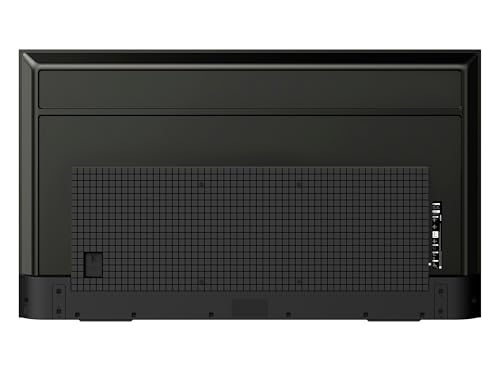
The Sony BRAVIA 2 II offers 4 HDMI ports compared to 3 on the Roku Select Series. Sony also includes Wi-Fi 6 and Bluetooth 5.3 for faster wireless performance. Both support Apple AirPlay, but the Sony model provides more comprehensive connectivity options for multiple devices.
The Roku Select Series has an excellent track record for long-term software support, with Roku TVs receiving updates for many years. The Sony BRAVIA 2 II benefits from Google's commitment to the Android TV/Google TV platform. Both should receive regular updates, but Roku historically provides longer support cycles.
The Sony BRAVIA 2 II excels at upscaling lower-resolution content thanks to its 4K X-Reality PRO technology. Cable TV, DVDs, and older streaming content look noticeably sharper and more detailed compared to the Roku Select Series. Sony's processing algorithms are specifically designed to enhance non-4K sources.
Neither TV targets serious home theater enthusiasts, but the Sony BRAVIA 2 II is better suited for dedicated movie rooms with its superior picture processing and Dolby Atmos audio. The Roku Select Series works well in multipurpose family rooms where convenience matters more than absolute picture quality. Both lack advanced features like local dimming found in premium home theater displays.
The Roku Select Series features the Enhanced Voice Remote with lost remote finder functionality and the industry's most praised streaming interface. The Sony BRAVIA 2 II includes an eco-friendly voice remote with solid build quality. Roku's interface consistently wins praise for speed and simplicity, while Sony's Google TV offers more advanced voice control capabilities.
Both TVs support HDR formats but with limitations typical of budget models. The Roku Select Series supports HDR10+ while the Sony BRAVIA 2 II handles HDR10 and HLG formats. Neither gets bright enough for truly impactful HDR performance, but both provide noticeable improvements over standard content. Sony's processing gives it a slight edge in HDR handling overall.
We've done our best to create useful and informative comparisons to help you decide what product to buy. Our research uses advanced automated methods to create this comparison and perfection is not possible - please contact us for corrections or questions. These are the sites we've researched in the creation of this article: bestbuy.com - rtings.com - roku.com - rtings.com - youtube.com - cnet.com - manuals.plus - target.com - walmart.com - nice-pay.com - bestbuy.com - roku.com - roku.com - electronicexpress.com - bestbuy.com - hometechnologyreview.com - hometechnologyreview.com - electronics.sony.com - youtube.com - rtings.com - costco.com - youtube.com - displayspecifications.com - flanners.com - beachcamera.com - displayspecifications.com - bestbuy.com - stereoeast.com - youtube.com - sony.com.my

Privacy Policy
Terms and Conditions - Affiliate Policy
Home Security
© Copyright 2008-2026.
11816 Inwood Rd #1211, Dallas, TX 75244