

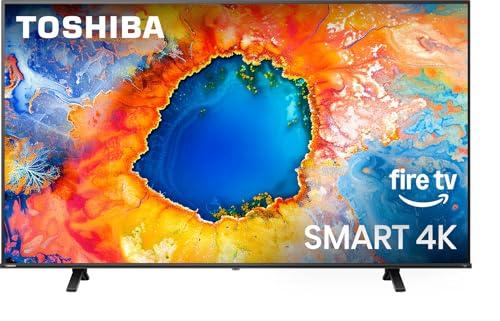
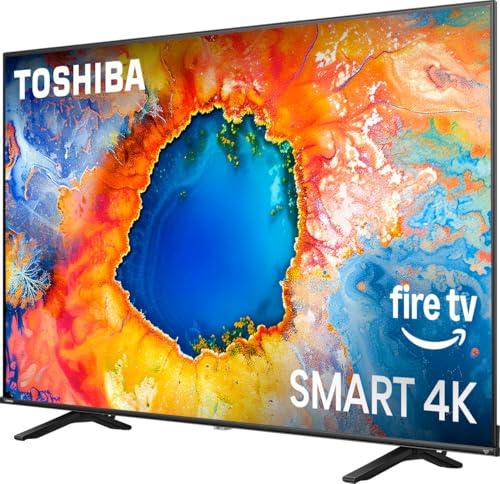
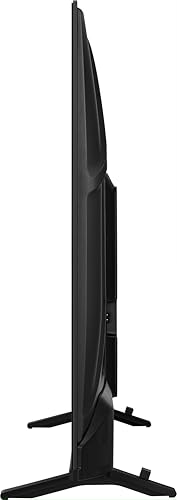

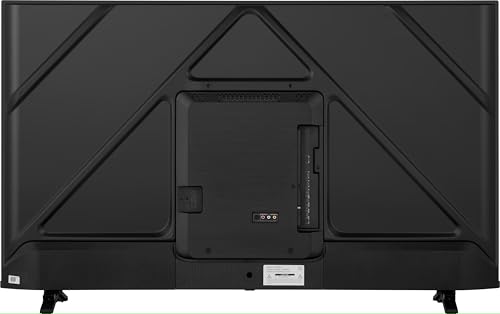
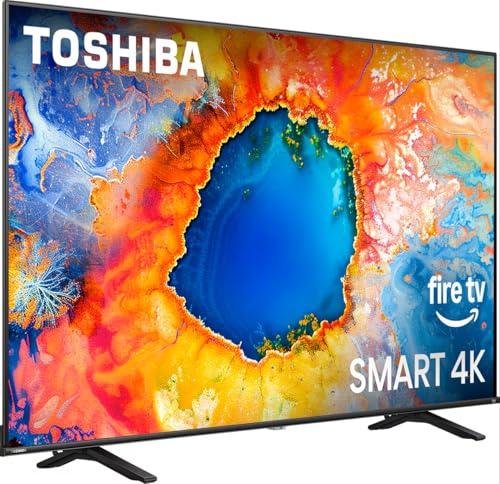
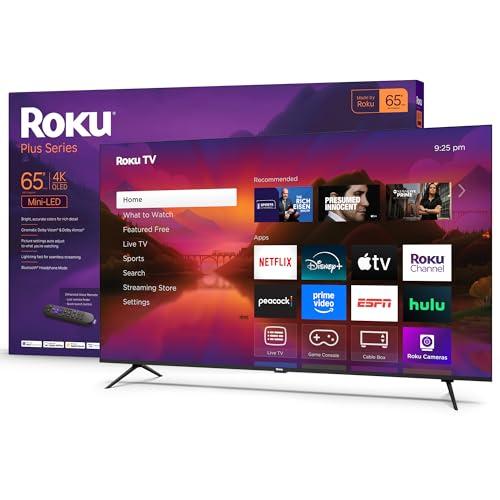
Finding the right 65-inch TV feels overwhelming these days. Walk into any electronics store and you'll face a wall of displays with confusing model numbers, competing technologies, and prices that range from surprisingly affordable to eye-wateringly expensive. Two TVs that perfectly illustrate this spectrum are the Toshiba 65" C350 Series and the Roku Plus Series 65" 4K QLED Mini-LED Smart TV.
These represent fundamentally different approaches to the same goal: delivering a large-screen entertainment experience for your living room. The Toshiba C350 focuses on maximum value, getting you a massive 4K screen with smart features at the lowest possible price point. The Roku Plus Series, released in 2025, incorporates the latest display technologies to deliver premium picture quality at a mid-tier price.
Understanding which approach suits your needs requires diving into what makes these TVs tick—and more importantly, what those technical differences mean when you're actually watching your favorite shows.
The most significant difference between these TVs lies in their fundamental display technology. Think of this as the engine of your TV—everything else builds on this foundation.
The Toshiba C350, released in 2023, uses traditional LCD (Liquid Crystal Display) technology with full-array backlighting. This means LED lights spread across the back of the screen illuminate the liquid crystals that create your picture. It's proven, reliable technology that's been refined over decades. The "full-array" part means the LEDs are distributed evenly across the entire back panel, rather than just around the edges, which provides more uniform lighting than cheaper edge-lit designs.
However, the Toshiba C350 lacks local dimming—a feature where different sections of the backlight can dim independently. Without this, the entire screen essentially shares the same backlight level, making it difficult to show truly deep blacks alongside bright highlights in the same scene.
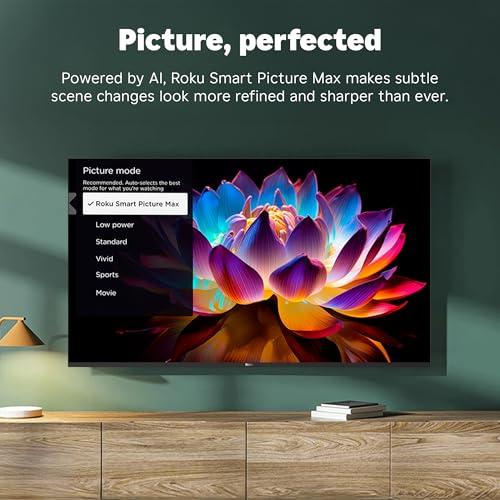
The Roku Plus Series takes a dramatically different approach with QLED Mini-LED technology. QLED (Quantum Dot Light Emitting Diode) adds a layer of quantum dots—tiny semiconductor particles that enhance color reproduction when hit by light. These quantum dots act like color filters, producing more saturated and accurate colors than traditional LCD panels can manage.
The real game-changer is the Mini-LED backlighting. Instead of using hundreds of regular-sized LEDs, Mini-LED technology employs thousands of LEDs that are significantly smaller—sometimes 1/40th the size of conventional LEDs. This allows for hundreds of local dimming zones, where different sections of the screen can independently brighten or dim. When you're watching a movie with a bright explosion against a dark night sky, the Mini-LED system can make those highlights pop while keeping the surrounding darkness truly black.
This technology advancement represents years of development since the Toshiba C350 was released. Mini-LED has become more affordable and accessible in 2024-2025, allowing manufacturers like Roku to include it in mid-tier products rather than restricting it to flagship models costing thousands.
Beyond the display technology, these TVs take completely different approaches to the smart TV experience. Your choice here often comes down to personal preference and how you consume content.
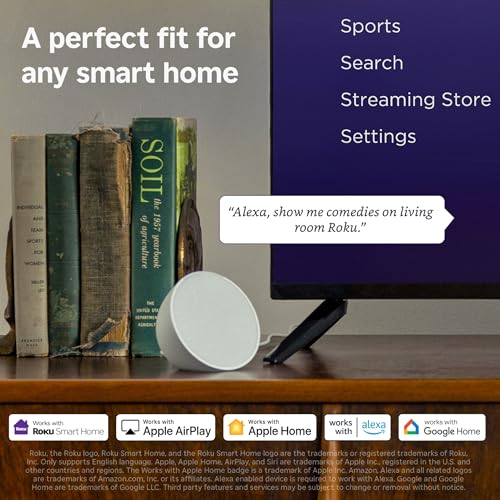
The Toshiba C350 runs Fire TV, Amazon's smart platform that deeply integrates with the company's ecosystem. Fire TV excels at content discovery, especially if you're already invested in Amazon Prime Video, have an Alexa smart home setup, or frequently shop on Amazon. The voice remote works exceptionally well for finding content across multiple apps—you can say "show me comedies on Netflix" or "play The Office" and it'll find what you're looking for.
However, Fire TV's interface prioritizes Amazon's content and services. The home screen heavily promotes Prime Video content, Amazon's free ad-supported shows, and products you can buy through Amazon. Some users find this promotional approach intrusive, especially when they primarily use other streaming services.
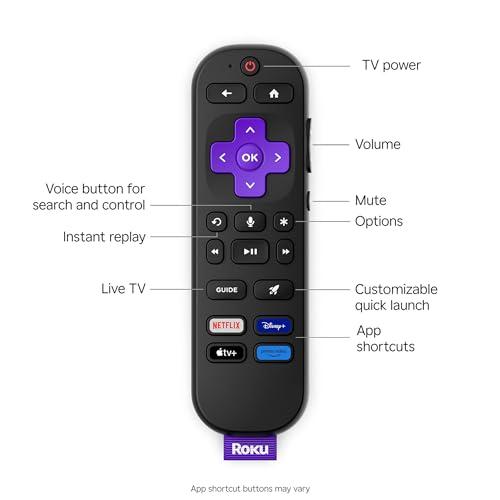
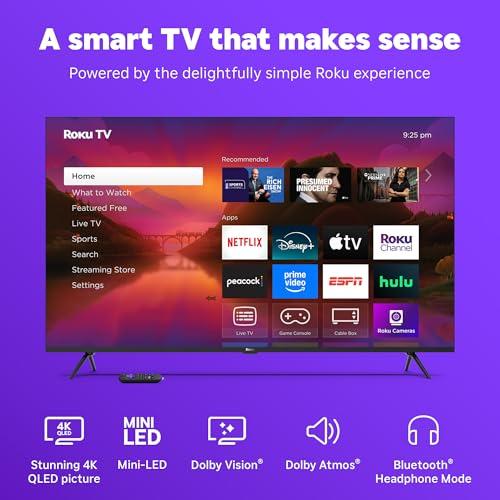
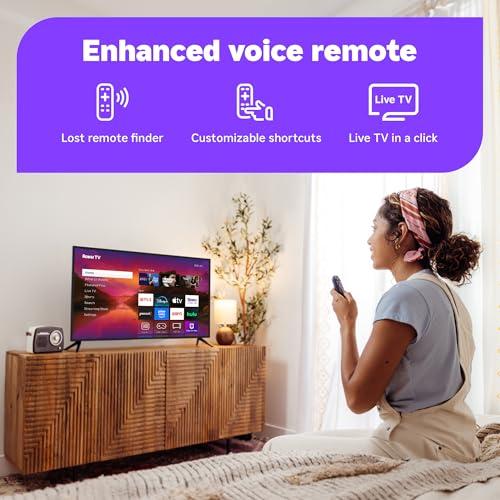
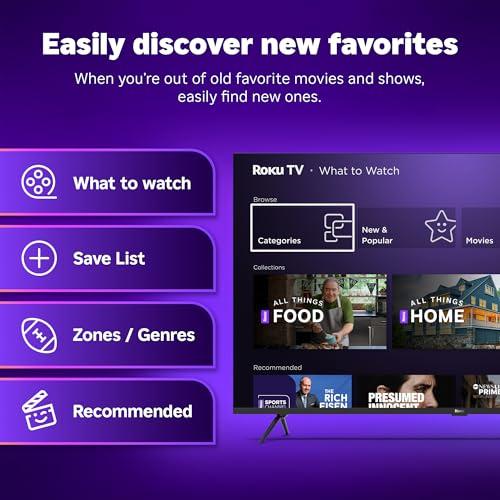
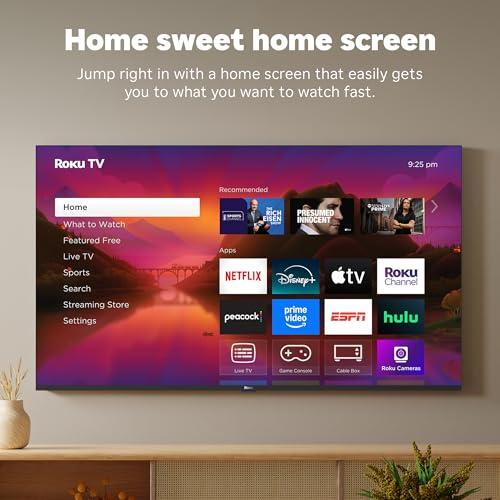
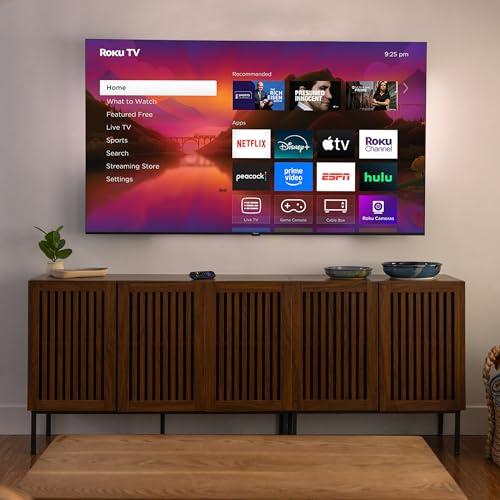
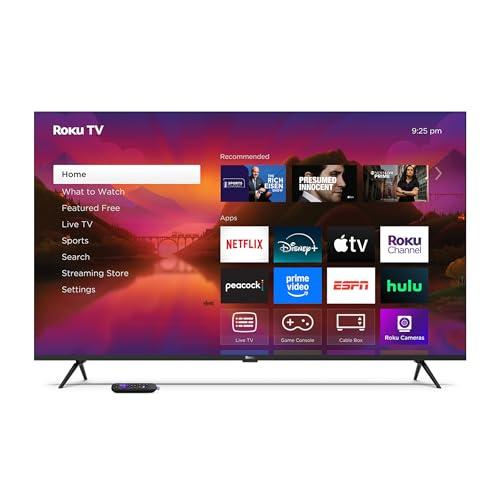
Roku OS on the Roku Plus Series takes the opposite philosophical approach. It maintains strict neutrality among streaming services, giving equal prominence to Netflix, Disney+, Apple TV+, and others. The interface feels cleaner and less commercial, with a customizable home screen that you can arrange according to your preferences.
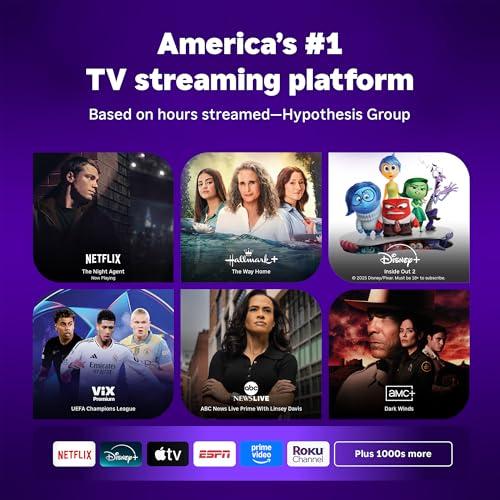
Roku's strength lies in its comprehensive channel lineup and excellent free content selection. The platform offers over 500 free live TV channels and thousands of free movies and shows through The Roku Channel. For cord-cutters or anyone looking to reduce streaming subscription costs, this free content represents significant value.
Both platforms receive regular updates, but Roku has historically been more consistent with long-term support for older devices. Amazon's Fire TV updates can sometimes feel focused on newer hardware, potentially leaving older models with fewer new features over time.
Picture quality represents the most critical performance difference between these TVs, and it's where the Roku Plus Series justifies its higher price point.
Peak Brightness and HDR Performance
Peak brightness—measured in nits—determines how well a TV performs in bright rooms and how effectively it can display HDR (High Dynamic Range) content. HDR content contains a wider range of brightness levels than standard TV shows, allowing for more realistic-looking scenes with deeper shadows and brighter highlights.
The Toshiba C350 reaches moderate peak brightness levels that work well in dimly lit or moderately lit rooms. However, in bright living rooms with large windows or overhead lighting, the screen can appear washed out, making it difficult to see dark details in movies or shows.
The Roku Plus Series achieves significantly higher peak brightness thanks to its Mini-LED backlighting. This translates to better performance in bright rooms and more impactful HDR content. When you watch a sunset scene in a nature documentary, the Roku Plus Series can make that sun appear genuinely bright and realistic, while the Toshiba C350 shows the same scene as more muted and flat.
Contrast and Black Levels
Contrast ratio—the difference between the darkest blacks and brightest whites—fundamentally affects how realistic and engaging your picture appears. Higher contrast makes colors pop, adds depth to scenes, and creates that premium "cinematic" look.
The Toshiba C350 struggles with contrast due to its lack of local dimming. In dark movie scenes, what should appear as deep black instead looks more like dark gray. This limitation becomes particularly noticeable during night scenes in movies or shows with dark themes like horror films or space dramas.
The Roku Plus Series excels here thanks to its local dimming capabilities. When watching content with mixed lighting—like a character walking through shadows into bright sunlight—the Mini-LED system can simultaneously display true blacks in the shadowed areas while keeping the bright areas properly illuminated. This creates a more three-dimensional, realistic image that draws you into the content.
Color Performance and Accuracy
Both TVs support modern HDR formats including Dolby Vision and HDR10, but they handle color reproduction very differently.
The Toshiba C350 actually delivers impressive color accuracy straight out of the box, requiring minimal calibration for most users. Colors appear natural and well-balanced, though the overall color volume—how saturated and vibrant colors can appear—is limited by the standard LCD technology.
The Roku Plus Series provides superior color volume and saturation thanks to its quantum dot technology. Reds appear more vivid, greens look more lush, and the overall palette feels more dynamic. This becomes especially apparent when watching animated content, nature documentaries, or any material with rich, saturated colors.
Both TVs perform admirably for gaming, though neither targets serious competitive gamers or those with the latest gaming consoles seeking cutting-edge features.
Input lag—the delay between pressing a controller button and seeing the action on screen—measures extremely low on both models, around 11-12 milliseconds. For context, anything under 20ms feels responsive for most gamers, so both TVs deliver snappy, immediate gaming experiences whether you're playing casual games or action-packed adventures.
Both include Auto Low Latency Mode (ALLM), which automatically switches the TV to its fastest gaming mode when it detects a gaming console. This happens seamlessly without requiring menu diving or manual adjustments.
However, both TVs share the same significant limitation: they're restricted to 60Hz refresh rates and lack advanced gaming features like Variable Refresh Rate (VRR) or 4K gaming at 120Hz. Newer gaming consoles like the PlayStation 5 and Xbox Series X can output games at higher frame rates, but these TVs can't display those enhanced frame rates. For most casual and even dedicated gamers, 60Hz gaming still provides excellent experiences, but competitive gamers or those wanting the absolute latest gaming features should look elsewhere.
TV audio often gets overlooked until you're actually living with the TV, but it significantly impacts your daily viewing experience.
The Toshiba C350 includes basic audio processing with DTS Virtual:X and Harman Kardon tuning. The sound quality works fine for dialogue-heavy content like news or talk shows, but lacks the depth and bass response needed for movies or music. You'll likely want to add a soundbar relatively quickly for an optimal experience.
The Roku Plus Series includes a more sophisticated audio system with genuine Dolby Atmos support and 4.1 surround sound expandability. The built-in speakers produce fuller, richer sound with better dialogue clarity and more satisfying bass response. While it won't replace a dedicated sound system for serious movie watching, it provides noticeably better audio that might delay your need for external speakers.
This audio difference represents another area where the Roku Plus Series provides better long-term value—you might be satisfied with the built-in audio for months or years longer than you would with the Toshiba C350.
For dedicated home theater setups, several factors become particularly important.
Room lighting significantly affects your TV choice. If your theater room has light control—blackout curtains, minimal ambient lighting—the Toshiba C350 can deliver satisfying performance for casual movie watching. However, if your "home theater" is actually your main living room with windows and varied lighting throughout the day, the Roku Plus Series becomes almost essential for consistent viewing quality.
Viewing angles matter more in theater setups where multiple people watch from different positions. The Toshiba C350 actually performs better here, maintaining color accuracy and brightness when viewed from the sides. The Roku Plus Series looks best when viewed straight-on, with some color shifting when viewed from extreme angles.
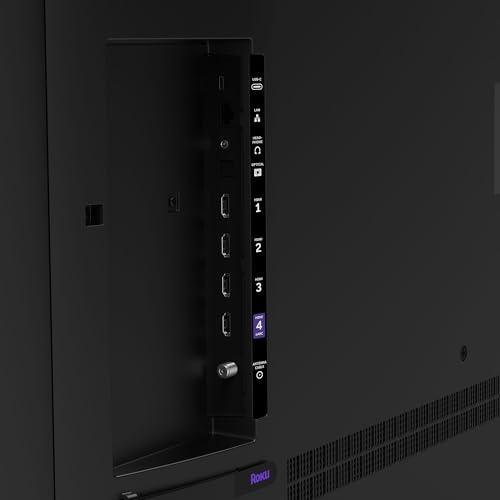
For serious home theater enthusiasts, both TVs support HDMI eARC (enhanced Audio Return Channel), allowing connection to advanced sound systems and soundbars that can decode Dolby Atmos and other high-quality audio formats.
At the time of writing, these TVs occupy distinctly different value territories that reflect their different design philosophies.
The Toshiba C350 typically costs significantly less than the Roku Plus Series—often $300-500 less for the same screen size. For budget-conscious buyers, this price difference can be substantial, potentially representing the difference between affording a 65-inch screen versus settling for a smaller size.
However, the Roku Plus Series provides genuine technology improvements that justify its higher cost for many buyers. The Mini-LED backlighting, QLED color enhancement, and superior audio represent meaningful upgrades that improve the daily viewing experience rather than just adding marketing bullet points.
Consider the long-term value equation: a TV purchase typically lasts 5-10 years. Spreading the price difference over that timespan, you're paying roughly $5-10 per month extra for significantly better picture quality, superior smart platform, and enhanced audio. For many households, this represents excellent value for the improved viewing experience.
Choose the Toshiba C350 if:
You're budget-conscious and need to maximize screen size per dollar. This TV excels for viewers who primarily watch standard streaming content, cable TV, or broadcast television in rooms with controlled lighting. If you're already invested in Amazon's ecosystem with Prime Video, Alexa devices, and other Amazon services, the Fire TV integration provides added convenience.
The Toshiba C350 also works well for households where the TV primarily serves as background entertainment rather than the centerpiece of dedicated movie nights or premium content viewing.
Choose the Roku Plus Series if:
Picture quality matters to you and you can justify the higher investment for substantially better performance. This TV suits viewers who frequently watch movies, high-quality streaming content, or HDR material where the improved contrast and brightness create genuinely better experiences.
The Roku Plus Series becomes almost essential if your TV will be used in a bright room with windows, overhead lighting, or mixed lighting conditions throughout the day. The superior brightness and contrast handling ensure consistent viewing quality regardless of ambient lighting.
This TV also appeals to viewers who prefer a clean, neutral smart platform without heavy promotion of specific content services. If you use multiple streaming services equally or want access to extensive free content, Roku OS provides advantages over Fire TV's Amazon-centric approach.
Both the Toshiba C350 and Roku Plus Series succeed at their intended purposes, but they target fundamentally different buyers and use cases.
The Toshiba C350 delivers exceptional value for viewers seeking maximum screen size at minimum cost. It provides all the essential modern TV features—4K resolution, smart platform, voice control—without premium pricing. For many households, especially those upgrading from older, smaller TVs, it represents a significant improvement in viewing experience.
The Roku Plus Series justifies its higher cost through genuine technology improvements that create measurably better picture quality and user experience. The Mini-LED backlighting and QLED enhancement aren't just marketing features—they deliver real-world benefits that improve your daily viewing.
Your decision ultimately depends on your priorities, room conditions, and budget flexibility. If you view your TV purchase as primarily functional—something that displays your content reliably without breaking the bank—the Toshiba C350 excels. If you consider your TV an important part of your entertainment experience worth investing in for superior performance, the Roku Plus Series provides compelling value despite its higher upfront cost.
Either choice represents a solid foundation for years of entertainment, but understanding these fundamental differences ensures you'll be satisfied with whichever direction you choose.
| Toshiba 65" C350 Series 4K UHD Smart Fire TV | Roku Plus Series 65" 4K QLED Mini-LED Smart TV 2025 |
|---|---|
| Display Technology - Foundation that determines picture quality and longevity | |
| Standard LCD with full-array LED backlighting | QLED with Mini-LED backlighting and local dimming zones |
| Peak Brightness - Critical for bright room viewing and HDR impact | |
| Moderate brightness, best in controlled lighting | Significantly higher brightness, excellent for bright rooms |
| Contrast Performance - What makes movies look cinematic vs flat | |
| Limited contrast without local dimming | Superior contrast with Mini-LED local dimming |
| Color Technology - Affects vibrancy and accuracy of colors | |
| Standard LCD color reproduction | Quantum Dot enhanced colors with wider color gamut |
| Smart Platform - Your daily interface experience | |
| Fire TV with Alexa integration and Amazon ecosystem focus | Roku OS with neutral platform and extensive free content |
| Audio Quality - Determines if you need immediate soundbar upgrade | |
| Basic speakers with DTS Virtual:X processing | Enhanced audio with Dolby Atmos and 4.1 surround expandability |
| Gaming Performance - Input lag and modern gaming features | |
| Excellent 11ms input lag, 60Hz refresh rate | Excellent 11ms input lag, 60Hz refresh rate |
| Viewing Angles - Important for group viewing and room layout | |
| Wide viewing angles maintain color accuracy | Narrow viewing angles, best viewed straight-on |
| HDR Support - Enhanced contrast and color for compatible content | |
| Dolby Vision, HDR10, HLG support with limited impact | Dolby Vision, HDR10+ with dramatic visual improvements |
| Release Year - Indicates technology generation and future support | |
| 2023 model with proven budget-focused design | 2025 model with latest Mini-LED technology |
| Target Buyer - Who gets the best value from each option | |
| Budget-conscious buyers wanting maximum screen size per dollar | Picture quality enthusiasts seeking premium features at mid-tier pricing |
The Roku Plus Series 65" 4K QLED Mini-LED Smart TV delivers significantly better picture quality thanks to its Mini-LED backlighting and QLED technology. It produces deeper blacks, brighter highlights, and more vibrant colors compared to the Toshiba 65" C350 Series. For movie watching and premium content, the Roku Plus Series provides a more cinematic experience with superior contrast and HDR performance.
The Toshiba 65" C350 Series runs Fire TV, which integrates deeply with Amazon's ecosystem and prioritizes Prime Video content. The Roku Plus Series uses Roku OS, which maintains neutrality among streaming services and offers extensive free content options. Roku OS generally provides a cleaner interface with less advertising, while Fire TV excels for Amazon ecosystem users with Alexa smart home integration.
The Roku Plus Series performs much better in bright rooms due to its significantly higher peak brightness from Mini-LED technology. The Toshiba C350 Series can appear washed out in bright lighting conditions, making it better suited for rooms with controlled lighting or evening viewing.
Both the Toshiba C350 Series and Roku Plus Series offer excellent gaming performance with extremely low input lag around 11-12ms. Both include Auto Low Latency Mode and support responsive gaming. However, neither TV supports advanced gaming features like 120Hz refresh rates or Variable Refresh Rate, limiting them to 60Hz gaming.
The Toshiba C350 Series provides exceptional value for budget-conscious buyers seeking maximum screen size per dollar. The Roku Plus Series offers better long-term value for those prioritizing picture quality, as its Mini-LED technology and superior audio may delay the need for additional equipment upgrades.
The Roku Plus Series includes significantly better built-in audio with Dolby Atmos support and enhanced speaker systems that produce fuller sound. The Toshiba C350 Series offers basic audio quality suitable for dialogue but lacks depth for movies and music. Most users will want to add a soundbar to the Toshiba sooner than the Roku Plus Series.
For dedicated home theater use, the Roku Plus Series is generally superior due to its higher contrast, better brightness control, and enhanced audio capabilities. However, the Toshiba C350 Series can work well in light-controlled theater rooms and offers better viewing angles for multiple seating positions.
Yes, both the Toshiba C350 Series and Roku Plus Series support Dolby Vision, HDR10, and other modern HDR formats. However, the Roku Plus Series delivers much more dramatic HDR improvements due to its higher peak brightness and superior contrast capabilities from Mini-LED technology.
Both platforms offer access to major streaming services like Netflix, Disney+, and Apple TV+. The Roku Plus Series provides access to over 500 free live TV channels and extensive free content through The Roku Channel. The Toshiba C350 Series with Fire TV offers strong Amazon Prime Video integration and Alexa voice control for content discovery.
The Toshiba C350 Series offers better viewing angles, maintaining color accuracy and brightness when viewed from the sides, making it better for group viewing. The Roku Plus Series looks best when viewed straight-on, with some color shifting when viewed from extreme angles.
Both TVs should provide years of reliable service, but the Roku Plus Series uses more advanced display technology that may remain relevant longer. Roku historically provides consistent long-term software updates, while the Toshiba C350 Series with Fire TV receives regular updates though sometimes with more focus on newer hardware generations.
Choose the Toshiba C350 Series if you need maximum screen size on a tight budget and primarily watch standard content in controlled lighting. Opt for the Roku Plus Series if picture quality matters to you, you watch movies frequently, or your room has bright lighting conditions where the superior brightness and contrast will provide noticeably better viewing experiences.
We've done our best to create useful and informative comparisons to help you decide what product to buy. Our research uses advanced automated methods to create this comparison and perfection is not possible - please contact us for corrections or questions. These are the sites we've researched in the creation of this article: bestbuy.com - bestbuy.com - youtube.com - rtings.com - cnet.com - youtube.com - consumerreports.org - toshibatv-canada.com - bestbuy.com - bestbuy.com - dolby.com - displayspecifications.com - toshibatv-usa.com - aarons.com - bestbuy.com - tomsguide.com - rtings.com - youtube.com - rtings.com - youtube.com - roku.com - walmart.com - youtube.com - bestbuy.com - roku.com - tvsbook.com

Privacy Policy
Terms and Conditions - Affiliate Policy
Home Security
© Copyright 2008-2026.
11816 Inwood Rd #1211, Dallas, TX 75244