

Smart TVs have evolved far beyond simple displays that connect to streaming services. Today's models serve as the command center for your entire entertainment setup, combining advanced display technology with sophisticated operating systems that can control your lights, answer questions, and deliver cinema-quality picture and sound. But with so many options available, choosing the right one can feel overwhelming.
Two models that consistently appear in shopping conversations are the Amazon Fire TV Omni Series 65" and the Roku Plus Series 65" QLED Mini-LED. While both deliver 4K resolution on a generous 65-inch screen, they take dramatically different approaches to picture quality, smart features, and overall value. Understanding these differences is crucial for making the right choice for your home.
Before diving into specifics, it's worth understanding what separates good smart TVs from great ones. Picture quality depends on several key factors: the underlying display technology (LCD, QLED, or OLED), the backlight system (standard LED, Mini-LED, or full-array local dimming), color accuracy, brightness levels, and contrast ratios. These technical specifications directly translate to how vibrant colors appear, how deep blacks look, and how well the TV handles both bright and dark scenes simultaneously.
The smart platform—essentially the TV's operating system—determines how smoothly you can navigate between Netflix, Disney+, and other streaming apps. A sluggish interface can turn simple tasks like searching for a movie into frustrating experiences. Voice control integration, app selection, and how frequently the system receives updates all factor into long-term satisfaction.
Audio performance often gets overlooked, but built-in speakers can make or break the viewing experience, especially if you're not planning to add a soundbar immediately. Finally, gaming capabilities have become increasingly important as more people use their TVs for PlayStation, Xbox, or PC gaming.
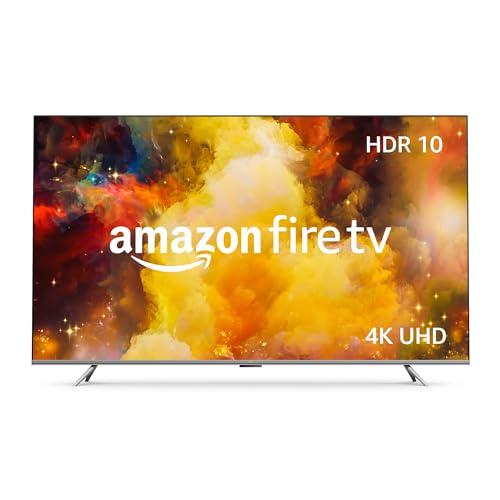
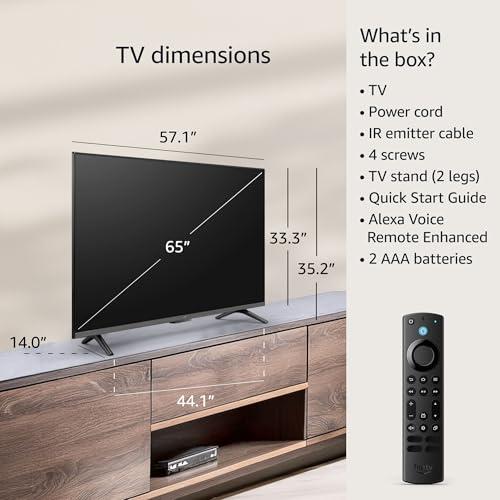
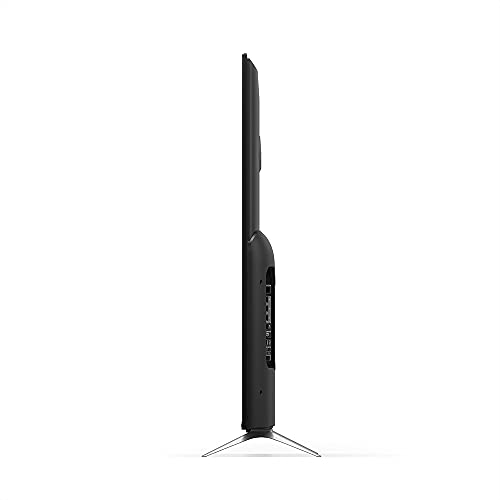
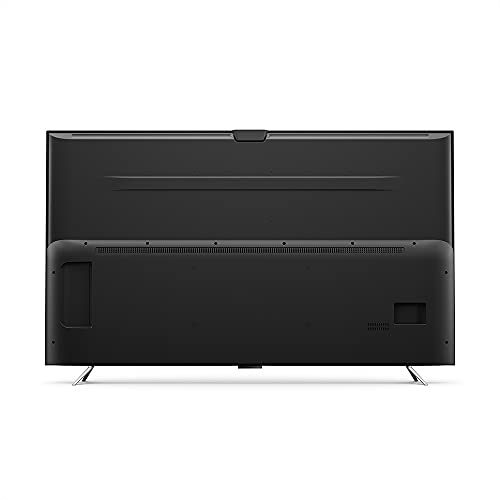
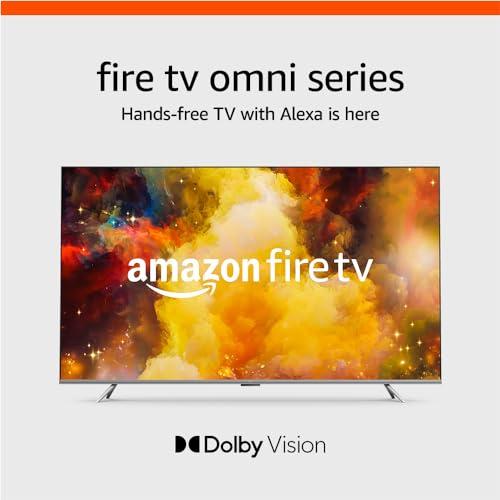
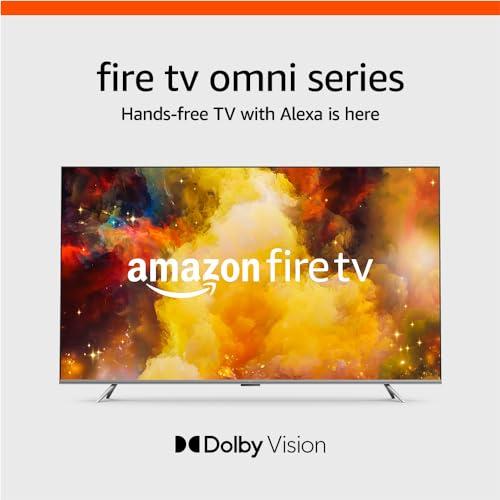
The Amazon Fire TV Omni Series, released in 2021, represents Amazon's approach to delivering smart TV functionality at an accessible price point. It combines a standard 4K LCD display with quantum dot technology (QLED) and integrates deeply with Amazon's Alexa ecosystem. The emphasis here is on smart features and voice control rather than cutting-edge display technology.
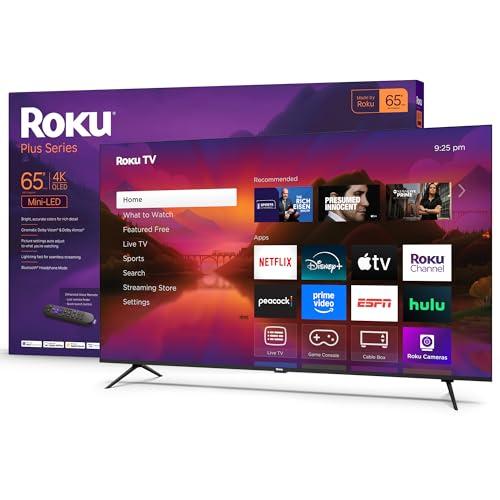
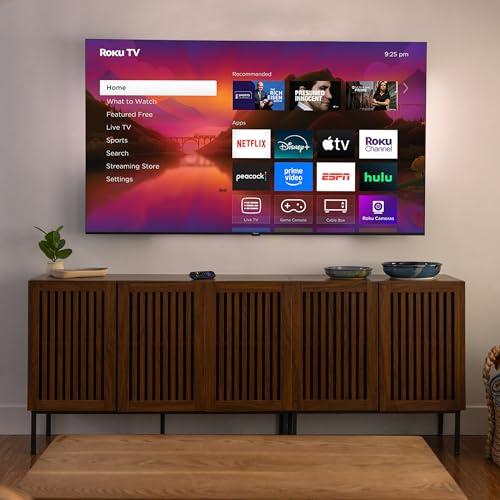
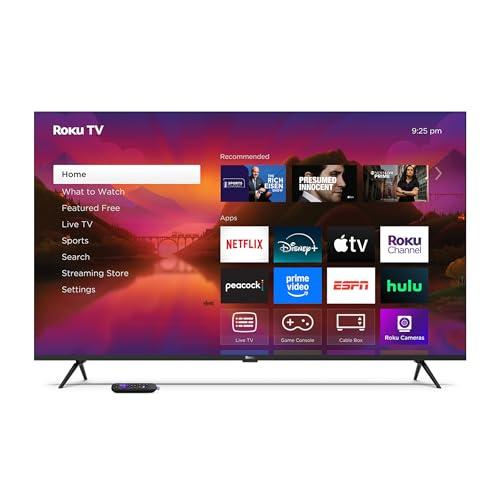
The Roku Plus Series QLED Mini-LED, launched in 2025, takes a different path. Roku invested heavily in display technology, incorporating Mini-LED backlighting—a significant upgrade that uses thousands of tiny LEDs for precise lighting control—while maintaining their reputation for having the best streaming platform in the business.
These different release years matter more than you might think. TV technology has advanced considerably between 2021 and 2025, particularly in backlighting systems and color processing. The gap represents not just product positioning but genuine technological evolution.
The most significant difference between these TVs lies in their fundamental display architecture. The Amazon Fire TV Omni uses a traditional direct-LED backlight system with quantum dot enhancement. This means LED lights positioned behind the entire screen illuminate the LCD panel, while quantum dots—microscopic particles that emit pure colors when struck by light—enhance color reproduction. The result is decent color performance and adequate brightness for most viewing conditions.
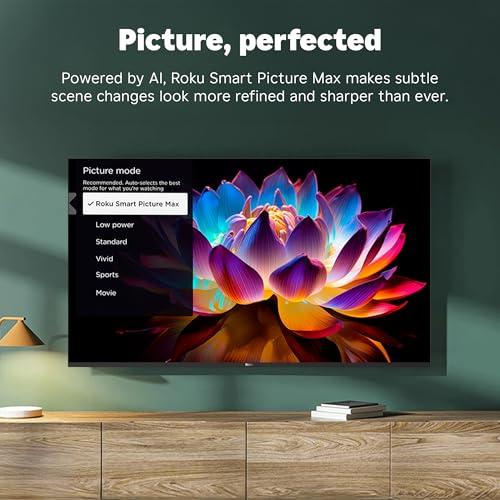
The Roku Plus Series takes this concept several steps further with Mini-LED backlighting. Instead of dozens of standard LEDs, Mini-LED systems use thousands of tiny LEDs that can be controlled independently. This creates what's called local dimming zones—areas of the screen that can brighten or dim independently from neighboring areas. When you're watching a movie scene with bright stars against a dark sky, Mini-LED can make those stars brilliantly bright while keeping the surrounding sky deep black.
This technical difference translates to real-world viewing improvements. Based on our research into professional reviews and user feedback, the Roku's Mini-LED system delivers noticeably better contrast ratios and more precise lighting control. Dark movie scenes retain detail in shadows while bright areas maintain their impact, creating that premium viewing experience you'd expect from higher-end TVs.
Color performance also favors the Roku Plus Series. Both TVs cover approximately 97% of the DCI-P3 color space—the standard used for digital cinema—but the Roku's more advanced processing and newer panel technology deliver more accurate, natural-looking colors. This becomes particularly noticeable when watching nature documentaries or animated films where color accuracy directly impacts the viewing experience.
Brightness levels tell another part of the story. The Amazon Fire TV Omni reaches about 330 nits peak brightness, which is adequate for most living rooms but can struggle in bright environments or with HDR content that demands high brightness for impact. The Roku Plus Series achieves approximately 459 nits, providing better performance in bright rooms and more compelling HDR (High Dynamic Range) presentation.
Here's where things get interesting, because both companies have earned reputations for excellent smart TV platforms, though they excel in different areas.
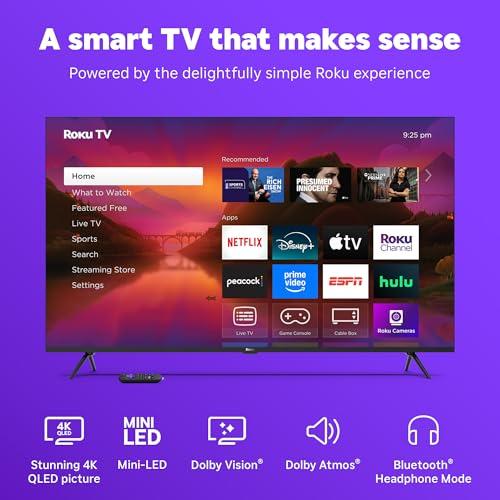
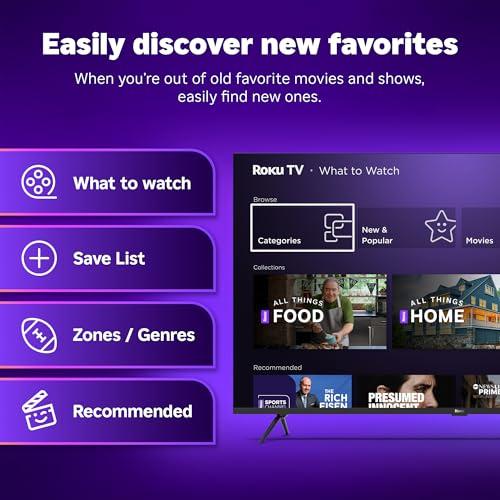
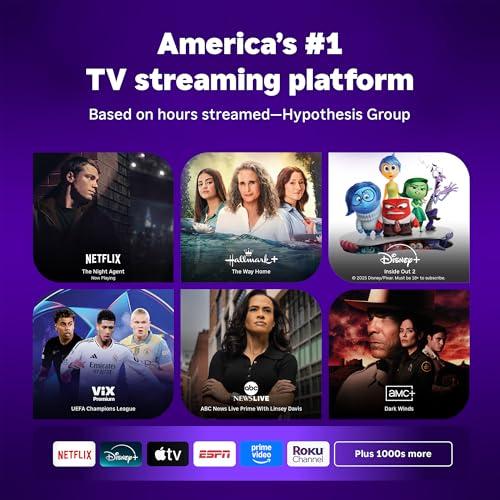
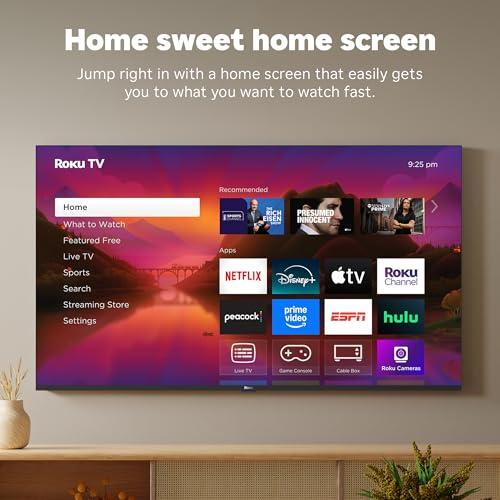
Roku's platform has long been considered the gold standard for streaming interfaces. The Roku Plus Series benefits from this heritage with an incredibly intuitive, fast-responding interface that makes finding content almost effortless. The customizable home screen lets you prioritize your most-used apps, while universal search helps you find movies and shows across multiple streaming services simultaneously. With over 500 free channels available alongside all the major paid streaming apps, content selection is comprehensive.
The Amazon Fire TV Omni approaches smart TV functionality differently, integrating deeply with Amazon's broader ecosystem. If you're already using Alexa devices throughout your home, the Fire TV becomes a natural extension of that system. The built-in microphones allow hands-free voice control—you can turn the TV on, search for content, control smart home devices, or ask for weather updates without touching the remote.
Based on expert reviews and user feedback, Roku's interface generally feels more responsive and polished, while Amazon's Fire TV occasionally exhibits lag during navigation. However, Amazon's voice integration is more comprehensive, extending beyond simple content searches to full smart home control.
Both platforms receive regular software updates, though Roku has historically been more consistent with long-term support for older models. This matters because smart TV platforms can become obsolete if manufacturers stop updating them.
Built-in TV audio often gets dismissed, but both models put genuine effort into sound quality—with notably different results.
The Amazon Fire TV Omni includes dual 8-watt speakers totaling 16 watts of output power. While these speakers support Dolby Atmos passthrough (meaning they can send advanced audio formats to external sound systems), the built-in performance is fairly standard. Voices come through clearly for dialogue-heavy content, but you'll notice limitations with music, action scenes, or anything requiring significant bass response.
The Roku Plus Series takes audio more seriously, incorporating Dolby Atmos processing directly into the TV's speakers and supporting 4.1 channel expandability. The difference is noticeable during movie watching, where the Roku provides better spatial audio and more convincing surround effects. Features like Auto Speech Clarity help ensure dialogue remains intelligible even during complex audio scenes, while Night Mode reduces volume variations for late-night viewing.
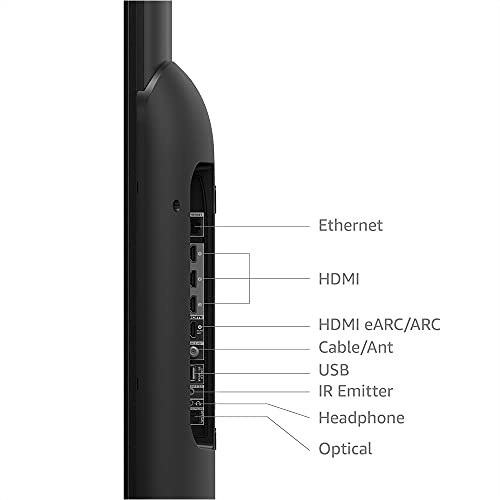
For home theater enthusiasts, both TVs support eARC (enhanced Audio Return Channel) through HDMI, allowing connection to high-end soundbars and receiver systems. However, if you're planning to rely primarily on built-in speakers, the Roku Plus Series offers a meaningfully better experience.
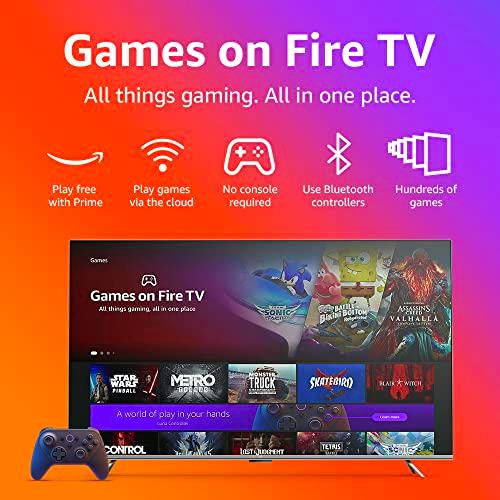
Gaming capabilities represent an area where both TVs show their limitations, though they handle casual gaming reasonably well.
Input lag—the delay between pressing a controller button and seeing the response on screen—measures under 15 milliseconds on both models, which is excellent for responsive gameplay. Both support 4K gaming at 60 frames per second, making them compatible with current-generation PlayStation and Xbox consoles.
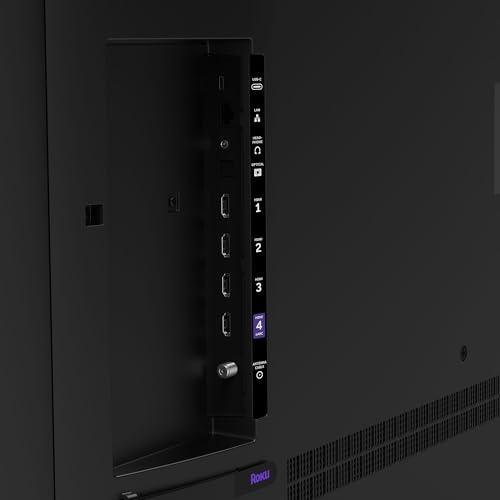
However, neither TV supports advanced gaming features that serious gamers increasingly expect. There's no Variable Refresh Rate (VRR) support, which helps eliminate screen tearing during fast-paced games. Both are limited to 60Hz refresh rates, meaning they can't take advantage of 120fps gaming modes available on newer consoles. The HDMI ports use version 2.0 rather than 2.1, limiting bandwidth for future gaming features.
For casual gaming—playing occasionally with friends or family—both TVs perform well. For dedicated gamers who prioritize the latest features and highest performance, neither model represents the best choice in their price ranges.
Smart home control capabilities heavily favor the Amazon Fire TV Omni, though the Roku Plus Series offers broader compatibility.
Amazon's integration runs deep. The built-in microphones throughout the TV frame allow hands-free Alexa control from anywhere in the room. You can adjust smart thermostats, dim lights, check security cameras, or control other connected devices without touching any remote. The TV essentially becomes a large Echo Show device that can manage your entire smart home ecosystem.
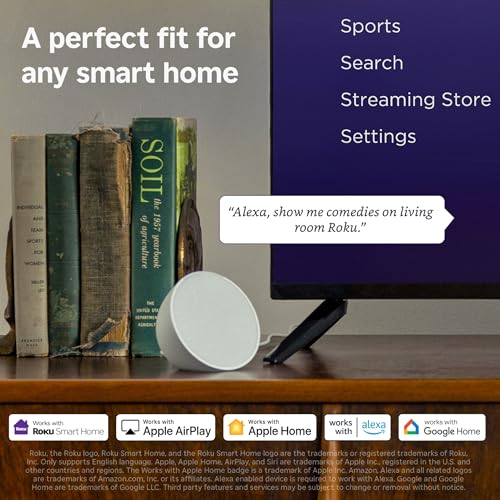
The Roku Plus Series supports multiple voice assistants—Alexa, Google Assistant, Siri, and Roku's own voice control—but requires the remote for voice commands. While this provides broader compatibility with different smart home systems, it lacks the seamless integration Amazon achieves.
If smart home control is a priority, particularly if you're already invested in Amazon's ecosystem, the Fire TV Omni offers genuinely superior functionality. For users who prefer flexibility or use competing smart home platforms, Roku's multi-assistant support might be more valuable.
At the time of writing, these TVs occupy different price tiers, reflecting their different approaches and capabilities. The Amazon Fire TV Omni Series typically costs several hundred dollars less than the Roku Plus Series, making value comparison essential.
The Amazon model represents excellent value for buyers prioritizing smart features and basic 4K viewing. You get comprehensive voice control, decent picture quality, and all essential smart TV functionality at a budget-friendly price. For many families, especially those already using Amazon services, this combination delivers everything needed for satisfying entertainment.
The Roku Plus Series commands a premium but justifies it with significantly superior display technology. The Mini-LED backlighting alone represents a substantial upgrade that affects every moment of viewing. Combined with better audio, more refined software, and future-proof 2025 technology, the higher price reflects genuine performance improvements.
Neither TV offers exceptional value for serious gamers or videophiles seeking the absolute best picture quality, but both serve their intended markets well.
For dedicated home theater setups, the Roku Plus Series emerges as the clear winner. The superior contrast ratios from Mini-LED backlighting become most apparent during movie watching in darkened rooms, where the ability to display true blacks alongside bright highlights creates more engaging, cinematic experiences.
The better built-in audio also matters more in home theater contexts, where you might delay adding external speakers. While serious home theater enthusiasts will eventually upgrade to dedicated audio systems, the Roku's superior speakers provide better interim performance.
However, the Amazon Fire TV Omni shouldn't be dismissed for casual home theater use. Its picture quality, while not exceptional, handles most content well enough for enjoyable movie nights. The voice control capabilities can actually enhance the home theater experience, allowing dimming of smart lights or adjusting temperature without interrupting the viewing experience.
The decision between these TVs ultimately depends on your priorities and budget constraints.
Choose the Amazon Fire TV Omni Series if you value smart home integration above all else, especially if you're already invested in Amazon's ecosystem. It's also the right choice for budget-conscious buyers who want good-enough picture quality with excellent smart features. Families who prioritize voice control convenience and don't need cutting-edge display technology will find this TV delivers everything they need.
The Roku Plus Series makes sense for viewers who prioritize picture quality and are willing to pay more for meaningful improvements. If you watch a lot of movies, especially in darker rooms where contrast matters most, the Mini-LED technology provides genuinely better experiences. It's also the better choice for users who want the most polished streaming platform and superior built-in audio.
For most buyers, the decision comes down to whether the Roku Plus Series' display technology improvements justify its higher price. Based on our research into user experiences and expert reviews, the answer is yes for anyone who watches TV regularly and can afford the premium. The Mini-LED backlighting provides improvements you'll notice every time you watch, making it a worthwhile investment for the TV's likely 7-10 year lifespan.
However, the Amazon Fire TV Omni remains an excellent choice for budget-conscious buyers or anyone who values smart home control over premium picture quality. It delivers solid performance at its price point and excels in areas that matter to many families.
Both TVs will serve you well, but understanding their different strengths ensures you'll choose the one that best matches your viewing habits, smart home setup, and budget priorities.
| Amazon Fire TV Omni Series 65" | Roku Plus Series 65" QLED Mini-LED |
|---|---|
| Display Technology - Determines contrast and black levels for movie watching | |
| Standard LED backlight with QLED enhancement | Mini-LED backlight with thousands of dimming zones + QLED |
| Peak Brightness - Critical for HDR impact and bright room viewing | |
| 330 nits (adequate for most rooms) | 459 nits (better HDR performance and daytime viewing) |
| Release Year - Affects available technology and future support | |
| 2021 (proven but older tech) | 2025 (latest display and processing advances) |
| Smart Platform - Your daily interface experience | |
| Fire TV OS with deep Alexa integration | Roku OS with 500+ channels and faster performance |
| Voice Control - Convenience for hands-free operation | |
| Built-in microphones for hands-free Alexa control | Remote-based control supporting multiple assistants |
| Audio System - Important if not adding external speakers | |
| 16W speakers with basic Dolby Atmos passthrough | Enhanced speakers with Dolby Atmos processing and 4.1 expandability |
| Gaming Features - Matters for console gaming | |
| 60Hz, low input lag, no advanced gaming features | 60Hz, low input lag, no VRR or 120Hz support |
| Smart Home Integration - Value depends on your existing setup | |
| Comprehensive Alexa smart home control | Multi-assistant support but requires remote |
| Color Performance - Affects vibrancy of content | |
| 97% DCI-P3 color gamut with good accuracy | 97% DCI-P3 with superior processing and accuracy |
| Best For - Who should choose this model | |
| Budget-conscious buyers wanting smart features | Picture quality prioritizers willing to pay more |
The Roku Plus Series 65" QLED Mini-LED delivers significantly better picture quality thanks to its Mini-LED backlighting technology. This system uses thousands of tiny LEDs that can dim independently, creating deeper blacks and brighter highlights compared to the Amazon Fire TV Omni Series 65". For movie watching, especially in darker rooms, the Roku provides more cinematic contrast and better HDR performance.
The Amazon Fire TV Omni Series runs Fire TV OS with deep Alexa integration, while the Roku Plus Series uses Roku OS with over 500 free channels. Roku's interface is generally faster and more intuitive for finding content, but Amazon's platform excels at smart home control with hands-free voice commands throughout the room.
Both the Amazon Fire TV Omni and Roku Plus Series offer similar gaming performance with low input lag under 15ms and 60Hz refresh rates. Neither supports advanced gaming features like 120Hz or Variable Refresh Rate, making them suitable for casual gaming but not ideal for serious gamers who want cutting-edge console features.
The Roku Plus Series QLED Mini-LED has superior audio with Dolby Atmos processing and 4.1 channel expandability, providing better surround sound effects and dialogue clarity. The Amazon Fire TV Omni offers basic 16W speakers that handle dialogue well but lack the depth and spatial audio capabilities of the Roku model.
The Amazon Fire TV Omni Series wins for smart home control with built-in microphones that allow hands-free Alexa commands from anywhere in the room. You can control lights, thermostats, and other smart devices without touching the remote. The Roku Plus Series supports multiple voice assistants but requires using the remote for voice commands.
The key difference is backlighting technology. The Amazon Fire TV Omni uses standard LED backlighting with quantum dot enhancement, while the Roku Plus Series features advanced Mini-LED backlighting with thousands of independently controlled LEDs. This gives the Roku much better contrast ratios and local dimming capabilities for superior picture quality.
The Roku Plus Series 65" QLED Mini-LED performs better in bright rooms with its higher peak brightness of 459 nits compared to the Amazon Fire TV Omni's 330 nits. The Roku can better overcome ambient light and maintain color accuracy during daytime viewing, making it more suitable for living rooms with large windows.
Both TVs support major HDR formats like Dolby Vision and HDR10, but the Roku Plus Series delivers better HDR performance due to its higher brightness and superior local dimming. The Amazon Fire TV Omni can display HDR content but with less dramatic contrast and impact, especially in scenes with both bright and dark elements.
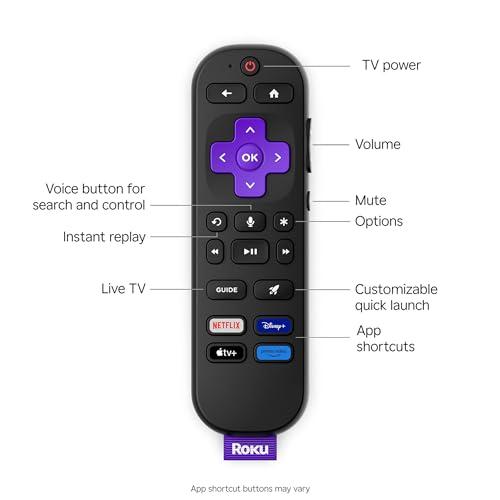
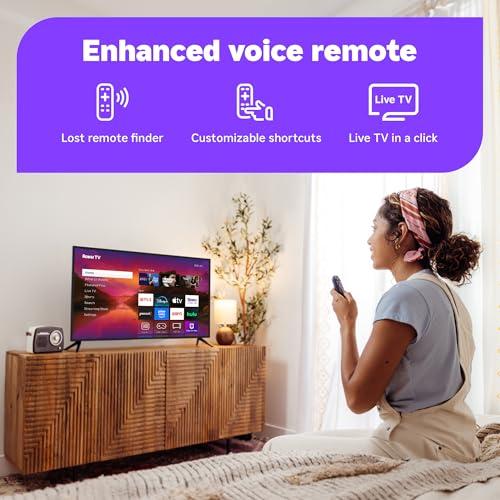
The Roku Plus Series includes an Enhanced Voice Remote Pro with rechargeable battery, customizable shortcuts, and a lost remote finder feature. The Amazon Fire TV Omni comes with a standard voice remote that works well with Alexa but lacks the premium features and convenience of the Roku remote.
The Roku Plus Series QLED Mini-LED offers access to over 500 free live TV channels plus all major streaming apps with excellent content discovery features. The Amazon Fire TV Omni Series provides good app selection with particular strength in Amazon's ecosystem, including Prime Video integration and Amazon Music compatibility.
For dedicated home theater use, the Roku Plus Series is the clear winner due to its Mini-LED technology providing superior contrast in dark rooms. The deeper blacks and brighter highlights create a more cinematic experience, while the better built-in audio reduces the immediate need for external speakers compared to the Amazon Fire TV Omni.
The Roku Plus Series 65" QLED Mini-LED represents better long-term value with 2025 technology and Roku's strong history of software updates for older models. The Amazon Fire TV Omni Series offers good immediate value for budget-conscious buyers but uses 2021 technology that may become outdated sooner, though Amazon also provides regular Fire TV updates.
We've done our best to create useful and informative comparisons to help you decide what product to buy. Our research uses advanced automated methods to create this comparison and perfection is not possible - please contact us for corrections or questions. These are the sites we've researched in the creation of this article: bestbuy.com - rtings.com - techradar.com - youtube.com - youtube.com - businessinsider.com - amazonforum.com - pcvarge.com - tvpartstoday.com - kitele.com - manuals.plus - bestbuy.com - youtube.com - diverse-marketplace.com - bestbuy.com - tomsguide.com - rtings.com - youtube.com - rtings.com - youtube.com - roku.com - walmart.com - youtube.com - bestbuy.com - roku.com - tvsbook.com

Privacy Policy
Terms and Conditions - Affiliate Policy
Home Security
© Copyright 2008-2026.
11816 Inwood Rd #1211, Dallas, TX 75244