

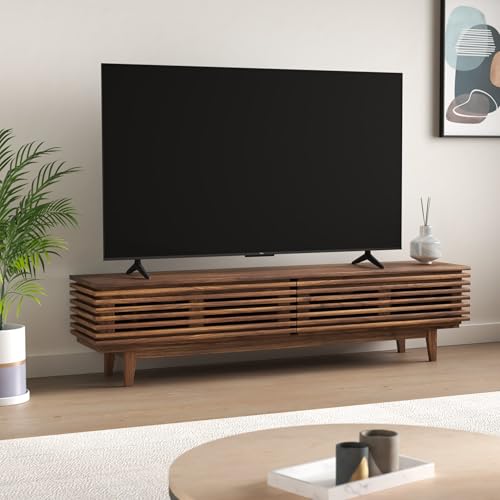
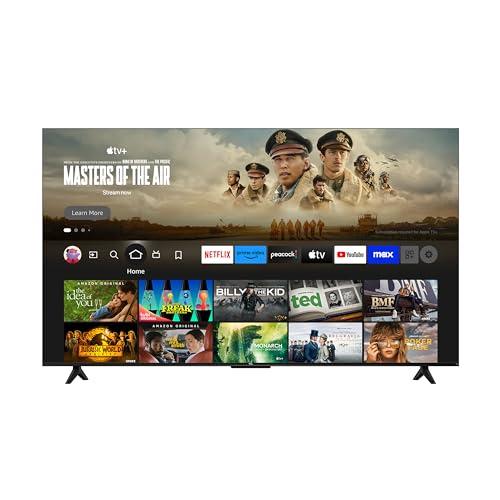
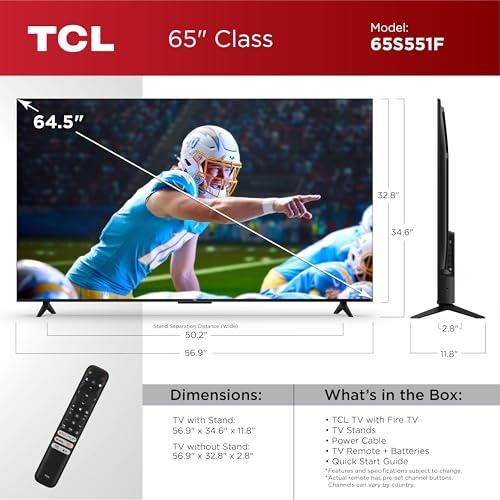

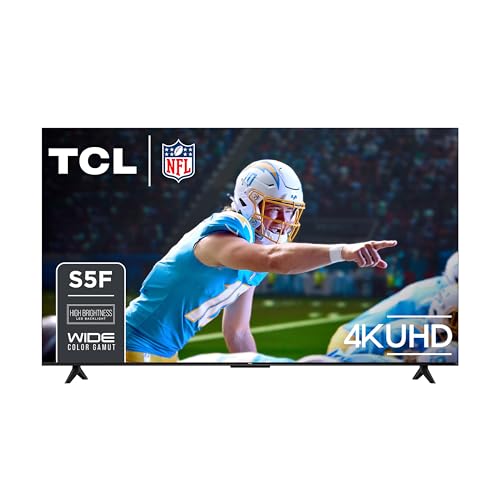
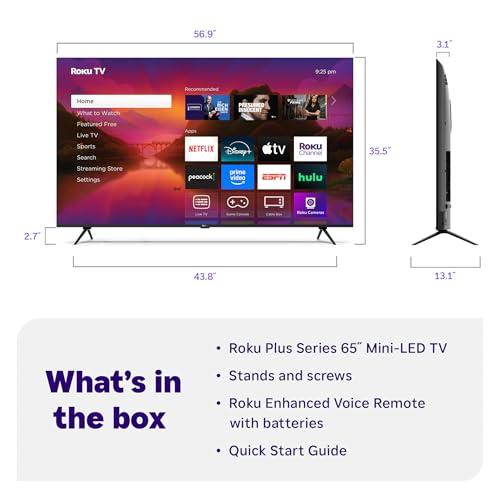
When you're shopping for a 65-inch smart TV, the gap between budget and premium options has never been wider—or more confusing. The TCL 65" S5 Fire TV 2024 and Roku Plus Series 65" QLED Mini-LED 2025 perfectly illustrate this divide, representing two completely different philosophies in TV design and pricing.
At the time of writing, these TVs sit in vastly different price tiers, with the TCL S5 targeting budget-conscious buyers while the Roku Plus Series aims for the sweet spot between premium features and reasonable pricing. But here's the thing: choosing between them isn't just about your budget—it's about understanding what you're actually getting for your money and whether those differences matter in your specific situation.
The 65-inch 4K TV market has exploded with options, but not all 4K TVs are created equal. Beyond the basic resolution, you're dealing with different display technologies, smart platforms, and feature sets that dramatically affect your daily viewing experience.
The most critical factors to consider include picture quality (brightness, contrast, and color accuracy), the smart platform experience, gaming capabilities, audio performance, and overall build quality. These elements combine to determine whether you'll love your TV for years or find yourself wanting an upgrade sooner than expected.
What makes this comparison particularly interesting is that both TVs were released in different market contexts. The TCL S5 launched in 2024 as part of TCL's push to dominate the budget segment, while the Roku Plus Series arrived in 2025 with newer display technology that had become more affordable to implement.
This is where these two TVs diverge most dramatically, and frankly, where your decision will likely be made.
The TCL S5 uses traditional LED-LCD technology with what's called a "direct LED backlight." Think of this as having a grid of LED lights behind the entire screen that illuminate the liquid crystal display. While this setup can produce decent brightness and colors, it has a fundamental limitation: it can't selectively dim different areas of the screen independently.
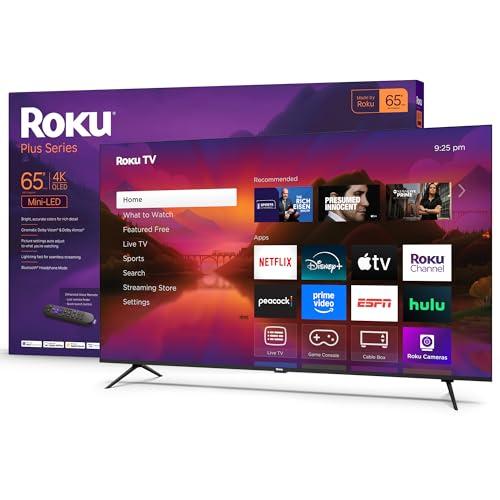
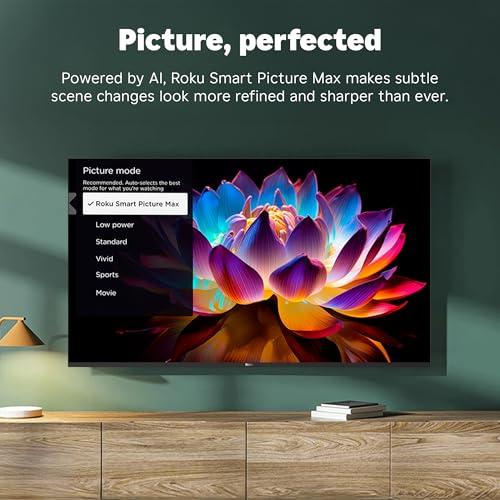
The Roku Plus Series, on the other hand, employs Mini-LED backlighting combined with a QLED (Quantum Dot LED) panel. Mini-LED technology uses thousands of tiny LEDs arranged in zones that can be dimmed independently—this is called "local dimming." The QLED layer adds quantum dots that enhance color reproduction and brightness. It's like having precise lighting control for different parts of your screen rather than one big floodlight.
Based on professional measurements and user feedback, these technological differences translate into dramatically different viewing experiences. The TCL S5 produces what reviewers consistently describe as "gray blacks"—when you're watching a dark movie scene, the black areas appear grayish rather than truly black. This happens because the backlight can't turn off completely in dark areas when bright elements are present elsewhere on screen.
The Roku Plus Series delivers genuine deep blacks thanks to its local dimming capability. When a zone doesn't need to be lit, it can turn off almost completely, creating the contrast that makes HDR content really pop. This difference becomes immediately apparent when watching movies with mixed light and dark scenes—think of the opening sequence of a Batman film or any space movie with bright stars against black space.
HDR (High Dynamic Range) is supposed to make your content look more lifelike by displaying brighter highlights and darker shadows simultaneously. However, HDR is only as good as your TV's ability to actually display those extremes.
The TCL S5 supports all the major HDR formats—Dolby Vision, HDR10+, and HDR10—but our research into professional reviews reveals it can't deliver the brightness needed to make HDR content truly shine. With measured peak brightness levels that fall short of what's needed for impactful HDR, you're getting HDR in name only. The content will play, but you won't see the dramatic improvement HDR is supposed to provide.
The Roku Plus Series not only supports the same HDR formats but can actually deliver on their promise. The Mini-LED backlighting provides the brightness needed for highlights to truly stand out, while the local dimming ensures dark areas stay dark. This creates the contrast ratio that makes HDR content look genuinely different from standard content.
Color performance is another area where these TVs diverge significantly. The TCL S5 delivers adequate color accuracy for its price point, but colors can appear muted, especially in challenging lighting conditions. The TV also struggles in bright rooms—if you have large windows or overhead lighting, you'll find yourself constantly adjusting the brightness or closing curtains.
The Roku Plus Series produces more vibrant, accurate colors thanks to its quantum dot technology, which expands the color gamut (the range of colors the TV can display). More importantly, it gets bright enough to overcome ambient light, making it suitable for typical living room environments regardless of lighting conditions.
Your TV's smart platform is what you'll interact with every single day, so choosing between Fire TV and Roku OS deserves serious consideration.
The TCL S5 runs Amazon's Fire TV platform, which has improved significantly over the years but still has some quirks. The interface is heavily Amazon-focused, which works great if you're already invested in Amazon's ecosystem—Prime Video content gets prominent placement, and Alexa integration is seamless.
However, user feedback consistently points to occasional slowdowns and lag when navigating menus or launching apps. The voice remote is functional but basic, without advanced features like hands-free voice control or a lost remote finder. The platform does support Apple AirPlay 2, which is handy for iPhone users, but the overall experience feels more utilitarian than polished.
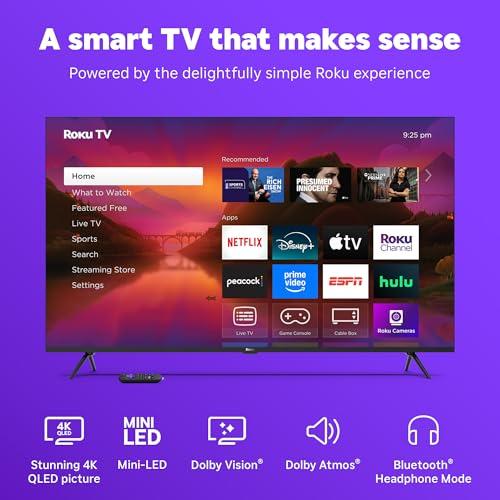
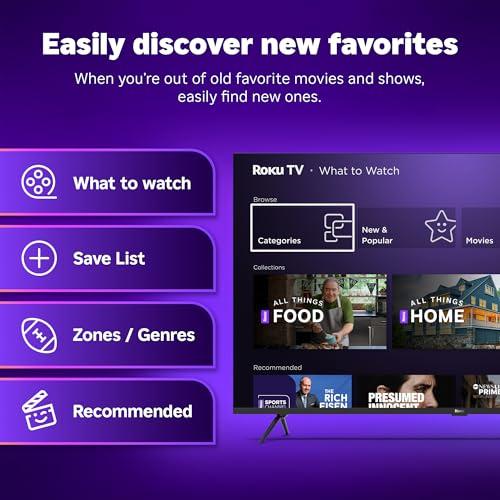
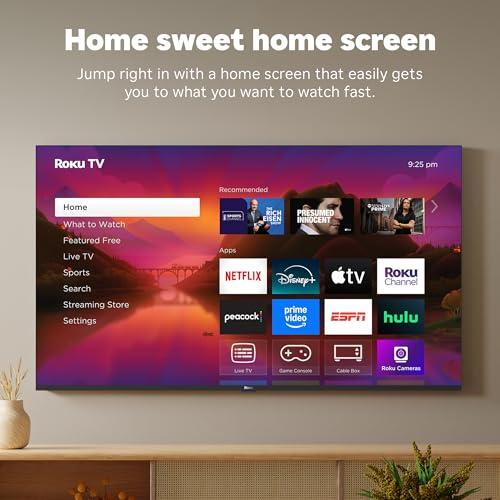
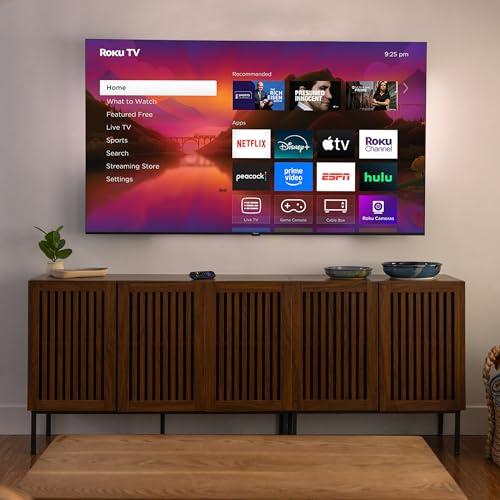
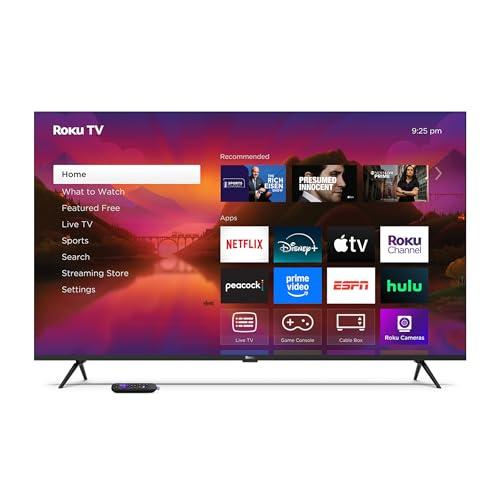
The Roku Plus Series runs Roku OS, which has earned a reputation as one of the most user-friendly smart TV platforms available. The interface is clean, fast, and doesn't heavily favor any particular content provider—it treats Netflix, Disney+, and other services equally rather than pushing Amazon content to the forefront.
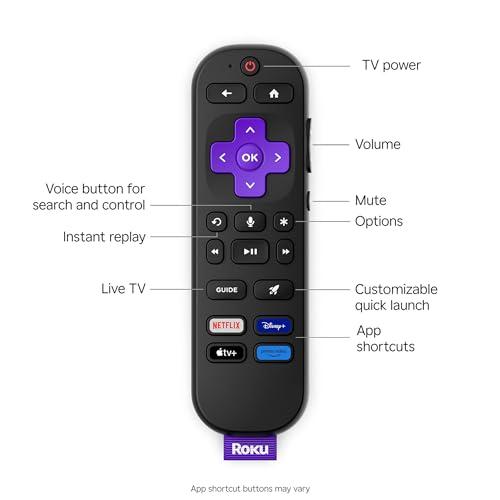
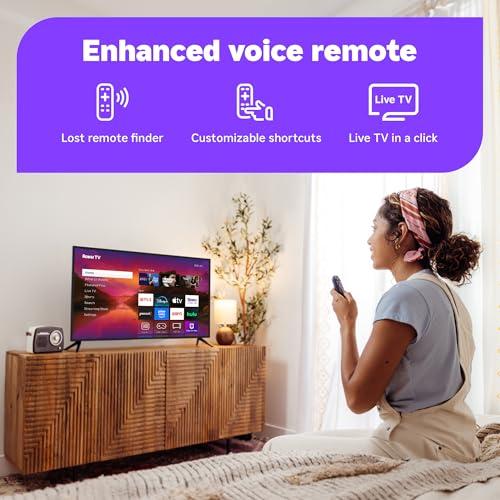
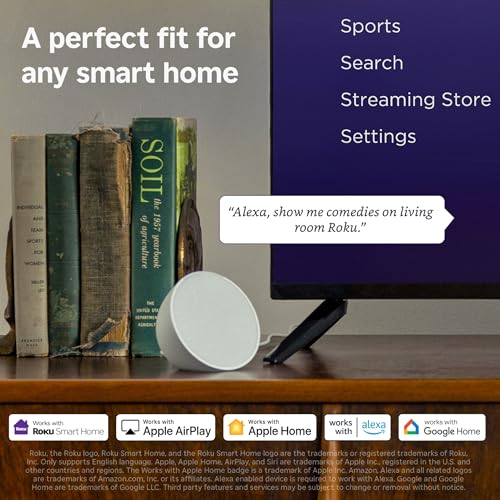
What really sets the Roku experience apart is the Enhanced Voice Remote Pro that comes with the Plus Series. This remote includes hands-free voice control (you don't need to press a button), a lost remote finder that makes the remote beep when you can't find it, and customizable shortcut buttons. These might sound like small features, but they significantly improve daily usability.
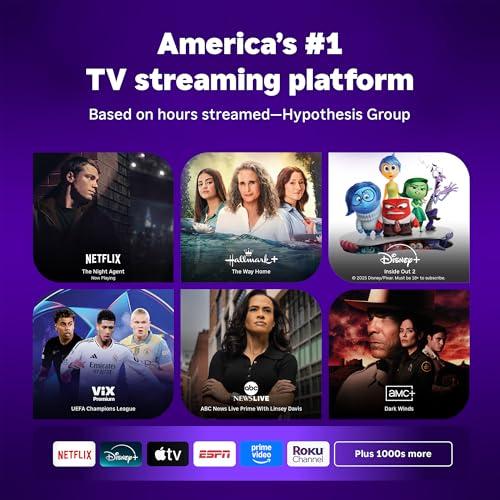
The platform also offers access to The Roku Channel with free content and live TV, plus over 500 free channels. While much of this content is lower-tier programming, it's a nice bonus that can reduce your streaming subscription costs.
Neither TV is specifically designed for hardcore gaming, but they handle gaming differently based on their target markets.
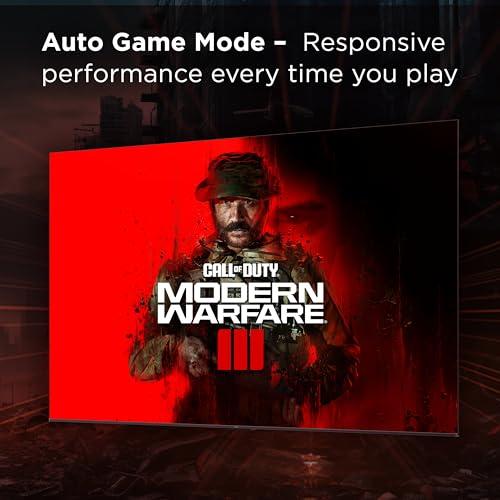
The TCL S5 includes Game Accelerator 120, which supports Variable Refresh Rate (VRR) at lower resolutions and Auto Low Latency Mode (ALLM) that automatically switches to gaming mode when it detects a console. This is respectable for a budget TV and makes casual gaming perfectly enjoyable.
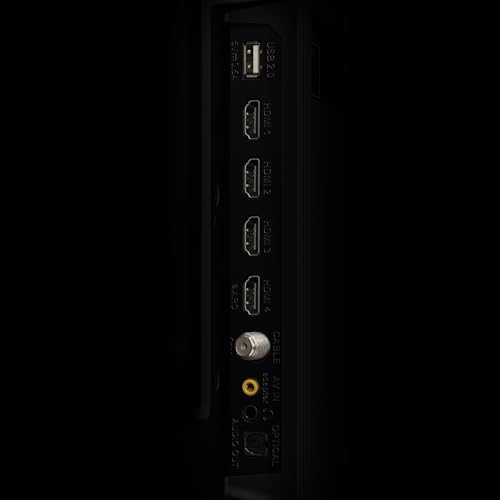
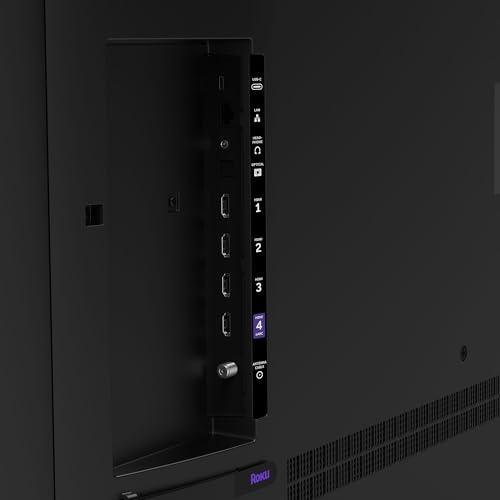
However, the TV is limited by its HDMI 2.0 ports, which means you can't take full advantage of PlayStation 5 or Xbox Series X capabilities. You won't get 4K gaming at 120Hz, which isn't a dealbreaker for most people but is worth noting if you're a serious gamer.
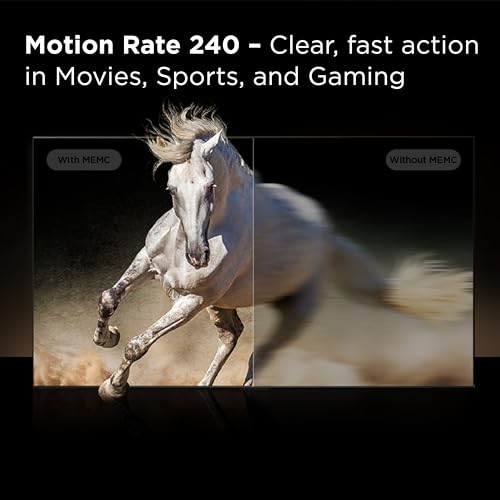
The Roku Plus Series actually has lower input lag based on measurements (around 11.5 milliseconds), which means your button presses register faster on screen. However, it's limited to 60Hz refresh rate and also uses HDMI 2.0 ports, so it's not particularly gaming-focused either.
For most people playing single-player games or casual multiplayer, both TVs perform adequately. The Roku's superior picture quality actually makes games look better, even if it doesn't have the fastest refresh rate.
Built-in TV speakers often get overlooked, but since many people don't immediately buy a soundbar, the audio experience matters more than you might think.
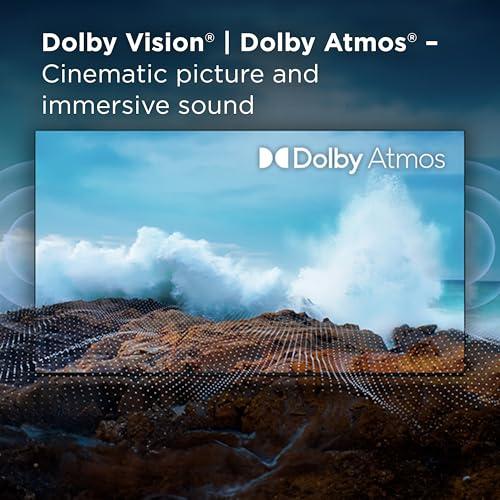
The TCL S5 includes 20 watts of total audio output with Dolby Atmos support, but user reviews consistently describe the sound as "tinny" and lacking depth. While Dolby Atmos is supported, the speakers can't really deliver the immersive experience the format is designed for.
The Roku Plus Series has noticeably better built-in audio, supporting Dolby Atmos with clearer dialogue and fuller sound. It includes features like Auto Speech Clarity for better dialogue and Night Mode for late-night viewing. The TV also supports wireless audio expandability, making it easier to add external speakers later.
At the time of writing, these TVs represent dramatically different value propositions. The TCL S5 is positioned as an entry-level option that gets you into 4K smart TV ownership without breaking the bank. For someone who primarily watches standard streaming content in a dark room, it delivers adequate performance at an attractive price point.
The Roku Plus Series costs significantly more but delivers premium display technology that was only available in high-end TVs just a few years ago. The Mini-LED backlighting, local dimming, and QLED panel represent genuine technological upgrades that improve your daily viewing experience.
The question isn't whether the Roku is better—it objectively is in almost every measurable way. The question is whether those improvements are worth the price difference for your specific situation.
Your room setup heavily influences which TV makes more sense. The TCL S5 is best suited for dark or dimly lit rooms where its brightness limitations won't be as apparent. It also has narrow viewing angles, meaning picture quality degrades when viewed from the side, so it works best when everyone sits directly in front of the TV.
The Roku Plus Series handles varied lighting conditions much better and maintains picture quality from wider viewing angles, making it more suitable for typical living room setups where people sit in different positions and lighting changes throughout the day.
If you're setting up a dedicated home theater space, the display technology differences become even more pronounced. The Roku Plus Series can deliver the contrast and brightness needed to showcase high-quality 4K HDR movies properly, while the TCL S5 would likely leave you wanting more from your premium content.
However, for a home theater setup, you'd also want to factor in external audio equipment, which somewhat reduces the importance of the built-in speaker differences.
Choose the TCL S5 Fire TV if you're working with a tight budget and primarily watch standard streaming content in a dark room. It's also a solid choice for a bedroom, guest room, or secondary viewing area where premium picture quality isn't essential. If you're already invested in Amazon's ecosystem with Prime Video and Alexa devices, the integration benefits make it even more appealing.
Choose the Roku Plus Series QLED Mini-LED if you want your TV to be a long-term centerpiece for your main viewing area. The superior picture quality, smart platform, and build quality justify the higher cost if you watch a lot of movies, HDR content, or simply want the best possible viewing experience. The room lighting flexibility alone makes it worth considering if your TV faces windows or has variable lighting.
The technology gap between these TVs is significant enough that if you can afford the Roku Plus Series, you'll likely be much happier with your purchase over time. However, the TCL S5 serves its budget market well and could be the right choice if your primary concern is getting adequate 4K smart TV functionality at the lowest possible price.
Ultimately, both TVs deliver on their promises within their respective market segments. The key is honestly assessing your budget, viewing environment, and how important premium picture quality is to your daily entertainment experience.
| TCL 65" S5 Class 4K UHD HDR Fire TV 2024 | Roku Plus Series 65" 4K QLED Mini-LED Smart TV 2025 |
|---|---|
| Display Technology - The foundation of picture quality and main cost driver | |
| Standard LED-LCD with direct backlighting, no local dimming | QLED panel with Mini-LED backlighting and local dimming zones |
| Peak Brightness - Critical for HDR performance and bright room viewing | |
| Limited brightness, struggles in bright rooms and with HDR content | High brightness capable of proper HDR highlights and daytime viewing |
| Contrast Performance - What makes dark scenes look realistic | |
| Poor black levels, blacks appear gray when bright content is present | Deep blacks with bright highlights thanks to local dimming technology |
| Smart Platform - Your daily interface experience | |
| Amazon Fire TV with Alexa integration, occasional slowdowns reported | Roku OS with fast, intuitive interface and superior remote |
| Voice Remote Features - Daily convenience factors | |
| Basic voice remote with standard functionality | Enhanced Voice Remote Pro with hands-free control, lost remote finder, customizable shortcuts |
| Gaming Performance - Input lag and refresh rate capabilities | |
| Game Accelerator 120 with VRR at lower resolutions, HDMI 2.0 only | Very low input lag (11.5ms) but limited to 60Hz, HDMI 2.0 ports |
| Audio Quality - Built-in speaker performance | |
| 20W total output, Dolby Atmos support but users report thin sound | Superior built-in speakers with Dolby Atmos, clearer dialogue, 4.1 expandability |
| HDR Support - Premium content viewing capability | |
| Supports all major HDR formats but lacks brightness for true HDR impact | Full HDR formats with brightness and contrast needed for proper HDR experience |
| Viewing Angles - Important for wider seating arrangements | |
| Narrow viewing angles, picture degrades when viewed from side | Better viewing angles but still limited compared to OLED technology |
| Room Compatibility - Lighting condition flexibility | |
| Best for dark rooms only, struggles with ambient light | Handles mixed lighting conditions well, suitable for typical living rooms |
| Target Market - Who should consider each option | |
| Budget-conscious buyers, secondary TVs, Amazon ecosystem users | Primary living room TV, movie enthusiasts, those wanting premium features at mid-tier pricing |
The biggest difference is display technology. The TCL S5 Fire TV uses standard LED backlighting without local dimming, while the Roku Plus Series features Mini-LED backlighting with local dimming zones and a QLED panel. This means the Roku Plus Series delivers much better contrast, deeper blacks, and brighter highlights for a significantly superior picture quality experience.
The Roku Plus Series QLED Mini-LED is much better for bright rooms. It gets significantly brighter than the TCL S5 and can overcome ambient light from windows or overhead lighting. The TCL S5 Fire TV is too dim for bright environments and works best in dark or dimly lit rooms.
Yes, the picture quality difference is substantial and worth the cost increase if you watch a lot of movies or HDR content. The Roku Plus Series delivers genuine HDR performance with deep blacks and bright highlights, while the TCL S5 provides basic 4K viewing but lackluster HDR. If budget is your primary concern, the TCL S5 offers adequate performance for the price.
Roku OS on the Roku Plus Series generally provides a better smart TV experience with faster performance, a cleaner interface, and the excellent Enhanced Voice Remote Pro with hands-free control. Fire TV on the TCL S5 works well if you're invested in Amazon's ecosystem but can be slower and more Amazon-focused in its interface.
Both TVs offer decent gaming performance for casual players. The TCL S5 Fire TV includes Game Accelerator 120 with VRR support, while the Roku Plus Series has very low input lag at 11.5ms. However, both are limited to HDMI 2.0 and can't fully utilize next-gen console capabilities like 4K at 120Hz.
The Roku Plus Series has significantly better built-in audio with clearer dialogue, fuller sound, and useful features like Auto Speech Clarity. The TCL S5 speakers are adequate but users commonly report thin, tinny sound quality. Both support Dolby Atmos, but the Roku Plus Series delivers it more effectively.
The Roku Plus Series QLED Mini-LED is much better suited for home theater use. Its Mini-LED backlighting and local dimming create the contrast needed to properly showcase 4K HDR movies, while the TCL S5 would leave you wanting more from premium content due to its limited brightness and contrast capabilities.
While both TVs support all major HDR formats (Dolby Vision, HDR10+, HDR10), only the Roku Plus Series can actually deliver proper HDR performance. The TCL S5 Fire TV lacks the brightness and contrast needed for impactful HDR, so you get HDR compatibility but not the visual improvement HDR is supposed to provide.
The Roku Plus Series is better suited for main living room use due to its superior brightness, better viewing angles, and ability to handle various lighting conditions throughout the day. The TCL S5 works better as a secondary TV for bedrooms or dedicated dark viewing spaces.
Both TVs have limited viewing angles compared to OLED technology, but the Roku Plus Series maintains picture quality better when viewed from the side. The TCL S5 Fire TV has particularly narrow viewing angles, making it less suitable for wide seating arrangements or group viewing scenarios.
Both TVs handle popular streaming services well, but the experience differs by platform. The TCL S5 with Fire TV gives prominent placement to Amazon Prime Video content, while the Roku Plus Series treats all streaming services more equally and includes access to free content through The Roku Channel.
The Roku Plus Series offers better long-term value despite the higher upfront cost. Its superior display technology, better smart platform, and premium build quality will provide satisfaction for years longer than the TCL S5. However, if budget is your primary constraint, the TCL S5 Fire TV delivers adequate performance at its price point.
We've done our best to create useful and informative comparisons to help you decide what product to buy. Our research uses advanced automated methods to create this comparison and perfection is not possible - please contact us for corrections or questions. These are the sites we've researched in the creation of this article: rtings.com - bestbuy.com - youtube.com - youtube.com - businessinsider.com - pcvarge.com - rtings.com - tcl.com - tcl.com - tcl.com - bestbuy.com - sears.com - samsclub.com - tvsbook.com - bestbuy.com - tomsguide.com - rtings.com - youtube.com - rtings.com - youtube.com - roku.com - walmart.com - youtube.com - bestbuy.com - roku.com - tvsbook.com

Privacy Policy
Terms and Conditions - Affiliate Policy
Home Security
© Copyright 2008-2026.
11816 Inwood Rd #1211, Dallas, TX 75244