

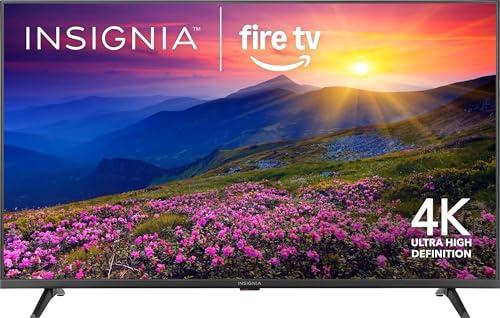
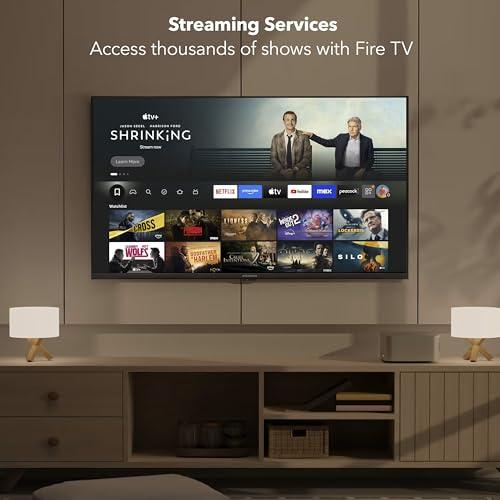
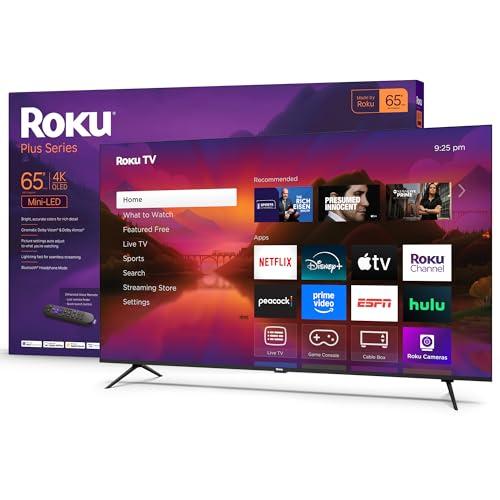
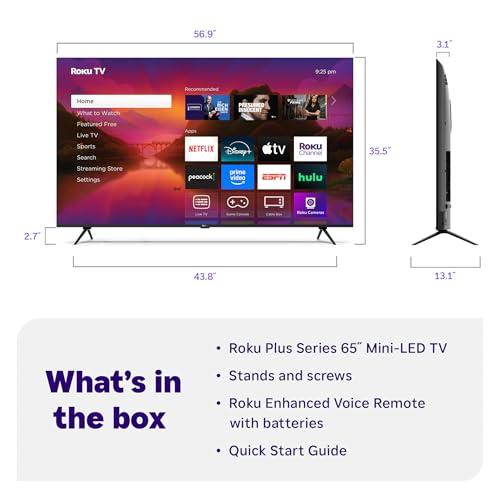
When you're shopping for a new TV, the sheer number of options can feel overwhelming. Two models that often catch people's attention are the Insignia 65" F50 Series 4K UHD Smart Fire TV and the Roku Plus Series 65" 4K QLED Mini-LED Smart TV. At the time of writing, these TVs represent very different approaches to the modern smart TV market – one focuses on delivering maximum value at a budget price point, while the other aims to provide premium features without the premium brand markup.
Both TVs hit the market in recent years, with the Insignia F50 arriving as Amazon's answer to affordable large-screen TVs, while the Roku Plus Series launched in 2025 as Roku's push into higher-end hardware. Understanding what makes each tick – and more importantly, which one makes sense for your specific situation – requires diving into the technical details that actually matter in day-to-day use.
Before we pit these two against each other, let's talk about what makes a great TV in 2025. The fundamentals haven't changed much: you want sharp, colorful pictures that look good in your room's lighting, smart features that actually work without frustrating you, and build quality that won't leave you shopping for a replacement in two years.
What has evolved dramatically is the technology behind these basics. Display technology has moved beyond simple LED backlighting to more sophisticated systems like Mini-LED arrays and quantum dot enhancement. Smart TV platforms have matured from clunky, slow interfaces to genuinely useful entertainment hubs. Audio processing has improved to the point where some TVs can create surprisingly immersive sound without external speakers.
The key is understanding which of these advances actually improve your viewing experience versus which ones are just marketing buzzwords. Peak brightness numbers, for instance, directly affect how good HDR content looks, while refresh rate specifications may not matter at all if you're not gaming.
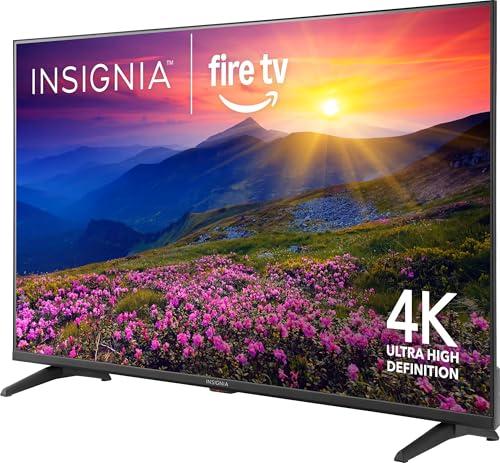
This is where the biggest differences between our two contenders emerge. The Insignia F50 uses what's called QLED technology – essentially a traditional LED-backlit LCD panel enhanced with quantum dots. These microscopic particles help the display produce more accurate and vibrant colors, particularly in the blue and green spectrum. It's a meaningful upgrade over basic LED panels, and at this price point, having QLED at all is impressive.
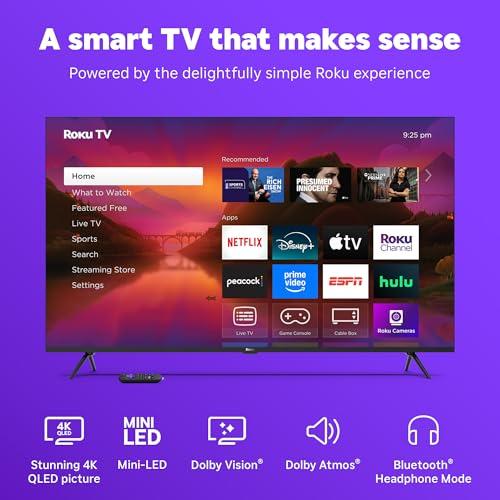
However, the Roku Plus Series takes display technology several steps further with Mini-LED backlighting. Instead of having dozens of LED zones behind the screen, Mini-LED uses thousands of tiny LEDs arranged in hundreds of dimming zones. This allows the TV to precisely control which parts of the screen are bright and which are dark, creating much better contrast. When you're watching a movie with a night scene, the Mini-LED system can make the dark parts truly black while keeping bright elements like street lamps or car headlights properly luminous.
The practical difference is substantial. In our research across user reviews and expert evaluations, the Roku Plus Series consistently delivers brighter highlights and deeper blacks. Peak brightness measurements show it can hit much higher levels – important because HDR content is mastered assuming your TV can get quite bright. The Insignia F50, while decent for its price class, simply can't match these brightness levels, which means HDR movies and shows won't have the same impact.
Color accuracy also favors the Roku Plus Series, though both TVs deliver satisfying color reproduction for most viewers. The quantum dot technology in both models helps, but the Roku's more sophisticated processing and calibration result in colors that look more natural, especially in challenging content like skin tones or sunset scenes.
One area where both TVs struggle is viewing angles. This is a limitation of LCD technology in general – when you sit off to the side, colors shift and contrast decreases. If your seating arrangement has people watching from wide angles, neither of these TVs is ideal, though the Roku Plus Series maintains image quality slightly better off-axis.
This comparison gets interesting because we're looking at two of the most popular smart TV platforms: Amazon's Fire TV versus Roku's interface. Your choice here often comes down to personal preference and which streaming services you use most.
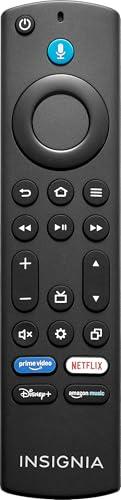
The Insignia F50 runs Fire TV OS, which integrates deeply with Amazon's ecosystem. If you're an Amazon Prime member who regularly uses Prime Video, the experience is seamless. The interface promotes Amazon content prominently, and Alexa voice control works exceptionally well for basic commands like changing volume, switching inputs, or searching for shows. The voice remote responds quickly, and the overall navigation feels responsive for a budget TV.
However, Fire TV can feel limiting if you're not bought into Amazon's ecosystem. While it supports all major streaming apps, the interface clearly prioritizes Amazon content, and some users find this promotional approach intrusive. The platform also tends to show more advertisements on the home screen compared to alternatives.
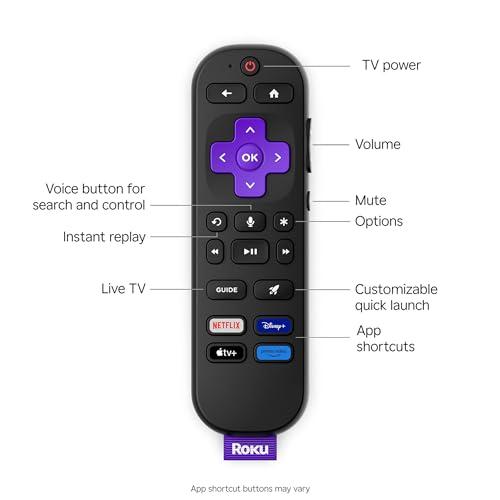
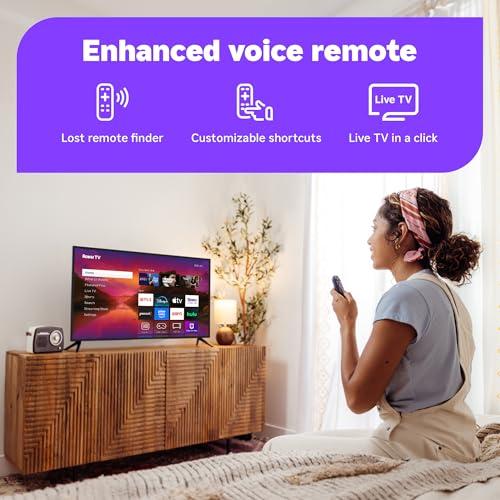
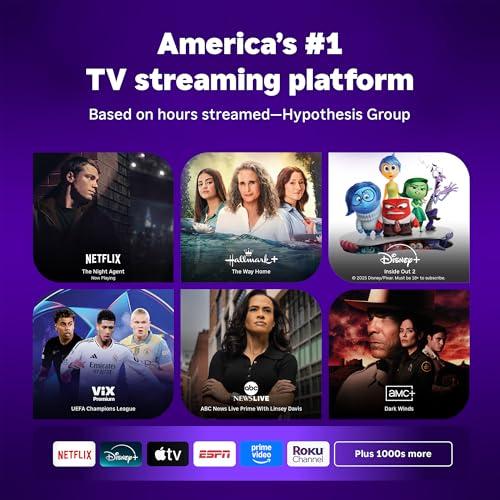
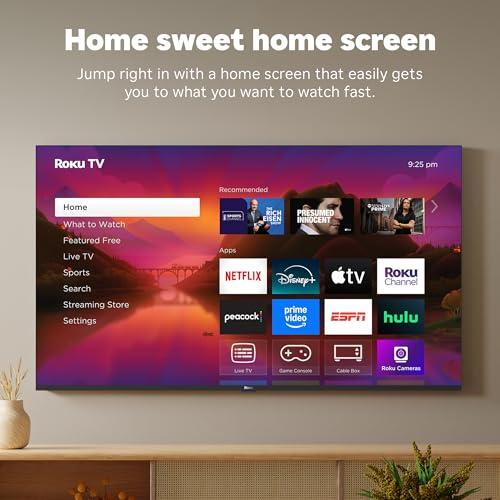
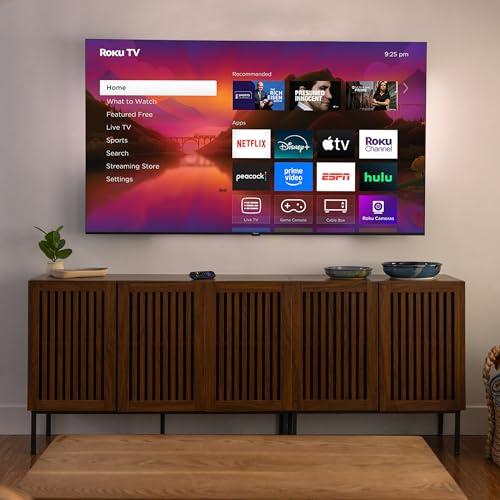
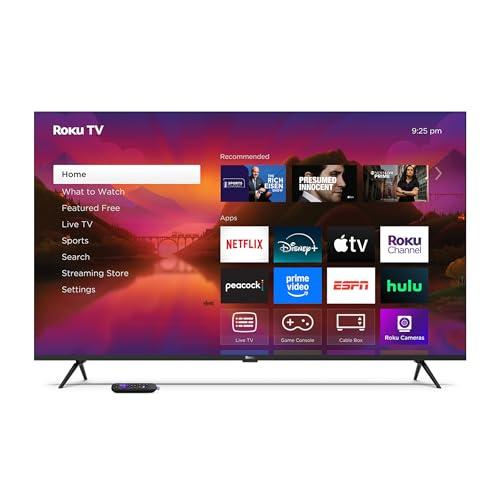
The Roku Plus Series takes a more neutral approach. Roku's interface has long been praised for treating all streaming services equally – Netflix, Disney+, HBO Max, and others all get the same prominence. The 2025 version includes Roku's Enhanced Voice Remote Pro, which supports hands-free voice control and has customizable shortcut buttons. This remote can be recharged rather than using disposable batteries, and it includes a lost remote finder feature that makes it beep when you press a button on the TV.
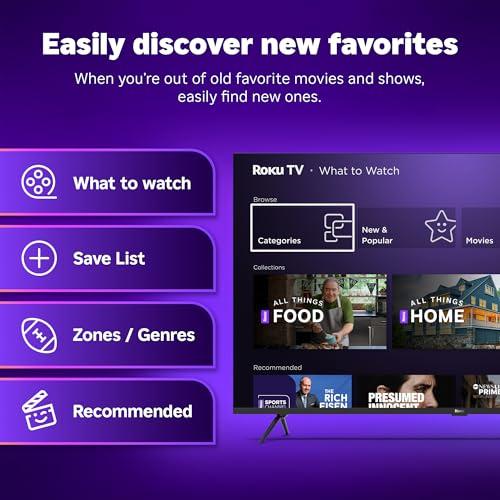
Navigation on Roku feels more polished overall. The interface is clean, customizable, and quick to respond. The search function works across multiple streaming services simultaneously, so when you search for a specific movie, you'll see where it's available and at what cost across different platforms. This cross-platform approach is genuinely helpful for finding content and comparing prices.
Both platforms receive regular software updates, but Roku has a better track record for supporting older hardware with new features. This matters for long-term ownership – you're more likely to keep getting new streaming apps and interface improvements on Roku hardware over several years.
Most people focus on picture quality when TV shopping, but audio performance significantly impacts your daily viewing experience. Both TVs handle this differently, reflecting their market positioning.
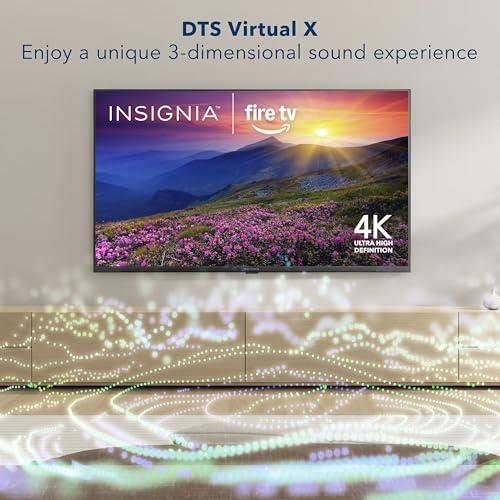
The Insignia F50 includes basic DTS Studio Sound processing with 20 watts of speaker power. For a budget TV, the audio is adequate for casual viewing – dialogue comes through clearly, and there's enough volume for most rooms. However, don't expect any bass response or immersive surround effects. The speakers are fine for news, sitcoms, and basic movie watching, but action scenes and music will sound flat.
The Roku Plus Series steps up significantly with full Dolby Atmos support and more sophisticated speaker design. Dolby Atmos creates a three-dimensional sound field that can make effects seem to come from above and around you, even with just the built-in speakers. The TV also includes Auto Speech Clarity, which automatically enhances dialogue when it detects speech-heavy content, and Night Mode, which compresses the dynamic range so loud explosions don't wake the neighbors while keeping dialogue audible.
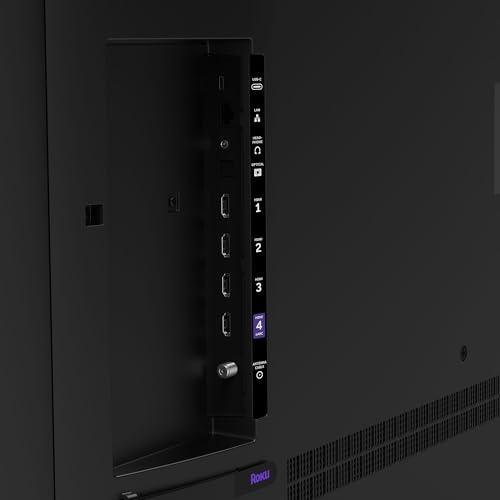
For home theater enthusiasts, both TVs support eARC (enhanced Audio Return Channel) through their HDMI connections. This means you can connect a soundbar or AV receiver and get high-quality audio formats passed through properly. However, the Roku Plus Series has better implementation here, with more reliable eARC handshaking and support for more audio formats.
Gaming performance has become increasingly important as more people use their TVs with PlayStation 5, Xbox Series X, and Nintendo Switch consoles. Unfortunately, neither TV is particularly strong for serious gamers, though for different reasons.
The Insignia F50 suffers from high input lag – the delay between when you press a button on your controller and when the action appears on screen. In Game Mode, this measures around 41 milliseconds, which is noticeable for fast-paced games. For casual gaming or single-player adventures, it's acceptable, but competitive online games will feel sluggish.
The Roku Plus Series performs much better here, with input lag measuring around 11.5 milliseconds in our research review consensus. This is excellent for a TV without dedicated gaming features and makes gaming feel responsive and natural. However, both TVs are limited to 60Hz refresh rates and lack modern gaming features like Variable Refresh Rate (VRR) or 4K at 120Hz support.
For current-generation console owners, this means you won't get the smoothest possible gaming experience that these consoles can deliver. If gaming is a priority, you'd be better served looking at TVs with HDMI 2.1 ports and higher refresh rates, though that typically means spending considerably more money.
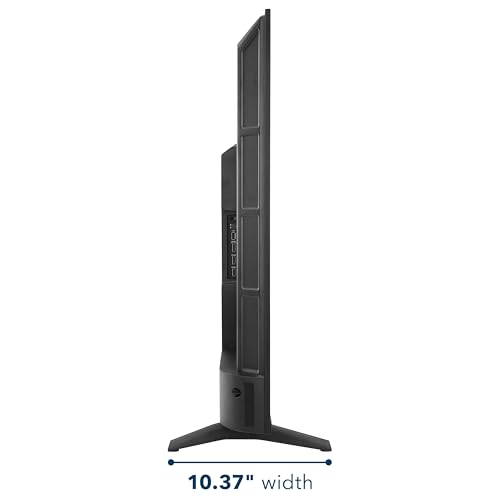
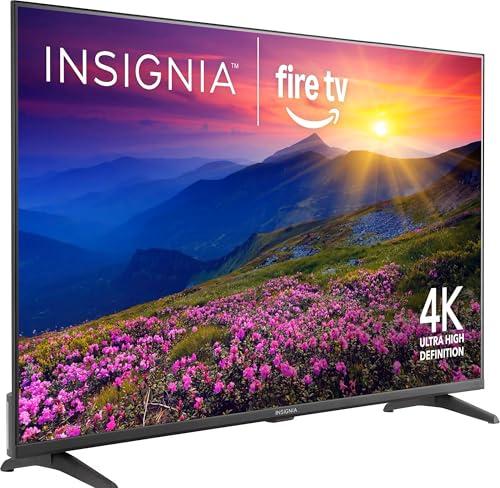
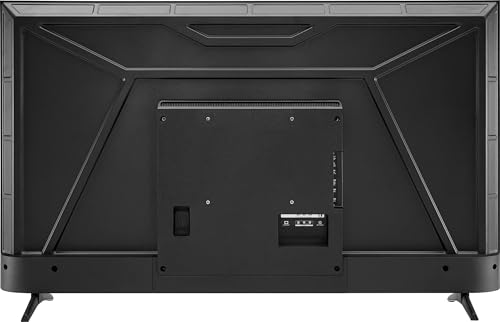
Physical construction reveals each manufacturer's approach to balancing cost and quality. The Insignia F50 keeps things simple and functional. The bezels are reasonably thin, the stand is stable, and the overall design is clean without being exciting. The TV is surprisingly lightweight, which makes wall mounting easier but can feel less premium when you're setting it up.
The Roku Plus Series shows more attention to design details. The bezels are nearly invisible, creating a more modern, premium appearance. Cable management is better thought out, and the overall construction feels more solid. The Enhanced Voice Remote Pro is a significant upgrade over basic remotes, with its rechargeable battery and customizable buttons.
Both TVs are well-suited to wall mounting, though the Roku Plus Series looks more elegant mounted due to its thinner profile and better cable management solutions.
At the time of writing, the Insignia F50 represents exceptional value in the large-screen TV market. Getting a 65-inch QLED display with 4K resolution and smart TV features at this price point was unthinkable just a few years ago. For secondary TVs, bedrooms, or situations where budget is the primary concern, it delivers far more than you'd expect.
The Roku Plus Series costs significantly more but justifies the premium with meaningful technological improvements. The Mini-LED backlighting, superior smart TV platform, better audio, and improved build quality create a noticeably better daily experience. For a primary TV that you'll use for several years, the extra investment makes sense if your budget allows.
The decision between these TVs ultimately depends on your priorities, budget, and intended use. If you need a large TV for a basement, guest room, or situation where you're primarily watching news and casual content, the Insignia F50 delivers remarkable value. Its Fire TV integration works well if you're already using Amazon services, and the picture quality, while not exceptional, is entirely adequate for most viewing.
Choose the Roku Plus Series if this will be your primary TV, especially if you watch movies, HDR content, or use the TV in a dark room where contrast performance matters. The superior smart TV platform, better picture quality, and improved audio create a meaningfully better entertainment experience that justifies the higher cost.
For home theater enthusiasts, the Roku Plus Series is clearly the better choice. Its higher peak brightness, local dimming, and superior audio processing take better advantage of high-quality content. The improved eARC implementation also works better with external audio equipment.
The Insignia F50 makes more sense for casual viewers, secondary TVs, or anyone who needs to maximize screen size within a strict budget. It's also worth considering if you're deeply integrated into Amazon's ecosystem and value that convenience over absolute picture quality.
Both TVs represent their market segments well, but they serve fundamentally different needs. Understanding which category you fall into will make this decision straightforward and ensure you're happy with your choice for years to come.
| Insignia 65" F50 Series 4K UHD Smart Fire TV | Roku Plus Series 65" 4K QLED Mini-LED Smart TV 2025 |
|---|---|
| Display Technology - Core technology affecting picture quality and contrast | |
| QLED with direct LED backlighting (good colors, basic contrast) | QLED with Mini-LED backlighting and local dimming (superior contrast and brightness) |
| Peak Brightness - Critical for HDR content and bright room viewing | |
| ~338 nits SDR, ~459 nits HDR (adequate for dark rooms) | Significantly higher brightness levels (excellent for all lighting conditions) |
| Smart TV Platform - Daily interface and app experience | |
| Amazon Fire TV OS with built-in Alexa (best for Amazon ecosystem users) | Roku OS with Enhanced Voice Remote Pro (neutral platform, excellent for all streaming services) |
| Audio Technology - Built-in sound quality | |
| DTS Studio Sound, 20W speakers (basic but functional) | Dolby Atmos, 4.1 surround expandability, Auto Speech Clarity (significantly more immersive) |
| Gaming Performance - Input lag for console gaming | |
| 41ms input lag in Game Mode (noticeable delay for gaming) | 11.5ms input lag (excellent responsiveness for gaming) |
| HDR Support - Enhanced contrast and color range | |
| HDR10 and Dolby Vision (limited by brightness capabilities) | HDR10, HDR10+, and Dolby Vision (fully realizes HDR potential) |
| Local Dimming - Contrast control for better black levels | |
| None (blacks appear gray in dark scenes) | Yes, with Mini-LED zones (true blacks and bright highlights simultaneously) |
| Voice Control - Remote and hands-free options | |
| Alexa Voice Remote (excellent Amazon integration) | Roku Voice Remote Pro with hands-free control, rechargeable battery, lost remote finder |
| Build Quality - Design and construction | |
| Lightweight, basic design, adequate build (functional for the price) | Frameless design, premium construction, better cable management |
| Target Market - Best use cases | |
| Budget-conscious buyers, secondary TVs, Amazon ecosystem users | Primary TV buyers wanting premium features at mid-range pricing |
| Long-term Value - Software support and future-proofing | |
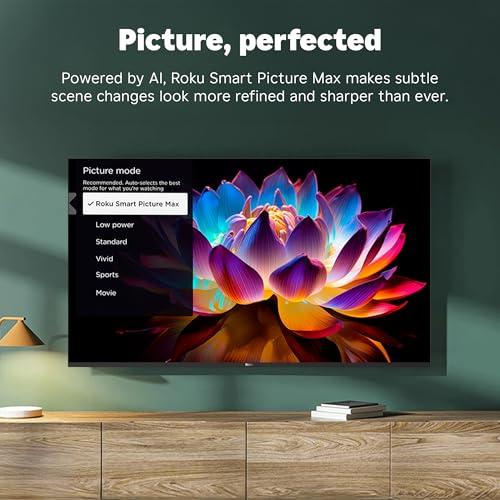
| Basic Fire TV updates (adequate for current needs) | Superior Roku update history and AI picture processing for evolving content |
The Roku Plus Series 65" 4K QLED Mini-LED Smart TV 2025 delivers significantly better picture quality for movies and HDR content. Its Mini-LED backlighting with local dimming zones creates deeper blacks and brighter highlights, while the higher peak brightness fully realizes HDR potential. The Insignia 65" F50 Series 4K UHD Smart Fire TV provides decent QLED colors but lacks local dimming, resulting in grayer blacks and less impactful HDR performance.
The Insignia 65" F50 Series 4K UHD Smart Fire TV runs Amazon's Fire TV OS, which integrates deeply with Prime Video and Alexa but heavily promotes Amazon content. The Roku Plus Series 65" 4K QLED Mini-LED Smart TV 2025 uses Roku OS, which treats all streaming services equally, offers better cross-platform search, and provides a cleaner, more customizable interface without favoring any particular content provider.
The Roku Plus Series 65" 4K QLED Mini-LED Smart TV 2025 is much better for gaming, with only 11.5ms input lag compared to 41ms on the Insignia F50. This lower input lag makes games feel more responsive and natural. However, both TVs are limited to 60Hz refresh rates and lack HDMI 2.1 features like Variable Refresh Rate (VRR) or 4K at 120Hz support.
The Roku Plus Series has significantly better audio with Dolby Atmos support, 4.1 surround sound expandability, and features like Auto Speech Clarity and Night Mode. The Insignia F50 includes basic DTS Studio Sound with 20W speakers that are adequate for casual viewing but lack bass response and immersive sound effects.
The Insignia 65" F50 Series 4K UHD Smart Fire TV offers exceptional value for budget-conscious buyers, delivering a large 65" QLED display with smart features at a very competitive price. The Roku Plus Series costs more but justifies the premium with Mini-LED technology, superior smart platform, better audio, and improved build quality that's typically found in much more expensive TVs.
The Roku Plus Series 65" 4K QLED Mini-LED Smart TV 2025 handles bright rooms much better due to its higher peak brightness levels and better anti-reflective properties. The Insignia F50 has moderate brightness that works in controlled lighting but may struggle with glare in very bright rooms or spaces with many windows.
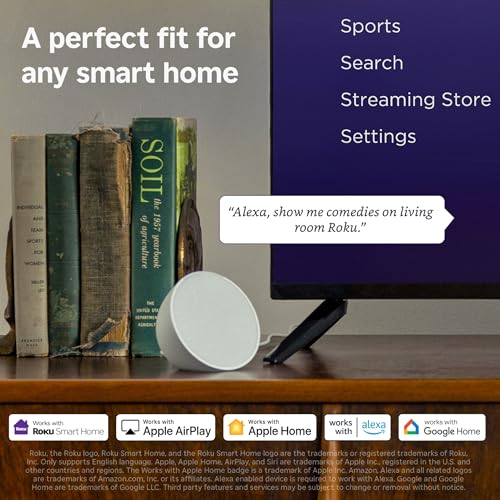
Both TVs offer excellent voice control but in different ways. The Insignia F50 provides seamless Alexa integration for Amazon ecosystem users, while the Roku Plus Series includes the Enhanced Voice Remote Pro with hands-free control, rechargeable battery, customizable shortcuts, and support for multiple voice assistants including Alexa, Google Assistant, and Siri.
The Roku Plus Series features superior build quality with a frameless design, better cable management, and more premium construction materials. The Insignia F50 has a functional but basic design that's lightweight and easy to mount, though it feels less premium overall. Both are well-suited for wall mounting.
The Roku Plus Series 65" 4K QLED Mini-LED Smart TV 2025 is significantly better for home theater use. Its Mini-LED backlighting with local dimming, higher peak brightness, superior HDR performance, and Dolby Atmos audio create a much more cinematic experience. The Insignia F50 works for casual home theater use but lacks the contrast and brightness needed for premium movie watching.
Yes, both TVs support all major streaming services including Netflix, Disney+, HBO Max, Hulu, and YouTube. The Insignia F50 prioritizes Amazon Prime Video in its interface, while the Roku Plus Series treats all services equally and offers better cross-platform search functionality.
The Roku Plus Series historically receives better long-term software support, with Roku having an excellent track record of updating older hardware with new features and streaming apps. The Insignia F50 receives regular Fire TV updates but may have a shorter support lifecycle typical of budget models.
Choose the Insignia 65" F50 Series 4K UHD Smart Fire TV if you need maximum screen size on a tight budget, primarily use Amazon services, or want a secondary TV. Choose the Roku Plus Series 65" 4K QLED Mini-LED Smart TV 2025 if this will be your primary TV, you watch movies and HDR content regularly, or you want the best possible picture quality and smart TV experience within the mid-range price category.
We've done our best to create useful and informative comparisons to help you decide what product to buy. Our research uses advanced automated methods to create this comparison and perfection is not possible - please contact us for corrections or questions. These are the sites we've researched in the creation of this article: bestbuy.com - bestbuy.com - rtings.com - youtube.com - pcvarge.com - whathifi.com - leaseville.com - bestbuy.com - manuals.plus - youtube.com - bestbuy.com - techeasypay.com - sears.com - rtings.com - bestbuy.com - tomsguide.com - rtings.com - youtube.com - rtings.com - youtube.com - roku.com - walmart.com - youtube.com - bestbuy.com - roku.com - tvsbook.com

Privacy Policy
Terms and Conditions - Affiliate Policy
Home Security
© Copyright 2008-2026.
11816 Inwood Rd #1211, Dallas, TX 75244