




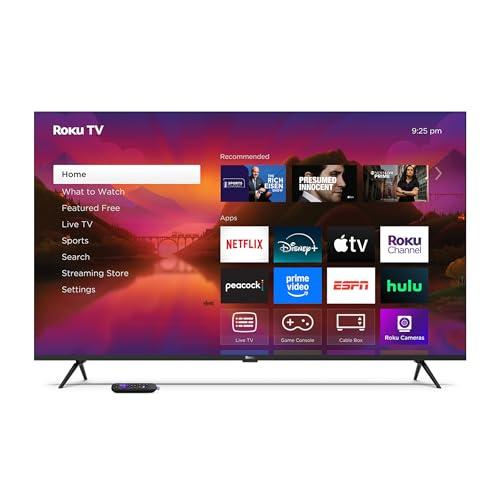
When Roku decided to jump into the TV manufacturing game in 2025, they brought something most other brands couldn't match: years of experience building the most intuitive streaming interface on the market. But creating great hardware is a different challenge entirely, and Roku's approach with their Select and Plus series shows they understand the balance between affordability and performance that most buyers are looking for.
The Roku Select Series 65" and Roku Plus Series 65" represent two distinct philosophies in the smart TV space. At the time of writing, the Select model positions itself as a budget-friendly option that doesn't skimp on screen size, while the Plus Series targets viewers who want significantly better picture quality without stepping into premium territory. The price difference between these models is substantial—about 60% more for the Plus Series—which makes choosing between them a decision that goes beyond just features.
Before diving into these specific models, it's worth understanding what separates budget TVs from their more expensive siblings. The biggest differences usually come down to three core areas: display technology, processing power, and audio systems.
Display technology determines how your TV creates the picture you see. Basic LED TVs use a backlight that illuminates the entire screen uniformly, which works fine but can make dark scenes look grayish. More advanced TVs use local dimming, where the backlight can be controlled in specific zones, allowing parts of the screen to get truly black while others stay bright. The Roku Plus Series uses this technology while the Roku Select Series doesn't, which creates one of the most noticeable differences between them.
Then there's the question of color reproduction. Standard LED panels can display millions of colors, but QLED (Quantum Dot Light Emitting Diode) technology expands that range significantly. Quantum dots are tiny particles that emit very pure colors when hit by light, creating more vibrant and accurate colors than traditional LED panels can achieve.
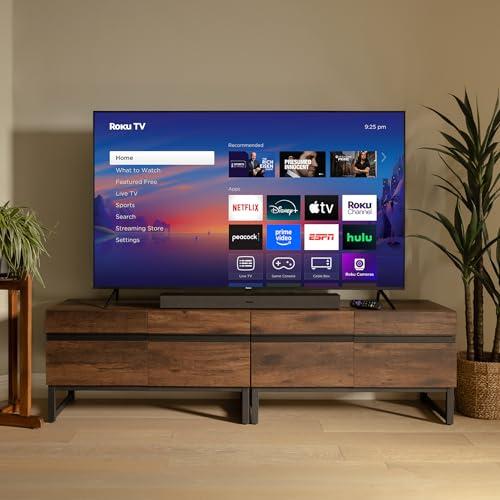
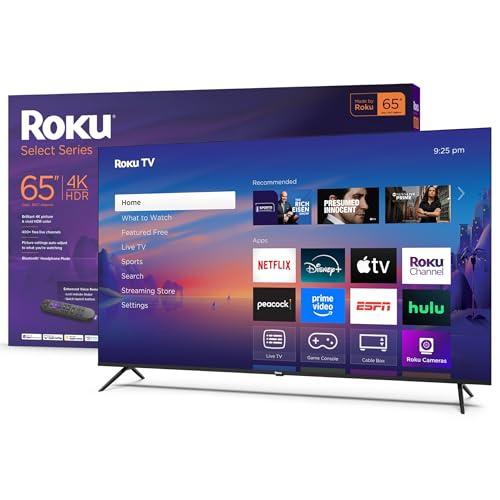
The Roku Select Series 65" follows a straightforward philosophy: deliver the Roku experience everyone loves on the biggest screen possible while keeping the price accessible. This approach makes sense when you consider that screen size often matters more to viewers than subtle picture quality improvements.
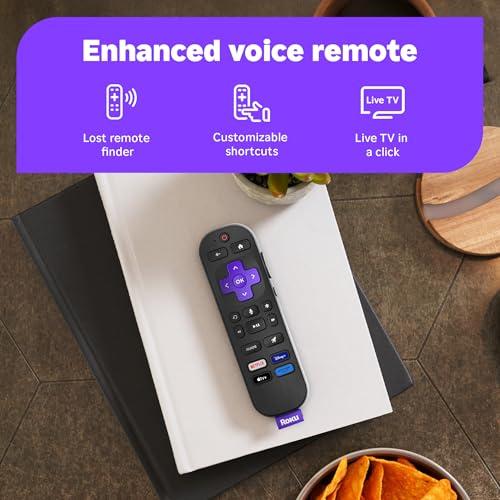
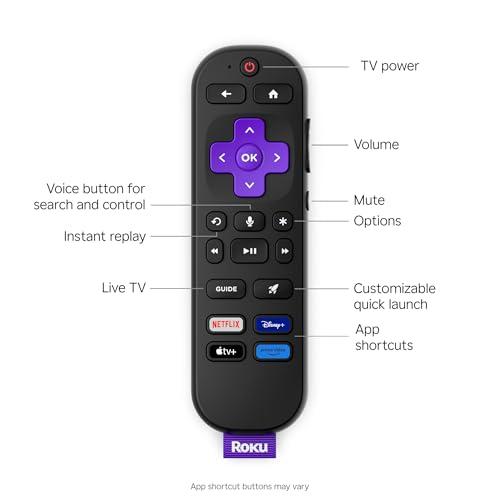
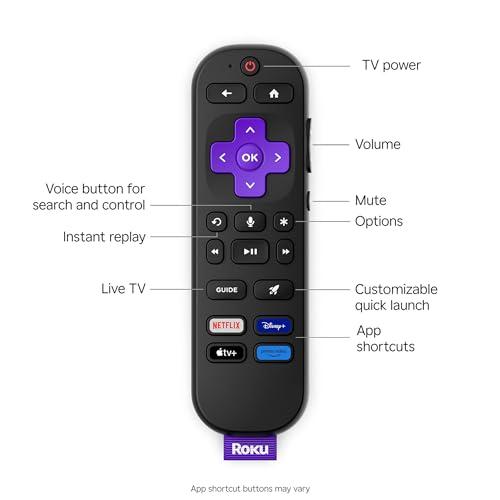
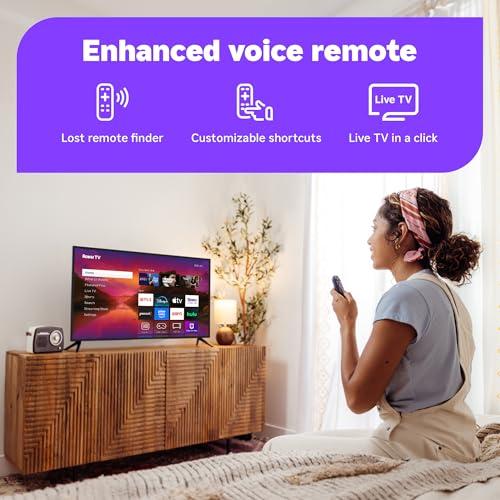
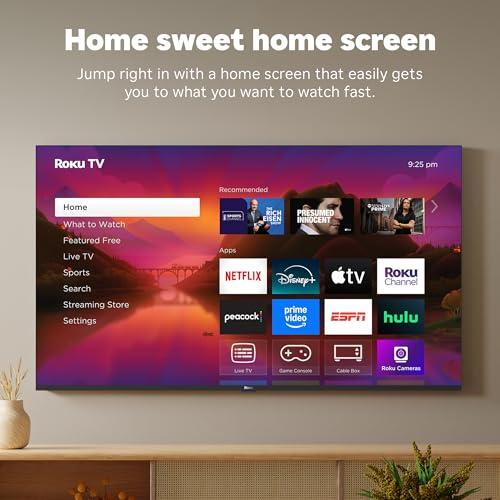
What strikes me about this model is how Roku managed to include genuinely useful features without inflating the cost. The Enhanced Voice Remote feels solid and responsive, with voice search that actually works reliably across different streaming apps. This might seem like a small detail, but anyone who's struggled with clunky smart TV interfaces will appreciate how smoothly the Roku system operates.
The display itself uses direct-lit LED technology, which means LEDs are positioned behind the screen to provide uniform lighting. While this doesn't offer the contrast control of more expensive systems, it does ensure consistent brightness across the entire screen. For most viewing content—streaming shows, movies, even sports—this provides perfectly adequate picture quality.
Where the Select Series shows its budget roots is in HDR (High Dynamic Range) performance. HDR is supposed to make bright objects brighter and dark objects darker, creating more realistic contrast. The Select Series supports HDR10, which is the basic standard, but it lacks the brightness and contrast control to make HDR content really pop. You'll still get a good picture, but those dramatic sunrise scenes or moody thriller moments won't have the same impact as they would on higher-end displays.
The audio system deserves mention because it's surprisingly competent for a budget TV. The 2.1 channel setup with Dolby Audio provides clear dialogue and reasonable overall sound quality. While you probably won't want to use it for serious movie watching without a soundbar, it handles everyday viewing better than many TVs in this price range.
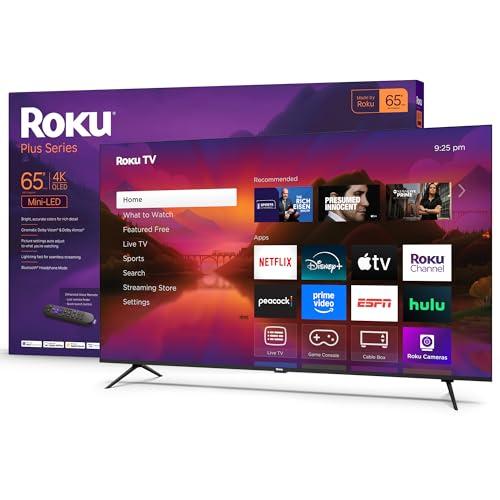
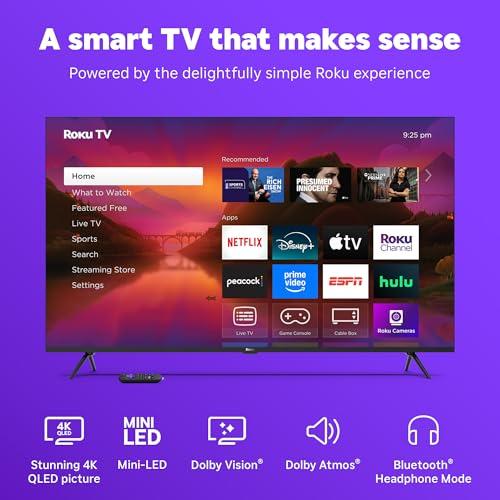
The Roku Plus Series 65" represents a significant step up in display technology, incorporating two major advances: QLED color technology and Mini-LED backlighting. These aren't just marketing terms—they create measurable improvements in picture quality that become obvious when you see them side by side.
Mini-LED backlighting uses thousands of tiny LEDs instead of larger traditional LEDs, allowing for much more precise local dimming control. Think of it like having hundreds of individual dimmer switches across your TV screen instead of just one master control. This means the TV can make one part of the screen very dark while keeping another part bright, which dramatically improves contrast and makes colors appear more vibrant.
The QLED layer adds quantum dot technology for color reproduction. These microscopic particles emit very pure colors when energized, expanding the color gamut (the range of colors the TV can display) significantly beyond what traditional LED panels achieve. The result is colors that look more saturated and lifelike, particularly in bright, colorful content.
What really sets the Plus Series apart is its support for Dolby Vision IQ, which is a more advanced HDR format than the basic HDR10 found in the Select model. Dolby Vision uses dynamic metadata, meaning it can adjust the HDR mapping scene by scene rather than using one setting for the entire movie or show. The "IQ" part adds ambient light sensing, automatically adjusting the picture based on your room's lighting conditions.
The audio upgrade to Dolby Atmos is equally significant. While the Select Series has decent stereo sound, Dolby Atmos creates a three-dimensional soundscape that makes audio feel like it's coming from above and around you, not just from the TV speakers. For an all-in-one viewing experience without external speakers, this makes a noticeable difference.
Based on professional reviews and user feedback, the performance differences between these models become clear in specific viewing scenarios. The Select Series handles bright, colorful content very well—think sitcoms, sports, or animated movies. The colors look natural, motion is smooth enough for most content, and the picture stays consistently sharp.
However, in darker content—think prestige dramas, horror movies, or any scene with significant shadows—the lack of local dimming becomes apparent. Dark areas look more gray than black, which reduces the overall impact of the image. This isn't necessarily a deal-breaker for casual viewing, but it does limit the TV's ability to create that cinematic experience.
The Plus Series excels precisely where the Select struggles. Dark scenes maintain their drama because the Mini-LED backlighting can actually turn off LED zones for true blacks. Bright highlights in the same scene pop because nearby zones can illuminate at full brightness. This contrast control, combined with the enhanced color from QLED technology, creates a more engaging viewing experience across all types of content.
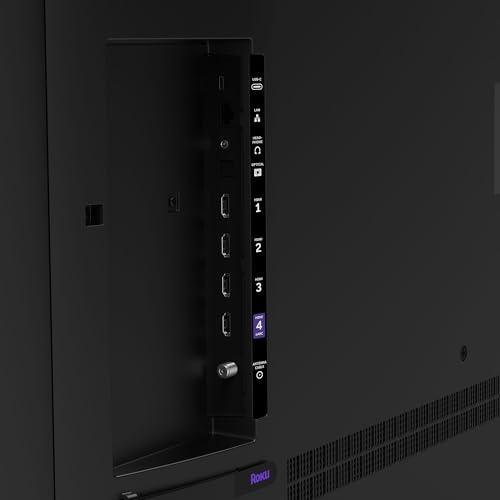
Both models share the same limitations when it comes to gaming and high-refresh content. They're locked to 60Hz refresh rates and don't support advanced gaming features like Variable Refresh Rate (VRR). For casual gaming, the low input lag makes both models responsive enough, but serious gamers looking to maximize their PlayStation 5 or Xbox Series X experience should look elsewhere.
The audio differences between these models matter more than you might expect. The Select Series provides functional sound that's fine for everyday viewing, but the Plus Series offers a genuinely more immersive experience with Dolby Atmos support.
For home theater setups, both TVs integrate well with external sound systems, but the Plus model's support for more advanced audio formats gives it an edge. If you're planning to add a soundbar later, the Select Series makes more financial sense—you can put the price difference toward better speakers. But if you prefer an all-in-one solution without additional components, the Plus Series delivers noticeably better built-in audio.
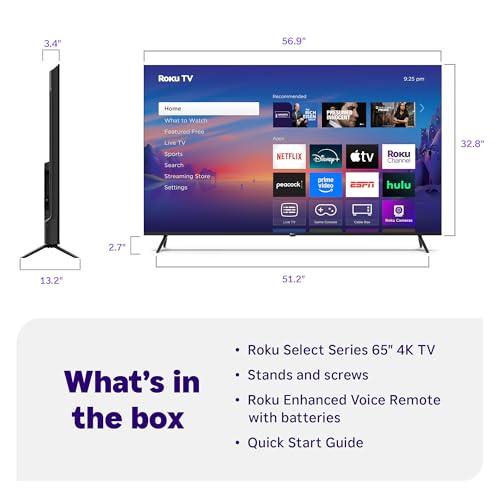
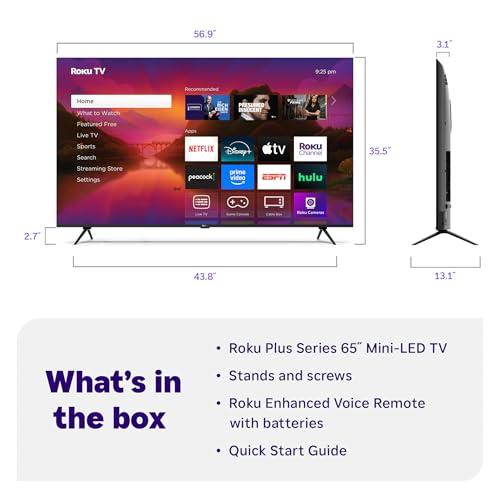
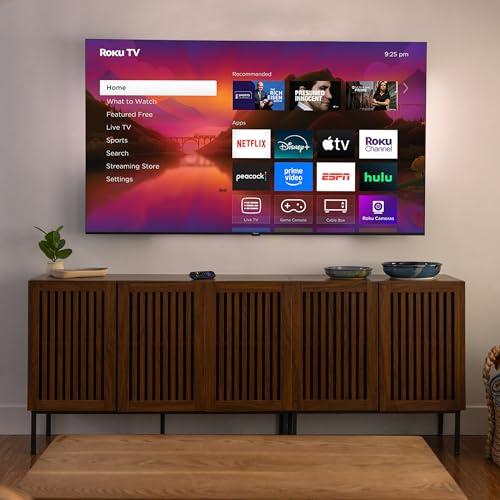
The cable management and design elements favor the Plus model slightly, with a more refined appearance and better organization options. Both TVs work well wall-mounted, though the Select Series' wider stand design requires more surface space if you're not mounting it.
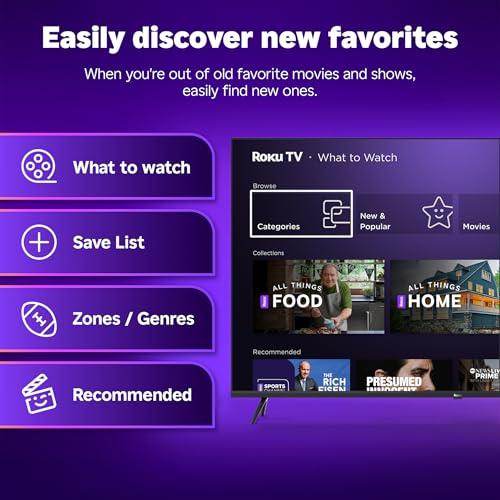
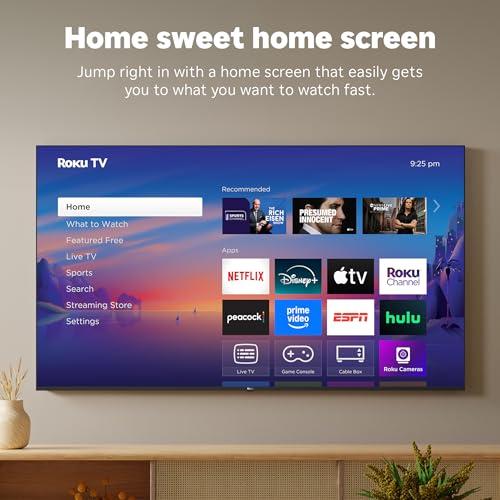
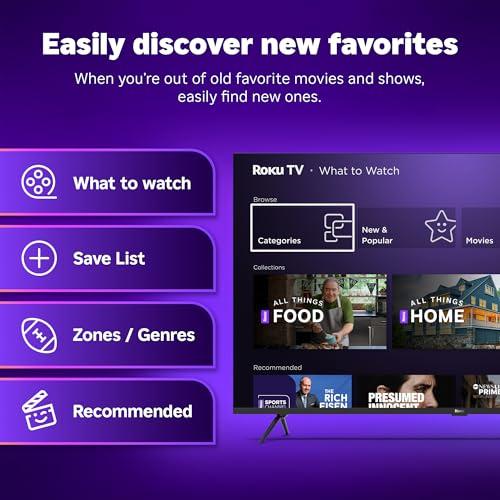
Both models run the same Roku TV operating system, which remains one of the best smart TV platforms available. The interface is fast, intuitive, and regularly updated with new features and apps. This consistency means your choice comes down to hardware rather than software differences.
The Plus Series includes a rechargeable voice remote with hands-free voice control, which sounds like a minor upgrade but proves convenient in daily use. Not having to press a button for voice commands feels more natural, and the rechargeable battery eliminates the annoyance of replacing remote batteries.
Looking at long-term value, both TVs should receive software updates for years to come, given Roku's commitment to platform support. However, the Plus Series has display technology that's more likely to remain satisfying as streaming content quality continues improving and HDR becomes more prevalent.
The choice between these models comes down to priorities and budget flexibility. The Roku Select Series 65" makes sense if you want the largest possible screen for your budget and plan to use it primarily for streaming shows, sports, and casual viewing. It's also an excellent choice for secondary rooms or situations where you might add external audio equipment later.
However, if picture quality significantly impacts your viewing enjoyment—particularly with movies, prestige TV shows, or any content with dramatic lighting—the Plus Series justifies its higher price. The combination of QLED colors, Mini-LED local dimming, and Dolby Vision support creates a viewing experience that's substantially better than what the Select Series can achieve.
For home theater enthusiasts, the Plus Series is the clear choice, though it's worth noting that neither model targets serious home theater setups. Both lack the advanced gaming features and ultra-high brightness that define premium TVs, but the Plus Series at least delivers the color accuracy and contrast that make movie watching more engaging.
The Select Series works best for buyers who prioritize value and screen size over picture quality refinements, while the Plus Series suits viewers who want a noticeable upgrade in visual and audio performance without stepping into premium pricing territory. At the time of writing, that price difference represents good value for the technology improvements you receive, but it's significant enough that budget-conscious buyers shouldn't feel pressured to stretch beyond their comfort zone.
Both TVs succeed in their intended markets, offering Roku's excellent smart TV experience with hardware that matches their respective price points. Your choice should align with how you watch TV and what aspects of the viewing experience matter most to you.
| Roku Select Series 65" 4K HDR Smart TV 2025 | Roku Plus Series 65" 4K QLED Mini-LED Smart TV 2025 |
|---|---|
| Display Technology - Determines picture quality and contrast performance | |
| Direct-lit LED with basic backlighting | QLED with Mini-LED backlighting and local dimming |
| HDR Support - Critical for streaming movies and premium content | |
| HDR10 only (basic HDR experience) | HDR10+, Dolby Vision IQ (premium HDR with scene optimization) |
| Local Dimming - Controls black levels and contrast in dark scenes | |
| None (blacks appear gray, reduced contrast) | Yes (true blacks, dramatic contrast improvements) |
| Color Technology - Affects vibrancy and accuracy of colors | |
| Standard LED color reproduction | QLED quantum dots for wider color gamut and vibrant colors |
| Audio System - Determines built-in sound quality | |
| 2.1 channel Dolby Audio | Dolby Atmos with 4.1 channel expandability |
| Smart Features - AI optimization and processing capabilities | |
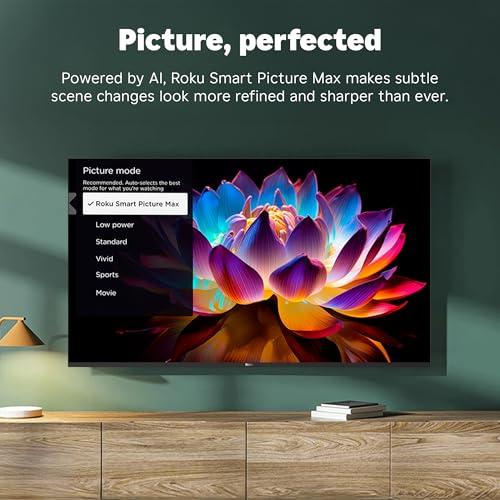
| Roku Smart Picture (basic optimization) | Roku Smart Picture Max (AI-powered real-time adjustments) |
| Voice Remote - Convenience and functionality differences | |
| Enhanced Voice Remote (battery-powered) | Rechargeable Voice Remote Pro (hands-free voice control) |
| Gaming Performance - Refresh rate and input lag for console gaming | |
| 60Hz, low input lag (casual gaming only) | 60Hz, low input lag (casual gaming only) |
| Brightness Performance - Peak brightness for HDR and bright room viewing | |
| 338 nits SDR (moderate room lighting) | 459 nits HDR (better for varied lighting conditions) |
| Viewing Angle - Picture quality when viewed from the side | |
| Standard LED viewing angles | Narrow QLED viewing angles (colors shift off-center) |
| Smart TV Platform - Interface and app ecosystem | |
| Roku TV OS with 500+ channels | Roku TV OS with 500+ channels (identical experience) |
| Value Proposition - Target buyer and use case | |
| Maximum screen size for budget-conscious buyers | Picture quality upgrade for movie and premium content enthusiasts |
The biggest difference is display technology. The Roku Select Series 65" uses basic LED backlighting, while the Roku Plus Series 65" features QLED quantum dot technology with Mini-LED backlighting and local dimming. This means the Plus Series delivers much better contrast, deeper blacks, and more vibrant colors, especially in dark scenes.
The Roku Plus Series 65" is significantly better for home theater use. It supports Dolby Vision and Dolby Atmos, has local dimming for true blacks, and QLED technology for cinema-quality colors. The Roku Select Series 65" works fine for casual viewing but lacks the contrast and color performance needed for an immersive movie experience.
Yes, both the Roku Select Series and Roku Plus Series run the same Roku TV operating system with access to 500+ streaming channels and apps. The main difference is that the Plus Series includes a rechargeable voice remote with hands-free voice control, while the Select Series has a standard battery-powered remote.
The Roku Plus Series 65" handles bright rooms better due to higher peak brightness and better contrast control from local dimming. However, both models have limitations in very bright environments. The Roku Select Series works adequately in moderately lit rooms but struggles with reflections and washed-out colors in bright spaces.
If you watch a lot of movies, HDR content, or care about picture quality, the Roku Plus Series 65" offers substantial improvements that justify the higher price. The QLED colors, local dimming, and Dolby Vision support create a noticeably better viewing experience. However, if you primarily watch regular TV shows and prioritize screen size over quality, the Roku Select Series provides excellent value.
Both the Roku Select Series 65" and Roku Plus Series 65" offer similar gaming performance with low input lag and 60Hz refresh rates. Neither supports advanced gaming features like 120Hz or Variable Refresh Rate, making them suitable for casual gaming only. Serious gamers should consider TVs with HDMI 2.1 and higher refresh rates.
The Roku Plus Series 65" has significantly better built-in audio with Dolby Atmos support and 4.1 channel expandability, creating more immersive sound. The Roku Select Series features basic 2.1 channel Dolby Audio that's adequate for dialogue but lacks the depth and dimension of the Plus Series' audio system.
The Roku Plus Series 65" offers superior HDR with Dolby Vision IQ and HDR10+ support, plus the brightness and local dimming needed to make HDR content shine. The Roku Select Series only supports basic HDR10 and lacks sufficient brightness and contrast to deliver impressive HDR performance.
Yes, both the Roku Select Series and Roku Plus Series excel at streaming with fast app loading, regular updates, and access to all major streaming services. The Roku TV platform is considered one of the best smart TV interfaces available, making both models excellent for streaming regardless of which you choose.
The Roku Select Series 65" is ideal for bedrooms or secondary rooms where you want a large screen at an affordable price. Unless you plan to watch a lot of movies or HDR content in that space, the picture quality differences of the Roku Plus Series may not justify the higher cost for secondary viewing areas.
Both the Roku Select Series 65" and Roku Plus Series 65" mount easily with standard VESA mounting systems. The Plus Series has slightly better cable management and a more refined design, but both models work well wall-mounted. The Select Series has wider stand feet if you're not mounting it to a wall.
For long-term value, it depends on your priorities. The Roku Select Series 65" offers immediate value with a large 4K screen at a budget price. The Roku Plus Series 65" provides better future-proofing with advanced display technology that will remain satisfying as streaming content quality improves and HDR becomes more common.
We've done our best to create useful and informative comparisons to help you decide what product to buy. Our research uses advanced automated methods to create this comparison and perfection is not possible - please contact us for corrections or questions. These are the sites we've researched in the creation of this article: bestbuy.com - rtings.com - roku.com - rtings.com - youtube.com - cnet.com - manuals.plus - target.com - walmart.com - nice-pay.com - bestbuy.com - roku.com - roku.com - electronicexpress.com - bestbuy.com - tomsguide.com - rtings.com - youtube.com - youtube.com - roku.com - walmart.com - youtube.com - bestbuy.com - tvsbook.com

Privacy Policy
Terms and Conditions - Affiliate Policy
Home Security
© Copyright 2008-2026.
11816 Inwood Rd #1211, Dallas, TX 75244