

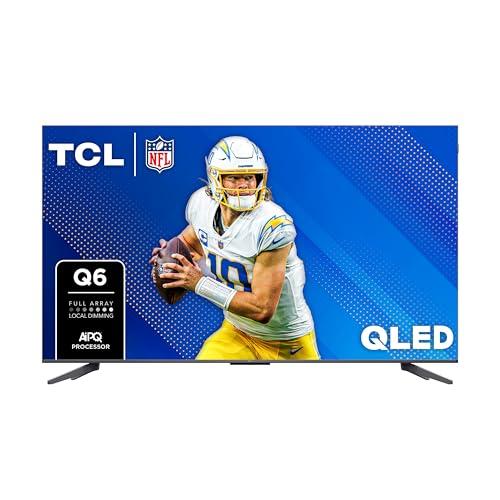

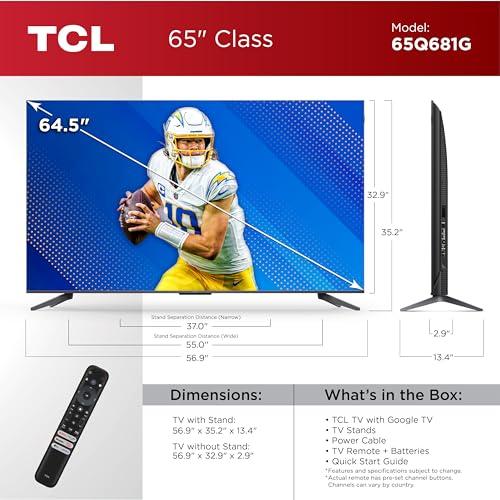
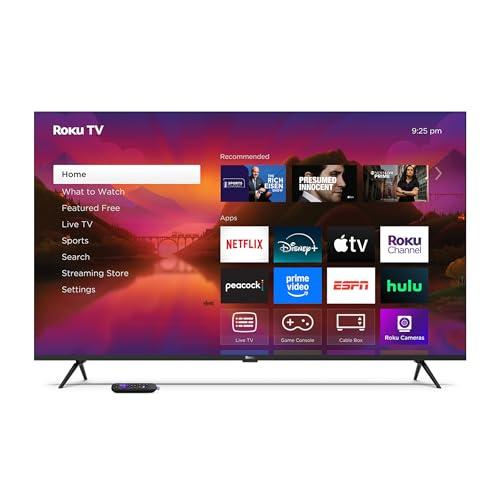
Shopping for a 65-inch TV can feel overwhelming, especially when you're comparing two solid mid-range options that seem similar on paper. The TCL Q68 and Roku Plus Series both promise QLED picture quality and 4K resolution, but they take surprisingly different approaches to deliver your entertainment. After researching user feedback and expert reviews, it's clear these TVs serve different priorities—and understanding those differences will save you from buyer's remorse.
Both TVs launched in recent years, with the TCL Q68 hitting the market in 2024 and the Roku Plus Series following in 2025. This timing matters because TV technology evolves rapidly. The newer Roku benefits from advances in Mini-LED backlighting that weren't widely available when the TCL was designed, while the TCL Q68 incorporates gaming features that have become essential as PlayStation 5 and Xbox Series X consoles gained popularity.
Before diving into specifics, let's clarify what you're actually buying. QLED stands for "Quantum Dot Light Emitting Diode," which sounds fancy but essentially means these TVs use tiny particles called quantum dots to produce more accurate, vibrant colors than traditional LED TVs. Think of quantum dots as microscopic color filters that can produce nearly any color your eyes can see.
The mid-range QLED category, where both these TVs compete, targets buyers who want premium picture quality without paying flagship prices. At the time of writing, both models typically sell in the $450-650 range for the 65-inch size, making them accessible to most households while still offering features that were considered high-end just a few years ago.
What matters most in this category? Picture quality comes first—how bright, colorful, and detailed your movies and shows will look. Gaming performance has become increasingly important as more people use their TVs for console gaming. The smart TV interface affects your daily experience, since you'll navigate it every time you want to watch something. Finally, there's the question of long-term value: which TV will serve you better over the next 5-7 years?
The biggest difference between these TVs lies in how they control brightness across the screen. Both use "local dimming," a technology that darkens specific areas of the screen to create deeper blacks and better contrast. However, they accomplish this very differently.
The TCL Q68 uses full-array local dimming with over 150 zones. Each zone contains multiple LED lights that can be dimmed or brightened independently. When you're watching a movie with a night scene, the TV can darken the appropriate zones to make blacks look deeper while keeping bright areas like car headlights properly illuminated.
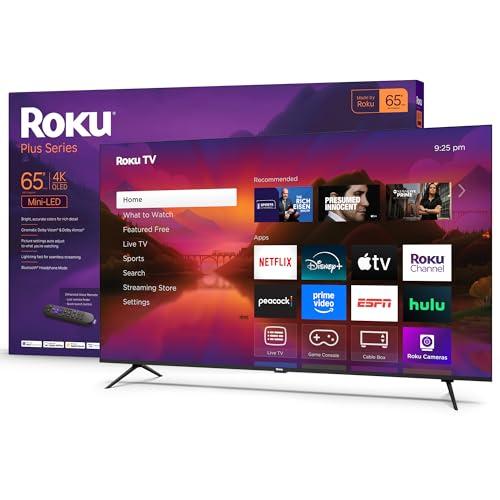
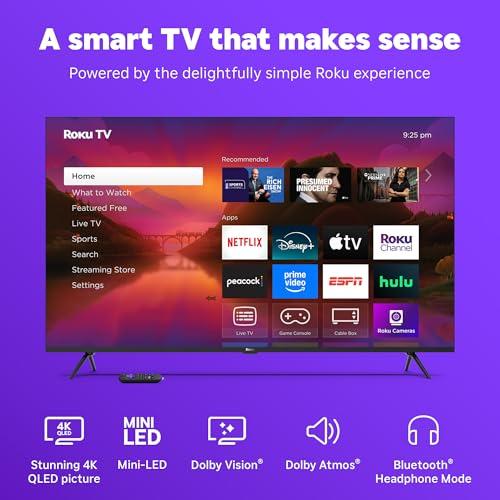
The Roku Plus Series takes this concept much further with Mini-LED backlighting. Instead of 150+ zones, it uses thousands of tiny LED lights that can be controlled with much more precision. Imagine the difference between painting with a thick brush versus a fine-tip pen—Mini-LED gives the TV much finer control over light and shadow.
This technical difference translates to real viewing improvements. Based on user reviews and expert analysis, the Roku Plus Series delivers noticeably better contrast and eliminates "blooming"—that annoying halo effect you sometimes see around bright objects on dark backgrounds. If you watch a lot of movies, especially darker content like thrillers or sci-fi films, this difference becomes immediately apparent.
Peak brightness is crucial for modern TV performance, especially with HDR (High Dynamic Range) content. HDR makes bright scenes more realistic—think of sunlight streaming through a window or the flash of lightning. The TCL Q68 reaches about 600 nits of peak brightness, which is adequate for most viewing situations. The Roku Plus Series, thanks to its Mini-LED technology, can push considerably higher—likely over 800 nits based on the underlying technology.
Why does this matter? If you watch TV in a bright room during the day, higher brightness helps the image compete with ambient light. More importantly, HDR content looks more impactful when the TV can actually display those bright highlights the content creators intended.
Color performance is where both TVs excel, but in slightly different ways. The TCL Q68 uses dedicated quantum dot technology that covers nearly 100% of the DCI-P3 color space—the color standard used by most streaming services and 4K Blu-rays. Colors appear vibrant and accurate, with particularly strong performance in reds and greens that traditional TVs often struggle with.
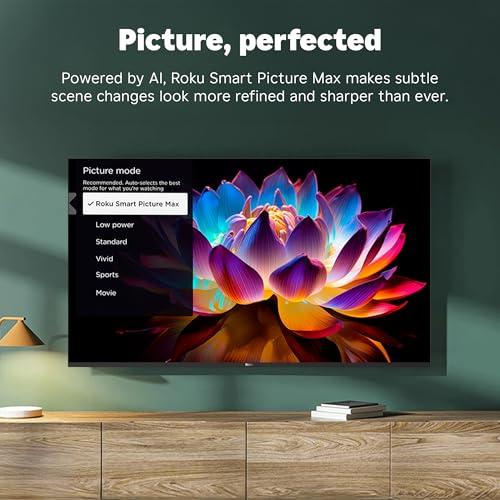
The Roku Plus Series also delivers excellent color through its QLED panel, enhanced by AI-powered optimization called Roku Smart Picture Max. This system automatically analyzes what you're watching and adjusts colors and sharpness in real-time. From user reports, this feature works well, though some prefer the option to manually control their picture settings.
Both TVs support the major HDR formats: HDR10, HDR10+, and Dolby Vision. Dolby Vision is particularly important because Netflix, Disney+, and other major services use it for their premium content. However, the Roku Plus Series benefits from having the brightness capability to actually showcase these HDR formats properly.
This is where the TCL Q68 pulls significantly ahead. If you own a PlayStation 5, Xbox Series X, or plan to buy one, the TCL offers features that serious gamers consider essential.
The key feature is Variable Refresh Rate (VRR) support up to 120Hz. Here's why this matters: when your console renders a game, it doesn't produce frames at a perfectly consistent rate. Sometimes it might output 85 frames per second, other times 95 fps, depending on how complex the scene is. Without VRR, your TV displays these frames at its fixed 60Hz rate, causing stuttering or screen tearing—visual artifacts that make fast-paced games look choppy.
The TCL Q68 can sync its refresh rate to match your console's output, creating smooth, responsive gameplay. It also includes Auto Low Latency Mode (ALLM), which automatically switches the TV to its fastest response settings when it detects a gaming device. Input lag—the delay between when you press a button and see the result on screen—drops to around 10-12 milliseconds in game mode, which is excellent for competitive gaming.
The Roku Plus Series, unfortunately, lacks these gaming-focused features. It's limited to a 60Hz refresh rate and doesn't support VRR. For casual gaming, this isn't necessarily a dealbreaker, but if you're serious about gaming or want your TV to be ready for future console capabilities, the TCL Q68 is the obvious choice.
This gaming performance gap reflects different design philosophies. TCL has positioned itself as a gaming-friendly brand, incorporating features that enthusiasts demand. Roku has focused more on delivering an excellent streaming and movie-watching experience.
Your smart TV interface affects every viewing session, so platform choice matters more than many buyers realize. These TVs take fundamentally different approaches to organizing and delivering content.
The TCL Q68 runs Google TV, which is Google's evolution of Android TV. The interface prioritizes content discovery across all your subscribed services. When you open the home screen, you'll see recommendations from Netflix, Disney+, HBO Max, and other apps you've signed into, all mixed together. Google Assistant integration lets you search by saying "find action movies with Tom Cruise" or "show me what's new on Netflix."
The strength of Google TV is its flexibility and intelligence. It learns your viewing habits and gets better at recommending content over time. The Google Play Store gives you access to virtually any Android app, though many aren't optimized for TV use. If you're already invested in Google's ecosystem—using Gmail, Google Photos, or Chromecast—this integration feels seamless.
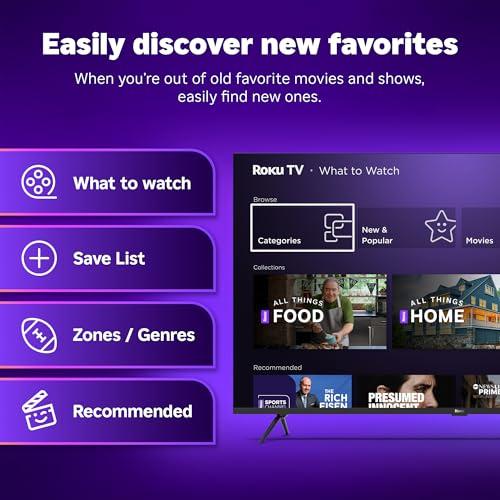
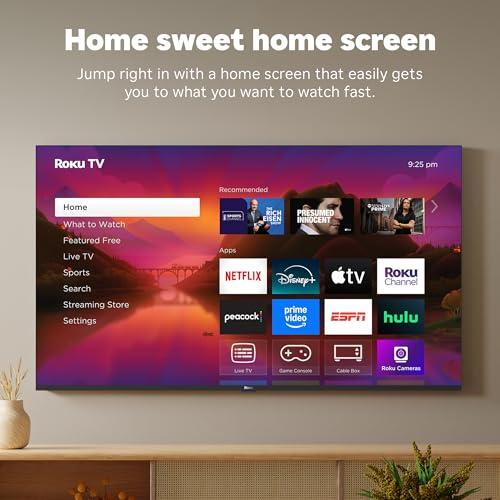
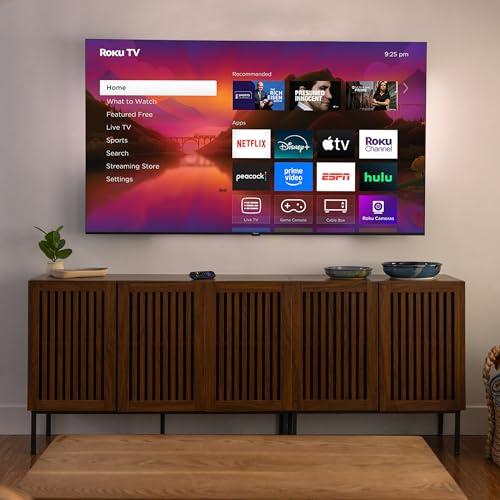
The Roku Plus Series takes a different approach with Roku OS, which has earned a reputation as the most user-friendly smart TV platform. Instead of mixing content from different services, Roku presents a clean grid of apps on your home screen. You click on Netflix to see Netflix content, Disney+ for Disney content, and so on.
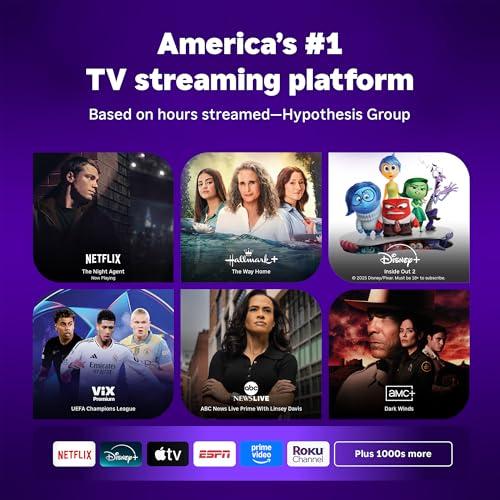
Roku's strength lies in its simplicity and universal search. When you search for a movie or show, Roku tells you which services have it and how much it costs to rent or buy if it's not included in your subscriptions. The platform also offers over 500 free channels with movies, TV shows, and live content—a significant value add that many users discover and appreciate.
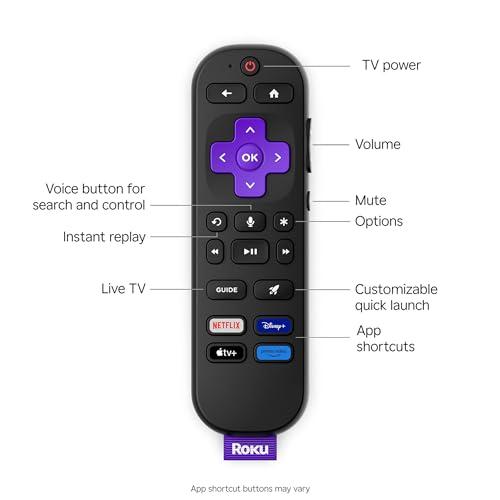
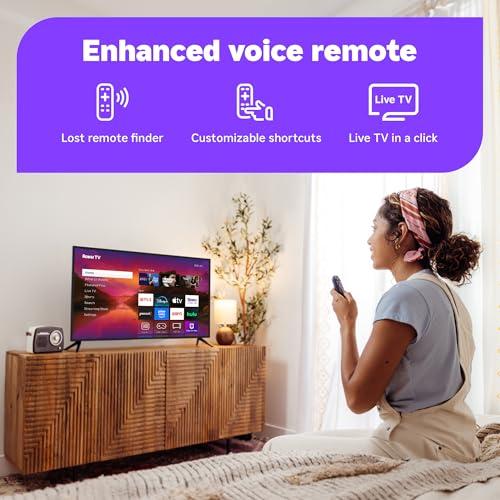
The Enhanced Voice Remote Pro that comes with the Roku Plus Series deserves special mention. It's rechargeable, supports hands-free voice control, and includes a lost remote finder feature. Having used similar remotes, the convenience of not replacing batteries and being able to find a lost remote by voice command shouldn't be underestimated.
Most people focus on picture quality when TV shopping, but audio quality affects your daily enjoyment significantly. Both TVs support Dolby Atmos, which creates a more immersive sound experience by bouncing audio off your ceiling and walls to simulate surround sound.
The TCL Q68 includes a 30-watt speaker system with Dolby Atmos and Enhanced Dialogue Mode. The dialogue enhancement is particularly useful since many modern movies and shows mix speech at levels that make it hard to understand without turning the overall volume uncomfortably high.
Based on user feedback, the Roku Plus Series appears to have superior built-in speakers, with several reviewers noting they were "seriously impressed" with the audio quality. The TV also supports wireless audio expansion up to 4.1 channels, meaning you can add wireless speakers to create a fuller sound system without running cables around your room.
For most users, either TV's built-in audio will be adequate for casual viewing. However, if you're planning a home theater setup or frequently watch action movies and concerts, you'll likely want to add a soundbar or surround sound system regardless of which TV you choose.
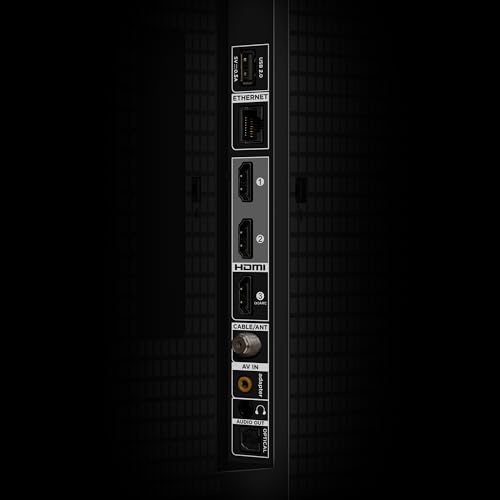
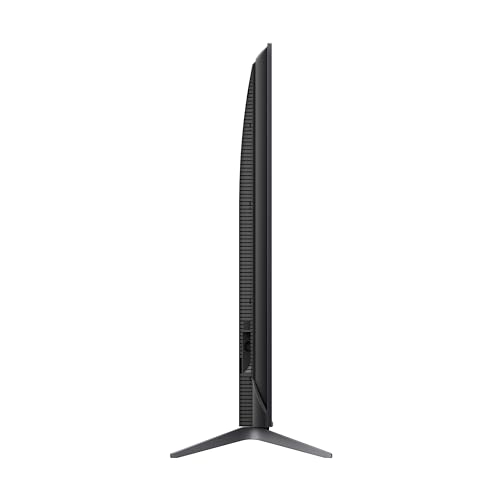
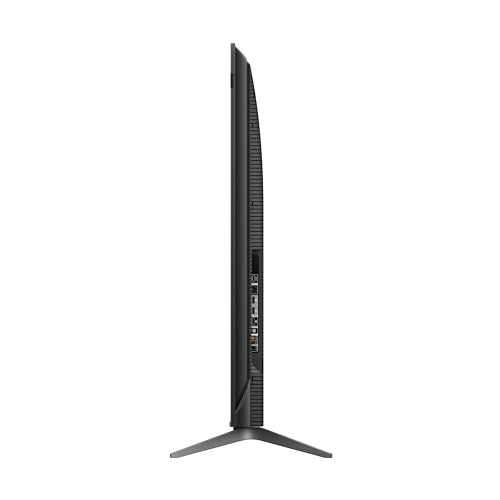
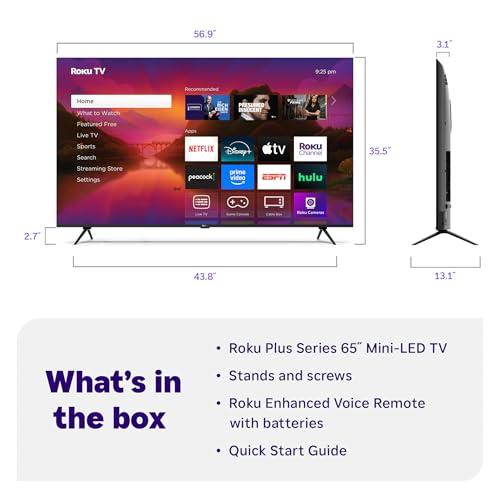
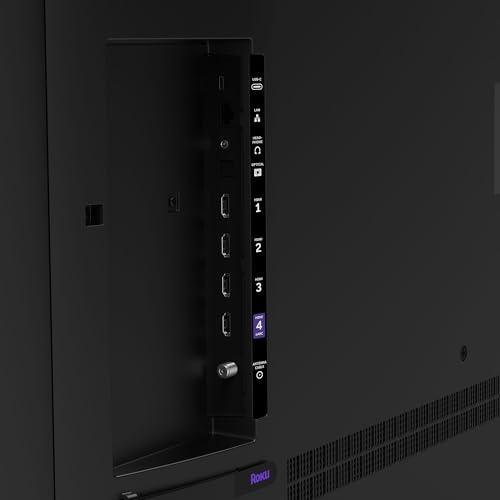
Both TVs feature modern, minimalist designs with thin bezels that maximize screen real estate. The TCL Q68 offers three HDMI ports on the 65-inch model, while the Roku Plus Series includes two HDMI 2.0 ports (with one supporting eARC for high-quality audio pass-through to soundbars).
The HDMI port count might seem minor, but it matters if you have multiple devices. Between a gaming console, cable box, streaming stick, and soundbar, you can easily need three or more HDMI connections. The TCL Q68 gives you more flexibility here, though HDMI switches are available if you need more ports on the Roku.
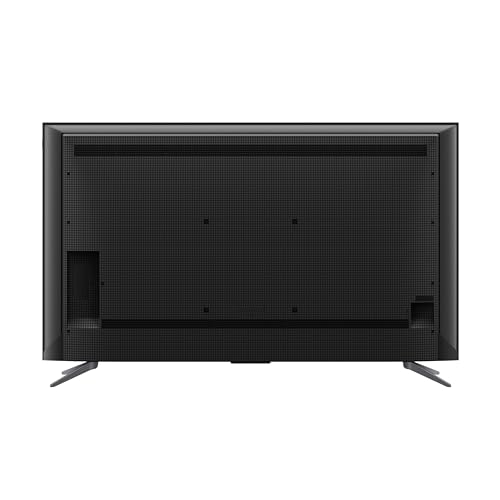
Both TVs include cable management solutions and stable stands. For wall mounting, both support standard VESA mounting systems, though you'll want to ensure your wall mount can handle the weight—these 65-inch panels weigh around 45-50 pounds.
If you're building a dedicated home theater or media room, several factors become more important. Room lighting control is crucial because even the brightest TVs can look washed out in direct sunlight. Both TVs include ambient light sensors that automatically adjust brightness, but the Roku Plus Series handles bright rooms better thanks to its higher peak brightness capability.
Viewing angles matter more in larger rooms where people sit off to the sides. Both TVs use VA panels (Vertical Alignment), which prioritize contrast over viewing angles. Colors and brightness will shift if you're sitting significantly off-center, but this is typical for TVs in this price range. OLED TVs handle viewing angles better, but they cost significantly more and have their own trade-offs.
For home theater audio, both TVs support eARC (Enhanced Audio Return Channel), which lets you send high-quality audio from the TV's smart apps to a connected soundbar or receiver. This ensures you get full Dolby Atmos audio from Netflix or Disney+ through your external audio system.
At the time of writing, the TCL Q68 typically costs less than the Roku Plus Series, though both fall within the mid-range pricing bracket. The price difference reflects their different priorities and capabilities.
The TCL Q68 maximizes gaming performance and overall features per dollar. If you game regularly or want the most flexible smart TV platform, it delivers excellent value. The quantum dot color technology and full-array local dimming provide picture quality that would have cost much more just a few years ago.
The Roku Plus Series justifies its higher pricing with superior picture technology and user experience. The Mini-LED backlighting represents a meaningful upgrade over traditional local dimming, and Roku's platform refinement shows in daily use. If your priority is movie and TV show viewing quality, the extra cost delivers tangible benefits.
Choose the TCL Q68 if gaming matters to you. The 120Hz VRR support and low input lag make it the clear choice for PlayStation 5 or Xbox Series X owners. It's also the better value for buyers who want premium features at the lowest possible price. The Google TV platform appeals to users who prefer flexibility and Google ecosystem integration.
The Roku Plus Series makes sense for users who prioritize picture quality and ease of use. If you mainly watch movies and shows, the superior contrast and brightness from Mini-LED technology create a noticeably better viewing experience. The Roku platform's simplicity and content discovery features work especially well for families or users who want a straightforward smart TV experience.
Consider your room setup too. If you watch in a bright living room, the Roku Plus Series higher brightness capability helps combat glare and maintains picture quality during daytime viewing. For darker rooms or dedicated media spaces, both TVs will perform well, though the Roku's better contrast control still provides an advantage.
Both TVs represent solid choices in the competitive mid-range QLED market. Your decision should align with your primary use case: gaming performance and value favor the TCL Q68, while movie watching and user experience point toward the Roku Plus Series. Either choice will deliver a significant upgrade from older TVs and provide years of enjoyable viewing.
| TCL 65" Q68 QLED 4K UHD Smart TV Display | Roku Plus Series 65" 4K QLED Mini-LED Smart TV 2025 |
|---|---|
| Display Technology - Determines picture quality and contrast performance | |
| QLED Pro with Quantum Dot + Full Array Local Dimming (150+ zones) | QLED + Mini-LED backlighting (thousands of dimming zones) |
| Peak Brightness - Critical for HDR content and bright room viewing | |
| Up to 600 nits (adequate for most rooms) | 800+ nits estimated (excellent for bright environments) |
| Gaming Performance - Essential for console gaming | |
| 120Hz VRR support, ALLM, Game Accelerator (ideal for PS5/Xbox Series X) | 60Hz only, no VRR (limited gaming features) |
| Smart TV Platform - Affects daily user experience | |
| Google TV with Android flexibility and Google Assistant | Roku OS with superior content discovery and simplicity |
| HDR Format Support - Determines compatibility with premium streaming content | |
| HDR PRO+, Dolby Vision, HDR10+, HDR10, HLG (comprehensive support) | Dolby Vision, HDR10+ (covers major streaming services) |
| Audio System - Important for users without soundbars | |
| 30W speakers with Dolby Atmos and Enhanced Dialogue Mode | Enhanced speakers with Dolby Atmos + wireless expandability to 4.1 channels |
| HDMI Connectivity - Matters for multiple device setups | |
| 3 HDMI ports (more flexibility for gaming and devices) | 2 HDMI 2.0 ports with eARC (sufficient for most users) |
| Remote Control - Daily usability factor | |
| Standard voice remote with Google Assistant | Enhanced Voice Remote Pro (rechargeable, hands-free, lost remote finder) |
| Local Dimming Precision - Affects contrast and blooming control | |
| 150+ dimming zones (good contrast control) | Thousands of Mini-LED zones (superior contrast and minimal blooming) |
| Refresh Rate Technology - Important for smooth motion | |
| Motion Rate 240 with MEMC Frame Insertion | 60Hz standard (no advanced motion features) |
| Target User - Who benefits most from each TV's strengths | |
| Gamers and value-focused buyers wanting premium features | Movie enthusiasts prioritizing picture quality and ease of use |
The TCL Q68 is significantly better for gaming. It supports 120Hz Variable Refresh Rate (VRR) and Auto Low Latency Mode (ALLM), making it ideal for PlayStation 5 and Xbox Series X gaming. The Roku Plus Series is limited to 60Hz with no VRR support, making it suitable only for casual gaming.
Both TVs use QLED for vibrant colors, but they differ in backlighting. The TCL Q68 uses traditional full-array local dimming with 150+ zones, while the Roku Plus Series features Mini-LED backlighting with thousands of tiny LEDs for superior contrast control and deeper blacks.
The Roku Plus Series offers a simpler, more intuitive interface with excellent content discovery across streaming services. The TCL Q68 runs Google TV, which provides more flexibility and customization but can feel more complex for basic users.
The Roku Plus Series performs better in bright rooms with higher peak brightness (estimated 800+ nits) compared to the TCL Q68 at 600 nits. This makes the Roku model better for living rooms with lots of natural light.
The Roku Plus Series delivers superior picture quality thanks to its Mini-LED backlighting, which provides better contrast, deeper blacks, and reduced blooming effects. The TCL Q68 still offers excellent QLED colors but with less precise local dimming control.
Both work well for home theaters, but the Roku Plus Series has advantages with its superior contrast and brightness for cinematic content. The TCL Q68 is better if your home theater includes gaming consoles that benefit from 120Hz VRR support.
Both support Dolby Atmos, but the Roku Plus Series reportedly has better built-in speakers and offers wireless audio expandability up to 4.1 channels. The TCL Q68 includes Enhanced Dialogue Mode, which helps with speech clarity in movies.
The TCL Q68 typically offers better value with more gaming features and HDMI ports at a lower price point. The Roku Plus Series costs more but justifies it with superior Mini-LED picture technology and user experience.
The TCL Q68 includes 3 HDMI ports, providing more flexibility for multiple devices like gaming consoles, cable boxes, and soundbars. The Roku Plus Series has 2 HDMI 2.0 ports with eARC support.
The Roku Plus Series excels for streaming with its superior picture quality, intuitive Roku OS platform, and excellent content discovery features. The TCL Q68 also streams well but the Google TV interface may feel more cluttered for pure streaming use.
The TCL Q68 supports more HDR formats including HDR PRO+, Dolby Vision, HDR10+, HDR10, and HLG. The Roku Plus Series covers the essential formats with Dolby Vision and HDR10+, which handle most streaming content from Netflix, Disney+, and other major services.
Choose the TCL Q68 if gaming is important and you want maximum value with premium features. Pick the Roku Plus Series if you prioritize movie watching, have a bright room, and prefer the simplest smart TV experience with superior picture quality.
We've done our best to create useful and informative comparisons to help you decide what product to buy. Our research uses advanced automated methods to create this comparison and perfection is not possible - please contact us for corrections or questions. These are the sites we've researched in the creation of this article: tvsbook.com - youtube.com - rtings.com - tcl.com - bestbuy.com - rtings.com - youtube.com - rcwilley.com - youtube.com - tvsbook.com - tcl.com - sellout.woot.com - tcl.com - tcl.com - bestbuy.com - tomsguide.com - rtings.com - youtube.com - rtings.com - youtube.com - roku.com - walmart.com - youtube.com - bestbuy.com - roku.com - tvsbook.com

Privacy Policy
Terms and Conditions - Affiliate Policy
Home Security
© Copyright 2008-2026.
11816 Inwood Rd #1211, Dallas, TX 75244