

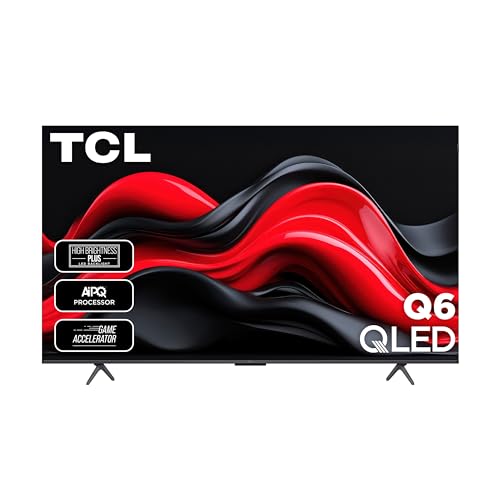

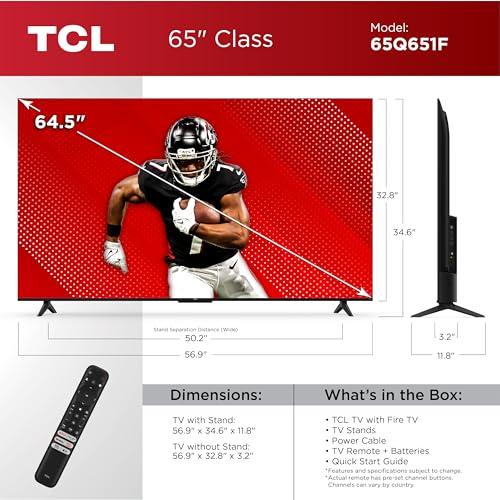

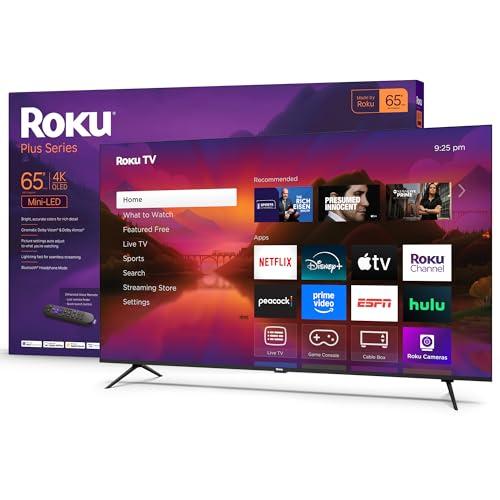
Choosing a 65-inch TV has become more complex as manufacturers pack increasingly advanced technology into displays at every price point. Two models that showcase this trend are the TCL Q Class QLED 4K Fire TV and the Roku Plus Series 65" 4K QLED Mini-LED Smart TV. Released in 2024 and 2025 respectively, these TVs represent different philosophies: exceptional value versus premium features at a reasonable price.
The 65-inch size hits the sweet spot for most living rooms, providing an immersive viewing experience without overwhelming the space. Both models use QLED technology—quantum dot-enhanced displays that produce more vibrant colors than traditional LED TVs—but they take dramatically different approaches to backlighting and smart features.
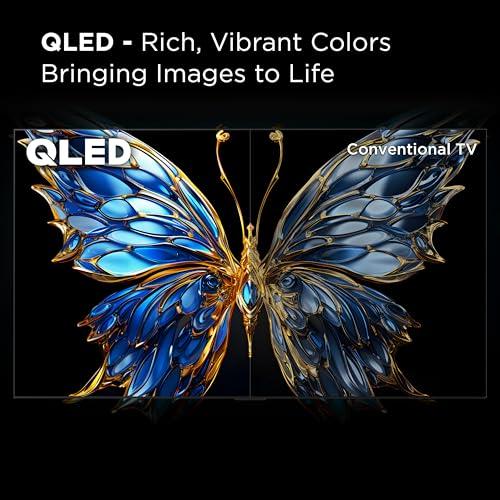
QLED stands for Quantum Dot Light Emitting Diode, though the quantum dots don't actually emit light themselves. Instead, they act like a color filter, converting blue LED backlight into precise red and green wavelengths. This process creates a much wider color gamut (the range of colors a display can reproduce) than standard LED TVs, resulting in more vivid and accurate colors, especially in bright scenes.
The key difference between these two models lies in their backlighting systems. The TCL Q Class uses direct LED backlighting, where LEDs are positioned directly behind the panel in zones. While this provides decent uniformity, it lacks the precision needed for deep blacks and bright highlights to coexist in the same scene.
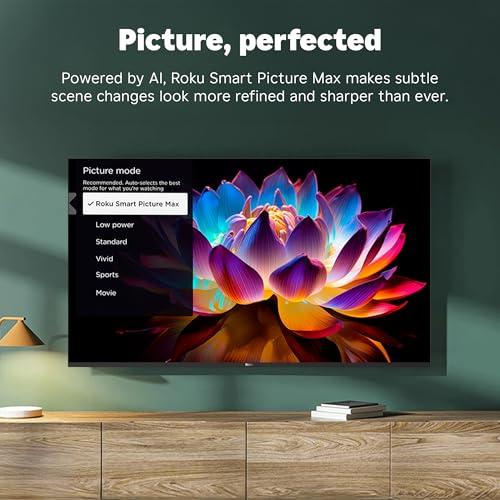
The Roku Plus Series, however, employs Mini-LED backlighting—a significant technological advancement. Mini-LEDs are roughly 1/40th the size of traditional LEDs, allowing manufacturers to pack thousands of them behind the screen. This creates many more dimming zones, enabling the TV to brighten specific areas while keeping adjacent dark areas truly dark. Think of it like having thousands of tiny flashlights that can turn on and off independently, rather than a few large floodlights.
Contrast ratio—the difference between the brightest whites and darkest blacks—fundamentally determines how realistic and engaging images appear. Here's where the Mini-LED advantage of the Roku Plus Series becomes immediately apparent.
In dark movie scenes, like the shadowy corridors in The Batman or space sequences in sci-fi films, the Roku model can turn off Mini-LED zones completely, creating true blacks that make the TCL Q Class appear grayish by comparison. This isn't just a technical spec that looks good on paper; it's the difference between feeling immersed in a movie and being reminded you're watching a TV.
The TCL Q Class, with its direct LED backlight, suffers from "light bleed"—unwanted light spilling into dark areas of the screen. During night scenes, you might notice subtle gray patches or halos around bright objects, breaking the illusion that you're looking through a window into another world.
High Dynamic Range (HDR) represents one of the most significant improvements in TV technology over the past decade. HDR content contains information about both extremely bright and extremely dark parts of an image, but your TV needs sufficient peak brightness to display these highlights convincingly.
Based on our research into user and expert reviews, the Roku Plus Series achieves significantly higher peak brightness levels, making HDR content like Top Gun: Maverick or nature documentaries truly spectacular. Bright highlights—like sunlight reflecting off aircraft or snow-capped mountains—appear genuinely bright rather than just lighter gray.
The TCL Q Class supports the same HDR formats (Dolby Vision, HDR10+, HDR10, and HLG), but its lower peak brightness means these highlights don't "pop" with the same intensity. For SDR (Standard Dynamic Range) content—which still makes up most of what we watch—both TVs perform admirably, though the Roku maintains an advantage in bright room viewing.
Both TVs cover wide color gamuts thanks to their QLED technology, but the Roku Plus Series combines this with its superior backlighting for what's called "color volume"—the ability to maintain color saturation at both high and low brightness levels. In practical terms, this means red roses look vibrantly red whether they're in bright sunlight or shadowy garden corners.
The TCL Q Class delivers solid color performance that will satisfy most viewers, particularly considering its significantly lower price point at the time of writing. Colors appear natural and pleasant, though they may lack the "wow factor" of more premium displays.
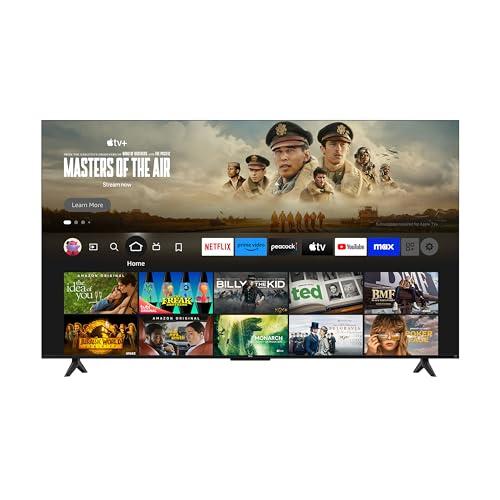
The TCL Q Class runs Fire TV, Amazon's smart platform that prioritizes content discovery and ecosystem integration. Fire TV excels at surfacing content from across different apps and services, using algorithms to recommend shows and movies based on your viewing history.
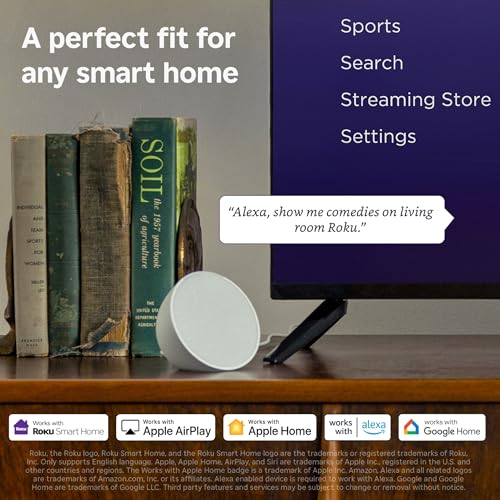
The interface emphasizes Amazon's own content and services, which can be beneficial if you're a Prime Video subscriber or use other Amazon services. Voice control through Alexa feels natural and comprehensive, allowing you to control smart home devices, check weather, or search for content using natural language.
However, Fire TV's commercial nature means you'll encounter advertisements throughout the interface. Some users find this intrusive, particularly when ads appear on the home screen for products or services they didn't request.
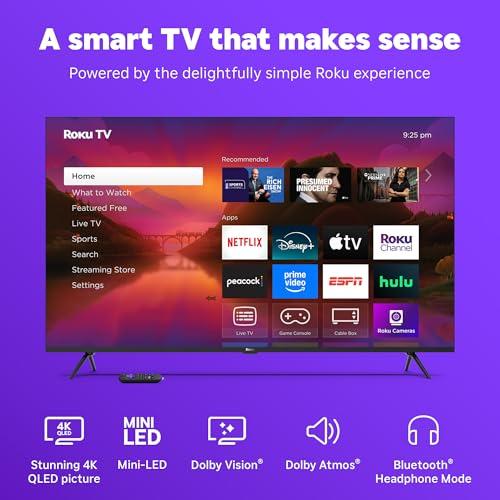
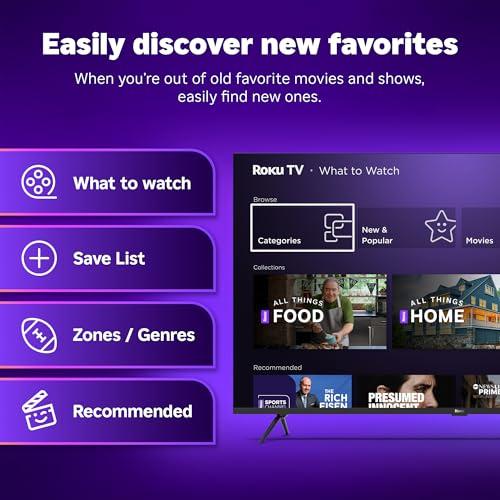
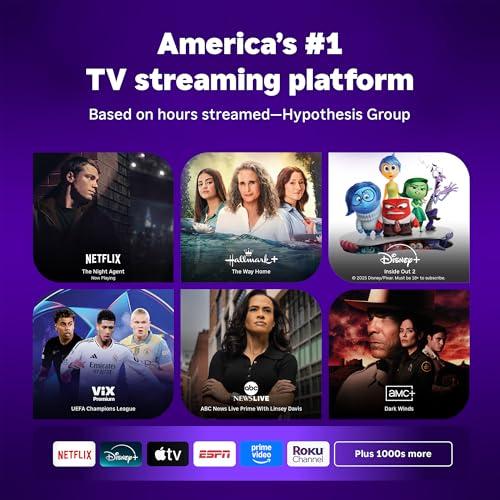
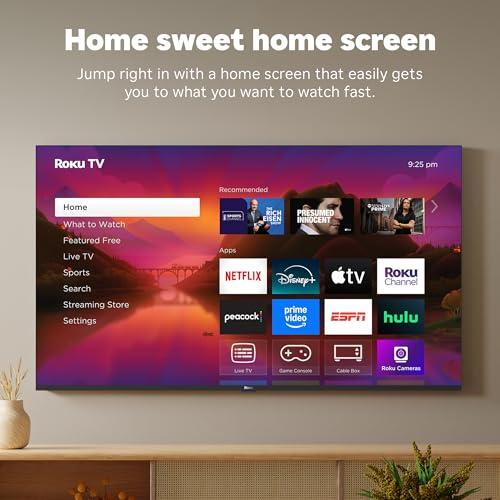
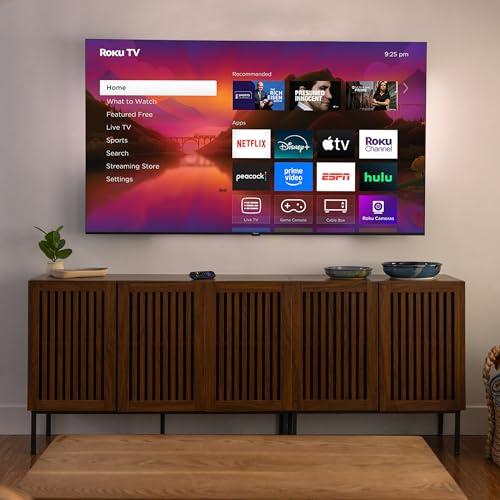
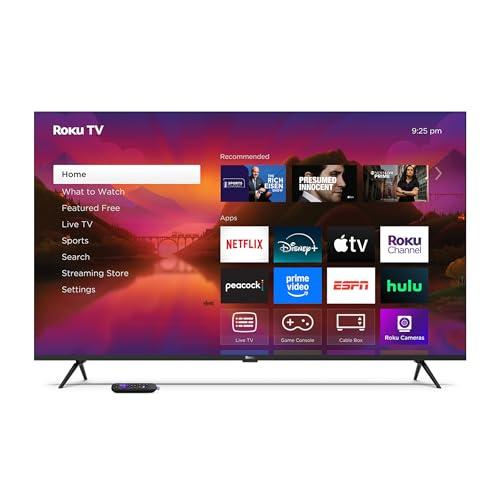
The Roku Plus Series takes a different approach with Roku TV OS, which maintains relative neutrality among streaming services. Rather than promoting any particular service, Roku treats Netflix, Disney+, Apple TV+, and others equally, making it easier to find content without commercial bias.
Roku's interface prioritizes simplicity and speed. App launches feel snappy, and the customizable home screen lets you arrange your most-used apps for quick access. The platform also includes over 500 free channels, providing access to news, movies, and niche content without additional subscriptions.
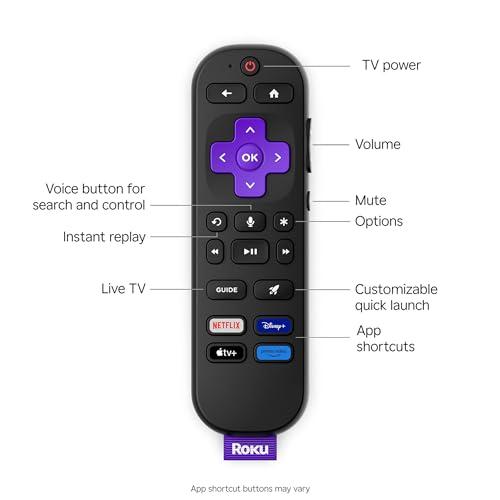
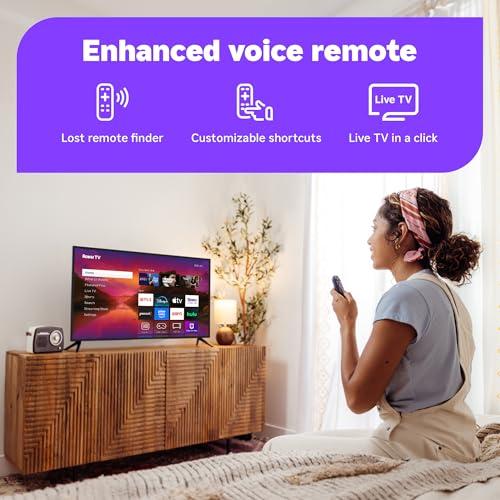
The Enhanced Voice Remote Pro included with recent Roku models offers hands-free voice control and customizable shortcut buttons—features that enhance daily usability in subtle but meaningful ways.
Built-in TV audio has improved dramatically in recent years, though it still can't match dedicated sound systems. The Roku Plus Series includes more advanced audio processing with Dolby Atmos support and the ability to expand to 4.1 surround sound using wireless speakers.
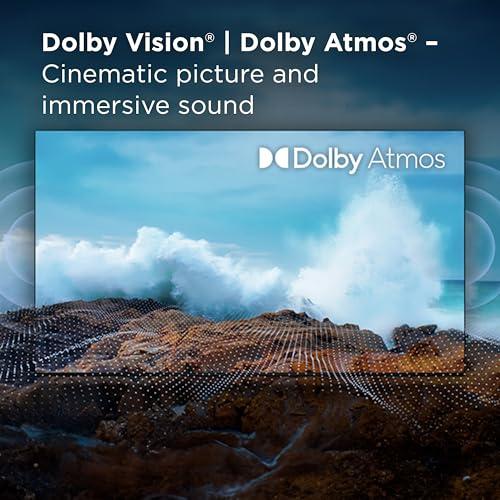
The TCL Q Class also supports Dolby Atmos, but with a more basic implementation. Both TVs include dialogue enhancement features—increasingly important as movie sound mixes often bury dialogue beneath music and effects.
For serious home theater enthusiasts, both TVs support eARC (enhanced Audio Return Channel) through their HDMI connections, allowing high-quality audio passthrough to soundbars or AV receivers. This means you can enjoy uncompressed Dolby Atmos soundtracks from streaming services or Blu-ray players.
Gaming performance on both models reflects their focus on mainstream viewing rather than enthusiast gaming. Both TVs are limited to 60Hz refresh rates and lack HDMI 2.1 features like Variable Refresh Rate (VRR) or 4K gaming at 120fps—capabilities that have become increasingly important for PlayStation 5 and Xbox Series X owners.
However, both models offer Auto Low Latency Mode (ALLM), which automatically switches to a gaming preset when it detects a console connection. Input lag measurements from expert reviews suggest both TVs respond quickly enough for most gaming scenarios, including competitive online games.
The Roku Plus Series shows slightly better gaming performance in our research, with faster response times that competitive gamers will appreciate. For casual gaming or single-player adventures, both TVs provide perfectly adequate performance.
At the time of writing, these TVs occupy different value propositions that reflect their target audiences. The TCL Q Class represents exceptional value, offering QLED technology and comprehensive smart features at a price point that was unthinkable just a few years ago.
The technology improvements since 2020 have been remarkable. Features that once defined premium TVs—like quantum dot color enhancement, Dolby Vision HDR support, and sophisticated smart platforms—are now available in budget-friendly models. The TCL Q Class exemplifies this democratization of display technology.
The Roku Plus Series, while more expensive, justifies its premium through Mini-LED technology that was cutting-edge just two years ago. The picture quality improvements are substantial and immediately noticeable, particularly in mixed lighting conditions and HDR content.
For dedicated home theater setups, the Roku Plus Series provides a more premium experience that complements the investment in room design, seating, and audio equipment. The superior contrast and brightness help justify the cost of HDR Blu-ray discs and high-quality streaming subscriptions.
However, the TCL Q Class shouldn't be dismissed for home theater use. Its QLED panel delivers satisfying color performance, and the money saved could fund a quality soundbar or subwoofer that might provide more noticeable improvement than upgrading the display itself.
Both TVs work well as the centerpiece of a smart home entertainment system, though the Fire TV platform might appeal more to Amazon ecosystem users who have Alexa devices throughout their homes.
The decision between these TVs ultimately depends on your priorities and viewing habits. Choose the TCL Q Class if budget is your primary concern and you want the largest possible screen with QLED technology. It's particularly appealing for families who watch a mix of streaming content, broadcast TV, and casual gaming. The Fire TV platform works especially well if you're already invested in Amazon's ecosystem or prefer having content recommendations prominently displayed.
The Roku Plus Series makes sense for viewers who prioritize picture quality and plan to keep their TV for many years. The Mini-LED technology provides future-proofing that will remain impressive as 4K HDR content becomes more prevalent. It's the better choice for movie enthusiasts, sports fans who want bright, vibrant images, or anyone who frequently watches TV in rooms with ambient lighting.
Consider the Roku Plus Series particularly if you value platform neutrality and prefer smart TV interfaces that don't push particular services. The enhanced remote and build quality also contribute to a more premium daily experience.
Both TVs represent solid choices within their respective price ranges at the time of writing, reflecting how competitive the 65-inch QLED market has become. The TCL Q Class proves that excellent value doesn't require major compromises, while the Roku Plus Series demonstrates that premium features remain accessible without flagship pricing.
Your decision should ultimately align with your viewing priorities, room setup, and long-term plans. Either choice will provide a significant upgrade over older LED TVs and deliver the large-screen QLED experience that makes modern streaming content truly engaging.
| TCL 65" Q Class QLED 4K Fire TV | Roku Plus Series 65" 4K QLED Mini-LED Smart TV 2025 |
|---|---|
| Display Technology - Core difference that affects picture quality | |
| QLED with Direct LED backlighting | QLED with Mini-LED backlighting (thousands of dimming zones) |
| Peak Brightness - Critical for HDR content and bright room viewing | |
| Moderate brightness suitable for most rooms | Significantly higher brightness for impressive HDR highlights |
| Contrast Performance - Determines black levels and overall picture depth | |
| Good contrast but limited by direct LED (some light bleed) | Excellent contrast with true blacks from precise local dimming |
| Smart TV Platform - Daily interface experience | |
| Fire TV (Amazon ecosystem, Alexa integration, some ads) | Roku TV OS (platform neutral, 500+ free channels, cleaner interface) |
| HDR Support - Enhanced color and contrast for premium content | |
| HDR PRO+ (Dolby Vision, HDR10+, HDR10, HLG) | Dolby Vision, HDR10+ with superior brightness delivery |
| Audio System - Built-in sound quality | |
| 30W Dolby Atmos (adequate for most users) | Enhanced Dolby Atmos with 4.1 surround expandability |
| Gaming Performance - Input lag and responsiveness | |
| Auto Game Mode (ALLM), decent input lag | Very low input lag (11.5ms), Auto Game Mode |
| Refresh Rate - Smooth motion for sports and gaming | |
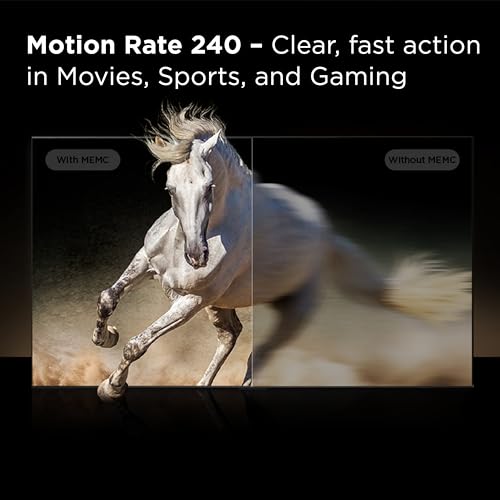
| 60Hz native (Motion Rate 240 processing) | 60Hz native with AI picture optimization |
| Voice Remote - Daily convenience features | |
| Standard Fire TV Voice Remote | Enhanced Voice Remote Pro (rechargeable, hands-free, lost remote finder) |
| Build Quality and Design - Durability and aesthetics | |
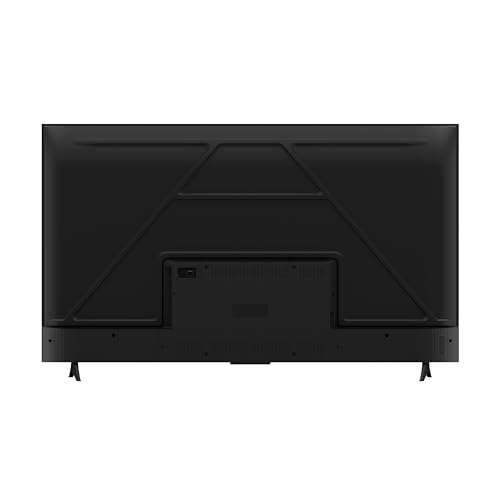
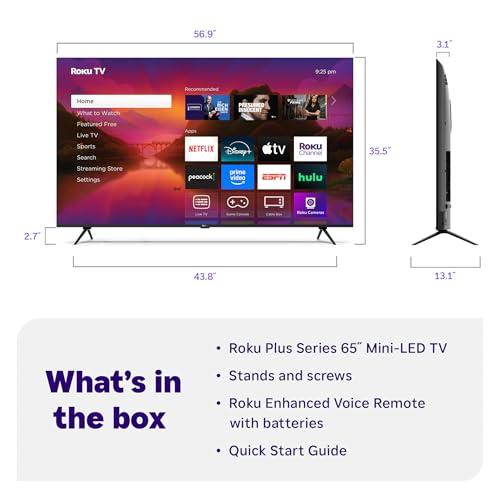
| FullView bezel-less design, solid construction | Premium frameless design with cable management |
| Connectivity Options - Future-proofing and device support | |
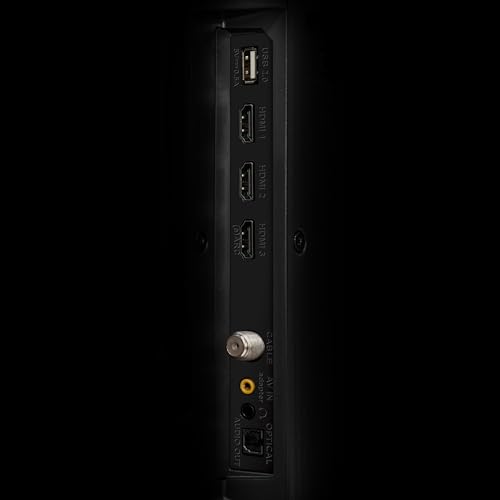
| 3 HDMI (1 eARC), USB, Wi-Fi 5 | 4 HDMI, Bluetooth 5.2, enhanced Wi-Fi, Apple AirPlay |
| Value Proposition - Performance per dollar spent | |
| Exceptional value with solid QLED performance | Premium features justify higher cost for quality-focused buyers |
The Roku Plus Series 65" 4K QLED Mini-LED Smart TV 2025 delivers superior picture quality thanks to its Mini-LED backlighting technology. This provides deeper blacks, brighter highlights, and better contrast compared to the TCL 65" Q Class QLED 4K Fire TV, which uses standard direct LED backlighting. For movie enthusiasts and HDR content, the Roku model offers a more cinematic viewing experience.
The primary difference is the backlighting technology. The TCL Q Class uses direct LED backlighting, while the Roku Plus Series features advanced Mini-LED backlighting with thousands of dimming zones. This allows the Roku model to achieve better contrast ratios and more precise light control, resulting in significantly improved picture quality.
Both platforms have their strengths. Fire TV on the TCL Q Class integrates deeply with Amazon's ecosystem and Alexa, making it ideal for Prime Video users. Roku TV OS on the Roku Plus Series offers platform neutrality, treating all streaming services equally, plus access to over 500 free channels. Roku generally provides a cleaner, less ad-heavy interface.
Both the TCL Q Class and Roku Plus Series offer decent gaming performance with Auto Game Mode and low input lag. However, both are limited to 60Hz refresh rates and lack advanced gaming features like Variable Refresh Rate (VRR) or 4K at 120fps. They're suitable for casual gaming but not optimized for next-gen console gaming.
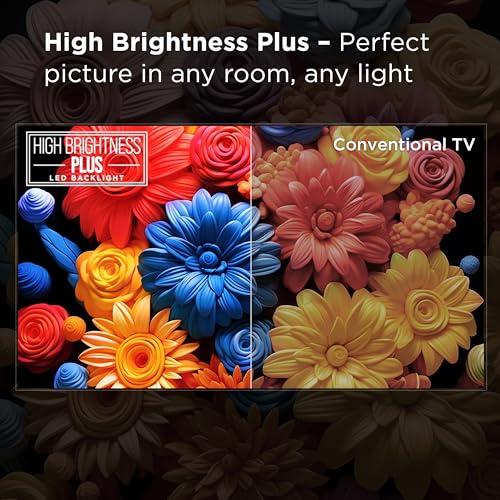
The Roku Plus Series performs better in bright rooms due to its higher peak brightness from Mini-LED technology. This helps overcome ambient light and maintains picture quality during daytime viewing. The TCL Q Class can handle moderate lighting but may appear washed out in very bright environments.
Yes, both the TCL Q Class and Roku Plus Series support Dolby Vision, HDR10+, HDR10, and HLG formats. However, the Roku Plus Series can display HDR content more effectively due to its superior brightness and contrast capabilities from Mini-LED backlighting.
The TCL Q Class offers exceptional value for budget-conscious buyers, providing QLED technology and smart features at a very competitive price. The Roku Plus Series costs more but justifies the premium with Mini-LED technology and enhanced features. Your choice depends on whether picture quality improvements are worth the extra cost.
Both TVs support Dolby Atmos, but the Roku Plus Series offers enhanced audio with 4.1 surround sound expandability and better overall sound processing. The TCL Q Class provides adequate 30W audio that's suitable for most users. For serious home theater setups, both support eARC for connecting external sound systems.
For dedicated home theater use, the Roku Plus Series is the better choice due to its superior contrast, brightness, and Mini-LED technology that enhances the cinematic experience. The improved black levels and HDR performance make it more suitable for dark room movie watching, though the TCL Q Class can still work well in home theaters on a budget.
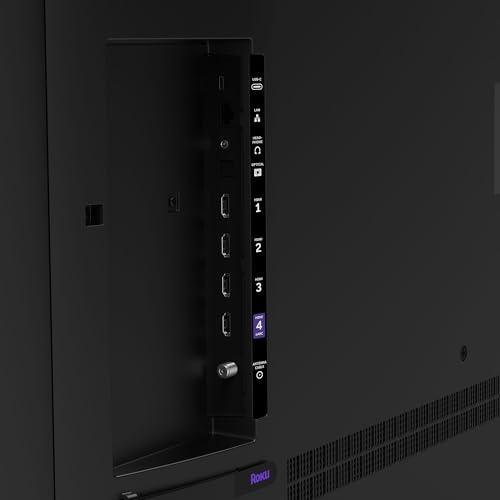
The Roku Plus Series offers more comprehensive connectivity with 4 HDMI ports, Bluetooth 5.2, enhanced Wi-Fi, and Apple AirPlay support. The TCL Q Class provides 3 HDMI ports (1 with eARC), USB connections, and Wi-Fi 5. Both include essential connectivity features, but the Roku model offers more flexibility for multiple devices.
The Roku Plus Series is likely to age better due to its more advanced Mini-LED technology and superior build quality. The enhanced brightness and contrast capabilities will remain impressive longer as content quality improves. The TCL Q Class offers solid longevity for its price point but may feel more dated as display technology advances.
Consider your ecosystem preferences when choosing between the TCL Q Class and Roku Plus Series. If you heavily use Amazon services, Alexa devices, and Prime Video, the Fire TV platform might integrate better. If you prefer platform neutrality or use Apple devices frequently, the Roku model with AirPlay support and unbiased app treatment may be more suitable.
We've done our best to create useful and informative comparisons to help you decide what product to buy. Our research uses advanced automated methods to create this comparison and perfection is not possible - please contact us for corrections or questions. These are the sites we've researched in the creation of this article: bestbuy.com - tcl.com - tcl.com - circuitworldonline.com - bestbuy.com - tcl.com - rtings.com - woodruffappliance.com - rtings.com - bestbuy.com - tcl.com - tcl.com - tcl.com - youtube.com - alexraytv.com - tcl.com - alexraytv.com - avsforum.com - a1ontheweb.com - bestbuy.com - tomsguide.com - rtings.com - youtube.com - rtings.com - youtube.com - roku.com - walmart.com - youtube.com - bestbuy.com - roku.com - tvsbook.com

Privacy Policy
Terms and Conditions - Affiliate Policy
Home Security
© Copyright 2008-2026.
11816 Inwood Rd #1211, Dallas, TX 75244