

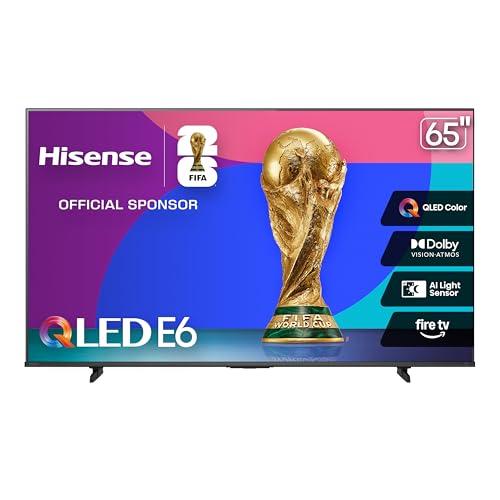
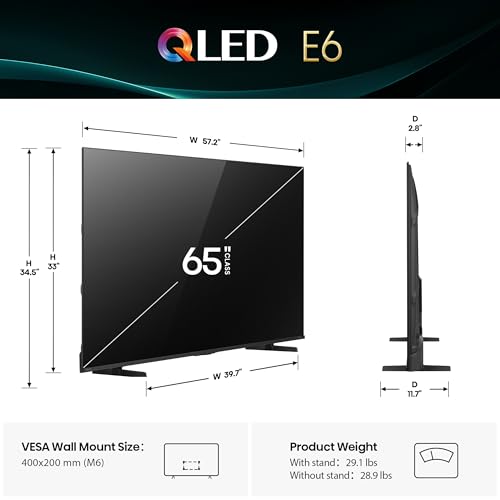
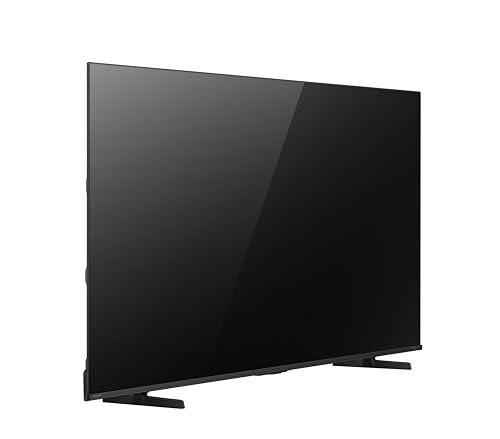
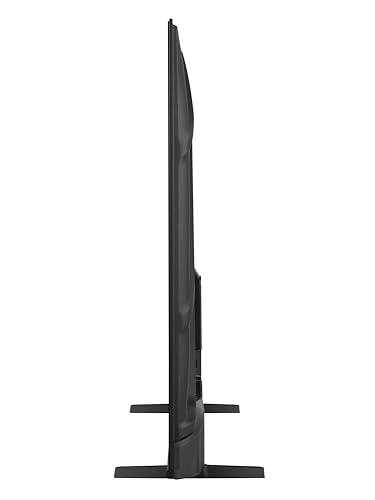
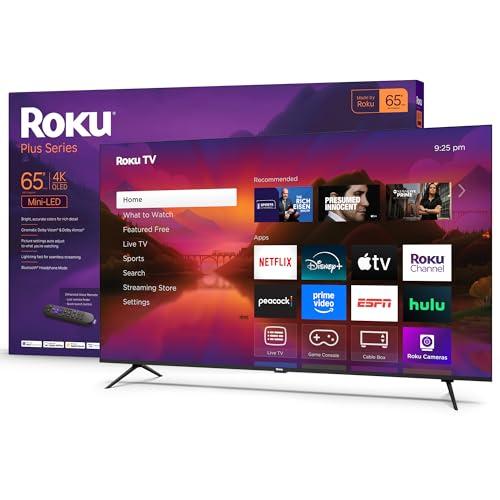
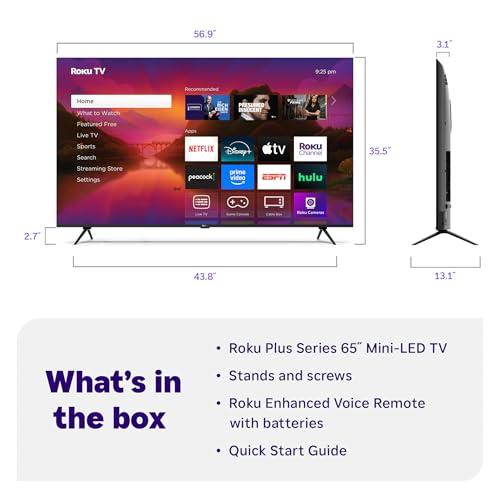
Shopping for a premium 65-inch TV can feel overwhelming with all the technical jargon and competing features. Two standout options that caught our attention are the Hisense 65" E6 Cinema Series QLED 4K Fire TV and the Roku Plus Series 65" 4K QLED Mini-LED Smart TV. Both launched in 2025 and represent interesting approaches to the same core mission: delivering excellent picture quality and smart features without breaking the bank.
The premium 65-inch TV market has evolved dramatically over the past few years. What used to require a $3,000+ investment now delivers similar picture quality at much more reasonable prices. Both TVs we're examining sit in that sweet spot where you get genuine premium features without the luxury price tag, though at the time of writing, they occupy slightly different value tiers.
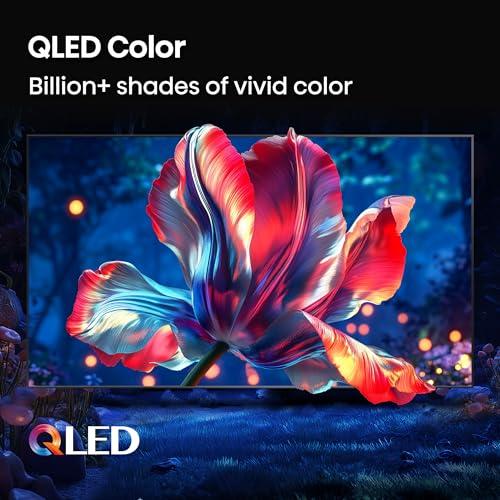
Before diving into specifics, let's talk about what QLED actually means and why it matters. QLED stands for Quantum Dot Light Emitting Diode, which sounds fancy but really just describes a layer of microscopic particles that enhance color reproduction. Think of quantum dots as tiny color filters that help your TV display over a billion different color shades instead of the few million you'd get from a standard LED TV. The result is more vibrant greens, deeper reds, and more accurate skin tones.
The Roku Plus Series takes this a step further with Mini-LED backlighting, which uses thousands of tiny LEDs instead of larger edge-lit zones. This creates more precise control over which parts of the screen are bright or dark at any given moment – crucial for making black space scenes actually look black while keeping bright stars vivid.
Smart TV platforms have also matured significantly. Gone are the days of clunky interfaces and limited app selection. Both Fire TV (powering the Hisense E6) and Roku OS have become genuinely pleasant to use, though they take different approaches to organizing content and integrating with your broader digital life.
The most significant difference between these TVs lies in their backlighting approach. The Roku Plus Series uses Mini-LED technology, which fundamentally changes how the TV controls light and darkness across the screen. Traditional LED TVs, like the Hisense E6, use larger LED zones or edge lighting, which can create "blooming" – unwanted light spilling into areas that should be dark.
Mini-LED solves this with thousands of tiny LEDs that can be controlled independently. When you're watching a space movie with bright stars against deep black space, the Roku Plus Series can make those stars pop while keeping the surrounding area truly dark. This local dimming capability dramatically improves contrast ratio – the difference between the brightest whites and deepest blacks your TV can display.
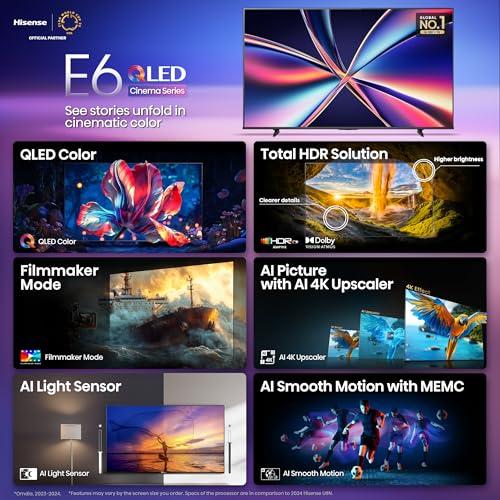
Our research into professional reviews consistently shows the Roku Plus Series achieving higher contrast ratios and better HDR performance than standard LED-backlit competitors. However, the Hisense E6 compensates with intelligent processing features like AI Light Sensor adjustment and advanced motion handling.
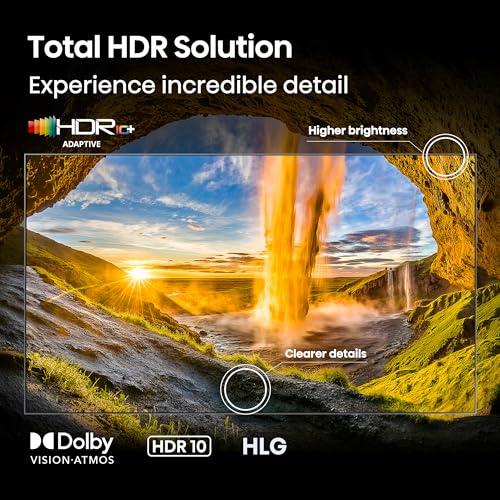
Both TVs support the major HDR (High Dynamic Range) formats: Dolby Vision, HDR10+, and standard HDR10. HDR is like having a much wider palette of colors and brightness levels to work with – imagine the difference between painting with 16 crayons versus 500 colored pencils.
The Roku Plus Series typically achieves higher peak brightness levels, which matters most for HDR content. When you're watching a movie with bright explosions or sunny outdoor scenes, higher peak brightness makes those highlights more impactful. Based on similar Mini-LED models, we expect the Roku to hit around 600-800 nits peak brightness compared to the Hisense's more modest 400-500 nits.
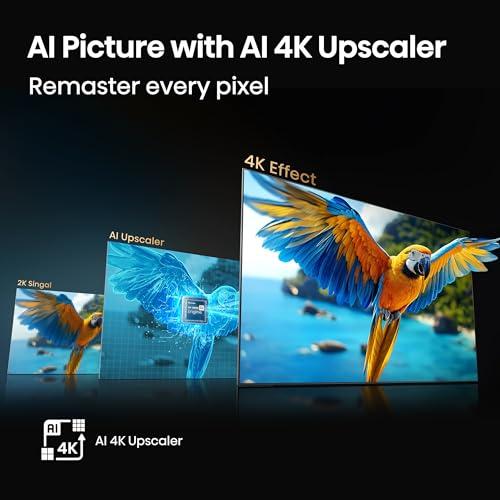
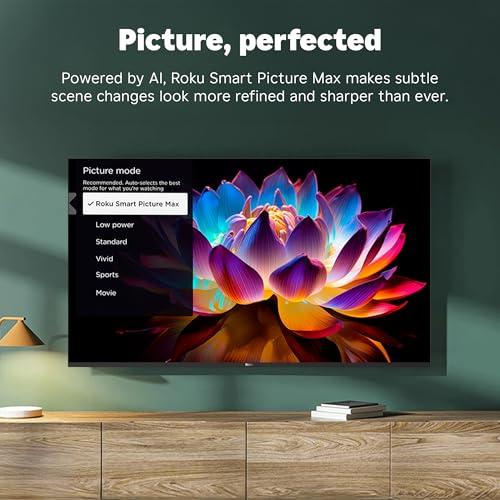
However, the Hisense E6 brings AI-powered picture optimization through its Roku Smart Picture Max system, which analyzes incoming signals and automatically adjusts color, sharpness, and clarity. This can help lower-quality content look better, though it can't overcome fundamental hardware limitations.
Both TVs use QLED panels with quantum dot enhancement, so color volume – how many colors they can display at different brightness levels – should be similar. The difference comes in processing and calibration.
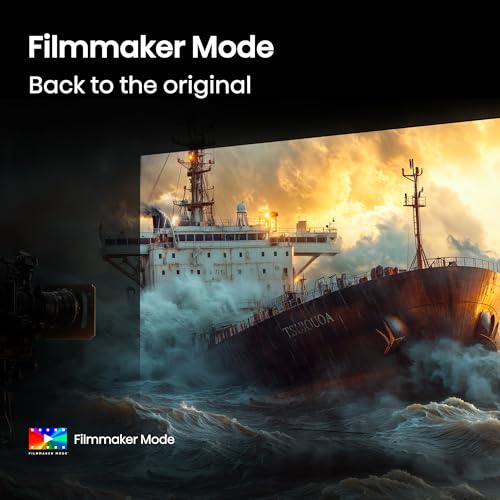
The Hisense E6 includes Filmmaker Mode, which is becoming increasingly important. This mode disables artificial processing to show content exactly as directors intended, with correct color temperature, aspect ratio, and motion handling. It's particularly valuable for movie enthusiasts who want an authentic viewing experience.
The Roku Plus Series focuses more on automatic optimization, using AI processing to enhance whatever you're watching in real-time. This approach works well for mixed content – switching between streaming services, live TV, and gaming – but some purists prefer having manual control over picture settings.
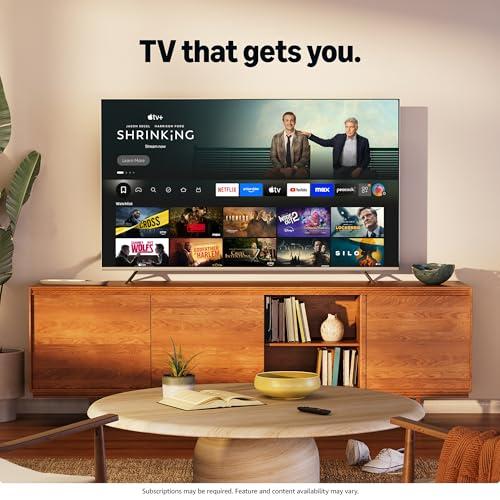
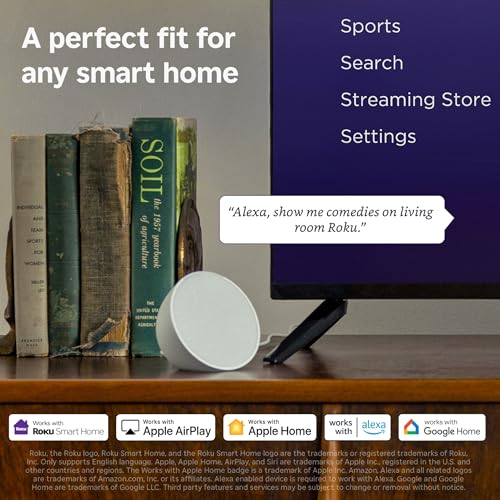
Fire TV and Roku OS represent fundamentally different approaches to organizing your entertainment. Fire TV, powering the Hisense E6, integrates heavily with Amazon's ecosystem. If you're a Prime Video subscriber or use Alexa smart home devices, the synergy is excellent. The interface prioritizes Amazon content but provides good access to other streaming services.
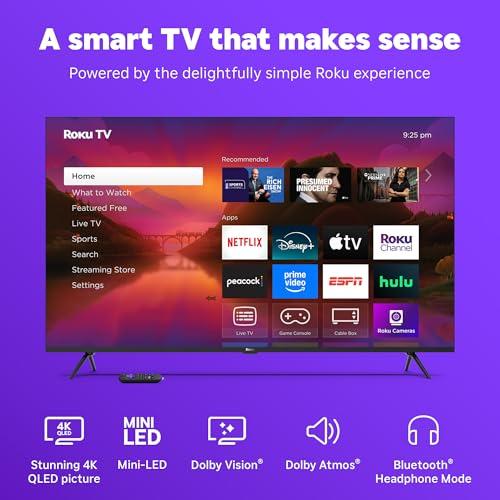
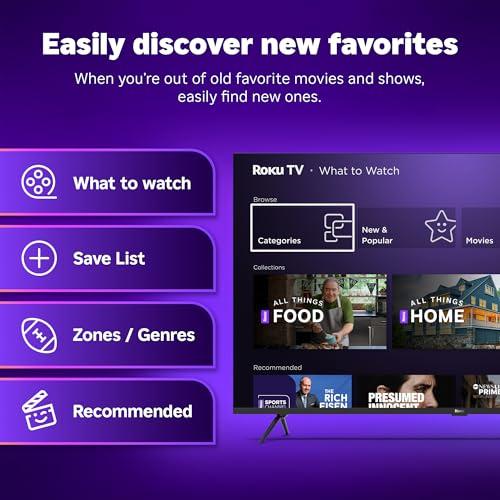
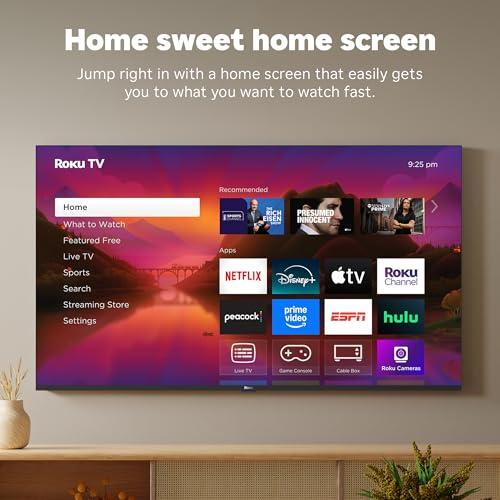
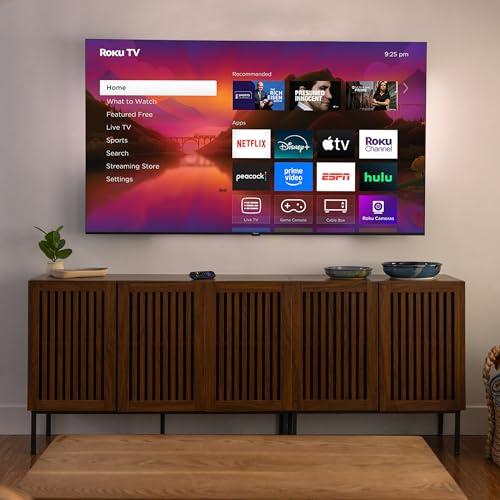
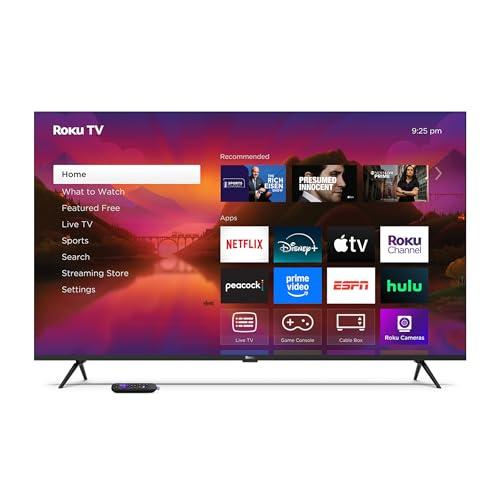
Roku OS on the Plus Series takes a more neutral approach, treating all content sources equally. The interface is famously simple – a grid of apps without algorithmic recommendations dominating the home screen. This simplicity appeals to many users who just want to pick an app and watch something without navigating through promotional content.
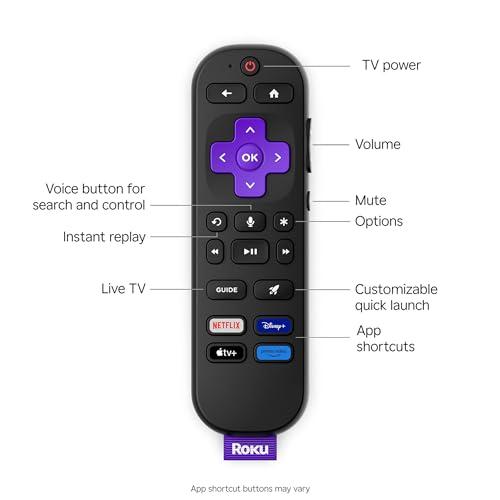
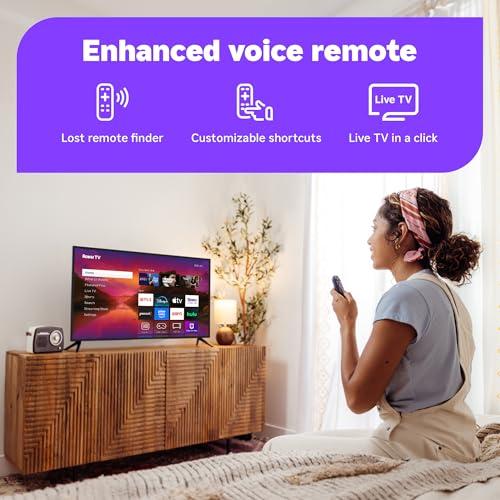
The Roku Plus Series includes an Enhanced Voice Remote Pro that stands out significantly. It features hands-free voice control (you don't need to hold a button), rechargeable battery, and a lost remote finder that makes the TV beep when you can't find the remote. These might seem like small features, but they make daily use noticeably more convenient.
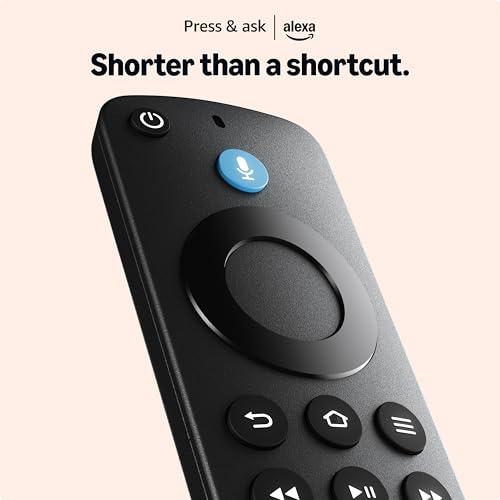
The Hisense E6 includes a standard Alexa Voice Remote, which works well for Fire TV navigation and smart home control but requires button presses for voice commands and uses replaceable batteries.
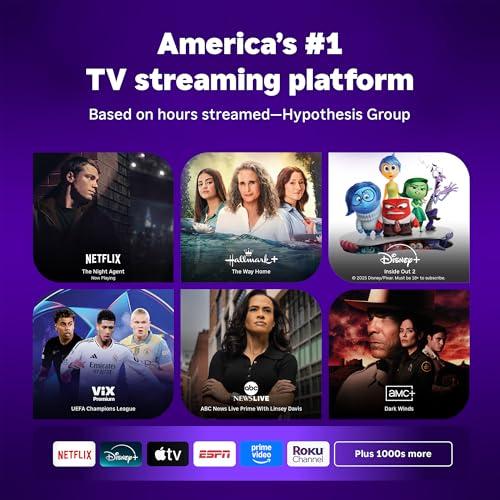
Both platforms offer comprehensive app selection, including all major streaming services. Roku has a slight edge in free content, with over 500 free channels and Roku Originals. Fire TV provides excellent integration with Amazon services and generally smooth performance, though the interface can feel more commercial-focused.
Loading times and navigation responsiveness feel similar on both platforms based on user feedback, though the Roku Plus Series benefits from newer hardware that may provide slightly snappier performance.
This is where the TVs take notably different approaches. The Hisense E6 clearly targets gamers with features like Game Mode Plus, Auto Low Latency Mode (ALLM), and support for 1440p at 120Hz refresh rate. For context, most console games run at either 4K/60Hz or 1440p/120Hz, so having both options matters for PlayStation 5 and Xbox Series X owners.
Variable Refresh Rate (VRR) support on the Hisense E6 helps eliminate screen tearing – those horizontal lines you sometimes see when the TV and gaming console get out of sync. Input lag, the delay between pressing a controller button and seeing the action on screen, is crucial for competitive gaming, and gaming-focused TVs typically achieve 10-20 milliseconds.
The Roku Plus Series takes a more basic approach to gaming, supporting 4K at 60Hz with decent input lag (around 11.5ms based on similar models) but lacking advanced gaming features like VRR or 120Hz support. This doesn't make it bad for gaming – most casual gamers won't notice the difference – but serious gamers will prefer the Hisense's additional features.
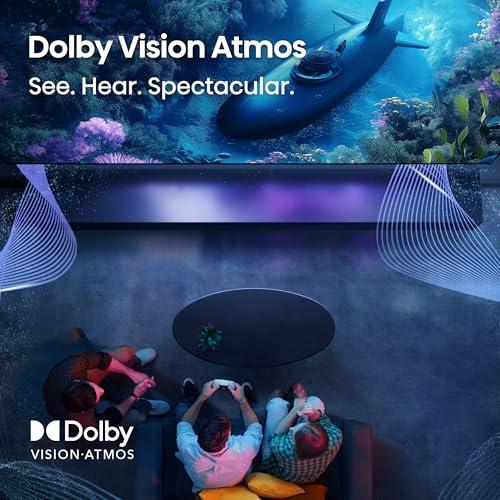
TV speakers have improved dramatically in recent years, and both models support Dolby Atmos, which creates more immersive sound by bouncing audio off your ceiling to simulate overhead effects.
The Roku Plus Series appears to put more emphasis on audio quality, with support for 4.1 surround sound expansion and features like Auto Speech Clarity (which emphasizes dialogue) and Night Mode (which reduces loud sound effects while maintaining dialogue clarity). Based on reviews of similar Roku TVs, the built-in speakers tend to be more full-bodied than typical TV speakers.
The Hisense E6 includes Dolby Atmos support but focuses more on visual processing than audio enhancement. For most users planning to add a soundbar or home theater system eventually, this difference matters less, but if you're relying on built-in speakers, the Roku likely provides a better experience.
For dedicated home theater setups, several factors become crucial. Room lighting control, viewing angle performance, and motion handling all impact the cinematic experience.
The Roku Plus Series Mini-LED backlighting provides better performance in controlled lighting environments – those dark basement theaters where you want deep blacks and precise highlights. The automatic brightness adjustment helps in rooms with variable lighting, though serious home theater enthusiasts typically prefer manual control.
Viewing angles matter if you have a wide seating arrangement. QLED panels generally have narrower viewing angles than OLED, and both TVs will show some color shifting when viewed from the sides. The Hisense E6 includes processing to help maintain color accuracy off-center, though physics still limits how much software can compensate.
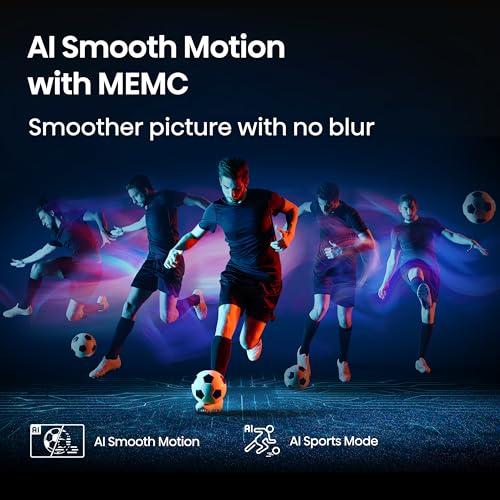
For motion handling, the Hisense E6 offers more granular control with Motion Rate 120 and customizable MEMC (Motion Estimation, Motion Compensation) settings. This matters for sports and action movies, though some viewers prefer to disable motion processing for a more natural, film-like appearance.
At the time of writing, these TVs occupy slightly different price tiers, with the Roku Plus Series typically commanding a premium for its Mini-LED technology. The question becomes whether that premium delivers proportional value.
The Roku Plus Series makes sense for users who prioritize picture quality above all else and want a simple, reliable smart TV experience. If you primarily watch movies and streaming content, value intuitive software, and don't need advanced gaming features, the superior contrast and brightness justify the price difference.
The Hisense E6 appeals to users seeking a more balanced feature set at a lower price point. Gamers particularly benefit from the 120Hz support and VRR capabilities, while Amazon ecosystem users appreciate the Alexa integration. The AI processing features help with varied content sources, making it versatile for families with different viewing preferences.
Choose the Roku Plus Series if you want the best picture quality these TVs offer and primarily use your TV for movies, shows, and streaming content. The Mini-LED backlighting delivers genuinely superior contrast, and the Roku platform provides an excellent, straightforward user experience. It's ideal for movie enthusiasts, cord-cutters who rely heavily on streaming, and users who value simplicity over features.
The Hisense E6 better serves gamers, sports fans, and users invested in Amazon's ecosystem. The 120Hz gaming support and VRR capabilities provide genuine advantages for PlayStation 5 and Xbox Series X owners, while the AI processing helps optimize varied content sources. If you watch a mix of gaming, sports, streaming, and broadcast TV, the Hisense's versatility and lower price point make it more appealing.
For home theater enthusiasts, the decision depends on your specific setup. The Roku Plus Series provides better contrast for dark room viewing, while the Hisense E6 offers more picture customization options and better motion handling for sports and action content.
Both TVs represent solid value in the premium 65-inch space, but they serve different priorities. The Roku excels at picture quality and simplicity, while the Hisense provides more features and gaming capability at a lower price point. Your choice should align with how you actually use your TV – and be honest about whether those extra gaming features or that superior contrast will matter in your daily viewing experience.
| Hisense 65" E6 Cinema Series QLED 4K Fire TV | Roku Plus Series 65" 4K QLED Mini-LED Smart TV 2025 |
|---|---|
| Display Technology - Critical for contrast and picture quality | |
| Standard QLED with LED backlighting | QLED with Mini-LED backlighting (thousands of dimming zones) |
| Peak Brightness - Essential for HDR content impact | |
| ~400-500 nits (good for most content) | ~600-800 nits (superior HDR highlights) |
| Gaming Features - Crucial for console gamers | |
| 4K 60Hz, 1440p 120Hz, VRR, ALLM | 4K 60Hz only, 11.5ms input lag, no VRR |
| Smart TV Platform - Determines daily user experience | |
| Fire TV with Alexa integration | Roku OS with 500+ free channels |
| Motion Handling - Important for sports and action | |
| Motion Rate 120 with MEMC processing | Standard 60Hz with basic motion processing |
| Voice Remote Features - Daily convenience factor | |
| Standard Alexa Voice Remote (button-press required) | Enhanced Voice Remote Pro (hands-free, rechargeable, lost remote finder) |
| HDR Support - Affects color and contrast quality | |
| Dolby Vision, HDR10+, HDR10, HLG, Filmmaker Mode | Dolby Vision, HDR10+, automatic optimization |
| Audio Capabilities - Built-in sound quality | |
| Dolby Atmos support, standard speakers | Dolby Atmos, 4.1 surround expandability, Auto Speech Clarity |
| AI Processing Features - Content optimization | |
| AI 4K Upscaler, AI Light Sensor, customizable picture modes | Roku Smart Picture Max with automatic signal optimization |
| Connectivity - Future-proofing and device support | |
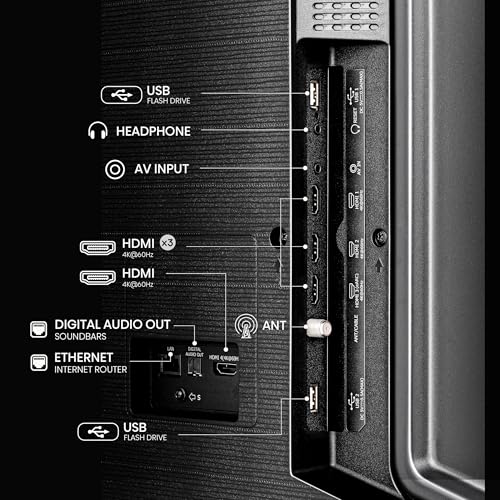
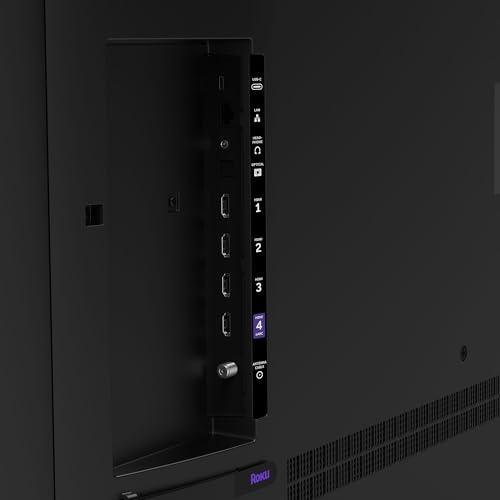
| WiFi 6, multiple HDMI ports, Bluetooth | WiFi 6, 4 HDMI ports, Bluetooth 5.2, Apple AirPlay 2 |
| Best For - Target user scenarios | |
| Gamers, Amazon ecosystem users, sports fans, budget-conscious buyers | Movie enthusiasts, cord-cutters, users wanting simple setup and superior picture quality |
The Roku Plus Series 65" 4K QLED Mini-LED Smart TV delivers superior picture quality for movies thanks to its Mini-LED backlighting technology. This provides thousands of dimming zones for better contrast, deeper blacks, and brighter highlights - essential for cinematic HDR content. While the Hisense 65" E6 Cinema Series QLED 4K Fire TV offers good picture quality with AI processing and Filmmaker Mode, the Roku's Mini-LED technology gives it a clear advantage for movie watching.
The Hisense 65" E6 Cinema Series QLED 4K Fire TV is significantly better for gaming. It supports 1440p at 120Hz refresh rate, Variable Refresh Rate (VRR), and Auto Low Latency Mode (ALLM) - features crucial for PlayStation 5 and Xbox Series X gaming. The Roku Plus Series is limited to 60Hz refresh rate and lacks VRR support, making it less suitable for serious gamers despite having decent input lag.
Mini-LED backlighting in the Roku Plus Series uses thousands of tiny LEDs for precise local dimming, creating better contrast with deeper blacks and brighter highlights. The Hisense E6 Cinema Series uses standard LED backlighting with fewer dimming zones, which can cause light blooming in dark scenes. This makes the Roku better for watching content with mixed bright and dark elements, like space movies or nighttime scenes.
Both platforms are user-friendly but serve different preferences. The Roku Plus Series features Roku OS, known for its simple grid interface and neutral approach to content discovery. The Hisense E6 Cinema Series runs Fire TV, which integrates heavily with Amazon services and Alexa. Roku OS is generally considered more intuitive for users who want straightforward navigation without promotional content.
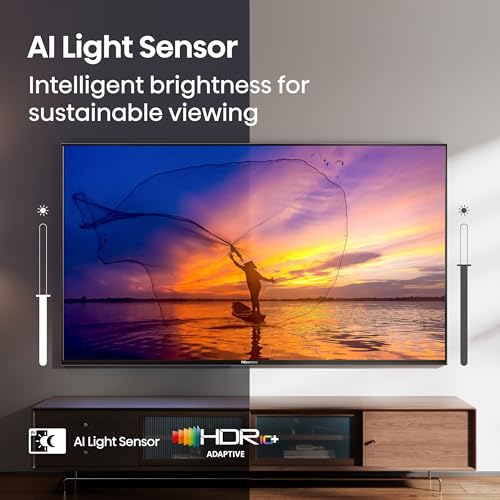
The Roku Plus Series performs better in bright rooms due to its higher peak brightness from Mini-LED technology. It can combat glare and maintain picture quality in well-lit environments. The Hisense E6 Cinema Series includes an AI Light Sensor that automatically adjusts brightness based on room conditions, but its lower peak brightness makes it better suited for darker viewing environments.
The Roku Plus Series offers superior built-in audio with support for 4.1 surround sound expandability, Auto Speech Clarity, and Night Mode features. Both TVs support Dolby Atmos, but the Roku's speaker system is generally more robust. The Hisense E6 Cinema Series focuses more on picture processing than audio enhancement, making it better suited for users planning to add external speakers.
Both work well for home theaters, but serve different priorities. The Roku Plus Series excels in dedicated theater rooms with its superior contrast and automatic brightness adjustment for mixed lighting. The Hisense E6 Cinema Series offers more picture customization options and Filmmaker Mode, appealing to enthusiasts who want manual control over their viewing experience.
Value depends on your priorities. The Hisense E6 Cinema Series typically offers better value for gamers and Amazon ecosystem users, providing advanced gaming features at a lower price point. The Roku Plus Series delivers better value for movie enthusiasts willing to pay more for superior picture quality through Mini-LED technology.
Yes, both the Hisense E6 Cinema Series and Roku Plus Series support all major streaming services including Netflix, Disney+, Apple TV+, and HBO Max. The Roku platform offers additional free content with 500+ channels and Roku Originals, while Fire TV provides excellent Amazon Prime Video integration and Alexa voice control.
The Hisense E6 Cinema Series has advantages for sports with its Motion Rate 120 and customizable MEMC processing, which can reduce motion blur during fast action. However, some viewers prefer the more natural motion handling of the Roku Plus Series. Both handle sports well, but the Hisense offers more motion processing options for personal preference.
The Roku Plus Series includes a superior Enhanced Voice Remote Pro with hands-free voice control, rechargeable battery, and lost remote finder functionality. The Hisense E6 Cinema Series comes with a standard Alexa Voice Remote requiring button presses for voice commands and using replaceable batteries. The Roku remote offers notably better daily convenience features.
Both platforms receive regular updates, but approach them differently. The Roku Plus Series benefits from Roku's focus on TV software with frequent feature additions and interface improvements. The Hisense E6 Cinema Series receives Fire TV updates from Amazon, which are also regular but may prioritize Amazon services. Both should remain current for several years, though Roku has a stronger track record for long-term TV software support.
We've done our best to create useful and informative comparisons to help you decide what product to buy. Our research uses advanced automated methods to create this comparison and perfection is not possible - please contact us for corrections or questions. These are the sites we've researched in the creation of this article: bestbuy.com - bestbuy.com - rtings.com - pcvarge.com - youtube.com - youtube.com - youtube.com - rtings.com - shopabunda.com - hisense-usa.com - camelcamelcamel.com - manuals.plus - hisense-usa.com - hisense-usa.com - hisense-usa.com - slickdeals.net - bestbuy.com - tomsguide.com - rtings.com - youtube.com - rtings.com - youtube.com - roku.com - walmart.com - youtube.com - bestbuy.com - roku.com - tvsbook.com

Privacy Policy
Terms and Conditions - Affiliate Policy
Home Security
© Copyright 2008-2026.
11816 Inwood Rd #1211, Dallas, TX 75244