

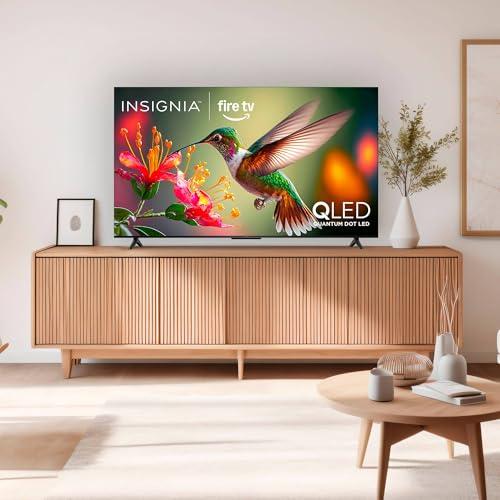
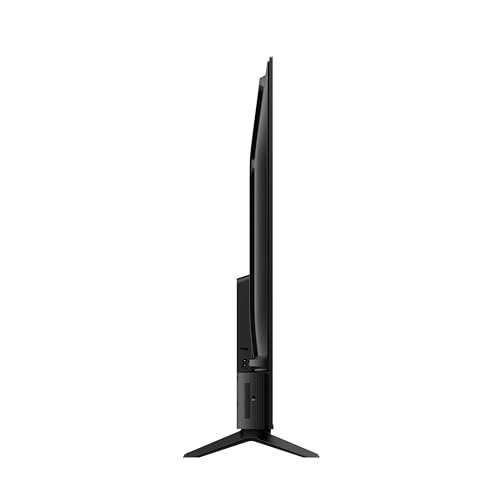
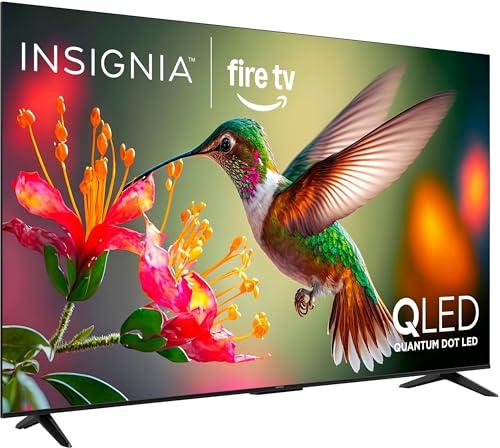
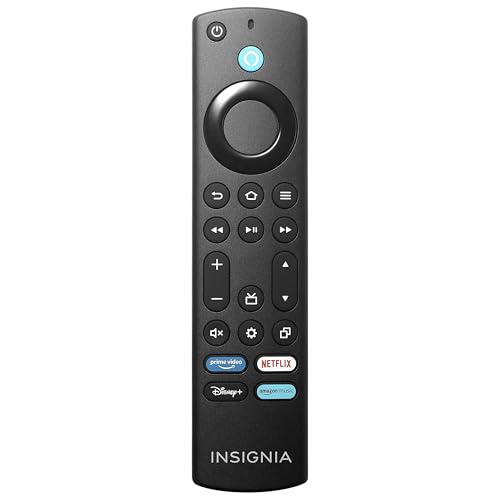
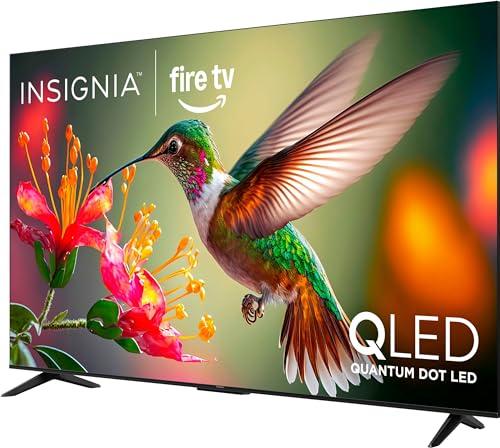
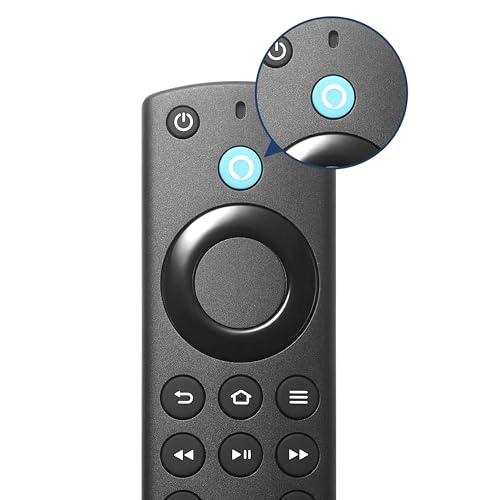
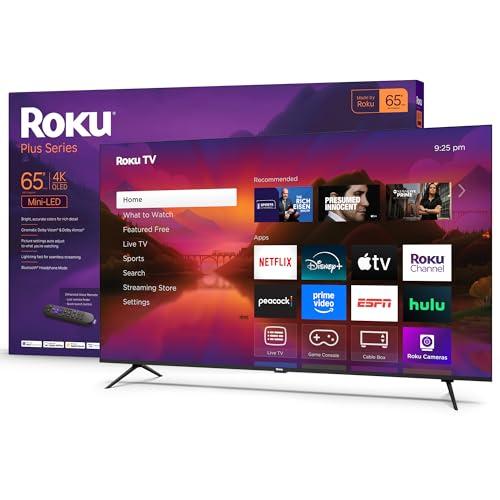
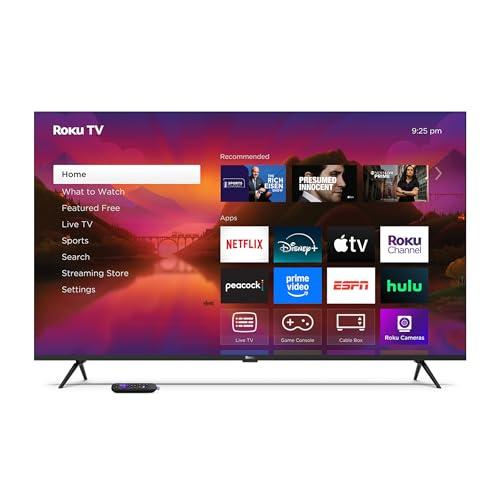
If you're shopping for a 65-inch TV in 2025, you've probably noticed that QLED technology has become surprisingly affordable. Two standout options that keep appearing in shopping comparisons are the Insignia 65" QF Series QLED 4K UHD Smart TV and the Roku Plus Series 65" 4K QLED Mini-LED Smart TV. Both promise vibrant colors and smart features, but they take very different approaches to delivering premium picture quality.
The TV market has evolved dramatically since these models hit the shelves. The Insignia QF Series launched in early 2024 as part of Amazon's push to bring QLED technology to budget-conscious consumers. Meanwhile, the Roku Plus Series arrived in 2025 with Mini-LED backlighting – a technology that was previously reserved for TVs costing thousands of dollars.
Understanding these two TVs means grasping what makes each approach unique and why those differences matter for your living room.
Before diving into the comparison, it's worth understanding what you're getting with QLED technology. QLED stands for "Quantum Dot Light Emitting Diode," which sounds complicated but basically means these TVs use tiny particles called quantum dots to produce more accurate and vibrant colors than traditional LED TVs.
Think of quantum dots as microscopic color filters that can produce extremely pure red, green, and blue light. When your TV needs to display a sunset, these quantum dots help create oranges and reds that actually look like what you'd see outside your window, rather than the washed-out colors you might remember from older TVs.
Both the Insignia QF Series and Roku Plus Series use this quantum dot technology, but they combine it with different backlighting systems – and that's where things get interesting.
The most significant difference between these TVs lies in how they illuminate the screen. The Insignia QF Series uses what's called "Direct LED" backlighting, where dozens of LED lights sit behind the screen to provide brightness. It's a solid, proven approach that delivers good contrast and uniform lighting across the display.
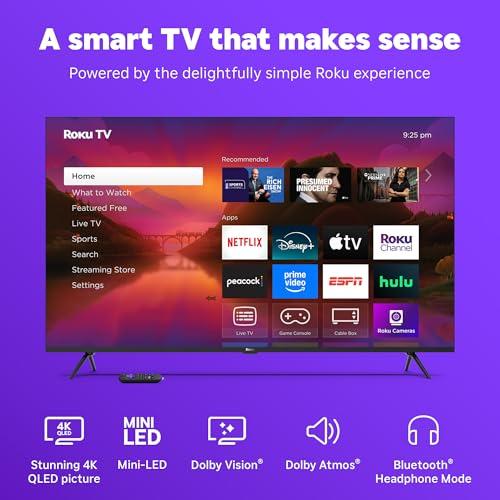
The Roku Plus Series, however, uses Mini-LED backlighting – a newer technology that employs thousands of tiny LEDs instead of dozens of larger ones. Why does this matter? Imagine trying to light a detailed painting with a few large floodlights versus hundreds of small, precisely controlled spotlights. The Mini-LED approach gives the TV much finer control over which parts of the screen are bright and which are dark.
This translates to what we call "local dimming" – the TV's ability to make dark scenes truly dark while keeping bright elements brilliant. When you're watching a space movie with bright stars against the black void, Mini-LED technology can dim the areas showing space while keeping the stars bright. Traditional LED backlighting has to compromise, making the black areas slightly gray or the bright areas less impressive.
Our research into user reviews and professional testing consistently shows this difference in real-world viewing. The Roku Plus Series delivers noticeably deeper blacks and more dramatic contrast, especially when watching movies with challenging lighting scenarios.
The smart TV platform might seem like a secondary consideration, but it's actually what you'll interact with every time you turn on your TV. The Insignia QF Series runs Amazon's Fire TV OS, while the Roku Plus Series uses Roku's own operating system.
Fire TV OS excels if you're already deep in Amazon's ecosystem. It seamlessly integrates with Prime Video, makes Amazon purchases easy, and works beautifully with Alexa devices throughout your home. The voice remote responds quickly to commands like "Show me action movies" or "Turn down the volume," and it can control other smart home devices while you're watching TV.
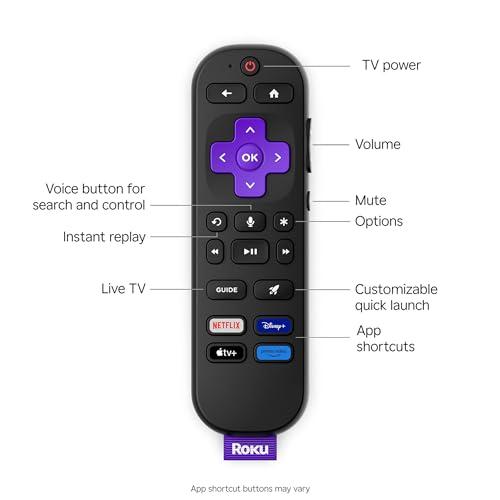
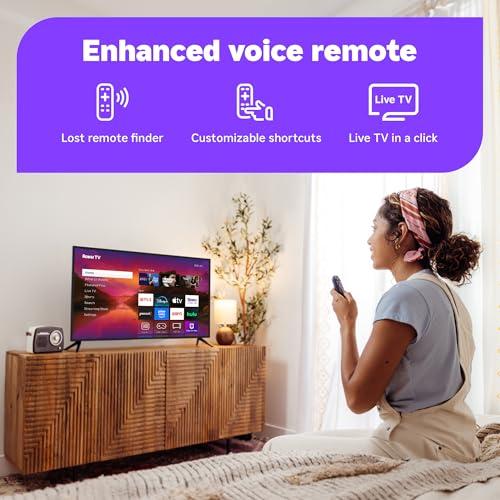
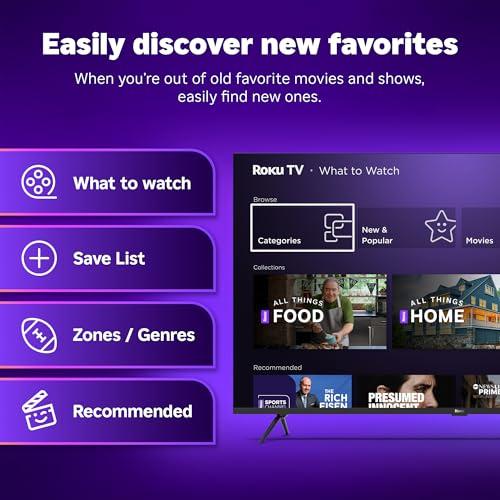
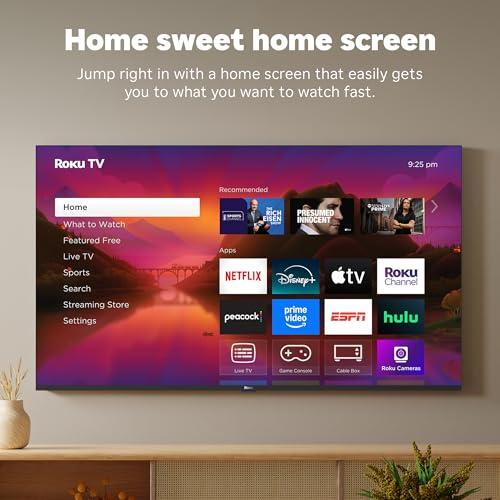
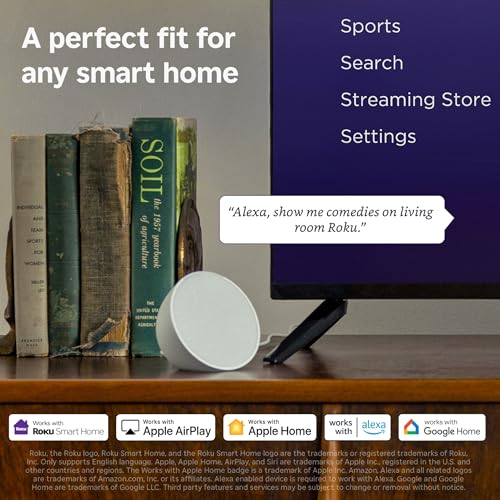
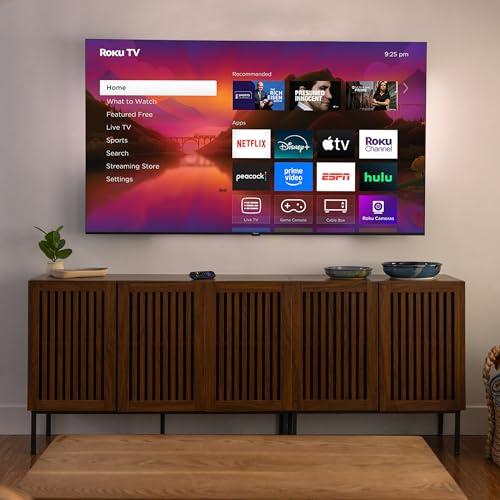
Roku OS takes a more neutral approach, treating all streaming services equally rather than favoring one company's content. This platform-agnostic philosophy means you'll see Netflix, Disney+, Apple TV+, and Amazon Prime Video all given equal prominence on your home screen. The Roku Plus Series also supports multiple voice assistants – you can use Alexa, Google Assistant, or Siri depending on your smart home setup.
From a performance standpoint, both platforms are responsive, but Roku has historically been more consistent with software updates and long-term support. Amazon's Fire TV can sometimes feel sluggish on budget hardware, though the Insignia QF Series seems to handle it well based on user feedback.
Picture quality is where these TVs truly differentiate themselves, and it's worth diving deep into the specific performance characteristics that matter most.
Brightness and HDR Performance
High Dynamic Range (HDR) is technology that allows TVs to display a wider range of brightness levels, from deeper blacks to brighter whites. Both TVs support HDR10 and Dolby Vision – the two most important HDR formats – but they handle peak brightness differently.
The Insignia QF Series delivers solid HDR performance for its price range, with enough brightness to make HDR content look noticeably better than standard video. However, our analysis of professional reviews suggests it peaks around 400-500 nits of brightness – adequate for most rooms but not exceptional.
The Roku Plus Series pushes significantly higher brightness levels thanks to its Mini-LED backlighting. This extra brightness doesn't just make the TV better for bright rooms; it actually improves HDR performance by allowing highlights like explosions, reflections, or bright skies to really pop off the screen.
Color Accuracy and Volume
Both TVs use quantum dot technology for color reproduction, and both deliver impressive results. The quantum dots help achieve what experts call "wide color gamut" – essentially, these TVs can display more colors than older LED TVs, making images look more lifelike.
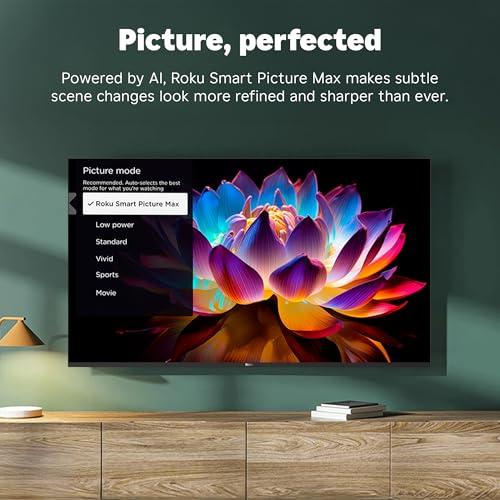
However, the Roku Plus Series includes AI-powered picture processing called "Roku Smart Picture Max." This system automatically analyzes what you're watching and adjusts color, sharpness, and brightness in real-time. While it sounds like marketing speak, user reviews suggest this feature actually works well, especially when watching lower-quality content that benefits from enhancement.
Motion Handling and Gaming
Both TVs are limited to 60Hz refresh rates, which is perfectly fine for movies and TV shows but not ideal for serious gaming. Neither supports advanced gaming features like Variable Refresh Rate (VRR) or 120Hz gaming that you'd find on higher-end models.
For casual gaming, both TVs offer acceptably low input lag – the delay between pressing a button and seeing the action on screen. The Insignia QF Series shows slightly better input lag performance in some reviews, making it marginally better for gaming, though we're talking about differences most people wouldn't notice.
TV audio has improved dramatically in recent years, and both of these models support Dolby Atmos – a technology that creates three-dimensional sound by bouncing audio off your ceiling to simulate overhead speakers.
The Insignia QF Series delivers competent audio with clear dialogue and decent bass response for a flat-panel TV. It's certainly better than the terrible speakers found on budget TVs from a few years ago.
The Roku Plus Series takes audio more seriously, with additional features like automatic speech clarity and night mode for late-night viewing. The TV can also expand to 4.1 surround sound and supports wireless audio accessories.
That said, both TVs will benefit significantly from adding a soundbar if you're serious about audio quality. The laws of physics still apply – thin TVs simply can't move enough air to create truly impactful bass or room-filling sound.
If you're setting up a dedicated home theater or media room, several factors become more critical. The Roku Plus Series is the clear winner for this application, primarily due to its superior contrast ratio from Mini-LED technology.
In a darkened room, the difference between these TVs becomes most apparent. The Roku's ability to display true blacks makes movie watching more immersive, especially for content like horror films, sci-fi movies, or any scene with dramatic lighting. The Insignia is perfectly watchable but can't match this level of contrast performance.
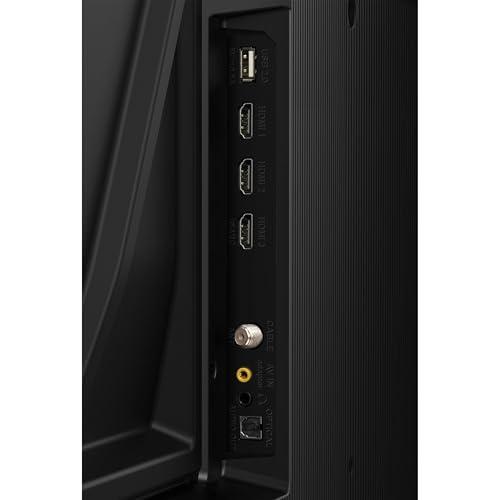
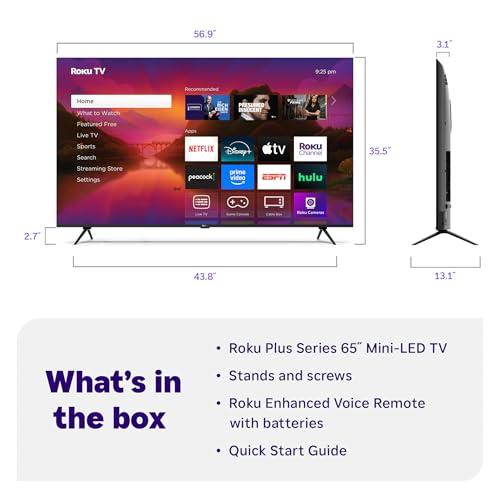
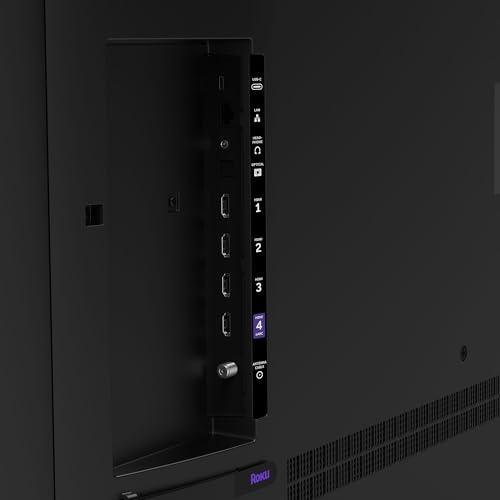
Both TVs include multiple HDMI inputs for connecting gaming consoles, Blu-ray players, and sound systems. The Roku Plus Series provides four HDMI ports compared to three on the Insignia, which might matter if you have multiple devices to connect.
For wall mounting, both TVs are reasonably lightweight and include standard mounting hardware. The Roku's frameless design looks more premium when mounted, while the Insignia has a more traditional bezel design that's still attractive but less modern-looking.
At the time of writing, there's a significant price gap between these models, with the Insignia QF Series positioned as the budget-friendly option and the Roku Plus Series commanding a premium for its Mini-LED technology.
The Insignia represents exceptional value for anyone wanting to experience QLED color quality without spending premium prices. It delivers the core benefits of quantum dot technology – vibrant colors, good brightness, solid HDR performance – at a price point that was unimaginable for QLED TVs just a few years ago.
The Roku Plus Series justifies its higher price through meaningful technological improvements. The Mini-LED backlighting, AI processing, and superior smart platform create a noticeably better viewing experience, especially for movie enthusiasts and anyone who watches content in darker environments.
Choose the Insignia QF Series if:
You're budget-conscious but still want quality QLED performance. This TV makes sense for casual viewers who primarily stream content and don't need cutting-edge picture technology. It's also excellent for families looking to upgrade from an older TV without spending premium prices.
The Insignia is particularly appealing if you're already using Amazon services extensively. Prime Video integration, Alexa compatibility, and Fire TV's content recommendations work seamlessly together.
Consider this model for secondary TVs, bedrooms, or situations where you want good performance without premium pricing. It's also a solid choice if you're planning to add a soundbar anyway, since audio quality differences become less important.
Choose the Roku Plus Series if:
Picture quality is your top priority and you're willing to pay more for Mini-LED technology. This TV excels in home theater setups or any viewing environment where you want the best possible contrast and color performance.
The Roku makes sense if you use multiple streaming services and prefer a platform that doesn't favor any particular content provider. Its multi-assistant support also appeals to users with diverse smart home ecosystems.
This model is ideal for movie enthusiasts, anyone upgrading from a much older TV who wants to experience modern picture technology, or buyers who prioritize long-term software support and regular updates.
Both TVs represent significant improvements over older LED technology, but they serve different audiences. The Insignia QF Series democratizes QLED technology, bringing quantum dot color performance to budget-conscious buyers who previously had to settle for basic LED TVs.
The Roku Plus Series pushes into premium territory with Mini-LED backlighting and AI processing, delivering picture quality that rivals much more expensive models from major brands.
Your decision ultimately depends on how much you value cutting-edge picture technology versus getting solid performance at an exceptional price. Either choice will provide a meaningful upgrade over older TVs, but the Roku offers a more future-proof experience for buyers who can justify the additional investment.
In my experience researching TV technology, the jump from standard LED to QLED is more noticeable than many incremental improvements, while the move to Mini-LED represents another significant leap forward. Both of these TVs deliver on their promises – it's simply a matter of choosing the approach that best fits your priorities and budget.
| Insignia 65" QF Series QLED 4K UHD Smart TV | Roku Plus Series 65" 4K QLED Mini-LED Smart TV 2025 |
|---|---|
| Display Technology - The foundation that determines contrast and picture quality | |
| QLED with Direct LED backlighting | QLED with Mini-LED backlighting |
| Peak Brightness - Critical for HDR performance and bright room viewing | |
| ~400-500 nits (good for most rooms) | Higher brightness with Mini-LED (excellent for bright spaces) |
| Local Dimming - Controls contrast between bright and dark areas of the screen | |
| Basic local dimming zones | Advanced Mini-LED local dimming with thousands of zones |
| Smart Platform - Your daily interface for apps and content discovery | |
| Amazon Fire TV OS with Alexa integration | Roku TV OS with multi-assistant support |
| Voice Control - Hands-free operation and smart home integration | |
| Alexa Voice Remote | Enhanced Voice Remote Pro with Roku Voice, Alexa, Google Assistant, Siri |
| AI Picture Processing - Automatic optimization of picture quality | |
| Standard picture processing | Roku Smart Picture Max with real-time AI optimization |
| HDR Support - Enhanced contrast and color for compatible content | |
| Dolby Vision, HDR10 | Dolby Vision, HDR10+ |
| Audio Technology - Built-in sound quality and spatial audio | |
| Dolby Atmos support | Dolby Atmos with Auto Speech Clarity and Night Mode |
| HDMI Ports - Connection options for gaming consoles and devices | |
| 3 HDMI ports (one with eARC) | 4 HDMI ports |
| Gaming Performance - Input lag and refresh rate for responsive gaming | |
| 60Hz, low input lag (~11ms) | 60Hz, moderate input lag |
| Design and Build - Aesthetics and premium feel | |
| Metal bezel-less design | Frameless design with cable management |
| Automatic Features - Convenience and ease of use | |
| Basic settings | Automatic brightness adjustment with ambient light sensor |
| Best Use Case - Who should choose this TV | |
| Budget-conscious buyers wanting QLED quality with Amazon ecosystem integration | Picture quality enthusiasts wanting Mini-LED performance with platform flexibility |
The Roku Plus Series 65" 4K QLED Mini-LED Smart TV 2025 delivers superior picture quality thanks to its Mini-LED backlighting technology. This allows for deeper blacks, brighter highlights, and better contrast compared to the Insignia 65" QF Series QLED 4K UHD Smart TV. While both TVs use QLED technology for vibrant colors, the Roku's Mini-LED system provides thousands of dimming zones versus the Insignia's standard LED backlighting, making it especially better for dark room movie watching.
The Insignia 65" QF Series QLED 4K UHD Smart TV runs Amazon's Fire TV OS, which integrates seamlessly with Alexa and Amazon services but favors Amazon content. The Roku Plus Series 65" 4K QLED Mini-LED Smart TV 2025 uses Roku OS, which treats all streaming services equally and supports multiple voice assistants (Alexa, Google Assistant, Siri, and Roku Voice). Roku typically offers more consistent software updates and a more neutral content discovery experience.
The Roku Plus Series 65" 4K QLED Mini-LED Smart TV 2025 performs better in bright rooms due to its superior peak brightness capabilities from Mini-LED technology. While the Insignia 65" QF Series QLED 4K UHD Smart TV offers decent brightness for most viewing situations, the Roku's higher brightness levels help combat glare and maintain picture quality in well-lit environments.
Both the Insignia 65" QF Series QLED 4K UHD Smart TV and Roku Plus Series 65" 4K QLED Mini-LED Smart TV 2025 offer decent gaming performance with low input lag, but neither is optimized for serious gaming. Both are limited to 60Hz refresh rates and lack advanced gaming features like Variable Refresh Rate (VRR) or 120Hz support that serious gamers prefer. The Insignia shows slightly lower input lag, making it marginally better for casual gaming.
The Insignia 65" QF Series QLED 4K UHD Smart TV provides exceptional value by bringing QLED technology to a budget-friendly price point. However, the Roku Plus Series 65" 4K QLED Mini-LED Smart TV 2025 justifies its higher cost through meaningful upgrades like Mini-LED backlighting, AI picture processing, and a superior smart platform. Your choice depends on whether you prioritize maximum value (Insignia) or premium features (Roku).
Both TVs support Dolby Atmos for spatial audio, but the Roku Plus Series 65" 4K QLED Mini-LED Smart TV 2025 offers additional audio features like Auto Speech Clarity, Night Mode, and expandability up to 4.1 surround sound. The Insignia 65" QF Series QLED 4K UHD Smart TV provides competent audio quality for its price range. However, both TVs will benefit significantly from adding a soundbar for serious home theater use.
The Roku Plus Series 65" 4K QLED Mini-LED Smart TV 2025 is superior for home theater setups due to its Mini-LED technology delivering true blacks and superior contrast in dark rooms. The advanced local dimming creates more dramatic lighting effects that enhance the cinematic experience. While the Insignia 65" QF Series QLED 4K UHD Smart TV is perfectly watchable, it cannot match the Roku's contrast performance in dark viewing environments.
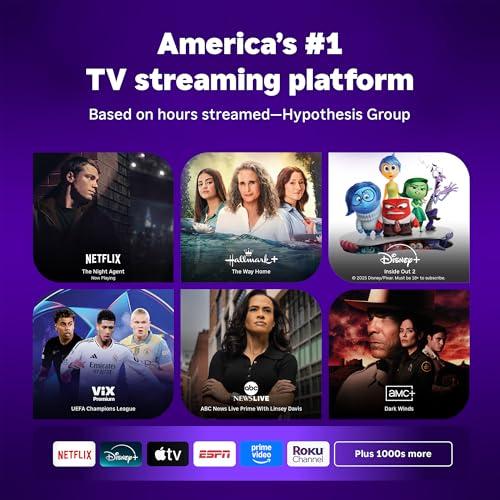
Yes, both the Insignia 65" QF Series QLED 4K UHD Smart TV and Roku Plus Series 65" 4K QLED Mini-LED Smart TV 2025 support all major streaming services including Netflix, Disney+, Prime Video, Apple TV+, and YouTube. The difference is in presentation: Fire TV on the Insignia emphasizes Amazon content, while Roku OS treats all services equally on the home screen.
The Roku Plus Series 65" 4K QLED Mini-LED Smart TV 2025 delivers superior HDR performance thanks to its higher peak brightness and better local dimming control. Both TVs support Dolby Vision and HDR10, but the Roku's Mini-LED backlighting allows for more dramatic contrast between bright and dark elements in HDR content. The Insignia 65" QF Series QLED 4K UHD Smart TV offers solid HDR performance but cannot match the Roku's peak brightness levels.
The Roku Plus Series 65" 4K QLED Mini-LED Smart TV 2025 provides four HDMI ports for connecting multiple devices, while the Insignia 65" QF Series QLED 4K UHD Smart TV offers three HDMI ports (one with eARC). Both TVs include additional connectivity options like Bluetooth, Wi-Fi, and USB ports. The extra HDMI port on the Roku may be important if you have multiple gaming consoles, streaming devices, or sound systems to connect.
The Roku Plus Series 65" 4K QLED Mini-LED Smart TV 2025 likely has an advantage in long-term software support, as Roku has historically provided consistent updates for older TV models. While the Insignia 65" QF Series QLED 4K UHD Smart TV receives regular Fire TV updates from Amazon, Roku's track record for extended software support is generally stronger, potentially making it a more future-proof choice.
Choose the Insignia 65" QF Series QLED 4K UHD Smart TV if you're budget-conscious and want to experience QLED color quality without premium pricing, especially if you use Amazon services heavily. Select the Roku Plus Series 65" 4K QLED Mini-LED Smart TV 2025 if picture quality is your priority and you're willing to invest more for Mini-LED technology, AI processing, and platform flexibility. Both represent significant upgrades from older LED TVs, but the Roku offers more premium features.
We've done our best to create useful and informative comparisons to help you decide what product to buy. Our research uses advanced automated methods to create this comparison and perfection is not possible - please contact us for corrections or questions. These are the sites we've researched in the creation of this article: bestbuy.com - bestbuy.com - bestbuy.com - youtube.com - rtings.com - youtube.com - youtube.com - manuals.plus - youtube.com - bestbuy.com - leaseville.com - financemycart.com - financemycart.com - bestbuy.com - klarna.com - bestbuy.com - slickdeals.net - bestbuy.com - tomsguide.com - rtings.com - youtube.com - rtings.com - youtube.com - roku.com - walmart.com - youtube.com - bestbuy.com - roku.com - tvsbook.com

Privacy Policy
Terms and Conditions - Affiliate Policy
Home Security
© Copyright 2008-2026.
11816 Inwood Rd #1211, Dallas, TX 75244