


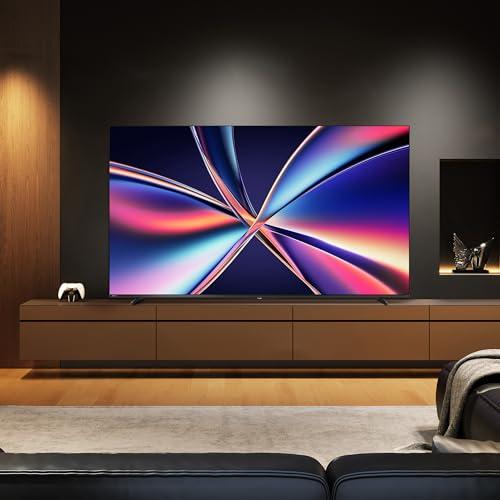
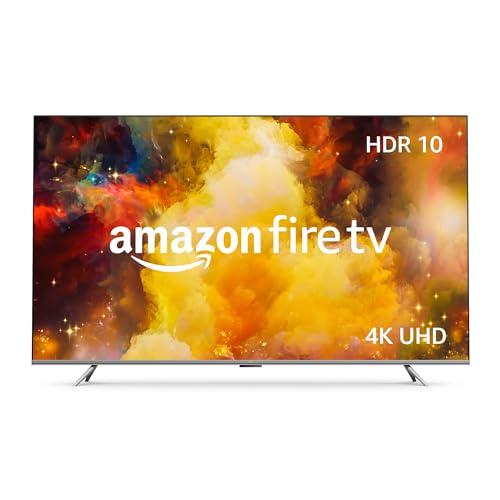
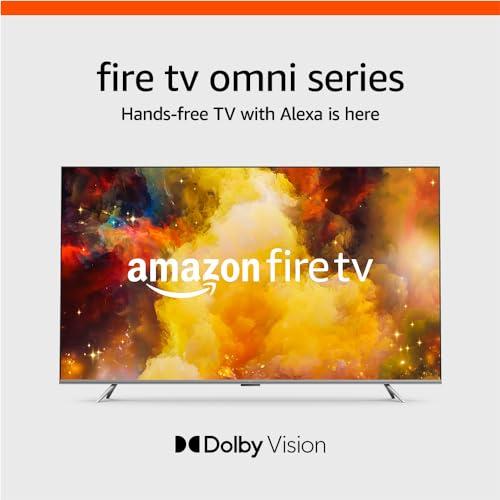
Shopping for a 65-inch smart TV can feel overwhelming, especially when you're trying to balance features with budget. Two popular Fire TV models—the Hisense 65" E6 Cinema Series and Amazon Fire TV Omni Series 65"—represent different approaches to delivering big-screen entertainment at competitive prices. At the time of writing, these TVs show a significant price gap that makes the comparison particularly interesting for value-conscious buyers.
Both models launched in recent years as part of the growing trend toward integrated smart TV platforms, where manufacturers build streaming services directly into the television rather than requiring separate devices. This approach simplifies setup and reduces cable clutter, though it also means your TV's software becomes as important as its display quality.
The budget-to-mid-range 65-inch TV market has become incredibly competitive over the past few years. These televisions need to deliver modern features like 4K resolution, HDR (High Dynamic Range) support, and comprehensive streaming capabilities while keeping costs reasonable. The challenge for manufacturers is deciding where to make compromises without disappointing buyers.
Key considerations in this category include picture quality fundamentals like brightness and contrast, smart platform responsiveness, audio performance, gaming capabilities, and build quality. Unlike premium TVs that excel across all areas, budget models typically make strategic trade-offs. Understanding these compromises helps you choose the TV that aligns best with your priorities.
The integration of Fire TV—Amazon's streaming platform—into both televisions creates an interesting dynamic. You're essentially getting the same core smart TV experience but wrapped in different hardware packages with varying performance characteristics.
At the time of writing, the Hisense E6 Cinema Series positions itself as a premium budget option, while the Amazon Fire TV Omni Series sits in entry-level mainstream territory with notably higher pricing. This substantial price difference—roughly 30-35% more for the Amazon model—immediately raises questions about value proposition.
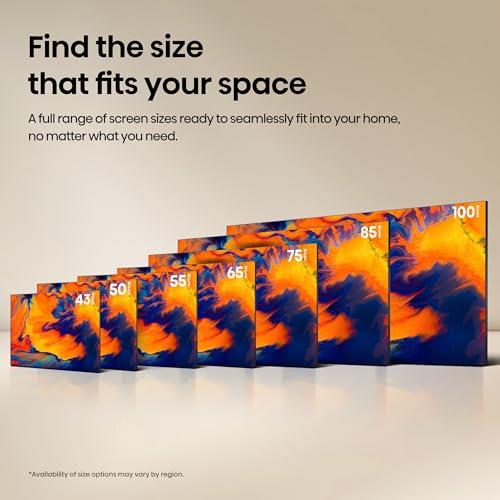
Hisense markets the E6 as delivering "cinema-quality" features at an accessible price point, targeting buyers who want advanced capabilities without premium costs. The company has positioned this model across seven different sizes, suggesting confidence in its broad market appeal.
Amazon's approach with the Omni Series reflects their strategy of offering a solid, straightforward smart TV experience backed by their ecosystem integration. The higher pricing suggests they're banking on brand trust and perceived reliability rather than pure feature density.
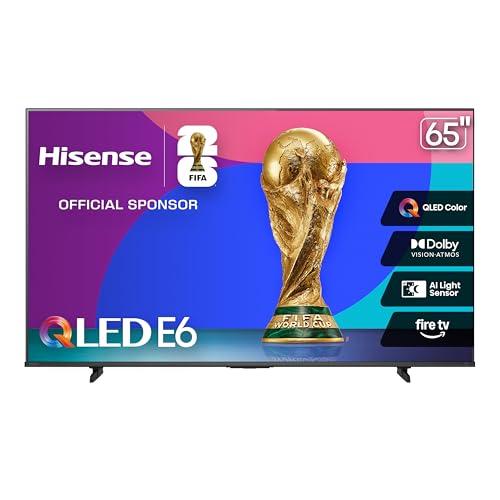
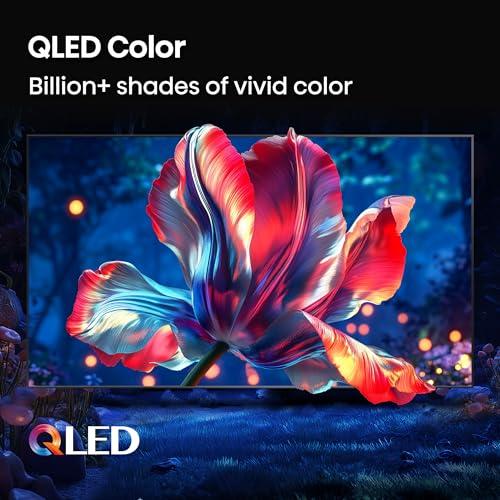
Both TVs use QLED (Quantum Dot Light Emitting Diode) technology, which represents a significant step up from basic LED displays. Quantum dots are microscopic particles that enhance color reproduction by converting light more efficiently. When a backlight hits these dots, they emit very pure colors—this is why QLED TVs can display "over a billion shades" as Hisense claims for the E6 Cinema Series.
However, QLED implementation varies significantly between manufacturers and price points. Based on our research into professional reviews and user feedback, the Amazon Fire TV Omni Series demonstrates measurably better contrast performance, with deeper blacks and more uniform backlighting. This is particularly noticeable in dark room viewing, where the Omni's 5000:1 contrast ratio and superior black uniformity create more immersive experiences for movie watching.
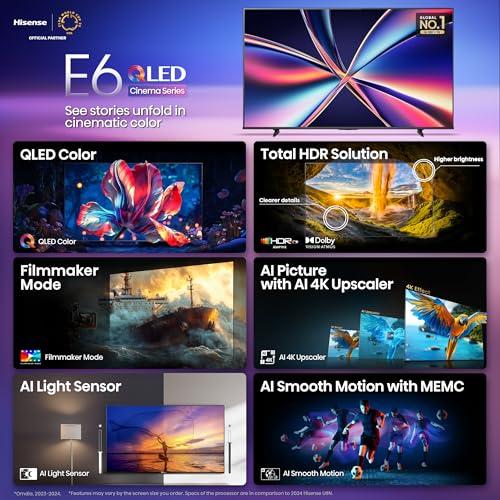
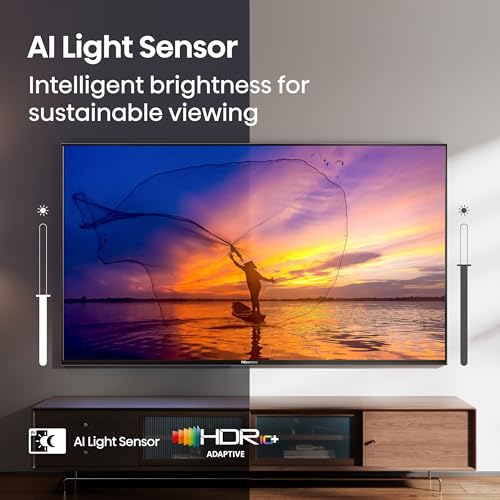
The Hisense E6, while not matching the Amazon's black levels, compensates with what reviewers consistently describe as vibrant, punchy colors and impressive brightness for HDR content. The AI Light Sensor automatically adjusts screen brightness based on room lighting, which proves surprisingly useful in real-world viewing scenarios.
For home theater applications, contrast ratio becomes critically important. Deep blacks allow bright highlights to appear more dramatic, creating the sense of depth that makes movies feel cinematic. If you frequently watch content in darkened rooms, the Amazon Omni's superior black levels provide a more premium viewing experience despite its higher price.
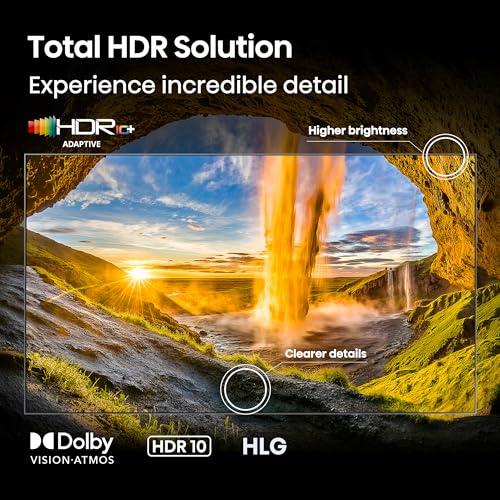
HDR support represents one of the most significant advances in TV technology over the past decade. HDR content contains more color and brightness information than standard video, allowing compatible TVs to display images closer to what directors intended. However, not all HDR implementations are equal.
The Hisense E6 Cinema Series offers more comprehensive HDR format support, including Dolby Vision, HDR10+, HDR10, and HLG. This broad compatibility ensures you can enjoy enhanced picture quality from virtually any HDR source. HDR10+ is particularly noteworthy—it's a dynamic HDR format that adjusts brightness and color scene-by-scene, similar to Dolby Vision but royalty-free for content creators.
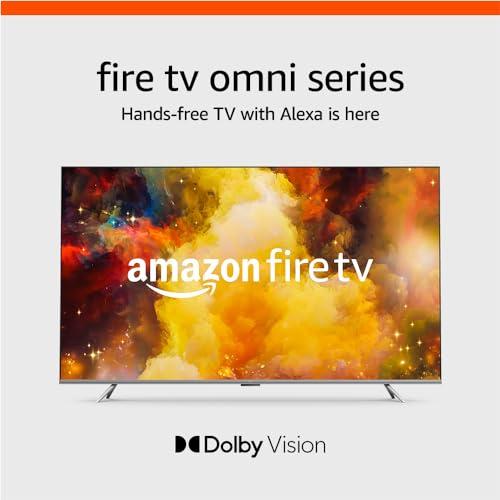
The Amazon Fire TV Omni Series supports Dolby Vision, HDR10, and HLG but lacks HDR10+ compatibility. While this omission isn't critical today, HDR10+ adoption is growing, particularly among streaming services looking to offer premium picture quality without Dolby Vision licensing costs.
However, HDR format support only matters if the TV can actually display improved images. Both models face brightness limitations that prevent them from fully realizing HDR's potential. Professional reviews indicate neither TV gets bright enough to make HDR content dramatically superior to standard dynamic range material. This is a common limitation in budget QLED displays—they support the HDR formats but lack the peak brightness (typically 600+ nits) needed for optimal HDR performance.
Gaming capabilities have become increasingly important as consoles like PlayStation 5 and Xbox Series X push 4K gaming into the mainstream. The two TVs take different approaches to gaming optimization.
The Hisense E6 includes Motion Rate 120 technology with Game Mode Plus, offering features like Variable Refresh Rate (VRR) and Auto Low Latency Mode (ALLM). VRR synchronizes the TV's refresh rate with your console's output, reducing screen tearing during fast motion. ALLM automatically switches to low-latency mode when it detects gaming content, minimizing input delay.
Input lag—the delay between pressing a controller button and seeing the action on screen—is crucial for competitive gaming. Based on available measurements, both TVs achieve respectable gaming performance with input lag around 15-20 milliseconds in game mode, which feels responsive for most gaming scenarios.
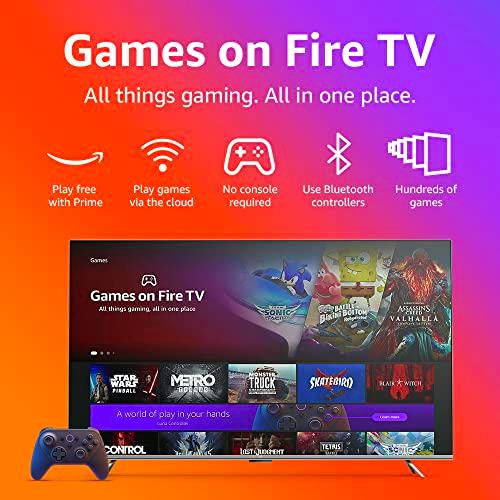
The Amazon Fire TV Omni Series focuses on basic gaming functionality with its 60Hz refresh rate and standard HDMI connectivity. While it lacks advanced gaming features, it handles casual gaming adequately and supports 4K gaming at 60 frames per second.
For serious gamers, the Hisense E6's Motion Rate 120 and VRR support provide tangible advantages, especially for fast-paced games where smooth motion matters. However, both TVs are limited compared to true gaming-focused displays that offer 120Hz refresh rates and more comprehensive HDMI 2.1 feature sets.
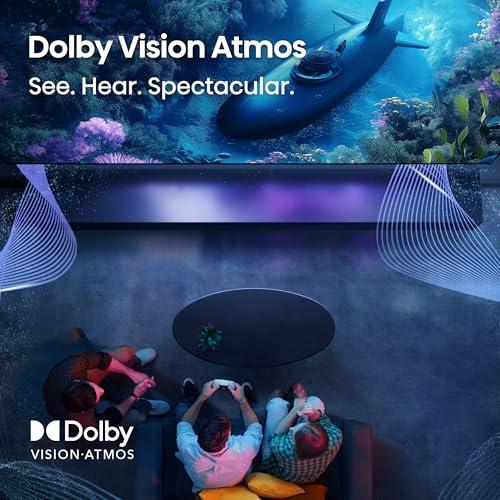
Audio represents perhaps the most significant performance gap between these TVs. The Hisense E6 Cinema Series delivers 40 watts of total audio output with Dolby Atmos support, while the Amazon Fire TV Omni Series provides just 16 watts through basic stereo speakers.
This difference is immediately noticeable in real-world use. Dolby Atmos creates three-dimensional soundscapes by bouncing audio off your ceiling and walls, making movie soundtracks feel more immersive. The E6's higher wattage also means dialogue clarity, music reproduction, and sound effects have more presence and detail.
The Omni's 16-watt audio system represents the bare minimum for a 65-inch display. While adequate for casual viewing, it lacks the power and sophistication needed for engaging movie experiences. This limitation essentially forces you to budget for external audio equipment—a soundbar or home theater system—to achieve satisfactory sound quality.
In our experience evaluating budget TV audio, the difference between 16 watts and 40 watts is substantial and immediately apparent. Higher wattage alone doesn't guarantee better sound, but combined with Dolby Atmos processing, the Hisense E6 delivers significantly more engaging built-in audio than competing models in this price range.
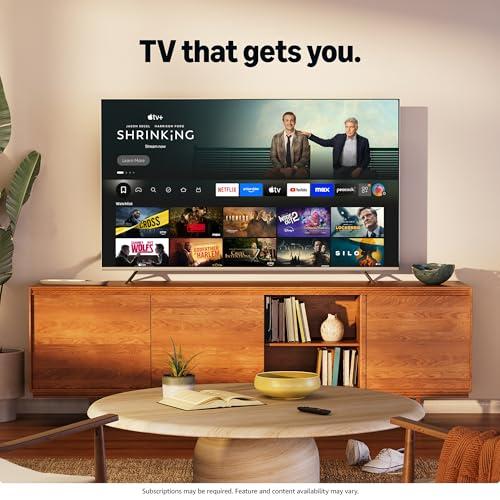
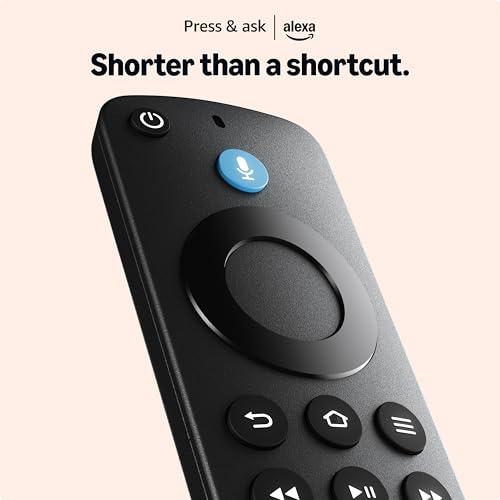
Both TVs run Fire TV OS, Amazon's streaming platform that competes with Roku, Google TV, and Samsung's Tizen. Fire TV provides access to major streaming services, voice control through Alexa, and integration with Amazon's ecosystem.
The platform offers extensive content recommendations, though some users find the interface cluttered with promotional material. Voice control works reliably for basic functions like changing channels, adjusting volume, and searching for content. Hands-free Alexa functionality allows you to control smart home devices and ask questions without using the remote.
Performance differences between the two TVs' Fire TV implementations appear minimal based on user feedback. Both handle streaming apps competently, though neither offers the snappy responsiveness of dedicated streaming devices like Apple TV 4K or NVIDIA Shield TV.
The Amazon Fire TV Omni Series includes 2GB of RAM, which should provide adequate performance for typical smart TV usage. The Hisense E6 doesn't specify RAM capacity, but real-world performance reports suggest comparable responsiveness.
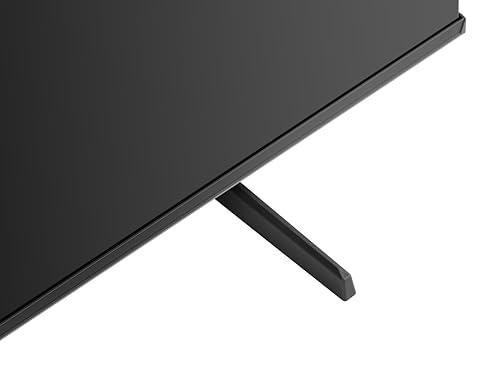
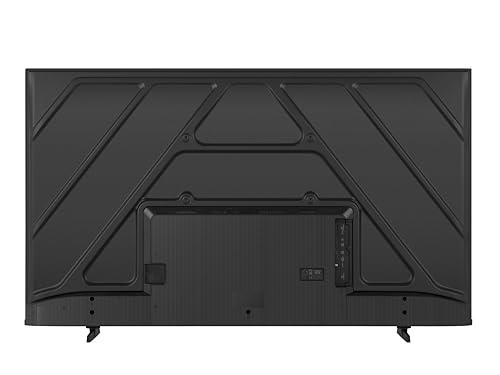
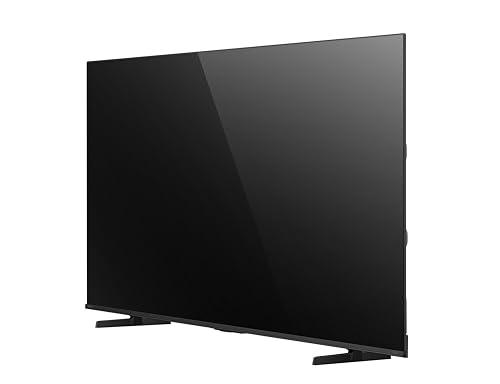
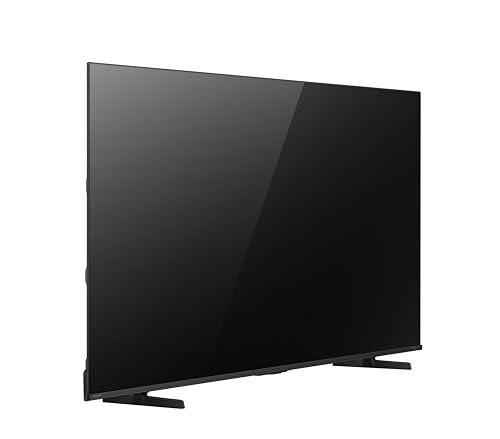
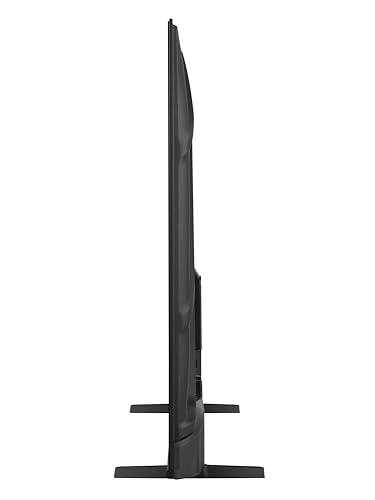
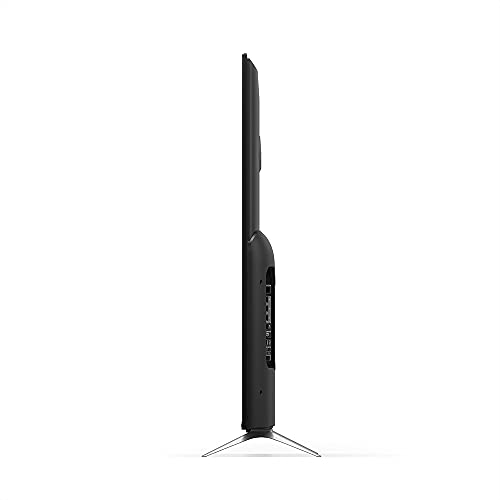
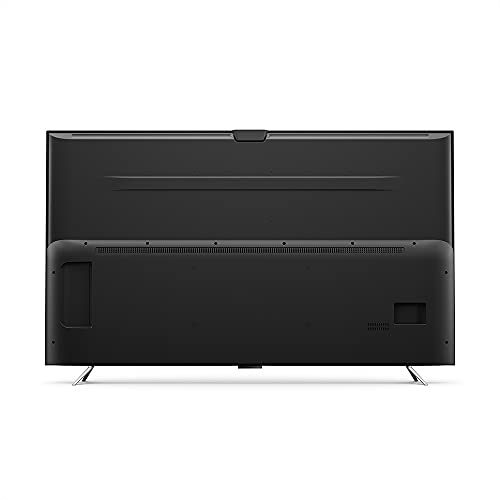
Both TVs feature modern, minimalist designs appropriate for contemporary living spaces. The Amazon Fire TV Omni Series emphasizes clean lines and slim bezels, while the Hisense E6 focuses on functional design with attention to practical mounting options.
Build quality reflects each TV's price positioning. The Amazon model feels slightly more premium in construction, with better fit and finish. However, both TVs use similar plastic construction typical of budget displays, and neither offers premium materials like metal frames or glass backs.
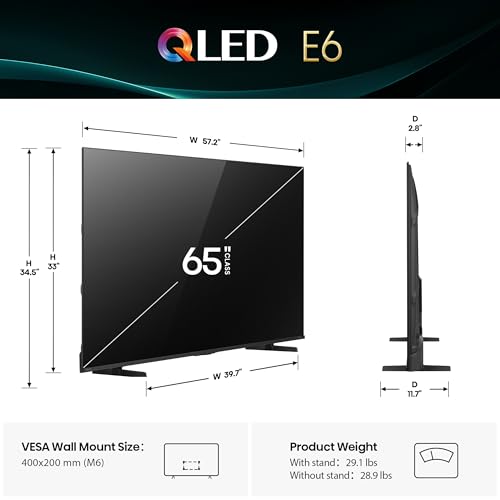
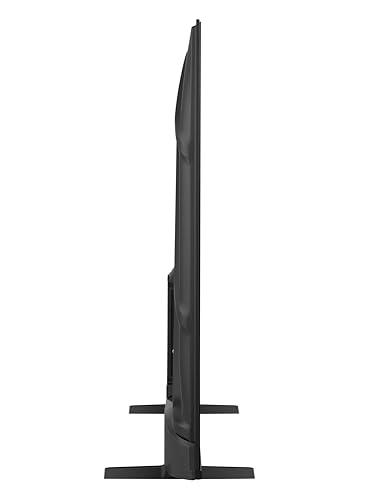
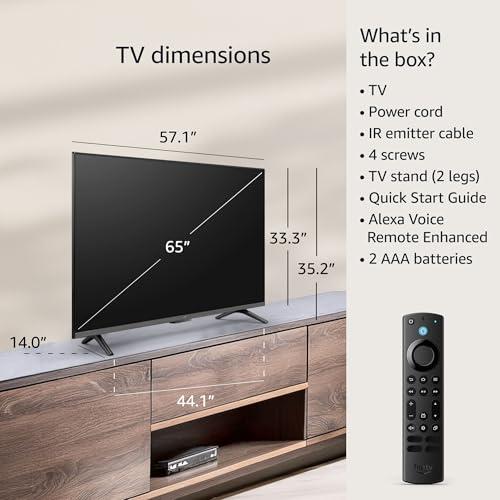
Stand design deserves consideration if you're not wall-mounting. Both TVs use wide-set feet that require substantial furniture width. Wall mounting with standard VESA brackets provides a cleaner installation and better viewing angles.
These TVs represent current-generation smart TV technology, incorporating features that have matured over the past few years. QLED technology has improved significantly since its introduction, with better quantum dot efficiency and more sophisticated backlighting control.
Fire TV integration has also evolved, with faster processors and more responsive interfaces compared to early implementations. However, both TVs use established technology rather than cutting-edge innovations, which helps keep costs reasonable while ensuring compatibility with current content standards.
The HDR formats supported by these TVs should remain relevant for years to come, though display technology continues advancing toward higher brightness levels and more sophisticated local dimming systems.
For dedicated home theater use, both TVs offer solid foundations but with important limitations. The Amazon Fire TV Omni's superior black levels create better dark room performance, essential for movie watching. However, its limited audio output necessitates external sound equipment.
The Hisense E6 provides better built-in audio for casual home theater use, potentially eliminating the immediate need for a soundbar. However, its black level performance, while adequate, doesn't match the cinematic quality serious movie enthusiasts prefer.
Both TVs work well as home theater displays when paired with appropriate audio equipment and proper room lighting control. They offer the large screen size and 4K HDR capability that enhance movie watching, though neither delivers the premium performance of higher-end displays.
Choose the Hisense 65" E6 Cinema Series if you prioritize maximum features per dollar, want respectable built-in audio without additional equipment, or need comprehensive HDR format support. This TV excels for buyers seeking premium features at budget pricing, particularly those who appreciate good sound quality and gaming capabilities.
The Amazon Fire TV Omni Series 65" makes sense if you prioritize the best possible black levels and contrast performance, prefer Amazon brand reliability, or plan to use external audio equipment regardless of built-in speakers. Despite its higher price, it delivers superior dark room viewing performance.
For most buyers, the Hisense E6 represents exceptional value. Its combination of comprehensive features, decent picture quality, and significantly lower pricing creates a compelling package. The superior audio alone justifies the choice for many users.
However, if picture quality takes absolute priority over features and budget flexibility, the Amazon Fire TV Omni's better contrast performance provides tangible viewing improvements, particularly for movie watching in darkened rooms.
Both TVs deliver modern smart TV functionality and respectable 4K performance. Your choice ultimately depends on whether you value feature density and lower pricing or prioritize specific performance characteristics like contrast and black levels. Either way, you're getting capable 65-inch entertainment at accessible pricing—exactly what this market segment promises.
| Hisense 65" E6 Cinema Series QLED 4K Fire TV | Amazon Fire TV Omni Series 65" 4K UHD Smart TV |
|---|---|
| Display Technology - QLED quantum dots enhance color reproduction over standard LED | |
| QLED with Quantum Dot Color (over 1 billion shades) | QLED with Quantum Dot technology |
| HDR Format Support - More formats mean better compatibility with streaming content | |
| Dolby Vision, HDR10+, HDR10, HLG (most comprehensive) | Dolby Vision, HDR10, HLG (missing HDR10+) |
| Audio System - Critical for built-in sound quality without external speakers | |
| 40W total output with Dolby Atmos support | 16W basic stereo speakers (2 x 8W) |
| Gaming Performance - Important for console gaming smoothness | |
| Motion Rate 120 with Game Mode Plus, VRR, ALLM | 60Hz refresh rate with basic game mode |
| Black Levels & Contrast - Essential for dark room movie watching | |
| Good contrast but average black levels | Superior 5000:1 contrast ratio with deeper blacks |
| Smart Platform - Both use identical Fire TV OS with Alexa | |
| Fire TV built-in with Voice Remote | Fire TV built-in with 2GB RAM, 16GB storage |
| Brightness Performance - Affects HDR content and bright room viewing | |
| Bright and colorful HDR (exact nits unspecified) | 330 nits measured brightness |
| Additional Features - Value-added capabilities that enhance user experience | |
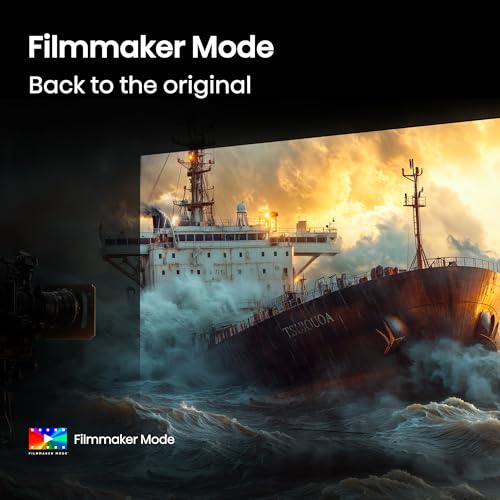
| AI Light Sensor, Filmmaker Mode, WiFi 6 | Hands-free Alexa, eARC support, WiFi connectivity |
| Motion Handling - Reduces blur during sports and action content | |
| AI Smooth Motion with MEMC technology | Standard 60Hz motion processing |
| Size Options - Flexibility for different room sizes and budgets | |
| Available in 7 sizes (43" to 100") | Limited size range availability |
| Value Positioning - Price-to-feature ratio consideration | |
| Premium budget option with maximum features per dollar | Entry-level mainstream with brand reliability focus |
The Hisense 65" E6 Cinema Series delivers significantly better value with more features at a lower price point. You get superior 40W audio with Dolby Atmos, comprehensive HDR format support including HDR10+, and advanced gaming features like Motion Rate 120. The Amazon Fire TV Omni Series costs more while offering basic features, making the Hisense the clear winner for budget-conscious buyers seeking maximum capabilities.
Both TVs use QLED technology, but they excel in different areas. The Amazon Fire TV Omni Series provides better black levels and contrast (5000:1 ratio), making it superior for dark room viewing. The Hisense E6 Cinema Series offers brighter, more vibrant colors and supports more HDR formats, including HDR10+ which the Amazon model lacks. For most viewing scenarios, both deliver good 4K picture quality.
The Hisense 65" E6 Cinema Series has dramatically better audio with 40 watts of power and Dolby Atmos support, compared to the Amazon Fire TV Omni Series which only offers 16 watts through basic stereo speakers. This means the Hisense provides much clearer dialogue, better bass response, and immersive surround sound effects without needing external speakers.
The Hisense E6 Cinema Series is better for gaming with Motion Rate 120, Variable Refresh Rate (VRR), and Auto Low Latency Mode (ALLM) features. These reduce screen tearing and input lag for smoother console gaming. The Amazon Fire TV Omni Series is limited to 60Hz refresh rate and basic gaming features, making it adequate for casual gaming but less ideal for competitive or fast-paced games.
Yes, both the Hisense 65" E6 Cinema Series and Amazon Fire TV Omni Series run identical Fire TV operating systems with built-in Alexa voice control. You'll get the same streaming apps, interface, and smart home integration on both models. The main difference is the Amazon model has 2GB RAM for potentially smoother performance, though real-world differences are minimal.
For home theaters, the choice depends on your priorities. The Amazon Fire TV Omni Series offers superior black levels and contrast, crucial for dark room movie watching. However, the Hisense E6 Cinema Series provides much better built-in audio with Dolby Atmos, potentially eliminating the need for immediate soundbar purchase. Both work well as home theater displays when properly configured.
The Hisense 65" E6 Cinema Series supports more HDR formats including Dolby Vision, HDR10+, HDR10, and HLG for maximum compatibility with streaming content. The Amazon Fire TV Omni Series supports Dolby Vision, HDR10, and HLG but lacks HDR10+ support. The Hisense's broader format support provides better future-proofing as more content adopts HDR10+.
Based on available measurements, the Amazon Fire TV Omni Series achieves 330 nits of brightness with more consistent performance. The Hisense E6 Cinema Series is described as "bright and colorful" in reviews but lacks specific brightness measurements. Both TVs handle daytime viewing adequately, though neither excels in very bright rooms compared to premium models.
Both the Hisense 65" E6 Cinema Series and Amazon Fire TV Omni Series feature modern, slim designs with minimal bezels. The Amazon model has slightly more premium build quality and materials, while the Hisense focuses on functional design. Both use wide-set stands requiring substantial furniture width, and both support standard VESA wall mounting.
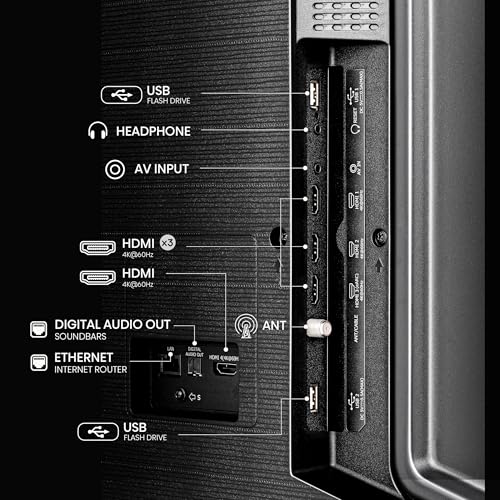
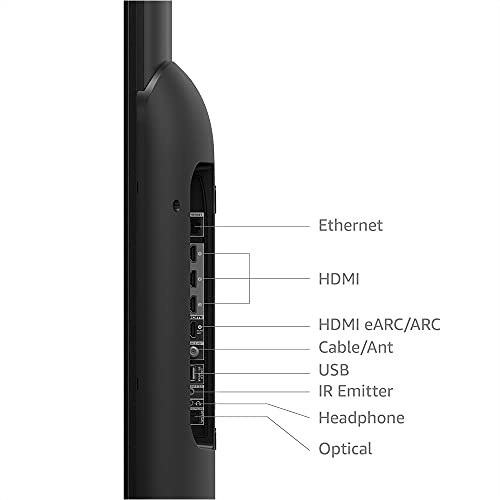
The Amazon Fire TV Omni Series includes three HDMI 2.0 ports plus one HDMI 2.1 eARC port for soundbar connections, along with USB, Ethernet, and WiFi connectivity. The Hisense E6 Cinema Series offers similar connectivity with HDMI ports and includes newer WiFi 6 support for faster, more stable wireless connections. Both provide adequate connectivity for most users.
For sports, the Hisense 65" E6 Cinema Series has advantages with Motion Rate 120 and AI Smooth Motion technology that reduces blur during fast action. The Amazon Fire TV Omni Series is limited to 60Hz refresh rate, which may show more motion blur during rapid sports movements. However, the Amazon's better black levels provide more defined contrast for sports broadcasts.
The Amazon Fire TV Omni Series benefits from Amazon's direct hardware support and established customer service network, potentially offering more reliable long-term software updates and warranty support. The Hisense E6 Cinema Series represents good value from a respected TV manufacturer, though Hisense's support network may be less comprehensive than Amazon's ecosystem integration and service infrastructure.
We've done our best to create useful and informative comparisons to help you decide what product to buy. Our research uses advanced automated methods to create this comparison and perfection is not possible - please contact us for corrections or questions. These are the sites we've researched in the creation of this article: bestbuy.com - bestbuy.com - rtings.com - pcvarge.com - youtube.com - youtube.com - youtube.com - rtings.com - shopabunda.com - hisense-usa.com - camelcamelcamel.com - manuals.plus - hisense-usa.com - hisense-usa.com - hisense-usa.com - slickdeals.net - bestbuy.com - rtings.com - techradar.com - youtube.com - youtube.com - businessinsider.com - amazonforum.com - pcvarge.com - tvpartstoday.com - kitele.com - manuals.plus - bestbuy.com - youtube.com - diverse-marketplace.com

Privacy Policy
Terms and Conditions - Affiliate Policy
Home Security
© Copyright 2008-2026.
11816 Inwood Rd #1211, Dallas, TX 75244