


Shopping for a 65-inch 4K TV can feel overwhelming with dozens of models promising the best picture quality and smart features. Two popular options that consistently appear in buyer searches are the TCL 65" Q68 QLED and the Amazon Fire TV Omni Series 65". While both deliver large-screen 4K experiences, they take fundamentally different approaches to what makes a great TV.
The 65-inch size has become the new standard for living rooms, offering that cinematic feel without completely dominating smaller spaces. At this size, the differences between display technologies become much more noticeable than they would on a 43" or even 55" screen. You'll actually see the benefits of features like quantum dots (tiny particles that enhance color reproduction) and local dimming (technology that selectively brightens and darkens different areas of the screen).
When evaluating TVs in this category, picture quality should be your primary concern, followed closely by smart features and gaming capabilities. The reality is that most modern 4K TVs handle streaming apps reasonably well, but display technology separates good TVs from great ones. Features like HDR (High Dynamic Range, which expands the range of colors and brightness levels) and local dimming can transform your viewing experience, especially with premium content from Netflix, Disney+, or 4K Blu-rays.
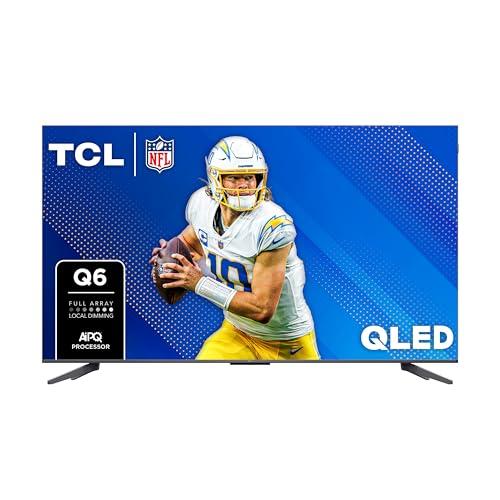
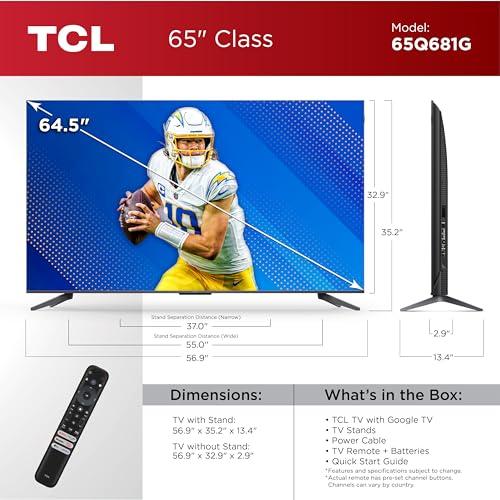
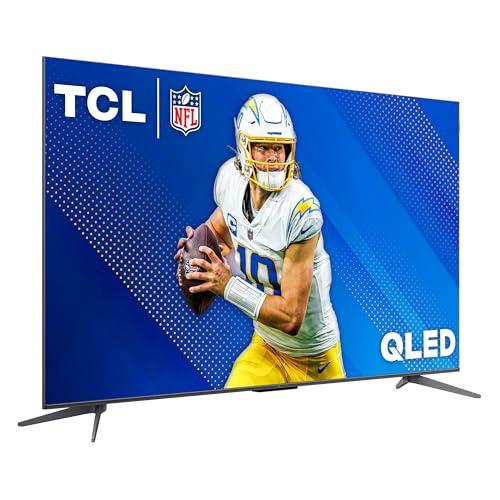
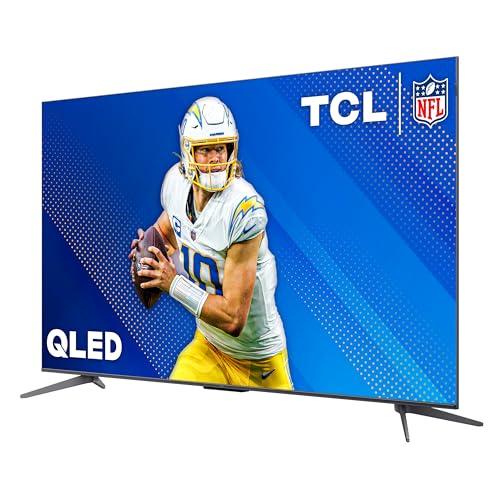
The TCL Q68 QLED, released in 2024, represents the "display-first" philosophy. TCL has positioned this model as a premium value offering, packing advanced picture technologies typically found in much more expensive TVs. The quantum dot layer behind the screen produces more accurate colors, while full array local dimming creates deeper blacks and brighter highlights.
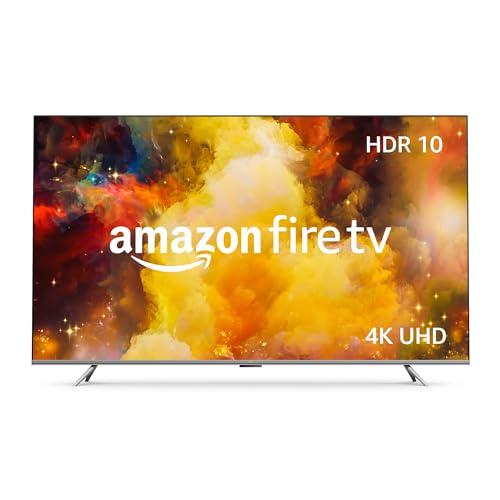
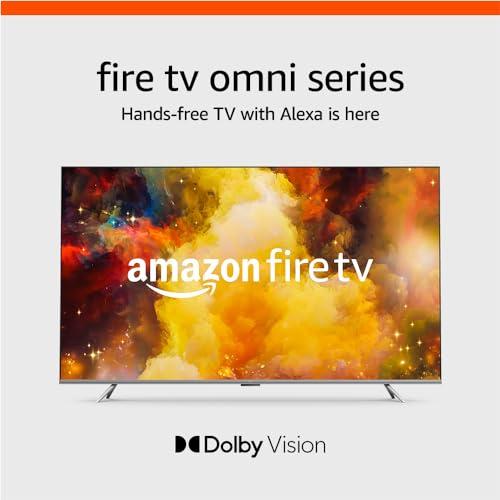
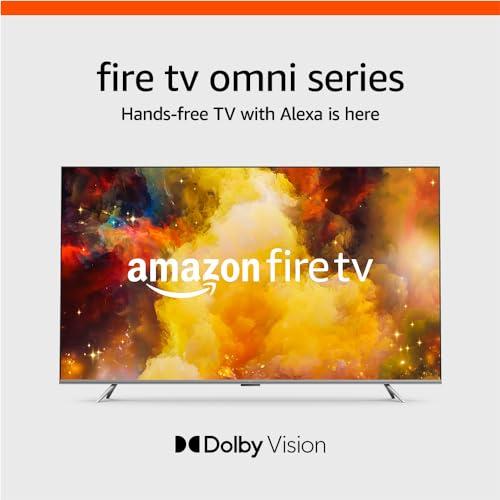
The Amazon Fire TV Omni Series, also a 2024 release, takes the "smart-first" approach. Amazon prioritized ecosystem integration and convenience features over cutting-edge display technology. The standout feature here is hands-free voice control—you can turn the TV on, search for content, and control smart home devices without touching a remote.
This is where the two TVs diverge most dramatically. The TCL Q68 uses QLED Pro technology with quantum dots, which are microscopic particles that convert light into pure colors. When combined with the TV's full array local dimming system featuring over 150 zones, you get significantly better contrast control than basic LED TVs.
Local dimming works by selectively dimming or brightening different areas of the backlight based on what's happening in the scene. If you're watching a movie with a night scene, the TV can make the dark areas truly dark while keeping bright elements like car headlights or the moon properly bright. The TCL Q68 excels here with its 150+ dimming zones creating nuanced lighting that makes content feel more three-dimensional.
The Amazon Fire TV Omni uses a more traditional LED approach without local dimming zones. While it technically supports quantum dots (hence the QLED designation on some models), the implementation is more basic. This means you'll see decent colors and contrast, but dark scenes will appear more grayish, and bright highlights won't pop as dramatically.
Peak brightness tells another important story. The TCL Q68 can reach 600 nits, which is respectable for its price range and sufficient for good HDR performance in most viewing environments. The Amazon Fire TV Omni maxes out around 330 nits, which severely limits its HDR capabilities. In practical terms, HDR movies on the Amazon model won't look dramatically different from standard content, while the TCL can deliver that "wow factor" you expect from premium HDR content.
HDR support varies significantly between these models. The TCL Q68 supports virtually every HDR format you'll encounter: Dolby Vision, HDR10+, HDR10, and HLG. More importantly, it has the brightness and contrast capabilities to actually make these formats shine. Dolby Vision content from Netflix or Apple TV+ will display with the expanded color range and brightness levels that filmmakers intended.
The Amazon Fire TV Omni technically supports major HDR formats including Dolby Vision on the 65" model, but lacks the brightness and local dimming to deliver a truly impactful HDR experience. You'll see some improvement over standard content, but it won't be the dramatic upgrade that justifies seeking out HDR movies and shows.
For home theater enthusiasts, this difference matters enormously. If you're investing in a 65" TV partly for premium movie nights, the TCL Q68 will deliver a significantly more cinematic experience with properly mastered content.
Gaming capabilities represent another major divide. The TCL Q68 includes Game Accelerator 120 technology, supporting up to 120Hz variable refresh rate (VRR). This means if you own a PlayStation 5 or Xbox Series X, you can take advantage of higher frame rate gaming modes for smoother, more responsive gameplay. VRR eliminates screen tearing by synchronizing the TV's refresh rate with your console's frame output.
Auto Game Mode (ALLM) automatically switches the TV to its lowest latency settings when it detects a gaming console, ensuring minimal input lag. Combined with Motion Rate 240 processing (which uses various technologies to reduce motion blur), the TCL Q68 delivers a genuinely premium gaming experience that rivals much more expensive TVs.
The Amazon Fire TV Omni offers basic gaming functionality with decent input lag around 15 milliseconds, which is acceptable for casual gaming. However, it's limited to 4K at 60Hz, meaning you won't access the higher frame rate modes available on modern consoles. For serious gamers, this is a significant limitation that will become more apparent as more games support 120Hz modes.
The smart TV experience showcases each brand's philosophy clearly. The Amazon Fire TV Omni runs Fire TV OS, which integrates seamlessly with Amazon's ecosystem. If you're a Prime member with Alexa devices throughout your home, the experience feels cohesive and convenient. The hands-free voice control using built-in microphones means you can say "Alexa, turn on the TV" from across the room, or "Alexa, show me action movies" without picking up a remote.
This ecosystem integration extends to smart home control—you can view doorbell cameras, adjust smart lights, or check security cameras directly on the TV. For Amazon users, this level of integration provides genuine convenience that goes beyond typical smart TV functionality.
The TCL Q68 runs Google TV, which offers broader flexibility and customization options. The interface aggregates content from multiple streaming services, making it easier to discover new shows regardless of platform. Google TV typically receives more frequent updates and supports a wider variety of apps compared to Fire TV OS.
From a long-term perspective, Google TV's more open approach may provide better longevity. Amazon's platform, while polished, can feel limiting if you prefer streaming services outside Amazon's ecosystem or want more control over your viewing experience.
Audio represents an interesting contrast between the two models. The TCL Q68 focuses on enhancing its built-in speakers with Dolby Atmos processing and an Enhanced Dialogue Mode that makes conversations clearer during movies and shows. With 30 watts of total power, it provides more robust sound than the Amazon model.
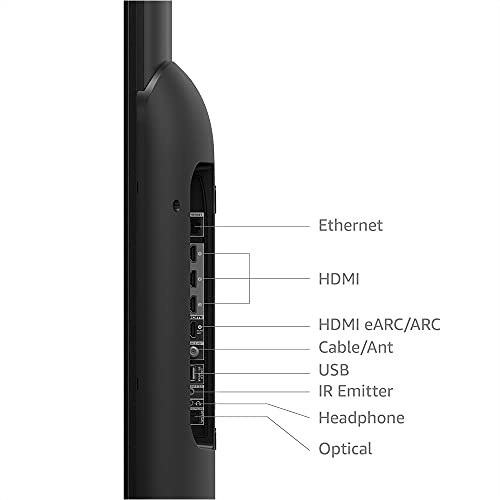
The Amazon Fire TV Omni takes a different approach with eARC (enhanced Audio Return Channel) support, allowing it to pass high-quality audio formats like Dolby Atmos through to external soundbars or home theater systems. However, it notably cannot pass through DTS audio formats commonly found on Blu-ray discs, which could be limiting for serious home theater setups.
Both TVs benefit significantly from external audio solutions, but the TCL Q68 provides a better out-of-the-box experience while the Amazon Fire TV Omni focuses on integration with external audio equipment.
At the time of writing, these TVs occupy different price tiers despite their similar screen sizes and 4K capabilities. The TCL Q68 typically costs less while offering superior display technology, making it an exceptional value for picture quality. You're getting quantum dot color enhancement, full array local dimming, and advanced gaming features at a price that undercuts many competitors with similar specifications.
The Amazon Fire TV Omni commands a premium for its smart features and ecosystem integration rather than display technology. This pricing makes sense if you highly value the convenience features and Amazon integration, but it's harder to justify purely on picture quality grounds.
The value equation also depends on your existing setup. If you already own Amazon Echo devices, subscribe to multiple Amazon services, and prefer the convenience of voice control, the premium for the Amazon Fire TV Omni may be worthwhile. However, if picture quality is your primary concern, the TCL Q68 delivers significantly more value.
For dedicated home theater setups, the TCL Q68 is the clear winner. Its local dimming capabilities create the deep blacks essential for cinematic viewing, while the higher peak brightness ensures HDR content displays with proper impact. The comprehensive HDR format support means you won't miss out on premium content from any major streaming service or 4K Blu-ray.
The Amazon Fire TV Omni works better as a casual viewing TV where convenience trumps critical picture quality. Its smart features shine for everyday streaming and smart home integration, but it lacks the display prowess for serious movie nights.
Choose the TCL Q68 QLED if you prioritize picture quality, gaming performance, or want the best value for advanced TV technology. It's ideal for movie enthusiasts, gamers with current-generation consoles, and anyone who wants premium display features without paying premium prices. The superior local dimming and gaming capabilities make it future-proof for evolving content and gaming standards.
Select the Amazon Fire TV Omni Series if you're deeply integrated into Amazon's ecosystem and value convenience features over cutting-edge display technology. It makes the most sense for Prime members with Alexa smart homes who prioritize voice control and seamless ecosystem integration over maximum picture quality.
The TCL Q68 represents the better overall value for most buyers, delivering genuinely premium display technology at a competitive price. Unless Amazon's ecosystem integration is specifically valuable to your situation, the superior picture quality, gaming capabilities, and value proposition of the TCL make it the more compelling choice for a 65" 4K TV purchase.
Both TVs will handle your basic streaming and viewing needs competently, but the TCL Q68 provides the kind of display performance that will remain impressive for years to come, while the Amazon Fire TV Omni focuses on convenience features that may become less unique as voice control becomes more common across TV brands.
| TCL 65" Q68 QLED 4K UHD Smart TV Display | Amazon Fire TV Omni Series 65" 4K UHD Smart TV |
|---|---|
| Display Technology - Core difference affecting picture quality | |
| QLED Pro with Quantum Dot technology for superior color accuracy | Standard LED with basic quantum dot implementation |
| Local Dimming - Critical for contrast and black levels | |
| Full Array Local Dimming with 150+ zones for deep blacks | No local dimming zones, limited contrast control |
| Peak Brightness - Determines HDR performance and bright room viewing | |
| 600 nits (good HDR performance in most rooms) | 330 nits (limited HDR impact, struggles in bright rooms) |
| HDR Format Support - Compatibility with premium content | |
| HDR PRO+, Dolby Vision, HDR10+, HDR10, HLG (comprehensive) | Dolby Vision, HDR10, HLG (basic coverage) |
| Gaming Performance - Next-gen console compatibility | |
| 120Hz VRR, Auto Game Mode, Game Accelerator 120 | 60Hz max, basic Game Mode, no VRR support |
| Smart TV Platform - User experience and app ecosystem | |
| Google TV (broad app selection, customizable interface) | Fire TV OS (Amazon ecosystem integration, hands-free Alexa) |
| Voice Control - Convenience and smart home integration | |
| Standard voice remote control | Hands-free Alexa with built-in microphones |
| Audio Output - Built-in speaker performance | |
| 30W total (2x15W), Dolby Atmos, Enhanced Dialogue Mode | 16W total (2x8W), eARC support, limited bass response |
| Motion Handling - Smoothness during fast action | |
| Motion Rate 240 with MEMC Frame Insertion | Standard 60Hz processing, basic motion smoothing |
| Connectivity - Ports and wireless capabilities | |
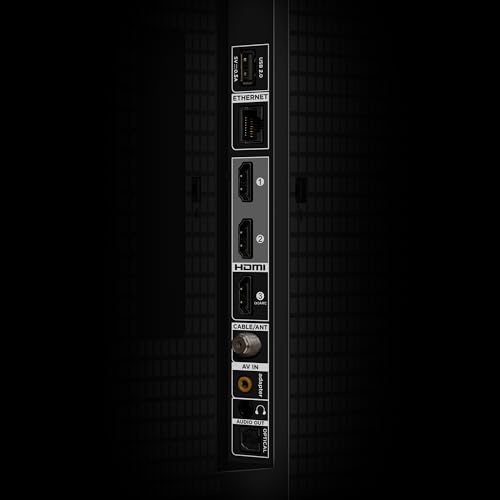
| 3x HDMI 2.0, 1x HDMI 2.1 (eARC), Wi-Fi 5, Bluetooth 5.0 | 3x HDMI 2.0, 1x HDMI 2.1 (eARC), Wi-Fi, Bluetooth 5.0 |
| Value Proposition - Performance per dollar | |
| Premium display tech at competitive pricing | Smart features and ecosystem integration at higher cost |
The TCL 65" Q68 QLED 4K UHD Smart TV Display delivers significantly better picture quality with its QLED Pro quantum dot technology and full array local dimming featuring 150+ zones. This creates deeper blacks, brighter highlights, and more accurate colors compared to the Amazon Fire TV Omni Series 65" 4K UHD Smart TV, which uses basic LED technology without local dimming zones.
The TCL 65" Q68 QLED excels at gaming with 120Hz Variable Refresh Rate support, Auto Game Mode, and low input lag, making it fully compatible with next-gen console features. The Amazon Fire TV Omni Series is limited to 4K at 60Hz and lacks advanced gaming features like VRR, making it suitable only for casual gaming.
Both offer excellent streaming capabilities, but serve different needs. The TCL Q68 uses Google TV, providing broader app selection and customizable interface that works well with any streaming service. The Amazon Fire TV Omni runs Fire TV OS with deep Amazon ecosystem integration and hands-free Alexa voice control, ideal for Prime members and Alexa smart home users.
The TCL 65" Q68 QLED handles bright rooms better with 600 nits peak brightness and anti-glare features. The Amazon Fire TV Omni Series reaches only 330 nits, making it less suitable for rooms with significant ambient light or direct sunlight.
The TCL Q68 QLED provides exceptional value by offering premium display technologies typically found in much more expensive TVs. The Amazon Fire TV Omni commands a higher price for its smart features and ecosystem integration rather than display performance, making it a better value only for users who specifically need Amazon's convenience features.
The TCL 65" Q68 QLED supports comprehensive HDR formats including HDR PRO+, Dolby Vision, HDR10+, HDR10, and HLG, ensuring compatibility with all premium content sources. The Amazon Fire TV Omni Series supports fewer formats (Dolby Vision, HDR10, HLG) and lacks the brightness to deliver impactful HDR performance.
For serious home theater use, the TCL Q68 is the clear choice with its superior local dimming, higher brightness, comprehensive HDR support, and better built-in audio. The Amazon Fire TV Omni works better as a casual viewing TV where convenience features matter more than critical picture quality.
The TCL 65" Q68 QLED offers better built-in audio with 30W total output, Dolby Atmos processing, and Enhanced Dialogue Mode for clearer conversations. The Amazon Fire TV Omni Series has weaker 16W speakers but compensates with excellent eARC support for connecting external sound systems.
Both TVs support voice control but differently. The Amazon Fire TV Omni features hands-free Alexa with built-in microphones, allowing voice control without a remote. The TCL Q68 uses traditional voice remote control through Google Assistant, requiring you to press a button first.
The TCL 65" Q68 QLED offers better future-proofing with advanced gaming features like 120Hz VRR that match current console capabilities. Both TVs should receive regular software updates, but Google TV on the TCL Q68 historically receives more frequent updates and broader app support than Fire TV OS.
The TCL Q68 QLED handles sports better with Motion Rate 240 processing that reduces motion blur during fast action scenes. Both TVs offer adequate sports viewing, but the Amazon Fire TV Omni has more basic motion handling that may show some blur during rapid movement.
If you're a Prime member with multiple Alexa devices and prefer Amazon services, the Amazon Fire TV Omni Series 65" 4K UHD Smart TV provides seamless integration and convenient hands-free control. However, if picture quality is equally important, the TCL 65" Q68 QLED still offers better overall value even for Amazon users, as you can always add streaming devices for ecosystem features.
We've done our best to create useful and informative comparisons to help you decide what product to buy. Our research uses advanced automated methods to create this comparison and perfection is not possible - please contact us for corrections or questions. These are the sites we've researched in the creation of this article: tvsbook.com - youtube.com - rtings.com - tcl.com - bestbuy.com - rtings.com - youtube.com - rcwilley.com - youtube.com - tvsbook.com - tcl.com - sellout.woot.com - tcl.com - tcl.com - bestbuy.com - rtings.com - techradar.com - youtube.com - youtube.com - businessinsider.com - amazonforum.com - pcvarge.com - tvpartstoday.com - kitele.com - manuals.plus - bestbuy.com - youtube.com - diverse-marketplace.com

Privacy Policy
Terms and Conditions - Affiliate Policy
Home Security
© Copyright 2008-2026.
11816 Inwood Rd #1211, Dallas, TX 75244