

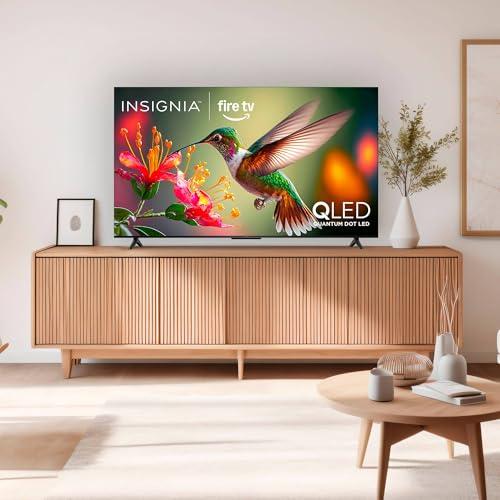
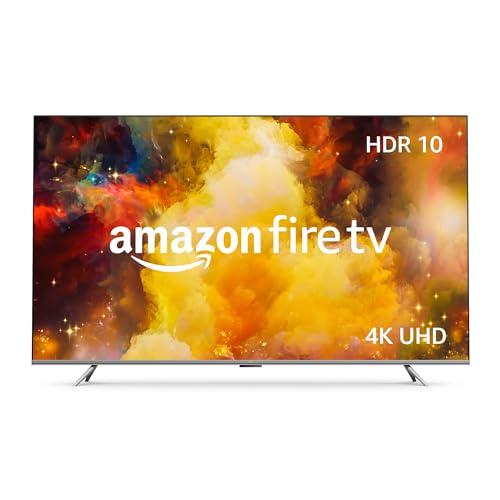
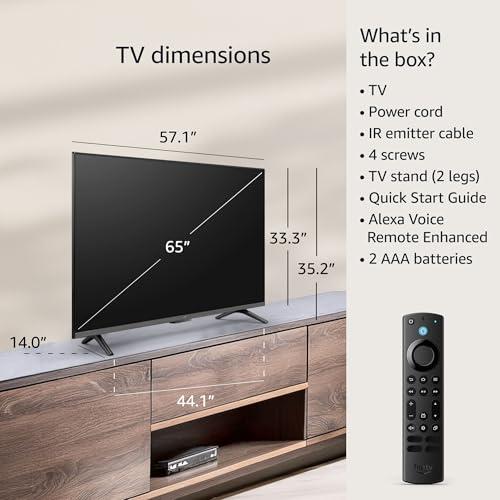
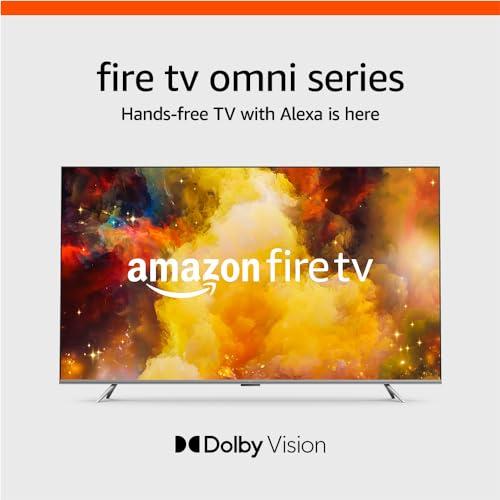
Shopping for a large TV can feel overwhelming, especially when you're trying to balance cutting-edge technology with a reasonable budget. The good news? QLED technology—which uses tiny particles called quantum dots to create more vibrant colors—has finally trickled down to affordable price points. Today we're comparing two 65-inch options that represent different approaches to budget QLED: the Insignia QF Series and the Amazon Fire TV Omni Series.
Both TVs aim to deliver premium picture quality without premium pricing, but they take notably different paths to get there. Understanding these differences will help you choose the right TV for your specific needs and viewing habits.
Before diving into specifics, let's talk about why QLED matters. Traditional LED TVs use white backlights filtered through colored pixels, which limits how pure and vibrant colors can appear. QLED technology adds a layer of quantum dots—microscopic particles that emit very pure colors when hit by light—resulting in a wider color gamut (the range of colors a display can show) and often better brightness.
The key considerations when shopping in this category include picture quality fundamentals like contrast ratio (the difference between the darkest and brightest parts of an image), HDR performance (High Dynamic Range, which enhances the contrast and color range), gaming capabilities, smart TV features, and overall build quality. At this price level, you're looking for the best balance of these features rather than perfection in any single area.
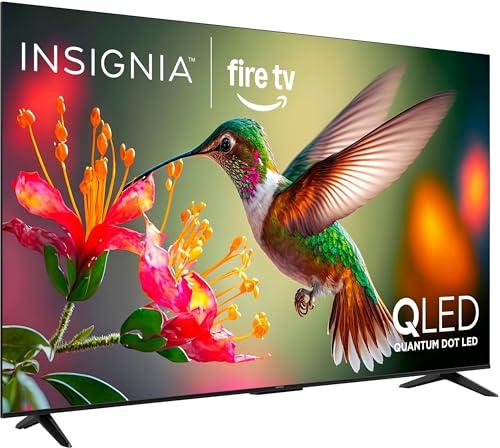
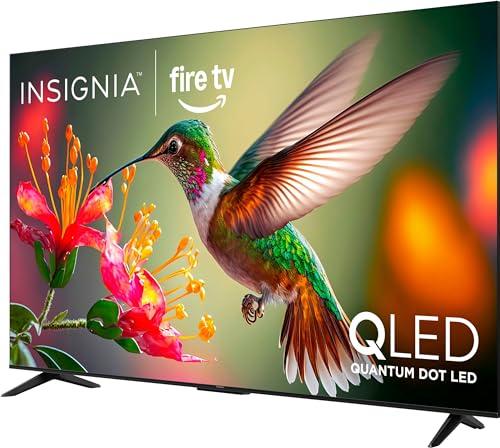
The Insignia QF Series launched as Best Buy's house brand answer to expensive QLED TVs, focusing on delivering core quantum dot benefits at an aggressively competitive price point. Released in 2023, it represents the "essentials done well" approach—you get genuine QLED technology, comprehensive smart features, and solid build quality without paying for premium bells and whistles.
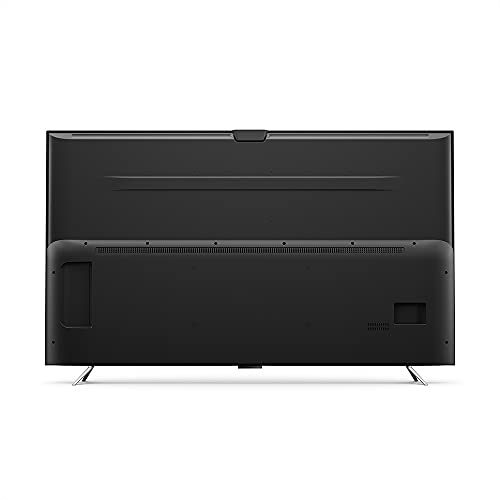
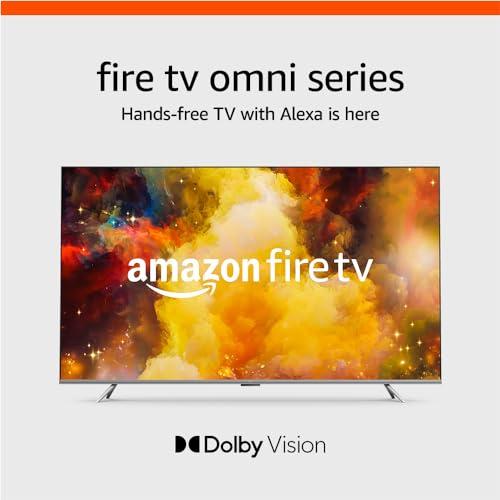
The Amazon Fire TV Omni Series with QLED, also from 2023, positions itself as a step up from basic QLED implementations. Amazon's approach focuses on advanced picture processing, superior contrast control, and deeper smart home integration. It's designed for users who want noticeably better performance and are willing to pay a moderate premium for it.
Both TVs use quantum dot technology, but the implementation details matter significantly for real-world performance. The Insignia QF Series delivers the core QLED benefits—more saturated colors, better brightness than standard LED TVs, and improved color accuracy for modern streaming content. In our research of user reviews, the color performance consistently impresses viewers upgrading from older TVs, with particular strengths in vibrant content like animated movies and nature documentaries.
The Amazon Fire TV Omni Series takes quantum dot implementation further, covering an impressive 97% of the DCI-P3 color space (the standard used by most streaming services and movies). This translates to more nuanced color gradations and better accuracy in challenging scenes with multiple similar colors—think sunset skies or forest scenes with varying greens. Expert reviews consistently note that side-by-side, the Omni Series displays more natural-looking skin tones and better color separation in complex images.
Here's where these TVs fundamentally diverge. The Insignia QF Series uses direct LED backlighting, where LEDs are spread across the entire back of the panel to provide even illumination. This approach works well for general viewing and keeps costs down, but it means the entire backlight dims or brightens together. You get decent overall contrast, but dark movie scenes may appear more like dark gray than true black.
The Amazon Fire TV Omni Series employs full array local dimming (FALD), a more sophisticated system where different zones of the backlight can dim or brighten independently. When a scene has both bright sunlight and deep shadows, the TV can make the bright areas brighter while keeping the shadows darker. Based on professional reviews, this creates a significantly more cinematic viewing experience, especially for movies and high-quality streaming content.
However, FALD isn't perfect at this price point. User reports indicate some "blooming"—where bright objects in dark scenes create subtle halos—though this is generally minor and mainly noticeable in very dark rooms with challenging content.
Both TVs support the major HDR formats, but their ability to actually display HDR content effectively differs substantially. The Insignia QF Series supports Dolby Vision and HDR10, covering the vast majority of streaming content. For most viewers, HDR content will look noticeably better than standard dynamic range, with improved contrast and more vibrant colors.
The Amazon Fire TV Omni Series goes further with Dolby Vision IQ and HDR10+ Adaptive—these are "smart" HDR formats that analyze your room's lighting conditions and adjust the picture accordingly. If you're watching a movie in the afternoon with some ambient light, the TV optimizes differently than it would for evening viewing in a dark room. Based on professional testing, this adaptive approach delivers more consistent HDR performance across different viewing conditions.
Peak brightness matters significantly for HDR impact. While neither TV reaches the brightness levels of premium models, the Omni Series achieves higher peak brightness, making HDR highlights more impactful. This is particularly noticeable in bright scenes like explosions or sunlit landscapes.
Modern gaming demands have pushed TV manufacturers to prioritize gaming features, and these two models approach gaming differently. The Insignia QF Series covers gaming basics well—it offers a dedicated Game Mode that reduces input lag (the delay between pressing a button and seeing the response on screen) to acceptable levels for casual gaming. If you play single-player games or aren't extremely competitive, the performance is perfectly adequate.
The Amazon Fire TV Omni Series includes Variable Refresh Rate (VRR) and Auto Low Latency Mode (ALLM)—features that Xbox Series X and PlayStation 5 can utilize for smoother gameplay. VRR synchronizes the TV's refresh rate with the console's output, eliminating screen tearing and providing more consistent motion. ALLM automatically switches to Game Mode when it detects a gaming console, optimizing settings without manual intervention.
Both TVs max out at 60Hz refresh rates, meaning they can't take advantage of 120Hz gaming modes available on current-generation consoles. For most games this isn't a dealbreaker, but competitive gamers or those who prioritize the smoothest possible motion might want to consider higher-end options.
Input lag measurements from professional reviews show both TVs perform well for gaming, with the Omni Series achieving slightly lower lag times. The difference is minimal for most players, but every millisecond counts in fast-paced competitive games.
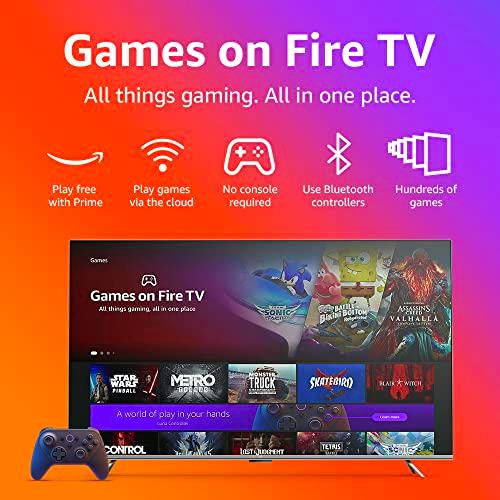
Both TVs run Amazon's Fire TV operating system, providing access to major streaming services and a generally intuitive interface. The core experience is similar—you get personalized recommendations, easy access to your favorite apps, and integration with Amazon's ecosystem.
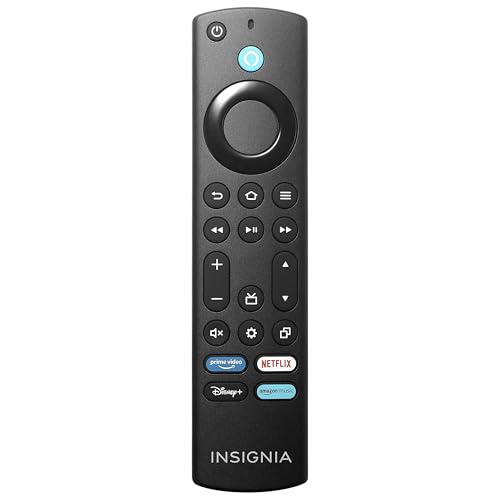
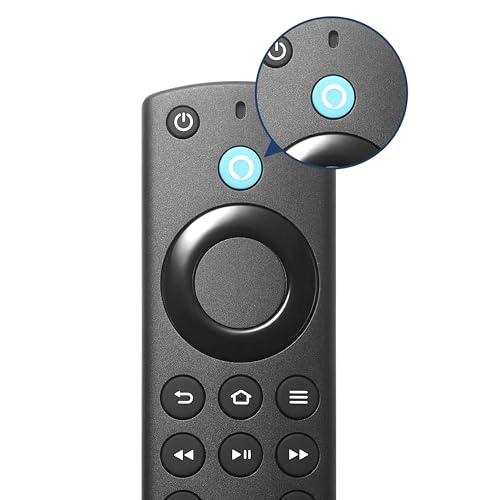
The key differentiator is voice control implementation. The Insignia QF Series includes an Alexa Voice Remote, allowing you to search for content, control playback, and manage basic smart home functions. It's convenient and works reliably for most common tasks.
The Amazon Fire TV Omni Series features hands-free Alexa through built-in microphones, meaning you can control the TV and your smart home without picking up the remote. This proves particularly useful for quick commands like "Alexa, turn on the living room lights" or "Alexa, what's the weather?" The TV can even respond to commands when it's off, though this requires the feature to be enabled in settings.
The Omni Series also includes Ambient Experience mode, which displays artwork, family photos, or useful widgets when you're not actively watching content. While not essential, it transforms the TV into a smart home hub rather than just a black rectangle when idle.
Neither TV will replace a dedicated sound system, which is typical for flat-panel displays. The Insignia QF Series includes Dolby Atmos support, which can create a more immersive audio experience when watching compatible content, though the built-in speakers limit how effectively this translates to actual performance.
The Amazon Fire TV Omni Series offers similar audio capabilities with its dual 8-watt speakers totaling 16 watts of output. User reviews consistently note that dialogue is clear and sound quality is acceptable for casual viewing, but both TVs benefit significantly from adding a soundbar.
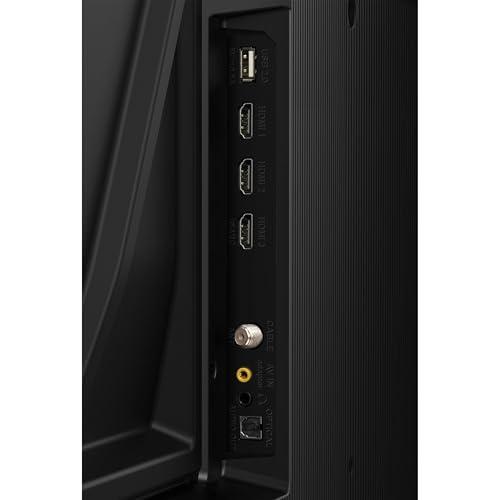
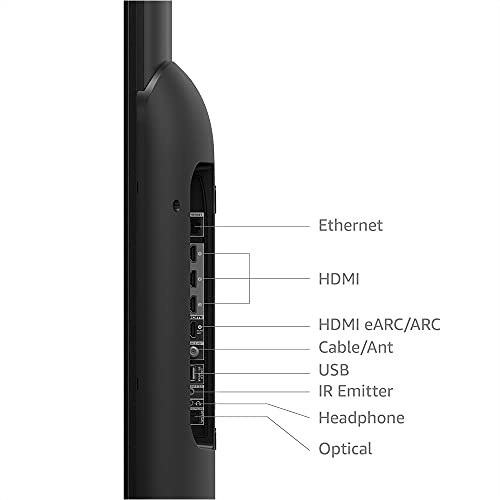
Both models include eARC (enhanced Audio Return Channel) support through one of their HDMI ports, making it easy to connect a soundbar and pass high-quality audio formats like Dolby Atmos to your sound system.
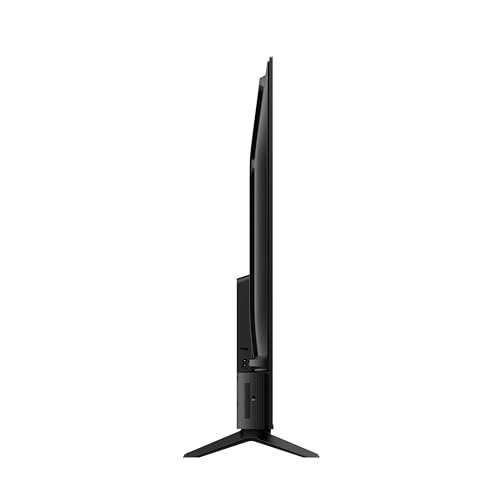
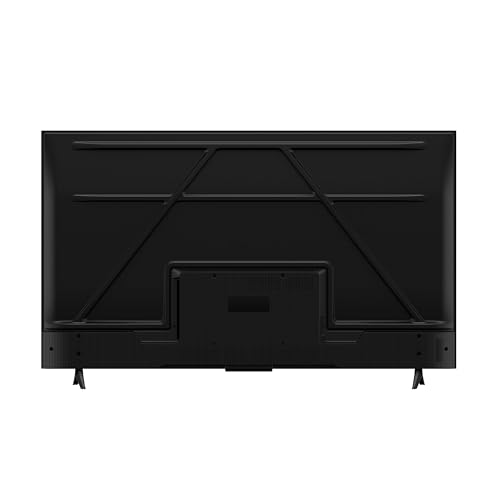
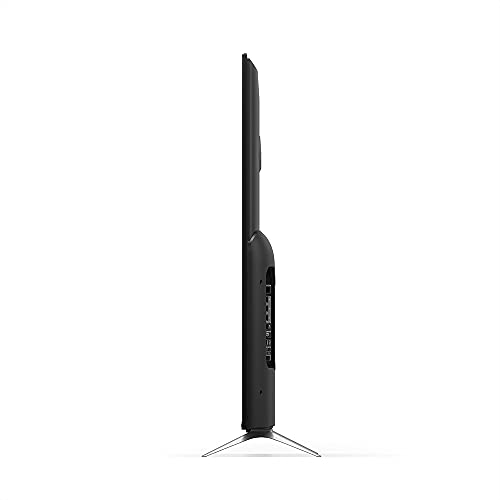
The Insignia QF Series features a metal bezel-less design that looks more premium than its price suggests. The overall construction feels solid, though not luxurious. At roughly 28 pounds, it's manageable for wall mounting and includes standard VESA mounting compatibility.
The Amazon Fire TV Omni Series has a similarly attractive design with a brushed silver finish. The build quality feels slightly more refined, though both TVs are well-constructed for their price points. Both models feature wide-set feet that require a substantial TV stand, so wall mounting might be preferable for many setups.
At the time of writing, the price gap between these models is substantial—the Insignia QF Series typically costs significantly less than the Amazon Fire TV Omni Series. This creates an interesting value equation.
The Insignia QF Series represents exceptional value for viewers who want QLED technology at close to traditional LED pricing. You're getting genuine quantum dot enhancement, comprehensive smart features, and solid 4K performance. For families upgrading from older TVs or those primarily streaming content, it delivers impressive bang for the buck.
The Amazon Fire TV Omni Series costs notably more but includes genuinely superior technology. The full array local dimming, advanced HDR processing, and enhanced gaming features represent meaningful improvements, not just marketing additions. Whether these improvements justify the price premium depends on your viewing habits and quality expectations.
If you're building a dedicated home theater or have a room where you frequently watch movies in darker conditions, the contrast improvements from the Omni Series's local dimming become much more significant. Movie lovers will appreciate the deeper blacks and better shadow detail, especially in cinematic content.
For brighter family rooms where the TV competes with ambient light, both models perform similarly well, and the Insignia QF Series's value proposition becomes more compelling.
Choose the Insignia QF Series if you're budget-conscious but want QLED technology, primarily watch streaming content, don't game competitively, and value immediate savings over incremental quality improvements. It's an excellent choice for families wanting a large, capable TV without stretching the budget.
Choose the Amazon Fire TV Omni Series if picture quality is your primary concern, you watch movies in darker rooms regularly, you game on current-generation consoles and want the best possible experience, or you're building a smart home ecosystem and value hands-free control. The additional investment buys genuinely better technology that will likely age better over time.
Both TVs successfully bring QLED technology to accessible price points, but they serve different priorities. The Insignia QF Series maximizes value and delivers excellent performance for the money. The Amazon Fire TV Omni Series justifies its premium with superior contrast control and gaming features that make a real difference in daily use.
Your choice ultimately depends on whether the meaningful picture quality and feature improvements of the Omni Series are worth the additional investment for your specific situation. Either way, you're getting modern QLED technology that would have cost significantly more just a few years ago—a win for budget-conscious TV shoppers everywhere.
| Insignia 65" QF Series QLED 4K UHD Smart TV | Amazon Fire TV Omni Series 65" 4K UHD Smart TV |
|---|---|
| Display Technology - Core picture quality foundation | |
| QLED with Direct LED backlighting | QLED with Full Array Local Dimming |
| Contrast Performance - Critical for movie watching and dark scenes | |
| Basic contrast from direct LED (adequate for most content) | Superior contrast with independent dimming zones (much better blacks) |
| HDR Support - Enhanced color and brightness for modern content | |
| Dolby Vision, HDR10 (standard implementation) | Dolby Vision IQ, HDR10+ Adaptive (smart room-aware processing) |
| Gaming Features - Important for console players | |
| Basic Game Mode, 60Hz only | VRR, ALLM, Dolby Vision Gaming, 60Hz |
| Voice Control - Convenience and smart home integration | |
| Alexa Voice Remote (button required) | Hands-free Alexa with built-in microphones |
| Audio Output - Built-in sound quality | |
| Dolby Atmos support, average speaker quality | 16W total output, similar quality (both benefit from soundbar) |
| Smart TV Platform - Streaming and interface experience | |
| Fire TV OS with comprehensive app selection | Fire TV OS plus Ambient Experience mode |
| HDMI Connectivity - Device compatibility and future-proofing | |
| Multiple HDMI ports including eARC | 4 HDMI ports (1x HDMI 2.1 with eARC) |
| Color Performance - Vibrancy and accuracy of displayed colors | |
| Wide color gamut with quantum dot enhancement | 97% DCI-P3 coverage (more accurate and nuanced colors) |
| Peak Brightness - HDR impact and bright room viewing | |
| Good brightness for most environments | 330 nits peak (better HDR highlights) |
| Value Proposition - Performance per dollar spent | |
| Exceptional value for QLED technology at budget pricing | Premium features justify higher cost for quality-focused buyers |
The Amazon Fire TV Omni Series delivers superior picture quality thanks to its full array local dimming technology, which creates deeper blacks and better contrast for cinematic viewing. While the Insignia QF Series offers good QLED color performance, the Omni Series provides a more theater-like experience with improved shadow detail and brightness control.
The primary difference is backlighting technology. The Insignia QF Series uses direct LED backlighting for uniform brightness, while the Amazon Fire TV Omni Series features full array local dimming that can brighten or dim different screen zones independently. This gives the Omni Series significantly better contrast and black levels.
The Amazon Fire TV Omni Series is the clear winner for modern console gaming, offering Variable Refresh Rate (VRR), Auto Low Latency Mode (ALLM), and Dolby Vision gaming support. The Insignia QF Series provides basic gaming performance with decent input lag, but lacks the advanced gaming features that current-generation consoles can utilize.
Yes, both the Insignia QF Series and Amazon Fire TV Omni Series run the same Fire TV operating system, providing access to Netflix, Prime Video, Disney+, YouTube, and other major streaming platforms. The interface and app selection are identical between both models.
The Amazon Fire TV Omni Series offers superior smart home features with hands-free Alexa through built-in microphones, allowing voice control without the remote. The Insignia QF Series requires using the Alexa Voice Remote for voice commands. The Omni Series also includes Ambient Experience mode for displaying widgets and artwork when idle.
Both the Insignia QF Series and Amazon Fire TV Omni Series have similar built-in audio performance with adequate speakers for casual viewing. The Insignia QF Series supports Dolby Atmos, while the Omni Series offers 16W total output. Both TVs benefit significantly from adding a soundbar for better home theater audio.
The Insignia QF Series provides exceptional value for budget-conscious buyers, delivering genuine QLED technology at a very competitive price point. The Amazon Fire TV Omni Series costs more but includes meaningfully better picture technology and gaming features that justify the premium for quality-focused viewers.
Both the Insignia QF Series and Amazon Fire TV Omni Series handle bright room viewing well, though the Omni Series achieves higher peak brightness for better HDR impact. In rooms with lots of natural light, both TVs maintain good color saturation and visibility, making either suitable for family room use.
The Insignia QF Series supports Dolby Vision and HDR10 for enhanced contrast and colors. The Amazon Fire TV Omni Series goes further with Dolby Vision IQ and HDR10+ Adaptive, which automatically adjust picture settings based on your room's lighting conditions for more consistent HDR performance.
For dedicated home theater use, the Amazon Fire TV Omni Series is the superior choice due to its full array local dimming providing much better black levels and contrast in dark rooms. Movie enthusiasts will appreciate the improved shadow detail and more cinematic picture quality compared to the Insignia QF Series.
Both the Insignia QF Series and Amazon Fire TV Omni Series feature solid construction with attractive bezel-less designs. The Omni Series has a slightly more premium feel with its brushed silver finish, but both models are well-built for their respective price points and include standard VESA mounting compatibility.
For primarily streaming content, the Insignia QF Series offers excellent performance at great value, providing vibrant QLED colors and comprehensive smart features. However, if you frequently watch movies and prefer the best possible picture quality for your streaming content, the enhanced contrast and HDR processing of the Amazon Fire TV Omni Series will provide a noticeably superior viewing experience.
We've done our best to create useful and informative comparisons to help you decide what product to buy. Our research uses advanced automated methods to create this comparison and perfection is not possible - please contact us for corrections or questions. These are the sites we've researched in the creation of this article: bestbuy.com - bestbuy.com - bestbuy.com - youtube.com - rtings.com - youtube.com - youtube.com - manuals.plus - youtube.com - bestbuy.com - leaseville.com - financemycart.com - financemycart.com - bestbuy.com - klarna.com - bestbuy.com - slickdeals.net - bestbuy.com - rtings.com - techradar.com - youtube.com - youtube.com - businessinsider.com - amazonforum.com - pcvarge.com - tvpartstoday.com - kitele.com - manuals.plus - bestbuy.com - youtube.com - diverse-marketplace.com

Privacy Policy
Terms and Conditions - Affiliate Policy
Home Security
© Copyright 2008-2026.
11816 Inwood Rd #1211, Dallas, TX 75244