



Shopping for a 65-inch smart TV doesn't have to break the bank, but navigating the budget segment requires understanding what compromises matter most. Two TVs caught our attention recently: the 2025 Roku Select Series 65" and the Amazon Fire TV Omni Series 65" from 2021. At the time of writing, these represent dramatically different approaches to delivering big-screen entertainment without premium pricing.
The budget smart TV market has exploded over the past few years, with manufacturers racing to pack more features into increasingly affordable packages. What hasn't changed is the fundamental challenge: delivering good picture quality, smart features, and reliable performance while keeping costs low. The trade-offs are real, and understanding them helps you choose the right compromise for your living room.
Before diving into specifics, let's establish what actually matters in this category. Picture quality sits at the top—after all, you're buying a TV primarily to watch things. This breaks down into several key areas: how bright the screen gets (measured in nits), how deep the blacks look, color accuracy, and HDR performance. HDR, or High Dynamic Range, essentially expands the range between the darkest and brightest parts of an image, making everything look more realistic.
Smart features come second, and this is where things get interesting. The platform running your TV—whether it's Roku OS, Fire TV, or something else—determines your daily experience more than most people realize. A sluggish interface or limited app selection can turn a great display into a frustrating experience.
Audio performance often gets overlooked until you're actually watching something. Most TVs in this price range have modest built-in speakers, but the differences in audio processing and external connection options can be significant.
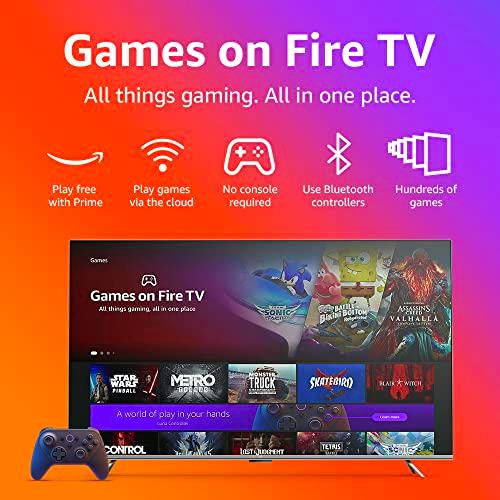
Finally, there's the question of gaming. Even if you're not a serious gamer, many people connect game consoles for occasional entertainment, and features like low input lag (the delay between pressing a button and seeing the response on screen) make a noticeable difference.
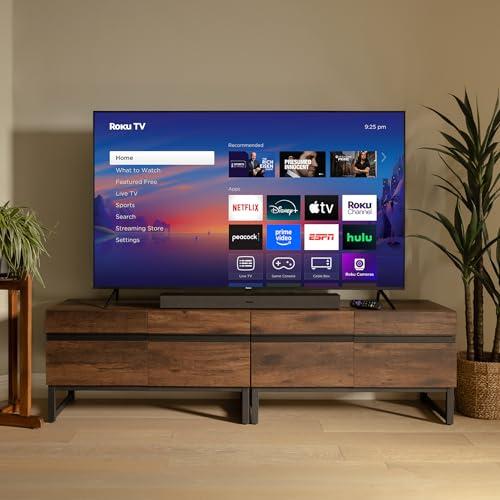
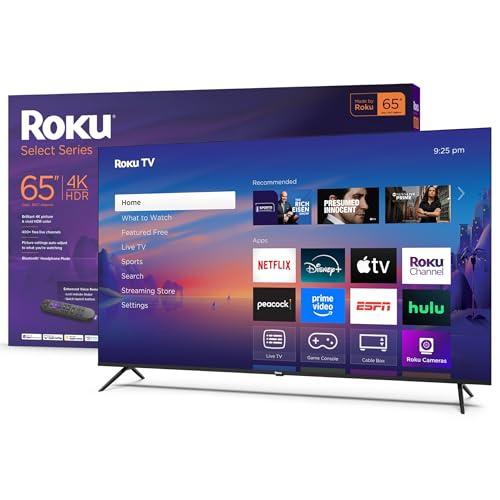
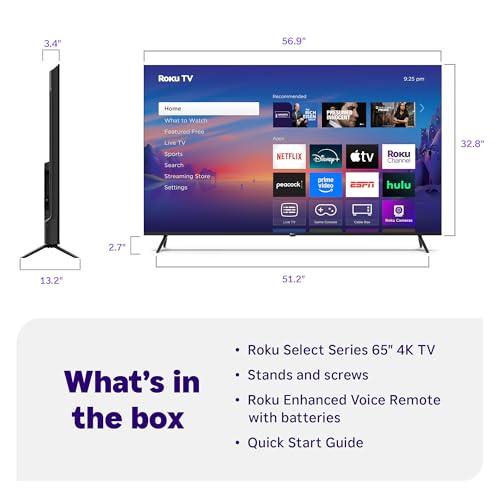
The Roku Select Series 65" represents Roku's first serious attempt at manufacturing their own TVs, and it shows in their priorities. Released in 2025, this TV puts streaming front and center, which makes sense given Roku's dominance in the streaming platform space.
The display technology is straightforward: standard LED backlighting with 4K resolution and HDR10 support. HDR10 is the baseline HDR format that most content supports, though it lacks the scene-by-scene optimization of more advanced formats like Dolby Vision. The screen gets reasonably bright for a budget TV and handles standard viewing well, though it won't blow you away in a dark room watching HDR movies.
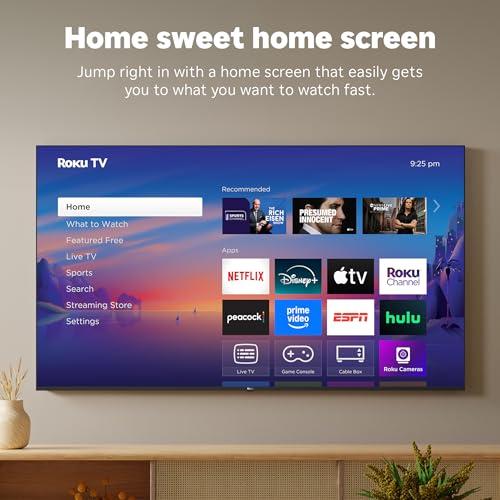
Where the Roku Select Series really shines is its smart platform. Having spent considerable time with various smart TV interfaces, Roku's approach feels refreshingly simple. The home screen aggregates content from all your apps, making it easy to find something to watch without diving into individual services. The platform includes over 500 free channels, ranging from news and weather to niche content and Roku's own original programming.
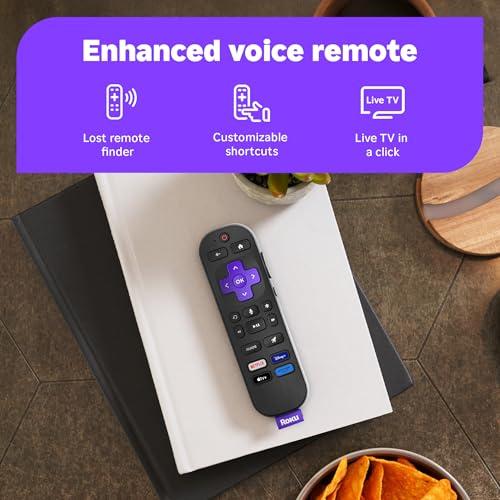
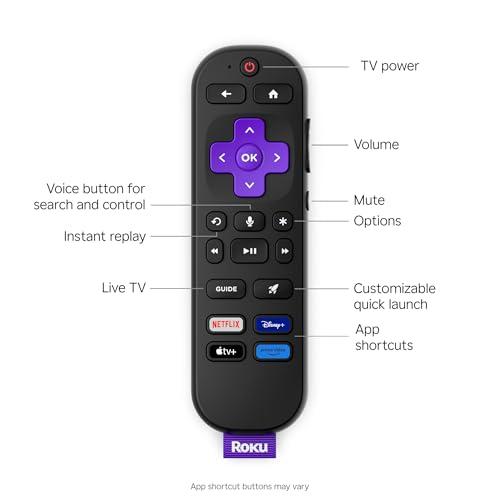
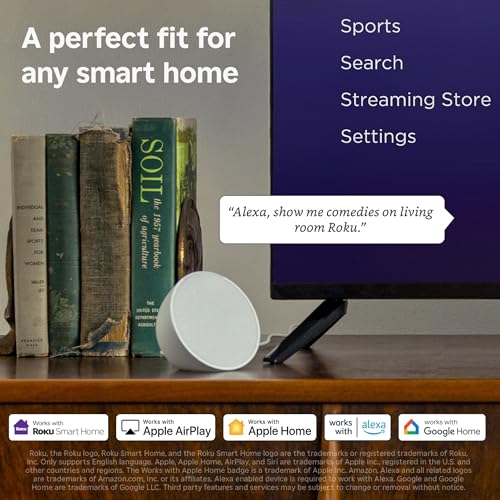
The voice control implementation is particularly clever. Rather than limiting you to one assistant, the Roku Select Series works with Roku's own voice system plus Siri, Alexa, and Google Assistant. This universal compatibility means you can use whatever voice assistant you're already invested in, rather than being forced into a specific ecosystem.
Audio performance is competent but not exceptional. The TV includes Bluetooth headphone mode, which is genuinely useful for late-night viewing without disturbing others. However, if you're planning any serious movie watching, you'll likely want to add a soundbar eventually.
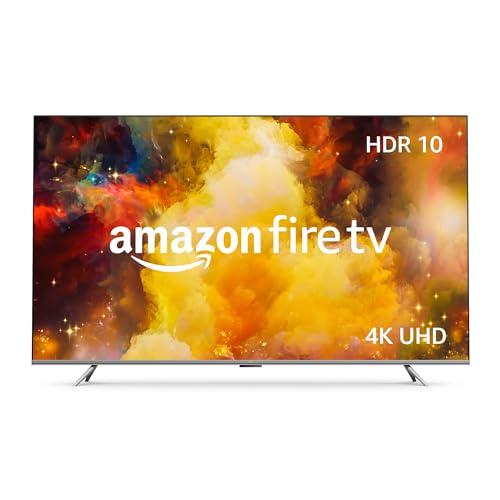
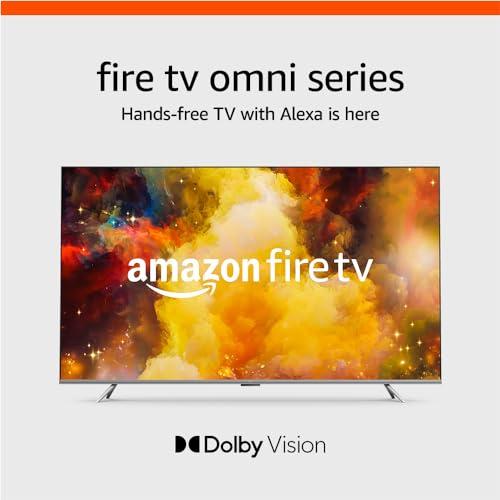
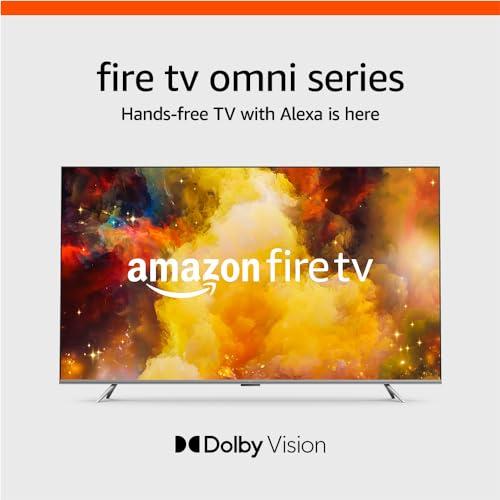
The Amazon Fire TV Omni Series 65", launched in 2021, takes a different approach. Amazon clearly designed this TV for people already living in their ecosystem, with deep Alexa integration and features that assume you're using Amazon's services.
The display technology is more sophisticated than the Roku Select Series. The Omni Series uses a VA panel (Vertical Alignment, which typically offers better contrast than other LCD types) with Quantum Dot technology. Quantum Dots are tiny crystals that help produce more accurate colors by filtering the backlight more precisely. In practical terms, this means more vibrant colors and better overall picture quality, particularly noticeable when watching high-quality 4K content.
The HDR support is also more comprehensive. While the Roku Select Series stops at HDR10, the Fire TV Omni Series adds Dolby Vision and HLG support. Dolby Vision is particularly important because it adjusts brightness and color dynamically throughout a movie, rather than using static settings. When watching Dolby Vision content on Netflix or Disney+, the difference can be quite noticeable.
The standout feature is hands-free Alexa integration. Built-in microphones let you control the TV, search for content, and manage smart home devices without touching the remote. This is genuinely convenient once you get used to it, though it raises privacy questions for some users.
Gaming performance on the Fire TV Omni Series is notably better than the Roku Select Series. The dedicated Game Mode reduces input lag to around 15 milliseconds, which is competitive with much more expensive TVs. If you connect an Xbox or PlayStation occasionally, this makes a real difference in responsiveness.
Based on our research into professional reviews and user feedback, the picture quality differences between these TVs are significant enough to influence your decision. The Fire TV Omni Series consistently receives praise for its color reproduction and overall image quality, particularly in well-lit rooms.
The Quantum Dot technology in the Fire TV Omni Series covers approximately 93% of the DCI-P3 color space—the standard used for digital cinema. This translates to more accurate reds, greens, and blues that look closer to what filmmakers intended. When watching nature documentaries or animated movies, the difference is quite apparent.
However, both TVs struggle with the same fundamental limitation of budget displays: mediocre black levels. Neither has local dimming (where different areas of the backlight can dim independently), so dark scenes in movies often look more gray than truly black. This is where you really feel the budget constraints, and it's why many people eventually upgrade to OLED or premium LED TVs with better contrast.
The Roku Select Series holds its own with standard HD and 4K streaming content. Its automatic picture optimization does a decent job of adjusting settings based on the content type, which helps ensure you get reasonable quality without fiddling with settings.
For HDR performance, the Fire TV Omni Series has a clear advantage. Professional reviews consistently note that its Dolby Vision implementation, while not as impressive as premium TVs, does provide better highlight detail and color accuracy than the Roku Select Series's HDR10-only approach.
The smart platform comparison reveals fundamentally different approaches to the connected TV experience. The Roku Select Series treats all streaming services equally, with a clean, fast interface that doesn't favor any particular service. This platform-agnostic approach means you get the same experience whether you're using Netflix, Hulu, Apple TV+, or any other service.
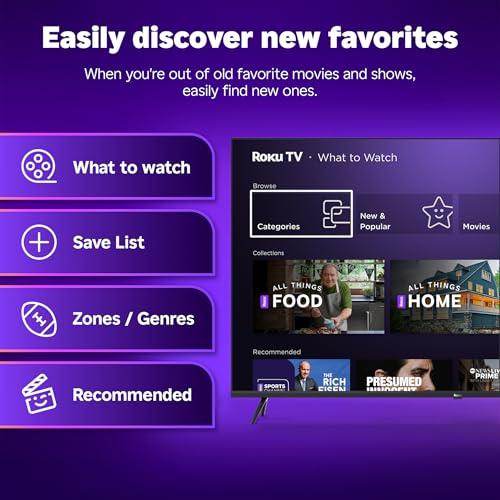
Roku's strength lies in content discovery. The universal search function works across most apps, and the home screen's "Continue Watching" and recommendations actually feel helpful rather than pushy. The free content selection is genuinely extensive, with everything from classic movies to live news streams.
The Fire TV Omni Series takes the opposite approach, deeply integrating Amazon's services throughout the interface. Prime Video content gets prominent placement, and the TV can display your Amazon photos as screensavers. If you're already a heavy Amazon user, this integration feels natural and convenient.
However, based on user reviews, the Fire TV interface can feel slower and more cluttered than Roku's streamlined approach. The 2021 hardware sometimes shows its age when launching apps or navigating menus, though it's still perfectly usable for daily viewing.
Both platforms receive regular software updates, though Roku's track record for long-term support is particularly strong. TVs from 2015 still receive new features and app updates, which is reassuring for long-term ownership.
Audio often gets overlooked in TV reviews, but it significantly impacts your daily viewing experience. Neither TV will replace a dedicated sound system, but the differences matter for casual viewing.
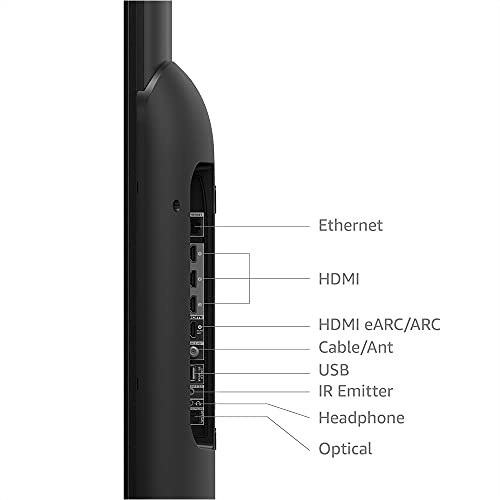
The Fire TV Omni Series has a clear specification advantage with its dual 8-watt speakers totaling 16 watts of output. More importantly, it includes HDMI eARC support, which enables high-quality audio passthrough to soundbars and audio receivers. If you're planning to add external audio equipment eventually, this connection method provides better sound quality and easier setup than optical connections.
The Roku Select Series takes a different approach with its Bluetooth headphone mode, which is surprisingly useful. Late-night viewing becomes much more practical when you can connect wireless headphones directly to the TV without affecting others' sleep.
For typical viewing—news, sitcoms, casual movies—both TVs provide clear dialogue and adequate volume. However, action movies and music content reveal the limitations of built-in TV speakers, regardless of which model you choose.
Gaming performance reveals another area where the Fire TV Omni Series pulls ahead of the Roku Select Series. The dedicated Game Mode on the Omni Series reduces input lag to competitive levels, making it suitable for everything from casual puzzle games to more demanding action titles.
Input lag matters more than many people realize. Even a delay of 30-40 milliseconds can make games feel sluggish and unresponsive. The Fire TV Omni Series's 15-millisecond performance puts it in line with TVs costing significantly more.
Both TVs are limited to 60Hz refresh rates, so they won't take full advantage of modern gaming consoles' 120Hz capabilities. However, for the vast majority of games and casual players, 60Hz provides a smooth, enjoyable experience.
If gaming is important to you, the Fire TV Omni Series is the clear choice. If you only occasionally connect a console for party games or streaming apps, either TV will serve you fine.
Smart home integration represents one of the Fire TV Omni Series's strongest differentiators. The built-in microphones enable hands-free control not just of the TV, but of your entire Amazon smart home ecosystem. You can dim lights, check doorbell cameras, and control other connected devices using voice commands.
This integration goes beyond basic commands. The TV can display feeds from Ring doorbells, show weather information, and even serve as a hub for controlling smart home routines. For households already invested in Alexa devices, this creates a seamless experience.
The Roku Select Series takes a more agnostic approach, supporting multiple voice assistants but requiring you to use the remote for voice commands. This works fine but lacks the hands-free convenience of the Fire TV's built-in microphones.
Privacy considerations deserve mention here. The Fire TV Omni Series's always-listening microphones may concern some users, though Amazon provides options to disable this feature. The Roku Select Series only activates voice features when you press the remote button, which some prefer for privacy reasons.
Choosing between these TVs depends heavily on your priorities and existing setup. The Roku Select Series makes sense if you value simplicity, extensive free content, and platform flexibility. At the time of writing, it offers exceptional value for streaming-focused households, particularly those not committed to any specific smart home ecosystem.
The TV's strength lies in its straightforward approach to streaming. If you primarily watch Netflix, YouTube, and other streaming services, the superior platform experience might outweigh the picture quality limitations. The universal voice assistant support means you're not locked into any particular ecosystem, maintaining flexibility for future smart home choices.
However, the Fire TV Omni Series justifies its higher price point through measurably better picture quality and more comprehensive features. The Quantum Dot display technology delivers more accurate colors and better HDR performance, which becomes noticeable during movie nights or when watching high-quality content.
For home theater enthusiasts, even on a budget, the Fire TV Omni Series's superior picture processing, Dolby Vision support, and eARC audio connectivity provide a foundation for future upgrades. If you plan to add a soundbar or eventually upgrade other components, these features become increasingly valuable.
The gaming advantage also matters for households with consoles. While neither TV is a gaming powerhouse, the Fire TV Omni Series's lower input lag and dedicated Game Mode create a noticeably better experience.
Both TVs represent solid value in the budget 65-inch category, but they target different users. The Roku Select Series excels for streaming purists who want the best platform experience and maximum value. Its newer 2025 technology ensures longevity, while the comprehensive free content library provides immediate value.
The Fire TV Omni Series, despite being from 2021, offers superior picture quality and features that justify its premium over the Roku option. If you're already invested in Amazon's ecosystem or prioritize picture quality for movies and shows, the additional cost delivers meaningful improvements.
Consider the Roku Select Series if you want maximum streaming features for minimum cost, prefer platform flexibility, or primarily watch standard streaming content. Choose the Fire TV Omni Series if picture quality matters most, you're already using Amazon services extensively, or you occasionally game on the TV.
Ultimately, both represent significant improvements over older budget TVs, and either will provide years of enjoyable viewing. The question isn't whether these TVs are good enough—it's which approach better matches your viewing habits and future plans.
| Roku Select Series 65" 4K HDR Smart TV 2025 | Amazon Fire TV Omni Series 65" 4K UHD Smart TV |
|---|---|
| Release Year - Impacts hardware performance and future support | |
| 2025 (latest hardware and optimizations) | 2021 (proven but aging hardware) |
| Display Technology - Core factor determining picture quality | |
| Standard LED with direct backlighting | VA panel with Quantum Dot (QLED) technology |
| HDR Support - Critical for movie watching and premium content | |
| HDR10 only (basic dynamic range enhancement) | HDR10, HLG, and Dolby Vision (advanced scene-by-scene optimization) |
| Smart Platform - Your daily interface experience | |
| Roku OS with 500+ free channels and universal app support | Fire TV OS with deep Amazon ecosystem integration |
| Voice Control - Convenience and smart home integration | |
| Enhanced remote with multi-assistant support (Roku, Siri, Alexa, Google) | Built-in far-field microphones for hands-free Alexa control |
| Audio Specifications - Built-in speaker performance | |
| Enhanced speakers with Bluetooth headphone mode | Dual 8W speakers (16W total) with Dolby Digital Plus |
| Gaming Performance - Important for console connectivity | |
| Basic 60Hz support with standard input lag | Dedicated Game Mode with 15ms input lag optimization |
| Connectivity Options - Future-proofing and external device support | |
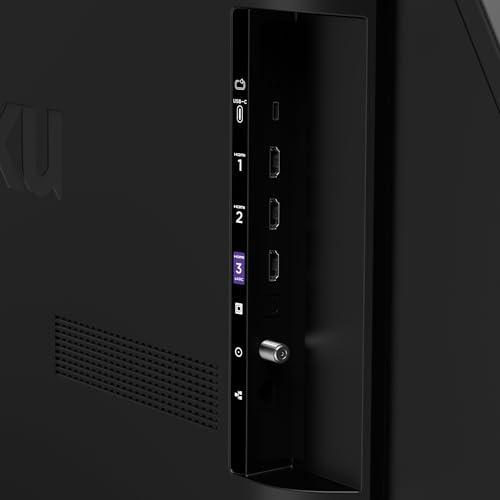
| Standard HDMI ports with AirPlay support | 3 HDMI 2.0 + 1 HDMI 2.1 eARC port for advanced audio |
| Color Performance - Accuracy and vibrancy of displayed content | |
| Standard LED color reproduction | 93% DCI-P3 color space coverage via Quantum Dots |
| Value Positioning - Who this TV is designed for | |
| Maximum streaming features at lowest cost | Better picture quality and Amazon integration at premium price |
The Amazon Fire TV Omni Series 65" delivers superior picture quality with its Quantum Dot technology and comprehensive HDR support including Dolby Vision. The Roku Select Series 65" 2025 offers good standard viewing but is limited to basic HDR10. For movie enthusiasts, the Fire TV Omni Series provides more vibrant colors and better contrast.
The Roku Select Series 65" 2025 runs Roku OS with over 500 free channels and universal app compatibility, while the Amazon Fire TV Omni Series 65" uses Fire TV OS with deep Amazon ecosystem integration. Roku's platform is faster and more content-agnostic, whereas Fire TV favors Amazon services but offers hands-free Alexa control.
The Amazon Fire TV Omni Series 65" is significantly better for gaming with its dedicated Game Mode delivering 15ms input lag. The Roku Select Series 65" 2025 offers basic gaming support but lacks the optimized performance features that make the Fire TV Omni Series more responsive for console gaming.
The Fire TV Omni Series 65" features built-in far-field microphones for hands-free Alexa voice control, allowing you to control the TV and smart home devices without touching the remote. The Roku Select Series 65" 2025 supports multiple voice assistants (Roku, Siri, Alexa, Google) but requires using the Enhanced Voice Remote rather than hands-free operation.
The Roku Select Series 65" 2025 offers exceptional value with its lower price point, extensive free content, and latest 2025 technology. The Amazon Fire TV Omni Series 65" costs more but justifies the premium through superior picture quality, Quantum Dot technology, and advanced features like Dolby Vision HDR.
The Amazon Fire TV Omni Series 65" provides superior connectivity with HDMI 2.1 eARC support for advanced soundbar integration and Dolby Atmos passthrough. The Roku Select Series 65" 2025 offers standard HDMI connectivity plus unique features like Apple AirPlay support and Bluetooth headphone mode for private listening.
The Roku Select Series 65" 2025 excels at streaming with its superior platform, faster interface, extensive free content library, and universal app support. While the Amazon Fire TV Omni Series 65" handles streaming well, it's more focused on Amazon's ecosystem and can feel slower due to its 2021 hardware.
The Amazon Fire TV Omni Series 65" features dual 8W speakers totaling 16W output with Dolby Digital Plus support. The Roku Select Series 65" 2025 offers enhanced speakers with the unique advantage of Bluetooth headphone mode. Both TVs benefit from external soundbar additions, but the Fire TV Omni Series has better eARC connectivity for audio upgrades.
The Roku Select Series 65" 2025 has the advantage of newer 2025 hardware and Roku's excellent track record for long-term software support. The Amazon Fire TV Omni Series 65" from 2021 offers more advanced display technology but may show hardware limitations sooner. Both receive regular updates, but the Roku Select Series has a longer expected lifespan.
The Amazon Fire TV Omni Series 65" supports HDR10, HLG, and Dolby Vision, providing scene-by-scene optimization for premium content. The Roku Select Series 65" 2025 is limited to HDR10 support only. For watching movies on Netflix, Disney+, and other premium services, the Fire TV Omni Series delivers noticeably better HDR performance.
The Amazon Fire TV Omni Series 65" dominates smart home integration with built-in Alexa, allowing control of lights, thermostats, and other devices directly from the TV. The Roku Select Series 65" 2025 offers more limited smart home features but supports multiple voice assistant ecosystems. Choose the Fire TV Omni Series if you're invested in Amazon's smart home ecosystem.
Choose the Roku Select Series 65" 2025 if you prioritize streaming excellence, value, platform flexibility, and the latest hardware. Select the Amazon Fire TV Omni Series 65" if picture quality, gaming performance, hands-free voice control, and Amazon ecosystem integration matter more than the price difference. The Roku Select Series targets streaming-focused households, while the Fire TV Omni Series serves users wanting premium features at a mid-range price.
We've done our best to create useful and informative comparisons to help you decide what product to buy. Our research uses advanced automated methods to create this comparison and perfection is not possible - please contact us for corrections or questions. These are the sites we've researched in the creation of this article: bestbuy.com - rtings.com - roku.com - rtings.com - youtube.com - cnet.com - manuals.plus - target.com - walmart.com - nice-pay.com - bestbuy.com - roku.com - roku.com - electronicexpress.com - bestbuy.com - rtings.com - techradar.com - youtube.com - youtube.com - businessinsider.com - amazonforum.com - pcvarge.com - tvpartstoday.com - kitele.com - manuals.plus - bestbuy.com - youtube.com - diverse-marketplace.com

Privacy Policy
Terms and Conditions - Affiliate Policy
Home Security
© Copyright 2008-2026.
11816 Inwood Rd #1211, Dallas, TX 75244