

Shopping for a 65-inch TV in the budget-to-mid-range category can feel overwhelming, especially when both options come from Amazon's Fire TV ecosystem. The Insignia 65" F50 Series and Amazon Fire TV Omni Series represent two distinct approaches to delivering large-screen entertainment without breaking the bank. But which one deserves a spot in your living room?
After diving deep into specs, user reviews, and expert opinions, the choice comes down to what matters most to you: pure picture quality per dollar, or cutting-edge smart home integration. Let me walk you through everything you need to know to make the right decision.
The 65-inch smart TV market has become incredibly competitive, with manufacturers cramming more features into lower price points than ever before. Both the Insignia F50 and Amazon Omni Series were released in 2021, riding the wave of pandemic-driven home entertainment upgrades and Amazon's push to dominate the living room.
What makes this comparison particularly interesting is that both TVs run Fire TV OS—Amazon's streaming platform that competes directly with Roku, Google TV, and Samsung's Tizen. This means your choice isn't about which smart platform to use, but rather which hardware implementation serves your needs better.
The key considerations in this category haven't changed much since these models launched: you want the best possible picture quality, responsive smart features, decent built-in audio, and reliability that'll last years of daily use. What has evolved is how manufacturers achieve these goals, and that's where these two TVs diverge significantly.
The most significant advantage of the Insignia F50 lies in its Quantum Dot LED (QLED) display technology. QLED works by placing a layer of quantum dots—tiny semiconductor particles—between the LED backlight and the LCD panel. When light hits these quantum dots, they emit pure colors that are more vibrant and accurate than traditional LED displays can produce.
In practical terms, this means the F50 can display over one billion distinct colors compared to the millions that standard LED TVs manage. When you're watching nature documentaries on Netflix or playing colorful games on your PlayStation 5, this difference is immediately noticeable. Reds appear deeper, blues more saturated, and greens more lifelike.
The Amazon Omni Series, while also incorporating quantum dot technology, uses a more basic implementation. Based on our research of user feedback and professional reviews, the color gamut (the range of colors a TV can display) on the Omni Series covers about 93% of the DCI-P3 color space—which is good—but the F50 consistently performs better in side-by-side comparisons.
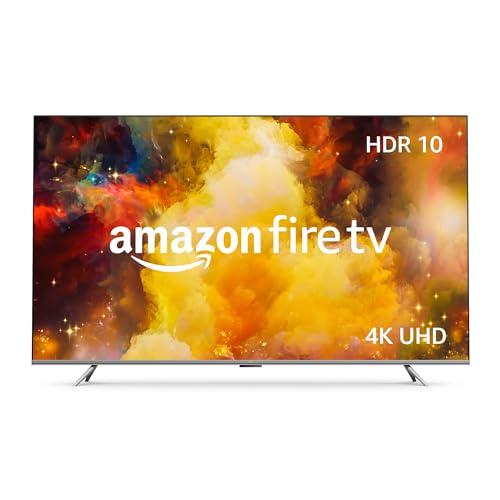
Both TVs support High Dynamic Range (HDR), which expands the difference between the brightest whites and darkest blacks your TV can display. Think of HDR like having a wider palette of paint colors—instead of just light gray and dark gray, you get brilliant white and deep black, with all the subtle shades in between.
Here's where things get technical: the Insignia F50 supports both Dolby Vision and HDR10, while the Omni Series matches this support. However, HDR performance isn't just about which formats a TV accepts—it's about how bright the screen can get and how well it maintains color accuracy at those brightness levels.
The F50 achieves higher peak brightness levels, which is crucial for HDR content. When a movie has a scene with bright sunlight or an explosion, the F50 can make those highlights really pop off the screen. The Omni Series, with its peak brightness of around 330 nits, struggles to make HDR content look dramatically different from standard dynamic range content.
This brightness difference becomes especially important in bright rooms. If your TV is near windows or you watch during the day with lights on, the F50 will maintain better contrast and color saturation.
Both TVs use VA (Vertical Alignment) LCD panels, which naturally produce better contrast than IPS panels by blocking more light when displaying black pixels. However, neither TV includes local dimming—a feature where different zones of the backlight can dim independently to create deeper blacks in dark scenes.
The Omni Series achieves a respectable 5000:1 contrast ratio, while the F50 performs similarly in this regard. In dark room viewing, both TVs will show some light bleeding around bright objects on dark backgrounds, but it's not egregious enough to ruin the viewing experience for most people.
Fire TV OS has evolved significantly since 2021, with Amazon continuously pushing updates that improve performance and add features. However, our research suggests the Insignia F50 generally provides a snappier user experience when navigating menus and launching apps.
The reason likely comes down to resource allocation. The F50 dedicates its processing power primarily to running the Fire TV interface and streaming apps. The Amazon Omni Series, on the other hand, reserves processing power for its advanced voice recognition features and smart home integrations, which can occasionally make the interface feel sluggish during heavy multitasking.
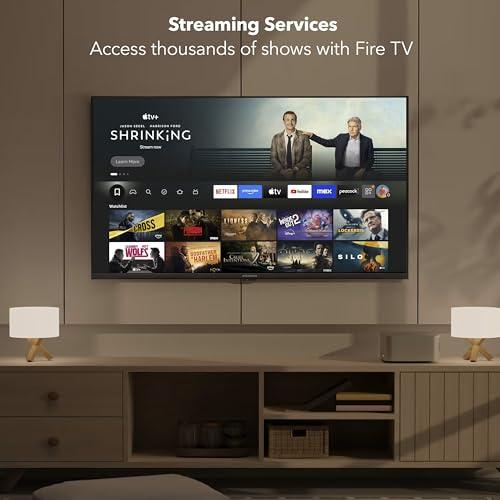
Both TVs provide access to the same extensive library of streaming apps—Netflix, Disney+, HBO Max, Apple TV+, YouTube, and thousands more. App loading times are generally comparable, though some users report the F50 feeling more responsive when switching between multiple apps quickly.
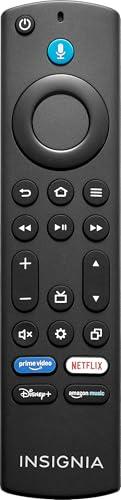
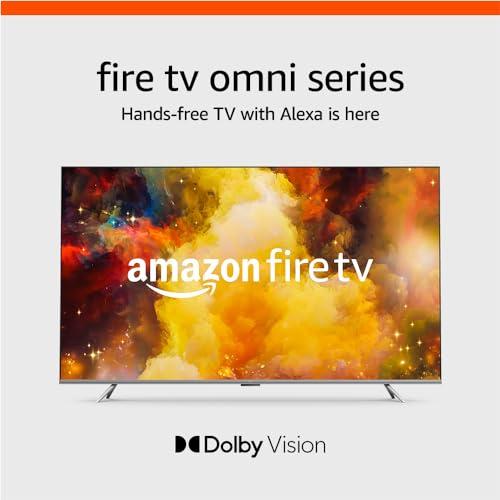
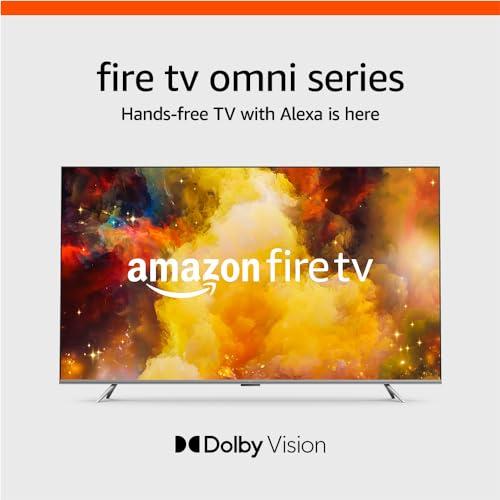
Here's where the Amazon Omni Series justifies its higher price point. Unlike the F50, which requires you to press a button on the remote to use Alexa, the Omni Series has built-in microphones that are always listening for the "Alexa" wake word.
This hands-free functionality transforms how you interact with your TV. You can turn it on from across the room, search for content while your hands are full with snacks, adjust volume during a movie, or even control other smart home devices without hunting for the remote. It's one of those features that seems minor until you experience it daily—then it becomes hard to live without.
The F50 still includes Alexa functionality through its voice remote, which works well but requires that extra step of finding and pressing the microphone button. For many people, this difference won't matter much, but if you're already invested in Amazon's smart home ecosystem with Echo devices throughout your house, the seamless integration of the Omni Series creates a more cohesive experience.
Both TVs perform admirably for console gaming, with input lag measurements around 15 milliseconds in Game Mode—fast enough that you won't notice any delay between pressing a controller button and seeing the action on screen. This makes both the F50 and Omni Series suitable for everything from casual Nintendo Switch gaming to competitive online matches on PlayStation 5 or Xbox Series X.
However, neither TV supports advanced gaming features that have become more common since their 2021 release. You won't get 120Hz refresh rates, Variable Refresh Rate (VRR), or Auto Low Latency Mode (ALLM)—features that newer, more expensive TVs offer for the smoothest possible gaming experience.
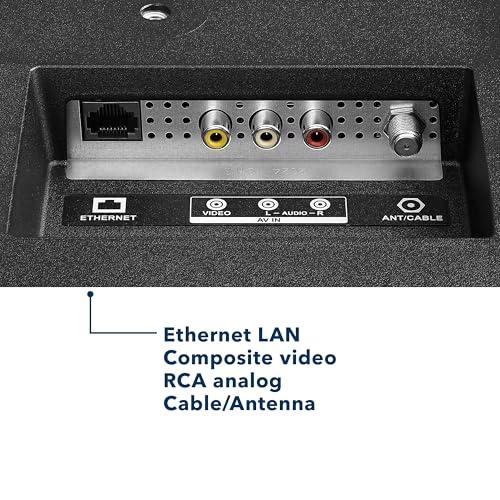
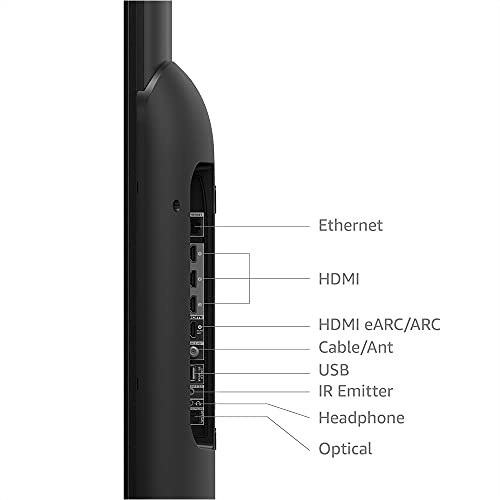
The Amazon Omni Series has a slight edge with four HDMI ports compared to the F50's three ports, plus it includes one HDMI 2.1 port with eARC (Enhanced Audio Return Channel). The eARC support is particularly valuable if you plan to connect a soundbar, as it can pass through high-quality audio formats like Dolby Atmos without compression.
The F50 also includes eARC support, so both TVs can handle advanced audio formats when connected to compatible sound systems. For most users, three HDMI ports prove sufficient for a game console, streaming device, and cable box, but that fourth port on the Omni Series provides extra flexibility.
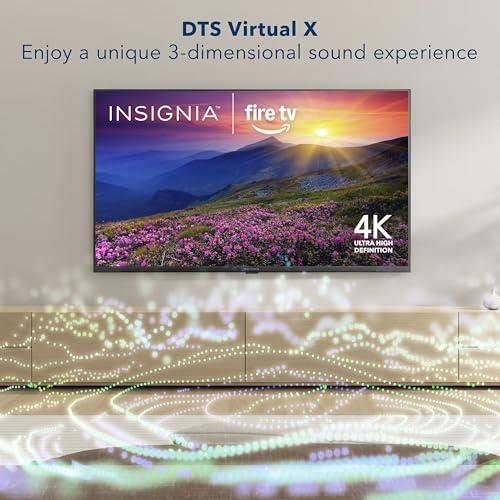
The Insignia F50 includes more powerful built-in speakers at 20 watts total output with DTS Studio Sound processing. DTS Studio Sound is a technology that enhances dialogue clarity and creates a wider soundstage from the TV's built-in speakers, making voices easier to understand and creating a more immersive audio experience.
The Amazon Omni Series features 16 watts of speaker power with support for Dolby Atmos and DTS HD. While it has less raw power, the Dolby Atmos support means it can process three-dimensional audio tracks that create the illusion of sound coming from above and around you.
Based on user reviews and expert testing, the F50's higher wattage and DTS Studio Sound processing generally result in clearer dialogue and better overall volume levels for everyday TV viewing. The difference isn't dramatic, but it's noticeable enough that fewer users feel the immediate need to upgrade to a soundbar.
That said, both TVs benefit significantly from external audio solutions. If you're planning a proper home theater setup, the built-in speaker quality becomes less relevant since you'll likely connect a soundbar or surround sound system anyway.
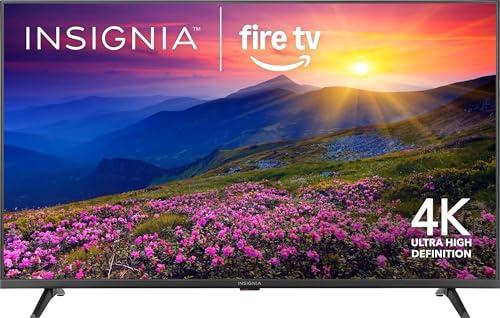
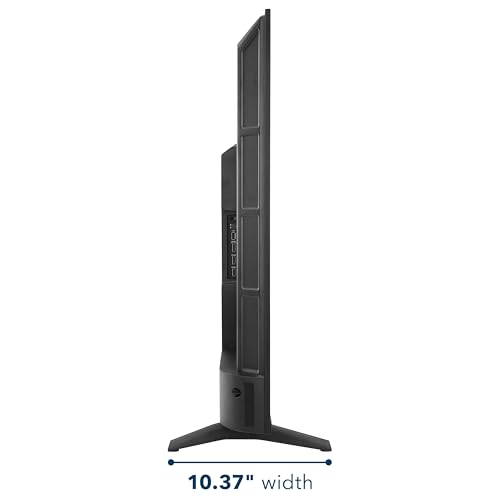
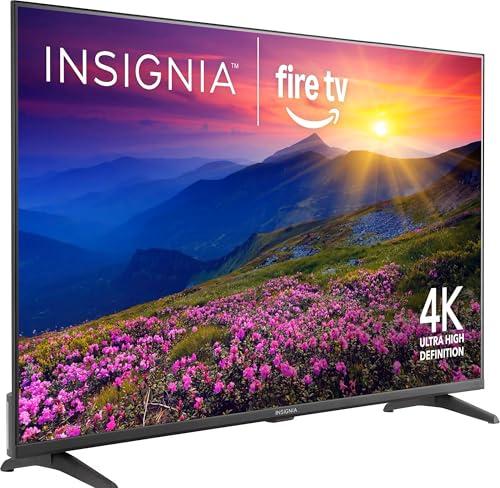
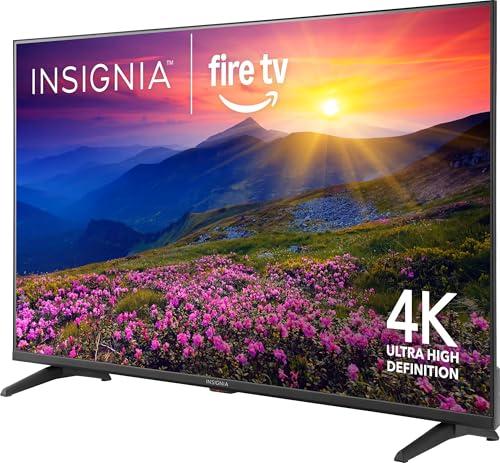
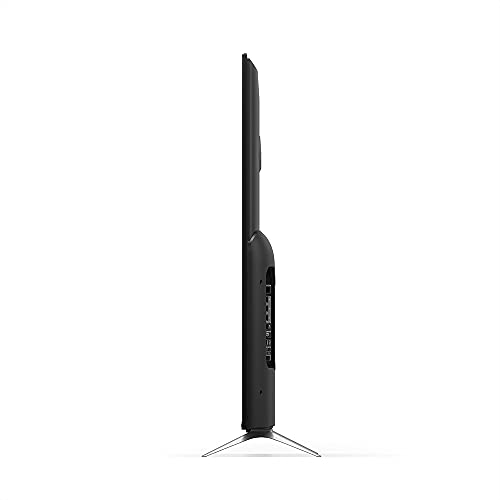
The Insignia F50 surprised many reviewers with its premium-feeling build quality despite its budget positioning. The TV features slim bezels, solid construction, and a sleek profile that doesn't scream "budget TV" when mounted on a wall or sitting on an entertainment center.
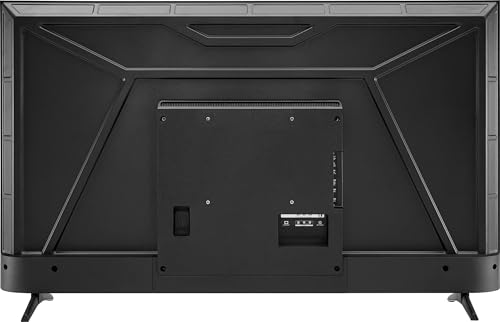
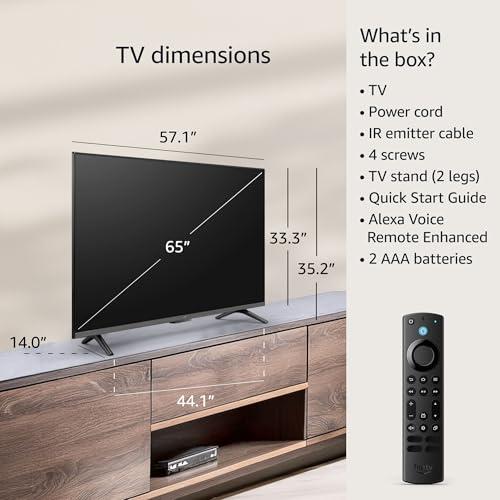
The Amazon Omni Series opts for a more utilitarian design approach. While it's certainly not ugly, it lacks some of the refined touches that make the F50 feel more expensive than its price suggests. The Omni's stand legs are also positioned quite far apart, which can create furniture compatibility issues unless you're wall-mounting.
Reliability data for TVs typically emerges over 3-5 years of use, and both of these models are still relatively young in that timeline. However, the F50's simpler feature set and focus on core TV functionality potentially offer advantages for long-term reliability.
The Omni Series includes more complex hardware with its built-in microphones and advanced voice processing, which creates additional potential points of failure. That said, Amazon's track record with Echo devices suggests they understand how to build reliable always-listening hardware.
If you're setting up a dedicated home theater or media room, the Insignia F50's superior brightness and color performance make it the better choice for most environments. Its higher peak brightness helps maintain picture quality in rooms with some ambient lighting, while its more accurate color reproduction ensures movies look closer to how directors intended.
Both TVs suffer from the typical VA panel limitation of narrow viewing angles. Picture quality degrades noticeably when viewed from the sides, so they work best in rooms where viewers sit directly in front of the screen rather than spread out across a wide seating area.
For serious home theater setups, both TVs' eARC support means they can serve as the central hub for your audio system. The Omni Series might have a slight advantage here due to its more robust HDMI port configuration, but both handle the basics of passing through high-quality audio to soundbars and AV receivers without issues.
At the time of writing, the Insignia F50 typically sells for significantly less than the Amazon Omni Series—sometimes 20-30% less during sales events. This price difference is substantial enough that it often determines the winner for budget-conscious buyers.
When you consider that the F50 generally provides superior picture quality alongside its lower price, it represents exceptional value for anyone prioritizing visual performance over smart home integration.
The Amazon Omni Series asks you to pay a premium for hands-free Alexa functionality and slightly better connectivity options. Whether this premium is justified depends entirely on your specific needs and existing smart home setup.
If you already own multiple Echo devices and rely heavily on voice control throughout your home, the seamless integration offered by the Omni Series can feel worth every extra dollar. But if you rarely use voice assistants or don't mind pressing a button on the remote, that premium becomes harder to justify.
The Insignia F50 makes the most sense for buyers who prioritize picture quality and value above all else. If you want the best possible viewing experience for movies, TV shows, and gaming within a budget-friendly price range, this TV delivers.
It's also the smarter choice if you prefer simpler technology that focuses on doing core TV functions exceptionally well. The straightforward approach means fewer potential issues down the road and a more predictable user experience.
Finally, if budget constraints are a primary consideration, the F50 delivers premium-feeling picture quality at a price point that often undercuts the competition significantly.
Choose the Amazon Omni Series if you're already invested in Amazon's ecosystem and value the convenience of hands-free voice control. The ability to control your TV, search for content, and manage smart home devices without a remote is genuinely transformative for many users.
It's also worth the premium if you need the extra HDMI port for connectivity or if you're building a smart home where seamless integration between devices is a priority.
The Omni Series also makes sense if you don't mind paying more for Amazon's flagship Fire TV experience, which tends to receive new features and updates before they roll out to third-party Fire TV devices.
After extensive research and analysis, the Insignia F50 emerges as the better choice for most buyers. Its superior picture quality, lower price point, and focus on core TV functionality create a compelling value proposition that's hard to beat.
However, the Amazon Omni Series isn't without merit. For smart home enthusiasts who value convenience and seamless integration above pure performance metrics, the hands-free Alexa functionality and robust connectivity options justify the higher price.
Ultimately, both TVs represent solid choices within Amazon's Fire TV ecosystem. Your decision should come down to whether you prioritize visual performance and value (F50) or smart home functionality and convenience (Omni Series). Either way, you'll end up with a capable 65-inch TV that handles modern streaming, gaming, and entertainment needs without breaking the bank.
The key is being honest about your priorities and usage patterns. If you spend most of your TV time watching movies and shows, the F50's superior picture quality will pay dividends every day. But if you're building a connected home where everything works together seamlessly, the Omni Series might be worth the investment.
| Insignia 65" F50 Series 4K UHD Smart Fire TV | Amazon Fire TV Omni Series 65" 4K UHD Smart TV |
|---|---|
| Display Technology - Determines color quality and brightness | |
| QLED with Quantum Dots (superior color reproduction) | QLED with basic quantum dot implementation |
| Peak Brightness - Critical for HDR impact and bright room viewing | |
| Higher brightness output (better HDR performance) | 330 nits (limited HDR impact) |
| HDR Support - Essential for modern streaming content | |
| Dolby Vision, HDR10 (with better brightness to support them) | Dolby Vision, HDR10, HLG (brightness-limited performance) |
| Voice Control - Convenience factor for daily use | |
| Alexa Voice Remote (button press required) | Hands-free Alexa with built-in microphones |
| Audio Output - Built-in sound quality | |
| 20W with DTS Studio Sound (clearer dialogue) | 16W with Dolby Atmos support |
| HDMI Ports - Connection flexibility for devices | |
| 3 HDMI ports including eARC | 4 HDMI ports including HDMI 2.1 eARC |
| Smart Platform Performance - Daily navigation experience | |
| Fire TV OS optimized for streaming (faster response) | Fire TV OS with smart home features (occasionally slower) |
| Gaming Performance - Console compatibility | |
| ~15ms input lag, 60Hz, suitable for casual gaming | ~15ms input lag, 60Hz, Game Mode available |
| Build Quality - Long-term durability and aesthetics | |
| Premium feel with slim bezels, solid construction | Functional design with wider leg spacing |
| Smart Home Integration - Ecosystem compatibility | |
| Basic Fire TV integration | Full Amazon ecosystem integration with always-listening |
| Value Proposition - Performance per dollar | |
| Excellent picture quality at budget price point | Premium for smart home features over visual performance |
The Insignia 65" F50 Series delivers superior picture quality with its advanced QLED quantum dot technology and higher peak brightness. This results in more vibrant colors, better HDR performance, and improved contrast for movies and streaming content. The Amazon Fire TV Omni Series offers decent picture quality but can't match the F50's color accuracy and brightness levels.
The key difference is that the Amazon Fire TV Omni Series features hands-free Alexa voice control with built-in microphones, while the Insignia F50 requires using the voice remote button. The Omni Series focuses on smart home integration, while the F50 prioritizes picture quality and value.
Both the Insignia F50 and Amazon Omni Series offer similar gaming performance with approximately 15ms input lag and 60Hz refresh rates. Neither supports advanced gaming features like 120Hz or VRR, making them suitable for casual gaming but not ideal for competitive players seeking the latest gaming technology.
Yes, both the Insignia F50 Series and Amazon Fire TV Omni Series run Fire TV OS and support the same extensive library of streaming apps including Netflix, Disney+, Prime Video, Hulu, YouTube, and thousands more. App performance is generally faster on the F50 due to its streamlined software focus.
The Insignia F50 provides better built-in audio with 20W speakers and DTS Studio Sound processing for clearer dialogue and better volume levels. The Amazon Omni Series has 16W speakers with Dolby Atmos support but lower overall power output. Both benefit from adding a soundbar for optimal audio experience.
The Amazon Fire TV Omni Series offers hands-free voice control - you can speak commands from across the room without touching the remote. The Insignia F50 includes Alexa functionality but requires pressing the microphone button on the voice remote first. Both provide full Alexa capabilities for searching content and controlling smart home devices.
The Insignia F50 Series typically offers superior value with better picture quality at a lower price point. The Amazon Omni Series costs more but includes premium features like hands-free voice control and additional HDMI ports. Choose the F50 for best picture-per-dollar, or the Omni for smart home integration.
The Amazon Fire TV Omni Series includes 4 HDMI ports with one HDMI 2.1 eARC port for enhanced audio passthrough. The Insignia F50 has 3 HDMI ports including eARC support. Both provide sufficient connectivity for most users, but the Omni offers more flexibility for multiple devices.
The Insignia F50 performs better in bright rooms due to its higher peak brightness and superior anti-glare properties. The Amazon Omni Series with 330 nits brightness may struggle with glare and washed-out colors in very bright environments. Both work best with some light control for optimal viewing.
The Insignia F50 Series potentially offers better long-term reliability due to its simpler design focused on core TV functions. The Amazon Fire TV Omni Series includes more complex hardware with always-listening microphones and advanced processing, which could create additional potential failure points over time.
For dedicated home theater use, the Insignia F50 is the better choice due to its superior picture quality, higher brightness, and more accurate colors that better represent filmmakers' intentions. Both TVs have narrow viewing angles typical of VA panels, so they work best with centered seating arrangements rather than wide room layouts.
If you're invested in Amazon's smart home ecosystem, the Amazon Fire TV Omni Series provides seamless integration with hands-free control that works naturally with your existing Echo devices. However, if picture quality matters more than convenience features, the Insignia F50 still works with Alexa through its voice remote while delivering superior visual performance.
We've done our best to create useful and informative comparisons to help you decide what product to buy. Our research uses advanced automated methods to create this comparison and perfection is not possible - please contact us for corrections or questions. These are the sites we've researched in the creation of this article: bestbuy.com - bestbuy.com - rtings.com - youtube.com - pcvarge.com - whathifi.com - leaseville.com - bestbuy.com - manuals.plus - youtube.com - bestbuy.com - techeasypay.com - sears.com - rtings.com - bestbuy.com - rtings.com - techradar.com - youtube.com - youtube.com - businessinsider.com - amazonforum.com - pcvarge.com - tvpartstoday.com - kitele.com - manuals.plus - bestbuy.com - youtube.com - diverse-marketplace.com

Privacy Policy
Terms and Conditions - Affiliate Policy
Home Security
© Copyright 2008-2026.
11816 Inwood Rd #1211, Dallas, TX 75244