

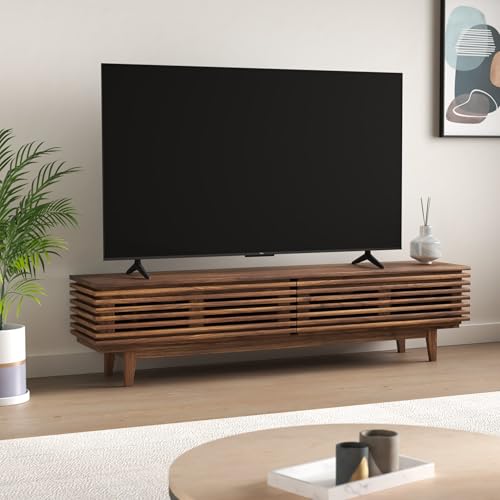
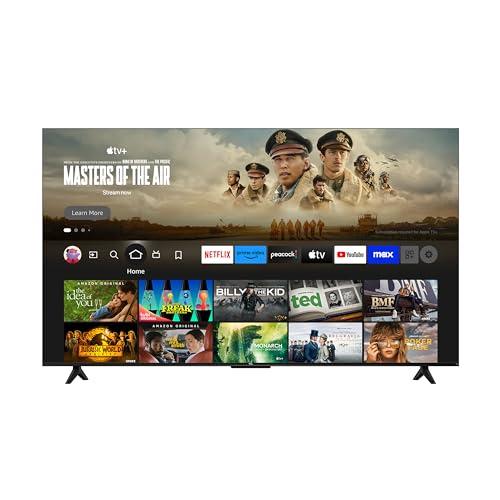

Shopping for a 65-inch smart TV can feel overwhelming with dozens of models promising the best picture quality and smart features. Two TVs that consistently appear in budget-conscious buyers' research are the TCL 65" S5 Class 4K UHD HDR Fire TV and the Amazon Fire TV Omni Series 65". Both offer compelling value propositions at similar price points, but they take notably different approaches to delivering your entertainment experience.
The modern 65-inch TV market has evolved dramatically since these models were released. The TCL S5 represents TCL's 2024 entry-level offering, incorporating recent improvements in processing power and gaming features that weren't available in earlier budget models. Meanwhile, the Amazon Fire TV Omni Series launched in 2021 as Amazon's ambitious entry into TV manufacturing, focusing heavily on smart home integration and voice control capabilities that were revolutionary at the time.
Understanding which TV better suits your needs requires looking beyond basic specifications to examine real-world performance differences that affect your daily viewing experience.
Before diving into specifics, it's worth understanding what separates excellent 65-inch TVs from mediocre ones. At this screen size, you're likely sitting 8-12 feet away, making picture quality paramount. The most critical factors include brightness (measured in nits), contrast ratio (the difference between the darkest and brightest parts), color accuracy, and motion handling during sports or action scenes.
Smart TV performance has become equally important. A beautiful display means nothing if the interface freezes when switching between Netflix and YouTube. Processing power, measured by the TV's internal chip and RAM, directly impacts how smoothly apps load and respond to commands.
Gaming capabilities increasingly matter as more people use their TVs for PlayStation, Xbox, or PC gaming. Features like low input lag (the delay between pressing a controller button and seeing the action on screen), variable refresh rate (VRR, which synchronizes the TV's refresh with your gaming device), and high refresh rates can transform gaming experiences.
The most significant technical difference between these TVs lies in their display technology. The Amazon Fire TV Omni Series uses quantum dot technology, often marketed as QLED, while the TCL S5 relies on traditional LED backlighting.
Quantum dots are microscopic particles that emit pure colors when hit by blue LED light. This technology allows the Omni Series to display about 97% of the DCI-P3 color space—the standard used by movie studios—compared to roughly 85-90% for standard LED displays like the TCL S5. In practical terms, this means more vibrant greens in nature documentaries, richer reds in action movies, and more accurate skin tones across all content.
However, both TVs share a critical limitation: neither includes local dimming. Local dimming allows different sections of the screen to independently control their brightness, creating deeper blacks and better contrast. Without this feature, both displays show gray rather than true black in dark scenes, significantly limiting their HDR (High Dynamic Range) performance.
HDR content, which includes most modern streaming movies and shows, is designed to display brighter highlights and deeper shadows than standard content. Unfortunately, our research indicates both TVs struggle to deliver meaningful HDR improvements. The Omni Series handles HDR slightly better due to its quantum dot advantage, but neither can achieve the brightness levels (typically 600+ nits) needed for impressive HDR experiences.
The TCL S5 faces additional brightness challenges in well-lit rooms. Professional reviews consistently note it lacks sufficient brightness to overcome glare from windows or overhead lighting, making it primarily suitable for dimmer viewing environments. The Omni Series performs better in varied lighting conditions, though neither excels in bright rooms compared to more expensive models.
This category reveals perhaps the most surprising performance difference between these TVs. Both run Amazon's Fire TV operating system, but their execution varies dramatically.
The Amazon Fire TV Omni Series, despite being Amazon's own hardware, suffers from frustratingly slow interface performance. Multiple user reviews and professional evaluations highlight significant lag when navigating menus, switching apps, or responding to remote commands. This sluggishness stems from the TV's MediaTek processor and 2GB of RAM struggling to handle Fire TV's demanding interface.
The experience becomes particularly annoying when you're trying to quickly switch between streaming services or adjust settings during a movie. Users report having to wait several seconds for the TV to register button presses—an eternity in today's instant-gratification world.
The TCL S5, despite running the same Fire TV platform, delivers notably more responsive performance. Being a 2024 model, it benefits from updated processing hardware and optimized software integration that wasn't available when the Omni Series launched in 2021. Apps load faster, menu navigation feels snappier, and the overall user experience aligns better with expectations set by modern streaming devices.
However, the Omni Series offers a unique advantage: hands-free voice control. Built-in far-field microphones (similar to those in Amazon Echo devices) allow you to control the TV, search for content, and manage smart home devices without picking up the remote. You can simply say "Alexa, play The Office on Netflix" from across the room, and the TV responds.
This hands-free functionality represents a genuine convenience upgrade for smart home enthusiasts. The TCL S5 includes voice control through its remote but requires physically holding and pressing the microphone button.
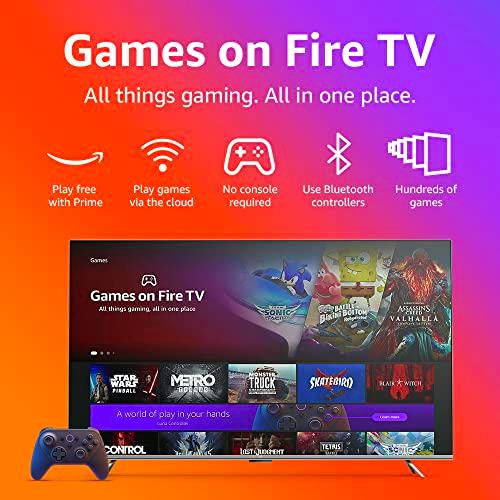
Gaming capabilities showcase another area where these 2024 vs 2021 release dates create meaningful differences. The TCL S5 includes several gaming-focused features that weren't standard in budget TVs just a few years ago.
Most notably, it supports Variable Refresh Rate (VRR) at resolutions up to 1440p at 120Hz. VRR eliminates screen tearing—those horizontal lines that appear when your gaming device's frame rate doesn't match the TV's refresh rate. While not offering full 4K at 120Hz like premium gaming TVs, this 1440p/120Hz capability provides smoother gameplay for console and PC gamers.
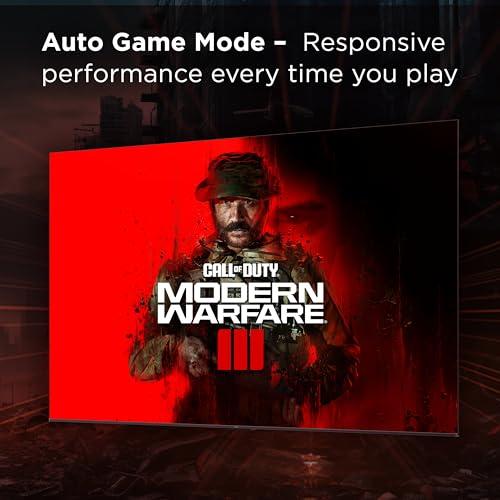
The TCL S5 also includes Auto Low Latency Mode (ALLM), which automatically switches to the TV's fastest response settings when it detects a gaming device. This feature, combined with input lag measurements around 15 milliseconds, creates a responsive gaming experience suitable for competitive play.
The Amazon Fire TV Omni Series offers similar low input lag but lacks VRR and high refresh rate support. It's limited to 4K at 60Hz, which works fine for casual gaming but feels dated compared to current gaming capabilities. This limitation particularly impacts owners of PlayStation 5, Xbox Series X, or modern gaming PCs that can output higher frame rates.
Both TVs include dedicated gaming picture modes that optimize brightness, contrast, and motion processing for games rather than movies or TV shows. However, the TCL S5's additional gaming features provide more flexibility for serious gamers.
Audio represents an interesting trade-off between these models. The TCL S5 delivers 20 watts total power through two 10-watt speakers, compared to the Omni Series' 16 watts from dual 8-watt drivers. Higher wattage typically means louder maximum volume and better bass response.
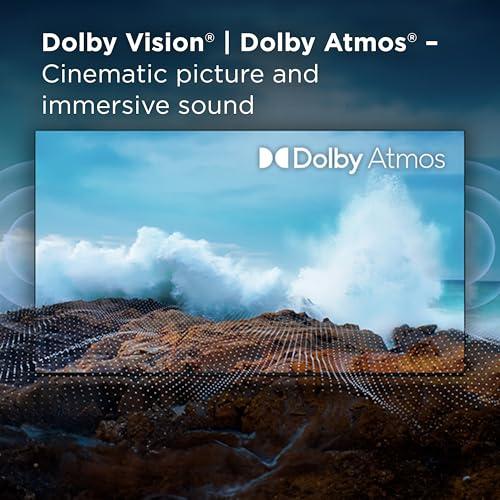
However, the Omni Series includes more advanced audio processing. Its Dolby Atmos and DTS Virtual:X support creates more immersive spatial audio effects, making movie soundtracks and music feel more three-dimensional. The TV attempts to simulate surround sound from its built-in speakers, though results vary significantly based on room acoustics and content quality.
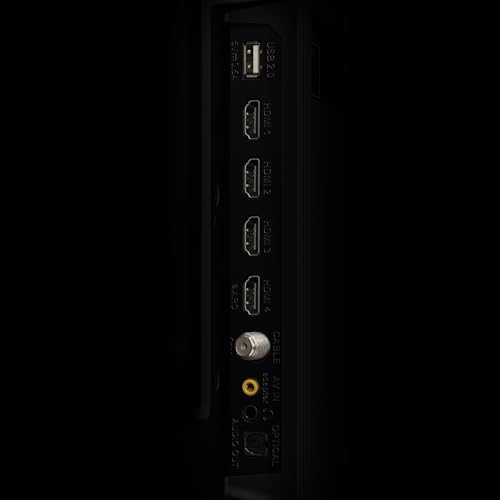
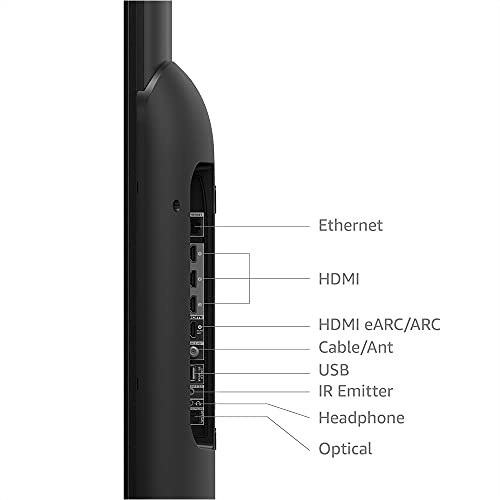
Both TVs support eARC (Enhanced Audio Return Channel) through their HDMI connections, allowing high-quality audio passthrough to external soundbars or audio systems. This feature becomes crucial since both TVs, like most flat-panel displays, produce thin-sounding audio from their integrated speakers.
For serious movie watching or music listening, either TV benefits tremendously from pairing with a dedicated soundbar or audio system. The built-in speakers handle dialogue clearly but lack the depth and impact expected for cinematic experiences.
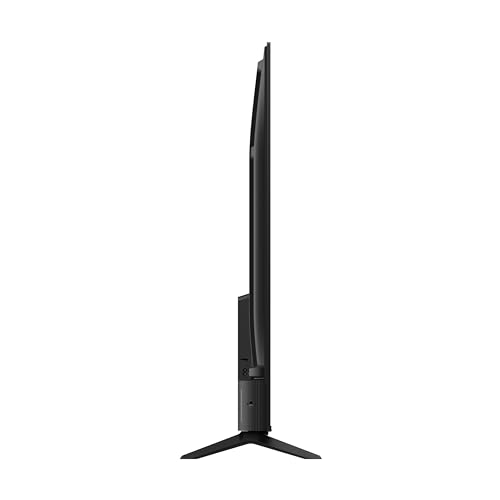
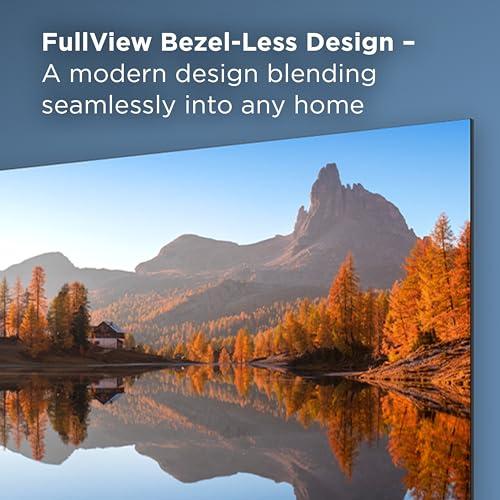
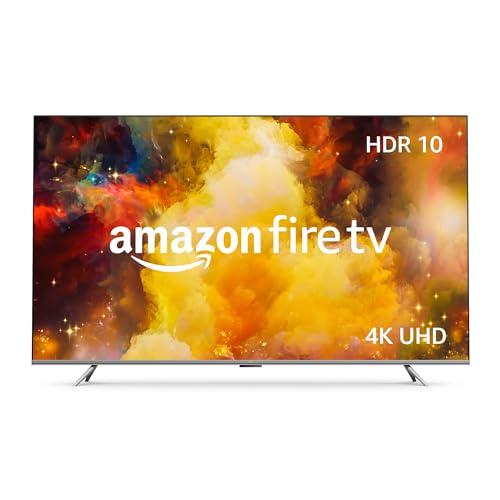
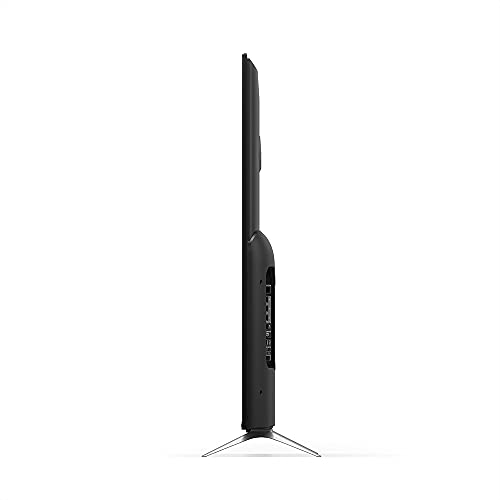
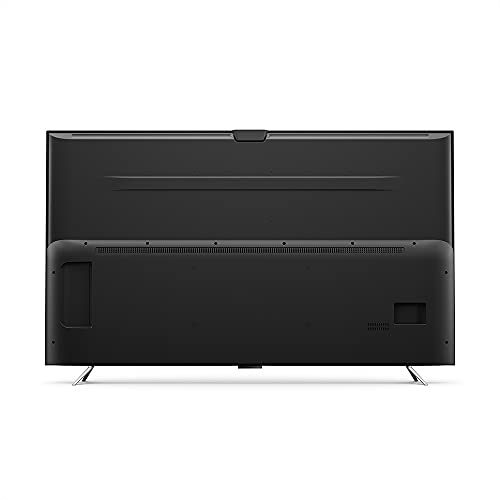
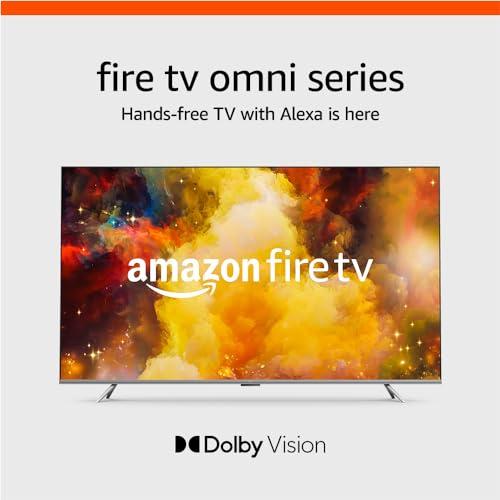
Both TVs adopt modern slim-bezel designs that maximize screen real estate while maintaining attractive aesthetics. The Omni Series features a brushed silver finish that appears more premium than the TCL S5's utilitarian black plastic construction.
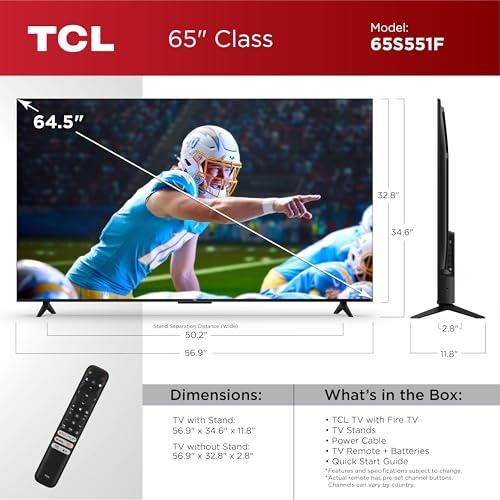
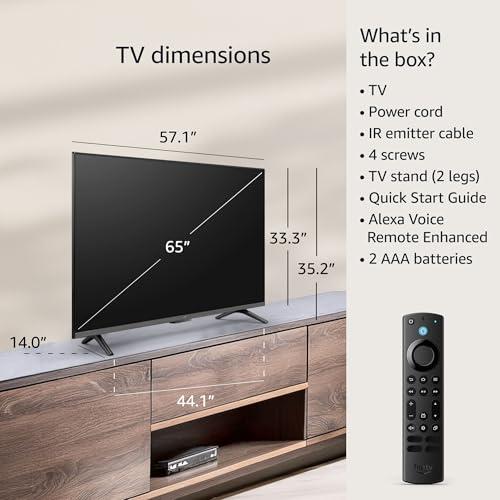
However, design differences extend beyond appearance to practical considerations. The Amazon Fire TV Omni Series uses an extremely wide stand that requires TV furniture at least 50 inches wide. Many users discover their existing entertainment centers can't accommodate the stand's footprint, necessitating wall mounting or furniture replacement.
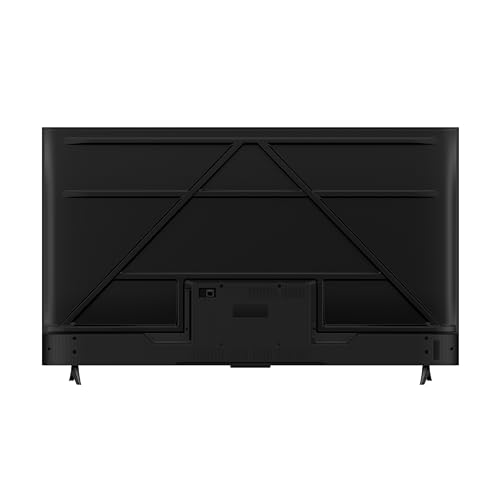
The TCL S5 uses a more conventional stand design that fits standard TV furniture, though the legs are positioned toward the outer edges of the display. Both TVs support VESA wall mounting for those preferring wall installation.
Build quality appears similar between models, with both using primarily plastic construction typical of budget-oriented TVs. Neither feels flimsy or concerning during setup and daily use.
At the time of writing, both TVs compete in similar price ranges during sales periods, though pricing fluctuates significantly based on retailer promotions and seasonal demand. This price similarity makes the feature and performance differences more critical to purchasing decisions.
The TCL S5 delivers better overall value for most buyers because it prioritizes fundamental performance over advanced features. Its responsive smart platform, gaming capabilities, and newer processing hardware create a more satisfying daily experience. For families primarily streaming content, playing games, and watching broadcast TV, these practical advantages outweigh the Omni Series' premium features.
However, the Amazon Fire TV Omni Series justifies its positioning for specific user groups. Smart home enthusiasts who already use Alexa devices throughout their homes will appreciate the seamless integration and hands-free control. The quantum dot display technology also provides genuinely better color reproduction for those prioritizing visual quality over interface speed.
For dedicated home theater use, both TVs present limitations that serious enthusiasts should consider. Neither offers the local dimming, high brightness, or wide viewing angles found in premium home theater displays.
The Omni Series performs slightly better in this application due to its superior color reproduction and contrast ratios. Movie content benefits from the wider color gamut, particularly animated films and nature documentaries with vibrant colors.
However, both TVs struggle with dark movie scenes due to their limited black levels. Horror movies, sci-fi films, and dramatic scenes with moody lighting appear washed out compared to higher-end displays with local dimming or OLED technology.
Viewing angles present another home theater challenge. Both use panel technologies that degrade picture quality when viewed from the sides, making them less suitable for wide seating arrangements. Center seating provides the best experience, with noticeable color shifting and contrast loss at extreme angles.
The TCL S5 emerges as the better choice for most buyers, particularly those who prioritize daily usability over advanced smart features. It's ideal for:
The responsive interface alone makes it more pleasant to use daily, while its gaming features provide better value for households with PlayStation, Xbox, or PC gaming setups.
The Amazon Fire TV Omni Series makes sense for specific scenarios:
The hands-free Alexa functionality genuinely improves convenience for smart home enthusiasts, while the quantum dot display provides meaningfully better colors for streaming content.
Choosing between these TVs ultimately depends on weighing daily usability against premium features. The TCL S5 creates a more enjoyable day-to-day experience with its responsive interface and gaming capabilities, while the Omni Series offers unique smart home integration and superior color reproduction.
Consider your primary use cases: if gaming, fast app switching, and general responsiveness matter most, the TCL S5 delivers better value. If you value hands-free control, enhanced colors, and smart home integration over interface speed, the Omni Series might justify its trade-offs.
Both represent solid value in the 65-inch TV market, but neither excels at everything. Understanding these specific strengths and limitations ensures you choose the TV that best matches your priorities and viewing habits.
Remember that at this price point, both TVs benefit significantly from external audio systems and work best in controlled lighting environments. Setting realistic expectations about their capabilities—and limitations—compared to premium TVs helps ensure satisfaction with either choice.
| TCL 65" S5 Class 4K UHD HDR Fire TV 2024 | Amazon Fire TV Omni Series 65" 4K UHD |
|---|---|
| Display Technology - Determines color quality and brightness | |
| Direct LED backlight, standard color gamut | QLED with Quantum Dots, 97% DCI-P3 color coverage |
| Smart Platform Performance - Critical for daily navigation speed | |
| Responsive Fire TV interface with 2024 optimizations | Slower Fire TV performance due to underpowered 2021 hardware |
| Gaming Features - Important for console and PC gaming | |
| VRR up to 1440p/120Hz, Game Accelerator 120, ALLM | Limited to 4K/60Hz, basic gaming mode only |
| Voice Control - Convenience factor for smart home users | |
| Alexa voice remote (button required) | Hands-free Alexa with built-in far-field microphones |
| HDR Performance - Impact on movie and streaming quality | |
| HDR10+, Dolby Vision support but limited brightness | HDR10, Dolby Vision with better color but still brightness-limited |
| Audio Output - Built-in sound quality | |
| 20W total (2x10W speakers) with Dolby Atmos | 16W total (2x8W) with Dolby Atmos and DTS Virtual:X |
| Brightness Capability - Determines performance in lit rooms | |
| Low brightness, requires dim viewing environments | Moderate brightness, handles some ambient light better |
| Refresh Rate - Smoothness for sports and action content | |
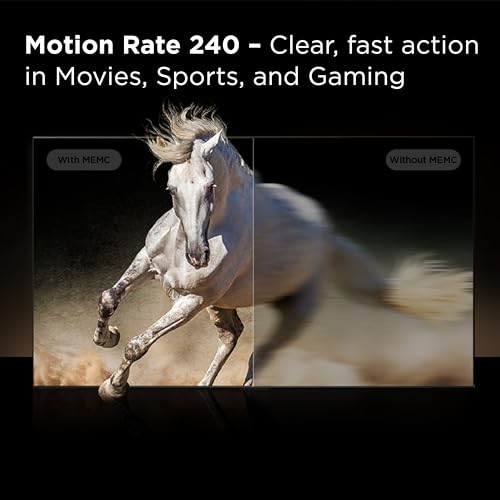
| Motion Rate 240 with MEMC frame insertion | Standard 60Hz with basic motion processing |
| Release Year - Affects feature set and future support | |
| 2024 model with latest processing and longer support | 2021 model approaching end of major update cycle |
| HDMI Connectivity - Future-proofing for new devices | |
| 3x HDMI 2.0 + 1x HDMI 2.1 (eARC focus) | 3x HDMI 2.0 + 1x HDMI 2.1 (eARC only) |
| Black Level Performance - Dark scene quality | |
| No local dimming, gray blacks in dark scenes | No local dimming, slightly better contrast but still gray blacks |
| Viewing Angles - Picture quality from side seating | |
| Limited viewing angles, best viewed straight-on | Limited viewing angles, best viewed straight-on |
The Amazon Fire TV Omni Series 65" delivers superior color reproduction thanks to its quantum dot QLED technology, covering 97% of the DCI-P3 color space compared to the standard LED display in the TCL 65" S5 Class. However, both TVs lack local dimming, resulting in similar limitations with dark scenes and HDR performance. For bright, colorful content like animated movies or nature documentaries, the Omni Series provides more vibrant visuals.
The TCL 65" S5 Class 4K UHD HDR Fire TV 2024 offers significantly faster smart TV performance despite both models running Fire TV OS. The 2024 model benefits from updated processing hardware and optimizations, while the Amazon Fire TV Omni Series suffers from notably slow menu navigation and app loading due to its underpowered 2021 hardware.
The TCL S5 Class is the better gaming choice, supporting Variable Refresh Rate (VRR) up to 1440p at 120Hz, Auto Low Latency Mode, and Game Accelerator 120 features. The Amazon Fire TV Omni Series is limited to basic 4K gaming at 60Hz without VRR support, making it less suitable for modern console gaming.
Neither TV excels in bright environments, but the Amazon Fire TV Omni Series handles ambient light better than the TCL S5 Class. The TCL model specifically struggles with brightness and is best suited for dimmer viewing environments. For well-lit rooms, you may want to consider higher-end models with better brightness capabilities.
Only the Amazon Fire TV Omni Series 65" offers true hands-free voice control with built-in far-field microphones, allowing you to control the TV and smart home devices without the remote. The TCL 65" S5 Class includes Alexa voice control but requires pressing the microphone button on the remote.
The Amazon Fire TV Omni Series provides better audio processing with Dolby Atmos and DTS Virtual:X support, creating more immersive sound despite lower total wattage (16W vs 20W). However, both TVs benefit significantly from external soundbars or audio systems for optimal movie watching experiences.
Both the TCL S5 Class and Omni Series have limitations for dedicated home theater use, including narrow viewing angles and lack of local dimming for deep blacks. The Amazon Fire TV Omni Series performs slightly better due to superior color reproduction, but serious home theater enthusiasts should consider higher-end models with local dimming or OLED technology.
The TCL 65" S5 Class 4K UHD HDR Fire TV 2024 generally provides better overall value with its responsive interface, gaming features, and newer processing hardware. The Amazon Fire TV Omni Series offers unique smart home integration but at the cost of slower performance, making the TCL model better for most buyers.
Both TVs support major HDR formats including Dolby Vision, but neither delivers impressive HDR performance due to limited brightness and lack of local dimming. The Amazon Fire TV Omni Series has a slight advantage in HDR quality thanks to its quantum dot display, but the difference is minimal compared to true HDR-capable TVs.
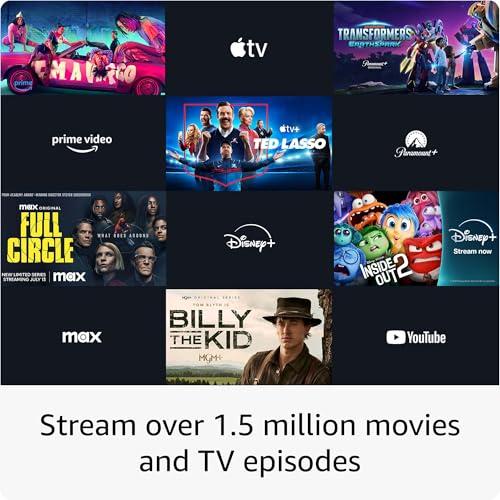
The TCL S5 Class provides a superior streaming experience due to its faster, more responsive Fire TV interface. While both TVs access the same streaming apps, the TCL model's updated hardware makes switching between services and navigating menus much more pleasant for daily use.
The TCL 65" S5 Class is better for sports thanks to its Motion Rate 240 with MEMC frame insertion, reducing blur during fast action. Both the TCL S5 and Omni Series have limited viewing angles, so they work best when viewers are seated directly in front of the screen rather than spread across a wide seating arrangement.
Smart home enthusiasts should consider the Amazon Fire TV Omni Series 65" for its seamless Alexa integration and hands-free voice control capabilities. However, if interface responsiveness is more important than smart home features, the TCL 65" S5 Class delivers better daily usability despite requiring the remote for voice commands.
We've done our best to create useful and informative comparisons to help you decide what product to buy. Our research uses advanced automated methods to create this comparison and perfection is not possible - please contact us for corrections or questions. These are the sites we've researched in the creation of this article: rtings.com - bestbuy.com - youtube.com - youtube.com - businessinsider.com - pcvarge.com - rtings.com - tcl.com - tcl.com - tcl.com - bestbuy.com - sears.com - samsclub.com - tvsbook.com - bestbuy.com - rtings.com - techradar.com - youtube.com - youtube.com - businessinsider.com - amazonforum.com - pcvarge.com - tvpartstoday.com - kitele.com - manuals.plus - bestbuy.com - youtube.com - diverse-marketplace.com

Privacy Policy
Terms and Conditions - Affiliate Policy
Home Security
© Copyright 2008-2026.
11816 Inwood Rd #1211, Dallas, TX 75244