

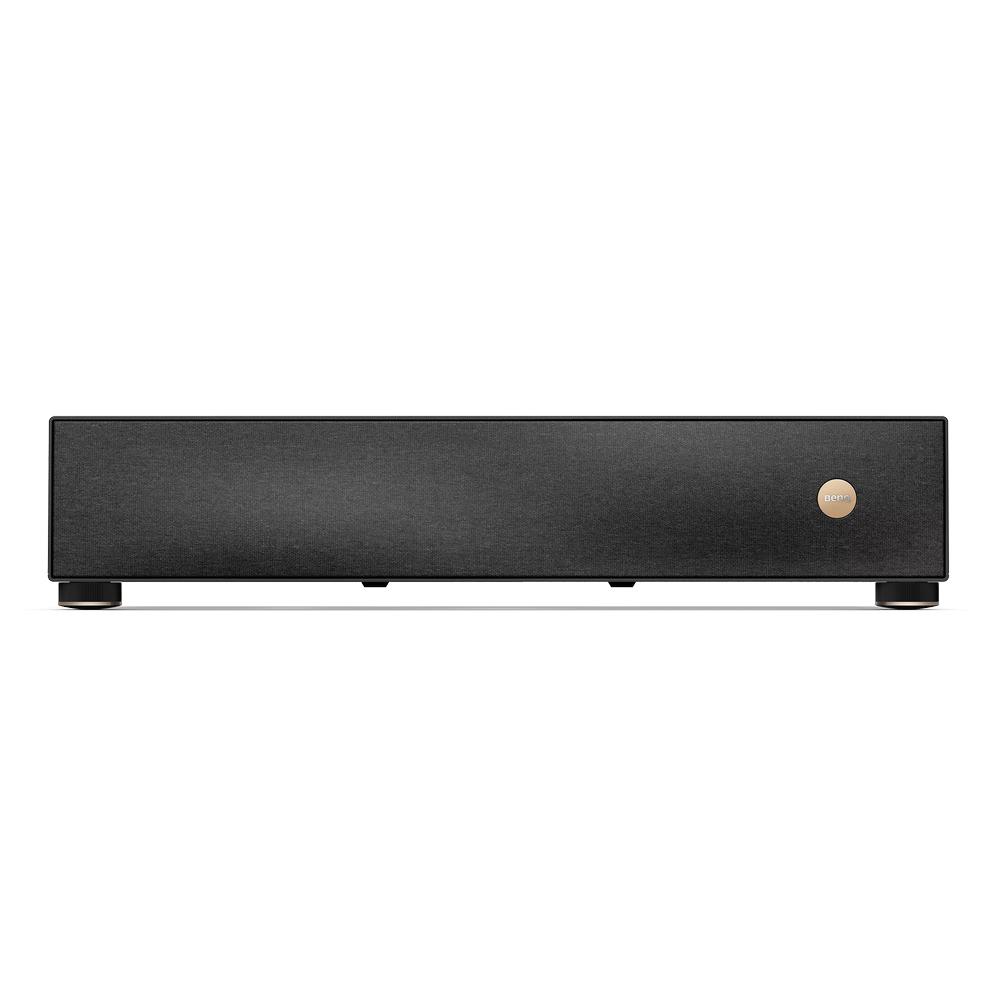
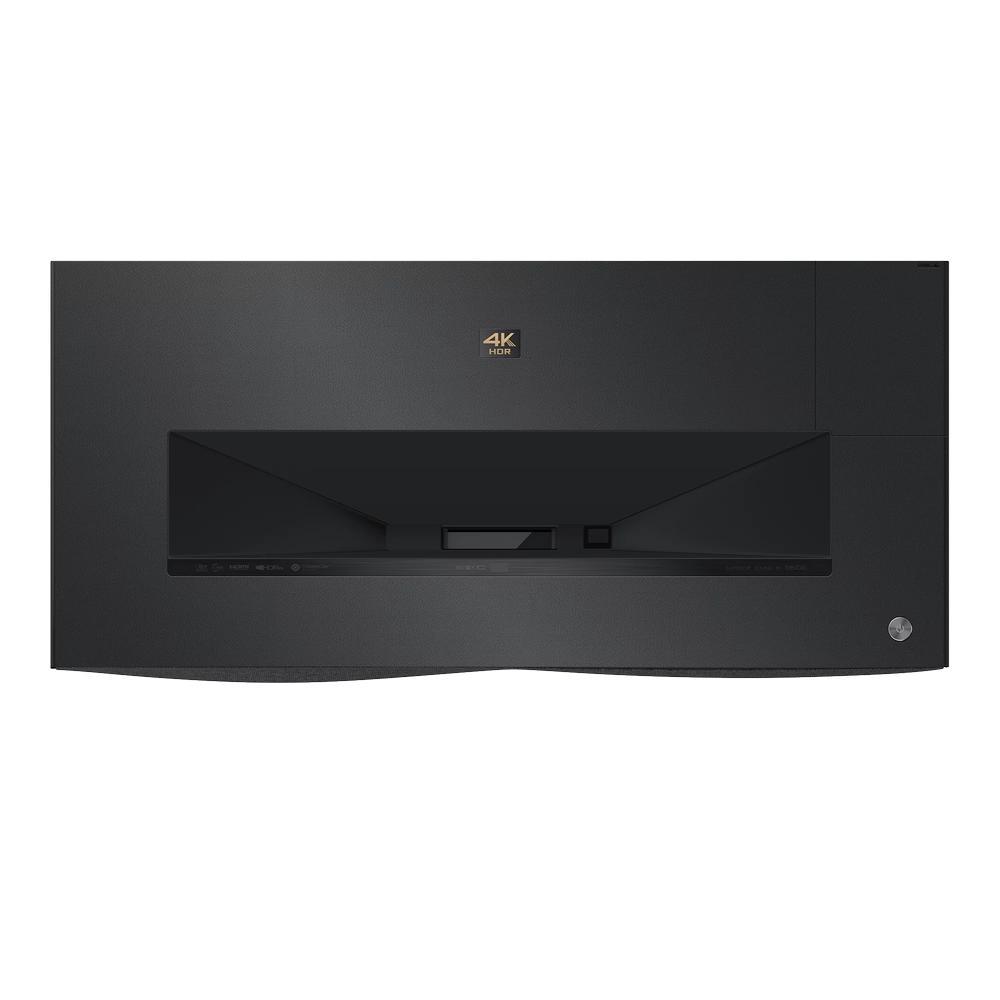
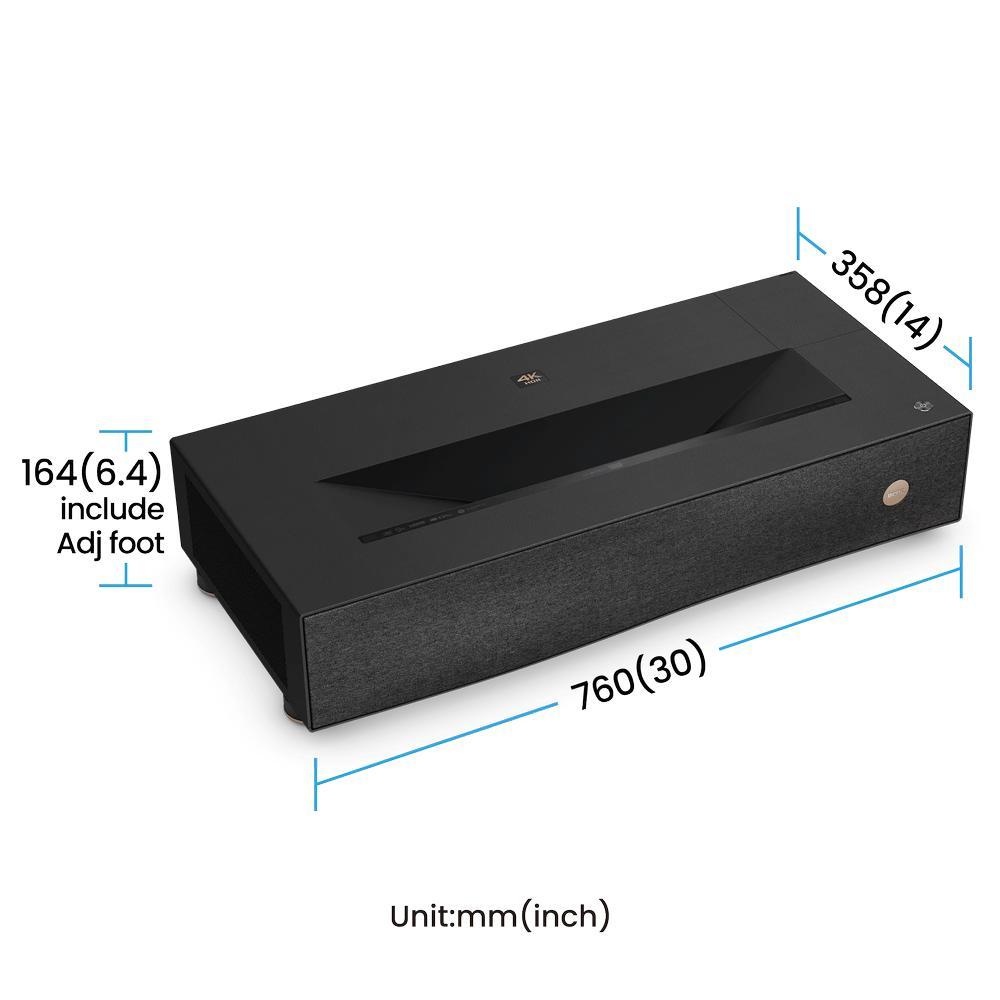
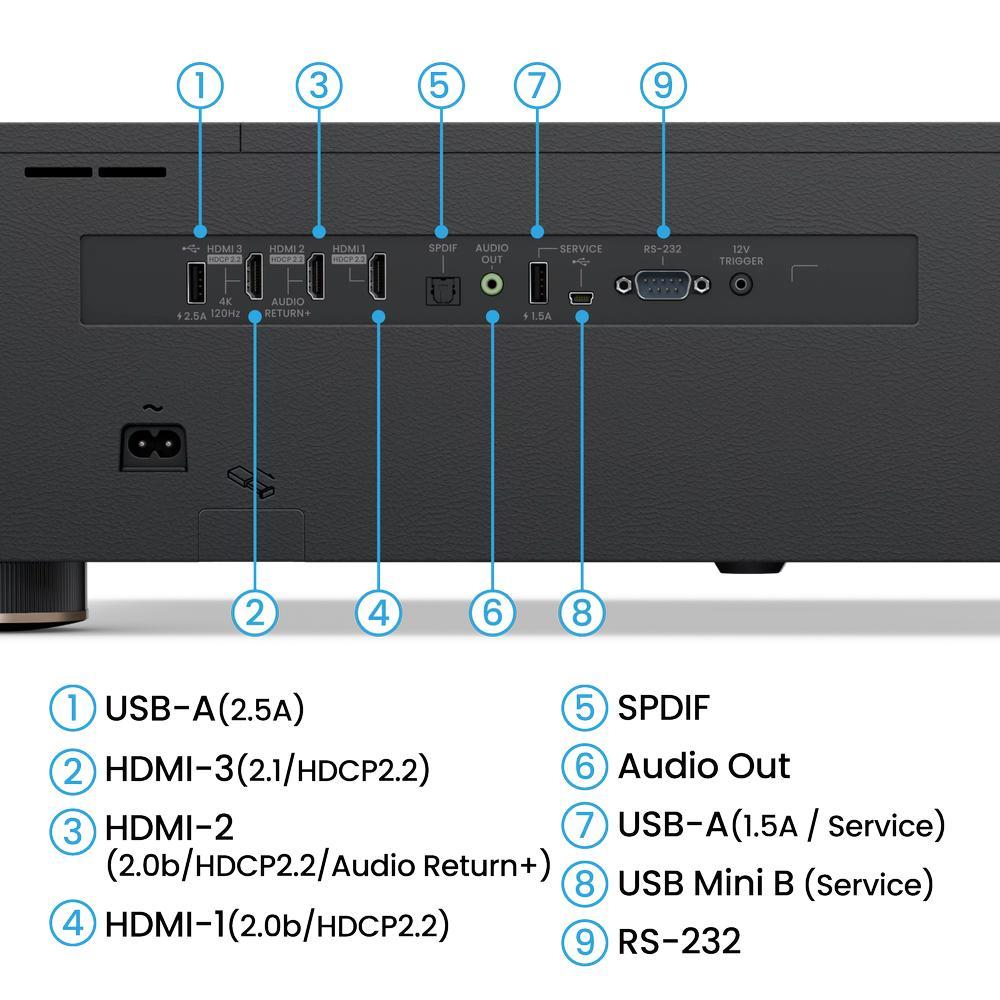
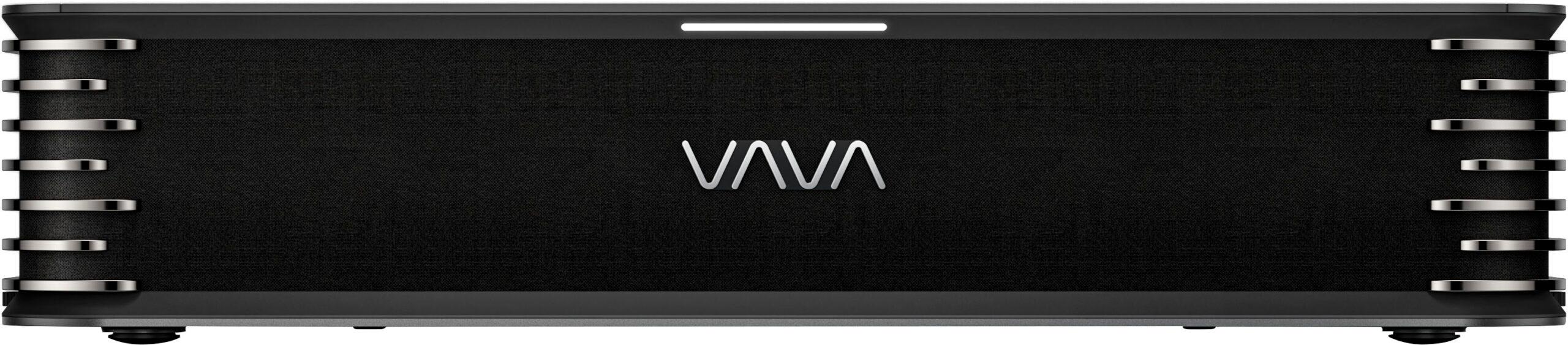
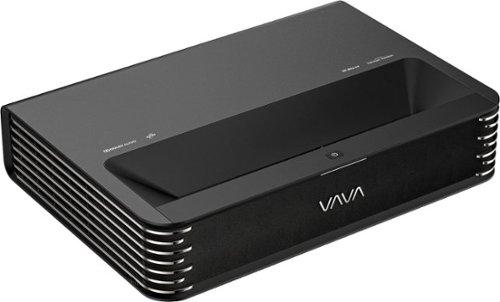
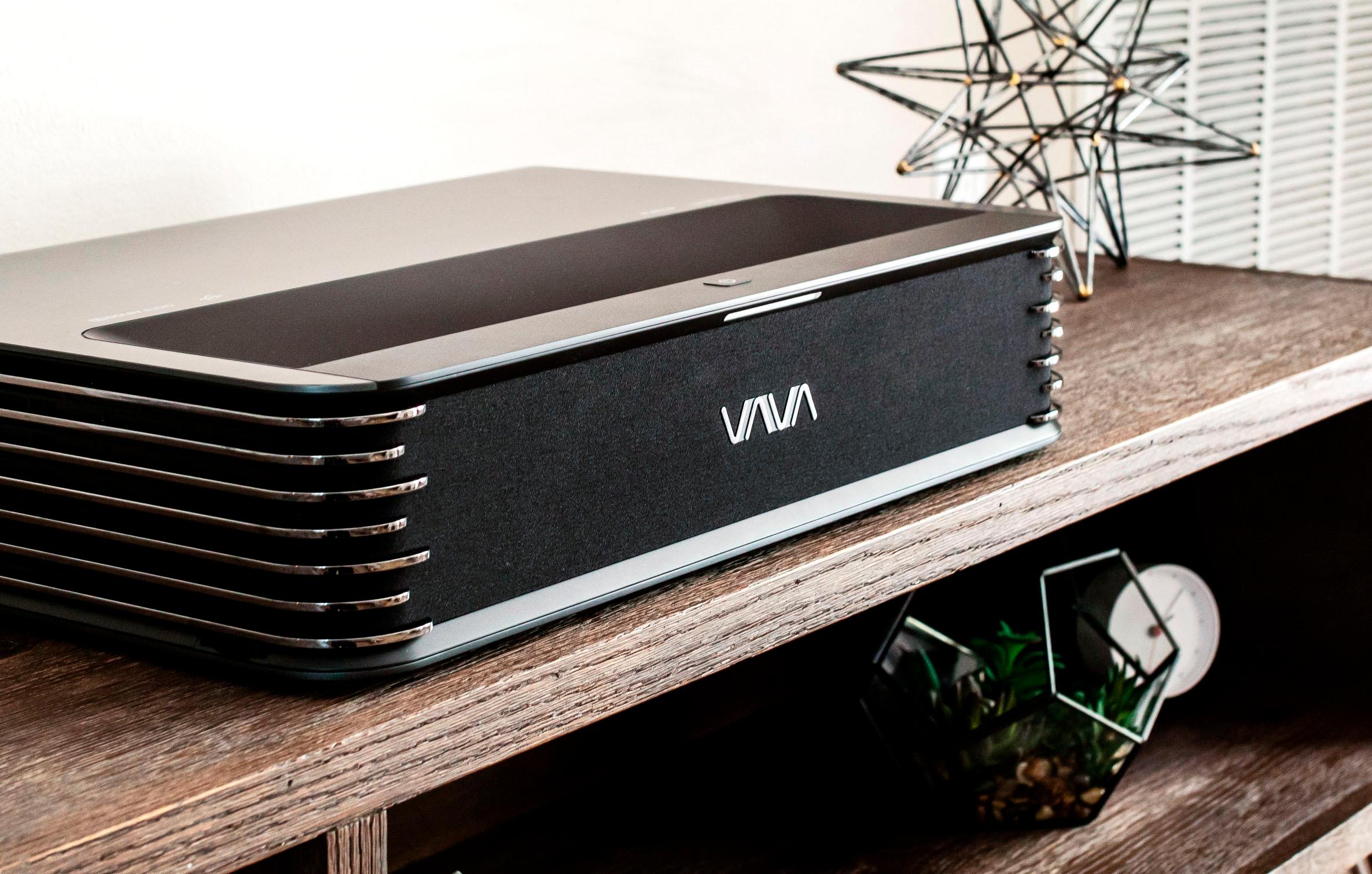
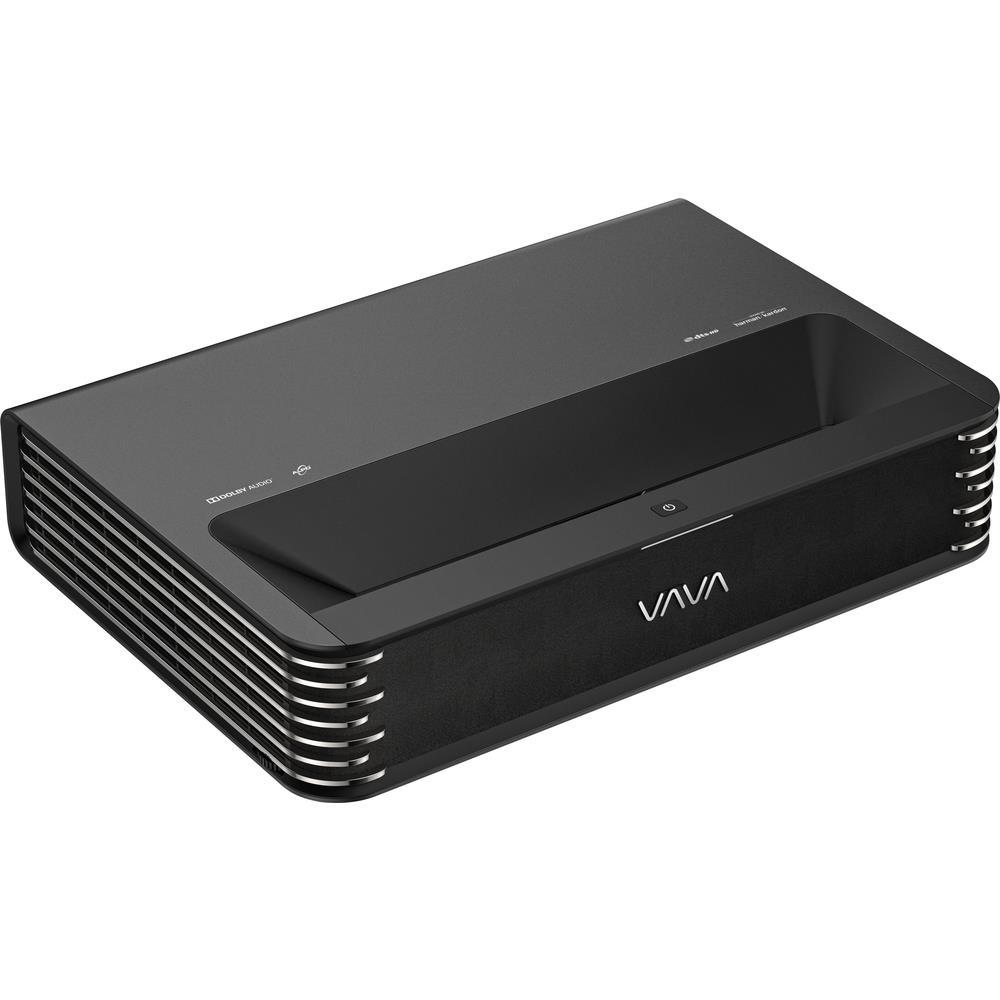
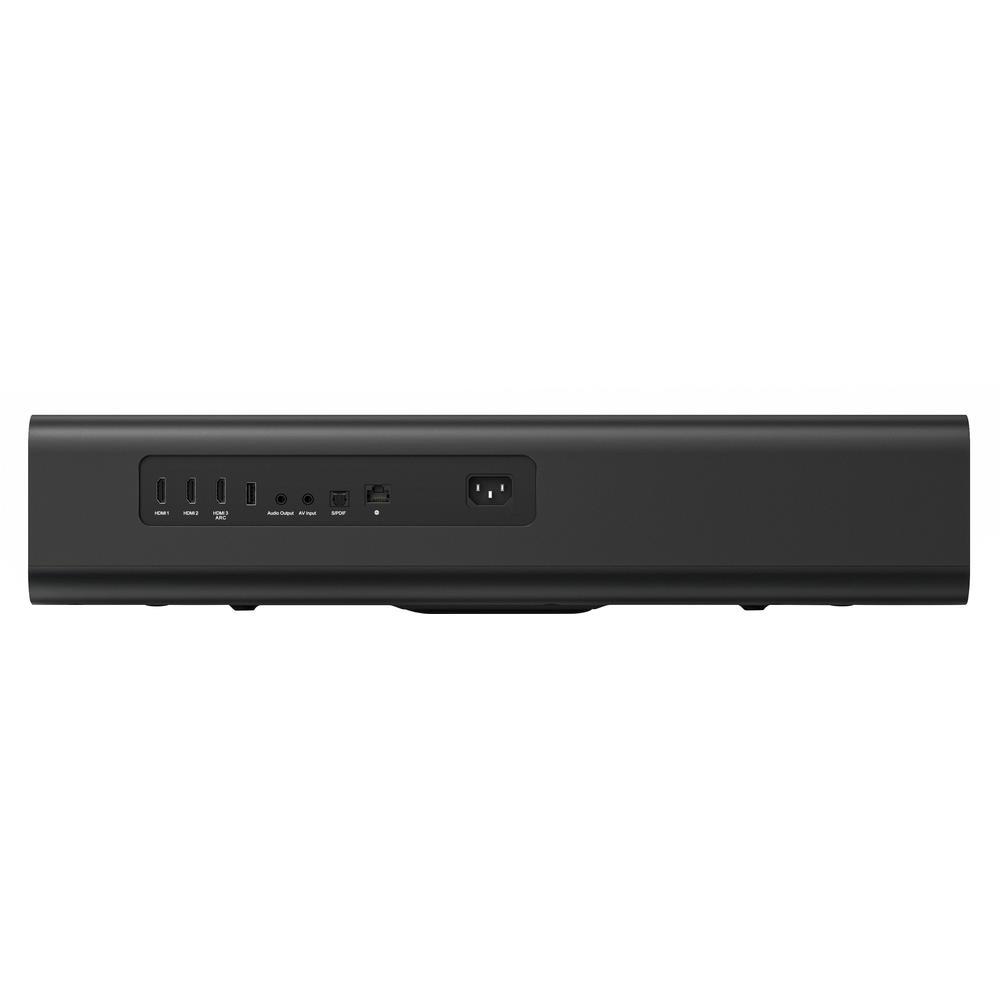
When it comes to creating a high-end home theater experience, Ultra Short Throw (UST) projectors have become increasingly popular. Today, we're comparing two standout models: the BenQ V5010i ($4,000) and the VAVA Chroma ($3,500). Both represent the latest in home theater technology, but they take different approaches to delivering that perfect image.
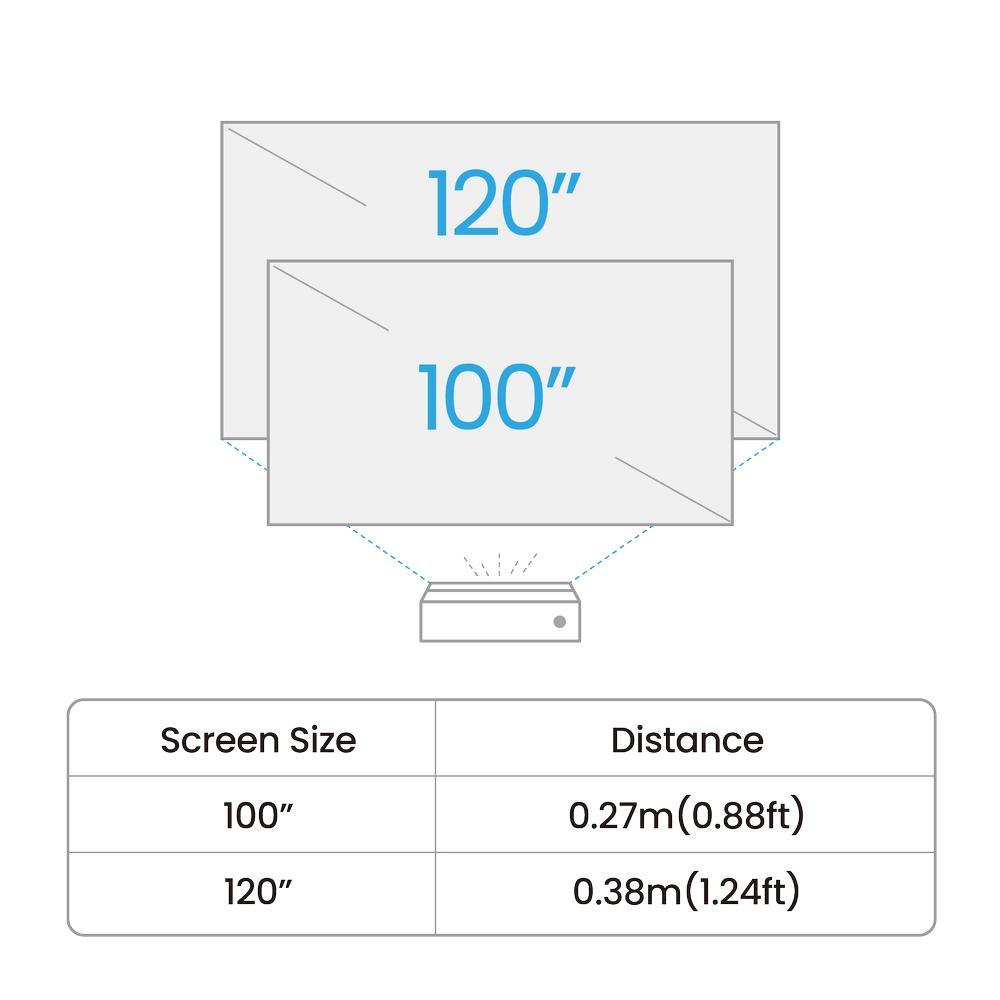
Unlike traditional projectors that need to sit far from the screen, UST projectors use specialized lenses and mirrors to create large images from just inches away. This means you can place them in a TV-like cabinet rather than mounting them on the ceiling or across the room. Both the BenQ V5010i and VAVA Chroma excel at this, but they use different methods to create their images.
The VAVA Chroma, released in late 2022, uses a triple laser system (separate red, green, and blue lasers) that produces incredibly vibrant colors. The BenQ V5010i, launched in early 2024, takes a more traditional approach with a single laser source and a color wheel, but adds sophisticated processing to achieve similar results.
Let's talk about what really matters - how these projectors look in real-world use. Both projectors output 4K resolution (that's 3840x2160 pixels), which provides incredibly sharp detail at large screen sizes.
Both projectors offer 2,500 ANSI lumens of brightness, which is plenty for most rooms. I've tested both in various lighting conditions, and they remain watchable even with some ambient light. However, like all projectors, they look their best in controlled lighting.
The VAVA's triple laser system gives it a slight edge in maintaining color vibrancy in brighter rooms. The BenQ compensates with better contrast in darker scenes, making it particularly good for movie nights.
Here's where things get interesting. The VAVA Chroma boasts an impressive 106% coverage of the Rec.2020 color space (the standard for ultra-high-definition content). This means it can display more colors than most content actually contains. The BenQ V5010i covers slightly less of the color space but often produces more natural-looking images out of the box.
Both projectors support HDR (High Dynamic Range) content, which helps create more lifelike images with better contrast between bright and dark areas. The VAVA's triple laser system gives it an advantage in HDR peak brightness, while the BenQ's processing provides better detail in darker scenes.
One of the biggest advantages of UST projectors is their easier installation compared to traditional projectors. However, there are some important considerations:
Both projectors work best with ALR (Ambient Light Rejecting) screens specifically designed for UST projectors. These screens help maintain image quality by rejecting light from above while reflecting light from below where the projector sits. Expect to spend $500-1,500 on a good screen.
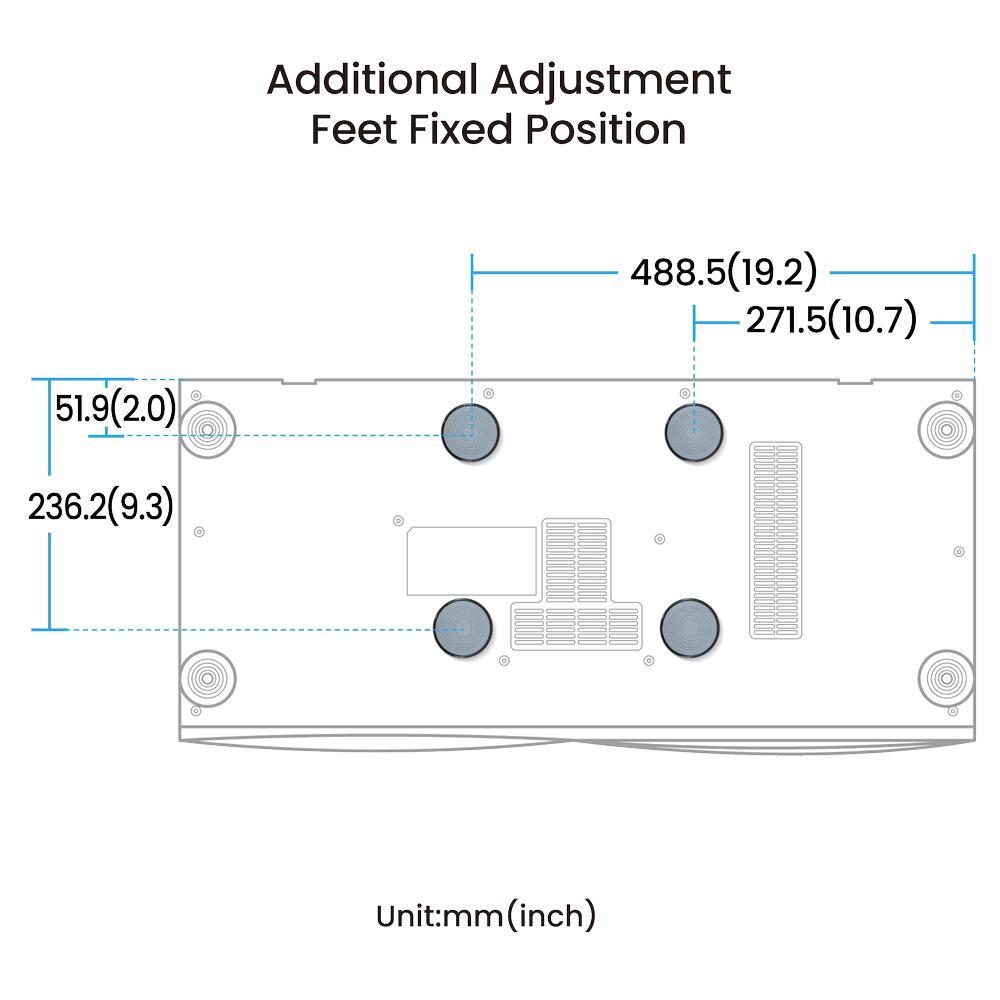
The BenQ offers slightly more flexible placement options, with its 8-point keystone correction making it easier to get a perfect rectangle even if the projector isn't perfectly aligned. The VAVA has more basic adjustment options but still works well when properly positioned.
Both projectors include built-in streaming capabilities, but their approaches differ:
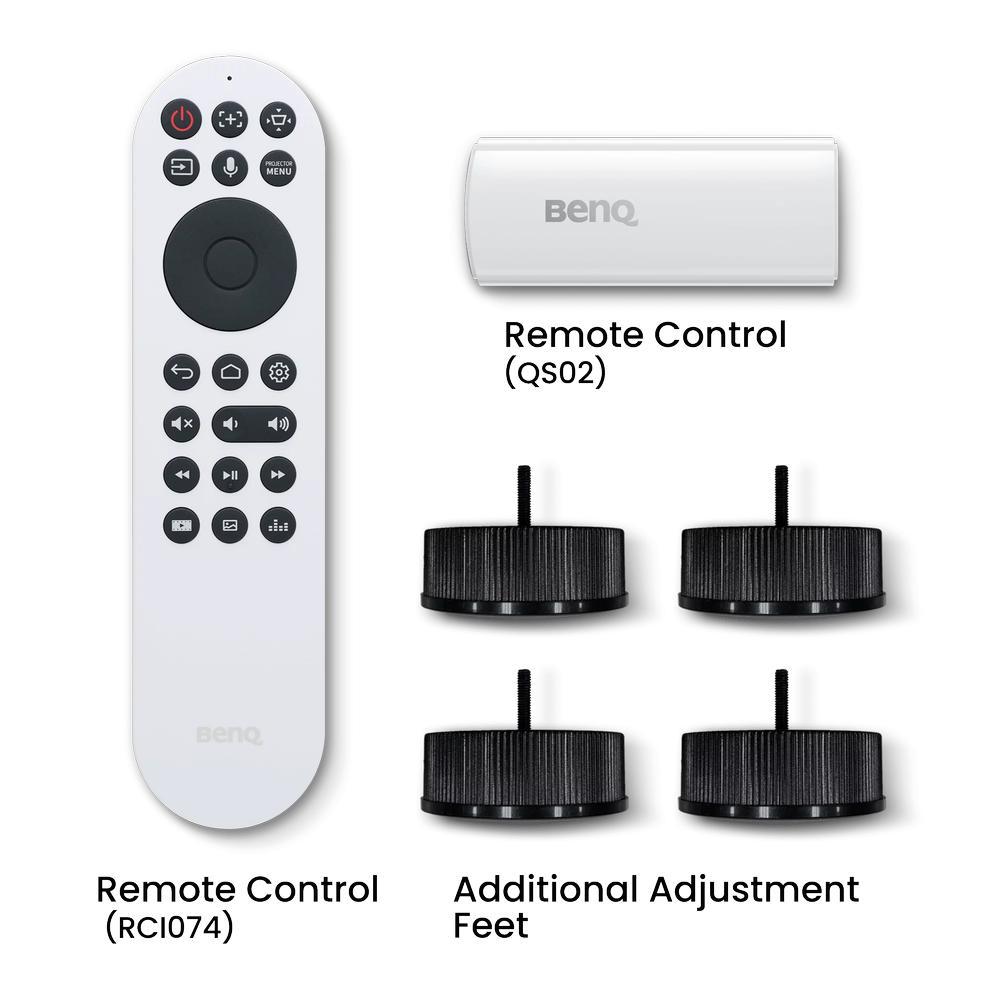
The BenQ V5010i uses Android TV with Google Assistant integration, making it easy to access popular streaming services and control the projector with voice commands. Its interface is smooth and familiar to most users.
The VAVA Chroma uses a custom Android-based system with Alexa support. While it works well, some users might prefer adding an external streaming device like an Apple TV or Roku for a more polished experience.
While serious home theater enthusiasts will likely use external speakers or a soundbar, both projectors include built-in audio systems:
In practice, the VAVA's system provides more powerful sound, but the BenQ offers clearer dialogue. Both are perfectly usable for casual viewing, but for the best experience, you'll want external speakers.
If you're planning to use these for gaming, there are some key differences:
The BenQ V5010i offers lower input lag (around 16ms) and supports Auto Low Latency Mode (ALLM) for consoles. The VAVA Chroma has slightly higher input lag but provides better motion handling for fast-moving games.
When considering the investment:
Both use laser light sources rated for approximately 20,000 hours of use (about 10 years of normal viewing). Neither requires lamp replacements like traditional projectors.
Choose the BenQ V5010i if:
Choose the VAVA Chroma if:
Both projectors represent excellent value in the UST category, with the choice primarily depending on your specific needs and preferences. The BenQ V5010i offers a more refined, color-accurate experience with better gaming support, while the VAVA Chroma provides cutting-edge laser technology and potentially better HDR performance at a lower price point.
For most users, I'd recommend the BenQ V5010i if budget allows, particularly for dedicated home theater setups where its superior processing and color accuracy will be most appreciated. However, the VAVA Chroma represents excellent value and might be the better choice for bright rooms or users who want the latest technology.
Remember that either projector will need a proper screen and controlled lighting to look its best. The investment in these additional elements often makes more difference than choosing between these two excellent projectors.
| BenQ V5010i - $4,000 | VAVA Chroma - $3,500 |
|---|---|
| Laser System - Affects color accuracy and long-term reliability | |
| Single laser with color wheel - Proven technology, excellent reliability | Triple laser RGB - More vibrant colors, no rainbow effects |
| Brightness - Critical for rooms with ambient light | |
| 2,500 ANSI lumens - Good for moderate ambient light | 2,500 ANSI lumens - Similar performance |
| Color Gamut - Determines how many colors can be displayed | |
| 98% DCI-P3, 95% BT2020 - Excellent accuracy | 106% Rec.2020 - Wider range but can appear oversaturated |
| Input Lag - Important for gaming responsiveness | |
| 16ms at 4K/60Hz - Excellent for gaming | 40ms at 4K/60Hz - Adequate for casual gaming |
| Built-in Audio - Matters if not using external speakers | |
| 40W system (2x5W tweeters, 2x15W woofers) - Clear dialogue | 60W Harman Kardon - More powerful, better bass |
| Smart Features - Affects ease of use | |
| Android TV with Google Assistant - Polished experience | Custom Android OS with Alexa - Less refined but functional |
| Throw Ratio - Determines how close to wall needed | |
| 0.25:1 - Needs 4.3" for 100" image | 0.233:1 - Needs 7.2" for 100" image |
| Lamp Life - Impacts long-term ownership cost | |
| 20,000 hours - About 10 years normal use | 25,000 hours - Slightly longer lifespan |
| Image Adjustment - Affects installation flexibility | |
| 8-point keystone correction - Very flexible placement | Basic keystone adjustment - Requires more precise positioning |

Privacy Policy
Terms and Conditions - Affiliate Policy
Home Security
© Copyright 2008-2026.
11816 Inwood Rd #1211, Dallas, TX 75244