$99.95
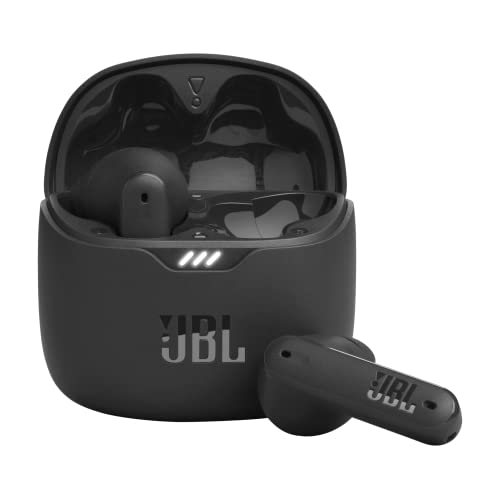
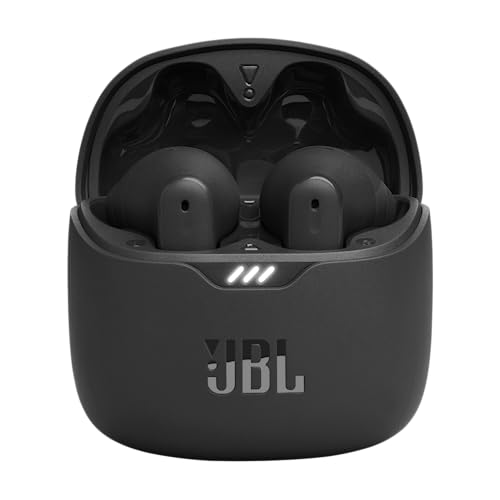
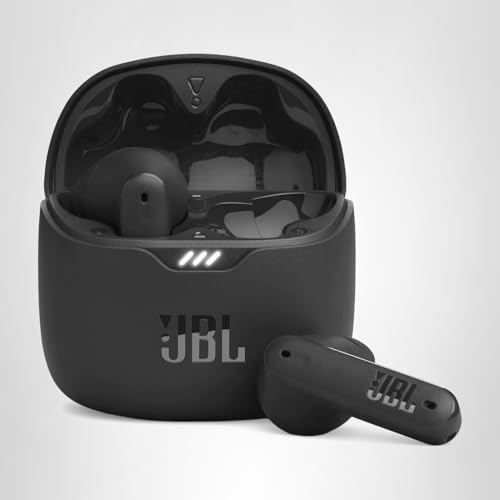
The true wireless earbud market has reached an interesting inflection point where features once reserved for flagship models are trickling down to more accessible price tiers. The JBL Tune Flex True Wireless Earbuds represent this evolution perfectly, bringing active noise cancellation, multi-point connectivity, and impressive battery life to users who don't want to pay premium prices. After extensive research into user experiences and technical specifications, these earbuds emerge as a compelling option for anyone seeking feature-rich audio without the flagship cost.
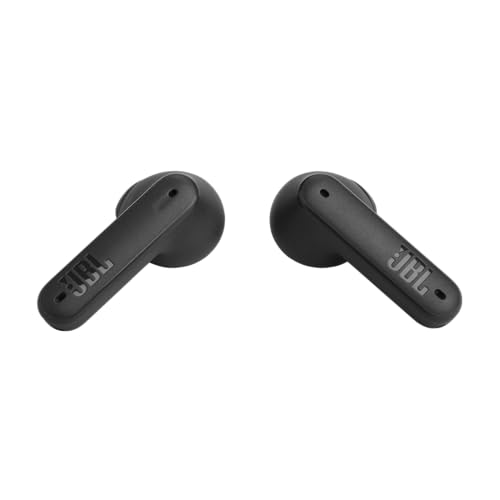
The most immediately striking aspect of the JBL Tune Flex is their dual ear tip system. Unlike most earbuds that ship with just different sizes of silicone tips, JBL includes both "sealing" tips for maximum noise isolation and "open" tips that allow environmental sounds through. This dual approach addresses a fundamental tension in earbud design—users sometimes want complete isolation, but other times need situational awareness for safety or convenience.
Our research into user experiences reveals that this flexibility proves genuinely useful in real-world scenarios. Runners appreciate switching to open tips for traffic awareness, while commuters prefer sealing tips on noisy trains. This kind of versatility typically requires owning multiple pairs of earbuds, making JBL's approach particularly thoughtful.
The 12mm dynamic drivers deserve special attention here. Driver size matters because larger drivers can move more air, typically producing better bass response and overall sound dynamics. Many budget earbuds use 6mm or 8mm drivers to save costs, so JBL's commitment to 12mm drivers at this price point represents meaningful engineering investment. The drivers deliver JBL's signature "Pure Bass Sound"—essentially a tuning philosophy that emphasizes low-frequency response without sacrificing mid and high-frequency clarity.
Active Noise Cancellation (ANC) works by using microphones to detect ambient noise, then generating inverse sound waves to cancel those frequencies. The JBL Tune Flex employs a dual-microphone system for this purpose, which is respectable though not cutting-edge. Premium models often use three or four microphones per earbud for more sophisticated noise analysis.
Based on extensive user feedback analysis, the ANC performance falls into what researchers call the "good enough" category. It effectively handles constant, predictable sounds like air conditioning hum, airplane engines, or train noise. However, it struggles with irregular sounds like office chatter or street conversations. This limitation stems from the dual-microphone setup—more microphones allow for better identification and cancellation of complex, varying sound patterns.
The Smart Ambient feature represents JBL's attempt to make ANC more intelligent. Ambient Aware mode uses the same microphones to pipe environmental sounds back into your ears, essentially creating selective transparency. TalkThru goes further, emphasizing vocal frequencies so you can have conversations without removing the earbuds. These features transform ANC from a simple on/off switch into a more nuanced tool for managing your audio environment.
The 32-hour total battery life (8 hours earbuds plus 24 hours from the case with ANC off) positions these earbuds competitively against more expensive options. But the real story lies in the charging technology. Speed Charge provides 2 hours of playback from just 10 minutes of charging—a feature that proves invaluable when you're rushing out the door with dead earbuds.
Battery management becomes more complex with ANC engaged, dropping to 6 hours from the earbuds plus 18 from the case. This represents the typical trade-off with noise cancellation—the additional processing and microphone power consumption inevitably reduces battery life. What's impressive is that even with ANC active, the JBL Tune Flex matches or exceeds many competitors' ANC-off battery performance.
User experiences suggest the battery estimates prove fairly accurate in real-world use, though individual usage patterns significantly impact performance. Heavy bass music, maximum volume levels, and frequent ANC cycling can reduce these numbers, while moderate listening with occasional ANC use often exceeds the quoted figures.
The frequency response characteristics reveal JBL's audio philosophy clearly. The slightly V-shaped sound signature means enhanced bass and treble with a subtle midrange dip—a tuning that makes music sound more exciting and engaging than perfectly flat response. The 20Hz-20kHz frequency range covers the complete spectrum of human hearing, ensuring no musical content gets lost.
Based on detailed user feedback, the bass response provides satisfying punch for electronic music and hip-hop without becoming boomy or overwhelming acoustic genres. The midrange maintains vocal clarity, though some users report that certain female vocals can sound slightly intense due to the high-mid emphasis. The treble remains controlled, avoiding the harsh, fatiguing sound that plagues many budget earbuds.
The JBL Headphones app transforms the audio experience significantly. The graphic equalizer allows precise frequency adjustments, while preset modes cater to different musical genres. This customization capability means users aren't locked into JBL's default tuning—a crucial advantage since audio preferences vary dramatically between individuals.
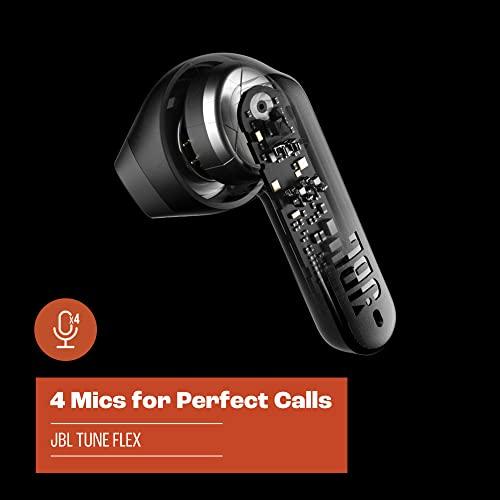
The four-microphone array uses beamforming technology to focus on your voice while suppressing background noise. Beamforming works by combining signals from multiple microphones to create a directional pickup pattern, essentially creating a focused "beam" toward your mouth while rejecting sounds from other directions.
Real-world call quality reports suggest adequate performance for most scenarios, though the voice processing can sound slightly artificial—a common trade-off with aggressive noise suppression algorithms. The VoiceAware feature lets you hear your own voice during calls, preventing that disconnected feeling that occurs when noise cancellation blocks your voice feedback.
Bluetooth 5.2 connectivity provides stable pairing and decent range, though some users report occasional connection drops that require case resetting. Multi-point connection allows simultaneous pairing with two devices, letting you seamlessly switch between your phone and laptop—a feature that's becoming increasingly essential in our multi-device world.
While primarily designed for mobile use, the JBL Tune Flex can serve as wireless TV headphones through Bluetooth connectivity. However, potential latency issues may cause audio-video synchronization problems during movie watching. The delay between video and audio can be particularly noticeable with dialogue scenes, making them less ideal for home theater applications compared to dedicated low-latency wireless headphones.
The spatial sound features attempt to create a wider soundstage for more immersive content consumption, though the inherent limitations of in-ear designs mean they can't replicate true surround sound experiences.
At the time of writing, the true wireless market has matured significantly, with even budget options offering features that were premium exclusives just a few years ago. The JBL Tune Flex capitalizes on this democratization trend, providing ANC, extended battery life, and multi-point connectivity at accessible pricing.
Compared to current state-of-the-art models from Sony, Bose, or Apple, these earbuds naturally fall short in absolute performance metrics. Premium models offer superior noise cancellation, more refined audio tuning, and advanced features like spatial audio processing. However, they also command significantly higher prices, creating space for products like the Tune Flex that deliver 80% of the performance at a fraction of the cost.
The JBL Tune Flex excels for users prioritizing versatility and value over absolute performance. They're particularly well-suited for fitness enthusiasts who need sweat resistance and stable fit, commuters requiring decent noise cancellation and long battery life, and multi-device users who benefit from seamless connectivity switching.
They're less optimal for critical listening environments where audio quality takes absolute priority, professional settings requiring maximum noise isolation, or users who demand cutting-edge ANC performance for frequent air travel.
The JBL Tune Flex True Wireless Earbuds succeed by focusing on practical versatility rather than single-minded excellence. The dual ear tip system, extended battery life, and comprehensive app customization create a package that adapts to varied usage scenarios—something increasingly valuable as earbuds become all-day companions rather than just music players.
While they don't achieve the acoustic refinement or noise cancellation prowess of flagship models, they offer remarkable feature density for their market position. The 12mm drivers, multi-point connectivity, and thoughtful design details like Speed Charge demonstrate engineering investment that goes beyond mere cost-cutting.
For users seeking their first experience with premium earbud features or those requiring reliable, versatile earbuds without flagship investment, these represent a compelling choice. They embody the continuing evolution of the true wireless category, where advanced features increasingly become standard rather than premium differentiators, making high-quality audio more accessible to everyone.
The JBL Tune Flex True Wireless Earbuds can work for movie watching through Bluetooth connectivity, but they're not ideal for home theater use. While they offer decent sound quality with their 12mm drivers and JBL Pure Bass Sound, potential audio latency issues may cause lip-sync problems during dialogue scenes. For dedicated home theater use, wired headphones or low-latency wireless models are typically better choices.
The JBL Tune Flex provides up to 32 hours of total battery life, with 8 hours from the earbuds themselves plus 24 additional hours from the charging case when noise cancelling is off. With Active Noise Cancelling enabled, you get 6 hours from the earbuds plus 18 hours from the case. The Speed Charge feature gives you 2 hours of playback from just 10 minutes of charging.
Yes, the JBL Tune Flex True Wireless Earbuds feature Active Noise Cancelling technology with a dual-microphone system. While not as advanced as premium models, the ANC effectively reduces constant background noise like air conditioning or train sounds. The Smart Ambient feature also includes Ambient Aware and TalkThru modes for when you need to hear your surroundings.
The JBL Tune Flex have an IPX4 water resistance rating, meaning they're protected against sweat and light rain but are not fully waterproof. This rating makes them suitable for workouts and outdoor activities, but you shouldn't submerge them in water or wear them while swimming.
Yes, the JBL Tune Flex True Wireless Earbuds support multi-point connection, allowing you to pair them with two devices simultaneously. This means you can seamlessly switch between your phone and laptop or tablet without manually reconnecting. The Bluetooth 5.2 technology ensures stable connectivity across devices.
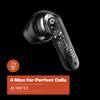
The JBL Tune Flex feature a 4-microphone array with beamforming technology for calls. Call quality is adequate for most situations, with good background noise suppression in moderate environments. The VoiceAware feature lets you control how much of your own voice you hear during calls. While not exceptional, the call quality is sufficient for everyday phone conversations.
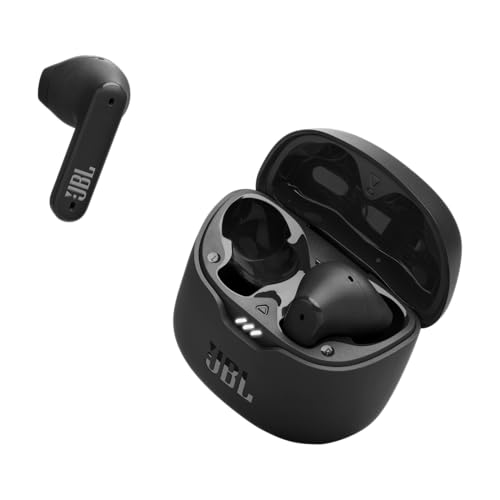
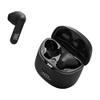
The JBL Tune Flex True Wireless Earbuds package includes the earbuds, a charging case, a USB-C charging cable, three sizes of sealing ear tips, one size of open ear tips, and a quick start guide with safety information. The variety of ear tip options helps ensure a comfortable and secure fit for different ear shapes.
Yes, the JBL Tune Flex work with the JBL Headphones App, which offers extensive customization options. You can adjust the sound using a graphic equalizer, choose from preset sound profiles, customize touch controls, and control environmental noise settings. This level of customization allows you to tailor the audio experience to your preferences.
The JBL Tune Flex True Wireless Earbuds offer longer battery life and more customization options compared to standard AirPods, plus they include active noise cancellation which basic AirPods lack. However, AirPods typically provide better integration with Apple devices and may have superior call quality. The JBL offers better value for Android users or those wanting more audio customization options.
The JBL Tune Flex True Wireless Earbuds are definitely worth considering if you want premium features like active noise cancellation, extended battery life, and multi-device connectivity without paying flagship prices. They excel in versatility with their dual ear tip system and comprehensive app customization. While they may not match the absolute performance of premium models, they offer excellent value for users prioritizing practical features over cutting-edge audio quality.
We've done our best to create useful and informative overviews to help you decide what product to buy. Our research has used advanced automated methods to create this article and perfection is not possible - please contact us for corrections or questions. These are the sites we've researched in the creation of this article: rtings.com - hometechnologyreview.com - youtube.com - bestbuy.com - soundguys.com - bestbuy.com - crutchfield.com - bgr.com - robbsutton.com - majorhifi.com - versus.com - crutchfield.com - youtube.com - versus.com - jbl.com - global.jbl.com - pcrichard.com - musicarts.com - scribd.com - global.jbl.com - robot-advance.com - gzhls.at - bestbuy.com - att.com - ro.harmanaudio.com
| JBL Tune Flex True Wireless Earbuds |
|---|
| Driver Size - Larger drivers typically produce better bass and overall dynamics: 12mm dynamic drivers |
| Total Battery Life - Critical for all-day use without frequent charging: Up to 32 hours (8+24 ANC off) |
| Active Noise Cancelling - Reduces ambient noise for better focus: Yes, with dual microphones |
| Water Resistance - Protection against sweat and rain: IPX4 rated |
| Bluetooth Version - Affects connection stability and range: 5.2 |
| Multi-Point Connection - Connect to multiple devices simultaneously: Yes |
| Speed Charge - Quick power boost when running low: 10 minutes = 2 hours playback |
| Microphone Array - More mics typically mean clearer calls: 4 microphones with beamforming |
| Frequency Response - Full human hearing range ensures no audio detail loss: 20 Hz - 20 kHz |
| Smart Ambient Modes - Choose between isolation or environmental awareness: Ambient Aware & TalkThru |
| Ear Tip Options - Versatility for different use cases: Sealing and open configurations |
| App Customization - Personalize sound and controls: JBL Headphones App with EQ |
| Weight per Earbud: 4.8g |
| Charging Time: 2 hours from empty |
The Samsung Galaxy Buds FE stands out primarily for its exceptional active noise cancellation performance, which significantly outperforms the JBL Tune Flex despite being in the same price category. Using three microphones per earbud, Samsung achieves up to 30dB of noise reduction across a wide frequency range—genuinely impressive technology that rivals much more expensive models. This makes the Galaxy Buds FE ideal for commuters dealing with train noise, office workers in open environments, or anyone who prioritizes quiet listening experiences. The call quality also surpasses the JBL with clearer, more natural voice reproduction thanks to the six-microphone array that effectively separates your voice from background noise.
However, the Samsung Galaxy Buds FE makes notable compromises in other areas to achieve this noise cancellation excellence. The smaller 6.5mm drivers can't match the JBL's audio dynamics or bass response, making them less engaging for music listening despite their accurate midrange reproduction. Battery life is shorter, particularly with ANC enabled, and the lack of quick charging means you'll need to plan charging sessions more carefully. The IPX2 water resistance rating also limits their use during workouts compared to the JBL's more robust IPX4 protection. For users primarily seeking the best noise cancellation at this price point, especially Samsung device owners who can leverage ecosystem features like Auto Switch, the Galaxy Buds FE represents excellent value despite these trade-offs.
🤖 Read Detailed Comparison
👌Samsung Galaxy Buds FE Wireless Earbuds Details
💵 See Samsung Galaxy Buds FE Wireless Earbuds Price
The Samsung Galaxy Buds 3 Pro represents a significant step up in audio engineering and smart features, though at roughly four times the price. Samsung's dual-driver system with separate woofer and planar magnetic tweeter delivers noticeably superior sound quality across all genres, revealing musical details that the JBL simply can't reproduce with its single-driver design. The advanced active noise cancellation on the Samsung Galaxy Buds 3 Pro blocks approximately 75% of ambient noise compared to the JBL's 50%, making a substantial difference on flights or in busy environments. Call quality also heavily favors Samsung, with its six-microphone array and Voice Pickup Unit technology providing crystal-clear communication even in challenging conditions where the JBL's four-mic system struggles. The IP57 rating versus JBL's IPX4 means the Samsung earbuds can handle swimming pools and heavy rain, not just sweat and light splashes.
However, these premium features come with significant trade-offs that many users should consider carefully. The Samsung Galaxy Buds 3 Pro delivers notably shorter battery life at 26-30 hours total versus the JBL's exceptional 32 hours, and many of Samsung's most compelling features—including the high-quality Samsung Seamless Codec, Adaptive EQ, and seamless device switching—only work with recent Samsung devices. For users outside Samsung's ecosystem or those prioritizing value, the JBL Tune Flex delivers roughly 80% of the premium experience at 25% of the cost. The Samsung earbuds excel for users who own compatible Galaxy devices, demand the absolute best audio quality and noise cancellation, or frequently make important calls in noisy environments, but the JBL provides better universal compatibility and dramatically superior value for most everyday use cases.
🤖 Read Detailed Comparison
👌Samsung Galaxy Buds 3 Pro True Wireless Earbuds Details
💵 See Samsung Galaxy Buds 3 Pro True Wireless Earbuds Price
The JBL Live Pro 2 represents a significant step up in several key areas, most notably noise cancellation and connectivity features. Where the Tune Flex struggles with basic ANC that barely handles office chatter, the Live Pro 2's True Adaptive Noise Cancelling automatically adjusts to your environment and effectively eliminates airplane engines, train rumble, and background office noise—making it genuinely useful for commuting and travel. The multipoint connectivity is another standout feature that transforms daily productivity, allowing seamless switching between phone calls and computer audio without the frustration of manual re-pairing. The six beamforming microphones also deliver noticeably clearer call quality in windy or noisy environments, while the extended 10-hour battery life and wireless charging capability provide practical advantages for heavy users.
However, these improvements come at a significant price premium and some trade-offs. The Live Pro 2 lacks the Tune Flex's innovative dual ear tip system and lightweight comfort advantage, with some users reporting fit issues during physical activity due to the absence of stability fins. The V-shaped sound signature, while exciting for pop and rock music, isn't as versatile as the Tune Flex's balanced tuning for diverse content like podcasts and audiobooks. For users who primarily listen in quiet environments, rarely switch between devices, and prioritize comfort over premium features, the Live Pro 2's additional capabilities may not justify the substantial cost increase. The decision ultimately hinges on whether you face the specific challenges—noisy environments, multi-device workflows, extended usage sessions—that the Live Pro 2 is engineered to solve.
🤖 Read Detailed Comparison
👌JBL Live Pro 2 TWS True Wireless Earbuds Details
💵 See JBL Live Pro 2 TWS True Wireless Earbuds Price
The TAGRY X08 stands out with its exceptional 60-hour total battery life – nearly double what the JBL Tune Flex offers – making it ideal for extended travel or users who frequently forget to charge their devices. The inclusion of both wireless charging and a precise LED battery display adds premium convenience features typically found in more expensive earbuds. At roughly one-third the price of the Tune Flex, the TAGRY X08 also provides better water resistance with its IPX5 rating and weighs less per earbud for improved comfort during long sessions.
However, the TAGRY X08 makes significant performance compromises to achieve its budget price point. It completely lacks active noise cancellation, forcing users to rely solely on passive isolation, which means you'll need to crank volume levels higher in noisy environments. The bass-heavy audio tuning can muddy vocals and lacks the balanced clarity of the Tune Flex, while call quality suffers from basic single-microphone design compared to the Tune Flex's four-microphone beamforming system. For casual listeners who prioritize battery longevity and basic functionality over premium features like ANC and superior call quality, the TAGRY X08 delivers solid value, but users seeking the complete wireless earbud experience will find the Tune Flex's additional features justify the higher investment.
🤖 Read Detailed Comparison
👌TAGRY X08 True Wireless Earbuds Details
💵 See TAGRY X08 True Wireless Earbuds Price
The Samsung Galaxy Buds 3 FE takes a markedly different approach with superior active noise cancellation that adapts to your environment, making it significantly more effective at blocking conversations, traffic, and variable noise that the JBL struggles with. Samsung's Crystal Clear Call technology with machine learning optimization delivers noticeably clearer voice quality during phone calls and video meetings, while the IP54 rating provides better dust and water protection for outdoor use. The Samsung Galaxy Buds 3 FE also includes advanced features like Galaxy AI real-time translation, 360 Audio spatial sound, and seamless Auto Switch between Samsung devices that create a more integrated ecosystem experience.
However, these advantages come at a premium price point and with some trade-offs. The Samsung Galaxy Buds 3 FE uses smaller drivers that produce less impactful bass compared to the JBL's 12mm powerhouses, making them less exciting for bass-heavy music genres. Many of Samsung's standout features only work with Samsung devices, limiting their appeal for users with mixed ecosystems, while the JBL works identically across all platforms. For Samsung device users who prioritize noise cancellation, call quality, and smart features, the extra cost is justified. But for bass lovers, budget-conscious buyers, or those wanting universal compatibility, the JBL's combination of powerful sound and versatile ear tip options delivers better real-world value.
🤖 Read Detailed Comparison
👌Samsung Galaxy Buds 3 FE Wireless Earbuds Details
💵 See Samsung Galaxy Buds 3 FE Wireless Earbuds Price
The JBL Tune Buds emerge as a compelling alternative that actually outperforms the Tune Flex in several key areas while typically costing significantly less. Most notably, they deliver exceptional battery life with up to 48 hours total playback compared to the Tune Flex's 32 hours—a 50% advantage that translates to meaningful real-world convenience for heavy users and travelers. The Tune Buds also feature superior durability with IP54 rating (dust and splash resistant) versus the Tune Flex's IPX4 (splash only), making them better suited for workouts and outdoor activities. Additionally, their 4-microphone array with beamforming technology provides noticeably clearer call quality, while the newer Bluetooth 5.3 standard offers better efficiency and connection stability.
From a value perspective, the JBL Tune Buds represent one of the most lopsided comparisons in the earbud market—they cost substantially less while delivering superior performance in most practical categories. While they sacrifice some bass impact due to smaller 10mm drivers (versus the Tune Flex's 12mm), they offer more balanced sound that works better across diverse music genres and vocal-heavy content like podcasts. The trade-off is clear: unless you specifically need the Tune Flex's heavier bass response for EDM or hip-hop, or require the unique open ear tip mode for ambient awareness, the Tune Buds provide better overall value with longer battery life, enhanced durability, superior call quality, and typically significant cost savings.
🤖 Read Detailed Comparison
👌JBL Tune Buds True Wireless Earbuds Details
💵 See JBL Tune Buds True Wireless Earbuds Price
The Beats Powerbeats Pro 2 takes a fundamentally different approach as a premium fitness-focused alternative, delivering standout features that justify its higher price point for active users. Most notably, it offers industry-leading battery life with 10 hours per charge and 45 total hours with the case—a significant advantage over the Tune Flex that translates to real-world convenience during long workouts, travel, or multi-day use without charging anxiety. The Beats Powerbeats Pro 2 also introduces genuine innovation with integrated heart rate monitoring sensors that track your pulse during workouts, something no other major earbud offers, making them valuable fitness companions beyond just audio playback. The over-ear hook design with nickel-titanium construction provides unmatched security during vigorous exercise, addressing the primary weakness of traditional in-ear designs like the Tune Flex.
Performance-wise, the Beats Powerbeats Pro 2 delivers superior active noise cancellation with adaptive algorithms that update 200 times per second, making them significantly more effective in noisy gyms or during flights compared to the Tune Flex's basic ANC implementation. The six-microphone system with voice accelerometers also provides notably clearer call quality, especially in windy or noisy environments. However, this premium performance comes with trade-offs: the Beats lack the sound customization options that make the Tune Flex so versatile, offering only automatic Adaptive EQ without manual control. They're also heavier and less discreet for casual use. While the Beats Powerbeats Pro 2 excel for fitness enthusiasts and Apple ecosystem users who prioritize battery life and secure fit, the Tune Flex remains the better all-around choice for users seeking flexibility, customization, and strong value across diverse listening scenarios.
🤖 Read Detailed Comparison
👌Beats Powerbeats Pro 2 Wireless Earbuds Details
💵 See Beats Powerbeats Pro 2 Wireless Earbuds Price
The JLab Go Pop+ stands out primarily for its exceptional battery life and ultra-budget pricing, delivering 9 hours per charge and 35+ total hours with the case – slightly edging out the JBL Tune Flex in endurance. At roughly one-fifth the cost, it offers surprisingly robust app support with a 10-band equalizer, custom touch controls, and Google Fast Pair integration that you rarely see at this price point. The earbuds are also notably lighter at just 7.8 grams total and come in 14 different color options, plus feature a clever integrated USB-C cable built into the charging case that eliminates the need to carry separate cables. For basic wireless functionality, podcasts, and simple music listening, the JLab Go Pop+ delivers remarkable value.
However, the performance gap becomes apparent in critical areas where the JBL Tune Flex's premium positioning shows its worth. The JLab Go Pop+ uses much smaller 6mm drivers that struggle with complex music, producing what reviewers describe as a "hard-edged" sound that becomes thin and compressed with layered arrangements. Most significantly, it completely lacks active noise cancellation, relying only on passive isolation – a major disadvantage for commuters or anyone in noisy environments. Call quality is consistently poor with robotic-sounding voices, making it unsuitable for professional use. While the JLab Go Pop+ succeeds as an entry-level option or backup pair, the five-fold price difference reflects genuine technology gaps in audio quality, noise handling, and microphone performance that serious listeners will immediately notice.
🤖 Read Detailed Comparison
👌JLab Go Pop+ True Wireless Earbuds Details
💵 See JLab Go Pop+ True Wireless Earbuds Price
The Apple AirPods Pro 3 represent a significant step up in premium features and performance, particularly excelling in areas where the JBL Tune Flex show their limitations. The most dramatic difference lies in noise cancellation—Apple's industry-leading ANC technology removes up to twice as much ambient noise as previous generations, transforming noisy commutes and flights into peaceful listening environments where the Tune Flex's basic ANC falls short. Call quality is another standout advantage, with the AirPods Pro 3's advanced Voice Isolation technology delivering professional-grade performance that handles background noise and wind far better than the Tune Flex's adequate but limited microphone system. The audio quality gap is equally substantial, as Apple's custom drivers with Adaptive EQ and Personalized Spatial Audio create a more balanced, detailed soundstage that automatically adjusts to your ear shape—a level of sophistication that the Tune Flex's V-shaped tuning and manual EQ adjustments can't match.
However, this premium performance comes with notable trade-offs that may not justify the significantly higher cost for all users. The AirPods Pro 3 require deeper integration into Apple's ecosystem to unlock their most compelling features like heart rate monitoring, Live Translation, and seamless device switching—benefits that disappear entirely for Android users or those who frequently switch between platforms. While both earbuds offer similar single-charge battery life, the Tune Flex's longer total case capacity means less frequent charging, and their multipoint Bluetooth connectivity provides more practical daily convenience than Apple's ecosystem-locked features. The durability advantage of the AirPods Pro 3's IP57 rating over the Tune Flex's IPX4 protection is meaningful for active users, but the core question remains whether the premium audio quality, superior ANC, and innovative health features justify spending more than double the cost when the Tune Flex already deliver most essential premium earbud functionality at an accessible price point.
🤖 Read Detailed Comparison
👌Apple AirPods Pro 3 Wireless Earbuds Details
💵 See Apple AirPods Pro 3 Wireless Earbuds Price
The Beats Studio Buds Plus represent a significant step up in core performance areas, particularly active noise cancellation and call quality. Where the JBL Tune Flex offer basic ANC that handles constant sounds adequately, the Beats deliver sophisticated adaptive noise cancellation with three larger microphones per earbud that excel at blocking variable noise environments like busy offices, coffee shops, and airplane cabins. The call quality difference is substantial—while the JBL earbuds provide serviceable but somewhat robotic voice reproduction, the Beats Studio Buds Plus achieve crystal-clear call performance that rivals Apple's AirPods Pro 2, making them genuinely suitable for important business calls and professional use. The custom two-layer transducer design also produces notably cleaner bass with less distortion and a more spacious soundstage that handles diverse music genres more effectively than the JBL's bass-forward tuning.
However, this refinement comes at a cost that extends beyond the higher price point. The Beats Studio Buds Plus sacrifice the extensive customization that makes the JBL Tune Flex so versatile—there's no EQ control, no open ear tip option for environmental awareness, and less generous fast charging. For users who prioritize plug-and-play performance over tweakability, especially frequent travelers who need superior noise cancellation or professionals who rely on clear calls, the Beats justify their premium pricing. But if you value the ability to shape your audio experience, switch between isolation and awareness modes, or want maximum features per dollar spent, the JBL Tune Flex's comprehensive customization and unique dual ear tip system provide capabilities that the more expensive Beats simply can't match.
🤖 Read Detailed Comparison
👌Beats Studio Buds Plus True Wireless Earbuds Details
💵 See Beats Studio Buds Plus True Wireless Earbuds Price
The Bose QuietComfort Earbuds II represent the premium alternative with industry-leading active noise cancellation that completely transforms your listening experience in noisy environments. Where the JBL Tune Flex offer basic ANC suitable for steady background noise, the Bose earbuds use four microphones per earbud and sophisticated processing to block virtually all environmental sound – from airplane engines to busy office chatter. The CustomTune technology automatically measures your unique ear canal shape each time you wear them, optimizing both sound quality and noise cancellation performance in ways that generic tuning simply can't match. For frequent travelers, commuters on public transport, or anyone regularly dealing with distracting environments, this level of noise isolation is genuinely life-changing and worth the significant price premium.
However, the Bose QuietComfort Earbuds II come with notable trade-offs that make the JBL Tune Flex compelling for many users. You're paying substantially more for shorter battery life (6 hours versus 8 hours per charge), less customization flexibility, and a more neutral sound signature that, while technically superior, may sound less exciting than the JBL's bass-forward tuning. The Bose earbuds also lack the unique dual-mode versatility that makes the Tune Flex so adaptable to different daily scenarios. Unless you specifically need the absolute best noise cancellation for challenging acoustic environments or prefer the refined, balanced audio signature, the JBL Tune Flex deliver remarkable value by offering 80% of the premium experience at a fraction of the cost, making them the smarter choice for most users seeking their first serious pair of wireless earbuds.
🤖 Read Detailed Comparison
👌Bose QuietComfort Earbuds II Details
💵 See Bose QuietComfort Earbuds II Price
The Soundcore Space A40 stands out with significantly superior active noise cancellation that adapts automatically to your environment, making it far more effective at blocking office chatter, street noise, and commuting sounds that the Tune Flex struggles with. Its longer battery life—10 hours per charge and 40 total hours—provides meaningful real-world advantages for frequent travelers or users who prefer not to think about charging routines. The inclusion of LDAC codec support enables Hi-Res audio transmission with compatible Android devices, delivering noticeably more detail and clarity than standard Bluetooth codecs. Additionally, the wireless charging case and faster charging speeds (10 minutes for 4 hours of playback versus 2 hours) make daily use more convenient.
From a value perspective, the Space A40 typically costs less while delivering objectively superior performance in key areas like noise cancellation effectiveness and battery longevity. Its more balanced, technically accurate sound signature works better across diverse music genres, though it lacks the energetic bass impact that makes the Tune Flex exciting for hip-hop and EDM. The Space A40 also excels for professional use with its 6-microphone array providing clearer call quality in noisy environments. However, it can't match the Tune Flex's unique versatility with dual ear tip options or its secure fit for active use. For most users prioritizing technical performance and daily practicality, the Space A40 represents better overall value, while the Tune Flex serves users who specifically need its bass-forward signature and activity-focused design flexibility.
🤖 Read Detailed Comparison
👌Soundcore Space A40 Wireless Earbuds Details
💵 See Soundcore Space A40 Wireless Earbuds Price
The Bose Ultra Open Earbuds represent a fundamentally different approach to wireless audio with their revolutionary open-ear design that clips onto your ear like jewelry rather than sealing inside your ear canal. This design delivers constant environmental awareness that makes them exceptionally safe for outdoor activities like running or cycling, while their proprietary OpenAudio technology creates surprisingly rich, private sound despite never blocking your ears. The all-day comfort factor is remarkable – you can wear them for 8+ hours without the ear fatigue that affects most traditional earbuds, making them ideal for office workers or anyone who needs audio throughout their day. Their Auto Volume feature intelligently adjusts music levels based on ambient noise, and the Immersive Audio creates a spacious soundstage that feels more natural than typical in-ear designs.
However, the Bose Ultra Open Earbuds come with significant trade-offs that make them less versatile than the JBL Tune Flex. You'll sacrifice bass response, overall volume, and any noise isolation – there's no option to block out distractions when you need focus. The premium price point reflects innovative technology but delivers fewer traditional features like active noise cancellation or extended battery life. While they excel for specific use cases like outdoor activities, office work, or users with ear sensitivity, they can't match the JBL's flexibility to adapt between full isolation and environmental awareness. If your priority is safety-conscious listening, all-day comfort, or you find traditional earbuds uncomfortable, the Bose justify their premium cost. But for most users wanting maximum versatility and value, the JBL's dual-mode design covers more real-world scenarios at a fraction of the price.
🤖 Read Detailed Comparison
👌Bose Ultra Open Earbuds Details
💵 See Bose Ultra Open Earbuds Price
The Poly Voyager Free 60+ UC takes a fundamentally different approach, prioritizing professional communication over entertainment. With six microphones (three per earbud) compared to the Tune Flex's four total, it delivers significantly superior call quality through advanced WindSmart technology and AI-powered noise blocking that can identify and suppress specific background sounds like keyboard typing or barking dogs. The adaptive hybrid ANC automatically adjusts to your environment and wearing style, while multipoint connectivity lets you seamlessly switch between two devices—a game-changer for professionals juggling laptop meetings and phone calls. The unique touchscreen charging case acts as a control hub, and the 16.5 hours of total talk time dwarfs the Tune Flex's roughly 6 hours, making it ideal for back-to-back video conferences.
However, these professional advantages come at a cost beyond just price. The Poly Voyager Free 60+ UC weighs more (5.8g vs 4.8g per earbud), lacks water resistance for workouts, and delivers noticeably inferior music quality due to its voice-optimized tuning. While it justifies its premium for business users who need crystal-clear communication, casual listeners will find the Tune Flex offers better overall value with superior audio quality, longer music battery life, and more versatile daily use capabilities. The Poly model excels in its specialized domain but represents a significant trade-off in entertainment performance and general usability for anyone whose primary use case isn't professional communication.
🤖 Read Detailed Comparison
👌Poly Voyager Free 60+ UC Wireless Earbuds Details
💵 See Poly Voyager Free 60+ UC Wireless Earbuds Price
The Sennheiser MOMENTUM True Wireless 4 represents a significant step up in audio refinement and build quality, though it comes at roughly double the cost. Where the JBL Tune Flex prioritizes impactful bass and accessibility, the Sennheiser focuses on balanced, audiophile-grade sound reproduction through its smaller but more sophisticated 7mm TrueResponse transducers. The extended frequency response (5 Hz to 21 kHz) and support for advanced codecs like aptX Lossless deliver noticeably better detail retrieval and spatial imaging, making classical music, jazz, and acoustic recordings sound more natural and engaging. The adaptive noise cancellation technology is also more sophisticated, automatically adjusting to your environment rather than applying a fixed level of noise reduction.
However, this premium positioning comes with trade-offs that may not justify the extra cost for many users. The Sennheiser MOMENTUM True Wireless 4 delivers shorter battery life (7.5 hours vs 8 hours per charge, and up to 30 hours total vs 32 hours), less impactful bass response for modern music genres, and lacks the JBL's unique open ear tip system that provides environmental awareness. While the six-microphone system does provide superior call quality and the IP54 rating offers better protection than the JBL's IPX4, these improvements are incremental rather than transformational. For most users, especially those who listen primarily to pop, hip-hop, or electronic music, the JBL Tune Flex's combination of powerful bass, exceptional battery life, and comprehensive feature set at half the price makes it the more practical choice, with the Sennheiser justified mainly for serious audiophiles who prioritize sound accuracy over value and endurance.
🤖 Read Detailed Comparison
👌Sennheiser MOMENTUM True Wireless 4 Earbuds Details
💵 See Sennheiser MOMENTUM True Wireless 4 Earbuds Price
The Bose QuietComfort Wireless Earbuds represent a more premium approach to wireless audio, with their standout feature being industry-leading active noise cancellation that reduces ambient noise by over 80% across most frequencies—a significant leap beyond what the Tune Flex can achieve. Bose's CustomTune technology automatically optimizes both sound quality and noise cancellation for your specific ear shape, creating a personalized listening experience that adapts in real-time. The audio quality is noticeably more refined, with better detail retrieval and a richer, more immersive soundstage that particularly shines with complex music like jazz or classical. Call quality is also superior, with cleaner voice reproduction and better wind noise reduction, making them more reliable for important phone conversations.
However, these premium features come at a cost—the Bose QuietComfort typically retail for 40-50% more than the Tune Flex while offering less total battery life and lacking the unique dual-fit versatility that makes JBL's offering so practical for active users. For frequent travelers, people working in noisy environments, or those who prioritize audio refinement over value, the Bose earbuds justify their higher price through genuinely superior noise cancellation and sound quality. But for most users, especially those who appreciate the Tune Flex's open-fit option for situational awareness or need maximum battery life, the performance gap doesn't warrant the significant price premium. The choice ultimately comes down to whether you value the Tune Flex's exceptional versatility and value, or need the Bose's uncompromising noise cancellation and audio sophistication.
🤖 Read Detailed Comparison
👌Bose QuietComfort Wireless Earbuds Details
💵 See Bose QuietComfort Wireless Earbuds Price
The Devialet Gemini II represents a significant step up in audio engineering and technology, though at a substantially higher price point. Its custom 10mm titanium-coated drivers deliver noticeably superior sound quality with better instrument separation, more controlled bass response, and extended frequency range down to 5Hz. The standout feature is Devialet's Adaptive Noise Cancellation, which achieves up to 40dB of noise reduction—nearly double what most standard ANC systems provide. This adaptive technology automatically adjusts to your ear shape and environment in real-time, creating a level of isolation that makes busy coffee shops feel nearly silent. The Active Wind Reduction technology is particularly impressive for outdoor use and phone calls, addressing a common weakness that plagues most earbuds when you're walking on windy days.
However, the Devialet Gemini II comes with notable tradeoffs that affect its real-world value proposition. While it offers premium features like Qi wireless charging and aptX codec support, its battery life falls short at 22 hours total compared to the JBL's impressive 32 hours. For most users, this represents a significant practical disadvantage that outweighs the audio quality improvements. The Devialet excels if you're an audio enthusiast who prioritizes sound fidelity above all else, frequently needs maximum noise cancellation for air travel or noisy environments, or regularly makes outdoor calls where wind reduction matters. But for everyday users seeking the best balance of features, performance, and value, the JBL Tune Flex delivers roughly 80% of the premium experience at a fraction of the cost, making it the more sensible choice for most people's needs and budgets.
🤖 Read Detailed Comparison
👌Devialet Gemini II Wireless Earbuds Details
💵 See Devialet Gemini II Wireless Earbuds Price
The Bose QuietComfort Ultra represents a significant step up in several key areas, most notably noise cancellation and sound quality refinement. Where the JBL Tune Flex provides basic active noise cancellation that handles steady background sounds well, the Bose delivers industry-leading ANC that actively adapts to your environment and blocks out variable sounds like conversations, sudden noises, and even crying babies on flights. The CustomTune technology is genuinely impressive—it actually measures your ear canal shape and automatically adjusts both the sound profile and noise cancellation for your specific anatomy, resulting in noticeably clearer audio and better isolation. The Immersive Audio feature creates a more spacious soundstage that makes music feel like it's happening around you rather than inside your head, which is particularly beneficial for home theater use and complex musical arrangements.
However, the Bose QuietComfort Ultra comes with trade-offs that may not justify the premium for many users. Battery life drops to just 6 hours per charge (4 hours with spatial audio enabled) compared to the JBL's 8-hour endurance, and you'll need to charge more frequently throughout the day. The earbuds are also notably heavier at 6.24g each, though the comprehensive fit system with multiple ear tips and stability bands does provide exceptional security during workouts. While the multipoint connectivity and advanced app features are convenient, the real question is whether the superior noise cancellation and audio refinement are worth roughly four times the price. For frequent travelers, audiophiles, or professionals who take many calls, the Bose's advantages are compelling. For casual listeners who prioritize value and battery life, the JBL Tune Flex delivers 80% of the performance at 25% of the cost.
🤖 Read Detailed Comparison
👌Bose QuietComfort Ultra True Wireless Earbuds Details
💵 See Bose QuietComfort Ultra True Wireless Earbuds Price
The JBL Tour Pro 2 represents a significant step up in almost every performance category, most notably with its True Adaptive Noise Cancelling system that uses four dedicated microphones to automatically adjust to your environment in real-time. This creates substantially better noise reduction compared to the Tune Flex's basic ANC, making it genuinely effective for air travel and busy office environments where the Tune Flex struggles. The Tour Pro 2's six-microphone call system delivers dramatically clearer voice quality in challenging acoustic conditions, while its longer 8-10 hour battery life per charge (versus 6-8 hours) and 40-hour total capacity provide meaningfully better endurance for extended use. The innovative smart charging case with its 1.45-inch touchscreen allows direct control of playback, noise cancellation, and settings without accessing your phone - a genuinely useful feature for frequent adjustments.
However, the Tour Pro 2 comes at roughly 2.5 times the cost of the Tune Flex, positioning it against premium competitors like Sony's WF-1000XM4 and Bose QuietComfort earbuds where some reviewers find its audio refinement slightly lacking despite the advanced features. While the Tour Pro 2's 10mm drivers produce more balanced, neutral sound suitable for all music genres, they lack the fun, bass-heavy character that makes the Tune Flex so engaging for hip-hop, EDM, and workout music. For users who prioritize exceptional value and don't need flagship-level ANC or call quality, the Tune Flex delivers remarkably similar daily usability at a fraction of the cost, making the Tour Pro 2's premium worthwhile primarily for frequent travelers, business users, or tech enthusiasts who will actively utilize its advanced capabilities.
🤖 Read Detailed Comparison
👌JBL Tour Pro 2 True Wireless Earbuds Details
💵 See JBL Tour Pro 2 True Wireless Earbuds Price
The Technics AZ100 represents a significant step up in audio engineering, featuring magnetic fluid driver technology that places a special oil-like substance between the driver's magnet and voice coil for exceptionally low distortion and precise sound reproduction. This premium model extends its frequency response to 40kHz and supports high-resolution audio codecs like LDAC, delivering noticeably more detailed sound where individual instruments maintain their distinct character rather than blending together. The AI-powered adaptive noise cancellation with six microphones provides superior performance against low-frequency sounds like airplane engines, making it significantly more effective for frequent travelers. Professional-grade call quality with Voice Focus AI technology maintains crystal-clear conversations even in challenging environments like busy cafes or windy conditions.
However, the Technics AZ100 comes at roughly three times the cost of the JBL Tune Flex, which makes the value proposition more complex. While it delivers meaningful improvements in core audio performance and noise cancellation, it sacrifices some practical advantages—offering shorter total battery life (28 vs 32 hours), less water resistance for workouts, and lacking innovative features like the JBL's smart case touchscreen. The Technics justifies its premium pricing for audio enthusiasts who can appreciate the difference that magnetic fluid drivers and high-resolution codecs make, particularly when listening to jazz, classical, or other detail-rich content. For most casual listeners who prioritize bass-heavy music, long battery life, and overall value, the JBL's energetic sound signature and feature-packed experience at a fraction of the cost makes it the more compelling choice.
🤖 Read Detailed Comparison
👌Technics Reference Class AZ100 True Wireless Noise Cancelling Earbuds Details
💵 See Technics Reference Class AZ100 True Wireless Noise Cancelling Earbuds Price
The Sony WF-1000XM5 represents a significant step up in noise cancellation technology, utilizing a sophisticated three-microphone system per earbud that dramatically outperforms the JBL's basic ANC implementation. In real-world use, this translates to genuinely effective noise blocking in challenging environments like busy offices, airplane cabins, and city streets – scenarios where the Tune Flex struggles to provide meaningful isolation. The Sony also delivers superior audio fidelity with its extended 20Hz-40kHz frequency response and DSEE Extreme AI upscaling, which intelligently reconstructs high-frequency details lost in compressed streaming audio. Battery performance strongly favors the Sony WF-1000XM5 as well, providing up to 12 hours of continuous playback with ANC active compared to the JBL's 6 hours, plus the convenience of wireless charging that eliminates the daily cable routine.
However, these premium features come at a substantial cost premium that fundamentally changes the value equation. While the Sony WF-1000XM5 excels in technical performance metrics, the JBL Tune Flex delivers 80% of the experience at a fraction of the price, making it the clear winner for budget-conscious users or those entering the premium wireless audio market. The Sony's advanced features like multipoint connectivity, Speak-to-Chat, and adaptive sound control primarily benefit power users who can justify the investment – frequent travelers who need superior noise cancellation, audiophiles prioritizing sound quality, or professionals requiring seamless device switching. For casual listeners who primarily enjoy bass-heavy music genres, the JBL's larger 12mm drivers and warm sound signature may actually provide a more enjoyable listening experience than Sony's more analytical presentation.
🤖 Read Detailed Comparison
👌Sony WF-1000XM5 True Wireless Noise Cancelling Earbuds Details
💵 See Sony WF-1000XM5 True Wireless Noise Cancelling Earbuds Price
The Apple AirPods 4 ANC brings several standout features that the JBL Tune Flex can't match, most notably the breakthrough open-ear active noise cancellation powered by Apple's H2 chip. This computational audio approach achieves impressive noise reduction without any ear tips – something that seemed impossible just a few years ago. The AirPods 4 also excel in call quality with dual beamforming microphones and Voice Isolation technology that consistently delivers clearer conversations in noisy environments. For Apple users, the seamless ecosystem integration is genuinely transformative, with automatic device switching, Siri voice activation, and Personalized Spatial Audio with head tracking that creates an immersive surround sound experience for movies and music.
However, these premium features come at a significant cost premium over the JBL Tune Flex, while delivering roughly half the battery life at 4-5 hours per charge versus 8 hours. The AirPods 4's one-size-fits-most design either works perfectly for your ears or doesn't work at all, lacking the fit flexibility that makes the Tune Flex adaptable to different users. While the spatial audio and automatic environmental adjustments are impressive, they primarily benefit users deeply invested in Apple's ecosystem who regularly consume video content and take frequent calls. For listeners focused on music enjoyment, customizable sound profiles, and all-day battery life, the JBL Tune Flex delivers more practical value despite lacking the AirPods 4's technological sophistication.
🤖 Read Detailed Comparison
👌Apple AirPods 4 Active Noise Cancellation Earbuds Details
💵 See Apple AirPods 4 Active Noise Cancellation Earbuds Price
The JLab Epic Lab Edition takes a fundamentally different approach with its hybrid dual-driver system that combines dynamic drivers with Knowles Balanced Armature technology, delivering noticeably superior audio quality for critical listeners. Its extended 20Hz-40kHz frequency response and Hi-Res Audio codec support (LDAC, LC3) reveal musical details that single-driver earbuds simply can't reproduce, making it compelling for audiophiles who stream high-quality files or use services like Tidal Master Quality. The Smart Active Noise Cancellation adapts to environmental conditions more effectively than basic implementations, while the wireless charging case and IP55 rating (versus IPX4) provide premium conveniences and better protection against dust and water.
However, these audio quality improvements come at roughly double the cost and sacrifice some practical advantages that make the JBL Tune Flex so versatile. The JLab Epic Lab Edition weighs more per earbud (5.35g vs 4.8g), lacks the innovative dual ear tip system that allows ambient awareness, and doesn't offer the superior fast charging that provides 2 hours of playback from just 10 minutes plugged in. While its 56-hour total battery life sounds impressive, the JBL's combination of reliable 32-hour endurance with rapid charging proves more convenient for daily use. The Epic Lab Edition represents excellent value for audio enthusiasts willing to prioritize sound fidelity over versatility, but the JBL Tune Flex remains the better choice for mainstream users who want maximum flexibility, comfort, and practical features in their daily driver earbuds.
🤖 Read Detailed Comparison
👌JLab Epic Lab Edition Noise Cancelling Earbuds Details
💵 See JLab Epic Lab Edition Noise Cancelling Earbuds Price
The Sennheiser Momentum Sport represents a fundamentally different approach to sport earbuds, targeting serious athletes with integrated biometric sensors that track heart rate and body temperature directly through the earbuds themselves. This eliminates the need for separate fitness trackers during workouts, with data automatically syncing to professional platforms like Polar Flow, Garmin Connect, and Strava. The superior IP55 rating provides comprehensive protection against dust and water jets from any direction, making them suitable for extreme weather conditions that would challenge the JBL's IPX4 rating. Audio-wise, the Sennheiser delivers more refined sound reproduction with better midrange clarity and natural vocals, plus specialized features like anti-wind mode for outdoor training and aptX Adaptive codec support for premium audio quality with compatible Android devices.
However, these advanced capabilities come at a significantly higher price point—roughly three times the cost of the JBL Tune Flex. The Sennheiser Momentum Sport also sacrifices some practical daily-use features, lacking multi-point Bluetooth connectivity and offering shorter battery life at 6-9 hours compared to the JBL's 8-hour runtime. While the integrated fitness tracking is genuinely innovative, most casual exercisers won't utilize the professional-grade biometric data, making the premium difficult to justify. The Sennheiser excels for dedicated athletes who train systematically and want consolidated fitness tracking, but the JBL Tune Flex offers superior value for users seeking versatile earbuds that handle workouts well without requiring the investment in specialized athletic features they may never fully utilize.
🤖 Read Detailed Comparison
👌Sennheiser Momentum Sport True Wireless Earbuds Details
💵 See Sennheiser Momentum Sport True Wireless Earbuds Price
The Audio-Technica ATH-TWX9 represents a more premium approach to true wireless audio, with several standout features that justify its higher price point. Its 5.8mm high-resolution drivers deliver notably superior sound quality with extended frequency response up to 40kHz, providing more detailed and accurate audio reproduction that audiophiles will appreciate. The earbuds support advanced codecs including aptX Adaptive and Snapdragon Sound, which significantly reduce audio latency for gaming and video watching while delivering higher quality wireless audio transmission. The charging case includes innovative UV sterilization technology and wireless charging, while the extensive ear tip selection (4 sizes in 3 different lengths each) provides superior fit customization for users who struggle with standard earbud sizing.
However, these premium features come with notable trade-offs that may not justify the cost for most users. The Audio-Technica ATH-TWX9 offers only 6 hours of battery life per charge compared to the JBL's 8 hours, requiring more frequent charging interruptions. Despite its sophisticated 5-mode noise canceling system, real-world ANC performance is comparable to the JBL's simpler implementation, making the additional complexity feel unnecessary. While the audio quality is measurably better, the difference is most noticeable with high-quality source material and may not be apparent to casual listeners using compressed streaming audio. For users prioritizing practical daily use—long battery life, reliable performance, and strong value—the JBL Tune Flex delivers similar core functionality at roughly half the cost, making the Audio-Technica's premium feel more like luxury than necessity for most buyers.
🤖 Read Detailed Comparison
👌Audio-Technica ATH-TWX9 Noise-Canceling Wireless Earbuds Details
💵 See Audio-Technica ATH-TWX9 Noise-Canceling Wireless Earbuds Price
The Bowers & Wilkins Pi8 represents a significant step up in audio fidelity, featuring carbon cone drivers adapted from B&W's premium headphones and support for high-resolution aptX Lossless codecs that can transmit true CD-quality audio wirelessly. The Pi8's most distinctive feature is its wireless retransmission case, which includes a 3.5mm input that lets you connect to non-Bluetooth sources like airplane entertainment systems and wirelessly stream to the earbuds—a genuinely useful innovation for frequent travelers. The sound quality difference is immediately apparent with complex music, delivering the kind of nuanced detail and neutral accuracy that reveals new elements in familiar recordings, particularly excelling with acoustic music, jazz, and classical where the Tune Flex's bass-forward signature can mask subtleties.
However, this premium performance comes at roughly eight times the cost of the Tune Flex, while delivering shorter battery life (20 hours total versus 32 hours) and a more particular fit that some users find finicky compared to the Tune Flex's forgiving design. The Pi8 justifies its premium pricing primarily for music enthusiasts who can appreciate high-resolution audio quality, frequent travelers who benefit from the retransmission feature, or professionals requiring superior call quality with its six-microphone array. For most casual listeners who prioritize practical features like extended battery life, workout durability, and everyday reliability, the Tune Flex delivers about 80% of premium earbud functionality at a fraction of the cost, making the Pi8's advantages feel more like luxury refinements than essential upgrades.
🤖 Read Detailed Comparison
👌Bowers & Wilkins Pi8 True Wireless Earbuds Details
💵 See Bowers & Wilkins Pi8 True Wireless Earbuds Price
The Technics AZ80 represents a significant step up in audio fidelity and noise cancellation performance, targeting users who prioritize sound quality above all else. Its standout feature is LDAC codec support, which transmits nearly three times more audio data than standard Bluetooth, delivering genuinely Hi-Fi wireless sound that reveals subtle details the JBL simply cannot reproduce. The dual hybrid active noise cancellation system with 8 MEMS microphones creates a noticeably quieter listening environment, particularly effective in complex acoustic situations like busy offices or city streets where the JBL's basic ANC struggles. For serious music listeners who stream high-quality content or have extensive lossless music libraries, the Technics AZ80 justifies its premium positioning with measurably superior audio reproduction and instrument separation that makes classical, jazz, and acoustically complex music shine.
However, this premium performance comes with trade-offs that many users will find significant. The Technics AZ80 costs roughly three times more than the JBL while delivering shorter battery life (24 vs 32 hours total) and lacking the practical Speed Charge feature that provides quick power top-ups. The bright, analytical sound signature, while technically superior, can feel less engaging with mainstream pop and electronic music compared to the JBL's fun, bass-forward presentation. Unless you're an audiophile who regularly notices subtle audio differences, makes frequent business calls requiring crystal-clear voice quality, or travels often enough to benefit from superior noise cancellation, the JBL Tune Flex delivers 80% of the premium experience at one-third the cost, making it the better choice for most users seeking quality earbuds without the premium price tag.
🤖 Read Detailed Comparison
👌Technics AZ80 Premium Hi-Fi True Wireless Noise Cancelling Earbuds Details
💵 See Technics AZ80 Premium Hi-Fi True Wireless Noise Cancelling Earbuds Price
The Apple AirPods Pro 2 represent a significant step up in both technology and performance, though they command a premium price that's roughly three times higher than the JBL Tune Flex. The most compelling advantage is their industry-leading active noise cancellation, which can eliminate up to 90% of background noise—a transformative difference for commuters, office workers, or anyone in noisy environments. The computational audio features, including Personalized Spatial Audio and Adaptive EQ, create a genuinely immersive listening experience that makes movies feel cinematic and music more engaging. Call quality is also notably superior, with advanced microphone processing that keeps your voice clear even in challenging acoustic environments like busy streets or windy conditions.
However, the AirPods Pro 2's value proposition is heavily tied to the Apple ecosystem. Android users lose access to most advanced features, making the premium pricing harder to justify. Even for iPhone owners, you're paying significantly more for refinements rather than fundamentally different capabilities—better noise cancellation, more balanced sound, and seamless device integration rather than dramatically longer battery life or unique form factors. The JBL Tune Flex actually win on per-charge battery life and offer more flexible fit options with their dual ear tip system. For users who prioritize maximum value and work across multiple device platforms, the Tune Flex deliver 80% of the experience at 30% of the cost, making them the smarter choice for budget-conscious buyers who don't need cutting-edge noise cancellation or spatial audio features.
🤖 Read Detailed Comparison
👌Apple AirPods Pro 2 Earbuds Details
💵 See Apple AirPods Pro 2 Earbuds Price
The Denon PerL Pro represents a significant step up in audio sophistication, featuring Masimo Adaptive Acoustic Technology that creates personalized sound profiles based on your unique hearing characteristics. This premium model supports aptX Lossless codec for CD-quality audio streaming—a capability that becomes immediately apparent when listening to high-resolution music files or lossless streaming services like Tidal HiFi. The eight-microphone array (double the JBL's count) delivers professional-grade call quality with advanced noise processing that excels in challenging acoustic environments, while the adaptive ANC system provides noticeably superior ambient noise rejection across varied situations. Additional premium touches include Dirac Virtuo spatial audio processing for immersive movie experiences and wireless charging convenience.
However, the Denon PerL Pro's premium positioning comes with trade-offs that may not justify the significant price difference for many users. While it excels with lossless audio sources, the improvements are less pronounced with standard Spotify or Apple Music streaming that most people use daily. The personalization technology, though impressive, requires time investment to set up properly and benefits vary between individuals. At several times the JBL's price point, the Denon delivers undeniably superior audio quality and professional features, but the JBL Tune Flex provides 80% of the functionality for casual listeners who prioritize value, battery life, and reliable daily performance over audiophile-grade refinements.
🤖 Read Detailed Comparison
👌Denon PerL Pro True Wireless Earbuds Details
💵 See Denon PerL Pro True Wireless Earbuds Price
The TOZO A1 excels in areas where even premium earbuds often struggle—ultra-lightweight comfort and exceptional value. At just 3.7g per earbud, the A1 is remarkably light compared to the JBL Tune Flex's 4.8g design, creating a "disappear in your ears" experience that's particularly beneficial for extended listening sessions and users with smaller ears. The stem-free design is notably more discrete and comfortable for side sleepers or helmet wearers. Despite its budget positioning, the A1 actually offers superior water resistance with an IPX5 rating versus the Tune Flex's IPX4, making it more suitable for intense workouts and weather exposure. The comprehensive ear tip selection, including XS and XXL sizes, demonstrates TOZO's focus on universal fit—an area where many premium brands fall short.
However, the TOZO A1 makes significant performance compromises to achieve its ultra-affordable price point. The 6mm drivers produce adequate but noticeably less detailed sound compared to the Tune Flex's 12mm units, with a mid-focused tuning that lacks the engaging bass response and soundstage width that makes music truly enjoyable. The complete absence of active noise cancellation means relying solely on passive isolation, eliminating the transformative noise-blocking experience the Tune Flex provides for commuting and focus work. Call quality suffers with only dual microphones and basic AI processing, making the A1 suitable only for quiet environments where the Tune Flex excels in challenging acoustic conditions. While the A1 represents remarkable value in the budget segment and delivers genuine comfort advantages, it's fundamentally a basic wireless audio solution that prioritizes affordability and wearability over the premium audio performance and feature richness that define the Tune Flex experience.
🤖 Read Detailed Comparison
👌TOZO A1 Wireless Earbuds Bluetooth 5.3 Details
💵 See TOZO A1 Wireless Earbuds Bluetooth 5.3 Price
The JBL Endurance Race 2 represents JBL's most specialized sports earbuds, engineered with features that make the Tune Flex seem almost fragile by comparison. Its IP68 waterproof rating means complete submersion protection—you could literally swim laps wearing these earbuds—while the TwistLock™ technology with wing enhancers creates a secure fit that simply won't budge during intense movement. Where the Tune Flex offers 32 hours of total battery life, the Endurance Race 2 delivers an impressive 48 hours, with individual earbuds lasting 12 hours per charge compared to the Tune Flex's 8 hours. The quick charging advantage is equally dramatic: 10 minutes provides 4 hours of playback versus the Tune Flex's 2 hours. For athletes who train daily or outdoor enthusiasts who can't afford dead batteries during long adventures, this extended endurance proves invaluable.
However, the JBL Endurance Race 2 makes deliberate sacrifices that highlight the Tune Flex's strengths as a daily driver. The smaller 6.8mm drivers can't match the audio detail and instrument separation that the Tune Flex's 12mm units deliver, particularly for music genres that benefit from nuanced reproduction. At 6.4g per earbud versus the Tune Flex's 4.8g, the Endurance Race 2 feels noticeably heavier during extended listening sessions, while the wing enhancers make casual insertion and removal less convenient. The sports-focused tuning prioritizes motivational energy over balanced accuracy, making the Endurance Race 2 less ideal for podcasts, audiobooks, or quiet music listening. For serious athletes or anyone whose lifestyle demands extreme durability, the Endurance Race 2's specialized engineering justifies its premium pricing and performance compromises. But for users who prioritize audio fidelity, daily comfort, and versatility over rugged sports performance, the Tune Flex delivers superior value and a more refined listening experience.
🤖 Read Detailed Comparison
👌JBL Endurance Race 2 True Wireless Sports Earbuds Details
💵 See JBL Endurance Race 2 True Wireless Sports Earbuds Price
The Samsung Galaxy Buds2 Pro represent a more premium approach with significantly advanced technology and ecosystem integration. Where JBL focuses on practical versatility, Samsung delivers cutting-edge features like 24-bit Hi-Fi audio through their proprietary codec, a sophisticated 6-microphone active noise cancellation system that achieves ~30dB noise reduction, and intelligent Voice Detect that automatically switches modes during conversations. The custom coaxial 2-way driver system with separate woofer and tweeter components produces noticeably more detailed and nuanced audio reproduction, while features like 360 Audio with head tracking create an immersive soundstage that transforms compatible content. These technical advantages become particularly apparent in challenging acoustic environments like flights or busy offices where the Samsung Galaxy Buds2 Pro excel at blocking distractions.
In real-world scenarios, the Samsung Galaxy Buds2 Pro shine for users deeply integrated into Samsung's ecosystem, offering seamless device switching, SmartThings Find integration, and automatic optimization features that work transparently in the background. However, these premium capabilities come with notable trade-offs including significantly shorter battery life and reduced functionality when paired with non-Samsung devices. The superior noise cancellation makes them ideal for frequent travelers or remote workers in noisy environments, while the advanced audio processing justifies the higher price point for users who prioritize sound quality above all else. At typical pricing, the Samsung Galaxy Buds2 Pro target users willing to pay for flagship performance and Samsung ecosystem benefits, though they become exceptional value propositions when found at discounted or refurbished prices.
🤖 Read Detailed Comparison
👌Samsung Galaxy Buds2 Pro SM-R510 True Wireless Earbuds Details
💵 See Samsung Galaxy Buds2 Pro SM-R510 True Wireless Earbuds Price
Original price was: $1,799.99.$1,299.99Current price is: $1,299.99.
Original price was: $499.99.$369.99Current price is: $369.99.
Original price was: $579.99.$318.99Current price is: $318.99.


Privacy Policy
Terms and Conditions - Affiliate Policy
Home Security
© Copyright 2008-2026.
11816 Inwood Rd #1211, Dallas, TX 75244