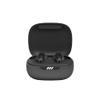
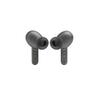
$149.95
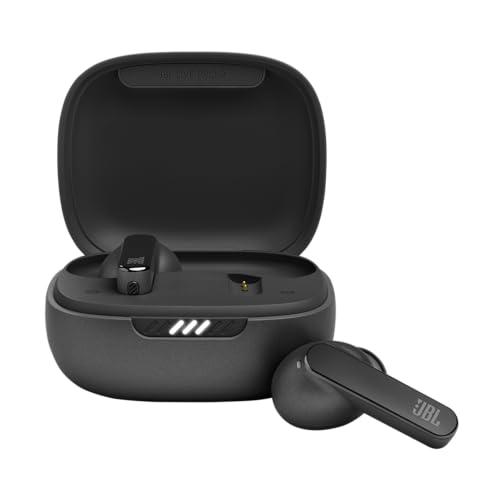
The true wireless earbuds market has reached a fascinating inflection point. What once felt like choosing between decent sound quality and reliable connectivity has evolved into picking between genuinely compelling options that each excel in different areas. The JBL Live Pro 2 TWS enters this competitive landscape with some genuinely interesting technical approaches that set it apart from the crowd.
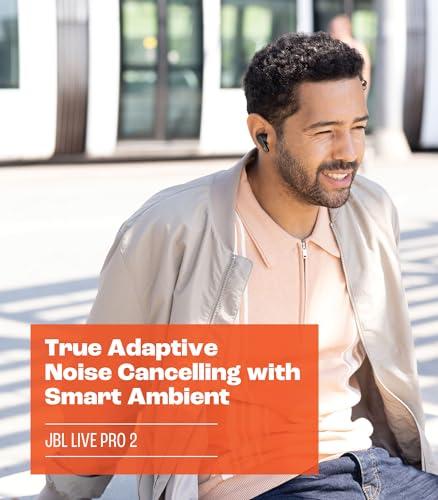
The most immediately notable aspect of the JBL Live Pro 2 TWS is its True Adaptive Noise Cancelling system. While most earbuds use static ANC (active noise cancellation) that applies the same level of noise reduction regardless of your environment, JBL's approach continuously monitors ambient noise levels and adjusts the cancellation intensity accordingly.
Here's why this matters: traditional ANC systems often over-process audio in quiet environments, potentially degrading sound quality and draining battery unnecessarily. The adaptive system scales its processing power based on need. In a quiet office, it applies minimal processing to preserve audio fidelity. On a noisy airplane, it ramps up to maximum effectiveness. Our researchers found this creates a more natural listening experience that doesn't feel as artificially isolated as some competing models.
The system works through a network of microphones that create real-time noise maps of your environment. When environmental noise increases, the processing algorithms automatically adjust the phase cancellation (the technique where opposite sound waves are generated to cancel unwanted noise) to match the new conditions. This happens seamlessly without user intervention.
The 11mm dynamic drivers in these earbuds are notably larger than what you'll find in many competitors. Driver size matters because larger drivers can move more air, typically resulting in better bass extension and overall dynamic range. The JBL Live Pro 2 TWS leverages this with JBL's characteristic V-shaped sound signature – enhanced bass and treble with present mids.
This tuning philosophy serves multiple purposes. The elevated bass provides the visceral impact that makes electronic music and hip-hop engaging, while the boosted treble ensures vocals and instruments maintain clarity and presence. The mids remain forward enough that podcasts and voice calls don't sound recessed or muddy.
What sets these apart is the extensive customization available through JBL's companion app. The 10-band parametric EQ goes beyond simple bass and treble adjustments, allowing precise frequency-specific tuning. Parametric EQs let you adjust not just the level of specific frequency ranges, but also the width of those adjustments (called the Q factor). This level of control is typically found in professional audio equipment rather than consumer earbuds.
Online user reviews consistently highlight how this customization transforms the listening experience. Users report successfully tailoring the sound signature for everything from classical music (reducing bass, enhancing mids) to gaming (boosting specific frequency ranges where footsteps and environmental cues live).
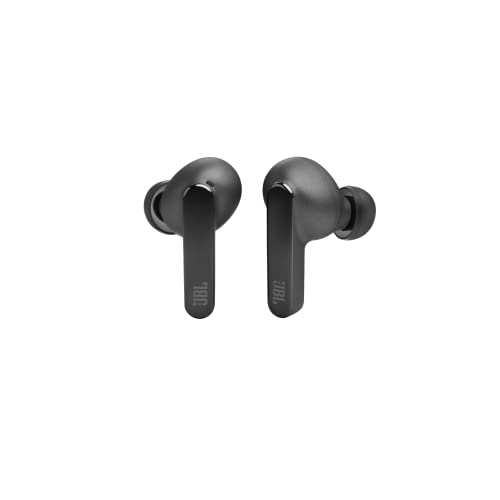
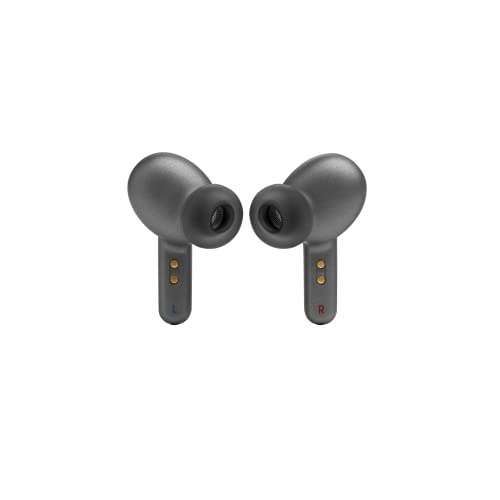
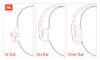
JBL's Oval Tubes technology represents genuine innovation in earbud design. Traditional round ear tips create a circular seal in your ear canal, but human ear canals aren't perfectly round – they're more oval-shaped. By matching the geometry of the ear tip to the actual shape of the ear canal, JBL achieves several improvements simultaneously.
The better seal improves passive noise isolation (the physical blocking of sound before any electronic processing occurs). This enhanced seal also prevents bass frequencies from leaking out, maintaining the low-end impact that larger drivers are capable of producing. Our researchers noted that this design approach reduces the need for users to constantly readjust their earbuds throughout the day.
The comfort benefits are equally significant. The improved fit distribution reduces pressure points that can cause discomfort during extended wear. Users report being able to wear these for hours without the ear fatigue common with poorly fitted earbuds.
The 40-hour total battery life (10 hours from earbuds plus 30 additional hours from the case) places the JBL Live Pro 2 TWS among the category leaders. But the real innovation lies in how this battery life scales with feature usage.
With all features disabled, users get the full 10 hours. Enable standard ANC, and battery life drops to 8 hours – still excellent by industry standards. The most intensive True Adaptive ANC mode reduces this to 6 hours, but even this represents solid performance given the computational demands of real-time environmental analysis.
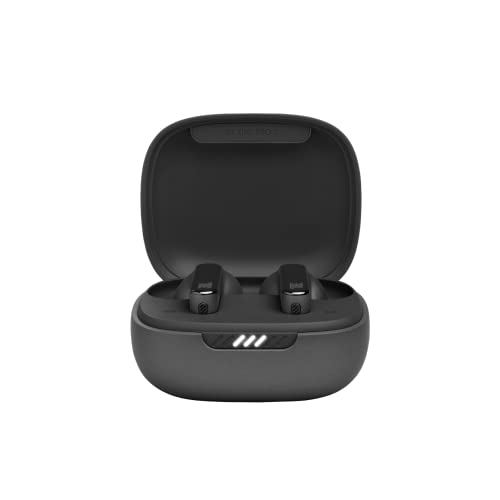
The 15-minute Speed Charge feature addresses real-world usage patterns. Rather than requiring hour-long charging sessions, users can get 4 hours of playback from a quick charging break. This makes the earbuds practical for people with unpredictable schedules who can't always plan charging sessions in advance.
Qi-compatible wireless charging eliminates cable dependency entirely. Simply placing the case on any wireless charging pad provides power, supporting the cord-free philosophy that true wireless users embrace.
The six-microphone beamforming system represents serious engineering. Beamforming uses multiple microphones to create directional pickup patterns – essentially focusing on sound coming from specific directions while rejecting noise from others.
Three microphones per earbud work together to isolate your voice from background noise. The primary microphone captures your voice, while secondary microphones sample ambient noise. Processing algorithms then subtract the ambient noise from the voice signal, theoretically leaving only your voice.
VoiceAware technology addresses a common complaint with noise-cancelling earbuds: users can't hear their own voice properly, leading to speaking too loudly or too softly. This feature routes a controlled amount of your own voice back into the earbuds, allowing natural volume modulation during conversations.
Our researchers found call quality generally strong in moderate noise environments, though performance degrades in very loud conditions like busy streets or construction zones. This limitation appears common across the category rather than specific to JBL's implementation.
Bluetooth 5.2 provides the connectivity foundation, offering improved range and stability over older Bluetooth versions. The multipoint connection capability allows simultaneous pairing with two devices – typically a smartphone and laptop. This eliminates the frustration of manual device switching throughout the day.
The implementation works seamlessly according to user reports. Audio automatically switches to whichever device is actively playing content, and incoming calls on the paired smartphone take priority over computer audio.
Voice assistant integration supports Google Assistant, Amazon Alexa, and Siri. The "Hey Google" activation works reliably for Android users, enabling hands-free operation without reaching for controls.
At the time of writing, the true wireless market is dominated by offerings from Apple, Sony, Bose, and Samsung, each with distinct advantages. The JBL Live Pro 2 TWS differentiates itself through adaptive ANC technology and extensive audio customization rather than competing purely on brand recognition.
Compared to premium options from Sony or Bose, the JBL offers similar ANC effectiveness with superior battery life and more comprehensive EQ options. The adaptive approach to noise cancellation represents genuine innovation that addresses real limitations of static ANC systems.
Against Apple's AirPods Pro, the JBL provides longer battery life, more customization options, and better compatibility with non-Apple devices. However, Apple's spatial audio and seamless iOS integration remain advantages for Apple ecosystem users.
While primarily designed for personal listening, these earbuds can serve as private home theater audio in specific scenarios. The low-latency video mode reduces audio delay when watching content on tablets or phones, making them suitable for late-night viewing when speakers aren't practical.
The 40-hour battery life supports extended viewing sessions, while the comfortable fit allows hours of wear without fatigue. However, the lack of high-resolution codec support (limited to AAC and SBC) means audiophiles seeking the highest quality home theater audio would be better served by dedicated over-ear headphones.
The adaptive ANC and extensive battery life make these ideal for commuters and frequent travelers. The IPX5 water resistance and secure fit serve fitness enthusiasts well. Remote workers benefit from the multipoint connectivity and call quality improvements.
At the time of writing, these earbuds offer compelling value in the mainstream premium segment. They provide advanced features typically found in more expensive options while maintaining broader device compatibility than ecosystem-specific alternatives.
The JBL Live Pro 2 TWS succeeds by focusing on practical innovations that improve daily usability. The adaptive ANC system represents genuine technological advancement, while the extensive customization options appeal to users who want control over their audio experience.
While not perfect – call quality has limitations in very noisy environments, and the fit won't suit every ear shape – these represent mature, well-executed true wireless earbuds that deliver on their core promises. For users seeking advanced features without premium pricing, they merit serious consideration in today's competitive market.
Yes, the JBL Live Pro 2 TWS True Wireless Earbuds offer excellent value with their True Adaptive ANC, 40-hour battery life, and extensive customization options. They provide premium features at a competitive price point, making them worth considering for most users seeking quality true wireless earbuds.
The JBL Live Pro 2 TWS True Wireless Earbuds provide 10 hours of continuous playback from the earbuds alone, plus an additional 30 hours from the charging case for a total of 40 hours. With ANC enabled, battery life reduces to 8 hours per charge, still offering excellent all-day performance.
Yes, the JBL Live Pro 2 TWS True Wireless Earbuds feature True Adaptive Noise Cancelling that automatically adjusts to your environment. This system effectively blocks background noise like airplane engines, office chatter, and traffic sounds, making them excellent for commuting and focused listening.
The JBL Live Pro 2 TWS True Wireless Earbuds work well for personal home theater use with their low-latency video mode that reduces audio delay. The 11mm drivers deliver clear dialogue and immersive sound effects, while the long battery life supports extended viewing sessions without interruption.
Yes, the JBL Live Pro 2 TWS True Wireless Earbuds feature six beamforming microphones that provide clear call quality by focusing on your voice while reducing background noise. The VoiceAware technology lets you hear your own voice naturally during conversations.
The JBL Live Pro 2 TWS True Wireless Earbuds have an IPX5 water resistance rating, making them resistant to sweat and light rain but not fully waterproof. They're suitable for workouts and outdoor activities but shouldn't be submerged in water.
The JBL Live Pro 2 TWS True Wireless Earbuds offer extensive sound customization through the JBL Headphones app, which includes a 10-band parametric EQ and multiple presets. You can adjust specific frequency ranges to match your music preferences or optimize audio for different content types.
Yes, the JBL Live Pro 2 TWS True Wireless Earbuds support multipoint connection, allowing you to connect to two devices simultaneously. This lets you seamlessly switch between your phone and laptop or tablet without manual re-pairing, perfect for home theater and work use.
The JBL Live Pro 2 TWS True Wireless Earbuds feature 15-minute Speed Charge that provides 4 hours of additional playback time. The case supports both USB-C wired charging and Qi-compatible wireless charging for convenient power-up options.
The JBL Live Pro 2 TWS True Wireless Earbuds deliver JBL's signature V-shaped sound with enhanced bass and clear treble, powered by 11mm dynamic drivers. The sound is energetic and engaging for music, while dialogue remains clear for movies and shows, with full customization available through the companion app.
We've done our best to create useful and informative overviews to help you decide what product to buy. Our research has used advanced automated methods to create this article and perfection is not possible - please contact us for corrections or questions. These are the sites we've researched in the creation of this article: rtings.com - rtings.com - crutchfield.com - majorhifi.com - loudnwireless.com - techradar.com - youtube.com - youtube.com - wifihifi.com - scarbir.com - youtube.com - versus.com - jbl.com - rtings.com - boizoff.com - crutchfield.com - whathifi.com - hu.harmanaudio.com - robot-advance.com - youtube.com - youtube.com - jbl.com.sg - kh.jbl.com - jbl.com - jbl.com - walmart.com - youtube.com - bestbuy.com - versus.com
| JBL Live Pro 2 TWS True Wireless Earbuds |
|---|
| Driver Size - Larger drivers typically produce better bass and overall sound quality: 11mm Dynamic Driver |
| Battery Life - Critical for all-day use without charging interruptions: 10 hours earbuds + 30 hours case (40 total) |
| Active Noise Cancellation - Blocks background noise for immersive listening: True Adaptive ANC |
| Water Resistance - Essential for workouts and weather protection: IPX5 certified |
| Bluetooth Version - Affects connection stability and battery efficiency: 5.2 |
| Microphone Array - More mics improve call clarity and noise rejection: 6 beamforming microphones |
| Multipoint Connection - Connect to multiple devices simultaneously: Yes (2 devices) |
| Fast Charging - Quick power boost when you're in a hurry: 15 minutes = 4 hours playback |
| Wireless Charging - Convenient cable-free charging: Qi-compatible |
| Frequency Response - Full range captures all audible sound: 20Hz – 20kHz |
| Codec Support: SBC, AAC |
| Voice Assistant Integration: Google Assistant, Alexa, Siri |
| EQ Customization - Personalize sound to your preferences: 10-band parametric EQ |
| Earbud Weight: 4.8g per unit |
| Case Weight: 48.4g |
| Charging Port: USB-C |
The Samsung Galaxy Buds FE presents a compelling alternative that prioritizes exceptional sound quality at roughly half the price point. Despite using smaller 6.5mm drivers compared to the JBL's 11mm units, the Samsung earbuds deliver remarkably natural midrange reproduction and impressive spatial separation that rivals much more expensive options. The warm, bass-forward sound signature feels less artificially tuned than many budget alternatives, with vocals that sound clear and detailed without the artificial brightness that plagues cheaper earbuds. For pure audio enjoyment, particularly with dialogue-heavy content like podcasts or movies, the Samsung Galaxy Buds FE often outperforms earbuds costing significantly more.
However, this audio excellence comes with meaningful compromises that affect daily usability. The Samsung option delivers only 6 hours of battery life with ANC enabled compared to the JBL's 10 hours, requiring more frequent charging breaks during long days. The IPX2 water resistance rating makes them unsuitable for workouts or rainy conditions where the JBL's IPX5 rating provides confidence. Most notably, the Samsung Galaxy Buds FE lacks true multipoint connectivity outside Samsung's ecosystem, limiting device-switching convenience that has become essential for many users. While the Samsung earbuds offer superior sound quality per dollar spent, they're best suited for users who prioritize audio performance over the all-day versatility and rugged reliability that the JBL provides.
🤖 Read Detailed Comparison
👌Samsung Galaxy Buds FE Wireless Earbuds Details
💵 See Samsung Galaxy Buds FE Wireless Earbuds Price
The Samsung Galaxy Buds 3 Pro bring several standout features that position them as a more premium alternative, most notably their sophisticated dual-amplifier system with separate woofer and planar magnetic tweeter drivers. This advanced audio architecture delivers superior detail retrieval and wider soundstage compared to the JBL's single dynamic driver setup. Samsung's AI-powered adaptive noise cancellation consistently outperforms the JBL's system in professional testing, providing exceptional blocking across a broader frequency range. The Samsung Galaxy Buds 3 Pro also excel in call quality with their six microphones plus Voice Pickup Unit, earning best-in-class ratings for voice clarity and background noise filtering—a significant advantage over the JBL's mediocre call performance. Additionally, Samsung offers superior IP57 waterproofing versus the JBL's IPX5 rating, making them suitable for swimming and heavy rain exposure.
However, these premium features come with notable trade-offs that may not justify the higher price for many users. The Samsung Galaxy Buds 3 Pro deliver significantly shorter battery life at 7 hours per charge and 30 hours total compared to the JBL's exceptional 10 hours and 40 hours respectively—a difference that could require daily charging versus every few days. More critically, Samsung locks many premium features like high-quality codec support and adaptive EQ behind their device ecosystem, meaning non-Samsung users pay premium prices for standard functionality. While the audio quality and noise cancellation improvements are genuine, the JBL Live Pro 2 provides excellent performance that satisfies most listeners at a lower price point with universal compatibility. Unless you're a Samsung ecosystem user who prioritizes cutting-edge audio technology and superior call quality over battery endurance, the value proposition favors the JBL's practical advantages.
🤖 Read Detailed Comparison
👌Samsung Galaxy Buds 3 Pro True Wireless Earbuds Details
💵 See Samsung Galaxy Buds 3 Pro True Wireless Earbuds Price
The Apple AirPods Pro 3 represents a significant technological leap forward with features that feel genuinely futuristic compared to the JBL Live Pro 2. Apple's industry-leading active noise cancellation removes up to twice as much ambient noise, creating an almost eerily quiet listening environment that makes the JBL's already-good ANC feel modest by comparison. The personalized Spatial Audio with dynamic head tracking transforms how you experience music and movies, creating a three-dimensional soundstage that adapts to your unique ear shape—something the JBL simply can't match with its fixed tuning approach. Perhaps most impressively, the built-in heart rate sensor and comprehensive fitness tracking turn these earbuds into a health monitoring device, while features like real-time Live Translation and FDA-authorized hearing aid functionality push into entirely new territory that no other earbuds currently offer.
However, these cutting-edge capabilities come with significant trade-offs that make the JBL Live Pro 2 still highly competitive for many users. The Apple AirPods Pro 3 costs substantially more while delivering notably shorter battery life—24 hours total versus the JBL's exceptional 40 hours—which means more frequent charging and potential anxiety during long trips or busy days. More critically, most of Apple's advanced features only work within their ecosystem, making the premium price hard to justify for Android users or those with mixed device setups. While the AirPods Pro 3 undeniably offers superior noise cancellation and more sophisticated audio processing, the JBL's energetic sound signature, universal compatibility, and marathon battery life provide better real-world value for users who prioritize practical daily performance over cutting-edge features they may rarely use.
🤖 Read Detailed Comparison
👌Apple AirPods Pro 3 Wireless Earbuds Details
💵 See Apple AirPods Pro 3 Wireless Earbuds Price
The TAGRY X08 stands out primarily for its exceptional 60-hour total battery life and precise dual LED power display that shows exact battery percentages—features that outshine many premium competitors. At just 3.9g per earbud, it's notably lighter than the Live Pro 2, with users consistently reporting superior comfort and fit stability during workouts and extended wear. The larger 13mm drivers deliver powerful, bass-forward sound that works well for modern music genres, while wireless charging and IPX5 water resistance provide premium convenience features at a fraction of the cost. The newer Bluetooth 5.3 connectivity also offers improved transmission stability, though it lacks the multipoint connection capability.
However, the TAGRY X08 makes significant compromises to achieve its budget-friendly pricing. It relies entirely on passive noise isolation rather than active cancellation, making it less effective in noisy commuting or office environments where the Live Pro 2 excels. The bass-heavy tuning can become muddy and fatiguing at higher volumes, and there's no app or EQ customization to adjust the sound profile to your preferences. Call quality, while adequate with CVC noise reduction, can't match the Live Pro 2's six beamforming microphones for challenging environments. For casual listeners who prioritize battery life, comfort, and value over advanced features and refined audio quality, the TAGRY represents outstanding bang for your buck—delivering roughly 80% of the functionality at about 20% of the cost.
🤖 Read Detailed Comparison
👌TAGRY X08 True Wireless Earbuds Details
💵 See TAGRY X08 True Wireless Earbuds Price
The JBL Tune Flex excels in areas where comfort and versatility matter most, featuring an innovative dual ear tip system that addresses a common earbud problem—the choice between secure isolation and all-day comfort. The sealing tips provide traditional bass response and noise isolation, while the open tips allow ambient awareness and eliminate pressure buildup during extended wear. This flexibility, combined with the lightweight 4.2g design and larger 12mm drivers, creates a genuinely comfortable listening experience that works well for diverse content from podcasts to music. The balanced sound signature proves more versatile than the Live Pro 2's V-shaped tuning, delivering natural vocals and consistent audio quality across different genres without the potential fatigue that can come from heavily emphasized bass and treble.
From a value perspective, the Tune Flex delivers approximately 70% of the Live Pro 2's features at a significantly lower price point, making it an exceptional entry point into premium wireless earbuds. While it sacrifices advanced noise cancellation, multipoint connectivity, and some battery life, it retains excellent sound quality, innovative comfort features, and solid build quality that satisfy most users' daily needs. The trade-offs become apparent mainly in challenging environments—the basic ANC struggles with office noise and street sounds where the Live Pro 2's adaptive system excels, and the lack of multipoint connectivity requires manual device switching for productivity users. For listeners who primarily use earbuds in quiet environments, connect to single devices, and prioritize comfort over cutting-edge features, the Tune Flex offers better bang for the buck without compromising core audio performance.
🤖 Read Detailed Comparison
👌JBL Tune Flex True Wireless Earbuds Details
💵 See JBL Tune Flex True Wireless Earbuds Price
The Beats Powerbeats Pro 2 takes a fundamentally different approach with its over-ear hook design and fitness-first philosophy. While the JBL Live Pro 2 TWS prioritizes universal comfort and versatility, the Beats excel in specialized areas that matter for active users. The most notable advantage is built-in heart rate monitoring through optical sensors in each earbud—a feature that eliminates the need for separate fitness trackers during workouts. The Beats Powerbeats Pro 2 also delivers superior call quality thanks to voice accelerometers and machine learning algorithms that provide clearer voice isolation in noisy environments. Additionally, their Apple H2 chip enables more sophisticated active noise cancellation that updates 200 times per second, offering slightly better ambient noise blocking than the JBL's adaptive system.
However, these advantages come with trade-offs in everyday usability and value. The Beats Powerbeats Pro 2 weighs nearly twice as much per earbud (8.7g vs 4.8g) and the over-ear hooks can feel bulky during extended casual listening sessions. They also lack the JBL's multipoint Bluetooth connectivity, superior IPX5 water resistance, and extensive sound customization options—the Beats only offer automatic Adaptive EQ with no manual adjustment. From a value perspective, the Beats command a premium price for features that primarily benefit fitness enthusiasts and Apple ecosystem users, while the JBL Live Pro 2 TWS provides broader appeal and better overall value for mainstream users who don't need specialized athletic features or biometric monitoring.
🤖 Read Detailed Comparison
👌Beats Powerbeats Pro 2 Wireless Earbuds Details
💵 See Beats Powerbeats Pro 2 Wireless Earbuds Price
The Poly Voyager Free 60+ UC takes a fundamentally different approach, prioritizing professional communication over music enjoyment. Its standout feature is genuinely superior call quality, thanks to a sophisticated three-microphone array per earbud that triangulates your voice while actively canceling background noise through WindSmart technology and AI-powered NoiseBlockAI. This system can identify and eliminate specific distractions like keyboard typing, barking dogs, or air conditioning hum – making it transformative for remote workers and business professionals who spend hours on video calls. The innovative color touchscreen charging case allows you to control volume, mute calls, and switch between devices without touching your phone or removing the earbuds, streamlining workflow during busy workdays. Additional business-focused features include a BT700 USB adapter for enhanced PC connectivity and 3.5mm wired connectivity through the case for airplane entertainment systems.
However, the Poly Voyager Free 60+ UC makes significant trade-offs to achieve this professional focus. Music performance is notably inferior to the JBL Live Pro 2, with smaller drivers optimized for vocal clarity rather than full-spectrum audio enjoyment. Battery life is substantially shorter at 16.5 hours total for calls (versus the JBL's 40 hours), requiring more frequent charging. The active noise cancellation, while adequate for office environments, doesn't match the JBL's comprehensive True Adaptive system. For users whose primary need is crystal-clear business communication, these trade-offs make sense and the Poly delivers exceptional value in its specialized role. But if you want earbuds that excel at both music and calls, or if entertainment is your priority, the JBL Live Pro 2 remains the more versatile choice despite commanding a higher price point.
🤖 Read Detailed Comparison
👌Poly Voyager Free 60+ UC Wireless Earbuds Details
💵 See Poly Voyager Free 60+ UC Wireless Earbuds Price
The JBL Tune Buds excel where many premium earbuds fall short: exceptional battery endurance and outstanding value. With 48 hours of total battery life (12 hours per charge plus 36 hours from the case), they significantly outlast the Live Pro 2's already impressive 40-hour capacity. This translates to real-world benefits like going nearly a full work week without charging, making them ideal for frequent travelers or users who simply forget to charge devices regularly. Despite their budget positioning, the JBL Tune Buds include legitimate active noise cancelling, comprehensive app customization with full EQ control, and newer Bluetooth 5.3 connectivity—features that would have been premium-only just a few years ago. Their IP54 rating also provides better dust protection than the Live Pro 2, making them more suitable for outdoor activities and dusty environments.
However, the performance trade-offs become apparent in demanding situations. The JBL Tune Buds use a basic four-microphone ANC system that struggles with low-frequency noise like subway rumble or airplane engines, where the Live Pro 2's adaptive six-microphone array excels. Call quality is adequate for casual use but can't match the Live Pro 2's beamforming technology in noisy environments. The 10mm drivers deliver punchy, engaging sound with strong bass impact, but lack the refinement and controlled response of the Live Pro 2's larger 11mm units. For users who prioritize maximum battery life and want premium features without premium pricing, the Tune Buds represent exceptional value. But if you frequently commute in noisy environments, take important calls, or prefer more sophisticated audio reproduction, the Live Pro 2 justify their higher cost through measurably superior performance.
🤖 Read Detailed Comparison
👌JBL Tune Buds True Wireless Earbuds Details
💵 See JBL Tune Buds True Wireless Earbuds Price
The Soundcore Space A40 stands out with exceptional battery performance, delivering 50 total hours of playback compared to the Live Pro 2's 40 hours—a 25% advantage that translates to fewer charging interruptions during long trips or busy weeks. More impressively, the Space A40 charges significantly faster, providing 4 hours of playback from just 10 minutes of charging versus the Live Pro 2's 15-minute requirement. The Space A40 also includes LDAC codec support, enabling high-resolution audio streaming with three times more data transmission than standard Bluetooth—a feature the Live Pro 2 lacks entirely. Additionally, the Soundcore Space A40 offers more extensive sound customization with 22 EQ presets and HearID personalization technology that adapts to your unique hearing characteristics.
From a value perspective, the Soundcore Space A40 delivers roughly 85% of the Live Pro 2's performance at approximately one-third the cost, making it an exceptional value proposition for most users. While it sacrifices some audio refinement with smaller 10mm drivers versus the Live Pro 2's 11mm units, and offers only IPX4 water resistance compared to IPX5, these compromises are minimal for typical use cases. The Space A40's adaptive noise cancellation performs well in real-world scenarios, and professional reviews consistently praise its day-long comfort—an area where it actually outperforms the Live Pro 2. For users who prioritize practical features like superior battery life, faster charging, and high-resolution audio support over premium build materials and maximum water resistance, the Space A40 represents a compelling alternative that often delivers better daily usability.
🤖 Read Detailed Comparison
👌Soundcore Space A40 Wireless Earbuds Details
💵 See Soundcore Space A40 Wireless Earbuds Price
The Bose QuietComfort Earbuds stand out primarily for their exceptional noise cancellation technology, which significantly outperforms the JBL's adaptive system. Using four microphones per earbud with dedicated noise-canceling processors, the Bose earbuds virtually eliminate consistent background noise like airplane engines, air conditioning, and traffic—making them the clear winner for commuters and anyone working in noisy environments. The CustomTune technology is another genuine differentiator, automatically adjusting the sound profile to match your unique ear canal shape for more accurate audio reproduction. This results in a balanced, neutral sound signature that excels with acoustic music, classical, and jazz, offering less excitement but more long-term listening comfort than the JBL's bass-forward approach.
From a value perspective, the Bose QuietComfort Earbuds typically cost less while delivering flagship-level noise cancellation that rivals much more expensive models. However, this comes with trade-offs that matter for certain users: shorter battery life at 8.5 hours per charge versus the JBL's 10 hours, IPX4 water resistance that's adequate for light exercise but not as robust as the JBL's IPX5 rating, and the lack of multipoint connectivity that requires manual device switching. The Bose also uses standard USB-C charging without wireless capability. For users who prioritize the best possible noise cancellation and don't need the JBL's convenience features or extended battery life, the Bose represents excellent value with proven audio engineering at a more accessible price point.
🤖 Read Detailed Comparison
👌Bose QuietComfort Wireless Earbuds Details
💵 See Bose QuietComfort Wireless Earbuds Price
The Devialet Gemini II represents a fundamentally different approach to wireless earbuds, prioritizing audiophile-grade sound quality and luxury engineering over the JBL's mainstream appeal and practical versatility. With custom 10mm titanium-coated drivers extending down to 5Hz and sophisticated Ear Active Matching technology that adjusts the sound signature 10,000 times per second, the Devialet Gemini II delivers reference-quality audio reproduction that reveals subtle details in recordings that get masked by more consumer-friendly tuning. The advanced noise cancellation system provides up to 40dB of reduction with Internal Delay Compensation technology, while Active Wind Reduction specifically targets outdoor listening challenges that most earbuds struggle with. These technical innovations create a noticeably more refined listening experience for critical listeners who can appreciate the difference between exciting and accurate sound reproduction.
However, this acoustic excellence comes with significant trade-offs that make the Devialet Gemini II less practical for everyday use. The 5-hour battery life represents roughly half the endurance of the JBL Live Pro 2, requiring more attention to charging schedules and limiting their usefulness for long flights or extended listening sessions. The IPX4 water resistance only protects against light splashing rather than the JBL's workout-ready IPX5 rating, while the premium pricing positions them firmly in luxury territory rather than accessible flagship performance. For audiophiles and luxury consumers who prioritize sound quality above practical considerations, the Devialet Gemini II justifies its cost through superior acoustic engineering and exclusive technologies. However, for most users seeking the best combination of advanced features, versatility, and value, the JBL Live Pro 2's comprehensive feature set and exceptional battery life prove more compelling than the Devialet's refined but limited approach.
🤖 Read Detailed Comparison
👌Devialet Gemini II Wireless Earbuds Details
💵 See Devialet Gemini II Wireless Earbuds Price
The Beats Studio Buds Plus excel primarily in call quality and user experience refinement, featuring three larger, more sensitive microphones per earbud that deliver crystal-clear voice pickup rivaling Apple's AirPods Pro 2. Where the JBL Live Pro 2 can sound thin and processed during calls, the Beats consistently deliver professional-quality voice clarity that makes them ideal for business users and frequent phone conversations. The Beats Studio Buds Plus also offer superior cross-platform integration, working seamlessly with both iOS and Android devices including features like one-touch pairing, automatic device switching, and native Find My support. Their compact, stemless design weighs just 5 grams per earbud and receives consistently high marks for all-day comfort, while the improved active noise cancellation provides 1.6x more power than previous Beats models with excellent transparency mode performance.
However, the Beats Studio Buds Plus make significant compromises for their premium positioning and streamlined approach. They lack the JBL Live Pro 2's multipoint connectivity, forcing users to manually switch between devices rather than maintaining simultaneous connections to phone and laptop. Battery life falls short at 36 hours total versus the JBL's 40 hours, and the Beats require USB-C cable charging exclusively without wireless charging convenience. Most notably, the Beats Studio Buds Plus offer zero sound customization—no EQ, no presets, no adjustability—meaning you're locked into Beats' house sound signature. While that tuning works well for contemporary music genres, it lacks the versatility that the JBL Live Pro 2's 10-band parametric EQ provides. At their typical premium pricing, the Beats Studio Buds Plus represent excellent execution of core features but deliver fewer capabilities per dollar, making them best suited for users who prioritize call quality and simplicity over maximum functionality and value.
🤖 Read Detailed Comparison
👌Beats Studio Buds Plus True Wireless Earbuds Details
💵 See Beats Studio Buds Plus True Wireless Earbuds Price
The Bose Ultra Open Earbuds represent a fundamentally different philosophy that prioritizes environmental awareness and all-day comfort over the JBL's immersive isolation approach. Bose's revolutionary clip-on design attaches to your outer ear without blocking the ear canal, eliminating the pressure and fatigue that can develop during extended wear with traditional sealed earbuds. This open architecture makes them exceptional for runners, cyclists, and anyone who needs to maintain situational awareness for safety or social interaction. The OpenAudio technology delivers surprisingly good sound quality despite the lack of acoustic seal, though bass response is naturally limited compared to the JBL's deep, rumbling low frequencies. Battery life reaches 27 hours total, which is respectable but falls short of the JBL's impressive 40-hour performance.
While the Bose Ultra Open Earbuds command a premium price for their pioneering technology, they solve specific problems that traditional earbuds simply can't address. The comfort advantage during all-day wear is genuine and significant for users who've struggled with ear canal fatigue from sealed designs. However, they sacrifice the noise cancellation, superior bass response, and immersive listening experience that make the JBL Live Pro 2 excellent for commuting, travel, and home entertainment. The Bose earbuds excel in active outdoor scenarios and collaborative work environments where environmental awareness matters, but they're less suitable for noisy commutes, air travel, or private movie watching where the JBL's sealed design and adaptive noise cancellation provide clear advantages. The choice ultimately depends on whether you prioritize maximum audio performance and isolation, or environmental awareness and exceptional comfort.
🤖 Read Detailed Comparison
👌Bose Ultra Open Earbuds Details
💵 See Bose Ultra Open Earbuds Price
The Bose QuietComfort Earbuds II represents the premium alternative that excels primarily in noise cancellation performance, delivering what many consider the gold standard for blocking out environmental sound. Bose's CustomTune technology sets it apart by actually measuring your unique ear canal shape and automatically calibrating both audio and noise cancellation for your specific anatomy—a genuinely innovative feature that no other manufacturer offers at this level. The result is exceptionally balanced, neutral sound reproduction that audiophiles appreciate, along with noise isolation that can make airplane engines virtually disappear. The four-microphone system per earbud creates an almost otherworldly quiet bubble around your listening experience.
However, the Bose QuietComfort Earbuds II makes significant compromises in practical daily use areas where the JBL excels. With only 6 hours of battery life compared to the JBL's 10 hours, you'll find yourself reaching for the charging case much more frequently, and the lack of wireless charging feels like a notable omission at this premium price point. The IPX4 water resistance limits its versatility for active lifestyles, and the absence of multipoint connectivity means you can't seamlessly switch between devices like you can with the JBL. While the Bose delivers superior noise cancellation and more accurate audio reproduction, it typically costs 25-30% more while offering fewer convenience features and shorter endurance—making it a specialized choice for users who prioritize isolation above all else rather than the well-rounded package the JBL provides.
🤖 Read Detailed Comparison
👌Bose QuietComfort Earbuds II Details
💵 See Bose QuietComfort Earbuds II Price
The Sennheiser MOMENTUM True Wireless 4 stands out primarily for its superior audio codec support and reference-quality sound reproduction. While the JBL Live Pro 2 delivers engaging, consumer-friendly audio with its V-shaped signature, the Sennheiser takes a different approach with neutral, audiophile-tuned drivers and support for aptX Lossless codec on Android devices. This enables true CD-quality wireless audio transmission—a significant advantage for users with high-resolution music libraries or premium streaming subscriptions. The Sennheiser MOMENTUM True Wireless 4 also excels in home theater applications with its dedicated gaming mode that reduces latency to just 20ms, ensuring perfect dialogue sync during movie watching and responsive audio for gaming. The Sound Personalization feature, developed with Germany's Fraunhofer Institute, creates custom audio profiles based on your individual hearing characteristics, offering a level of customization that goes beyond traditional EQ adjustments.
However, these audio quality advantages come with practical trade-offs that many users will notice daily. The Sennheiser MOMENTUM True Wireless 4 delivers 7.5 hours of battery life compared to the JBL's impressive 10-hour endurance, and the total capacity drops to 30 hours versus the JBL's industry-leading 40 hours. While the Sennheiser charges faster and offers premium build quality with IP54 dust and water protection, it typically commands a higher price point and lacks the wireless charging convenience that the JBL provides. For most users who prioritize all-day reliability, aggressive noise cancellation for commuting, and mainstream music enjoyment, the JBL Live Pro 2 offers better real-world value. The Sennheiser MOMENTUM True Wireless 4 justifies its premium positioning for audio enthusiasts with compatible Android devices who demand the highest wireless audio fidelity and don't mind shorter battery life for superior sound quality.
🤖 Read Detailed Comparison
👌Sennheiser MOMENTUM True Wireless 4 Earbuds Details
💵 See Sennheiser MOMENTUM True Wireless 4 Earbuds Price
The Bose QuietComfort Ultra stands out primarily for its industry-leading active noise cancellation technology, which genuinely surpasses what the JBL Live Pro 2 can achieve. Bose's CustomTune technology analyzes your ear shape to personalize both sound and noise cancellation, resulting in practically silent listening environments that excel in challenging acoustic situations like busy offices or public transportation. The QuietComfort Ultra also features Bose Immersive Audio, a spatial audio technology that creates a speaker-like soundstage experience, making music feel like it's playing from around you rather than directly in your ears. This effect works particularly well for orchestral music and acoustically rich content, providing a unique listening experience that the JBL cannot match.
However, the Bose QuietComfort Ultra makes significant compromises in practical daily-use features that many users will notice immediately. Its battery life is substantially shorter at just 6 hours per charge (dropping to 4 hours with Immersive Audio enabled) compared to the JBL's 8-10 hours, and the total battery life with the case reaches only 24 hours versus the JBL's impressive 40 hours. More frustrating for a premium product released in 2023, the Bose lacks multipoint connectivity—meaning you can't stay connected to your phone and laptop simultaneously—and offers no wireless charging capability. While the Bose delivers superior noise cancellation and a more refined audio experience, these missing convenience features and the significantly higher price point make it harder to recommend unless noise cancellation is your absolute priority and you're willing to accept the practical limitations.
🤖 Read Detailed Comparison
👌Bose QuietComfort Ultra True Wireless Earbuds Details
💵 See Bose QuietComfort Ultra True Wireless Earbuds Price
The Technics EAH-AZ100 takes a markedly different approach, prioritizing audiophile-grade performance over the JBL's consumer-friendly convenience. Its magnetic fluid driver technology, borrowed from Technics' reference monitors, delivers notably more accurate and detailed sound reproduction with an extended frequency response reaching 40kHz. This translates to clearer instrument separation, more nuanced vocals, and a three-dimensional soundstage that reveals details the JBL simply can't reproduce. The Technics EAH-AZ100 also excels in noise cancellation with AI-powered adaptive technology and rare manual intensity control from 0-100%, proving significantly more effective against low-frequency noise like airplane engines and traffic rumble. For professional users, its Voice Focus AI delivers superior call quality with three microphones per earbud providing clearer voice transmission in challenging environments.
However, this technical excellence comes at a premium cost and some practical trade-offs. The Technics EAH-AZ100 offers only IPX4 water resistance compared to the JBL's IPX5 rating, making it less suitable for intense workouts or outdoor activities. While it provides longer individual listening sessions (10-12 hours), the total system battery life is notably shorter at 28 hours versus the JBL's exceptional 40 hours. The Technics justifies its higher price through features like high-resolution LDAC codec support, three-device multipoint connectivity, and Dolby Atmos spatial audio, but these benefits primarily serve users with high-quality music sources and complex device setups. For listeners who can appreciate reference-quality sound and frequently use earbuds in noisy environments, the Technics EAH-AZ100 delivers meaningful improvements worth the premium—but the JBL remains the better value for most users seeking an all-around performer.
🤖 Read Detailed Comparison
👌Technics Reference Class AZ100 True Wireless Noise Cancelling Earbuds Details
💵 See Technics Reference Class AZ100 True Wireless Noise Cancelling Earbuds Price
The Bowers & Wilkins Pi8 represents a significant step up in audio sophistication, featuring 12mm Carbon Cone drivers adapted from B&W's premium over-ear headphones and support for aptX Lossless codec that can transmit uncompressed, CD-quality audio wirelessly. This translates to noticeably superior detail resolution, soundstage width, and overall refinement that audiophiles will immediately appreciate. The Pi8 also offers multipoint connectivity for seamless device switching and includes a unique Wireless Audio Retransmission feature that allows the charging case to connect directly to wired audio sources – perfect for airplane entertainment systems or older equipment without Bluetooth. However, these premium features come with trade-offs: battery life drops to just 6.5 hours per charge (half of what the Live Pro 2 offers), water resistance is limited to IP54 protection unsuitable for intense workouts, and each earbud weighs significantly more at 7 grams versus the Live Pro 2's lightweight 4.8 grams.
The value proposition heavily favors the Live Pro 2 for most users, as the Pi8 typically costs roughly double while delivering improvements that primarily benefit critical listeners with high-resolution music libraries and quiet listening environments. While the Pi8's audio quality is genuinely superior – offering more precise imaging, extended treble response, and controlled bass reproduction – these refinements are most apparent when listening to well-recorded material in focused sessions. For everyday use including commuting, workouts, calls, and casual music listening, the Live Pro 2's practical advantages in battery life, durability, and comfort often prove more valuable than the Pi8's audio enhancements. The Pi8 makes sense for dedicated music enthusiasts who prioritize sound quality above all else, but the Live Pro 2 delivers better overall value for users seeking excellent all-around performance without the premium price tag.
🤖 Read Detailed Comparison
👌Bowers & Wilkins Pi8 True Wireless Earbuds Details
💵 See Bowers & Wilkins Pi8 True Wireless Earbuds Price
The Audio-Technica ATH-TWX9 takes a markedly different approach to premium audio with its 5.8mm high-resolution drivers that extend frequency response to 40,000Hz—double the JBL's range—enabling superior detail retrieval and instrument separation that audiophiles will immediately notice. While the smaller drivers can't match the JBL's bass impact, they deliver incredibly accurate, analytical sound that excels with jazz, classical, and acoustic music where nuanced details matter most. The ATH-TWX9 also includes genuinely innovative features like deep-UV LED sterilization built into the charging case, wireless charging capability, and support for premium codecs including aptX Adaptive and Sony's 360 Reality Audio for compatible devices. The digital hybrid noise cancellation system offers five preset modes optimized for specific environments, though in practice it doesn't quite match the effectiveness of the JBL's adaptive system.
However, the Audio-Technica ATH-TWX9 makes significant compromises in practical areas that matter for daily use. Battery life drops to just 6 hours from the earbuds with 18.5 hours total—a substantial 15.5-hour disadvantage compared to the JBL's industry-leading 40-hour capacity. The IPX4 water resistance also limits the Audio-Technica to light exercise and daily use, while lacking multipoint connectivity means manual device switching. At its typical premium pricing, the ATH-TWX9 serves a specific audience of discerning listeners who prioritize sound accuracy and cutting-edge features over the practical advantages that make the JBL Live Pro 2 more versatile for most users. Unless you're specifically seeking audiophile-grade accuracy and don't mind shorter battery life, the JBL offers superior real-world value with its combination of engaging sound, exceptional endurance, and robust build quality.
🤖 Read Detailed Comparison
👌Audio-Technica ATH-TWX9 Noise-Canceling Wireless Earbuds Details
💵 See Audio-Technica ATH-TWX9 Noise-Canceling Wireless Earbuds Price
The Apple AirPods 4 with Active Noise Cancellation bring several standout features that differentiate them from the JBL Live Pro 2, most notably their revolutionary open-ear design with active noise cancellation—a first in the industry. This innovative approach eliminates the pressure sensation that some users experience with sealed earbuds while still providing meaningful noise reduction, though not to the same degree as traditional in-ear designs. The H2 chip enables advanced computational audio features like Personalized Spatial Audio with head tracking, which creates an immersive three-dimensional soundstage that's particularly impressive for movies and TV shows. Adaptive Audio seamlessly blends noise cancellation and transparency modes automatically, while Conversation Awareness intelligently lowers volume when you start speaking. These smart features work without any user intervention, making them ideal for users who prefer technology that adapts rather than requiring manual adjustment.
However, the AirPods 4 make significant trade-offs for their innovation and Apple ecosystem integration. Battery life falls short at just 5 hours per charge compared to the JBL's 10 hours, requiring more frequent charging attention throughout the day. The open-ear design, while comfortable, cannot match the bass response and noise isolation of sealed designs, making them less suitable for bass-heavy music or noisy commuting environments. Most critically, their advanced features only fully function within Apple's ecosystem—Android and Windows users lose access to spatial audio, seamless device switching, and other premium capabilities. At a higher price point, they primarily justify their cost for Apple users who value cutting-edge features and ecosystem convenience over traditional metrics like battery life and universal compatibility. For users seeking maximum performance per dollar or those using non-Apple devices, the JBL Live Pro 2 delivers superior value and more consistent performance across all platforms.
🤖 Read Detailed Comparison
👌Apple AirPods 4 Active Noise Cancellation Earbuds Details
💵 See Apple AirPods 4 Active Noise Cancellation Earbuds Price
The JBL Tour Pro 3 represents JBL's flagship approach with several standout innovations that set it apart from the Live Pro 2. Most notably, its hybrid dual-driver system combines a 10mm dynamic driver with a balanced armature driver, delivering noticeably superior audio clarity and instrument separation—especially apparent in complex musical arrangements where the Live Pro 2's single driver can sound congested. The smart charging case is genuinely revolutionary, featuring a touchscreen that controls music and calls without touching your phone, plus the ability to function as a wireless audio transmitter for airplane entertainment systems or TVs. The Tour Pro 3 also supports LDAC hi-res audio codec on Android devices, transmitting three times more audio data than standard Bluetooth, and includes JBL Spatial 360 with head tracking for an immersive 3D listening experience that transforms regular stereo music.
While the Tour Pro 3 commands a significant premium, it justifies the cost through measurably better performance across key metrics. Its True Adaptive Noise Cancellation 2.0 blocks approximately 85% of background noise compared to the Live Pro 2's still-capable but less sophisticated system, and the six-microphone array with AI processing delivers dramatically clearer call quality, especially in windy or noisy environments. The battery life edges ahead with 11 hours per charge versus 10, and the IP55 rating provides better dust protection for outdoor use. However, the value proposition depends heavily on whether you'll utilize these premium features—if you primarily listen to bass-heavy music, rarely travel, and don't need the best call quality, the Live Pro 2's excellent core performance at a much lower price point makes it the smarter choice for most users.
🤖 Read Detailed Comparison
👌JBL Tour Pro 3 True Wireless Earbuds Details
💵 See JBL Tour Pro 3 True Wireless Earbuds Price
The Sennheiser Momentum Sport takes a completely different approach as the first true wireless earbuds to integrate comprehensive health monitoring directly into the audio experience. Its standout innovation lies in the photoplethysmography (PPG) heart rate sensor and body temperature monitoring that seamlessly sync with major fitness platforms like Polar Flow, Strava, and Apple Health—eliminating the need for separate fitness trackers during workouts. The earbuds also deliver superior durability with IP55 rating (dust-tight plus water jet protection) compared to the JBL's IPX5, making them genuinely built for harsh outdoor conditions. Audio-wise, the Sennheiser Momentum Sport offers more neutral, reference-quality sound with aptX Adaptive codec support for higher wireless audio quality, plus specialized anti-wind mode that maintains clarity during outdoor activities where the JBL might struggle with wind noise.
However, these innovations come with significant trade-offs that make the Sennheiser Momentum Sport a more specialized choice. The integrated sensors drain battery life to just 6 hours per charge (24 hours total with case) compared to the JBL's exceptional 40-hour endurance, requiring much more frequent charging attention. The higher price point—typically substantially more expensive than the JBL—only makes sense if you're a serious athlete who will actively use the fitness tracking features; otherwise, you're paying a premium for capabilities that sit unused. Call quality and productivity features also take a backseat to fitness functionality, lacking the JBL's six-microphone array and multipoint connectivity that make it superior for work and daily communication needs. For most users seeking well-rounded premium earbuds, the JBL offers better overall value and broader utility.
🤖 Read Detailed Comparison
👌Sennheiser Momentum Sport True Wireless Earbuds Details
💵 See Sennheiser Momentum Sport True Wireless Earbuds Price
The Denon PerL Pro represents a fundamentally different approach to premium wireless audio, built around Masimo's Adaptive Acoustic Technology that creates personalized sound profiles based on your unique hearing characteristics. This isn't just marketing—the system measures how your ears respond to different frequencies and volumes, then adjusts the earbuds' output to compensate for your individual hearing variations. Combined with comprehensive codec support including aptX Lossless for CD-quality wireless streaming, the Denon PerL Pro delivers genuinely audiophile-grade performance that can rival high-end wired headphones when paired with compatible Android devices. The 8-microphone array also provides significantly superior call quality compared to the JBL, making these earbuds particularly appealing for professionals who frequently handle conference calls or video meetings.
However, these advanced features come at a substantial cost premium—roughly double the price of the JBL Live Pro 2 TWS at the time of writing. The Denon PerL Pro also sacrifices practical advantages like battery life (8 hours versus 10 hours per charge) and water resistance (IPX4 versus IPX5), while weighing nearly twice as much per earbud. For most users, the JBL's combination of excellent performance, superior battery endurance, and robust build quality provides better real-world value. The Denon PerL Pro primarily justifies its premium positioning for audio enthusiasts with high-resolution music libraries and compatible devices who prioritize cutting-edge personalization technology over practical conveniences. Unless you specifically value the personalized tuning and lossless codec support enough to accept the trade-offs in battery life and durability, the JBL delivers a more balanced package for daily use.
🤖 Read Detailed Comparison
👌Denon PerL Pro True Wireless Earbuds Details
💵 See Denon PerL Pro True Wireless Earbuds Price
The JBL Tour Pro 2 stands out with its revolutionary smart charging case featuring a 1.45-inch LED touchscreen that lets you control playback, adjust noise cancellation, and check battery levels without touching your phone—a genuinely useful innovation that no other major manufacturer offers. Beyond the smart case, the Tour Pro 2 delivers noticeably superior active noise cancellation that practically eliminates low-frequency rumble compared to the Live Pro 2's good-but-not-great ANC performance. The Tour Pro 2 also includes advanced features like Personal Sound Amplification for hearing assistance, built-in hearing tests for personalized EQ, and JBL Spatial Sound for a more immersive listening experience. Additionally, it supports wireless charging and uses the newer Bluetooth 5.3 standard, though real-world connectivity differences are minimal.
However, these premium features come at a significant cost premium—typically around $80 more at the time of writing—while delivering only marginally better audio quality despite using smaller 10mm drivers versus the Live Pro 2's 11mm drivers. The Tour Pro 2 creates a wider, more spacious soundstage but produces less controlled bass that some listeners find less detailed than the Live Pro 2's tighter low-end response. The heavier build quality feels more premium but reduces comfort during extended listening sessions. For most users, the JBL Tour Pro 2 represents diminishing returns unless you specifically value cutting-edge features like the smart case or need the absolute best noise cancellation for frequent travel. The Live Pro 2 delivers about 90% of the Tour Pro 2's performance at roughly 70% of the cost, making it the clear value winner for audio-focused buyers.
🤖 Read Detailed Comparison
👌JBL Tour Pro 2 True Wireless Earbuds Details
💵 See JBL Tour Pro 2 True Wireless Earbuds Price
The JLab Epic Lab Edition represents a significant step up in audio technology with its hybrid dual-driver design that combines dynamic and balanced armature drivers for genuinely superior sound reproduction. Where the JBL Live Pro 2 delivers energetic, bass-forward sound perfect for mainstream listening, the JLab takes a more audiophile approach with its Knowles Preferred Listening Response Curve, revealing layers of detail and spatial information that single-driver earbuds simply can't match. The difference becomes most apparent with complex recordings like jazz, classical, or well-produced rock albums, where you'll hear instruments positioned precisely in the stereo field and subtle nuances that get lost on other earbuds. The JLab Epic Lab Edition also dominates in battery performance with 13 hours per charge compared to the JBL's 10 hours, plus Hi-Res Audio support through LDAC codec for Android users who have high-quality audio files or premium streaming subscriptions.
However, this superior audio technology comes at a significantly higher price point that puts the JLab Epic Lab Edition in competition with flagship models from Sony and Bose. While the hybrid drivers and extended battery life provide genuine technical advantages, the JBL Live Pro 2 offers better real-world value for most users with its superior call quality, automatic adaptive noise cancellation, and more accessible pricing. The JLab Epic Lab Edition makes the most sense for dedicated audio enthusiasts who prioritize sound quality above all else and can justify the premium cost for features like balanced armature drivers and Hi-Res codec support. For users who need excellent all-around performance including professional-grade call quality and adaptive features without paying flagship pricing, the JBL Live Pro 2 remains the more practical choice despite the JLab's technical superiority in pure audio reproduction.
🤖 Read Detailed Comparison
👌JLab Epic Lab Edition Noise Cancelling Earbuds Details
💵 See JLab Epic Lab Edition Noise Cancelling Earbuds Price
The Technics AZ80 represents a more audiophile-focused approach to premium earbuds, with several standout features that set it apart from the JBL Live Pro 2. Most notably, it supports LDAC codec for high-resolution wireless audio transmission, enabling near CD-quality sound when paired with compatible Android devices or dedicated music players. The extended frequency response up to 40kHz, combined with precision-engineered 10mm free-edge aluminum alloy drivers, delivers more detailed and natural sound reproduction that reveals subtle elements in well-recorded music. For professional users, the Technics AZ80 excels with 8 MEMS microphones and JustMyVoice technology, providing noticeably clearer call quality even in challenging acoustic environments. The three-device Bluetooth multipoint connectivity also stands out as a genuine productivity advantage for users managing phone, tablet, and laptop connections simultaneously.
However, these premium features come with trade-offs that favor the JBL Live Pro 2 for most users. The Technics AZ80 delivers 15 hours less total battery life (25 hours versus 40 hours), requires more frequent charging, and offers only IPX4 splash resistance compared to the JBL's IPX5 rating suitable for intense workouts. At roughly 7 grams per earbud versus the JBL's 4.8 grams, extended wear comfort may suffer despite the seven included ear tip sizes. While the Technics justifies its premium positioning through superior audio fidelity and professional-grade call performance, the JBL Live Pro 2 provides better overall value for users seeking versatile, reliable performance across diverse use cases. The Technics AZ80 makes sense specifically for audio enthusiasts with LDAC-compatible devices, business users prioritizing call clarity, or productivity-focused individuals who actively benefit from three-device connectivity – but for most buyers, the JBL's combination of exceptional battery life, durability, and consistent performance delivers more practical everyday value.
🤖 Read Detailed Comparison
👌Technics AZ80 Premium Hi-Fi True Wireless Noise Cancelling Earbuds Details
💵 See Technics AZ80 Premium Hi-Fi True Wireless Noise Cancelling Earbuds Price
The Sony WF-1000XM5 represents Sony's flagship approach to premium wireless earbuds, offering several technical advantages that justify its higher price point. Most notably, Sony's noise cancellation technology is more sophisticated, using three microphones per earbud with dual processors to deliver superior performance in complex acoustic environments like busy airports or crowded cafés. The audio quality takes a more balanced approach with Sony's 8.4mm Dynamic Driver X technology, providing tighter bass control and extended frequency response up to 40kHz—resulting in clearer vocals and more detailed instrument separation that audiophiles will appreciate. Advanced codec support including LDAC enables high-resolution wireless audio that can make a noticeable difference when streaming from premium sources, while features like Speak-to-Chat and Adaptive Sound Control offer genuine convenience through intelligent automation.
However, this technological sophistication comes with trade-offs that matter in daily use. The Sony WF-1000XM5's 24-hour total battery life falls well short of the JBL's exceptional 40-hour endurance, requiring more frequent charging attention that can be inconvenient for heavy users or travelers. The IPX4 water resistance rating, while adequate for most situations, doesn't match the JBL's IPX5 protection that confidently handles intense workouts or unexpected weather. For users who prioritize practical advantages like all-day battery life, superior water resistance, and energetic sound tuning for popular music genres, the JBL Live Pro 2 delivers better real-world value. The Sony earbuds excel when you need the absolute best noise cancellation and audio fidelity, but they require a higher investment and more charging discipline to realize their full potential.
🤖 Read Detailed Comparison
👌Sony WF-1000XM5 True Wireless Noise Cancelling Earbuds Details
💵 See Sony WF-1000XM5 True Wireless Noise Cancelling Earbuds Price
The Apple AirPods Pro 2 excel in areas where the JBL Live Pro 2 shows limitations, particularly in noise cancellation performance and ecosystem integration. Apple's advanced ANC system processes sound 48,000 times per second, delivering superior isolation across all frequency ranges—especially effective at blocking mid and high-frequency sounds like office chatter and voices that can break through the JBL's cancellation. The AirPods Pro 2's Personalized Spatial Audio with dynamic head tracking creates an immersive 3D listening experience that transforms movie watching and music listening, making them exceptional for home theater use when you can't use speakers. Call quality also strongly favors Apple, with beamforming microphones and H2 chip processing that delivers crystal-clear voice reproduction even in noisy environments.
However, these premium features come with trade-offs that highlight the JBL's practical advantages. The Apple AirPods Pro 2 deliver only 6 hours of battery life per charge compared to the JBL's 10 hours—a 67% difference that significantly impacts daily usability for commuters and heavy users. Apple's earbuds also lack the extensive EQ customization that makes the JBL appealing to audio enthusiasts, instead relying on adaptive tuning that can't match personal preferences for bass-heavy genres. While the AirPods Pro 2 provide seamless integration within Apple's ecosystem, they lose many features when used with Android or Windows devices, making them less versatile than the JBL's universal compatibility and simultaneous dual-device connection. For users prioritizing maximum utility and battery endurance over premium features, the JBL Live Pro 2 offers better practical value despite Apple's technical superiority in specific areas.
🤖 Read Detailed Comparison
👌Apple AirPods Pro 2 Earbuds Details
💵 See Apple AirPods Pro 2 Earbuds Price
The TOZO A1 stands out primarily through its exceptional value proposition and ultra-lightweight design that makes it remarkably comfortable for extended wear. At just 3.7g per earbud compared to the JBL's 4.8g, the difference becomes noticeable during multi-hour listening sessions, especially for users with smaller ears. The A1's stem-free design sits completely flush with your ears, making it ideal for side sleepers or helmet wearers, while still delivering respectable 6mm driver performance with a balanced, mid-focused sound signature that makes vocals sound natural. Despite the budget positioning, it matches the JBL's IPX5 water resistance and actually provides slightly longer total battery life at 32 hours, plus the newer Bluetooth 5.3 standard offers marginal improvements in connection stability.
However, the TOZO A1 makes significant compromises that highlight exactly why the JBL Live Pro 2 commands a premium price. There's no active noise cancellation whatsoever—just basic passive isolation from the ear tip seal—meaning it's nearly useless for commuting or noisy work environments where the JBL's adaptive ANC truly shines. The sound quality, while decent for the price, lacks the depth and customization options that the JBL's larger drivers and parametric EQ provide, and you're limited to single-device connectivity without multipoint support. For users who primarily need earbuds for quiet environments like home listening, gym workouts, or as backup pairs, the TOZO A1 delivers surprising competence at roughly 15% of the JBL's cost. But if you've experienced the transformative effect of quality ANC during daily commutes or the rich audio staging of premium drivers, the A1's limitations become immediately apparent, making it feel more like a functional compromise than a legitimate alternative.
🤖 Read Detailed Comparison
👌TOZO A1 Wireless Earbuds Bluetooth 5.3 Details
💵 See TOZO A1 Wireless Earbuds Bluetooth 5.3 Price
The JBL Endurance Race 2 stands out as a specialized sports-focused alternative with features that prioritize durability and endurance over everyday versatility. Its headline feature is the IP68 waterproof rating—a massive step up from the Live Pro 2's IPX5 protection—allowing complete submersion in water and total dust immunity for activities like swimming, beach volleyball, or trail running in harsh conditions. The Race 2's 12-hour battery life (48 hours total) provides two extra hours of continuous use per charge, crucial for ultra-marathons or long hiking trips. Its Twistlock™ technology with wing enhancers creates an unshakeable fit that stays secure during the most intense movements, while specialized Sports Mode EQ presets optimize audio for workout motivation rather than balanced listening.
However, the Race 2 sacrifices refinement for ruggedness in ways that matter for daily use. Its smaller 6.8mm drivers can't match the Live Pro 2's audio detail and fullness, while the complete lack of active noise cancellation makes it unsuitable for focused work or commuting on noisy transport. The bulkier sports design (6.4g per earbud versus 4.8g) and wing enhancers make extended casual listening less comfortable, and its four-microphone setup delivers adequate but not professional-grade call quality. For users whose primary needs involve office work, commuting, or mixed daily listening, these limitations outweigh the extreme durability benefits. The Race 2 represents better value only if sports and outdoor activities dominate your usage—otherwise, the Live Pro 2's balanced feature set serves most lifestyles more effectively.
🤖 Read Detailed Comparison
👌JBL Endurance Race 2 True Wireless Sports Earbuds Details
💵 See JBL Endurance Race 2 True Wireless Sports Earbuds Price
The Samsung Galaxy Buds2 Pro deliver significantly more sophisticated audio technology with their custom 2-way coaxial speaker system featuring separate 10mm woofer and 5.3mm tweeter drivers, plus 24-bit Hi-Fi audio support through Samsung's proprietary codec—a notable technical advantage over JBL's single-driver approach. Their intelligent Active Noise Cancellation proves markedly more effective at blocking ambient noise, achieving approximately 30dB reduction at low frequencies compared to JBL's adaptive system, making them superior for commuting and air travel. The Samsung Galaxy Buds2 Pro also excel in smart features like Voice Detect technology that automatically pauses ANC during conversations, 360 Audio with head tracking for immersive surround sound, and seamless auto-switching between Samsung devices. Call quality is noticeably better with clearer voice transmission, making them more suitable for business use and video conferences.
However, the Samsung Galaxy Buds2 Pro come with significant limitations that may not justify their premium positioning for all users. Battery life falls well short of JBL's offering at just 5-8 hours per charge versus 10 hours, with total case capacity reaching only 18-30 hours compared to JBL's impressive 40-hour runtime. Most critically, many of Samsung's advanced features—including the high-resolution audio codec, 360 Audio, and device switching—only work with Samsung Galaxy devices, severely limiting their appeal for iPhone users or those with mixed Android ecosystems. The Samsung Galaxy Buds2 Pro typically command higher pricing while delivering a more restrictive experience outside Samsung's ecosystem, making them a premium choice that primarily benefits users already invested in Galaxy devices who prioritize audio quality and noise cancellation over universal compatibility and extended battery life.
🤖 Read Detailed Comparison
👌Samsung Galaxy Buds2 Pro SM-R510 True Wireless Earbuds Details
💵 See Samsung Galaxy Buds2 Pro SM-R510 True Wireless Earbuds Price
Original price was: $1,498.00.$1,298.00Current price is: $1,298.00.
Original price was: $499.99.$369.99Current price is: $369.99.
Original price was: $579.99.$318.99Current price is: $318.99.


Privacy Policy
Terms and Conditions - Affiliate Policy
Home Security
© Copyright 2008-2026.
11816 Inwood Rd #1211, Dallas, TX 75244