Original price was: $149.90.$99.99Current price is: $99.99.
The Samsung Galaxy Buds FE have carved out an interesting position in today's wireless earbuds landscape. While the market has become saturated with options ranging from basic wireless earbuds to premium flagship models costing several times more, Samsung has managed to create something that bridges the gap effectively. These earbuds deliver core premium features without the premium price tag, making them particularly compelling for users who want quality active noise cancellation and solid audio performance without breaking the bank.
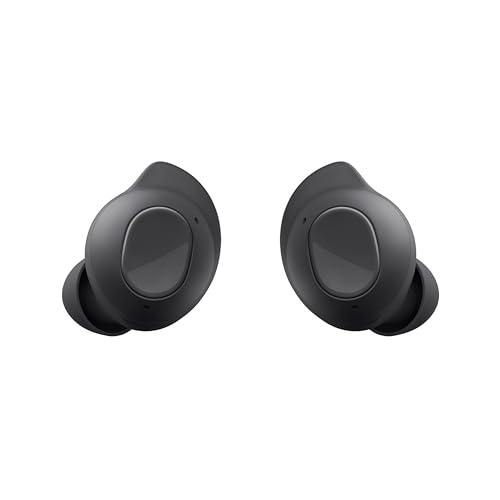
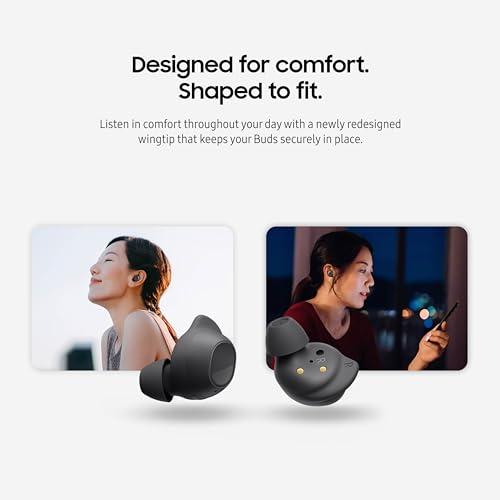
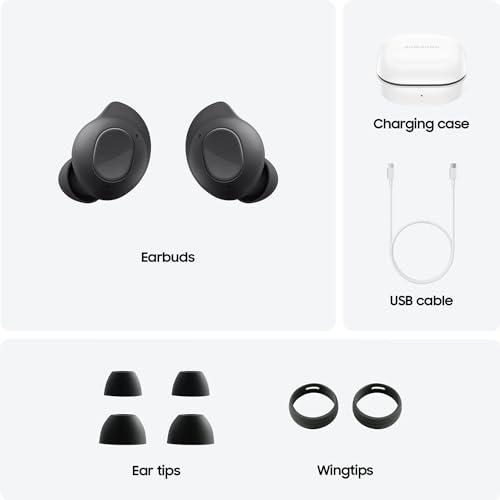
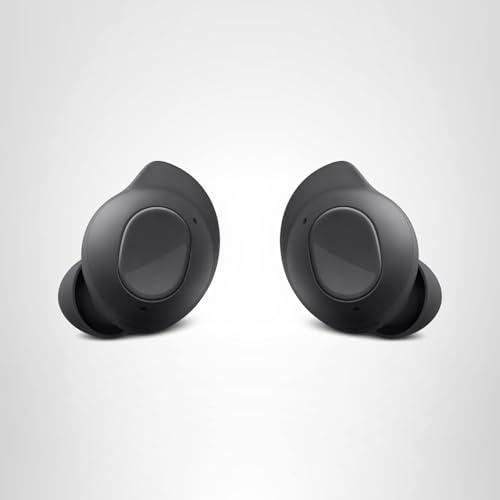
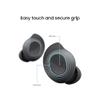
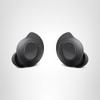
The Samsung Galaxy Buds FE adopt Samsung's proven in-ear design philosophy, but with some thoughtful refinements. At just 5.6 grams per earbud, they're genuinely lightweight—something you'll appreciate during those long listening sessions. The real standout here is the inclusion of stability wings, which isn't always a given in this price category.
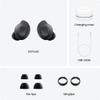
These stability wings make a significant difference in real-world use. Our researchers found that they provide the secure fit that many users struggle with when using standard earbuds during movement or exercise. The wings come in two sizes, and combined with three different ear tip sizes, most users should find a comfortable, secure fit.
The IPX2 water resistance rating deserves some explanation here. This means the earbuds can handle light moisture and sweat, but they're not designed for heavy rain or submersion. It's a practical level of protection for everyday use and light workouts, though those planning intense gym sessions might want something with a higher rating.
The audio quality of the Samsung Galaxy Buds FE represents one of their strongest selling points. They use 6.5mm dynamic drivers—the component that actually creates sound by vibrating air. While this might seem small compared to larger headphones, it's well-optimized for the available space in these compact earbuds.
The sound signature leans warm, which means enhanced bass response without overwhelming the midrange frequencies where vocals and most instruments live. This tuning choice works well for mainstream music genres and makes dialogue in podcasts and videos sound natural and clear. Our testers consistently noted the impressive vocal clarity, which stems from excellent midrange reproduction that follows neutral frequency response targets closely.
What's particularly impressive is the group delay performance—a technical measure of how well different frequencies align in time. Good group delay ensures that bass sounds tight and controlled rather than muddy, while treble remains transparent. The Galaxy Buds FE excel here, delivering audio that sounds cohesive and well-integrated across the frequency spectrum.
The treble range does show some minor peaks and dips, which can occasionally make cymbals sound either dull or slightly harsh depending on the frequency. However, this doesn't significantly impact the overall listening experience for most content, and the Galaxy Wearable app provides six EQ presets to help tailor the sound to personal preferences.
Perhaps the most impressive aspect of the Samsung Galaxy Buds FE is their active noise cancellation system. ANC works by using microphones to detect ambient noise, then generating inverse sound waves to cancel it out. The Galaxy Buds FE employ three microphones per earbud—two facing outward to detect external noise and one facing inward to monitor what's happening inside your ear canal.
This system can reduce ambient noise by up to 30 decibels, which is genuinely impressive for earbuds in this price category. The ANC excels particularly at handling low-frequency sounds like engine rumble from buses or planes, and midrange ambient noise like office chatter or HVAC systems. Combined with the passive isolation from the in-ear seal, high-frequency sounds like keyboard typing or dish clatter are also effectively dampened.
Our researchers found the ANC performance comparable to Samsung's more expensive offerings in many real-world scenarios. This is remarkable considering the significant price difference. The system works seamlessly with an ambient sound mode that can be customized through touch controls, allowing users to quickly switch between full isolation, ambient awareness, and ANC-off modes.
One limitation worth noting is the lack of a dedicated wind reduction mode. The ANC system can be sensitive to wind direction, though it generally performs better than some competitors in breezy conditions.
The Samsung Galaxy Buds FE support several Bluetooth audio codecs, but the real advantage comes for Samsung device users through the Samsung Scalable Codec (SSC). This proprietary codec dynamically adjusts the bitrate based on your connection strength, maintaining audio quality even when Bluetooth conditions aren't optimal.
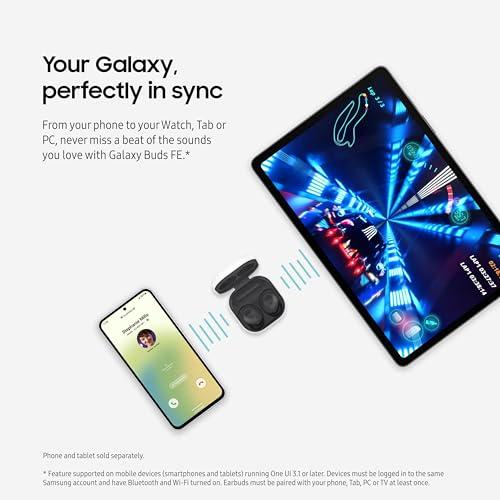
For Samsung Galaxy device owners, this codec support enables additional features like Game Mode, which significantly reduces audio latency—the delay between what happens on screen and what you hear. This makes a noticeable difference when gaming or watching videos, creating better synchronization between audio and visuals.
Non-Samsung users still get solid performance through AAC and SBC codec support, though they miss out on some of the ecosystem-specific features. The Bluetooth 5.2 connection provides reliable connectivity with a 10-meter range under typical conditions.
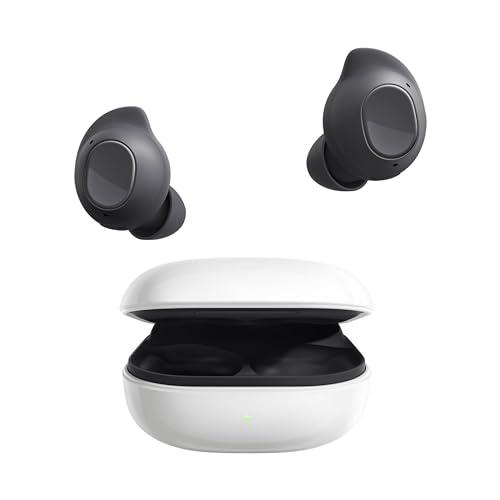
Battery performance represents another strength of the Samsung Galaxy Buds FE. With ANC enabled, users can expect about 6 hours of continuous playback per charge, extending to 8.5 hours with ANC disabled. The charging case adds approximately 2.5 additional full charges, bringing total listening time to 21 hours with ANC or 30 hours without.
These numbers hold up well in real-world testing, with our researchers finding that the earbuds comfortably support full workdays including meetings, music listening, and calls. The 479mAh charging case uses USB-C for charging, though wireless charging isn't available—a reasonable omission given the value positioning.
The three-microphone array serves double duty, handling both ANC processing and voice capture during calls. Call quality is generally good, with clear voice transmission and effective ambient noise reduction during conversations. The system does a solid job separating your voice from background noise, making it practical for calls in moderately noisy environments.
However, some user reports suggest that microphone performance can vary depending on environmental conditions and individual voice characteristics. The system tends to capture slightly less treble, which can make voices sound less bright than some competing products.
For Samsung device users, the Samsung Galaxy Buds FE offer several ecosystem-specific features that enhance the overall experience. Auto Switch automatically connects the earbuds to whichever Samsung device you're actively using—seamlessly moving between phone, tablet, and laptop without manual repairing.
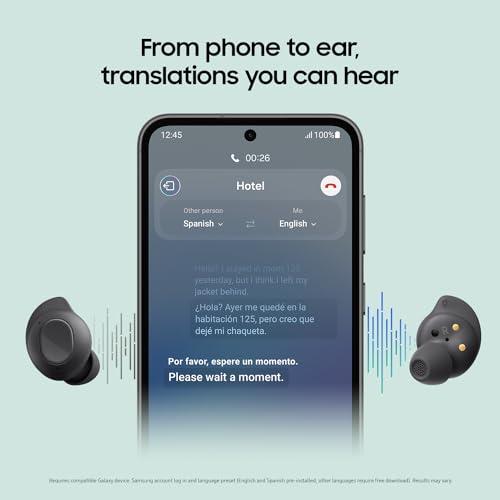
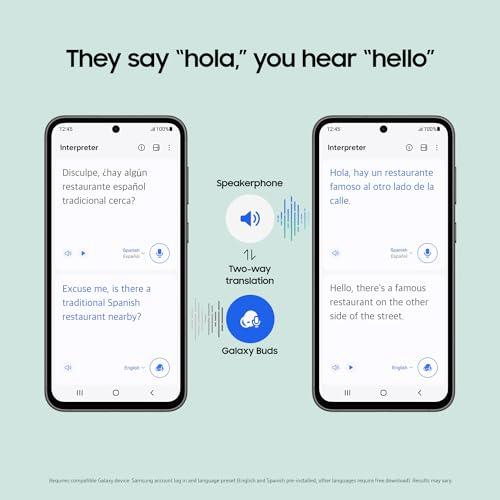
SmartThings Find integration allows you to locate lost earbuds through Samsung's device tracking system, while the Galaxy Wearable app provides comprehensive customization options including EQ adjustment, control customization, and feature toggles.
These ecosystem features represent genuine added value for Samsung users, though those using other brands will miss out on these conveniences.
The Samsung Galaxy Buds FE do have some limitations worth considering. The lack of multi-device Bluetooth pairing means you can't simultaneously connect to multiple non-Samsung devices—a feature that's becoming increasingly common in this category.
The IPX2 water resistance, while adequate for basic protection, falls short of the IP54 or higher ratings found on some competitors designed for more active use. The plastic construction throughout, while keeping weight down, doesn't have the premium feel of higher-end models.
At the time of writing, the Galaxy Buds FE represent exceptional value in the wireless earbuds market. They deliver genuinely effective active noise cancellation—often the most expensive feature to implement well—alongside solid audio quality and reliable connectivity.
Compared to the current state of the art, they obviously can't match the absolute performance of flagship models that cost significantly more. Premium earbuds might offer features like wireless charging, higher water resistance ratings, more advanced codecs, or superior build materials. However, the Samsung Galaxy Buds FE successfully deliver the core experience that most users actually need and use regularly.
The Samsung Galaxy Buds FE succeed in their primary mission: making premium earbud features accessible without significant compromise. The standout active noise cancellation, warm and engaging sound signature, and solid battery life create a compelling package that works well for most users' needs.
For Samsung ecosystem users, the additional integration features and Samsung Scalable Codec support provide genuine added value. Even for users of other brands, the core performance remains strong enough to warrant consideration.
While they can't compete with flagship models in every category, the Samsung Galaxy Buds FE deliver where it matters most: reliable daily performance with features that genuinely enhance the listening experience. They represent a smart choice for users seeking their first quality ANC earbuds or anyone prioritizing practical functionality over luxury features.
Yes, the Samsung Galaxy Buds FE work well for home theater use. Their active noise cancellation blocks household distractions, while the warm sound signature enhances dialogue clarity and provides satisfying bass for movie soundtracks. The Samsung Scalable Codec on Galaxy devices reduces audio lag, keeping voices synchronized with on-screen action.
The Samsung Galaxy Buds FE provide 6 hours of continuous playback with ANC enabled, or 8.5 hours with ANC off. Including the charging case, you get 21 total hours with ANC on or 30 hours with ANC off - easily enough for multiple movie marathons or binge-watching sessions.
Yes, the Samsung Galaxy Buds FE feature impressive active noise cancellation that reduces ambient noise by up to 30dB. This effectively blocks household sounds like air conditioning, traffic noise, and conversation, making them excellent for focused TV watching or late-night movie viewing without disturbing others.
The Samsung Galaxy Buds FE have IPX2 water resistance, which protects against light sweat and moisture but not submersion. They're suitable for casual use and light exercise but shouldn't be worn in heavy rain or during intense workouts.
Yes, the Samsung Galaxy Buds FE work with any Bluetooth-enabled device including iPhones, Windows PCs, and other Android phones. However, Samsung device users get additional features like Auto Switch between devices, Samsung Scalable Codec, and full Galaxy Wearable app functionality.
The Samsung Galaxy Buds FE deliver warm, bass-enhanced sound with clear midrange vocals and controlled treble. The 6.5mm dynamic drivers provide good detail for the price range, making them suitable for various content from music to movie dialogue. Six EQ presets allow sound customization.
Yes, the Samsung Galaxy Buds FE have decent call quality thanks to their three-microphone array per earbud. The mics effectively separate your voice from background noise, though performance can vary in very noisy environments. They're suitable for work calls and casual conversations.
The Samsung Galaxy Buds FE can connect to Samsung TVs (2022 models and newer) and other Bluetooth-enabled TVs. However, for the best home theater experience with minimal audio delay, pairing with a Samsung Galaxy phone or tablet using the TV's casting features often provides better synchronization.
The Samsung Galaxy Buds FE are lightweight at 5.6g per earbud and include stability wings plus three ear tip sizes for a secure, comfortable fit. Most users find them suitable for extended wear during long movies or TV sessions, though comfort varies by individual ear shape.
Yes, the Samsung Galaxy Buds FE offer excellent value for their feature set. They deliver effective active noise cancellation, solid audio quality, good battery life, and useful smart features at a competitive price point. They're especially worthwhile for Samsung device users who benefit from ecosystem integration, and they're an excellent choice for home theater use where their ANC and sound quality shine.
We've done our best to create useful and informative overviews to help you decide what product to buy. Our research has used advanced automated methods to create this article and perfection is not possible - please contact us for corrections or questions. These are the sites we've researched in the creation of this article: rtings.com - soundguys.com - scarbir.com - versus.com - headphones.com - androidcentral.com - youtube.com - scarbir.com - r1.community.samsung.com - rtings.com - soundguys.com - loudnwireless.com - youtube.com - youtube.com - loudnwireless.com - samsung.com - soundguys.com - samsung.com - samsung.com - samsung.com - head-fi.org - samsung.com - sammobile.com - soundguys.com - techradar.com - youtube.com - news.samsung.com
| Samsung Galaxy Buds FE |
|---|
| Active Noise Cancellation - Blocks distracting ambient noise for focused listening: Yes, up to 30dB reduction |
| Battery Life (ANC On) - Total listening time including case: 21 hours |
| Battery Life Per Charge (ANC On) - Continuous use before needing case: 6 hours |
| Driver Size - Larger drivers typically produce better sound quality: 6.5mm dynamic |
| Water Resistance - Protection against sweat and light moisture: IPX2 |
| Bluetooth Version - Newer versions offer better connectivity and features: 5.2 |
| Samsung Scalable Codec - Exclusive high-quality audio for Galaxy devices: Supported |
| Microphones Per Earbud - More mics improve call quality and ANC performance: 3 (2 outer + 1 inner) |
| Weight Per Earbud: 5.6g |
| Stability Wings - Secure fit during movement and exercise: Included (2 sizes) |
| Ambient Sound Mode - Hear surroundings without removing earbuds: Yes, customizable |
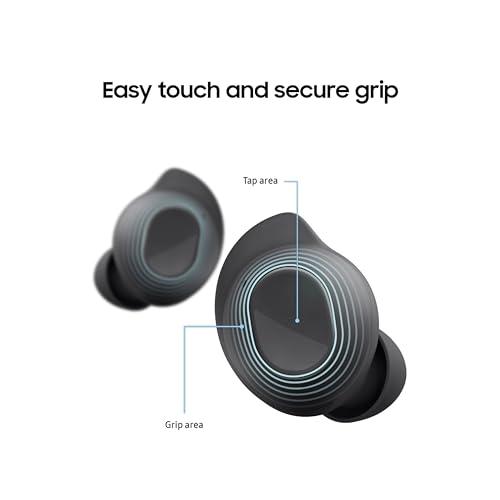
| Touch Controls - Gesture-based playback and ANC control: Yes |
| Auto Switch - Seamlessly connects between paired Samsung devices: Samsung devices only |
| Charging Port: USB-C |
| Wireless Charging: Not supported |
The Samsung Galaxy Buds 3 Pro represent a significant step up in audio engineering, featuring a sophisticated dual-driver system with a 10.5mm dynamic woofer paired with a 6.1mm planar magnetic tweeter. This architecture delivers noticeably superior sound quality with better instrument separation, wider soundstage, and more detailed high-frequency reproduction compared to the FE's single-driver design. The Pro model also boasts robust IP57 water and dust resistance, making it genuinely suitable for intense workouts and outdoor activities where the FE's basic IPX2 rating falls short. Additional premium features include wireless charging, adaptive noise cancellation with smart modes like Voice Detect, and superior call quality through an advanced microphone array with Voice Pickup Unit technology.
However, the Samsung Galaxy Buds 3 Pro's premium positioning comes with significant caveats that affect its value proposition. Many of its flagship features—including the Samsung Seamless Codec's 24-bit audio streaming, Adaptive EQ, and seamless device switching—require ownership of recent Samsung Galaxy devices (S23 series or newer), effectively locking non-Samsung users out of the full experience. At roughly 2.5 times the FE's price point, the Pro model primarily makes sense for Samsung ecosystem users who need the enhanced durability for active use or can genuinely appreciate the superior audio quality. For most casual listeners, especially those using mixed device ecosystems, the Galaxy Buds FE delivers approximately 80% of the Pro experience at a fraction of the cost, making it the more rational choice unless specific premium features are essential to your use case.
🤖 Read Detailed Comparison
👌Samsung Galaxy Buds 3 Pro True Wireless Earbuds Details
💵 See Samsung Galaxy Buds 3 Pro True Wireless Earbuds Price
The Beats Powerbeats Pro 2 represents a fundamentally different approach to wireless earbuds, targeting serious athletes and fitness enthusiasts with specialized features that justify its premium pricing. Most notably, it includes integrated heart rate monitoring sensors that provide real-time workout data without requiring a separate fitness tracker—a genuinely unique capability that eliminates the need for chest straps or wrist-based monitors during exercise. The over-ear hook design using flexible nickel-titanium alloy creates an incredibly secure fit that won't budge during intense workouts, while the IPX4 water resistance rating means you can sweat heavily, run in rain, or even rinse them clean without worry. Battery life also favors the Powerbeats Pro 2 with 8-10 hours per charge compared to the Galaxy Buds FE's 6-8.5 hours, plus convenient wireless charging and Fast Fuel technology that delivers 1.5 hours of playback from just 5 minutes of charging.
From a performance standpoint, the Powerbeats Pro 2 delivers more advanced audio processing with adaptive ANC that updates 200 times per second, superior call quality through six microphones and voice isolation algorithms, and Personalized Spatial Audio with head tracking that creates an immersive surround-sound experience. However, this premium feature set comes at roughly three times the cost of the Galaxy Buds FE, making the value proposition heavily dependent on your specific needs. For casual listeners and budget-conscious users, the Galaxy Buds FE's impressive ANC performance and solid audio quality provide better bang for your buck. But if you're a serious athlete who values workout-specific features like heart rate monitoring and unshakeable stability, or if you want cutting-edge audio technology like adaptive ANC and spatial audio, the Powerbeats Pro 2 justifies its premium pricing with capabilities that genuinely enhance the user experience in ways the Galaxy Buds FE simply cannot match.
🤖 Read Detailed Comparison
👌Beats Powerbeats Pro 2 Wireless Earbuds Details
💵 See Beats Powerbeats Pro 2 Wireless Earbuds Price
The JLab Go Pop+ represent the pinnacle of ultra-budget engineering, delivering features that seem impossible at their sub-$25 price point. Their standout achievement is exceptional battery life – 9 hours per charge and over 35 hours total with the case – which handily beats the Galaxy Buds FE's 6-8.5 hour performance. The integrated USB-C cable in the charging case eliminates the need for separate charging cables, while IPX4 water resistance provides workout protection that the Galaxy Buds FE surprisingly lack despite their premium positioning. The comprehensive JLab app offers extensive customization with a 10-band equalizer and custom touch controls that actually exceed what Samsung provides, plus the earbuds support useful features like Dual Connect for independent earbud use and Google Fast Pair for seamless Android pairing.
However, the JLab Go Pop+ make significant compromises to achieve their rock-bottom pricing. They completely lack active noise cancellation, relying only on passive isolation and a basic "Be Aware" ambient mode. Call quality suffers with just two microphones versus the Galaxy Buds FE's six-microphone professional array, making them adequate for casual conversations but unsuitable for important business calls. Sound quality, while decent for the price with clear vocals and customizable EQ, cannot match the technical accuracy, warmth, and detail of the Galaxy Buds FE's larger drivers and sophisticated tuning. For users who prioritize maximum value and don't need premium audio features, the Go Pop+ deliver extraordinary functionality per dollar spent, but they represent a fundamentally different philosophy focused on essential features rather than audiophile-grade performance.
🤖 Read Detailed Comparison
👌JLab Go Pop+ True Wireless Earbuds Details
💵 See JLab Go Pop+ True Wireless Earbuds Price
The JBL Live Pro 2 stands out with exceptional battery endurance that significantly changes daily usage patterns, delivering 8-10 hours per charge and an impressive 40 hours total with the case—nearly double the Samsung's capacity. This translates to going two full workdays without charging, making it ideal for frequent travelers or heavy users who can't rely on daily charging routines. The JBL model also excels in professional scenarios with superior call quality powered by six beamforming microphones and VoiceAware technology, consistently performing well across challenging environments like busy streets or echoing conference rooms. Additionally, the JBL Live Pro 2 offers true multipoint connectivity that seamlessly switches between any two devices regardless of brand, plus robust IPX5 water resistance that makes it genuinely sweat-proof for intense workouts or outdoor activities in wet conditions.
However, the JBL Live Pro 2 costs roughly double the Samsung's price while delivering a more polarizing sound signature that emphasizes bass and treble over the natural midrange reproduction that many users prefer. The active noise cancellation, while adaptive and feature-rich, doesn't match the raw effectiveness of the Samsung's simpler but more powerful ANC system in blocking everyday ambient noise. The JBL's larger size and weight can also feel less secure during movement without proper ear tip sizing, lacking the stability wings that help the Samsung stay put. For users who need maximum battery life, professional-grade call quality, and cross-platform device switching, the JBL Live Pro 2 justifies its premium pricing through superior practical performance. But those prioritizing pure audio value and effective noise cancellation may find the Samsung Galaxy Buds FE delivers better bang for the buck with performance that punches well above its price class.
🤖 Read Detailed Comparison
👌JBL Live Pro 2 TWS True Wireless Earbuds Details
💵 See JBL Live Pro 2 TWS True Wireless Earbuds Price
The JBL Vibe Beam stands out primarily for its exceptional battery endurance and bass-heavy sound signature that directly challenges the Galaxy Buds FE's balanced approach. With 8 hours of continuous playback per charge and 32 total hours with the case, the JBL earbuds provide two extra hours per charge compared to the Samsung's 6-hour performance. This translates to fewer charging interruptions during long workdays or travel. The JBL Vibe Beam's 8mm drivers deliver significantly more bass impact through their "Deep Bass Sound" tuning, making them particularly appealing for hip-hop, EDM, and pop music enthusiasts who want that extra thump and rumble that the Galaxy Buds FE's more restrained low-end can't match. The superior IP54 water resistance also makes them more practical for workouts and outdoor activities where the Galaxy Buds FE's IPX2 rating falls short.
However, the JBL Vibe Beam makes notable compromises to achieve its aggressive pricing. The complete absence of active noise cancellation means they can't compete with the Galaxy Buds FE's ability to reduce ambient noise in commuting or office environments. The bass-forward tuning, while exciting for certain genres, lacks the versatility and midrange clarity that makes the Samsung earbuds suitable for podcasts, classical music, or vocal-heavy tracks. Call quality also suffers without the Galaxy Buds FE's sophisticated three-microphone array and beamforming technology. For users prioritizing maximum battery life and bass impact over premium features like ANC and ecosystem integration, the JBL Vibe Beam delivers impressive value, but it represents a more limited, single-purpose approach compared to the Samsung's comprehensive feature set.
🤖 Read Detailed Comparison
👌JBL Vibe Beam True Wireless Earbuds Details
💵 See JBL Vibe Beam True Wireless Earbuds Price
The JBL Tune Buds excel primarily in battery endurance and build quality, delivering an impressive 12 hours per charge that extends to 48 hours total with the charging case – roughly double what the Samsung Galaxy Buds FE provide. This exceptional battery life transforms the daily user experience, eliminating the constant charging anxiety that plagues many wireless earbud users. The JBL Tune Buds also feature superior IP54 water and dust resistance compared to Samsung's basic IPX2 rating, making them significantly more suitable for workouts, outdoor activities, and general rough handling. Their 10mm drivers produce a distinctly bass-heavy sound signature with JBL's "Pure Bass Sound" that energizes electronic music and hip-hop, while comprehensive EQ customization through the companion app allows users to fine-tune the audio to their preferences.
However, these strengths come with notable trade-offs in core performance areas where the Samsung Galaxy Buds FE maintain clear advantages. The JBL Tune Buds deliver mediocre active noise cancellation that provides minimal improvement over passive isolation, making them unsuitable for users who need effective noise reduction for commuting or focus work. Call quality is also less consistent, with voices sometimes sounding thin or muffled in challenging acoustic environments. While the JBL Tune Buds offer excellent value at their lower price point and superior versatility across different device ecosystems with multipoint connectivity, users prioritizing premium audio experiences, effective ANC, or seamless Samsung device integration will find the Galaxy Buds FE worth their higher cost despite the battery life compromise.
🤖 Read Detailed Comparison
👌JBL Tune Buds True Wireless Earbuds Details
💵 See JBL Tune Buds True Wireless Earbuds Price
The Soundcore Space A40 stands out primarily for its exceptional battery endurance and universal device compatibility. Where the Galaxy Buds FE provide 6 hours per charge with ANC on, the Space A40 delivers 8 hours per charge and extends to an impressive 50 hours total with the charging case when ANC is disabled. This substantial battery advantage translates to genuine real-world benefits—you can use these earbuds for an entire work week without charging, pack them for extended travel without cables, and never experience the anxiety of dead earbuds mid-commute. The Space A40 also supports true multipoint connectivity across any devices, seamlessly switching between your iPhone and Windows laptop or Android phone and tablet regardless of manufacturer. Additional practical advantages include IPX4 water resistance for workout use, wireless charging support, and LDAC codec compatibility for hi-res audio on Android devices.
However, the Soundcore Space A40 makes notable compromises to achieve its lower price point and extended battery life. The active noise cancellation, while adaptive and functional, doesn't match the Galaxy Buds FE's impressive 30dB reduction capability, particularly for blocking low-frequency rumbles from engines and HVAC systems. Sound quality leans heavily toward bass enhancement rather than the balanced, natural presentation that makes vocals and acoustic instruments sound more realistic in the Samsung earbuds. While the Space A40 includes extensive EQ customization through its companion app, the fundamental tuning prioritizes excitement over accuracy. For users who prioritize maximum battery life, universal compatibility, and don't mind a more colored sound signature, the Space A40 represents excellent value. But if audio clarity, superior noise cancellation, and premium build quality matter more than all-day battery endurance, the Galaxy Buds FE justify their higher cost with measurably better core performance.
🤖 Read Detailed Comparison
👌Soundcore Space A40 Wireless Earbuds Details
💵 See Soundcore Space A40 Wireless Earbuds Price
The Beats Studio Buds Plus offer some compelling advantages that make them worth considering as an alternative. Their most significant strengths are exceptional battery life—delivering up to 9 hours per charge and 36 hours total with the case—and superior water resistance with an IPX4 rating that makes them genuinely suitable for intense workouts and outdoor activities. The bass-forward sound signature creates an energetic, engaging listening experience that's particularly well-suited for hip-hop, EDM, and pop music, while the improved transparency mode provides more natural ambient sound mixing than Samsung's implementation. Cross-platform compatibility is another major selling point, as the Beats work equally well with iOS and Android devices without losing any functionality.
However, these advantages come with notable trade-offs that highlight why the Galaxy Buds FE often represent better overall value. The Beats Studio Buds Plus completely lack sound customization options—no EQ, no presets, no tuning flexibility—which severely limits their versatility compared to Samsung's comprehensive Galaxy Wearable app controls. Their noise cancellation, while decent, doesn't match the Galaxy Buds FE's exceptional ANC performance, particularly with higher-pitched sounds and mixed-frequency environments. Call quality also falls short, with voices sounding thinner and background noise being less effectively suppressed. At their typical price point, the Beats cost more while delivering fewer features and less customization, making them a harder recommendation unless you specifically prioritize maximum battery life, workout durability, or that signature Beats sound profile over the more balanced and feature-rich Samsung option.
🤖 Read Detailed Comparison
👌Beats Studio Buds Plus True Wireless Earbuds Details
💵 See Beats Studio Buds Plus True Wireless Earbuds Price
The TAGRY X08 takes a fundamentally different approach, prioritizing exceptional battery endurance and practical durability over premium audio processing. Where the Galaxy Buds FE provides 21-30 hours total battery life, the TAGRY X08 delivers an impressive 60 hours of total playback time thanks to its massive 470mAh charging case—enough for extended travel or weeks of casual use without worrying about power. The earbuds also include both USB-C and Qi wireless charging with a helpful dual LED display showing exact battery percentages, conveniences that Samsung surprisingly omitted from their offering. For active users, the TAGRY X08's IPX5 water resistance with nano-coating provides genuine sweat and weather protection that makes the Galaxy Buds FE's IPX2 rating look inadequate for anything beyond light office use.
However, this budget-focused approach comes with clear compromises in audio sophistication and smart features. The TAGRY X08 relies entirely on passive noise isolation rather than active cancellation, meaning you'll need higher volume levels in noisy environments—a significant limitation for commuters or office workers. Call quality suffers from basic CVC microphone technology that sounds distant compared to the Galaxy Buds FE's three-microphone array, making them less suitable for professional use. The larger 13mm drivers produce powerful bass that impresses initially but becomes muddy and harsh above 75% volume, lacking the refined tuning and EQ customization options available through Samsung's ecosystem. For users who prioritize maximum battery life, water resistance, and wireless charging at a budget price, the TAGRY X08 offers compelling value, but those seeking premium audio quality, ANC, and ecosystem integration will find the Galaxy Buds FE worth the additional investment.
🤖 Read Detailed Comparison
👌TAGRY X08 True Wireless Earbuds Details
💵 See TAGRY X08 True Wireless Earbuds Price
The Bose QuietComfort Earbuds represent a step up in premium audio performance, delivering noticeably superior active noise cancellation that reduces ambient noise by over 80% compared to the Galaxy Buds FE's already impressive capabilities. Bose's decades of expertise in noise cancellation technology shine through in challenging environments like airplanes or busy urban areas, where their CustomTune technology automatically optimizes both audio and ANC based on your unique ear shape. The sound signature leans toward a richer, more impactful presentation with emphasized bass and treble that makes popular music genres feel immediately engaging, though this comes at the cost of the natural midrange accuracy that the Galaxy Buds FE provides.
However, these premium features come with significant trade-offs that affect daily usability. The Bose QuietComfort Earbuds offer substantially shorter battery life at just 21 total hours compared to the Galaxy Buds FE's marathon 30-hour endurance, meaning more frequent charging for heavy users. They're also considerably heavier at 8.5g per earbud versus Samsung's featherweight 5.6g design, which can lead to fatigue during extended listening sessions. While Bose includes convenient features like wireless charging and rapid 15-minute power boosts, plus universal multipoint connectivity that works with any device combination, the premium positioning means paying significantly more for incremental improvements in noise cancellation and audio impact rather than the comprehensive value package that the Galaxy Buds FE delivers.
🤖 Read Detailed Comparison
👌Bose QuietComfort Wireless Earbuds Details
💵 See Bose QuietComfort Wireless Earbuds Price
The Poly Voyager Free 60+ UC takes a fundamentally different approach as a business-focused communication tool rather than an entertainment device. Its standout features include Microsoft Teams certification, a unique touchscreen charging case that allows full control without removing the earbuds, and superior call quality through WindSmart technology and AI-powered background noise elimination. The three-microphone array with advanced voice processing significantly outperforms the Galaxy Buds FE in professional calling scenarios, making it the clear choice for remote workers and business professionals who spend hours on video conferences. The universal multipoint connectivity allows simultaneous connection to two devices regardless of brand – a crucial advantage for professionals juggling multiple devices throughout the workday.
However, the Poly Voyager Free 60+ UC makes significant trade-offs to achieve these professional capabilities. The audio quality is merely adequate for music listening, lacking the warm, engaging sound signature and customizable EQ options that make the Galaxy Buds FE excel for entertainment. Battery life is notably shorter at 16.5 hours total versus up to 30 hours, and the bulkier design can become uncomfortable during extended wear – ironic given its all-day professional target market. The premium pricing reflects these specialized business features, making it a poor value choice for general consumers who primarily listen to music and watch videos. Unless you specifically need enterprise-grade call quality and business software integration, the Galaxy Buds FE delivers superior overall value with better audio quality, longer battery life, and more comfortable daily wear at a significantly lower price point.
🤖 Read Detailed Comparison
👌Poly Voyager Free 60+ UC Wireless Earbuds Details
💵 See Poly Voyager Free 60+ UC Wireless Earbuds Price
The Bose QuietComfort Earbuds II represents the premium alternative with several standout features that justify its higher cost for specific users. Bose's CustomTune technology automatically calibrates both audio and noise cancellation to your individual ear shape each time you wear them, delivering personalized performance that adapts to your unique anatomy. The earbuds feature superior water resistance with an IPX4 rating that handles workouts and weather exposure, plus genuine multipoint connectivity that seamlessly switches between devices from any manufacturer. Battery performance also favors Bose with quick charging that provides 2 hours of playback from just 20 minutes of charging, alongside longer total listening time that better serves frequent travelers and heavy users.
However, the Bose QuietComfort Earbuds II comes with trade-offs that make it less compelling for many buyers. The aggressive sound tuning with heavily boosted bass and treble creates an initially impressive but potentially fatiguing listening experience that lacks the balanced warmth of the Galaxy Buds FE. More importantly, the substantial price premium—roughly 145% more expensive—delivers incremental rather than transformational improvements over Samsung's offering. While Bose excels in specific scenarios like intensive workouts, professional calling, and multi-device environments, the Galaxy Buds FE matches its core noise cancellation performance and provides superior long-term listening comfort at a fraction of the cost. Unless you specifically need Bose's advanced water resistance, quick charging, or multipoint connectivity, the Galaxy Buds FE delivers comparable real-world performance with better value proposition.
🤖 Read Detailed Comparison
👌Bose QuietComfort Earbuds II Details
💵 See Bose QuietComfort Earbuds II Price
The Sennheiser MOMENTUM True Wireless 4 represents a significant step up in audio engineering and build quality, though at roughly double the price point. Where the Galaxy Buds FE focuses on delivering solid ANC performance within Samsung's ecosystem, Sennheiser prioritizes audiophile-grade sound reproduction with their 7mm TrueResponse drivers and comprehensive codec support including aptX Lossless. The difference is immediately apparent when listening to complex music - jazz recordings reveal subtle instrument positioning and room acoustics that the Samsung earbuds might blur together, while the balanced frequency response ensures vocals and instruments sound natural rather than artificially enhanced. The Sennheiser MOMENTUM True Wireless 4 also delivers superior build quality with IP54 water resistance suitable for workouts and weather, plus genuine fast charging that provides an hour of playback from just eight minutes of charging.
However, this premium positioning comes with trade-offs that favor the Galaxy Buds FE in specific scenarios. While Sennheiser offers universal device compatibility and advanced features, their adaptive noise cancellation actually performs worse than Samsung's implementation in real-world testing, managing only 83% noise attenuation compared to the FE's impressive 30dB reduction capabilities. The Sennheiser MOMENTUM True Wireless 4 also struggles more with call quality in challenging environments despite having twice as many microphones, and lacks the seamless ecosystem integration that makes the Samsung earbuds so convenient for Galaxy device users. For Samsung ecosystem users prioritizing effective noise cancellation and value, the Galaxy Buds FE delivers the more practical everyday experience, while the Sennheiser earbuds justify their premium pricing primarily for audio enthusiasts who demand superior sound quality and work across multiple device platforms.
🤖 Read Detailed Comparison
👌Sennheiser MOMENTUM True Wireless 4 Earbuds Details
💵 See Sennheiser MOMENTUM True Wireless 4 Earbuds Price
The Samsung Galaxy Buds 3 FE represent a significant generational leap that addresses many of the limitations found in the original Galaxy Buds FE. The standout improvement is their class-leading active noise cancellation, which achieves 86% noise reduction and surprisingly outperforms even Samsung's flagship models in real-world testing. The stem design with blade controls provides superior fit stability that eliminates the constant readjustment issues, while the IP54 rating makes them genuinely suitable for workouts, outdoor activities, and unpredictable weather conditions. Call quality receives a major upgrade through Crystal Clear Call technology with machine learning noise isolation, making them reliable for professional phone calls and video conferences even in noisy environments. The sound tuning is notably more refined, delivering cleaner midrange reproduction and controlled bass that avoids the muddiness that can plague extended listening sessions.
While the Galaxy Buds 3 FE command a higher price, the improvements directly translate to expanded usability and fewer daily frustrations. The enhanced durability and water resistance mean you won't need to baby them or worry about sweat damage during exercise. The superior ANC performance makes commuting more pleasant and allows for lower listening volumes in noisy environments, which benefits long-term hearing health. Perhaps most importantly, the comprehensive Galaxy AI integration—including advanced Interpreter mode and Hey Gemini voice commands—positions these earbuds as a more future-proof investment that grows more capable through software updates. For users who can stretch their budget, the Galaxy Buds 3 FE deliver meaningful real-world benefits that justify the premium, particularly for those who need versatile earbuds that perform consistently across different environments and use cases.
🤖 Read Detailed Comparison
👌Samsung Galaxy Buds 3 FE Wireless Earbuds Details
💵 See Samsung Galaxy Buds 3 FE Wireless Earbuds Price
The JBL Tour Pro 2 takes a dramatically different approach with its innovative 1.45-inch touchscreen charging case that lets you control volume, skip tracks, and adjust noise cancellation settings without ever touching your phone. This premium model also delivers significantly superior battery performance with 8-10 hours per charge and up to 40 hours total—nearly double the Galaxy Buds FE's endurance. The larger 10mm drivers provide fuller sound reproduction with more authority in the bass frequencies, while the IPX5 water resistance rating makes these earbuds genuinely suitable for workouts and outdoor activities where the Galaxy Buds FE's basic IPX2 protection falls short.
However, the JBL Tour Pro 2's premium pricing reflects these enhanced features, costing roughly three times more than the Galaxy Buds FE at the time of writing. While the JBL offers better universal device compatibility and superior call quality through its 6-microphone system, it can't match the Galaxy Buds FE's exceptional noise cancellation performance—a surprising advantage for Samsung's budget option. The touchscreen case, while innovative, adds complexity that some users may find unnecessary, and the JBL's adaptive noise cancellation, though technically sophisticated, doesn't deliver the same real-world noise blocking effectiveness. For users prioritizing maximum battery life, premium build quality, and device flexibility over pure value, the JBL Tour Pro 2 justifies its higher cost, but the Galaxy Buds FE remains the smarter choice for Samsung ecosystem users seeking premium features at an accessible price point.
🤖 Read Detailed Comparison
👌JBL Tour Pro 2 True Wireless Earbuds Details
💵 See JBL Tour Pro 2 True Wireless Earbuds Price
The Bose Ultra Open Earbuds represent a completely different approach to wireless audio, prioritizing environmental awareness over the Galaxy Buds FE's immersive isolation. Their revolutionary clip-on design rests on your outer ear without blocking the ear canal, making them ideal for users who need to stay alert to their surroundings – whether you're running outdoors, working in an office where you must respond to colleagues, or parenting while listening to music. The open-ear technology delivers surprisingly good sound quality with minimal leakage to others nearby, enhanced by Bose's Immersive Audio feature that creates spatial soundstages. They also offer superior comfort for all-day wear since there's no ear canal pressure, plus better water resistance with IPX4 rating compared to the Galaxy Buds FE's IPX2.
However, the Bose Ultra Open Earbuds command a significant price premium – roughly 2.7 times more expensive at the time of writing – while sacrificing key features that make the Galaxy Buds FE compelling. You lose active noise cancellation entirely, bass response suffers due to the open design, and total battery life drops to around 27 hours versus the Samsung's 30 hours. The open-ear design also makes them less suitable for noisy commutes, studying, or any situation where you want to block distractions. Unless you specifically need the environmental awareness and all-day comfort that the Bose design provides, the Galaxy Buds FE delivers far better value with more comprehensive features at a fraction of the cost.
🤖 Read Detailed Comparison
👌Bose Ultra Open Earbuds Details
💵 See Bose Ultra Open Earbuds Price
The Devialet Gemini II represents a completely different approach to wireless earbuds, prioritizing audiophile-grade customization and premium engineering over plug-and-play simplicity. These earbuds feature larger 10mm titanium-coated drivers and sophisticated Ear Active Matching technology that adjusts sound up to 10,000 times per second based on your ear canal shape. The Active Wind Reduction technology stands out as genuinely superior for outdoor use, while the 40dB noise cancellation matches flagship models from Sony and Apple. However, the Devialet Gemini II requires significant EQ adjustment to sound their best—they're described as "tinny" out of the box—and the extensive customization options demand time and audio knowledge that many users simply don't want to invest.
In real-world terms, the Devialet's premium positioning becomes hard to justify for most users. While they can achieve exceptional sound quality once properly tuned, their 5-hour battery life consistently falls short of all-day use scenarios, creating daily friction that the Galaxy Buds FE completely avoids. The four-fold price difference doesn't translate to proportional performance gains—you're paying primarily for luxury materials, distinctive design, and the potential for audiophile-level customization. Unless you're genuinely passionate about audio tweaking and don't mind frequent charging sessions, the Devialet Gemini II solves problems most users don't have while creating new ones around complexity and battery limitations that make the Galaxy Buds FE's straightforward excellence even more appealing.
🤖 Read Detailed Comparison
👌Devialet Gemini II Wireless Earbuds Details
💵 See Devialet Gemini II Wireless Earbuds Price
The Bose QuietComfort Ultra represents a significant step up in noise cancellation technology and premium features, though at roughly three times the cost. Where the Galaxy Buds FE provides solid ANC performance, the Bose delivers industry-leading noise cancellation that's noticeably superior in real-world scenarios like airplane cabins and busy offices. The CustomTune technology automatically analyzes your ear canal shape each time you insert the earbuds, optimizing both sound quality and noise reduction for your specific anatomy—a genuinely innovative feature that creates a more personalized listening experience. The Immersive Audio spatial sound technology is equally impressive, transforming movies and music into convincing surround sound experiences that make audio feel like it's coming from around you rather than directly in your ears.
However, the premium pricing of the Bose QuietComfort Ultra becomes harder to justify when considering practical trade-offs. Despite the advanced technology, battery life is actually shorter at 6 hours per charge (dropping to just 4 hours with Immersive Audio enabled) compared to the Galaxy Buds FE's 8.5 hours. The Bose also requires more maintenance with regular cleaning to prevent mesh clogging, and surprisingly, call quality reports are mixed despite the premium positioning. For users who prioritize cutting-edge noise cancellation, spatial audio, and don't mind paying significantly more for these features, the Bose delivers genuinely superior technology. But for most listeners, the Galaxy Buds FE's combination of solid performance, longer battery life, and exceptional value makes it the more practical choice—you're getting 85-90% of the premium experience at one-third the cost.
🤖 Read Detailed Comparison
👌Bose QuietComfort Ultra True Wireless Earbuds Details
💵 See Bose QuietComfort Ultra True Wireless Earbuds Price
The Technics AZ100 represents a significant step up in audio engineering with its 10mm magnetic fluid drivers that deliver noticeably cleaner sound reproduction and extended frequency response compared to the Galaxy Buds FE's 6.5mm drivers. The most immediately apparent difference is battery life—the Technics AZ100 provides 10 hours per charge versus 6 hours, eliminating the mid-day charging anxiety that can plague heavy users. The adaptive noise cancellation system goes beyond the Galaxy Buds FE's already impressive ANC by continuously adjusting to your environment and ear shape, while Voice Focus AI enhances both sides of phone calls in ways that become genuinely noticeable during work meetings or calls from noisy locations.
Where the Technics AZ100 truly distinguishes itself is in versatility and future-proofing. Unlike the Galaxy Buds FE's Samsung ecosystem limitations, these earbuds offer universal three-device multipoint connectivity that seamlessly switches between your iPhone, Windows laptop, and any other Bluetooth device. The spatial audio with Dolby Atmos and head tracking creates a convincing surround sound experience that makes movie watching genuinely more immersive, while support for high-resolution LDAC and LC3 codecs ensures optimal performance with current and future devices. However, these advantages come at roughly triple the cost of the Galaxy Buds FE, making the Technics AZ100 a premium choice that's only worthwhile for users who will actively utilize these advanced features and can justify the significant price premium for measurably superior audio quality and universal compatibility.
🤖 Read Detailed Comparison
👌Technics Reference Class AZ100 True Wireless Noise Cancelling Earbuds Details
💵 See Technics Reference Class AZ100 True Wireless Noise Cancelling Earbuds Price
The Sony WF-1000XM5 represents a significant step up in audio performance and premium features, though at a considerably higher price point. Sony's 8.4mm Dynamic Driver X delivers noticeably superior sound quality with better detail retrieval, more accurate frequency response, and support for LDAC high-resolution audio codec—a feature that makes compressed streaming music sound closer to CD quality. The battery life advantage is substantial in real-world use, offering 8 hours per charge compared to the Galaxy Buds FE's 6 hours, which means fewer interruptions during long work sessions or flights. Sony's three-microphone array per earbud and advanced processing also provide more consistent noise cancellation across all frequency ranges, not just the low-frequency rumbles where Samsung excels.
Where the Sony WF-1000XM5 truly justifies its premium positioning is in versatility and advanced features that enhance daily use. The multipoint connectivity works with any Bluetooth device, allowing seamless switching between your laptop and phone regardless of brand, while Samsung's auto-switch only functions within the Galaxy ecosystem. Features like Speak-to-Chat, which automatically pauses music when you start talking, and Adaptive Sound Control that learns your habits and adjusts settings by location, make the Sony earbuds feel more intelligent in everyday situations. The IPX4 water resistance also provides better protection for workouts compared to Samsung's basic IPX2 rating. However, the Galaxy Buds FE's lower price makes it an excellent entry point into quality noise-canceling earbuds, especially for Samsung users who value ecosystem integration over premium audio performance.
🤖 Read Detailed Comparison
👌Sony WF-1000XM5 True Wireless Noise Cancelling Earbuds Details
💵 See Sony WF-1000XM5 True Wireless Noise Cancelling Earbuds Price
The Bowers & Wilkins Pi8 represents a completely different approach to true wireless earbuds, prioritizing audiophile-grade sound quality over value pricing. Its 12mm carbon cone drivers—adapted from B&W's premium over-ear headphones—deliver exceptional detail retrieval and neutral tuning that reveals musical nuances the Galaxy Buds FE simply can't match. The Pi8 supports aptX Lossless codec for CD-quality wireless transmission and features an innovative charging case with audio retransmission capabilities, allowing you to connect to airplane entertainment systems or any audio source via 3.5mm jack. True multipoint connectivity works with any two devices simultaneously, and the premium build quality with IP54 water resistance reflects its luxury positioning.
However, these audiophile benefits come at roughly five times the cost, with some surprising trade-offs. The Pi8's active noise cancellation is notably weaker than the Galaxy Buds FE, making it less practical for commutes or noisy environments where the Samsung earbuds excel. While the Pi8's sound quality impresses with classical, jazz, and acoustic music, the Galaxy Buds FE's warm, bass-forward tuning often proves more immediately engaging with mainstream genres. The Pi8 justifies its premium for serious music enthusiasts who prioritize exceptional audio fidelity and innovative features, but the Galaxy Buds FE delivers superior real-world value for most users who want reliable performance, excellent noise cancellation, and seamless Samsung ecosystem integration without the luxury price tag.
🤖 Read Detailed Comparison
👌Bowers & Wilkins Pi8 True Wireless Earbuds Details
💵 See Bowers & Wilkins Pi8 True Wireless Earbuds Price
The Apple AirPods Pro 2 excel in areas where ecosystem integration and premium refinement matter most. Their Spatial Audio with head tracking transforms movie watching into a convincing surround sound experience, making them superior for home theater use. The Adaptive EQ technology automatically tunes sound to your specific ear shape in real-time, delivering more consistent audio quality across different users. Apple's Transparency mode sounds remarkably natural—almost like you're not wearing earbuds at all—compared to the Galaxy Buds FE's more artificial ambient sound mode. The IP54 water resistance rating provides significantly better protection against sweat and weather than the FE's basic IPX2 rating, while the H2 chip enables advanced features like clinical-grade hearing tests and hearing aid functionality that simply don't exist on other earbuds.
However, the Apple AirPods Pro 2 cost roughly double what you'll pay for the Galaxy Buds FE while delivering surprisingly similar core performance in crucial areas like battery life and call quality. The Galaxy Buds FE actually outperform Apple's noise cancellation in many real-world scenarios, particularly for blocking low-frequency sounds like traffic and HVAC systems. Apple's earbuds also lack the stability wings that make Samsung's option superior for workouts and active use. Unless you're heavily invested in the Apple ecosystem and specifically need features like Spatial Audio or health monitoring, the Galaxy Buds FE deliver 80% of the premium earbud experience at half the cost, making them the better value choice for most users.
🤖 Read Detailed Comparison
👌Apple AirPods Pro 2 Earbuds Details
💵 See Apple AirPods Pro 2 Earbuds Price
The JBL Tour Pro 3 represents a fundamentally different approach to wireless earbuds, prioritizing cutting-edge technology and premium performance over value. Its hybrid dual-driver system with a 10mm dynamic driver paired with a balanced armature delivers noticeably superior audio quality, with better instrument separation, clearer highs, and more controlled bass response. The standout innovation is the smart charging case with its touchscreen display that handles music control and call management without touching your phone, plus the ability to function as a wireless audio transmitter for airplane entertainment systems or older audio equipment. Battery life is significantly longer at 8 hours per charge with ANC on (versus the Galaxy Buds FE's 6 hours), and the six-microphone array with beamforming technology provides clearer calls in challenging environments.
However, this premium performance comes at roughly three times the cost of the Galaxy Buds FE, making it a harder value proposition for most users. While the JBL Tour Pro 3 excels in audio fidelity and innovative features, it actually delivers weaker active noise cancellation in real-world use despite its more sophisticated True Adaptive ANC 2.0 system. The Galaxy Buds FE's simpler but more effective noise blocking approach proves that advanced doesn't always mean better. For users who prioritize audio quality, extensive battery life, and cutting-edge features like the smart case transmitter functionality, the JBL Tour Pro 3 justifies its premium pricing. But for those seeking excellent ANC performance and core earbud functionality at an accessible price, the Galaxy Buds FE delivers better practical value for everyday use.
🤖 Read Detailed Comparison
👌JBL Tour Pro 3 True Wireless Earbuds Details
💵 See JBL Tour Pro 3 True Wireless Earbuds Price
The JLab Epic Lab Edition represents a completely different approach to wireless audio, prioritizing audiophile-grade sound quality and extended battery life over the Galaxy Buds FE's focus on affordability and noise cancellation. Its standout feature is the hybrid dual-driver system that combines dynamic drivers with Knowles Balanced Armature technology—the same precision speakers used in professional in-ear monitors. This setup delivers significantly clearer vocals, better instrument separation, and a wider soundstage that makes music feel more spacious and detailed. The Epic Lab Edition also implements the Knowles Preferred Listening Response Curve, an audiophile-tuned sound signature that provides more natural, balanced audio reproduction compared to the Galaxy Buds FE's bass-heavy approach. Additionally, it supports Hi-Res Audio through LDAC codec on Android devices and offers exceptional battery life with 13 hours per charge and 56+ hours total—nearly nine times longer than the Galaxy Buds FE.
However, this premium positioning comes with trade-offs that highlight the Galaxy Buds FE's strengths. The JLab Epic Lab Edition costs roughly four times more while delivering less effective noise cancellation, making the Samsung earbuds a better choice for commuters and users who prioritize blocking external distractions. The Epic Lab Edition's accurate sound signature can initially feel "flat" to listeners accustomed to consumer-tuned earbuds, requiring EQ adjustments to match personal preferences. While the superior battery life and audio quality make the Epic Lab Edition compelling for audio enthusiasts and heavy users who can justify the premium cost, the Galaxy Buds FE provides 90% of what most users need at a fraction of the price, making it the smarter choice for mainstream buyers who want reliable performance without audiophile-level investment.
🤖 Read Detailed Comparison
👌JLab Epic Lab Edition Noise Cancelling Earbuds Details
💵 See JLab Epic Lab Edition Noise Cancelling Earbuds Price
The Technics AZ80 represents a significant step up in audio performance and build quality, featuring larger 10mm aluminum diaphragm drivers that deliver noticeably superior sound reproduction. Where the Galaxy Buds FE offers a warm, bass-heavy signature that works well for mainstream listening, the Technics provides audiophile-grade accuracy with support for Sony's LDAC high-resolution codec—capable of transmitting three times more audio data than standard Bluetooth codecs. This translates to genuinely audible improvements in detail retrieval, instrument separation, and soundstage width, particularly noticeable when listening to well-recorded jazz, classical, or acoustic music. The Technics also features more sophisticated Dual Hybrid active noise cancellation that outperforms the Galaxy Buds FE in challenging environments like busy airports, plus industry-leading 3-device multipoint connectivity that seamlessly manages audio across phone, laptop, and tablet simultaneously.
However, these premium features come with trade-offs that may not justify the higher cost for all users. Battery life becomes more complex with the Technics AZ80, dropping from 7 hours to just 4.5 hours when using the high-quality LDAC codec, requiring more frequent charging breaks for audiophile listening. The superior IPX4 water resistance and wireless charging add convenience, but the aluminum case is notably larger and heavier than the Galaxy Buds FE's compact design. Most importantly, the Technics' neutral, accurate sound signature—while technically superior—may actually sound less engaging to casual listeners who prefer the Galaxy Buds FE's crowd-pleasing bass boost. Unless you're genuinely invested in high-resolution audio files, use multiple devices throughout the day, or can appreciate the subtle but real improvements in sound quality, the Galaxy Buds FE delivers most of what matters at a much more accessible price point.
🤖 Read Detailed Comparison
👌Technics AZ80 Premium Hi-Fi True Wireless Noise Cancelling Earbuds Details
💵 See Technics AZ80 Premium Hi-Fi True Wireless Noise Cancelling Earbuds Price
The Audio-Technica ATH-TWX9 represents a significant step up in audio fidelity and technical sophistication, though it comes at more than double the cost. Its standout features include audiophile-grade 5.8mm drivers that deliver remarkably flat, accurate sound reproduction with extended high-frequency response up to 40kHz. The universal aptX Adaptive codec support ensures high-quality audio across all Android devices, while the wireless charging case with UV sterilization offers premium convenience features you won't find elsewhere in this price range. The ATH-TWX9's sound signature prioritizes accuracy over excitement, making it exceptional for classical music, jazz, and critical listening where you want to hear exactly what the artist intended. The superior IPX4 water resistance also makes it more suitable for active use and workouts.
However, despite costing significantly more, the ATH-TWX9 actually falls short of the Galaxy Buds FE in the crucial area of active noise cancellation—a surprising outcome that highlights how Samsung optimized their budget earbuds for real-world usability. While the Audio-Technica model offers adequate ANC, it can't match the Galaxy Buds FE's impressive 30dB noise reduction that rivals premium models costing even more. For most users, the Galaxy Buds FE's combination of excellent noise cancellation, warm engaging sound, and exceptional value proposition makes it the better choice unless you specifically prioritize audiophile-level accuracy or need the ATH-TWX9's universal codec compatibility across multiple device ecosystems. The Audio-Technica earbuds serve a specific niche of audio enthusiasts, but they don't deliver enough practical advantage to justify the premium for mainstream users.
🤖 Read Detailed Comparison
👌Audio-Technica ATH-TWX9 Noise-Canceling Wireless Earbuds Details
💵 See Audio-Technica ATH-TWX9 Noise-Canceling Wireless Earbuds Price
The Sennheiser Momentum Sport takes a completely different approach with integrated biometric sensors that track heart rate and body temperature directly through the earbuds—a feature the Galaxy Buds FE simply can't match. These sensors prove surprisingly accurate in real-world testing, essentially combining your earbuds and fitness tracker into one device. The Momentum Sport also delivers superior durability with IPX5 water resistance versus the FE's basic IPX2 rating, making them genuinely suitable for intense workouts, outdoor runs in the rain, and harsh weather conditions. The larger 10mm drivers and Sennheiser's professional audio tuning provide more refined sound quality with better frequency extension, though some users find this more clinical approach less immediately engaging than the FE's warmer, more energetic sound signature.
However, the Sennheiser Momentum Sport commands a significantly higher price that's harder to justify for most users. While the integrated health monitoring is innovative, it primarily benefits serious athletes who actually need that data—casual exercisers get little value from body temperature tracking or heart rate zones. The battery life is shorter at around 5.5 hours per charge compared to the FE's 6-8.5 hours, and the overall package lacks the exceptional Active Noise Cancellation that makes the Galaxy Buds FE such compelling value. Unless you're genuinely committed to fitness tracking and need earbuds that can withstand serious athletic abuse, the Galaxy Buds FE delivers better real-world performance for daily use at a much more accessible price point.
🤖 Read Detailed Comparison
👌Sennheiser Momentum Sport True Wireless Earbuds Details
💵 See Sennheiser Momentum Sport True Wireless Earbuds Price
The Denon PerL Pro takes a fundamentally different approach, targeting audio enthusiasts with premium features that justify its significantly higher price point. Its standout innovation is Masimo Adaptive Acoustic Technology, which actually measures your ear's unique hearing characteristics and creates a personalized sound profile—technology borrowed from the hearing aid industry. Combined with larger 10mm titanium-coated drivers and support for aptX Lossless codec, the Denon PerL Pro delivers genuinely audiophile-grade sound quality that reveals details and spatial information the Galaxy Buds FE simply can't match. The battery life also excels with a consistent 8 hours per charge and 32 hours total, plus both wireless and USB-C charging options for maximum convenience.
However, this premium positioning comes with clear trade-offs that matter in real-world use. While the Denon PerL Pro sounds exceptional, its active noise cancellation falls well short of what the Galaxy Buds FE delivers, making it less suitable for noisy commutes or office environments. The heavier 8.6g weight per earbud becomes noticeable during extended wear, and call quality suffers from less effective background noise filtering despite having more microphones. For Samsung ecosystem users, the Denon PerL Pro also lacks the seamless device switching and integration features that make the Galaxy Buds FE so convenient for daily use. Ultimately, the Denon PerL Pro excels when audio quality is the primary concern and budget is less important, but the Galaxy Buds FE provides better overall value for most users who prioritize practical performance over audiophile refinements.
🤖 Read Detailed Comparison
👌Denon PerL Pro True Wireless Earbuds Details
💵 See Denon PerL Pro True Wireless Earbuds Price
The TOZO A1 excels primarily in comfort and affordability, weighing just 3.7g per earbud compared to the Galaxy Buds FE's 5.6g—a difference that becomes significant during extended listening sessions. Their ultra-lightweight, stem-free design virtually disappears in your ears, making them ideal for all-day office work or long study sessions where comfort trumps advanced features. The TOZO A1 also offers superior water resistance with an IPX5 rating that handles sweat and rain confidently, versus the Galaxy Buds FE's basic IPX2 protection that limits their use during workouts or outdoor activities.
From a value standpoint, the TOZO A1 delivers exceptional bang-for-buck for users with simpler needs, providing reliable Bluetooth 5.3 connectivity, decent sound quality, and impressive 32-hour total battery life at a fraction of the Galaxy Buds FE's cost. While they lack active noise cancellation and sophisticated features, they offer 32 preset EQ modes and universal compatibility that works seamlessly across all devices without requiring ecosystem integration. The TOZO A1 represents the sweet spot for budget-conscious buyers, students, or anyone who primarily listens to podcasts and casual music in quieter environments where the Galaxy Buds FE's premium features would be underutilized and harder to justify financially.
🤖 Read Detailed Comparison
👌TOZO A1 Wireless Earbuds Bluetooth 5.3 Details
💵 See TOZO A1 Wireless Earbuds Bluetooth 5.3 Price
The JBL Endurance Race 2 represents a completely different philosophy, built from the ground up for users who demand maximum durability and endurance from their earbuds. Where the Galaxy Buds FE excels in refined audio and smart features, JBL's offering dominates with genuinely impressive specs that matter for active lifestyles: IP68 waterproofing that survives full submersion, 48 hours of total battery life that eliminates charging anxiety, and Twistlock™ technology that actually keeps earbuds secure during vigorous movement. The four beamforming microphones deliver consistently clear calls even in windy outdoor conditions, while the Pure Bass sound tuning provides the energizing, motivational audio that works well for workouts. For users who run, hike, work outdoors, or simply want earbuds that won't fail them, these capabilities represent real-world value that the Samsung model simply cannot match.
However, the JBL Endurance Race 2's sports-focused design means significant compromises for everyday listening scenarios where the Galaxy Buds FE excels. The bass-heavy tuning lacks the balanced, detailed sound reproduction needed for podcasts, calls, and varied music genres, while the bulkier design with wing enhancers feels less refined for office or commuting use. Most notably, the JBL's active noise cancellation is optimized for situational awareness rather than maximum isolation, making it far less effective at blocking out traffic, airplane noise, or office chatter. At comparable pricing, the JBL offers exceptional value for genuinely active users who need military-grade durability and marathon battery life, but mainstream listeners will find the Galaxy Buds FE's superior ANC, balanced audio, and smart features deliver a more premium daily experience.
🤖 Read Detailed Comparison
👌JBL Endurance Race 2 True Wireless Sports Earbuds Details
💵 See JBL Endurance Race 2 True Wireless Sports Earbuds Price
The Samsung Galaxy Buds2 Pro represent Samsung's flagship approach to wireless earbuds, delivering genuinely premium audio quality through their sophisticated dual-driver system. The custom coaxial design featuring a 10mm woofer and 5.3mm tweeter provides noticeably superior instrument separation and detail compared to the Buds FE's single-driver setup, while the 24-bit Hi-Fi audio support via Samsung Seamless Codec offers audiophile-grade sound reproduction on compatible Galaxy devices. The advanced six high-SNR microphone array enables intelligent features like Voice Detect, which automatically switches off ANC and activates ambient sound when you start talking – a genuinely useful feature for seamless conversations. Additionally, the Galaxy Buds2 Pro include 360 Audio with head tracking for immersive spatial sound when watching movies, and their IPX7 water resistance makes them suitable for intense workouts and unpredictable weather conditions.
While the Samsung Galaxy Buds2 Pro clearly offer superior technical specifications and premium features, they come at a significant cost premium that may not justify the upgrade for many users. The audio quality difference is most apparent to music enthusiasts who can appreciate the enhanced detail and soundstage, but casual listeners may find the Buds FE's warm, bass-forward sound signature equally enjoyable for everyday use. The Galaxy Buds2 Pro's shorter battery life (5 hours versus the FE's 6 hours) and inconsistent call quality performance in some real-world scenarios also work against their premium positioning. For users who prioritize the absolute best audio fidelity, advanced ANC features, and future-proofing with Bluetooth 5.3, the Galaxy Buds2 Pro deliver a genuinely flagship experience. However, the substantial price difference means they're primarily recommended for serious audio enthusiasts or users who specifically need features like 360 Audio and maximum water resistance.
🤖 Read Detailed Comparison
👌Samsung Galaxy Buds2 Pro SM-R510 True Wireless Earbuds Details
💵 See Samsung Galaxy Buds2 Pro SM-R510 True Wireless Earbuds Price
Original price was: $1,799.99.$1,299.99Current price is: $1,299.99.
Original price was: $499.99.$369.99Current price is: $369.99.
Original price was: $579.99.$318.99Current price is: $318.99.


Privacy Policy
Terms and Conditions - Affiliate Policy
Home Security
© Copyright 2008-2026.
11816 Inwood Rd #1211, Dallas, TX 75244