$94.99
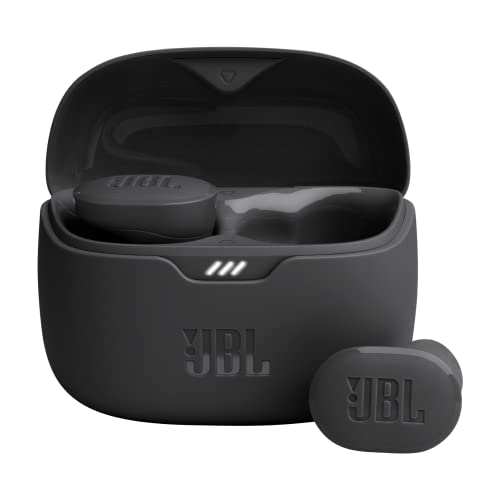
The true wireless earbuds market has exploded over the past few years, with options ranging from basic models to flagship offerings costing several times more. The JBL Tune Buds True Wireless Earbuds position themselves as a compelling middle-ground option, delivering essential premium features without the flagship price tag. After extensive research into user experiences and technical specifications, these earbuds emerge as particularly noteworthy for their exceptional battery performance and comprehensive customization capabilities.
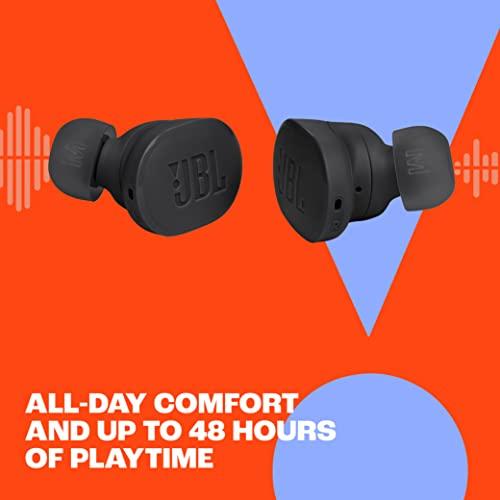
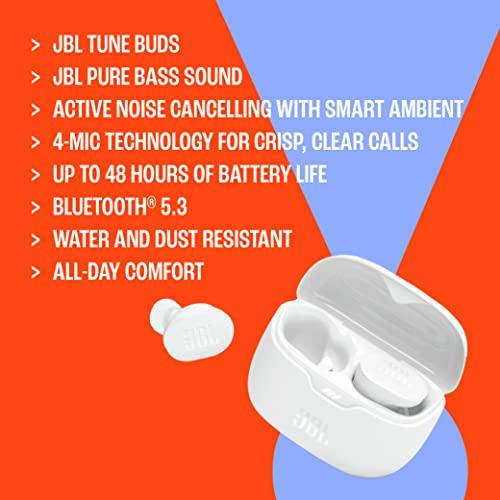
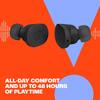
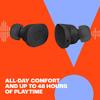
The most immediately impressive aspect of the JBL Tune Buds is their battery endurance. While many competitors offer 6-8 hours per charge, these deliver up to 12 hours from the earbuds alone, extending to 48 hours total with the charging case. This performance significantly exceeds what researchers typically find in this market segment, making them ideal for long commutes, travel days, or users who simply forget to charge their devices regularly.
The 15-minute Speed Charge feature provides up to 4 hours of playback, which our research indicates is among the faster quick-charge implementations available. This becomes particularly valuable during those rushed morning moments when you discover your earbuds are dead but need audio for your commute.
JBL's Pure Bass Sound technology drives the audio experience through 10mm dynamic drivers - larger than the 8mm drivers found in many competing models. These drivers create JBL's signature V-shaped sound profile, emphasizing both bass and treble frequencies while maintaining clarity in the midrange where vocals sit.
The bass response is genuinely impressive, with deep, punchy low-end that makes electronic music, hip-hop, and modern pop feel energetic and engaging. However, this bass emphasis can sometimes overshadow more delicate musical details. The frequency response spans 20Hz to 20kHz, covering the full range of human hearing, though the tuning clearly favors impact over analytical precision.
What sets these apart from many competitors is the extensive customization available through the JBL Headphones app. The graphic equalizer allows users to reshape the sound signature entirely, addressing the sometimes-bright treble or reducing bass levels for genres like jazz or classical music. This flexibility transforms what could be a limitation into a strength, as users can tailor the sound to their preferences or specific music types.
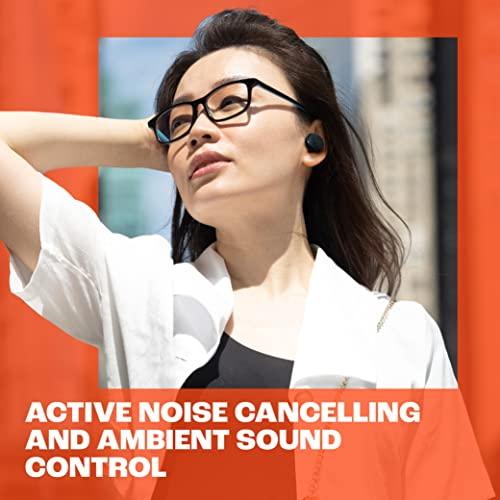
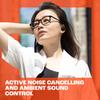
The JBL Tune Buds include Active Noise Cancellation (ANC), which uses the 4-microphone array to detect and cancel external sounds. However, it's important to set realistic expectations here. The ANC performance provides moderate noise reduction - enough to reduce office chatter, air conditioning hum, or similar consistent background noise, but it won't match the powerful noise cancellation found in premium models that cost significantly more.
The ANC particularly struggles with low-frequency sounds like engine rumble or construction noise, which represents a common limitation in mid-tier earbuds. The technology works by generating "anti-noise" - sound waves that are the exact opposite of incoming noise, effectively canceling it out. However, this requires powerful processing and precise microphone placement, areas where premium models typically excel.
The Smart Ambient features partially compensate for the moderate ANC. Ambient Aware mode allows environmental sounds through for safety and awareness, while TalkThru mode reduces music volume and amplifies voices for conversations. These modes work effectively and demonstrate thoughtful implementation of situational awareness features.
Bluetooth 5.3 with LE Audio support represents current-generation connectivity technology. LE Audio (Low Energy Audio) enables more efficient power consumption and opens possibilities for advanced features like audio sharing between multiple listeners - though this requires future firmware updates to fully activate.
The multipoint connectivity allows simultaneous pairing with two devices, seamlessly switching between a smartphone and laptop as needed. This feature has become increasingly important as remote work blurs the lines between personal and professional device usage.
The JBL Headphones app deserves particular recognition for its comprehensive feature set. Beyond the graphic equalizer, it offers touch control customization, ambient sound management, and even a "find my earbuds" function that makes the earbuds play a sound. The app also manages firmware updates, ensuring users receive the latest features and improvements.
The ergonomic design philosophy focuses on natural fit rather than aggressive retention. The oval tube design adapts to ear contours, providing secure placement without the pressure fatigue that can develop with overly tight-fitting earbuds. Three sizes of ear tips accommodate different ear shapes, though achieving optimal seal consistency may require experimentation.
User reports consistently highlight the comfortable fit for extended wear, with many noting they can wear these for several hours without discomfort. The relatively light weight - just 10.8 grams total for both earbuds - contributes to this comfort advantage.
The IP54 rating provides meaningful protection against both water and dust. This certification means they can handle sweat during workouts, light rain, and dusty environments. While not fully waterproof like some sports-focused models, the protection level suits most real-world scenarios effectively.
The 4-microphone system (two per earbud) handles voice calls with reasonable clarity in quiet environments. However, research into user experiences reveals limitations in noisy settings, where background sounds can overwhelm the voice isolation algorithms. The VoiceAware feature allows users to adjust how much of their own voice they hear during calls, helping with the natural tendency to speak too loudly when wearing noise-isolating earbuds.
For users primarily focused on music rather than frequent calling, this performance level proves adequate. However, those regularly taking calls in challenging acoustic environments might want to consider alternatives with more advanced microphone processing.
While primarily designed for mobile use, these earbuds can connect to smart TVs and streaming devices via Bluetooth. However, audio latency becomes a consideration for video content. Even with the Smart Video mode designed to reduce delay, some sync issues may persist, particularly noticeable with dialogue-heavy content. For serious home theater applications, dedicated TV headphones or wired connections typically provide better synchronization.
At the time of writing, the JBL Tune Buds compete in a crowded market segment. Their battery life advantage is substantial - many competitors offer 24-30 hours total runtime compared to these earbuds' 48 hours. However, premium models typically provide superior ANC performance, with some reducing ambient noise by 20-30 decibels compared to these earbuds' more modest reduction.
The customization capabilities through the app rival much more expensive options, while the build quality and comfort compete effectively with models costing considerably more. The main trade-offs involve ANC effectiveness and microphone quality, areas where flagship models maintain clear advantages.
The JBL Tune Buds excel for users prioritizing battery longevity, sound customization, and comfortable fit over cutting-edge noise cancellation or premium call quality. They particularly suit commuters, fitness enthusiasts, and music lovers who prefer bass-forward sound signatures. Students and professionals who need reliable all-day audio will appreciate the extended battery life and multipoint connectivity.
These earbuds represent intelligent compromise - delivering essential premium features while maintaining accessible pricing. For users seeking true wireless earbuds that balance practical benefits with solid performance, they offer compelling value that addresses real-world usage priorities effectively.
The combination of exceptional battery life, comprehensive app integration, and JBL's established audio expertise creates a package that serves mainstream users particularly well, even if it doesn't push the absolute boundaries of what's technically possible in the category.
The JBL Tune Buds True Wireless Earbuds offer up to 12 hours of playback from the earbuds alone, extending to 48 hours total with the charging case. With Active Noise Cancelling enabled, you get 10 hours from the earbuds and 40 hours total. The 15-minute Speed Charge feature provides up to 4 hours of additional playback when you're in a hurry.
The JBL Tune Buds can connect to smart TVs and streaming devices via Bluetooth, making them suitable for personal viewing. However, they have some audio latency even in Smart Video mode, which may cause slight sync issues with dialogue. For casual TV watching they work well, but dedicated TV headphones typically provide better audio-video synchronization for serious home theater use.
Yes, the JBL Tune Buds True Wireless Earbuds feature Active Noise Cancelling with Smart Ambient technology. The ANC provides moderate noise reduction, effectively handling consistent background sounds like air conditioning or office chatter. It also includes Ambient Aware mode for environmental awareness and TalkThru mode for conversations without removing the earbuds.
The JBL Tune Buds have an IP54 rating, making them resistant to both water and dust but not fully waterproof. This protection level handles sweat during workouts, light rain, and dusty conditions effectively. They're suitable for active use and outdoor activities, though you shouldn't submerge them in water.
The JBL Tune Buds True Wireless Earbuds deliver JBL's signature Pure Bass Sound through 10mm dynamic drivers. They have a V-shaped sound profile with emphasized bass and treble, making them excellent for electronic music, hip-hop, and pop. The JBL Headphones app provides extensive EQ customization to adjust the sound to your preferences.
Yes, the JBL Tune Buds support mono listening, allowing you to use either the left or right earbud independently. This feature is useful for staying aware of your surroundings, extending battery life, or when you need to keep one ear free for conversations or environmental awareness.
The JBL Tune Buds True Wireless Earbuds are compatible with both iPhone and Android devices through Bluetooth 5.3 connectivity. They support voice assistants including Siri, Google Assistant, and Amazon Alexa. Android users benefit from Google Fast Pair for quick connection, while iPhone users get standard Bluetooth pairing functionality.
The JBL Tune Buds feature an ergonomic oval tube design that adapts to natural ear contours. At just 10.8 grams total weight for both earbuds, they're lightweight and comfortable for extended wear. Three sizes of ear tips are included to ensure a proper fit, and users consistently report they can wear them for several hours without discomfort.
Yes, the JBL Tune Buds True Wireless Earbuds support multipoint connectivity, allowing simultaneous pairing with two devices. This means you can stay connected to both your smartphone and laptop, seamlessly switching between them as calls come in or when switching between music and video content.
The JBL Tune Buds True Wireless Earbuds offer excellent value through their standout 48-hour battery life, comprehensive app customization, and JBL's signature bass-forward sound. They're particularly worthwhile for users prioritizing extended battery performance, comfortable fit for active use, and extensive sound personalization options. While the Active Noise Cancelling is moderate compared to premium models, the overall package delivers practical benefits that matter most to everyday users at an accessible price point.
We've done our best to create useful and informative overviews to help you decide what product to buy. Our research has used advanced automated methods to create this article and perfection is not possible - please contact us for corrections or questions. These are the sites we've researched in the creation of this article: rtings.com - jbl.com - youtube.com - jbl.com - soundguys.com - ro.harmanaudio.com - audio46.com - bestbuy.com - majorhifi.com - jbl.com - crutchfield.com - jblstore.com.ph - kh.jbl.com - in.jbl.com - bestbuy.com - uclastore.com - jbl.com - jbl.com.tw
| JBL Tune Buds True Wireless Earbuds |
|---|
| Battery Life - Key advantage for all-day use: Up to 48 hours total (12 hours earbuds + 36 hours case) |
| Quick Charge - Essential for busy lifestyles: 15 minutes for 4 hours playback |
| Active Noise Cancelling - Reduces ambient distractions: Yes, with Smart Ambient modes |
| Water/Dust Resistance - Protection for active use: IP54 rated |
| Bluetooth Version - Latest connectivity standard: 5.3 with LE Audio support |
| Driver Size - Larger drivers typically mean better sound: 10mm dynamic drivers |
| Multipoint Connection - Connect to multiple devices: Yes, pairs with 2 devices simultaneously |
| JBL Pure Bass Sound - Signature bass-forward audio: Yes, with app customization |
| Microphones - Clear calls and voice commands: 4-mic array (2 per earbud) |
| App Support - Extensive customization options: JBL Headphones App with EQ and controls |
| Voice Assistants - Hands-free convenience: Alexa, Google Assistant, Siri compatible |
| Frequency Response: 20 Hz – 20 kHz |
| Weight: 10.8g total (earbuds), 38.8g (case) |
| Charging Port: USB-C |
The Soundcore Space A40 takes a fundamentally different approach that prioritizes noise cancellation and audio refinement over the JBL Tune Buds' focus on battery endurance and bass impact. The Space A40's adaptive active noise cancellation is genuinely superior, delivering up to 98% noise reduction that makes a noticeable difference during commutes, flights, and work in noisy environments. Where the JBL's ANC feels like an afterthought, the Space A40's system actively adapts to your surroundings and provides the kind of isolation that transforms your listening experience in challenging acoustic environments. The earbuds also support LDAC high-resolution audio codec, enabling better sound quality from compatible Android devices and lossless streaming services—a technical advantage the JBL lacks. The sound signature is more balanced and controlled, with better midrange clarity that works across diverse music genres, though it sacrifices the energetic bass punch that makes the JBL earbuds so engaging for electronic music and hip-hop.
However, these premium features come with meaningful trade-offs in daily usability. The Space A40 requires more frequent charging with 8-10 hours per charge compared to the JBL's 10-12 hours, and while both offer similar total battery life, you'll find yourself returning to the charging case more often. The lighter, more comfortable design is excellent for extended listening sessions but provides less secure fit during exercise or active movement. Call quality, while decent, doesn't match the JBL's superior microphone system and natural voice reproduction. At a higher price point, the Space A40 represents better value specifically for users who genuinely need effective noise cancellation and prefer balanced audio quality, but the JBL Tune Buds deliver more practical everyday performance for most users who don't prioritize premium ANC above all else.
🤖 Read Detailed Comparison
👌Soundcore Space A40 Wireless Earbuds Details
💵 See Soundcore Space A40 Wireless Earbuds Price
The Beats Studio Buds Plus represent a more premium approach to true wireless audio, with their custom two-layer transducer technology delivering noticeably cleaner sound reproduction and better instrument separation than the JBL's bass-heavy signature. At just 5g per earbud—less than half the weight of the Tune Buds—they virtually disappear during extended listening sessions, making them ideal for all-day office use or long flights. The standout feature is their genuine Active Noise Cancellation system, which uses three microphones per earbud to effectively block consistent background noise like airplane engines and office chatter—a stark contrast to the JBL's basic ambient sound control. For professionals who rely on clear voice calls, the Beats Studio Buds Plus excel with their advanced voice targeting algorithms and larger, more sensitive microphones that rival dedicated Bluetooth headsets.
However, this premium positioning comes with trade-offs that favor the JBL in key areas. The Beats Studio Buds Plus offer 25% less total battery life at 36 hours compared to the Tune Buds' impressive 48-hour endurance, and their IPX4 rating provides only splash resistance without the dust protection that makes the JBL ideal for outdoor activities. While the Beats justify their higher price through superior audio fidelity, effective noise cancellation, and lightweight comfort, the decision ultimately depends on whether you prioritize refined performance and professional features over the JBL's exceptional battery life, rugged durability, and bass-forward sound that excels with mainstream music genres. For users who need maximum listening time, workout-ready protection, or simply want premium features at a more accessible price point, the Tune Buds remain compelling despite the Beats Studio Buds Plus technical advantages.
🤖 Read Detailed Comparison
👌Beats Studio Buds Plus True Wireless Earbuds Details
💵 See Beats Studio Buds Plus True Wireless Earbuds Price
The Bose Ultra Open Earbuds take a fundamentally different approach to wireless audio with their revolutionary open-ear design that sits outside your ear canal like jewelry. This innovative cuff-shaped design eliminates the ear fatigue and pressure that many users experience with traditional sealed earbuds, making them genuinely suitable for all-day wear in office environments or during long listening sessions. The OpenAudio technology delivers surprisingly private sound while maintaining complete environmental awareness, which is perfect for users who need to stay alert to conversations, traffic, or household activities. Bose's Immersive Audio spatial processing adds a three-dimensional quality to music that the JBL Tune Buds simply cannot match due to their sealed design, creating a more natural soundstage that feels like music is happening around you rather than inside your head.
However, this innovative design comes with significant tradeoffs in performance and value. The Bose Ultra Open Earbuds offer roughly half the battery life of the JBL Tune Buds at 27 hours total versus 48 hours, and their open design means no noise cancellation or deep bass response. At roughly five times the price point, they're clearly positioned as a premium solution for specific use cases rather than a general-purpose value play. While the Bose earbuds excel for users who prioritize comfort and environmental awareness—particularly office workers, outdoor athletes, or anyone who finds traditional earbuds physically uncomfortable—the JBL Tune Buds deliver far better overall value with their combination of immersive sound, excellent battery life, and comprehensive features at a fraction of the cost.
🤖 Read Detailed Comparison
👌Bose Ultra Open Earbuds Details
💵 See Bose Ultra Open Earbuds Price
The Bose QuietComfort Earbuds II represent what premium engineering can achieve when cost isn't the primary constraint. Their standout feature is genuinely world-class active noise cancellation that uses four microphones per earbud and proprietary algorithms to create an almost eerie sense of quiet—the kind that transforms airplane cabins into peaceful listening spaces and makes busy coffee shops disappear entirely. The CustomTune technology automatically calibrates both sound and noise cancellation to your unique ear shape every time you put them in, delivering consistently superior audio quality that's immediately noticeable when switching from the JBL Tune Buds. Call quality is also significantly better, with the same advanced noise processing that makes these earbuds genuinely useful for professional video calls in challenging acoustic environments.
However, this premium performance comes with trade-offs that highlight why the JBL Tune Buds offer such compelling value. The Bose QuietComfort Earbuds II cost roughly five times more while delivering half the battery life—24 hours total versus the Tune Buds' impressive 48 hours. They also lack dust protection, making them less suitable for workouts and outdoor activities. For users who primarily listen to music during commutes, work in noisy offices, or travel frequently, these compromises might be worthwhile for the dramatic improvement in noise cancellation and audio fidelity. But for casual listeners who prioritize long battery life, workout durability, and getting solid performance without premium pricing, the Tune Buds deliver better real-world value despite not matching the Bose's technical capabilities.
🤖 Read Detailed Comparison
👌Bose QuietComfort Earbuds II Details
💵 See Bose QuietComfort Earbuds II Price
The JBL Tour Pro 2 represents JBL's flagship offering with several compelling advantages over the Tune Buds, most notably its revolutionary 1.45-inch touchscreen charging case that lets you control playback, calls, and settings without touching your phone. The audio quality is noticeably more refined with a balanced sound signature that handles all music genres competently, plus JBL Spatial Sound technology that creates an immersive three-dimensional listening experience – particularly effective for movies and gaming. The True Adaptive Noise Cancelling system with six microphones provides substantially superior noise reduction, especially for low-frequency rumble from planes and trains, making it genuinely useful for frequent travelers and commuters.
However, the Tour Pro 2 comes at roughly four times the price of the Tune Buds while offering shorter battery life (40 vs 48 total hours) and only IPX5 water resistance compared to the Tune Buds' IP54 dust and water protection. The call quality is exceptional thanks to the Crystal Call Algorithm, making these earbuds competitive with dedicated business headsets – a key advantage for professionals. While the Tour Pro 2 delivers measurably better performance in audio quality, noise cancellation, and smart features, the price premium is significant. Most casual listeners will find the Tune Buds' performance more than adequate, but for users who prioritize cutting-edge features, professional call quality, or frequently use earbuds in challenging noise environments, the Tour Pro 2's advanced capabilities justify the investment.
🤖 Read Detailed Comparison
👌JBL Tour Pro 2 True Wireless Earbuds Details
💵 See JBL Tour Pro 2 True Wireless Earbuds Price
The Sennheiser Momentum Sport takes a fundamentally different approach, targeting fitness enthusiasts with integrated biometric monitoring that sets them apart from virtually all other earbuds on the market. These earbuds include heart rate and body temperature sensors that connect seamlessly with major fitness platforms like Polar Flow, Strava, and Apple Health, essentially eliminating the need for a separate fitness tracker during workouts. The audio quality is notably superior, with Sennheiser's characteristic balanced sound signature that works well across all music genres, plus support for aptX Adaptive codec for higher quality streaming. The semi-open acoustic design with specialized Anti-Wind mode makes them particularly effective for outdoor activities like running and cycling, where the JBL Tune Buds' sealed design can feel claustrophobic and suffer from wind noise.
However, these premium features come at a significant cost – both in price and battery life. The Sennheiser Momentum Sport deliver only 6 hours per charge compared to the JBL's 12 hours, which can be a deal-breaker for heavy users or frequent travelers. While they offer superior call quality and gaming performance thanks to lower latency, the semi-open design means less maximum noise isolation than the JBL's traditional sealed approach. For fitness enthusiasts who value integrated health tracking and premium audio quality over marathon battery life, the Momentum Sport justify their premium positioning. But for users prioritizing all-day reliability, exceptional battery endurance, and budget-friendly pricing, the JBL Tune Buds remain the more practical choice for daily use.
🤖 Read Detailed Comparison
👌Sennheiser Momentum Sport True Wireless Earbuds Details
💵 See Sennheiser Momentum Sport True Wireless Earbuds Price
The Apple AirPods Pro 2 represent a significant step up in several key areas, most notably their industry-leading active noise cancellation that outperforms the JBL Tune Buds in challenging environments like airplane cabins or busy city streets. Apple's spatial audio with dynamic head tracking creates an immersive surround sound experience that transforms movie watching and gaming, while their ultra-lightweight 5.3g design ensures all-day comfort without fatigue. The seamless ecosystem integration automatically switches between your iPhone, iPad, and Mac based on what you're using, and the superior call quality with dual beamforming microphones makes them excellent for professional video calls and phone conversations.
However, these premium features come at a substantial cost increase and notable trade-offs. The Apple AirPods Pro 2 deliver only half the battery life of the JBL Tune Buds (6 hours vs 12 hours per charge), which becomes limiting during long travel days or extended listening sessions. Apple also removes user control over sound customization—there's no EQ adjustment available, so you're stuck with their predetermined sound signature. While the premium price reflects genuinely advanced technology like the H2 chip and computational audio processing, the JBL Tune Buds prove that most users can get 80% of the premium earbud experience at a fraction of the cost, making the Apple option worthwhile mainly for users deeply invested in the Apple ecosystem who prioritize cutting-edge features over value.
🤖 Read Detailed Comparison
👌Apple AirPods Pro 2 Earbuds Details
💵 See Apple AirPods Pro 2 Earbuds Price
The Sennheiser MOMENTUM True Wireless 4 represents a completely different approach to wireless audio, prioritizing audiophile-grade sound quality and cutting-edge technology over the JBL's practical value proposition. Where the Tune Buds excel with their bass-heavy, energetic sound signature, the Sennheiser earbuds deliver balanced, reference-quality audio reproduction that reveals subtle details and nuances across all music genres. Their 6-microphone adaptive noise cancellation system significantly outperforms JBL's basic ANC, providing effective noise reduction across all frequency ranges—particularly excelling with low-frequency rumbles that the Tune Buds struggle to address. The advanced Bluetooth 5.4 connectivity with aptX Lossless codec support enables CD-quality wireless audio transmission, a meaningful upgrade for listeners using high-quality music sources or lossless streaming services.
However, these premium features come at a substantial cost premium and notable trade-offs in practical daily use. The Sennheiser MOMENTUM True Wireless 4 offers roughly 30 hours of total battery life compared to the Tune Buds' exceptional 48-hour endurance, and lacks the IP54 water resistance rating that makes JBL's earbuds ideal for workouts and outdoor activities. For audio enthusiasts who prioritize sound fidelity and advanced features over battery longevity and durability, the Sennheiser earbuds justify their premium positioning. But for most users seeking reliable daily drivers with outstanding battery life and practical features, the Tune Buds provide better real-world value despite their more modest technical specifications and less sophisticated sound tuning.
🤖 Read Detailed Comparison
👌Sennheiser MOMENTUM True Wireless 4 Earbuds Details
💵 See Sennheiser MOMENTUM True Wireless 4 Earbuds Price
The Bose QuietComfort earbuds take a fundamentally different approach, prioritizing premium noise cancellation technology over marathon battery life. Where the JBL Tune Buds offer basic ANC that provides minimal improvement, the Bose model delivers industry-leading noise reduction that can eliminate over 80% of ambient sound—transforming airplane cabins, busy offices, and noisy commutes into peaceful listening environments. The CustomTune technology automatically optimizes both audio reproduction and noise cancellation for your specific ear shape, creating a more personalized and refined listening experience. Audio-wise, the Bose QuietComfort favors balanced, natural sound reproduction over the JBL's energetic bass-forward signature, making them better suited for acoustic music, podcasts, and users who prefer accuracy over excitement.
However, this premium approach comes with trade-offs that make the comparison interesting. The Bose QuietComfort delivers only 31.5 hours total battery life compared to the JBL's impressive 48 hours, and their IPX4 water resistance falls short of the Tune Buds' comprehensive IP54 protection for active use. While Bose includes convenient wireless charging and superior call quality in noisy environments, they typically command a higher price point that may not justify the premium for users who prioritize endurance and durability over noise cancellation prowess. The choice ultimately depends on whether you value the JBL's practical advantages of extended battery life and rugged build quality, or need the Bose's sophisticated noise control and refined audio processing for demanding listening environments.
🤖 Read Detailed Comparison
👌Bose QuietComfort Wireless Earbuds Details
💵 See Bose QuietComfort Wireless Earbuds Price
The Sony WF-1000XM5 represents a completely different philosophy in the true wireless space, prioritizing premium audio performance and cutting-edge technology over value and battery life. Sony's flagship earbuds deliver industry-leading active noise cancellation that can transform noisy environments into peaceful listening spaces – something the JBL Tune Buds simply can't match. The three-microphone array per earbud, combined with Sony's specialized noise-canceling processors, provides ANC performance that rivals over-ear headphones, making airplane cabins and busy coffee shops feel library-quiet. Audio quality is where the Sony WF-1000XM5 truly shines, with their 8.4mm Dynamic Driver X delivering exceptional clarity and detail across all frequencies, plus DSEE Extreme AI technology that intelligently upscales compressed music to near high-resolution quality in real-time.
However, these premium features come with significant trade-offs that favor the JBL approach for many users. The Sony earbuds offer only half the total battery life at 24 hours compared to the Tune Buds' impressive 48-hour endurance, meaning you'll be charging twice as often. The Sony WF-1000XM5 also costs substantially more – often double or triple the price of the JBL model – while offering only IPX4 water resistance compared to JBL's superior IP54 rating that includes dust protection. For users who prioritize absolute audio fidelity, professional-grade noise cancellation, and have the budget for premium features, Sony's flagship earbuds justify their cost. But for the majority of users who want solid performance, exceptional battery life, and better environmental protection at a fraction of the price, the JBL Tune Buds deliver far superior value without sacrificing the core features that matter most in daily use.
🤖 Read Detailed Comparison
👌Sony WF-1000XM5 True Wireless Noise Cancelling Earbuds Details
💵 See Sony WF-1000XM5 True Wireless Noise Cancelling Earbuds Price
The Bowers & Wilkins Pi8 represents a fundamentally different approach to wireless audio, targeting audiophiles willing to invest significantly more for premium performance. At the heart of this premium experience are 12mm carbon cone drivers—the same technology found in B&W's high-end over-ear headphones—which deliver noticeably superior detail retrieval, instrument separation, and a more balanced sound signature compared to the JBL's bass-forward tuning. The most innovative feature is the audio retransmission capability built into the charging case, which allows direct connection to TVs, airplane entertainment systems, or any audio source via USB-C or optical cable. This eliminates the Bluetooth latency issues that plague most wireless earbuds when watching video content, making the Pi8 genuinely viable for home theater use where audio-video sync is critical.
However, these premium features come with notable trade-offs that make the comparison complex. The Pi8 delivers only 20 hours of total battery life compared to the JBL's impressive 48 hours, requiring more frequent charging attention. The advanced features and audiophile-grade sound quality justify the significantly higher price point, but only if you can actually utilize and appreciate these improvements. For users who primarily stream compressed music during commutes or workouts, the performance gap may not justify the substantial cost difference. The Pi8 excels when you need the unique retransmission feature for TV connectivity or when sound quality takes priority over practical considerations like battery life and value.
🤖 Read Detailed Comparison
👌Bowers & Wilkins Pi8 True Wireless Earbuds Details
💵 See Bowers & Wilkins Pi8 True Wireless Earbuds Price
The JLab Epic Lab Edition represents a completely different approach to wireless audio, targeting audiophiles with hybrid dual-driver technology that combines dynamic drivers for bass with Knowles balanced armature drivers for precise high-frequency detail. This premium design delivers superior technical performance with extended frequency response up to 40kHz for Hi-Res Audio support, plus advanced codec compatibility including LDAC for Android devices that can transmit three times more data than standard Bluetooth. The adaptive Smart Active Noise Cancellation learns and adjusts to your environment continuously, offering more sophisticated noise rejection than the JBL's basic ANC implementation. Additional premium features like wireless charging, IP55 water resistance, and spatial audio support for Dolby Atmos create a more refined overall experience.
However, these technical advantages come at a significant cost premium – roughly five times the price of the JBL Tune Buds at the time of writing. While the JLab Epic Lab Edition excels in sound accuracy and detail retrieval, the real-world benefits are primarily noticeable to discerning listeners with high-quality source files and the ability to appreciate subtle audio differences. For most users, the JBL Tune Buds deliver 80% of the performance at 20% of the cost, making the Epic Lab Edition a specialized choice for audio enthusiasts rather than a mainstream recommendation. The battery life advantage (56+ total hours vs 48) and premium build quality are nice additions, but don't fundamentally change the value equation for budget-conscious buyers who prioritize practical features over audiophile-grade performance.
🤖 Read Detailed Comparison
👌JLab Epic Lab Edition Noise Cancelling Earbuds Details
💵 See JLab Epic Lab Edition Noise Cancelling Earbuds Price
The Apple AirPods 4 with Active Noise Cancellation represent a fundamentally different approach to wireless audio, prioritizing cutting-edge technology and ecosystem integration over the JBL's value-focused design. Apple's standout achievement is delivering effective active noise cancellation in an open-ear design through their advanced H2 chip – something that was technically impossible until recently. This breakthrough enables the AirPods to block low-frequency environmental noise like airplane engines and traffic while maintaining the comfort and situational awareness of an unsealed design. The spatial audio feature creates a genuinely immersive surround sound experience that transforms movie watching and gaming, making these earbuds particularly compelling for content consumption. Call quality is significantly superior thanks to beamforming microphones and Voice Isolation technology that maintains crystal-clear conversations even in noisy environments, making them suitable for professional use.
However, these technological advances come with notable trade-offs that highlight the JBL Tune Buds' practical advantages. The Apple AirPods 4 deliver less than half the battery life per charge (4-5 hours versus 10-12 hours) and cost roughly four times more, making them accessible only to users who prioritize premium features over longevity and value. The open-ear design, while comfortable for extended wear, lacks the secure fit needed for vigorous exercise and provides less bass impact due to the absence of a sealed ear canal. For users deeply integrated into Apple's ecosystem who frequently make calls, consume multimedia content, and value the latest audio technology, the AirPods justify their premium pricing. But for those seeking maximum battery life, secure fit for active use, and exceptional value, the JBL Tune Buds deliver the core wireless earbud experience at a fraction of the cost while sacrificing only the most advanced features that many users may not need in daily use.
🤖 Read Detailed Comparison
👌Apple AirPods 4 Active Noise Cancellation Earbuds Details
💵 See Apple AirPods 4 Active Noise Cancellation Earbuds Price
The JBL Tour Pro 3 represents JBL's flagship offering with several standout features that justify its premium positioning. Most notably, it employs a hybrid dual-driver system combining 10mm dynamic drivers with balanced armature drivers, delivering significantly more detailed and accurate sound reproduction across all frequencies compared to the Tune Buds' single-driver design. The Tour Pro 3's True Adaptive Noise Cancellation 2.0 monitors your environment 50,000 times per second, providing exceptional noise isolation that expert reviews rate at 9.5/10 – a substantial improvement over the Tune Buds' basic ANC. The revolutionary smart charging case features a touchscreen display for music control and doubles as a Bluetooth transmitter, letting you plug into airplane entertainment systems or computers to stream audio wirelessly to your earbuds. Additional premium features include JBL Spatial 360 with head tracking for immersive movie watching, LDAC high-resolution audio codec support, and Personi-Fi 3.0 personalized sound profiling.
However, the Tour Pro 3 commands a significantly higher price point while offering slightly less battery life (44 hours total versus the Tune Buds' 48 hours). For most users, the core question becomes whether the advanced features justify the premium cost. The Tour Pro 3 excels for audiophiles who appreciate detailed sound reproduction, frequent travelers who benefit from superior noise cancellation, and tech enthusiasts who'll utilize features like the smart case transmitter and spatial audio. But if you primarily listen to popular music genres, need maximum battery endurance, and want excellent wireless earbuds without complexity, the Tune Buds deliver about 80% of the essential functionality at roughly 20% of the cost, making them the smarter choice for budget-conscious buyers who don't need cutting-edge features.
🤖 Read Detailed Comparison
👌JBL Tour Pro 3 True Wireless Earbuds Details
💵 See JBL Tour Pro 3 True Wireless Earbuds Price
The Technics AZ80 represents a fundamentally different approach to wireless audio, prioritizing audiophile-grade sound quality over the JBL Tune Buds' focus on practical features and extended battery life. Where the Tune Buds deliver JBL's signature bass-forward sound, the Technics earbuds earn Hi-Res Audio certification with balanced, reference-quality drivers that reveal musical details you simply won't hear on budget alternatives. The inclusion of LDAC codec support gives Android users access to near-CD quality wireless streaming - roughly three times the data transmission of standard Bluetooth audio. The Technics AZ80 also implements sophisticated Dual Hybrid Active Noise Cancelling that genuinely competes with industry leaders, providing substantially better low-frequency noise blocking than the Tune Buds' more basic ANC system.
However, this premium engineering comes with significant trade-offs that make the Technics a more specialized choice. At roughly three times the cost of the JBL earbuds, the Technics AZ80 delivers half the battery life - 24 hours total versus the Tune Buds' impressive 48-hour endurance. The larger, more protruding design may not fit smaller ears comfortably, and the IPX4 rating offers less protection than the Tune Buds' workout-ready IP54 certification. While the Technics excels with unique triple-device connectivity and superior call quality through eight MEMS microphones, these advantages primarily benefit professionals and serious music listeners rather than casual users. For most people, the JBL Tune Buds provide better real-world value, but discerning listeners who can appreciate the difference will find the Technics AZ80 justifies its premium positioning through measurably superior audio performance.
🤖 Read Detailed Comparison
👌Technics AZ80 Premium Hi-Fi True Wireless Noise Cancelling Earbuds Details
💵 See Technics AZ80 Premium Hi-Fi True Wireless Noise Cancelling Earbuds Price
The Audio-Technica ATH-TWX9 takes a fundamentally different approach, prioritizing audiophile-grade sound quality and premium features over value. Its smaller 5.8mm high-resolution drivers deliver a balanced, neutral sound signature with extended frequency response up to 40,000 Hz, making it significantly more accurate across all music genres compared to the JBL's bass-heavy tuning. The digital hybrid active noise cancellation is substantially more effective, featuring five environmental presets and real-time adjustment that actually competes with premium models from Sony and Bose. For professionals, the dual MEMS microphones with beamforming technology and Qualcomm cVc 8.0 processing provide noticeably clearer call quality, while unique features like UV sterilization in the charging case and support for Sony's 360 Reality Audio showcase the premium positioning.
However, these advantages come at a significant cost premium and some practical trade-offs. The Audio-Technica ATH-TWX9 delivers less than half the battery life at 18.5 hours total versus the JBL's impressive 48 hours, and lacks the dust resistance that makes the JBL suitable for workouts. While the Audio-Technica justifies its higher price through superior audio fidelity and more sophisticated noise cancellation, most users will find the JBL Tune Buds provide 80% of the performance at roughly 40% of the cost. The Audio-Technica ATH-TWX9 makes sense for serious listeners who prioritize sound quality above all else, but the JBL offers better real-world practicality for daily use with its exceptional battery life, rugged build quality, and accessible price point.
🤖 Read Detailed Comparison
👌Audio-Technica ATH-TWX9 Noise-Canceling Wireless Earbuds Details
💵 See Audio-Technica ATH-TWX9 Noise-Canceling Wireless Earbuds Price
The Beats Powerbeats Pro 2 represent a premium, sports-focused approach that directly addresses the JBL's biggest limitations. Most notably, they include adaptive active noise cancellation that updates 200 times per second – a feature completely absent from the Tune Buds that makes a dramatic difference for travel, noisy gyms, or focused work environments. The over-ear hook design with nickel-titanium alloy construction provides unshakeable security during intense workouts, solving the fundamental problem of earbuds falling out during exercise that traditional in-ear designs like the JBL simply cannot match. The unique heart rate monitoring sensors add genuine fitness tracking value, essentially replacing the need for separate devices during workouts, while the Apple H2 chip enables seamless ecosystem integration with instant pairing, automatic device switching, and hands-free Siri that creates a more cohesive user experience than standard Bluetooth connectivity can provide.
From a performance standpoint, the Beats Powerbeats Pro 2 justify their premium pricing through specialized capabilities that the JBL cannot replicate. The bespoke acoustic architecture with Adaptive EQ and Personalized Spatial Audio delivers more sophisticated audio processing, while the transparency mode provides natural-sounding ambient awareness that's crucial for outdoor safety during runs or bike rides. However, this premium comes at roughly 2.5 times the cost of the Tune Buds, making the value equation heavily dependent on specific use cases. For serious athletes, frequent travelers, or users deeply invested in Apple's ecosystem, the specialized features and superior noise cancellation justify the investment. But for general daily use, the Beats' bulkier design, shorter battery life, and sports-centric tuning may actually be disadvantages, especially when the JBL offers superior call quality and all-day comfort at a fraction of the price.
🤖 Read Detailed Comparison
👌Beats Powerbeats Pro 2 Wireless Earbuds Details
💵 See Beats Powerbeats Pro 2 Wireless Earbuds Price
The JBL Vibe Beam excels as a remarkably capable entry-level option that delivers premium features at an accessible price point. Its standout strength lies in exceptional value engineering – providing 32 hours of reliable battery life, comfortable ergonomic design, and balanced sound quality that competes with earbuds costing significantly more. The simplicity becomes an advantage rather than a limitation, with consistent battery performance regardless of feature usage, intuitive operation without complex menus, and reliable Bluetooth 5.2 connectivity that just works. The lightweight 4.4g design and stick-closed form factor receive consistently positive user feedback for all-day comfort, while the Smart Ambient technology still provides essential safety features like Ambient Aware and TalkThru modes without the complexity of full ANC systems.
For users who don't need Active Noise Cancellation or premium call quality, the Vibe Beam often represents the smarter choice despite lacking the Tune Buds' advanced features. Its passive noise isolation through proper fit and closed design handles everyday noise adequately for most listening scenarios, and the absence of ANC means no battery life compromises or additional settings to manage. The sound quality remains impressive with clear mids, satisfying bass response, and full app-based customization through the same JBL Headphones app. Most importantly, the Vibe Beam eliminates the "feature anxiety" that can come with premium earbuds – you get excellent wireless audio fundamentals executed well, making it ideal for first-time wireless buyers, students, casual listeners, or anyone who values reliability and simplicity over cutting-edge technology.
🤖 Read Detailed Comparison
👌JBL Vibe Beam True Wireless Earbuds Details
💵 See JBL Vibe Beam True Wireless Earbuds Price
The Poly Voyager Free 60+ UC represents a completely different philosophy, engineered specifically for business professionals who demand superior call quality and seamless multi-device connectivity. Where the JBL Tune Buds focus on entertainment, the Poly Voyager Free 60+ UC excels with its sophisticated 3-microphone steerable array that triangulates on your voice while actively suppressing background noise - a night-and-day difference for conference calls and client conversations. The innovative touchscreen charging case allows device switching and volume control without removing the earbuds, while advanced multipoint connectivity seamlessly manages up to 8 paired devices. The included BT700 USB adapter extends wireless range up to 98 feet, enabling office mobility that the JBL model simply can't match.
However, this enterprise focus comes at a significant premium cost that's difficult to justify unless you specifically need these business features. The Poly Voyager Free 60+ UC delivers more balanced, professional audio tuning but lacks the engaging bass response that makes the JBL Tune Buds so enjoyable for music listening. Battery life is notably shorter at 16.5 hours total compared to the JBL's impressive 48-hour endurance, and the bulkier design can become uncomfortable during extended wear. The Poly Voyager Free 60+ UC also lacks weather resistance, making it unsuitable for workouts or outdoor activities. While it undoubtedly excels in professional communication scenarios with features like WindSmart technology and enterprise software integration, most consumers will find better overall value and versatility in the JBL Tune Buds unless their work specifically demands the Poly's advanced business capabilities.
🤖 Read Detailed Comparison
👌Poly Voyager Free 60+ UC Wireless Earbuds Details
💵 See Poly Voyager Free 60+ UC Wireless Earbuds Price
The JLab Go Pop+ excels as an ultra-budget champion that delivers surprising value through smart feature prioritization and exceptional practicality. Their standout achievement is the integrated USB-C charging cable built directly into the case—a seemingly simple innovation that eliminates one of the most common frustrations with wireless earbuds. You'll never lose your charging cable or find yourself unable to charge because you forgot it at home. Despite their budget positioning, they offer impressive battery life at 35+ hours total and include comprehensive app support through the JLab App, providing 3-band EQ customization and custom touch controls that are rare to find at this price point. The lightweight 7.8g design makes them incredibly portable and comfortable for extended casual listening.
However, the JLab Go Pop+ make significant compromises that become apparent in direct comparison. They lack any form of active noise cancellation, relying solely on passive isolation, which makes them unsuitable for noisy commutes or travel where the Tune Buds excel. Sound quality, while clear for the price, has a hard-edged character that struggles with complex music and lacks the bass impact and dynamic range that makes the JBL option engaging. Call quality is notably poor in anything but quiet environments due to their basic 2-microphone setup, and they can only connect to one device at a time. The JLab Go Pop+ represent an excellent entry point for budget-conscious users who need reliable earbuds for podcasts, casual music, and basic calls, but they simply can't match the comprehensive performance and premium features that justify the Tune Buds' higher investment.
🤖 Read Detailed Comparison
👌JLab Go Pop+ True Wireless Earbuds Details
💵 See JLab Go Pop+ True Wireless Earbuds Price
The Samsung Galaxy Buds 3 Pro represent a significant leap in audio technology with their dual-driver system combining a 10.5mm dynamic driver and 6.1mm planar magnetic tweeter, delivering exceptional detail separation and clarity that reveals subtle musical elements you'd never notice with single-driver earbuds. Their adaptive active noise cancellation with Galaxy AI automatically adjusts to your environment, providing genuinely effective noise blocking that transforms your listening experience in noisy spaces like airplanes, busy offices, or city streets. The premium build quality includes IP57 water resistance for submersion protection and sophisticated features like real-time AI translation, 360 Audio spatial sound, and seamless device switching within Samsung's ecosystem. When paired with compatible Samsung devices, the Samsung Galaxy Buds 3 Pro unlock 24-bit/96kHz high-resolution audio streaming through Samsung's Seamless Codec, delivering studio-quality sound that justifies their premium positioning.
The trade-offs become clear in daily use scenarios. The Samsung Galaxy Buds 3 Pro require charging roughly twice as often as the JBL Tune Buds, with 6-7 hours per charge versus JBL's 12-hour endurance, which can be inconvenient for all-day listeners or frequent travelers on long flights. Many of Samsung's most compelling features—including the high-resolution codec, Adaptive EQ, and seamless switching—only work with Samsung Galaxy devices, limiting their appeal for users with iPhones or mixed device ecosystems. At nearly four times the price point of the JBL earbuds, the Samsung model delivers genuinely superior performance across audio quality, noise cancellation, and smart features, but this premium comes with the expectation of more frequent charging and optimal performance primarily within Samsung's ecosystem. For users who prioritize cutting-edge audio technology and don't mind the higher maintenance, the upgrade is substantial and worthwhile.
🤖 Read Detailed Comparison
👌Samsung Galaxy Buds 3 Pro True Wireless Earbuds Details
💵 See Samsung Galaxy Buds 3 Pro True Wireless Earbuds Price
The Apple AirPods Pro 3 represent the pinnacle of wireless earbud technology, offering features that justify their premium price point for users who will actually utilize them. Their standout capabilities include world-class active noise cancellation that's twice as effective as previous generations, making them exceptional for air travel and noisy commutes where the Tune Buds struggle. The computational audio processing delivers Personalized Spatial Audio with dynamic head tracking that creates an immersive surround sound experience, while Adaptive EQ automatically adjusts sound based on your ear geometry for consistently balanced audio across all music genres. Perhaps most innovatively, the AirPods Pro 3 include a heart rate sensor using photoplethysmography technology, enabling comprehensive fitness tracking for over 50 workout types – turning your earbuds into genuine health monitoring devices that integrate seamlessly with Apple's Health ecosystem.
For Apple users seeking cutting-edge features and superior performance, the Apple AirPods Pro 3 offer compelling advantages despite costing roughly five times more than the Tune Buds. The call quality is dramatically better thanks to advanced microphone arrays and Voice Isolation technology, making them essential for professionals who take important calls. The seamless integration across Apple devices, Live Translation capabilities, and FDA-authorized hearing aid functionality position these as comprehensive lifestyle devices rather than simple audio accessories. However, the premium comes with trade-offs – battery life is roughly half that of the Tune Buds at 24 hours total, and many advanced features are locked to Apple's ecosystem. The AirPods Pro 3 make sense for users who prioritize technological innovation, superior noise cancellation, and deep Apple integration over the Tune Buds' straightforward approach of delivering solid performance with exceptional battery endurance at an accessible price.
🤖 Read Detailed Comparison
👌Apple AirPods Pro 3 Wireless Earbuds Details
💵 See Apple AirPods Pro 3 Wireless Earbuds Price
The Samsung Galaxy Buds FE deliver significantly superior active noise cancellation that rivals premium earbuds costing twice as much, effectively reducing low-frequency engine rumble, HVAC noise, and mid-range ambient sounds that the JBL Tune Buds struggle to handle. This makes them transformative for commuters, remote workers, and anyone who needs to focus in noisy environments. The Samsung Galaxy Buds FE also excel in audio accuracy with their balanced, neutral sound signature that presents vocals naturally and instruments with proper positioning, making them ideal for podcasts, acoustic music, and any content where clarity matters more than bass impact. Their three-microphone array per earbud provides more consistent call quality with better voice separation from background noise, while the ultralight 5.6g design ensures comfortable extended wear without fatigue.
However, these premium features come at the cost of practical limitations that affect daily usability. The Samsung Galaxy Buds FE offer roughly half the battery life of the JBL Tune Buds, requiring more frequent charging that can be disruptive for heavy users or travelers. Their basic IPX2 water resistance makes them unsuitable for intense workouts or outdoor activities where sweat and moisture are concerns. While the Samsung Galaxy Buds FE provide excellent ecosystem integration for Samsung device users with features like Auto Switch and SmartThings Find, they lose significant functionality when paired with other brands, limiting their appeal for users with mixed device ecosystems. For buyers who prioritize effective noise cancellation and balanced audio quality over maximum battery life and rugged durability, the Samsung option justifies its premium despite these practical compromises.
🤖 Read Detailed Comparison
👌Samsung Galaxy Buds FE Wireless Earbuds Details
💵 See Samsung Galaxy Buds FE Wireless Earbuds Price
The JBL Tune Flex deliver notably enhanced audio performance through their larger 12mm drivers, which produce significantly more powerful bass response and overall volume compared to the Tune Buds' 10mm drivers. This translates to a more immersive listening experience, especially for bass-heavy genres like EDM, hip-hop, and modern pop where the extra low-end impact creates a more engaging sound signature. The stem-style design not only accommodates these larger drivers but also provides superior comfort for extended listening sessions by distributing weight more evenly and reducing in-ear pressure. Additionally, the JBL Tune Flex offer unique versatility with both sealing and open ear tips included, allowing users to choose between maximum isolation or ambient awareness depending on their environment and safety needs.
However, the JBL Tune Flex come at a significant premium—roughly 2.5 times the cost of the Tune Buds at the time of writing—while delivering shorter battery life (32 vs 48 hours total) and inferior durability with only IPX4 water resistance compared to the Tune Buds' comprehensive IP54 dust and water protection. For most users, these trade-offs are difficult to justify unless enhanced bass response and stem-style comfort are top priorities. The Tune Flex make the most sense for audio enthusiasts who specifically prefer their more aggressive sound signature, users who find in-ear designs uncomfortable during long sessions, or those who value the flexibility of switching between sealed and open listening modes. While the JBL Tune Flex offer legitimate performance advantages in audio impact and wearing comfort, their higher price point and practical limitations make them a more specialized choice rather than the obvious upgrade path from the Tune Buds.
🤖 Read Detailed Comparison
👌JBL Tune Flex True Wireless Earbuds Details
💵 See JBL Tune Flex True Wireless Earbuds Price
The Samsung Galaxy Buds 3 FE deliver class-leading active noise cancellation that reduces ambient noise by approximately 86% - significantly outperforming the JBL Tune Buds and even Samsung's own flagship models. This translates to a dramatically quieter experience during flights, commutes, and in noisy offices where the JBL's basic ANC struggles. The Samsung earbuds also excel in call quality with Crystal Clear Call technology that uses machine learning to isolate your voice from background noise, making them far superior for work meetings and professional use. Audio quality is more refined and balanced, with larger 11mm drivers and neutral tuning that works well across all music genres rather than the bass-heavy signature that can sound harsh with some content.
The Samsung Galaxy Buds 3 FE justify their premium pricing through advanced smart features like Galaxy AI integration, real-time language translation, and seamless Auto Switch between Samsung devices - capabilities that transform them into sophisticated computing devices rather than simple audio accessories. However, this comes at the cost of battery life, offering roughly half the runtime of the JBL Tune Buds at 6-8.5 hours per charge versus 10-12 hours. The advanced features also work best within Samsung's ecosystem, limiting their appeal for users with iPhones or non-Samsung Android devices who would miss many premium capabilities. For Samsung users who prioritize cutting-edge technology, superior noise cancellation, and professional-grade call quality over maximum battery life, the Galaxy Buds 3 FE represent a compelling upgrade that addresses the JBL's main weaknesses in noise control and audio refinement.
🤖 Read Detailed Comparison
👌Samsung Galaxy Buds 3 FE Wireless Earbuds Details
💵 See Samsung Galaxy Buds 3 FE Wireless Earbuds Price
The JBL Live Pro 2 TWS excel where the Tune Buds show their limitations, particularly in noise cancellation and audio refinement. The True Adaptive ANC system with six microphones automatically adjusts to your environment and effectively blocks low-frequency noise like bus engines, airplane hums, and office air conditioning—transforming challenging acoustic environments into peaceful listening spaces. The larger 11mm drivers deliver more controlled bass response and better overall sound quality, with cleaner detail retrieval and a more balanced presentation that works well across all music genres. Premium features like Qi wireless charging, a sophisticated 10-band parametric EQ, and superior materials justify the higher price point for users who can appreciate these refinements.
However, the JBL Live Pro 2 TWS make notable sacrifices to achieve their premium performance. Battery life per charge is shorter at 6-10 hours depending on ANC usage, compared to the Tune Buds' impressive 12-hour endurance, and the IPX5 rating lacks dust protection that active users might need. The advanced processing and larger drivers require more power while the premium build can feel less secure during physical activity for some users. While the Live Pro 2 deliver genuinely superior performance in noise cancellation and audio quality, they cost three to four times more than the Tune Buds, making them worthwhile primarily for commuters, frequent travelers, or audio enthusiasts who specifically need effective ANC and can justify the premium for meaningful acoustic improvements in challenging environments.
🤖 Read Detailed Comparison
👌JBL Live Pro 2 TWS True Wireless Earbuds Details
💵 See JBL Live Pro 2 TWS True Wireless Earbuds Price
The TOZO A1 takes a completely different approach with its ultra-lightweight 3.7g design that makes extended wear almost unnoticeable, particularly appealing for users with smaller ears or those who struggle with earbud retention. Where the JBL Tune Buds deliver energetic, bass-heavy sound, the A1 opts for a more balanced, mid-focused signature that renders vocals and acoustic instruments with natural clarity without the potential fatigue that can come from overly aggressive tuning. The stem-free, compact design makes them incredibly portable and discrete, while the 32-hour total battery life still provides several days of use between charges. Most importantly, the TOZO A1 accomplishes this while maintaining solid build quality and IPX5 water resistance at a fraction of the cost.
From a value standpoint, the TOZO A1 represents an entirely different philosophy—delivering the core wireless earbud experience without paying for premium features you might not need. While they lack active noise cancellation, advanced app features, and the dynamic sound signature of the JBL earbuds, they excel at being a reliable, comfortable daily companion for casual listening, podcasts, and phone calls in quieter environments. The TOZO A1 makes particular sense for budget-conscious buyers, first-time wireless earbud users, or anyone who prioritizes ultra-lightweight comfort over feature richness. For users whose needs center on basic wireless convenience rather than audiophile performance or commuter-focused features, the A1's minimal approach and exceptional comfort-to-cost ratio make it a compelling alternative that proves you don't need to spend significantly more for satisfying wireless audio.
🤖 Read Detailed Comparison
👌TOZO A1 Wireless Earbuds Bluetooth 5.3 Details
💵 See TOZO A1 Wireless Earbuds Bluetooth 5.3 Price
The JBL Endurance Race 2 represent JBL's premium sports-focused approach with several standout features that justify their higher price point for active users. The IP68 waterproof rating provides complete submersion protection—you can literally rinse them under the faucet after muddy runs or use them during beach activities without concern. The proprietary Twistlock™ technology with wing enhancers creates an incredibly secure fit that stays locked in place during intense workouts, preventing the frustrating mid-exercise adjustments that plague many earbuds. Most impressively, the advanced active noise cancellation with Smart Ambient modes can be customized through Sports Mode, allowing you to dial in exactly how much environmental awareness you need for different activities—full isolation for focused gym sessions or ambient sound for safe outdoor runs.
However, the JBL Endurance Race 2 make trade-offs that impact general daily use. The smaller 6.8mm drivers can't match the Tune Buds' audio fidelity for pure music enjoyment, particularly in complex soundstage and bass detail. The specialized wing enhancer system, while excellent for sports security, can feel less comfortable during extended office work or casual listening sessions. The higher price reflects these athletic-focused features, making them potentially overengineered for users who primarily listen in stationary environments. For serious athletes, outdoor workers, or anyone who exercises regularly, the Endurance Race 2's superior durability, secure fit, and environmental protection provide genuine value. But casual listeners who prioritize audio quality and all-day comfort over extreme durability will find the Tune Buds offer better performance per dollar for their actual usage patterns.
🤖 Read Detailed Comparison
👌JBL Endurance Race 2 True Wireless Sports Earbuds Details
💵 See JBL Endurance Race 2 True Wireless Sports Earbuds Price
The Samsung Galaxy Buds2 Pro represent a significant step up in technical sophistication and premium features that justify their higher price point. Their standout advantage is genuinely advanced active noise cancellation using six high-SNR microphones that achieve approximately 30dB of noise reduction – a dramatic improvement that transforms commuting and work-from-home experiences. The audio quality is also in a different league, featuring 24-bit Hi-Fi support through Samsung's proprietary codec and a coaxial two-way driver system that delivers exceptional clarity and accuracy across all frequencies. Smart features like Voice Detect automatically pause music and switch to ambient mode when you speak, then seamlessly return to noise cancellation – the kind of intelligent behavior that feels genuinely futuristic in daily use.
However, the Samsung Galaxy Buds2 Pro come with notable trade-offs that may not suit all users. Battery life is significantly shorter at 5-8 hours per charge compared to the JBL's marathon 12-hour performance, requiring more frequent charging consideration. The premium features are also heavily tied to Samsung's ecosystem – you'll miss out on Hi-Fi audio, seamless device switching, and other advanced capabilities when used with non-Samsung devices. While the compact 5.5g design is impressively small, some users find the secure fit less reliable during intense workouts compared to the JBL's sports-oriented design. For Samsung ecosystem users who prioritize audio fidelity and need best-in-class noise cancellation for travel or noisy environments, the Galaxy Buds2 Pro deliver premium performance that's worth the investment. But if you value universal compatibility, all-day battery life, or simply want solid performance without ecosystem lock-in, the JBL Tune Buds offer more practical everyday benefits.
🤖 Read Detailed Comparison
👌Samsung Galaxy Buds2 Pro SM-R510 True Wireless Earbuds Details
💵 See Samsung Galaxy Buds2 Pro SM-R510 True Wireless Earbuds Price
Original price was: $1,799.99.$1,299.99Current price is: $1,299.99.
Original price was: $499.99.$369.99Current price is: $369.99.
Original price was: $579.99.$318.99Current price is: $318.99.


Privacy Policy
Terms and Conditions - Affiliate Policy
Home Security
© Copyright 2008-2026.
11816 Inwood Rd #1211, Dallas, TX 75244