

Finding the right pair of true wireless earbuds has become increasingly complex as manufacturers pack more features into these tiny devices. The market has evolved dramatically since the first AirPods launched in 2016, transforming from simple wireless alternatives to sophisticated audio computers that adapt to your environment, cancel noise intelligently, and deliver immersive spatial audio experiences.
Today's premium earbuds represent years of technological advancement, featuring active noise cancellation (ANC), computational audio processing, and battery life that easily lasts through full workdays. Two standouts in this competitive landscape are the JBL Live Pro 2 and the Apple AirPods 4 with Active Noise Cancellation, each taking distinctly different approaches to solving the same fundamental challenge: delivering excellent audio in a completely wireless package.
Before diving into specifics, it's worth understanding what separates today's earbuds from basic wireless audio. Modern premium models integrate multiple advanced technologies working together. Active noise cancellation uses outward-facing microphones to detect ambient sound, then generates opposing sound waves to cancel unwanted noise before it reaches your ears. Computational audio leverages powerful chips to process sound in real-time, adjusting frequencies based on your ear shape or environmental conditions.
Spatial audio creates a three-dimensional soundstage by processing stereo audio through algorithms that simulate how sound naturally reaches our ears from different directions. Multi-device connectivity allows seamless switching between your phone, laptop, and tablet without manual re-pairing. These features require significant processing power, which is why premium earbuds now contain sophisticated chips that would have been considered powerful computers just decades ago.
The key considerations when choosing earbuds haven't fundamentally changed: sound quality, comfort, battery life, and call quality remain paramount. However, the execution has become far more sophisticated, with manufacturers taking different philosophical approaches to achieve these goals.
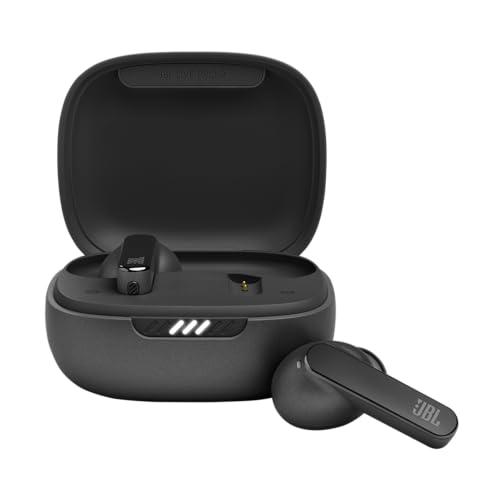
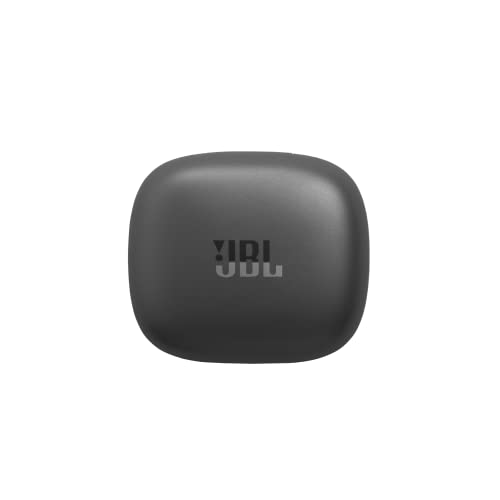
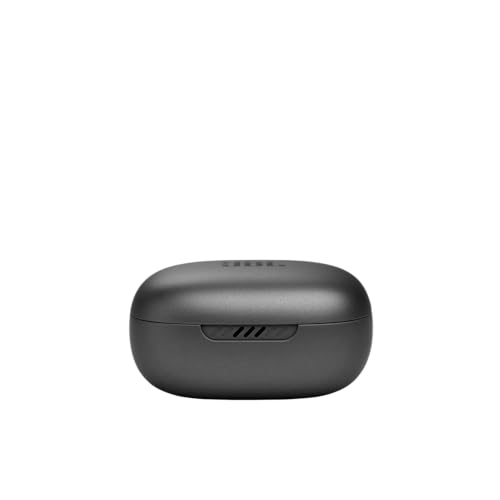
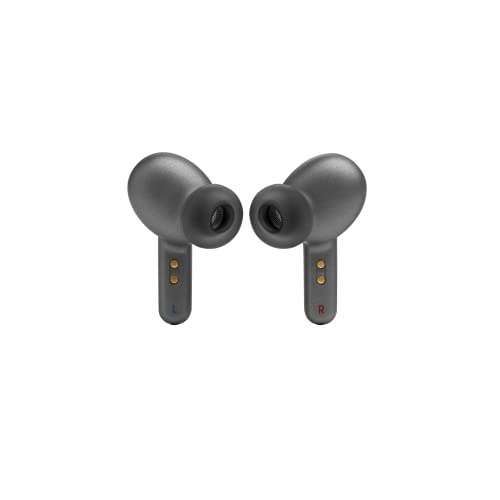
The JBL Live Pro 2, released in 2022, represents JBL's flagship approach to true wireless audio. These earbuds prioritize customization, exceptional battery life, and traditional sealed-ear design that maximizes noise isolation. JBL has equipped them with 11mm dynamic drivers—significantly larger than typical earbud drivers—and paired them with comprehensive app-based customization tools.
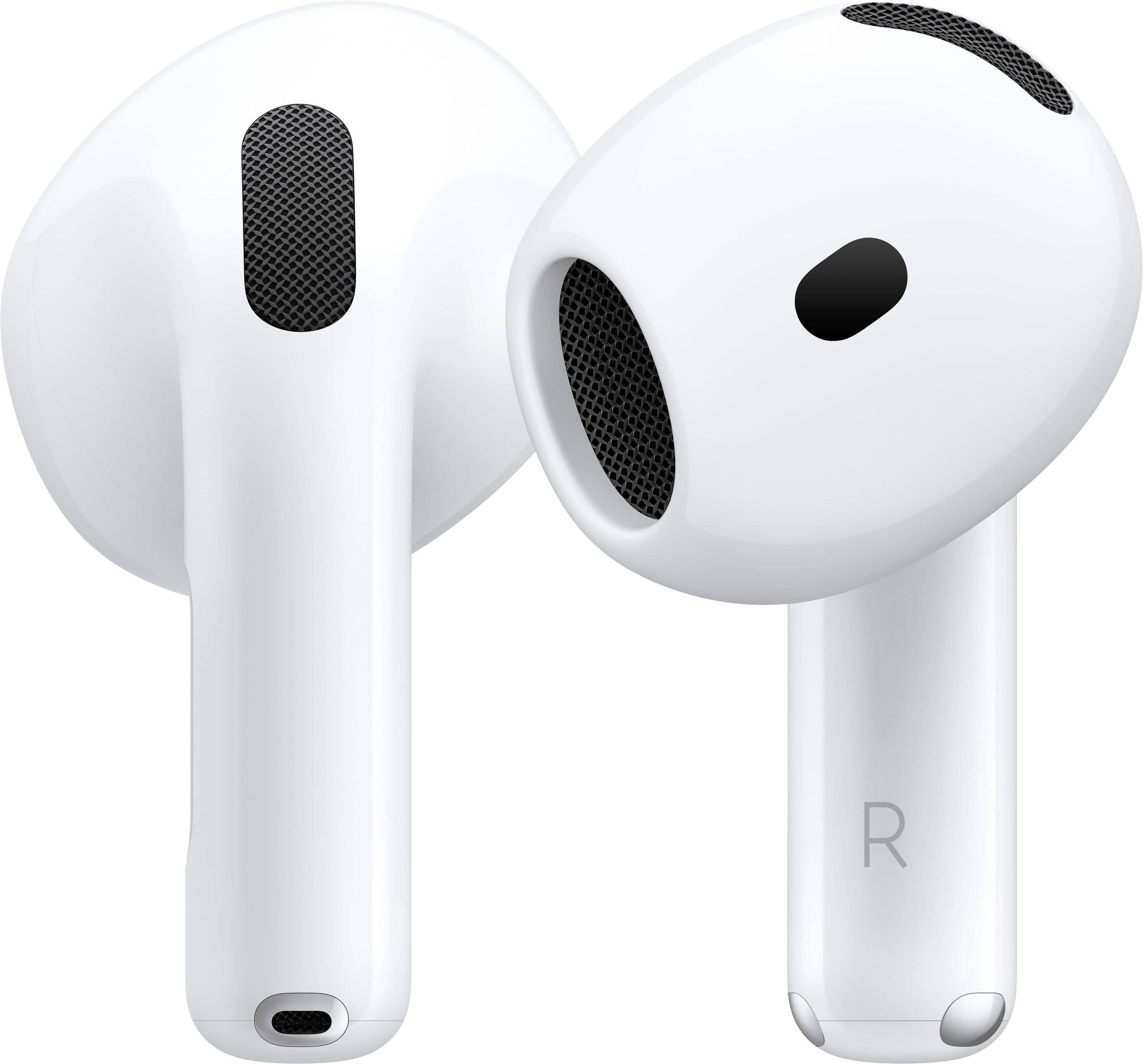
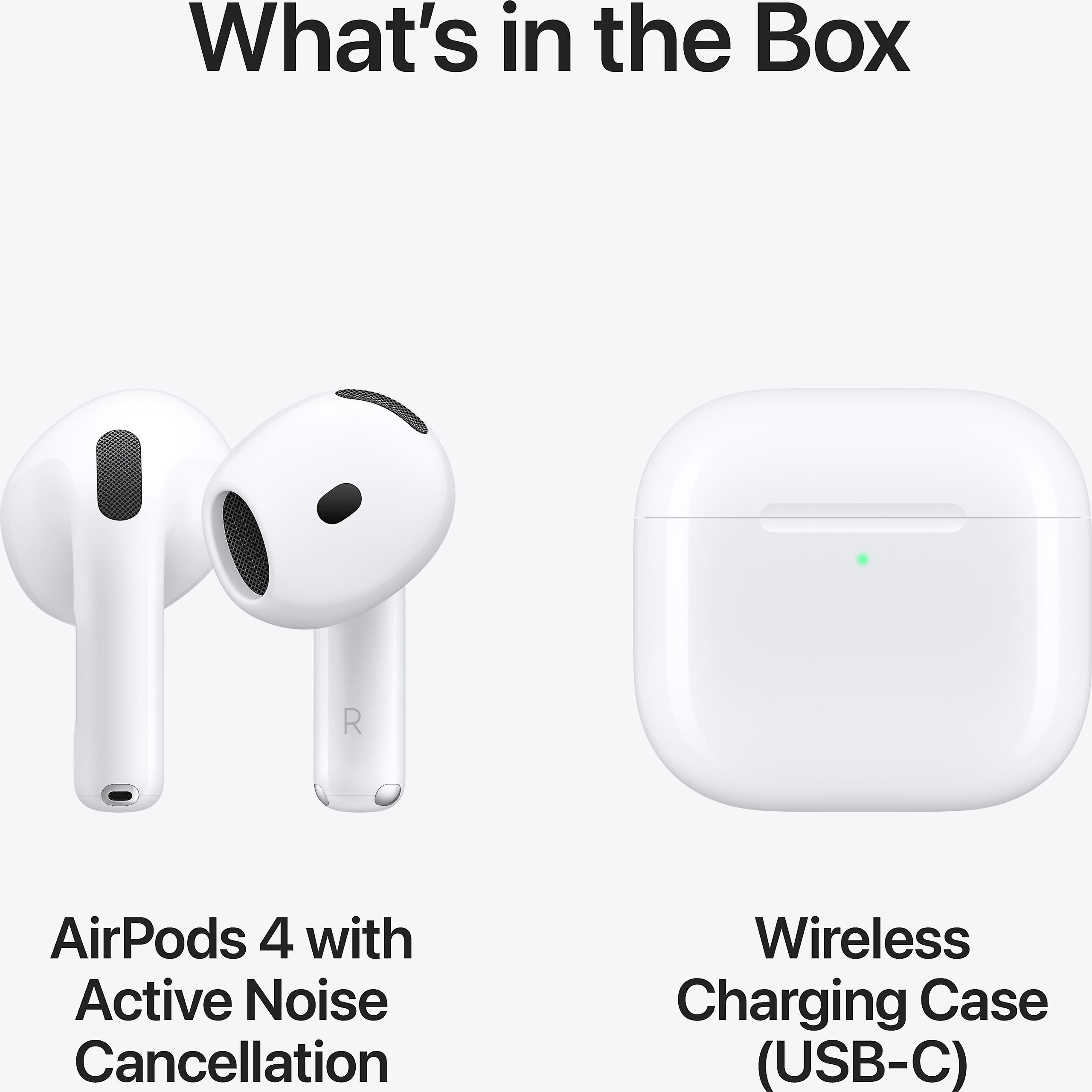
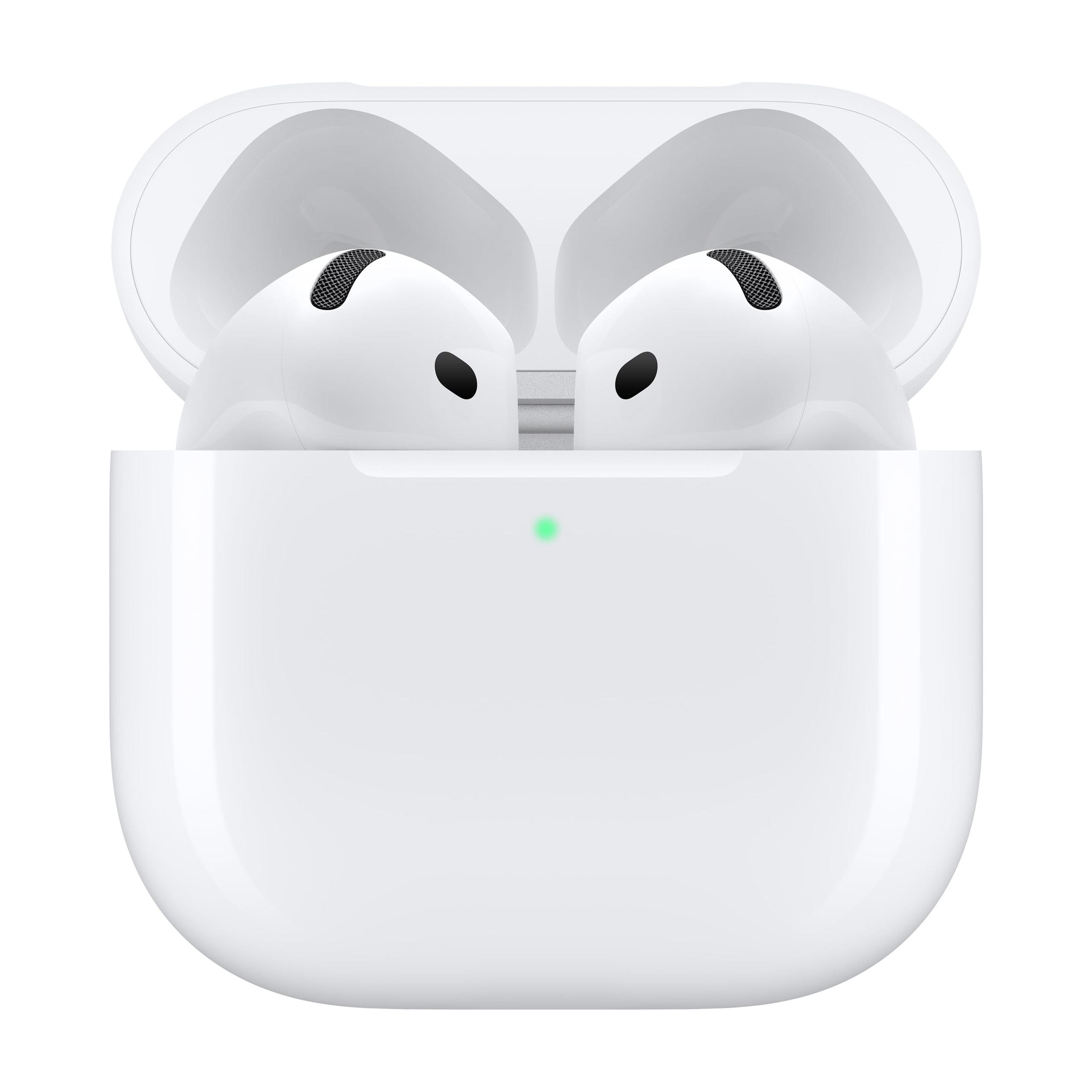
Apple's AirPods 4 with ANC, launched in 2024, takes a radically different approach. These represent Apple's first attempt at bringing active noise cancellation to an open-ear design, meaning they don't seal your ear canal like traditional earbuds. This innovative approach aims to provide noise reduction while maintaining environmental awareness, powered by Apple's latest H2 chip that handles complex computational audio tasks.
The fundamental difference between these products reflects two competing philosophies: maximum customization and traditional performance (JBL) versus intelligent automation and ecosystem integration (Apple).
Sound quality represents the most crucial performance metric, yet these earbuds achieve excellent audio through completely different methods. The JBL Live Pro 2 employs larger 11mm dynamic drivers compared to most competitors' 8-10mm drivers. Driver size directly impacts sound reproduction capability, particularly in bass frequencies where larger diaphragms can move more air and create deeper, more impactful low-end response.
JBL has tuned these earbuds with their signature sound profile—a V-shaped frequency response that emphasizes bass and treble while keeping midrange frequencies prominent. This creates punchy, exciting sound that works particularly well for electronic music, hip-hop, and pop genres. However, the real strength lies in customization. The JBL Headphones app provides a 10-band parametric equalizer, allowing precise frequency adjustments across the entire audio spectrum.
This level of customization means you can transform the JBL Live Pro 2 from bass-heavy party earbuds to neutral reference monitors suitable for critical listening. The app includes multiple presets for different genres, but the parametric EQ allows fine-tuning that rivals professional audio equipment. For audio enthusiasts who enjoy tweaking their sound signature, this represents exceptional value and flexibility.
The Apple AirPods 4 ANC takes the opposite approach, emphasizing intelligent automation over user control. Apple's H2 chip continuously analyzes your ear shape and adjusts frequencies accordingly through Adaptive EQ. This computational approach means the earbuds automatically optimize sound for your specific anatomy without requiring manual adjustment.
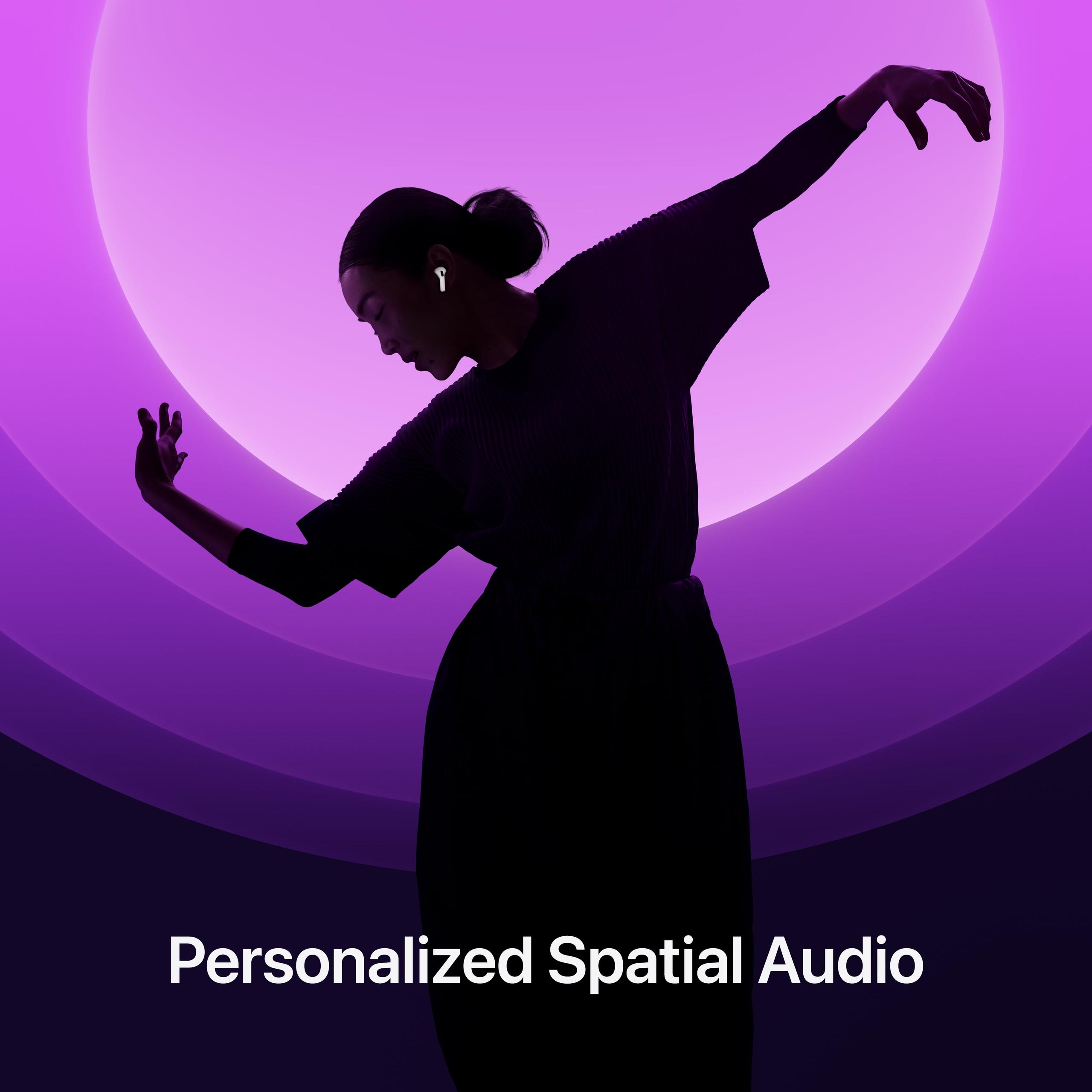
The standout feature here is Personalized Spatial Audio with dynamic head tracking. This technology processes stereo recordings to create a convincing three-dimensional soundstage, making music appear to come from around you rather than directly into your ears. Head tracking sensors detect when you turn your head and adjust the soundstage accordingly, maintaining the illusion that sound sources remain stationary in space.
For home theater use, this spatial audio capability provides a significant advantage. Movies and shows mixed for surround sound benefit enormously from this processing, creating an immersive experience that rivals dedicated surround sound systems. The effect works particularly well with streaming content from Apple TV+, Netflix, and other services that support spatial audio formats.
However, the AirPods 4's open-ear design fundamentally limits bass response compared to sealed designs. Without creating a seal in your ear canal, these earbuds cannot generate the same low-frequency impact as traditional in-ear models. Apple compensates through computational audio processing, but physics ultimately constrains what's possible.
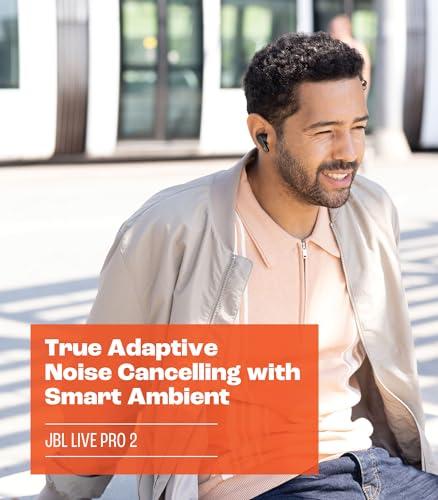
Active noise cancellation represents where these earbuds most dramatically diverge in approach. The JBL Live Pro 2 employs True Adaptive ANC, a sophisticated system that automatically adjusts noise cancellation intensity based on environmental conditions. In noisy environments like airplanes or busy streets, the system ramps up cancellation aggressively. In quieter settings, it reduces intensity to preserve battery life and audio quality.
This adaptive approach works exceptionally well because the JBL Live Pro 2 creates a physical seal in your ear canal using silicone tips. This passive isolation provides the foundation that allows active cancellation to work effectively. The combination blocks low-frequency rumble from engines, air conditioners, and traffic while also reducing mid and high-frequency sounds like conversations and keyboard clicks.
The system includes multiple ambient modes for different situations. Smart Ambient mode allows environmental sounds through when you need awareness of surroundings, while TalkThru mode specifically amplifies speech frequencies for conversations without removing the earbuds. These modes provide practical flexibility for daily use scenarios.
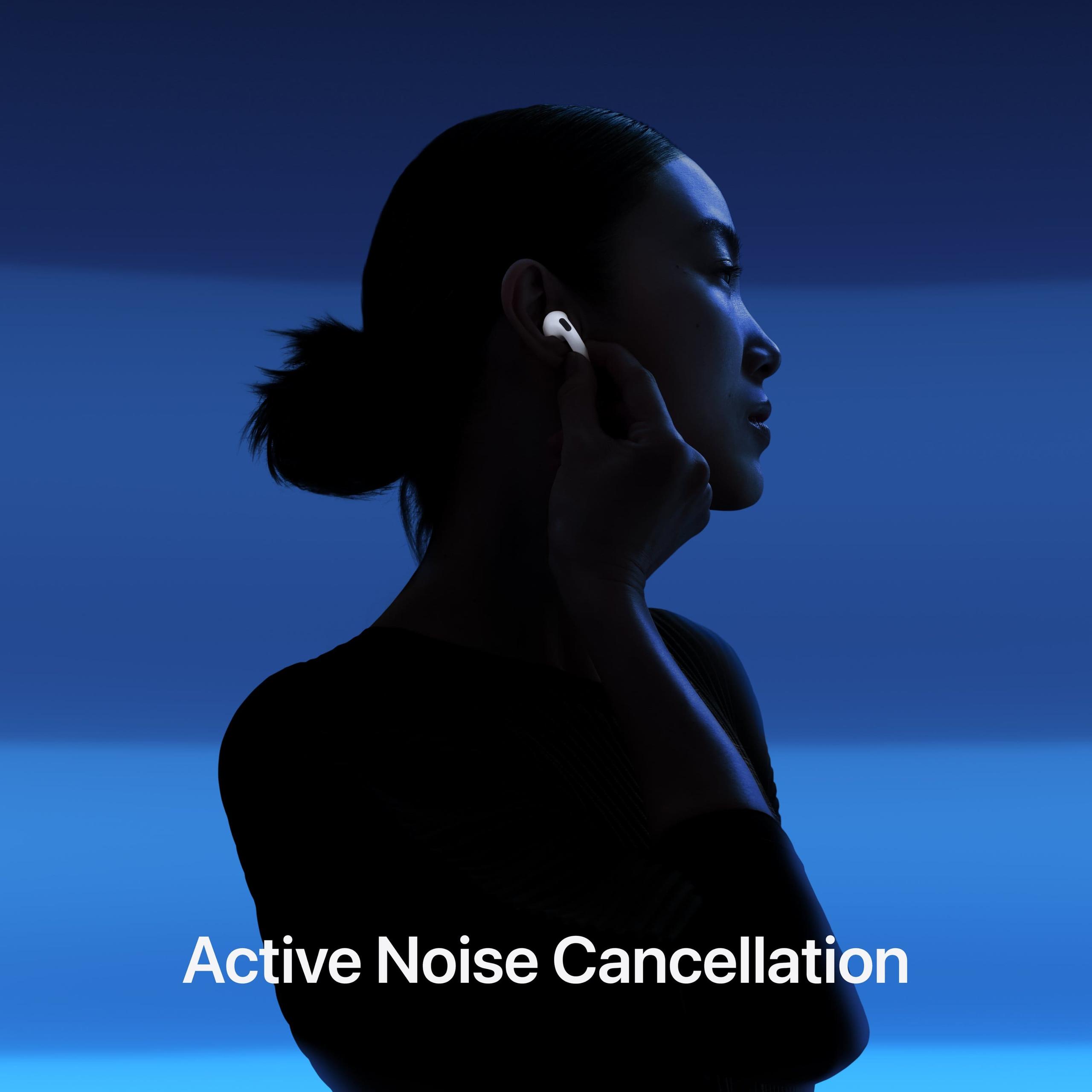
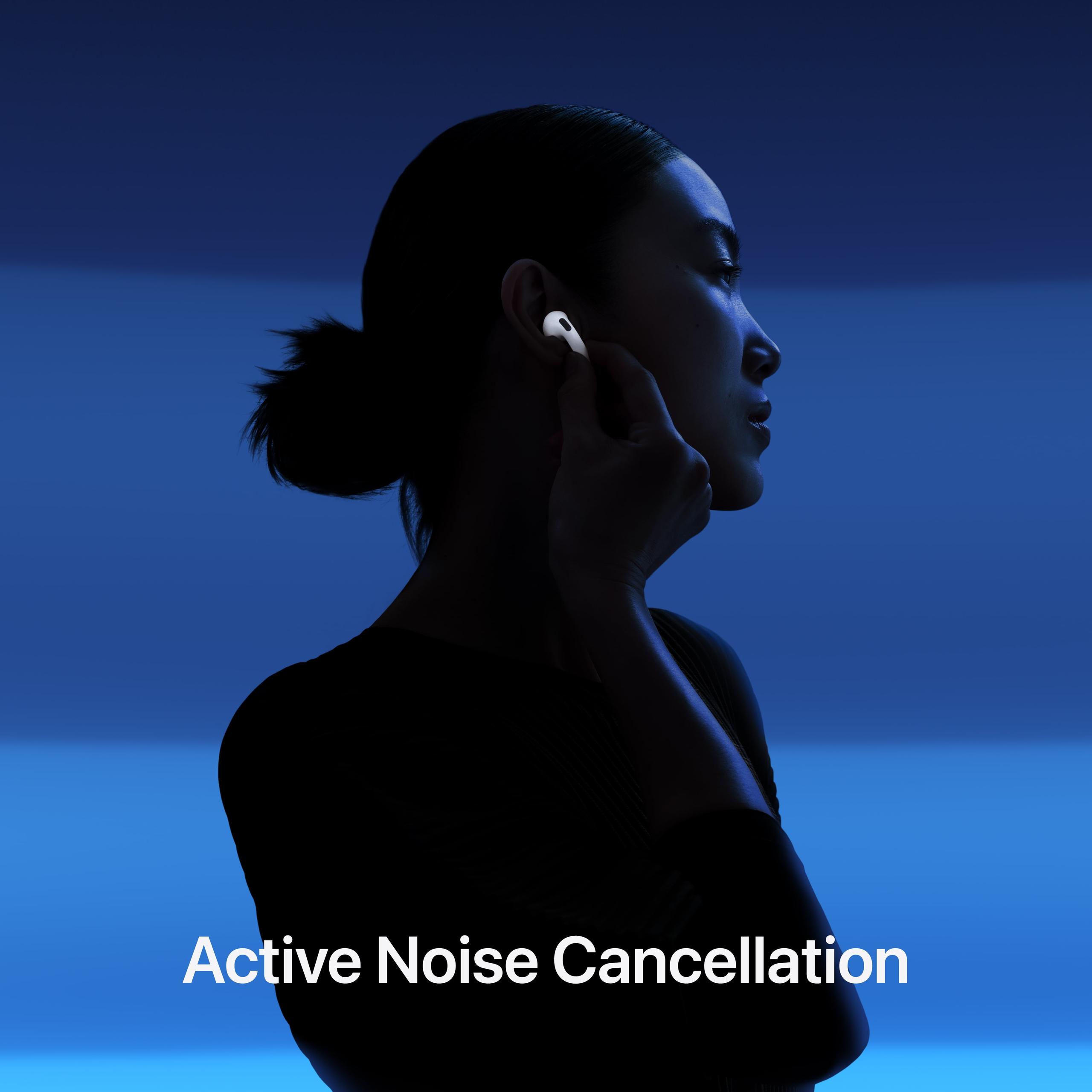
Apple's approach with the AirPods 4 ANC represents genuine innovation in noise cancellation technology. Creating effective ANC without sealing the ear canal presents significant technical challenges that Apple has solved through computational audio and the H2 chip's processing power. The system works by using advanced algorithms to predict and cancel noise while accounting for the open acoustic pathway.
The result is unprecedented for open-ear designs, though it cannot match the effectiveness of sealed systems. The AirPods 4 excel at reducing consistent background noise like air conditioning, computer fans, and distant traffic. However, they're less effective against sudden loud sounds or high-frequency noise compared to traditional sealed designs.
The innovation lies in Adaptive Audio, which seamlessly blends noise cancellation and transparency modes in real-time. The system continuously adjusts based on your environment and activities, requiring no user intervention. Conversation Awareness automatically reduces audio volume when you begin speaking, then restores it when you finish—perfect for quick interactions without removing earbuds.
For users who frequently move between quiet and noisy environments, this intelligent adaptation provides superior convenience compared to manual mode switching. However, users seeking maximum noise isolation for focused work or travel will find traditional sealed designs more effective.
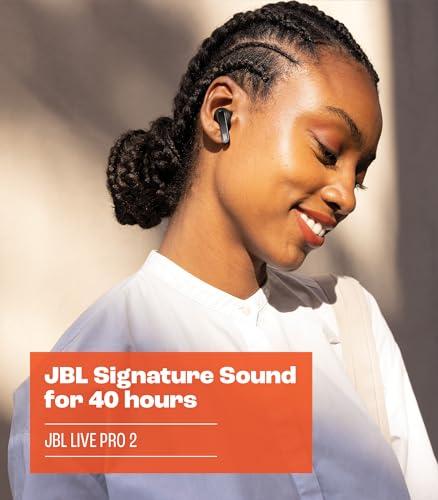
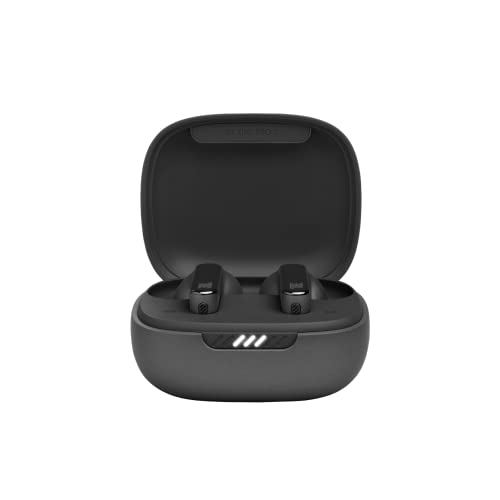
Battery performance reveals the most significant practical difference between these earbuds. The JBL Live Pro 2 delivers exceptional endurance with 10 hours of continuous playback from the earbuds alone, extending to 40 hours total with the charging case. This performance stems from larger batteries enabled by the earbuds' slightly bulkier design and efficient power management.
In real-world use, this means you can easily get through multiple full workdays without charging, making these ideal for travelers or users who frequently forget to charge devices. The 15-minute speed charging provides 4 hours of additional playback—enough for most commutes or workout sessions.
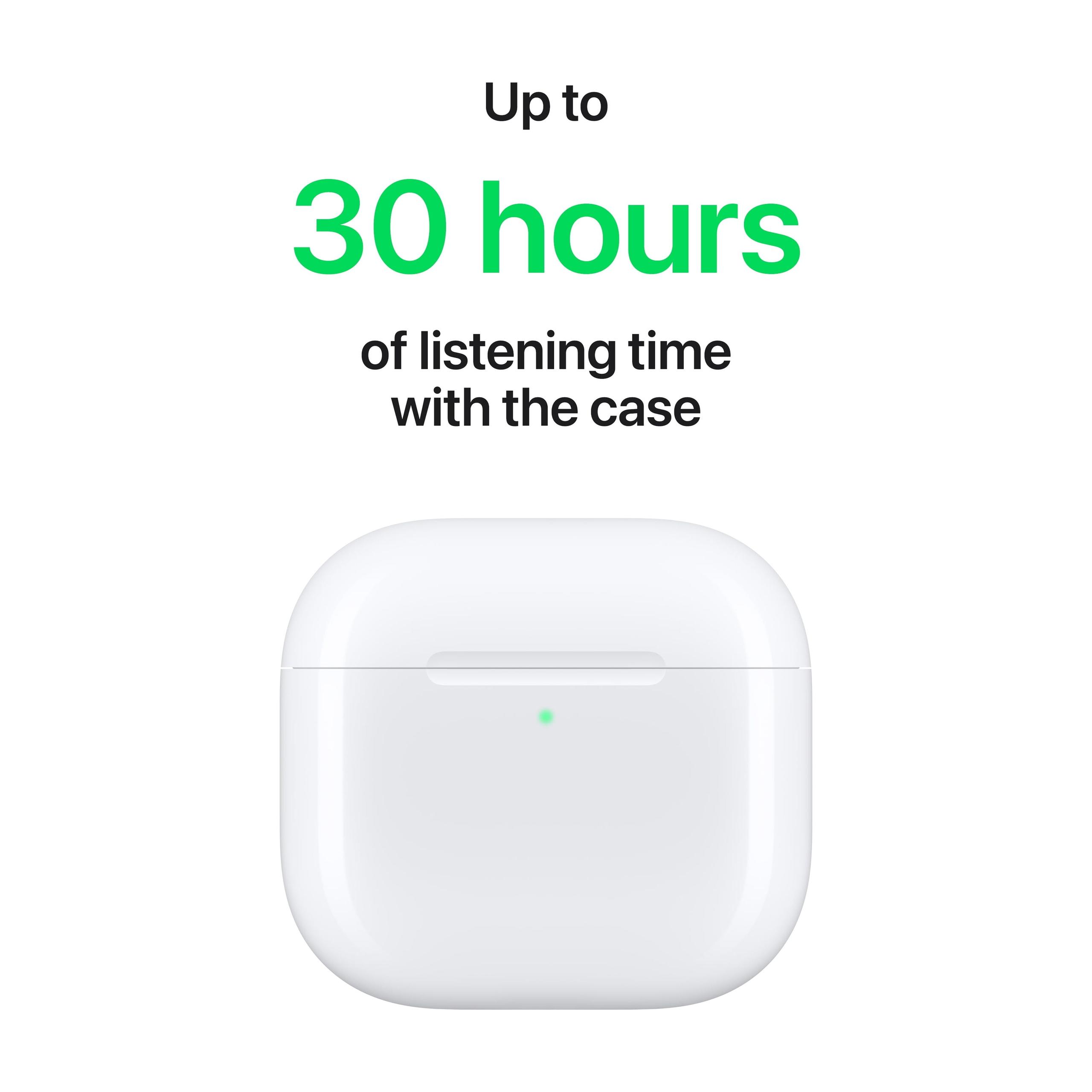
The Apple AirPods 4 ANC prioritizes compact design over maximum battery life, providing 5 hours of continuous playback with ANC enabled, extending to 30 hours total with the case. While this represents solid performance for the category, it requires more frequent charging attention.
However, Apple's charging implementation offers convenience advantages. The 5-minute quick charge provides 1 hour of playback, perfect for emergency top-ups. The charging case includes a speaker for Find My location services, addressing the common problem of misplaced charging cases.
At the time of writing, the JBL Live Pro 2 offers superior value for users prioritizing maximum battery life, while the AirPods 4 provides adequate performance with additional convenience features.
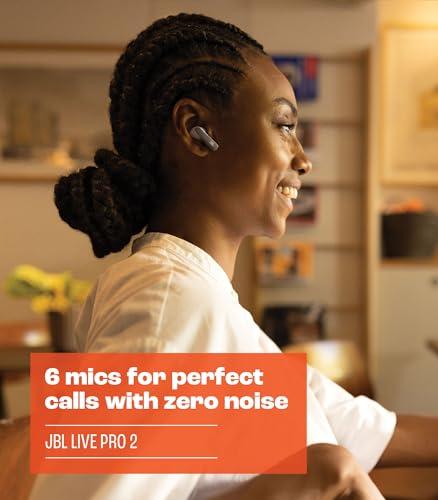
Professional call quality has become increasingly important as remote work and video conferencing dominate modern communication. The JBL Live Pro 2 approaches this challenge through hardware engineering, employing 6 beamforming microphones per earbud. Beamforming technology uses multiple microphones to create a focused pickup pattern that emphasizes your voice while rejecting background noise from other directions.
This microphone array provides excellent performance in challenging acoustic environments. The system includes VoiceAware technology, allowing you to monitor your own voice during calls—crucial for maintaining natural speaking volume in noisy environments. Wind noise reduction works effectively for outdoor calls, making these suitable for professional use in various conditions.
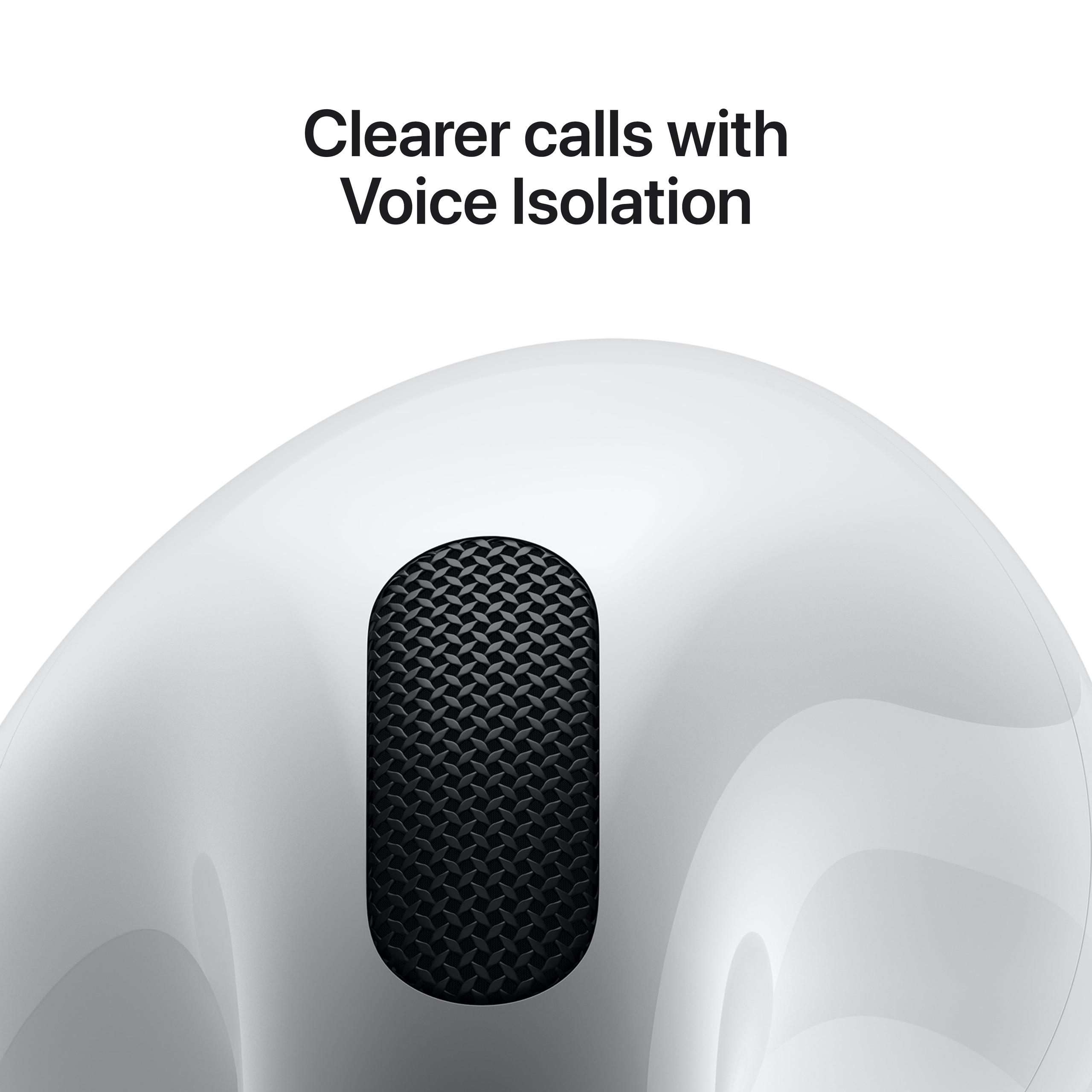
Apple's AirPods 4 ANC leverages computational audio for call quality, using the H2 chip to process voice signals intelligently. Voice Isolation technology analyzes your speech patterns and environmental noise, then applies real-time processing to enhance clarity. The system includes speech-detecting accelerometers that recognize when you're talking, improving voice activation accuracy.
The computational approach works particularly well for Apple device users, where the earbuds can leverage additional processing power from connected iPhones or Macs. Call handoff between devices operates seamlessly, allowing you to answer calls on your phone and transfer them to your laptop without audio interruption.
Both systems provide professional-grade call quality, though they excel in different scenarios. The JBL Live Pro 2 performs better in consistently noisy environments due to superior microphone isolation, while the AirPods 4 adapt more intelligently to varying acoustic conditions.
Connectivity represents where ecosystem preferences become crucial considerations. The JBL Live Pro 2 provides universal compatibility with Bluetooth 5.2 support across all device platforms. Multi-device pairing allows simultaneous connection to two devices—commonly a smartphone and laptop—with automatic switching based on which device is actively playing audio.
This platform-agnostic approach means you receive full functionality regardless of whether you use Android, iOS, Windows, or Mac devices. The JBL Headphones app provides identical features across platforms, ensuring consistent customization options. For users with mixed device ecosystems or those who frequently switch between platforms, this flexibility proves invaluable.
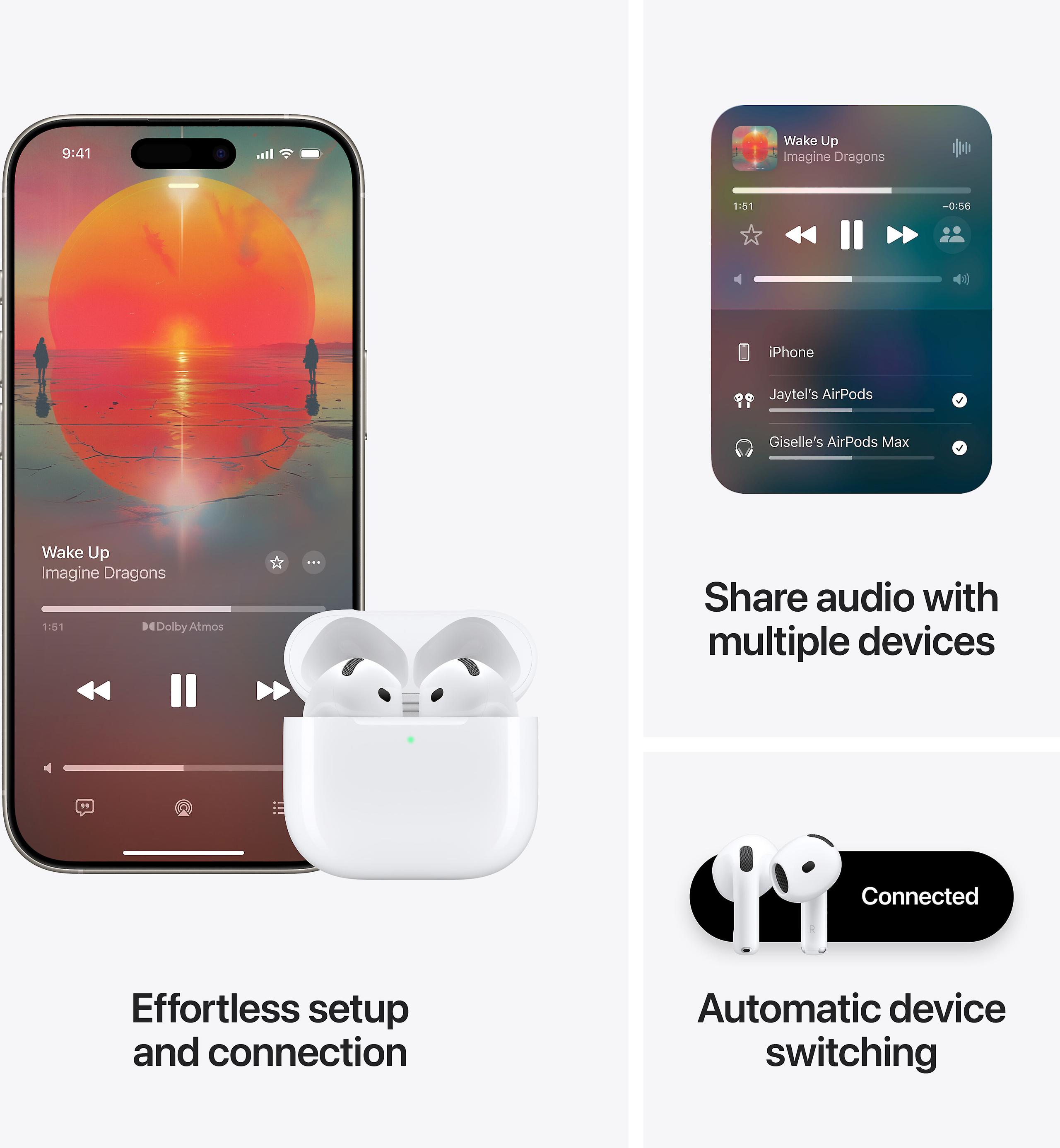
The Apple AirPods 4 ANC optimizes specifically for Apple's ecosystem while providing basic functionality on other platforms. Within the Apple ecosystem, these earbuds provide seamless device switching, automatic iCloud sync of settings, and deep integration with Siri voice assistant. The H2 chip enables advanced features like automatic device switching based on usage patterns and spatial audio processing that leverages additional computational power from connected devices.
However, this optimization comes with trade-offs. Android and Windows users receive basic audio functionality but lose access to advanced features like spatial audio, adaptive EQ, and seamless device switching. The earbuds function as standard Bluetooth audio devices on non-Apple platforms.
At the time of writing, pricing reflects these different approaches, with the JBL Live Pro 2 typically available at a lower price point while providing universal functionality. The AirPods 4 command a premium that primarily benefits Apple ecosystem users.
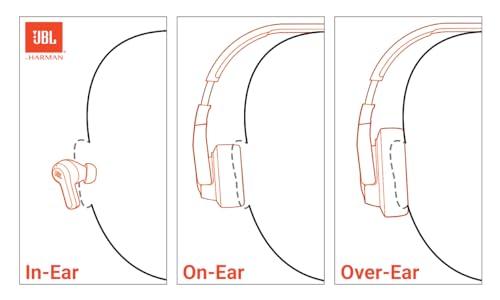
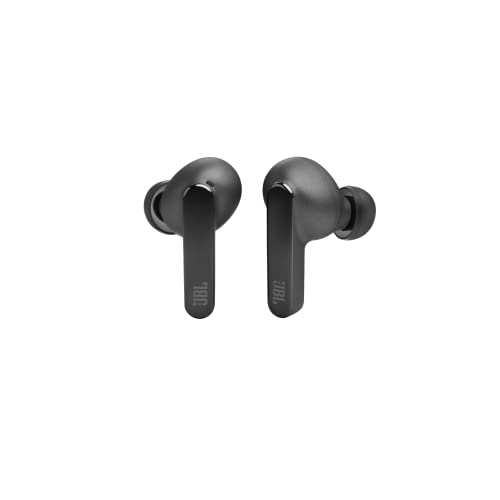
Physical design impacts both comfort and practical usability. The JBL Live Pro 2 employs a traditional in-ear design with silicone ear tips in multiple sizes, ensuring secure fit across different ear shapes. The earbuds feature IPX5 water resistance, providing protection against direct water spray and heavy perspiration during workouts.
The Oval Tubes design represents JBL's innovation in ear tip engineering. These oval-shaped tips better match natural ear canal geometry compared to traditional round tips, improving both comfort and acoustic seal. Better seal directly translates to improved bass response and noise cancellation effectiveness.
However, the sealed design can create pressure sensations during extended wear, particularly for users sensitive to ear canal occlusion. The larger 11mm drivers require slightly bulkier earbuds, though most users find them comfortable for multi-hour sessions.
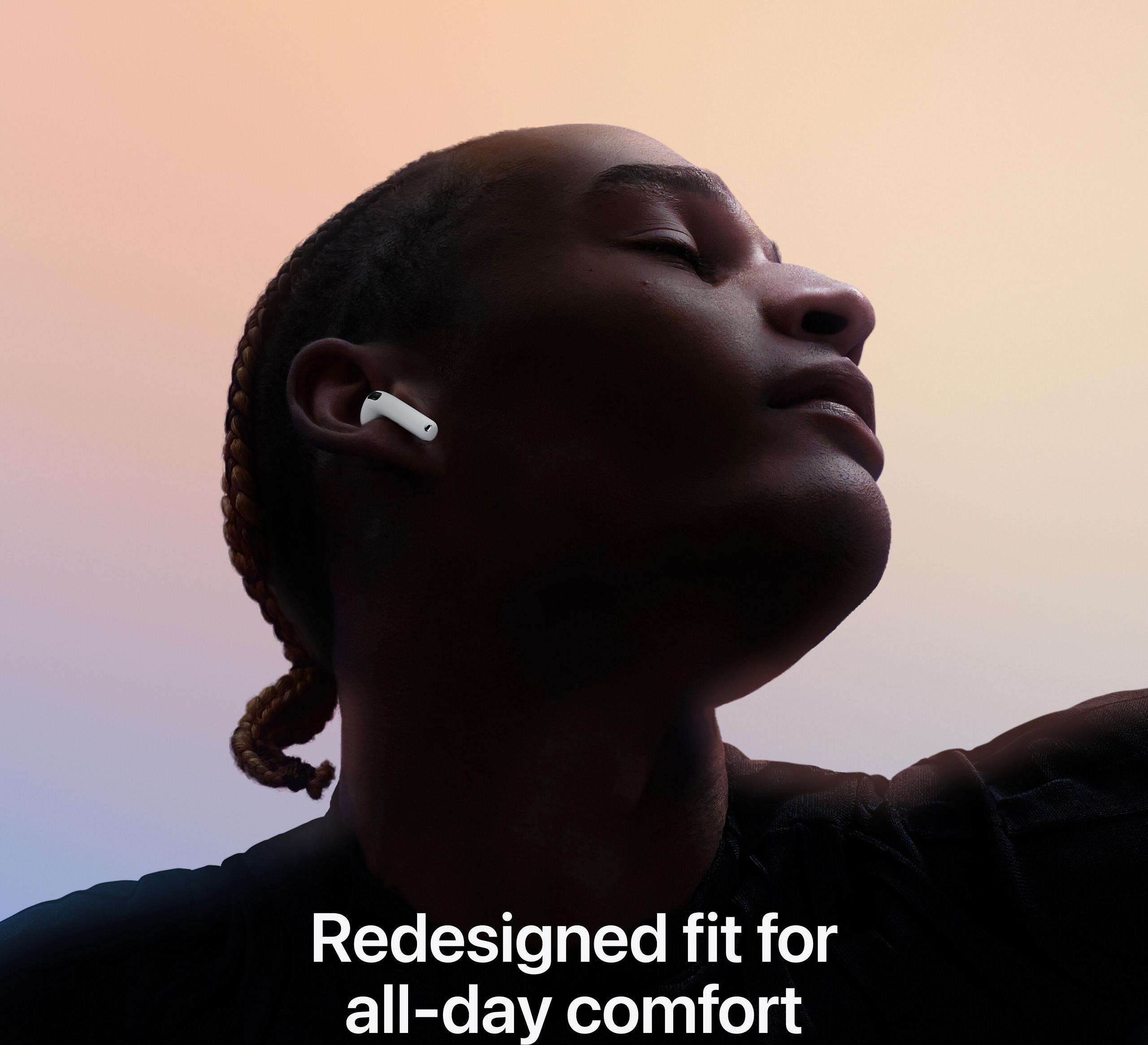
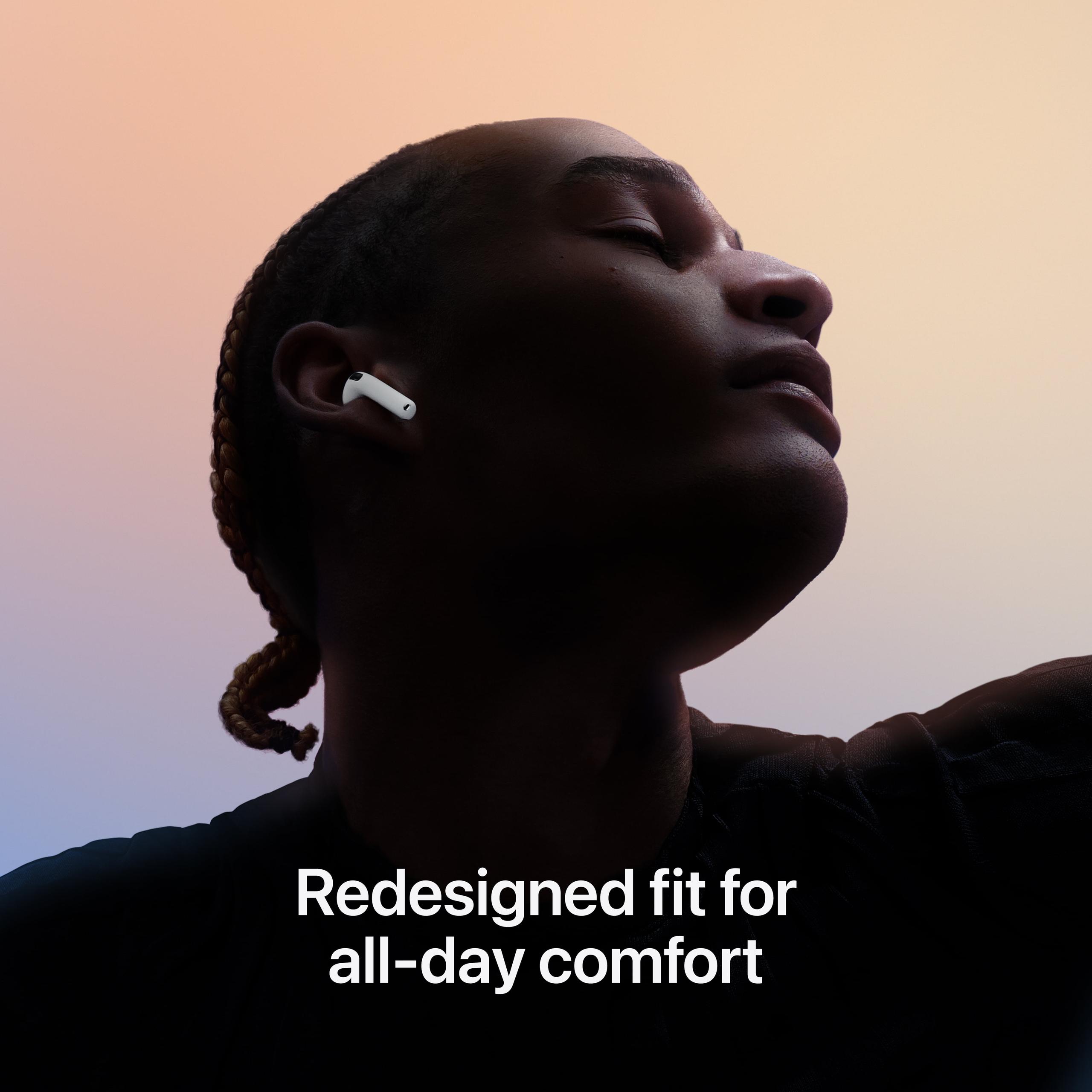
The Apple AirPods 4 ANC addresses comfort through open-ear design that eliminates pressure sensations entirely. The earbuds rest in the outer ear without sealing the canal, preventing the "plugged ear" feeling common with traditional designs. This approach provides superior all-day comfort for users sensitive to ear canal insertion.
The redesigned contour and shorter stem improve stability compared to previous AirPods generations, though they lack the secure fit provided by ear tips. Users with very active lifestyles or unusual ear shapes may experience occasional displacement during vigorous movement.
Both designs include advanced sensors for automatic play/pause functionality when removing earbuds, though implementation differs. The JBL Live Pro 2 uses optical sensors within the ear canal, while the AirPods 4 employ skin-detection sensors that work with the open-ear design.
The JBL Live Pro 2 excels for users prioritizing traditional audio performance, extensive customization, and maximum battery life. These earbuds suit audio enthusiasts who enjoy fine-tuning sound signatures, frequent travelers requiring all-day battery endurance, and active users needing superior water resistance. The lower price point at the time of writing provides exceptional value for the comprehensive feature set.
Choose the JBL Live Pro 2 if you use multiple device platforms, prefer powerful bass response, need professional call quality in challenging environments, or want maximum flexibility in audio customization. These earbuds particularly suit users who view audio equipment as tools requiring personal optimization rather than automated convenience.
The Apple AirPods 4 ANC represents the ideal choice for Apple ecosystem users seeking innovative features and intelligent automation. The spatial audio capabilities provide genuine value for movie watching and immersive content consumption. The open-ear design suits users who experience discomfort with traditional earbuds or need constant environmental awareness.
Choose the AirPods 4 if you primarily use Apple devices, value automated optimization over manual control, frequently watch video content with spatial audio support, or prefer the comfort of open-ear design. These earbuds excel for users who want technology that adapts intelligently without requiring extensive customization.
For home theater applications, the AirPods 4's spatial audio processing provides superior immersion for movies and shows, while the JBL Live Pro 2 offers better pure audio quality and customization for music listening.
Both earbuds represent excellent choices within their respective design philosophies. The JBL Live Pro 2 provides superior traditional performance metrics—battery life, noise cancellation effectiveness, water resistance, and customization flexibility—while maintaining universal device compatibility. At the time of writing, they offer exceptional value for the comprehensive feature set.
The Apple AirPods 4 ANC pushes technological boundaries with open-ear noise cancellation and computational audio features that genuinely improve the listening experience for specific use cases. However, these innovations primarily benefit Apple ecosystem users and come at a premium price.
Your choice ultimately depends on whether you prioritize proven performance and flexibility (JBL Live Pro 2) or innovative features and ecosystem integration (AirPods 4 ANC). Both approaches have merit, but understanding your priorities and device ecosystem will guide you toward the option that best serves your specific needs and preferences.
| JBL Live Pro 2 TWS True Wireless Earbuds | Apple AirPods 4 Active Noise Cancellation Earbuds |
|---|---|
| Driver Size - Larger drivers typically produce better bass and overall sound quality | |
| 11mm dynamic drivers (larger than most competitors) | Custom Apple driver (size not specified, likely 8-9mm) |
| Battery Life (Earbuds) - Critical for all-day use without frequent charging | |
| 10 hours continuous playback | 5 hours continuous playback |
| Total Battery Life - Determines how long you can go without wall charging | |
| 40 hours total (10 + 30 hours from case) | 30 hours total (5 + 25 hours from case) |
| Design Type - Affects comfort, noise isolation, and sound quality | |
| Sealed in-ear with silicone tips (better isolation) | Open-ear design (more comfortable, less isolation) |
| Water Resistance - Important for workouts and outdoor use | |
| IPX5 (protection against water jets) | IP54 (basic sweat and splash resistance) |
| Active Noise Cancellation - Key feature for blocking distracting sounds | |
| True Adaptive ANC with sealed ear design (more effective) | Open-ear ANC (innovative but less effective than sealed designs) |
| Sound Customization - Important for personalizing audio to your preferences | |
| 10-band parametric EQ with extensive app controls | Adaptive EQ only (automatic tuning, limited user control) |
| Spatial Audio - Creates immersive 3D sound for movies and music | |
| Not supported | Personalized Spatial Audio with head tracking |
| Microphones for Calls - More mics generally mean better call quality | |
| 6 beamforming microphones per earbud | 3 microphones total with computational processing |
| Bluetooth Version - Newer versions offer better connectivity and features | |
| Bluetooth 5.2 | Bluetooth 5.3 |
| Multi-device Connection - Useful for switching between phone and computer | |
| Yes, connects to 2 devices simultaneously | Yes, seamless switching within Apple ecosystem only |
| Ecosystem Integration - Affects ease of use and available features | |
| Universal compatibility across all platforms | Optimized for Apple devices, basic functionality elsewhere |
| Charging Speed - Important when you need quick power top-ups | |
| 15 minutes = 4 hours playback | 5 minutes = 1 hour playback |
The JBL Live Pro 2 delivers superior customizable sound quality with larger 11mm drivers and a 10-band parametric equalizer that lets you fine-tune audio to your preferences. The Apple AirPods 4 offer intelligent sound optimization through Adaptive EQ and Spatial Audio, which creates an immersive 3D listening experience. For pure audio quality and customization, the JBL Live Pro 2 wins, while the AirPods 4 excel at automatic optimization and spatial effects.
The JBL Live Pro 2 provide significantly longer battery life with 10 hours of continuous playback compared to 5 hours from the Apple AirPods 4. Including the charging case, the JBL Live Pro 2 deliver 40 total hours versus 30 hours for the AirPods 4. For all-day use without frequent charging, the JBL Live Pro 2 are the clear winner.
The JBL Live Pro 2 feature 6 beamforming microphones that provide excellent call quality in noisy environments with superior wind noise reduction. The Apple AirPods 4 use computational audio processing for Voice Isolation but have fewer physical microphones. For professional calls and challenging acoustic conditions, the JBL Live Pro 2 typically perform better.
The JBL Live Pro 2 offer more effective noise cancellation due to their sealed in-ear design with silicone tips that create passive isolation. The Apple AirPods 4 feature innovative open-ear active noise cancellation, which is groundbreaking but less effective than traditional sealed designs. For maximum noise blocking, choose the JBL Live Pro 2.
The JBL Live Pro 2 provide full functionality across all platforms including Android, with complete access to customization features through the JBL Headphones app. The Apple AirPods 4 work with Android but lose advanced features like Spatial Audio and seamless device switching. For Android users, the JBL Live Pro 2 are the better choice.
The Apple AirPods 4 typically offer superior comfort for extended wear due to their open-ear design that eliminates pressure in the ear canal. The JBL Live Pro 2 use a sealed design that some users find less comfortable over time, though they include multiple ear tip sizes for better fit. For all-day comfort, the AirPods 4 have an advantage.
The JBL Live Pro 2 are better suited for intense workouts with superior IPX5 water resistance that protects against heavy sweat and water jets. The Apple AirPods 4 have basic IP54 rating for light sweat protection. The JBL Live Pro 2 also provide a more secure fit with ear tips, while the AirPods 4 may shift during vigorous movement.
The JBL Live Pro 2 generally provide better value with longer battery life, superior water resistance, extensive customization options, and universal device compatibility at a typically lower price point. The Apple AirPods 4 justify their premium pricing primarily for users deeply integrated into Apple's ecosystem who benefit from exclusive features like Spatial Audio and seamless device switching.
The Apple AirPods 4 excel for video content with Personalized Spatial Audio that creates an immersive surround sound experience, making them ideal for movies and shows. The JBL Live Pro 2 provide excellent audio quality but lack spatial audio features. For home theater and video streaming, the AirPods 4 offer a more cinematic experience.
The JBL Live Pro 2 offer true multipoint connectivity that works across all device brands, allowing simultaneous connection to any two Bluetooth devices like a phone and laptop. The Apple AirPods 4 provide seamless switching but primarily within Apple's ecosystem. For mixed device environments, the JBL Live Pro 2 are more versatile.
The Apple AirPods 4 include Find My integration with location tracking and a speaker in the charging case to help locate lost earbuds. The JBL Live Pro 2 lack dedicated finding features beyond basic Bluetooth connectivity. However, the JBL Live Pro 2 may stay in ears more securely due to their sealed design with ear tips.
Choose the JBL Live Pro 2 if you prioritize battery life, sound customization, water resistance, universal device compatibility, and better value. Select the Apple AirPods 4 if you use primarily Apple devices, want innovative spatial audio features, prefer open-ear comfort, or frequently watch video content. Your device ecosystem and priorities between traditional performance versus cutting-edge features will determine the best choice.
We've done our best to create useful and informative comparisons to help you decide what product to buy. Our research uses advanced automated methods to create this comparison and perfection is not possible - please contact us for corrections or questions. These are the sites we've researched in the creation of this article: rtings.com - rtings.com - crutchfield.com - majorhifi.com - loudnwireless.com - techradar.com - youtube.com - youtube.com - wifihifi.com - scarbir.com - youtube.com - versus.com - jbl.com - rtings.com - boizoff.com - crutchfield.com - whathifi.com - hu.harmanaudio.com - robot-advance.com - youtube.com - youtube.com - jbl.com.sg - kh.jbl.com - jbl.com - jbl.com - walmart.com - youtube.com - bestbuy.com - versus.com - tomsguide.com - apple.com - youtube.com - apple.com - staples.com - support.apple.com - connection.com - support.apple.com - pcrichard.com - adorama.com - zones.com - cdw.com

Privacy Policy
Terms and Conditions - Affiliate Policy
Home Security
© Copyright 2008-2026.
11816 Inwood Rd #1211, Dallas, TX 75244