

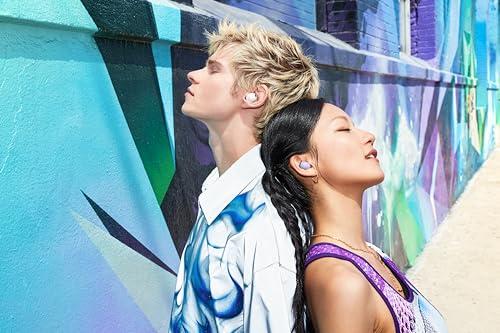
True wireless earbuds have become the go-to choice for anyone who wants great sound without the hassle of tangled cables. But with so many options flooding the market, choosing the right pair can feel overwhelming. Today, we're diving deep into two premium contenders that take completely different approaches: the Samsung Galaxy Buds2 Pro and the Apple AirPods 4 with Active Noise Cancellation.
These aren't just another pair of earbuds—they represent two distinct philosophies on how premium audio should work. The Galaxy Buds2 Pro follows the traditional sealed-ear approach, while the AirPods 4 breaks new ground with open-ear design that somehow includes noise cancellation. Understanding these differences is crucial because it determines not just what you hear, but how you experience your music, calls, and daily audio.
Before we dive into the specifics, let's talk about what makes earbuds "premium" in 2024. It's not just about slapping a high price tag on wireless earbuds—premium means delivering on multiple fronts simultaneously.
First, there's audio quality. This includes how accurately the earbuds reproduce sound across different frequencies (bass, mids, and treble), how detailed the audio sounds, and whether they support high-resolution audio codecs. A codec is basically the language your phone uses to send audio to your earbuds—better codecs mean less audio gets lost in translation.
Active Noise Cancellation (ANC) has become table stakes for premium earbuds. This technology uses tiny microphones to detect outside noise, then creates "anti-noise" to cancel it out. Think of it like noise-canceling headphones shrunk down to earbud size—it's incredibly complex engineering packed into something smaller than a grape.
Battery life matters more than you might think. There's nothing worse than your earbuds dying during a long flight or important call. Premium earbuds should easily last through a full workday, with the charging case extending that to multiple days of use.
Finally, ecosystem integration—how well the earbuds work with your phone, tablet, and other devices—can make or break the daily experience. Seamless switching between devices, smart features, and easy controls all fall under this umbrella.
The most striking difference between the Samsung Galaxy Buds2 Pro and Apple AirPods 4 is their fundamental approach to fit and isolation.
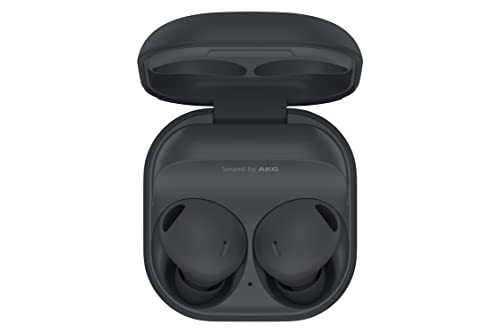
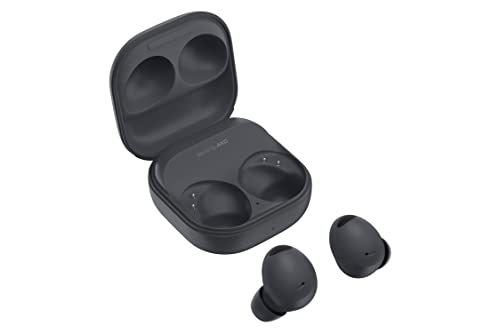
The Galaxy Buds2 Pro, released in 2022, stick with what works: a sealed in-ear design with silicone ear tips. This might sound boring, but there's sophisticated engineering at work here. Samsung made these earbuds 15% smaller than their predecessors while maintaining the same battery life—that's genuinely impressive miniaturization.
The sealed design serves multiple purposes. It creates a physical barrier against outside noise, which works alongside the electronic noise cancellation for maximum quiet. It also enables better bass response because the seal prevents low-frequency sound from escaping your ear. Each earbud weighs just 5.5 grams, making them among the lightest premium earbuds available.
Samsung includes three sizes of ear tips, and getting the right fit is crucial. A poor seal not only affects comfort but dramatically impacts both sound quality and noise cancellation effectiveness. The Galaxy Wearable app includes a fit test to help ensure you've got the optimal seal.
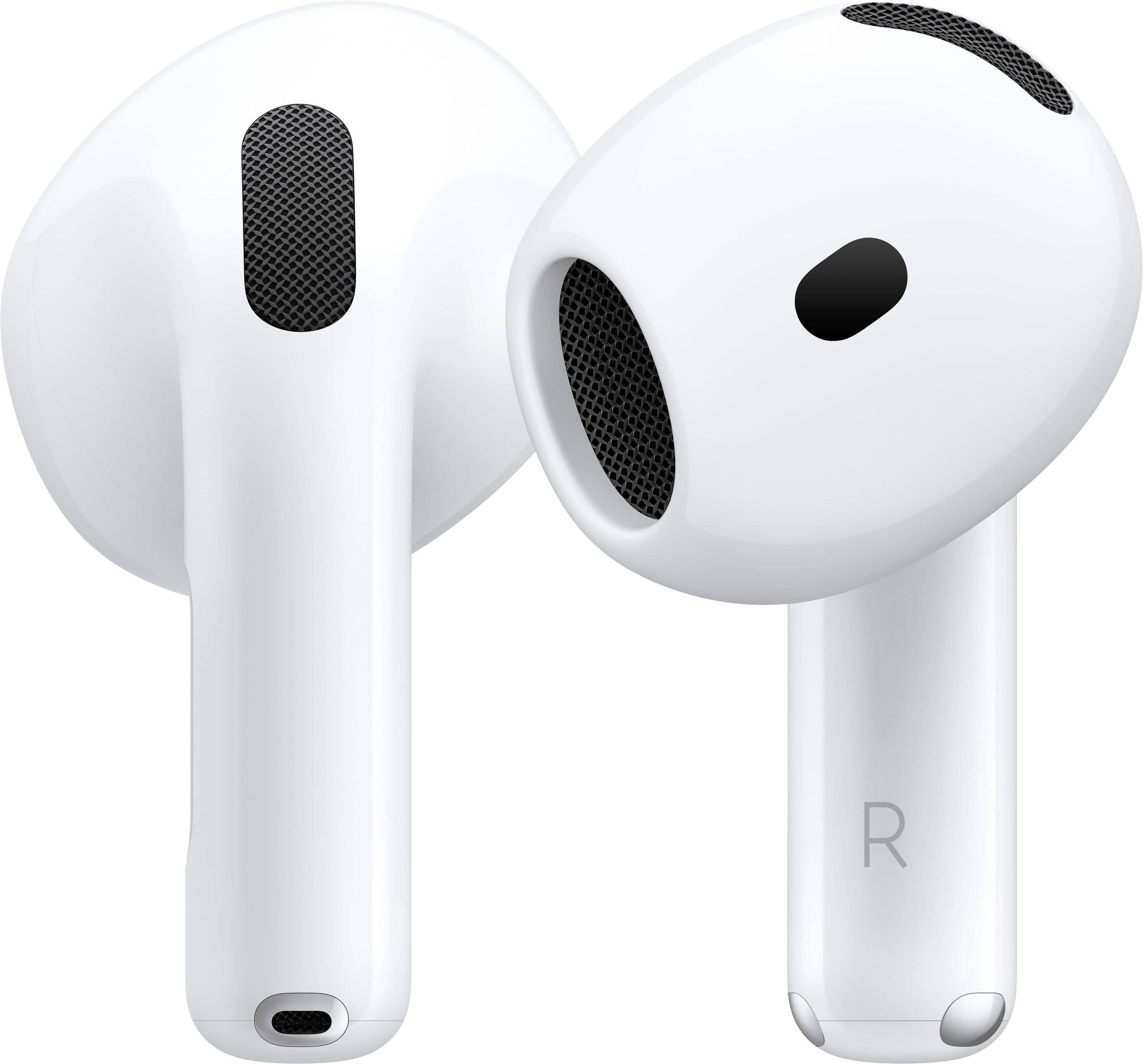
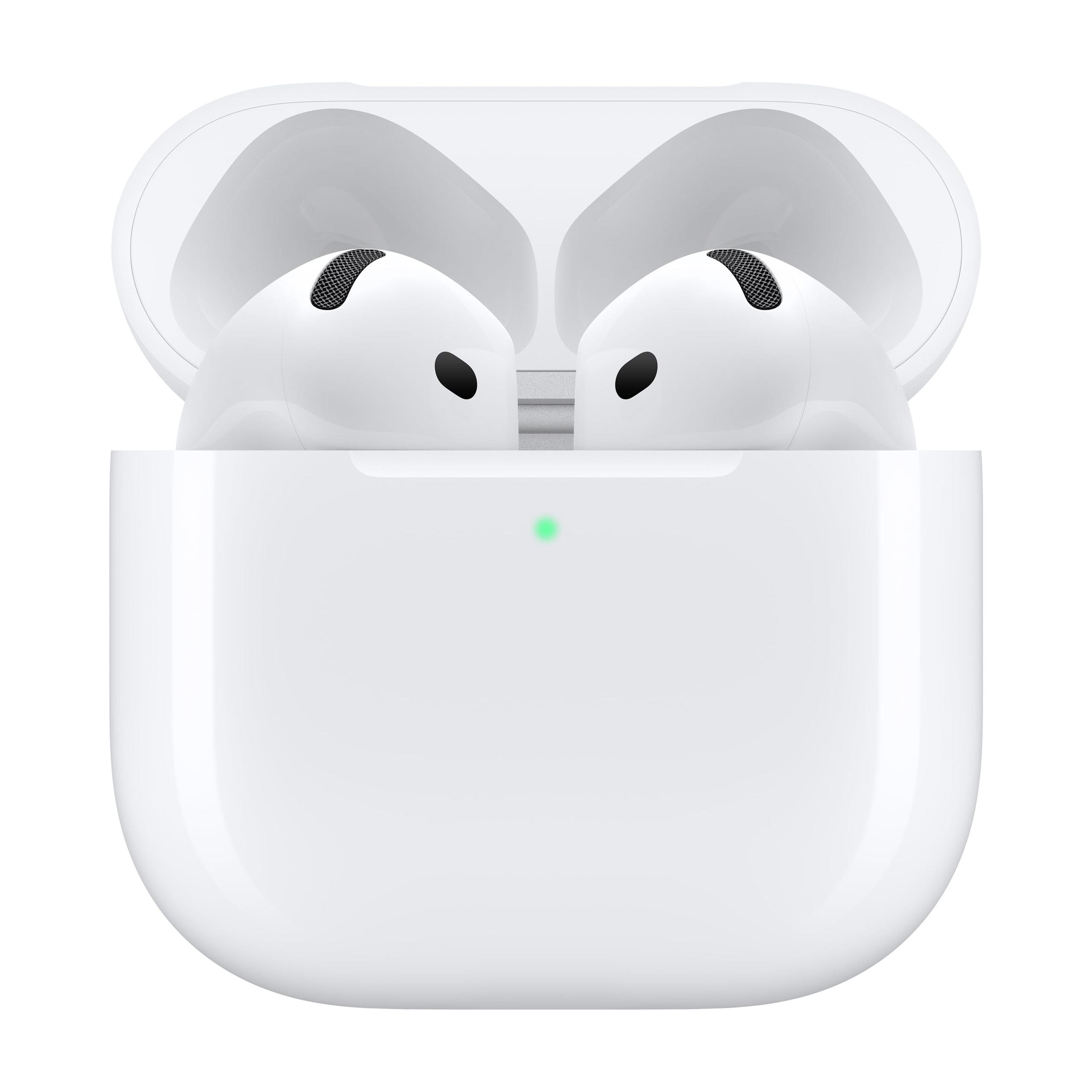
The AirPods 4, launched in 2024, represent something genuinely new in the premium earbud space. Apple has somehow managed to add active noise cancellation to their signature open-ear design—something that was previously thought impossible due to physics.
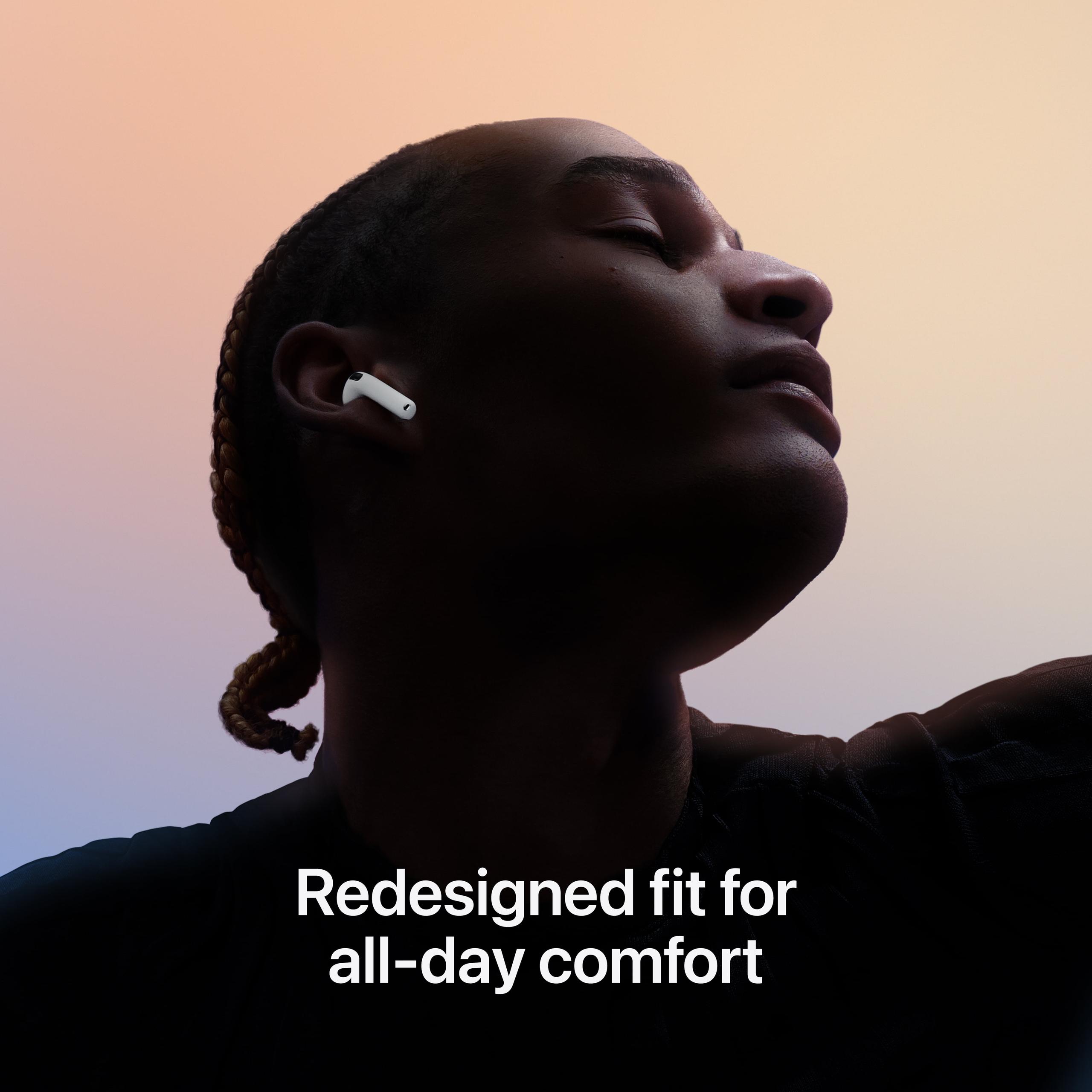
Instead of sealing your ear canal, the AirPods 4 sit in the outer part of your ear, allowing natural ambient sound to mix with your audio. This creates a more "natural" listening experience that some people strongly prefer, especially for casual listening or when situational awareness is important.
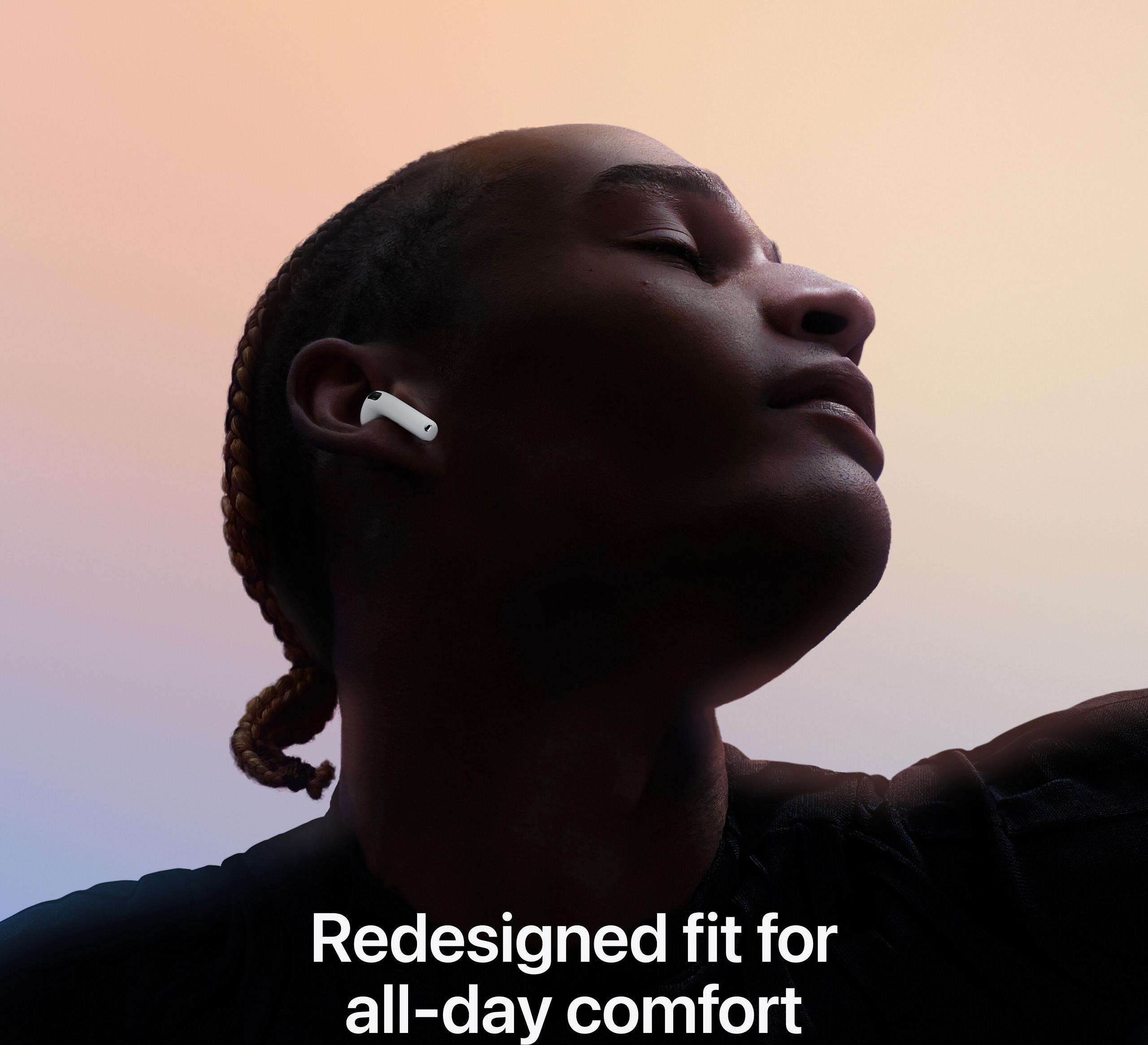
The open design also means there's no pressure buildup in your ears, which can cause discomfort during long listening sessions. If you've ever felt that "plugged up" sensation from traditional earbuds, you'll understand why this matters.
However, physics still applies. Without a physical seal, the AirPods 4 can't achieve the same level of bass response or noise isolation as sealed designs. Apple has worked around this with computational audio and smart tuning, but there are inherent limitations.
Sound quality is where these two earbuds really show their different personalities, and it's worth understanding why these differences exist.
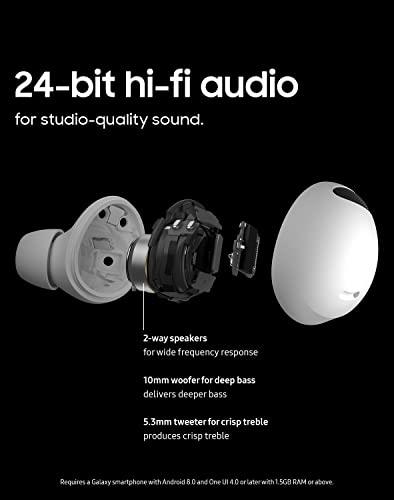
The Galaxy Buds2 Pro pack some seriously impressive audio technology. They feature a custom coaxial 2-way speaker system—essentially two speakers per earbud working together. The 10mm woofer handles bass and lower midrange frequencies, while the 5.3mm tweeter takes care of treble and upper mids. This separation allows each driver to specialize, resulting in cleaner, more detailed sound across the frequency spectrum.
But here's where it gets really interesting: the Galaxy Buds2 Pro support 24-bit Hi-Fi audio through Samsung's proprietary Samsung Seamless Codec (SSC). Most wireless audio is compressed to 16-bit quality, but SSC maintains the full 24-bit resolution. The difference is subtle but real—you'll hear more detail in complex musical passages, better instrument separation, and more natural-sounding vocals.
However, there's a catch: you need a compatible Samsung Galaxy device to access SSC. With non-Samsung devices, you're limited to standard codecs like AAC or SBC, which are still good but not exceptional.
Based on extensive user feedback and professional reviews, the Galaxy Buds2 Pro deliver a warm, bass-forward sound signature. This makes them excellent for genres like hip-hop, EDM, and pop music, where that extra bass punch enhances the listening experience. However, some listeners find this warmth can muddy vocals in complex arrangements, and the treble can occasionally sound harsh.
The AirPods 4 take a completely different approach, relying heavily on computational audio—using the H2 chip to process and adjust sound in real-time. This isn't just marketing speak; it's genuinely sophisticated technology that adapts to your ears and listening environment.
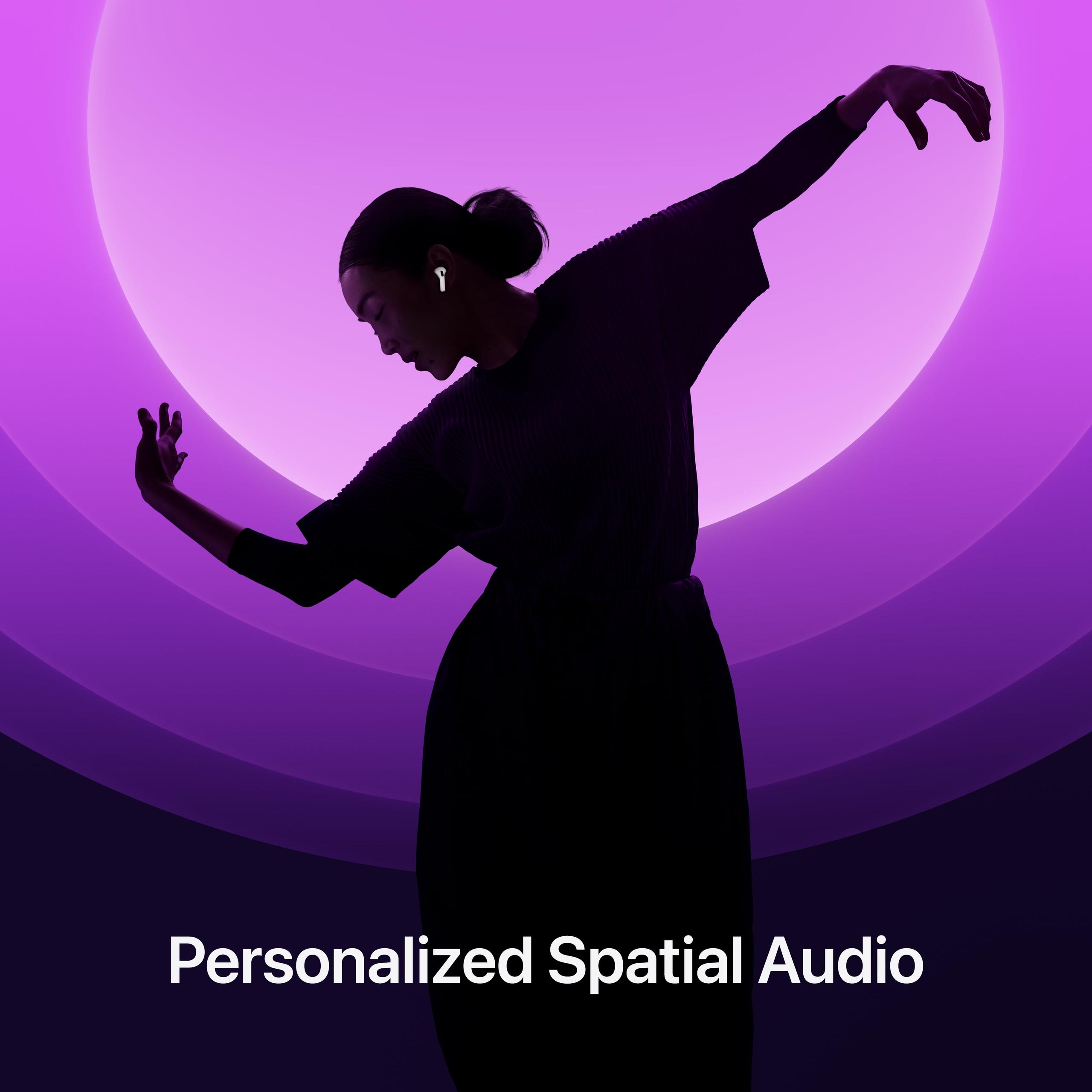
Personalized Spatial Audio is probably the most impressive feature. Using accelerometers and gyroscopes, the earbuds track your head movements and adjust the soundstage accordingly. When you turn your head while watching a movie, the audio shifts naturally, creating an almost surreal sense of immersion. It's particularly effective for home theater use—watching movies with the AirPods 4 can feel surprisingly cinematic.
The Adaptive EQ feature continuously tunes the sound based on how the earbuds fit in your ears. Since everyone's ears are shaped differently, this personalization can make a significant difference in sound quality. The AirPods 4 also emphasize vocal clarity, making them exceptional for podcasts, audiobooks, and calls.
However, the open design inherently limits bass response. Physics dictates that without a sealed ear canal, low frequencies have nowhere to build up pressure. Apple has used computational techniques to enhance bass, but it can't fully overcome the physical limitations. If you're a bass lover, the AirPods 4 might leave you wanting more.
ANC technology has come a long way, but implementing it effectively in tiny earbuds remains one of the most challenging aspects of modern audio engineering.
The Galaxy Buds2 Pro use six high-SNR (Signal-to-Noise Ratio) microphones—three per earbud—to detect and cancel environmental noise. The system achieves approximately 30dB of noise reduction at 100Hz, which is particularly effective at canceling consistent, low-frequency sounds like airplane engines, air conditioning, or traffic rumble.
What makes Samsung's implementation "intelligent" is the Voice Detect feature. When you start speaking, the earbuds automatically pause music, disable ANC, and activate ambient sound mode so you can have a conversation without removing them. After you stop talking, everything returns to normal within 5-15 seconds. It's surprisingly seamless in practice and eliminates the awkward fumbling to pause music when someone approaches your desk.
The sealed design gives Samsung a significant advantage here. The physical barrier created by the ear tips provides passive noise isolation, which works alongside the electronic cancellation for maximum effectiveness. This dual approach makes the Galaxy Buds2 Pro particularly effective in noisy environments like airplanes or busy offices.
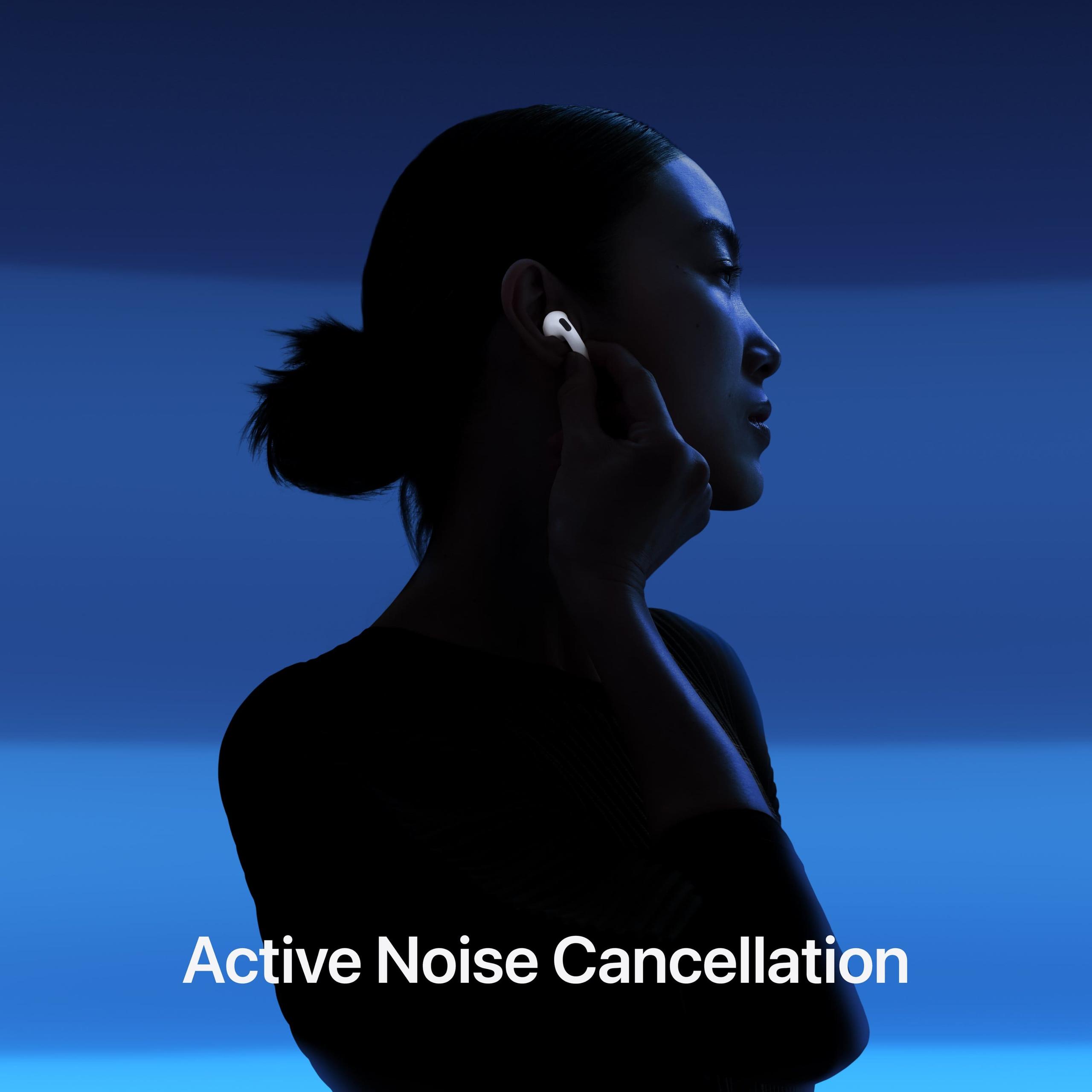
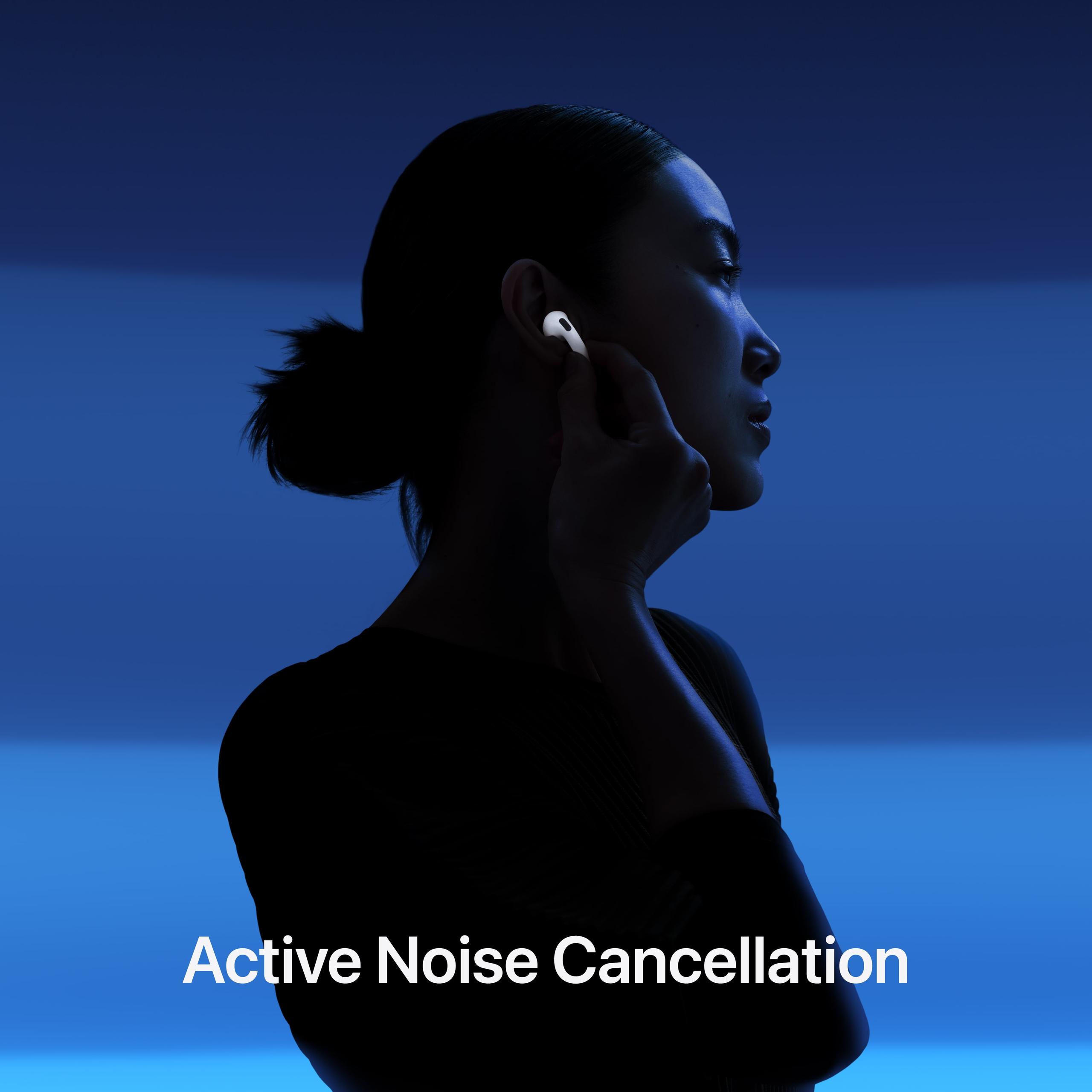
The AirPods 4 achieving ANC in an open-ear design is genuinely impressive engineering. Apple uses computational audio to create "zones" of quiet around your ears, even without a physical seal. The H2 chip processes audio 48,000 times per second, constantly adjusting the cancellation based on your environment.
The result is Adaptive Audio—a feature that seamlessly blends noise cancellation and transparency modes based on your surroundings. In a quiet coffee shop, it might provide light transparency so you can hear your order being called. On a busy street, it ramps up the noise cancellation to help you focus on your music.
Conversation Awareness is particularly clever—it automatically detects when you're speaking and lowers your audio volume while enhancing ambient sound. This makes natural conversation possible without any manual intervention.
However, the laws of physics still apply. The AirPods 4 simply cannot match the noise isolation of sealed designs. While the ANC is impressive for an open-ear design, it's inherently limited compared to traditional in-ear models.
This is an area where the differences become quite pronounced, and it's worth paying attention to if you make frequent calls.
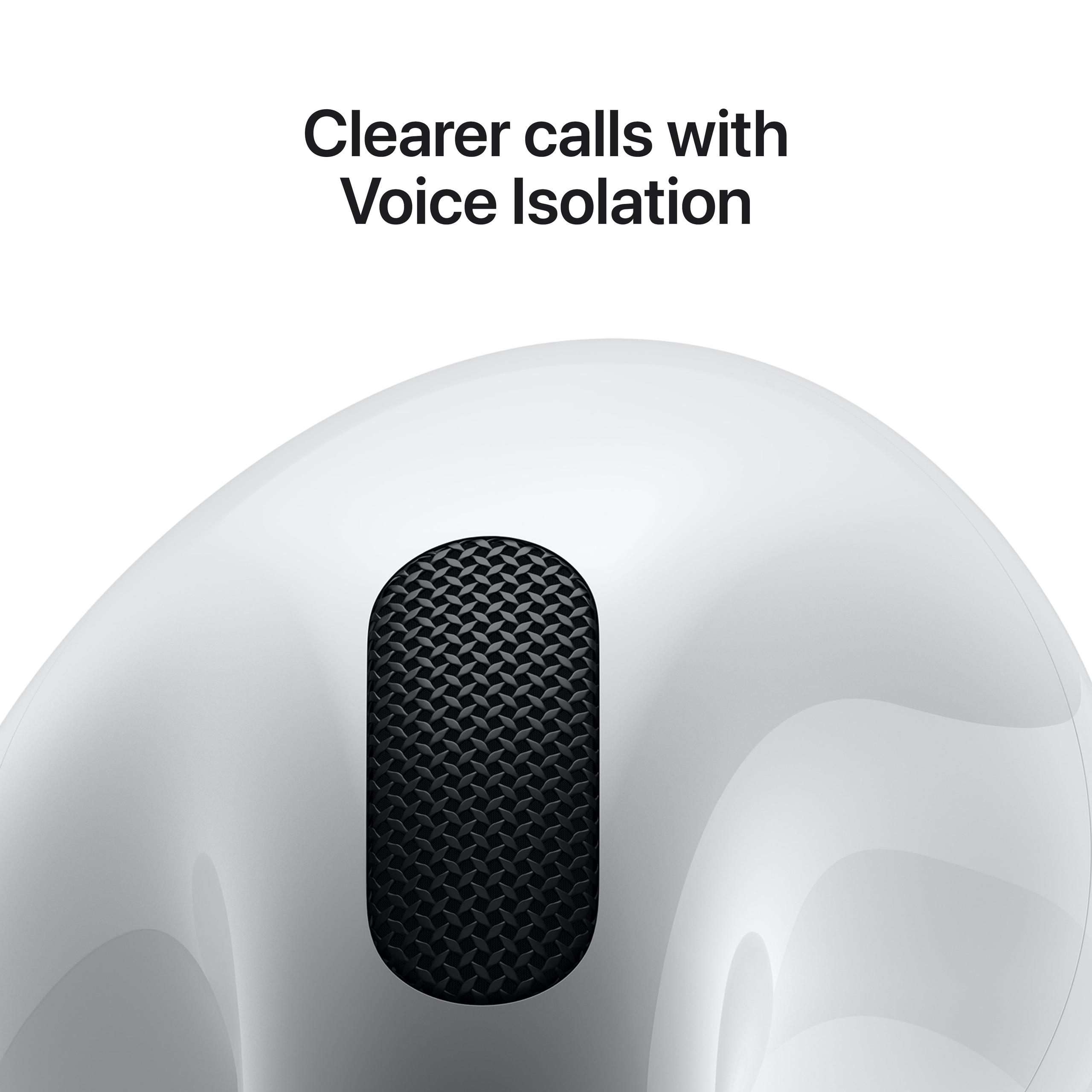
The Apple AirPods 4 excel here thanks to their Voice Isolation technology. Using beamforming microphones and advanced computational audio, they can dramatically reduce background noise while keeping your voice clear and natural. The open design actually helps here—your voice doesn't sound as "sealed off" as it might with traditional in-ear designs.
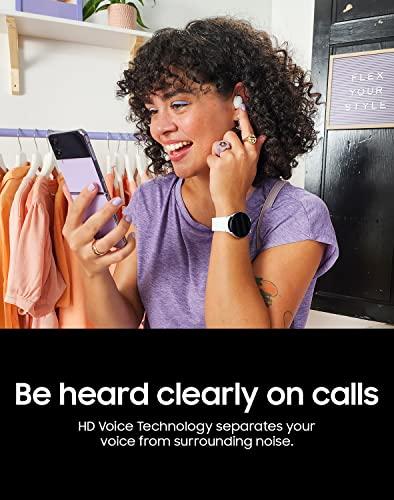
The Galaxy Buds2 Pro, while featuring six microphones and a dedicated Voice Pickup Unit (VPU), receive more mixed reviews for call quality. In quiet environments, they perform adequately, but they struggle more with background noise separation compared to Apple's solution.
If you're frequently on calls in noisy environments—busy offices, coffee shops, or while walking outside—the AirPods 4 have a clear advantage here.
Battery performance can make or break your daily experience with earbuds, and both approaches have their merits.
The Galaxy Buds2 Pro offer superior single-charge listening time: up to 5 hours with ANC enabled, extending to 8 hours with ANC disabled. The charging case provides multiple additional charges, bringing total listening time to around 18-30 hours depending on usage. For long flights or extended work sessions, this extra endurance matters.
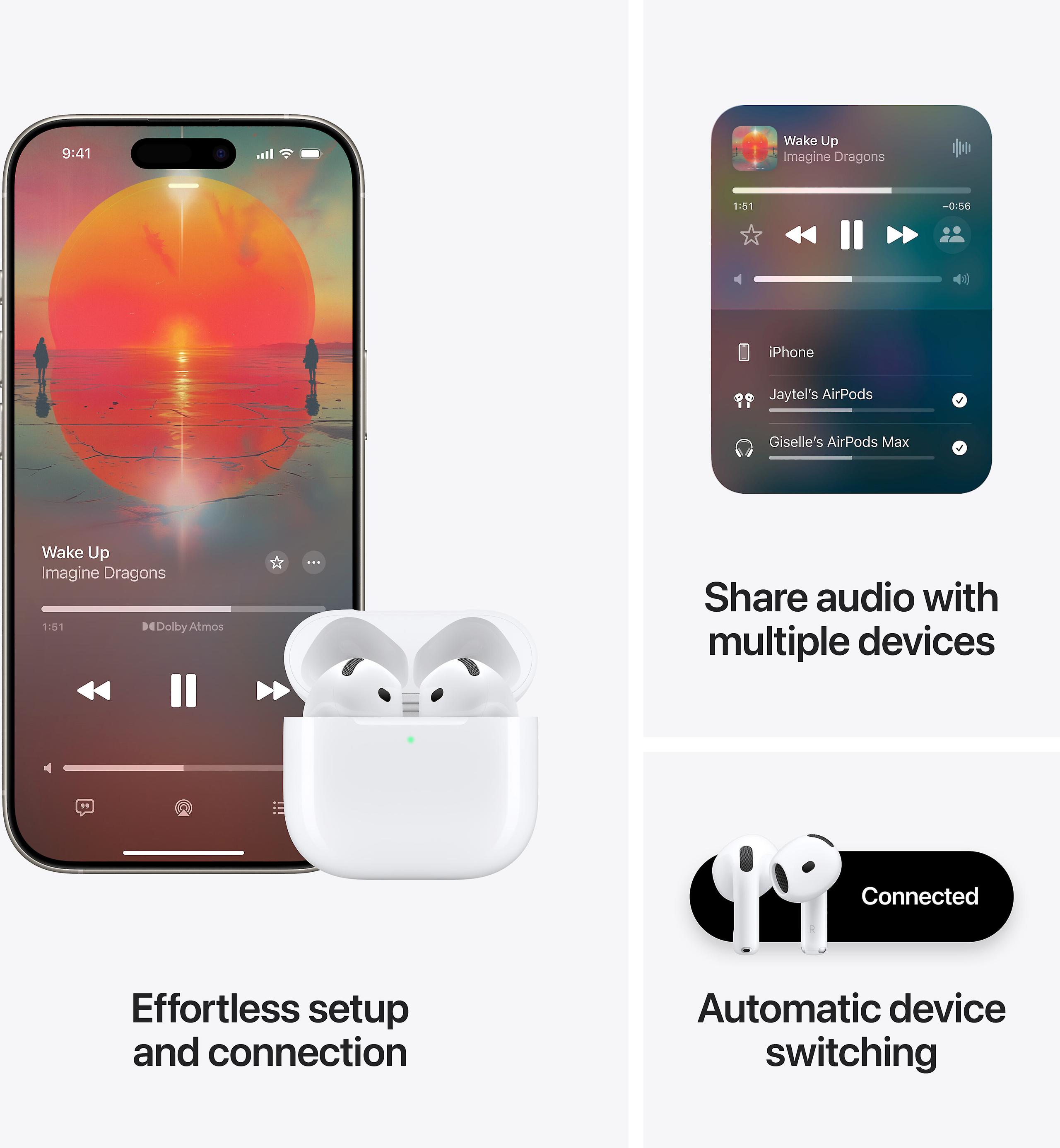
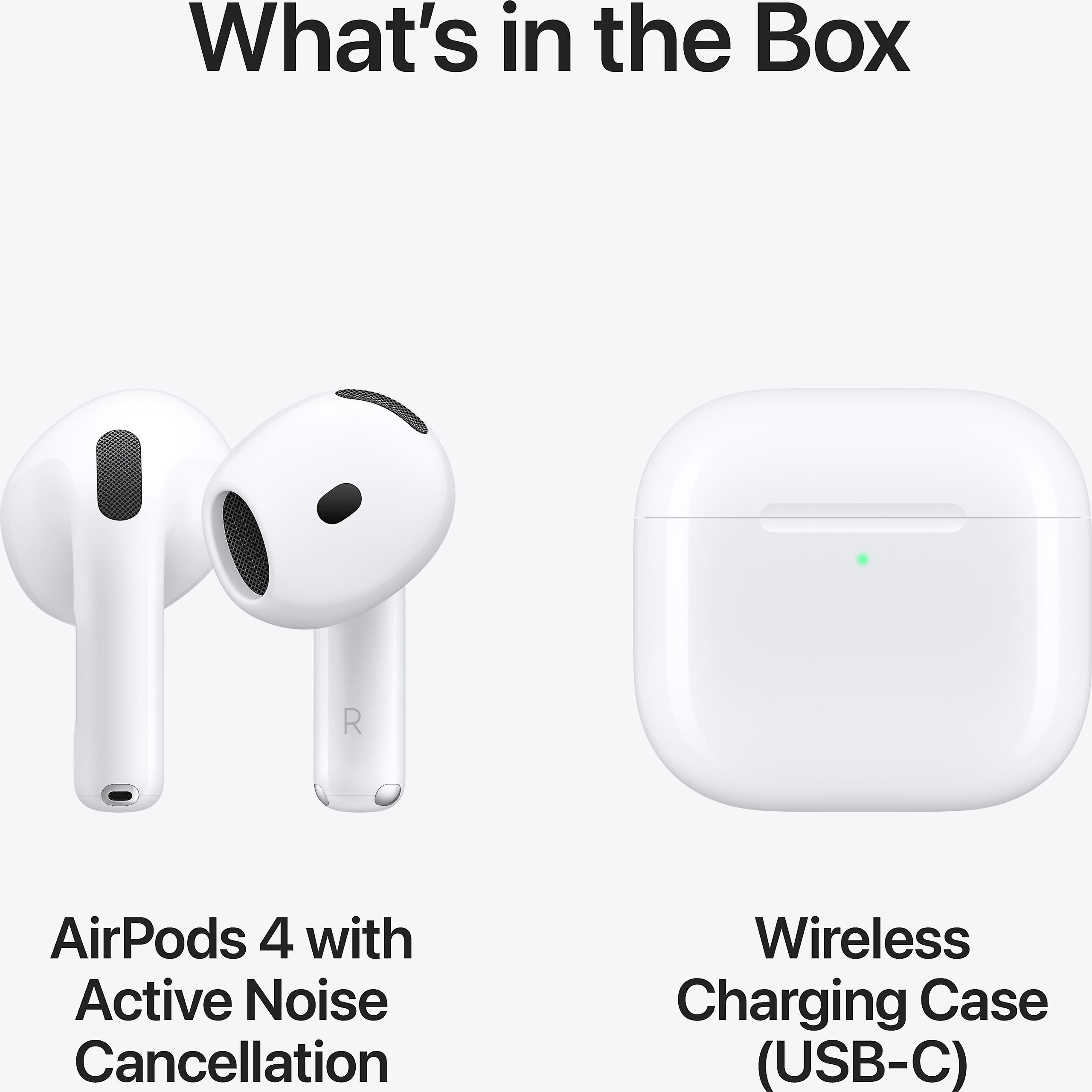
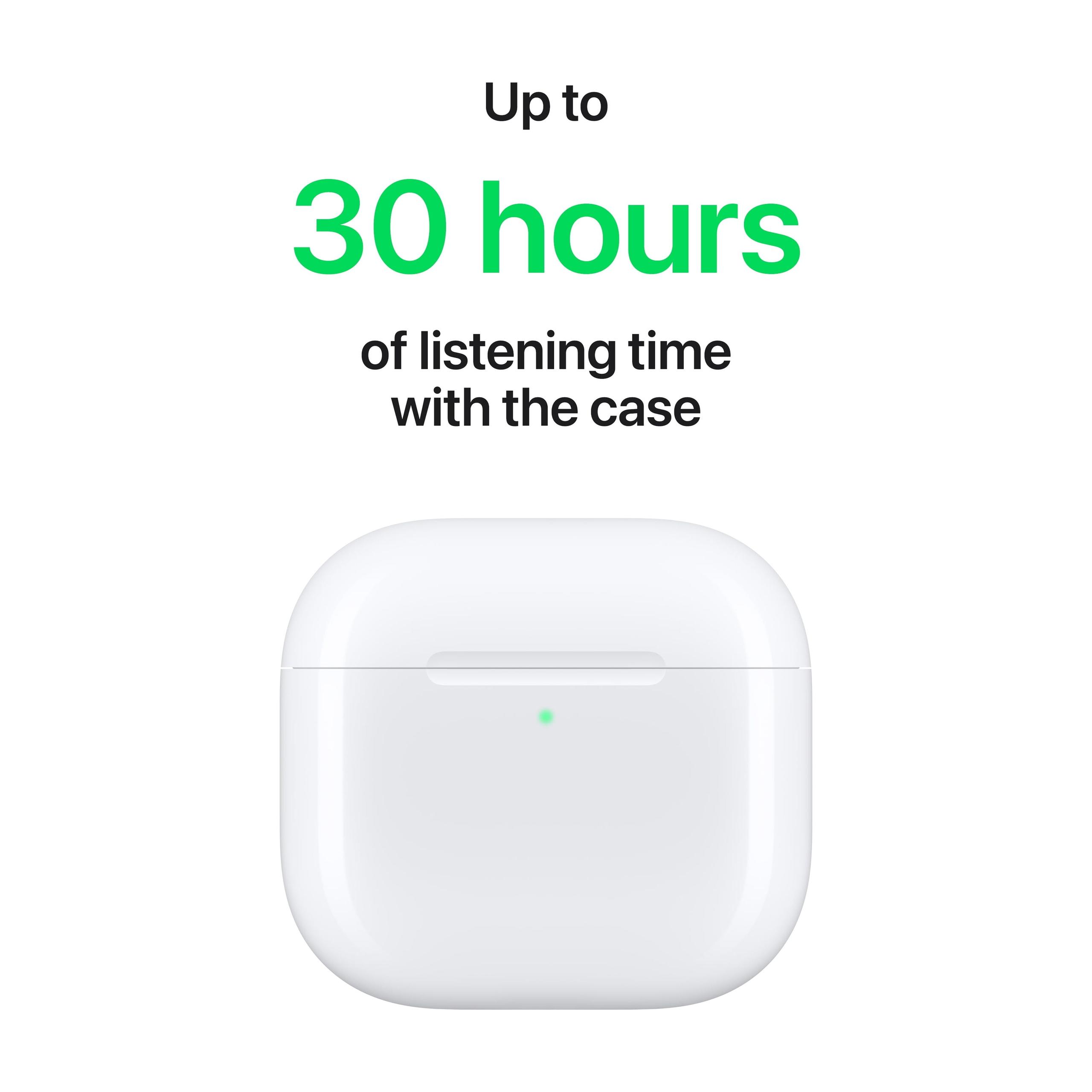
The AirPods 4 provide about 4 hours with ANC enabled, or 5 hours with noise control off. The total battery life with the case is similar—around 20-30 hours total. While the single-charge time is shorter, Apple compensates with faster charging and more charging options. You can charge the case via USB-C, wirelessly, or even on an Apple Watch charger, which is genuinely convenient.
Both earbuds offer quick-charge features that provide several hours of listening from just a few minutes in the case. In practical use, this often matters more than absolute battery life.
This is where these earbuds really show their intended audience, and it significantly impacts the overall experience.
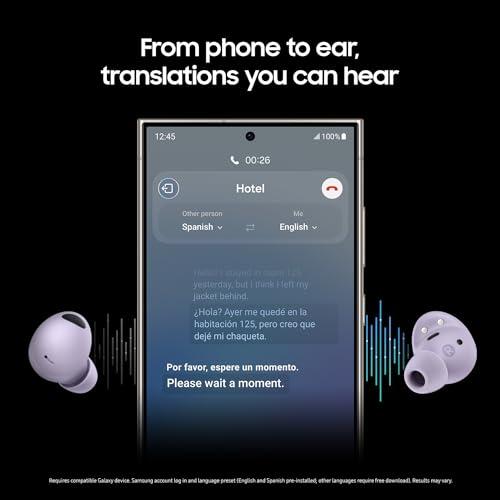
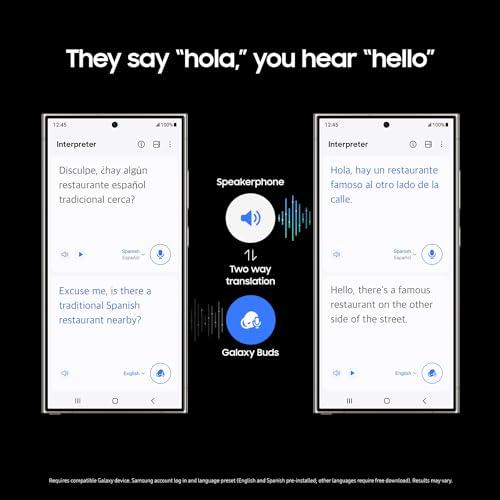
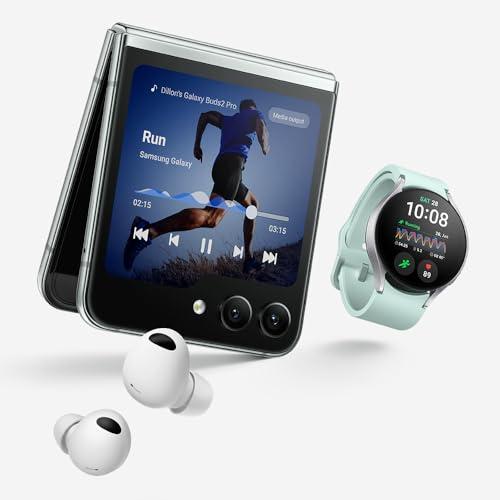
The Galaxy Buds2 Pro are clearly designed for Samsung device owners. With a Galaxy phone or tablet, you get seamless device switching, instant pairing with a simple pop-up, and access to the full Galaxy Wearable app with extensive customization options.
The SSC codec, which enables 24-bit audio, only works with Samsung devices. You also get features like SmartThings Find for locating lost earbuds, Bixby voice commands, and integration with Samsung's broader smart home ecosystem.
On non-Samsung Android devices, you still get good functionality, though some features are limited. On iPhones, the experience is more basic—you lose the advanced app features and are stuck with standard audio codecs.
The AirPods 4 are optimized for Apple's ecosystem in ways that feel almost magical when everything works together. Automatic device switching between iPhone, iPad, and Mac happens seamlessly based on what you're actively using. Start watching a video on your iPad, and the audio automatically switches over. Answer a call on your iPhone, and it switches again.
Siri integration is hands-free and natural—just say "Hey Siri" to control music, make calls, or get information. The Find My integration includes proximity view and sound alerts, making it easy to locate lost earbuds.
On Android devices, the AirPods 4 function as basic Bluetooth earbuds. You lose most of the smart features, the seamless switching, and the advanced audio processing. They'll play music fine, but you're missing much of what makes them special.
At the time of writing, both earbuds fall into the premium price category, though the AirPods 4 typically retail for somewhat less than the Galaxy Buds2 Pro. However, street prices fluctuate frequently, and sales can dramatically change the value equation.
The Galaxy Buds2 Pro offer more traditional premium earbud value: superior audio quality, longer battery life, and more effective noise cancellation. If you're an Android user, particularly with Samsung devices, they provide excellent value for the feature set.
The AirPods 4 command a premium for their innovative open-ear ANC design and superior ecosystem integration. For Apple users, the seamless experience and unique features justify the cost. For Android users, they're harder to recommend unless you specifically want the open-ear design.
For home theater use, both earbuds offer interesting possibilities, though with different strengths.
The AirPods 4 shine here with Personalized Spatial Audio. When connected to an Apple TV or iPad, the head tracking creates an genuinely immersive surround sound experience. The open design also means you can still hear important sounds—like a crying baby or the doorbell—while watching movies.
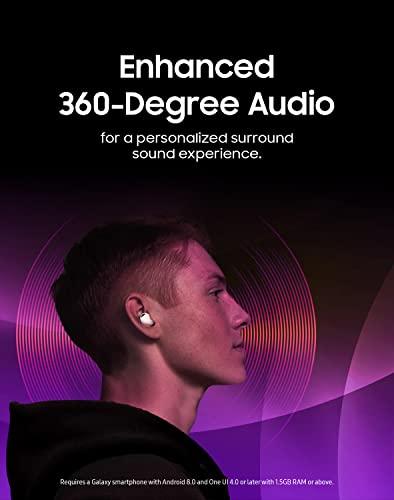
The Galaxy Buds2 Pro offer 360 Audio support on Samsung devices, which provides similar spatial audio effects. The sealed design and better bass response can make action movies feel more impactful, though you'll be more isolated from your surroundings.
For late-night viewing when you need to be quiet, both work well, though the AirPods 4 might be more comfortable for extended movie sessions due to the open design reducing ear fatigue.
You're an audio quality enthusiast who wants the best possible sound from wireless earbuds. The 24-bit Hi-Fi support and dual-driver system deliver genuinely impressive audio that rivals much more expensive options.
You need maximum noise cancellation for commuting, flying, or working in noisy environments. The sealed design provides superior isolation from the outside world.
You own Samsung devices and want seamless integration with features like device switching and advanced app controls.
You prioritize battery life and need earbuds that can last through long listening sessions without frequent charging.
You don't mind the sealed in-ear feel and can achieve a good fit with the included ear tips.
You're embedded in Apple's ecosystem and want earbuds that work seamlessly across all your devices. The automatic switching and integration features alone can justify the premium.
You prefer the comfort of open-ear design, especially for all-day wear or if traditional in-ear earbuds cause discomfort.
You make frequent calls and need superior microphone performance with effective background noise reduction.
You value innovative features like Conversation Awareness and Adaptive Audio over absolute noise cancellation performance.
You want spatial audio for movies and immersive content, particularly for home theater use.
You prioritize situational awareness and don't want to be completely isolated from your environment.
These earbuds represent two excellent but fundamentally different approaches to premium wireless audio. The Samsung Galaxy Buds2 Pro excel at traditional earbud strengths—superior sound quality, effective noise cancellation, and long battery life. They're the choice for audio enthusiasts and anyone who wants maximum performance in a compact package.
The Apple AirPods 4 break new ground with their open-ear ANC design, prioritizing comfort, call quality, and ecosystem integration. They're ideal for Apple users who want innovative features and all-day wearability, even if that means some compromises in absolute audio performance.
Neither choice is wrong—it depends entirely on your priorities, device ecosystem, and personal preferences. The Galaxy Buds2 Pro are the better traditional earbuds, while the AirPods 4 are pioneering something genuinely new in the wireless audio space.
Consider your daily usage patterns, your device ecosystem, and what aspects of audio matter most to you. Both earbuds represent the cutting edge of their respective philosophies, and both will serve their intended audiences exceptionally well.
| Samsung Galaxy Buds2 Pro | Apple AirPods 4 ANC |
|---|---|
| Design Philosophy - Fundamentally different approaches to fit and isolation | |
| Sealed in-ear with silicone tips (traditional premium approach) | Open-ear design with no tips (innovative comfort-first approach) |
| Audio Quality - Core sound reproduction capabilities | |
| 24-bit Hi-Fi with dual drivers (10mm woofer + 5.3mm tweeter) | Computational audio with single custom driver + Adaptive EQ |
| Bass Response - Critical for music genres like hip-hop and EDM | |
| Deep, impactful bass due to sealed design | Limited bass due to open design, enhanced computationally |
| Active Noise Cancellation - Effectiveness at blocking outside noise | |
| ~30dB reduction with 6 mics, excellent isolation | Innovative open-ear ANC, good but physically limited |
| Battery Life (Single Charge) - How long before needing the case | |
| 5 hours with ANC on, 8 hours with ANC off | 4 hours with ANC on, 5 hours with ANC off |
| Call Quality - Microphone performance for phone calls | |
| Adequate in quiet environments, struggles with noise | Excellent voice isolation with beamforming mics |
| Ecosystem Integration - Device compatibility and smart features | |
| Best with Samsung Galaxy Buds2 Pro devices, SSC codec exclusive | Seamless with Apple devices, automatic switching, Siri integration |
| Codec Support - Audio quality when streaming from devices | |
| SSC (Samsung only), AAC, SBC | AAC, SBC (optimized for Apple devices) |
| Spatial Audio - Immersive sound for movies and content | |
| 360 Audio on Samsung devices with head tracking | Personalized Spatial Audio with dynamic head tracking |
| Comfort for Extended Use - All-day wearability | |
| Depends on ear tip fit, some find sealed design fatiguing | Universally comfortable, no ear pressure or fatigue |
| Water Resistance - Protection against sweat and rain | |
| IPX7 rated (earbuds only) | No official IP rating |
| Weight per Earbud - Affects comfort during long sessions | |
| 5.5g each (among the lightest sealed designs) | 4.3g each (ultralight open design) |
| Smart Features - Convenience and automation | |
| Voice Detect, ambient sound control, Bixby integration | Conversation Awareness, Adaptive Audio, automatic switching |
The Samsung Galaxy Buds2 Pro deliver superior overall sound quality with their dual-driver system featuring a 10mm woofer and 5.3mm tweeter, plus 24-bit Hi-Fi audio support through Samsung's proprietary codec. They offer deeper bass and more detailed audio reproduction. The Apple AirPods 4 focus on computational audio with excellent vocal clarity and Personalized Spatial Audio, but have limited bass response due to their open-ear design. For pure audio fidelity, the Samsung Galaxy Buds2 Pro are the clear winner.
The Samsung Galaxy Buds2 Pro provide significantly better noise cancellation with approximately 30dB of noise reduction using 6 high-SNR microphones and a sealed design that blocks noise both electronically and physically. The Apple AirPods 4 feature innovative open-ear ANC technology, which is impressive for the design but inherently limited compared to sealed earbuds. For maximum noise isolation, choose the Samsung Galaxy Buds2 Pro.
The Apple AirPods 4 are generally more comfortable for extended wear due to their open-ear design that eliminates ear pressure and the "plugged up" feeling. At just 4.3g each, they're ultralight and don't require ear tips. The Samsung Galaxy Buds2 Pro are also lightweight at 5.5g each, but comfort depends on achieving the right fit with silicone ear tips. For all-day comfort, the Apple AirPods 4 have the advantage.
The Samsung Galaxy Buds2 Pro offer superior battery life with 5 hours of listening with ANC on (8 hours with ANC off) and up to 30 hours total with the charging case. The Apple AirPods 4 provide 4 hours with ANC on (5 hours with ANC off) and up to 20-30 hours total with the case. The Samsung Galaxy Buds2 Pro are better for long listening sessions without frequent charging.
The Apple AirPods 4 excel in call quality with superior Voice Isolation technology and beamforming microphones that effectively reduce background noise while keeping your voice clear. The Samsung Galaxy Buds2 Pro perform adequately in quiet environments but struggle more with background noise separation despite having 6 microphones. For frequent calls, especially in noisy environments, the Apple AirPods 4 are the better choice.
The Apple AirPods 4 are significantly better for iPhone users, offering seamless device switching, Siri integration, automatic pairing, and access to all advanced features like Spatial Audio and Adaptive Audio. The Samsung Galaxy Buds2 Pro work with iPhones but only provide basic Bluetooth functionality, losing most smart features and the 24-bit Hi-Fi audio capability.
The Samsung Galaxy Buds2 Pro are better for Android users, especially those with Samsung Galaxy devices who get access to the Samsung Seamless Codec for 24-bit audio, automatic device switching, and full Galaxy Wearable app functionality. The Apple AirPods 4 function as basic Bluetooth earbuds on Android, losing most smart features like automatic switching and Spatial Audio.
The Samsung Galaxy Buds2 Pro are better for workouts with their IPX7 water resistance rating and secure in-ear fit that won't fall out during exercise. The Apple AirPods 4 lack an official IP rating and their open design may not stay secure during vigorous activity. For fitness use, the Samsung Galaxy Buds2 Pro are the more reliable choice.
The Samsung Galaxy Buds2 Pro are significantly better for bass-heavy genres due to their sealed design and 10mm woofer that can produce deep, impactful low frequencies. The warm sound signature emphasizes bass naturally. The Apple AirPods 4 have limited bass response due to their open design, which prevents low frequencies from building pressure in your ear canal.
The Apple AirPods 4 excel for video content with Personalized Spatial Audio that creates an immersive surround sound experience with head tracking, making movies feel more cinematic. The Samsung Galaxy Buds2 Pro offer 360 Audio on Samsung devices and provide better bass for action sequences, but the Apple AirPods 4 deliver a more theater-like experience overall.
Both offer excellent smart features but for different ecosystems. The Apple AirPods 4 feature Conversation Awareness that automatically adjusts volume during conversations, seamless device switching, and hands-free Siri. The Samsung Galaxy Buds2 Pro include Voice Detect that pauses music during conversations, ambient sound control, and Bixby integration. Choose based on your device ecosystem.
Value depends on your device ecosystem and priorities. The Samsung Galaxy Buds2 Pro offer more traditional premium features like superior sound quality, longer battery life, and better noise cancellation. The Apple AirPods 4 provide innovative open-ear ANC design and seamless Apple integration. For Android users, the Samsung Galaxy Buds2 Pro typically offer better value, while Apple users get more from the Apple AirPods 4.
We've done our best to create useful and informative comparisons to help you decide what product to buy. Our research uses advanced automated methods to create this comparison and perfection is not possible - please contact us for corrections or questions. These are the sites we've researched in the creation of this article: rtings.com - samsung.com - techradar.com - ozlosleep.com - youtube.com - samsung.com - bestbuy.com - youtube.com - youtube.com - samsung.com - soundguys.com - bestbuy.com - d2z8fvypt29s4a.cloudfront.net - samsung.com - samsung.com - blog.happioteam.com - shopsavvy.com - media.dustin.eu - soundguys.com - youtube.com - samsung.com - samsung.com - device.report - samsung.com - tomsguide.com - apple.com - youtube.com - apple.com - staples.com - support.apple.com - connection.com - support.apple.com - pcrichard.com - adorama.com - zones.com - cdw.com

Privacy Policy
Terms and Conditions - Affiliate Policy
Home Security
© Copyright 2008-2026.
11816 Inwood Rd #1211, Dallas, TX 75244