




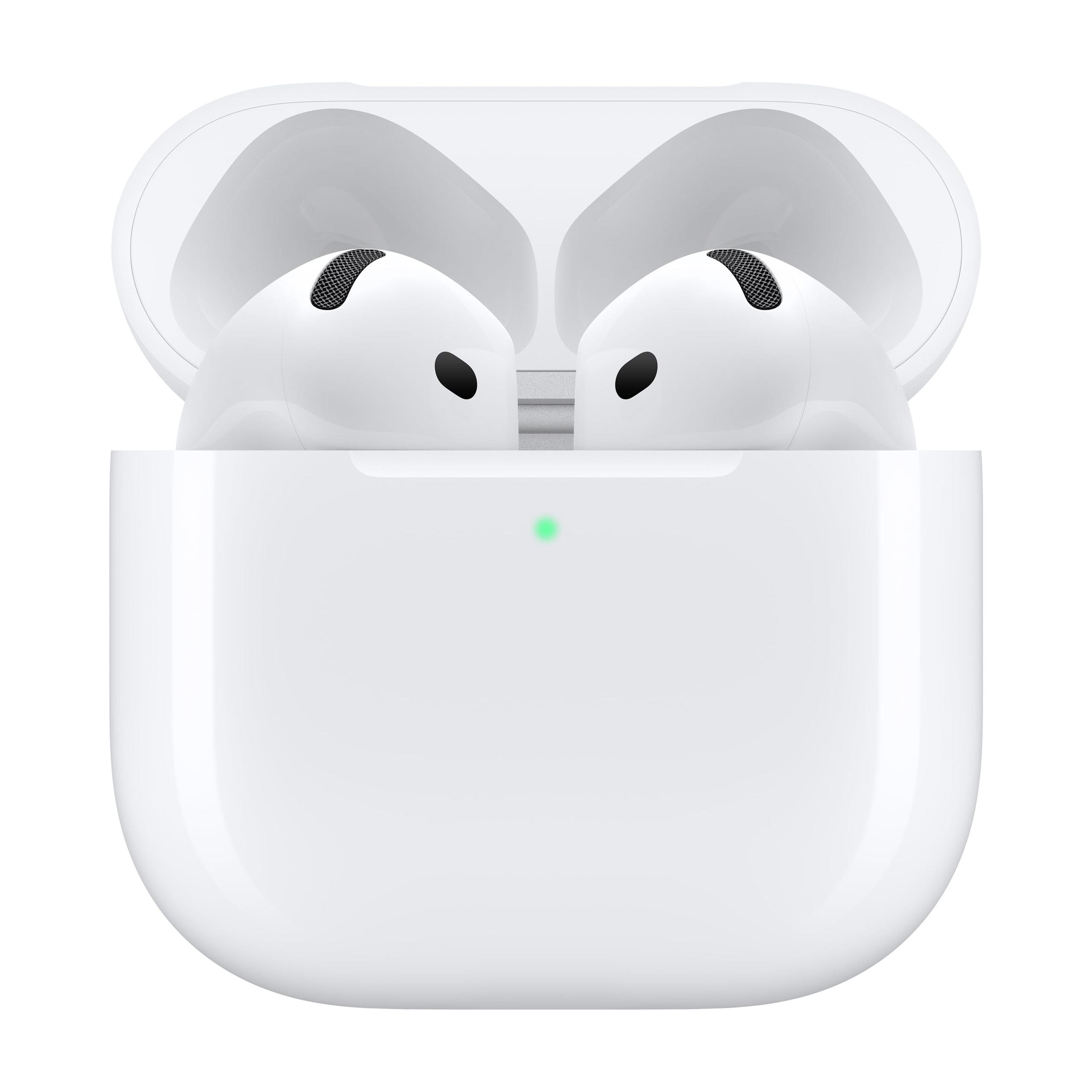
Apple released both the AirPods Pro 3 and AirPods 4 with Active Noise Cancellation in 2024, representing two dramatically different philosophies for wireless audio. At the time of writing, the Pro 3 costs roughly twice as much as the AirPods 4 with ANC, but that price gap reflects fundamental differences in design, performance, and capabilities rather than simple market positioning.
These aren't just different tiers of the same product—they're entirely different approaches to solving the wireless earbuds challenge. One seals your ears for maximum isolation, while the other keeps them open for environmental awareness. Understanding which philosophy matches your needs is crucial for making the right choice.
The most important decision you'll make isn't about features or sound quality—it's about whether you want earbuds that seal your ears or leave them open. This fundamental difference shapes everything else about these products.
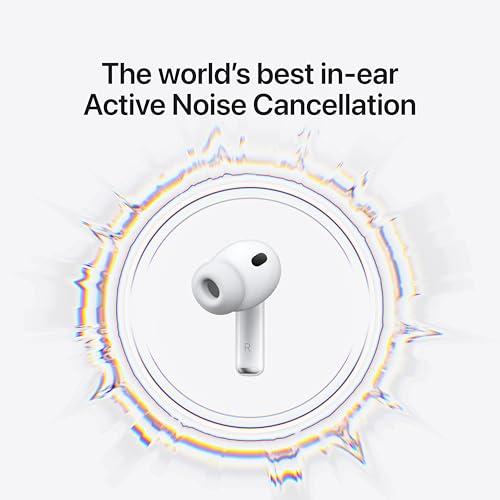
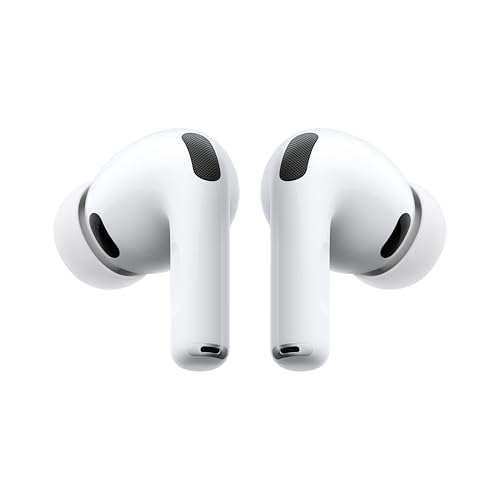
The AirPods Pro 3 follow the sealed in-ear approach. They use foam-infused silicone ear tips that create an acoustic seal inside your ear canal. Think of it like putting a cork in a bottle—once that seal forms, outside sound has a much harder time getting in. This design enables powerful active noise cancellation (ANC), which uses microphones and processing to create "anti-noise" that cancels out ambient sound.
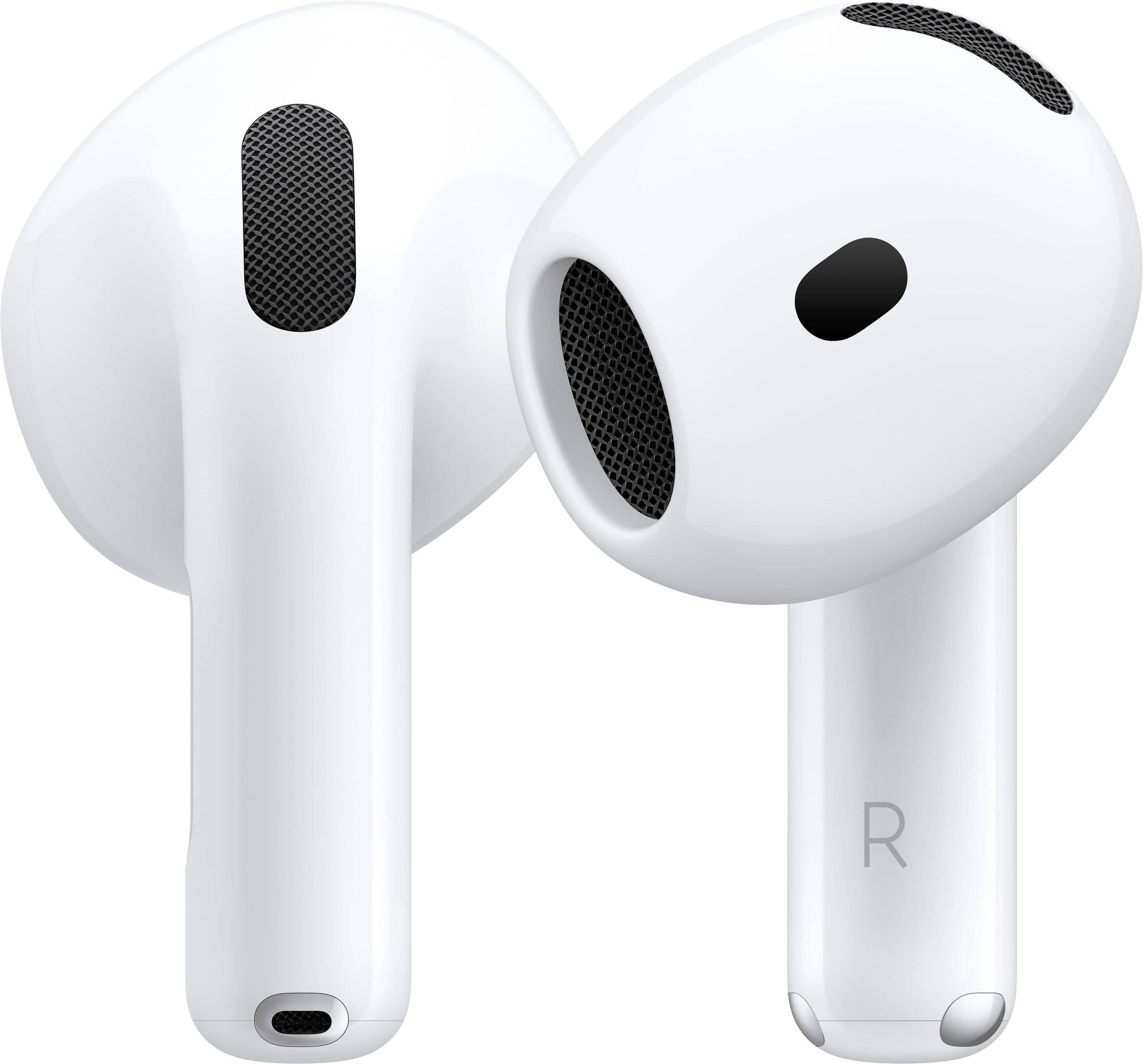
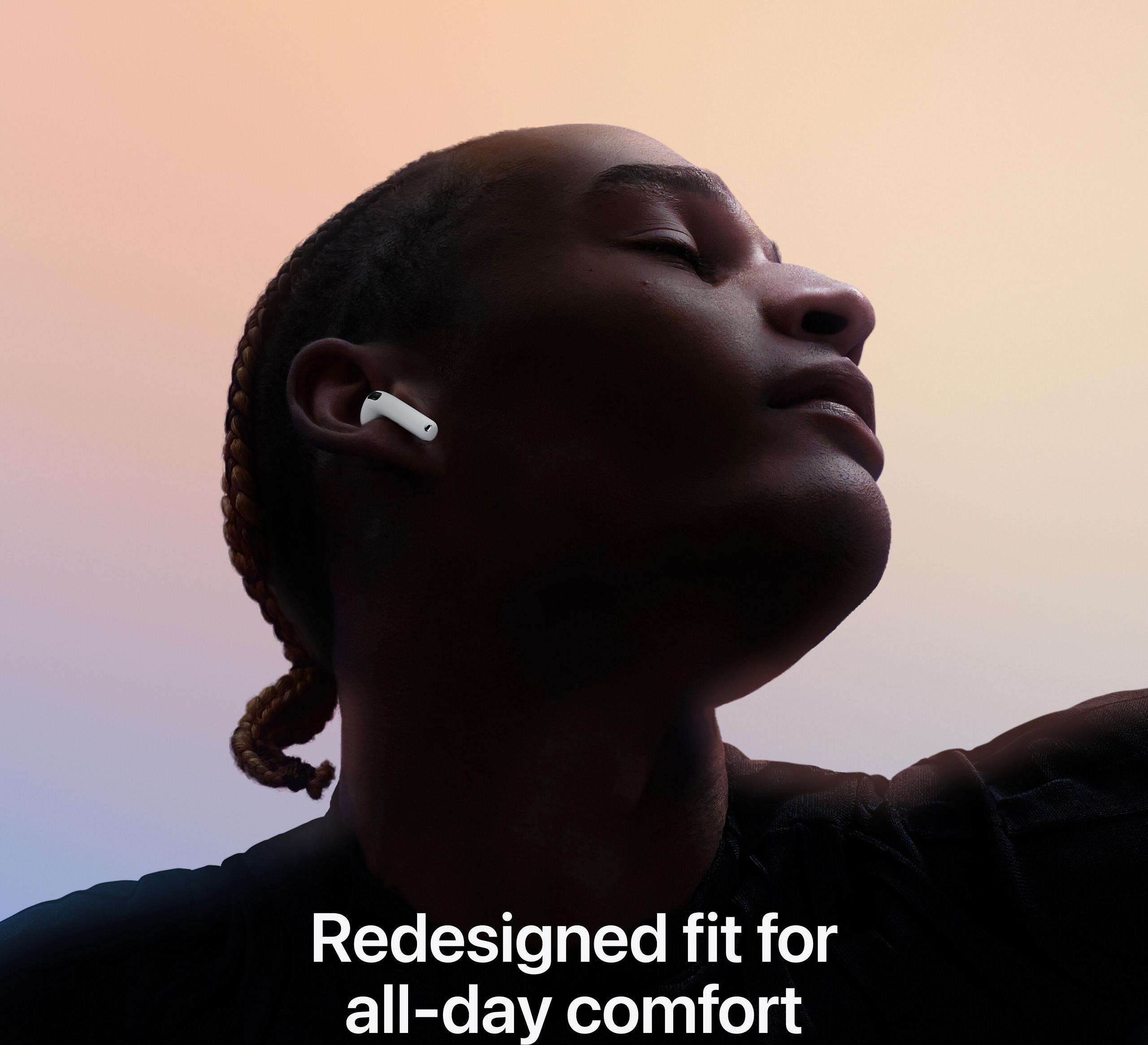
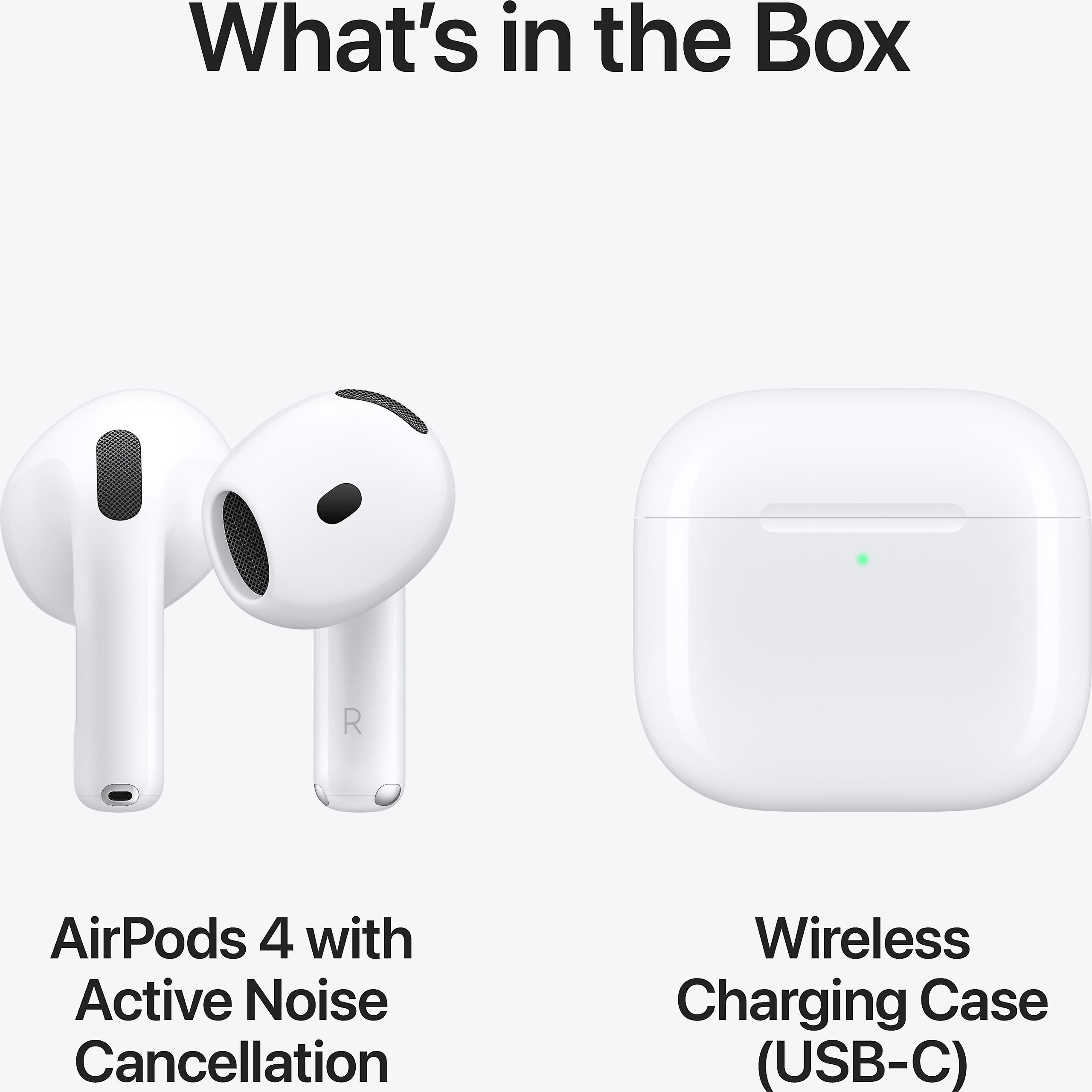
The AirPods 4 with ANC take the opposite approach. They maintain Apple's classic open-ear design, sitting in your outer ear without any tips or seal. It's like having tiny speakers hovering near your eardrums rather than plugging them up. Apple's engineering achievement here is implementing noise cancellation in an open design—something that was considered nearly impossible until recently.
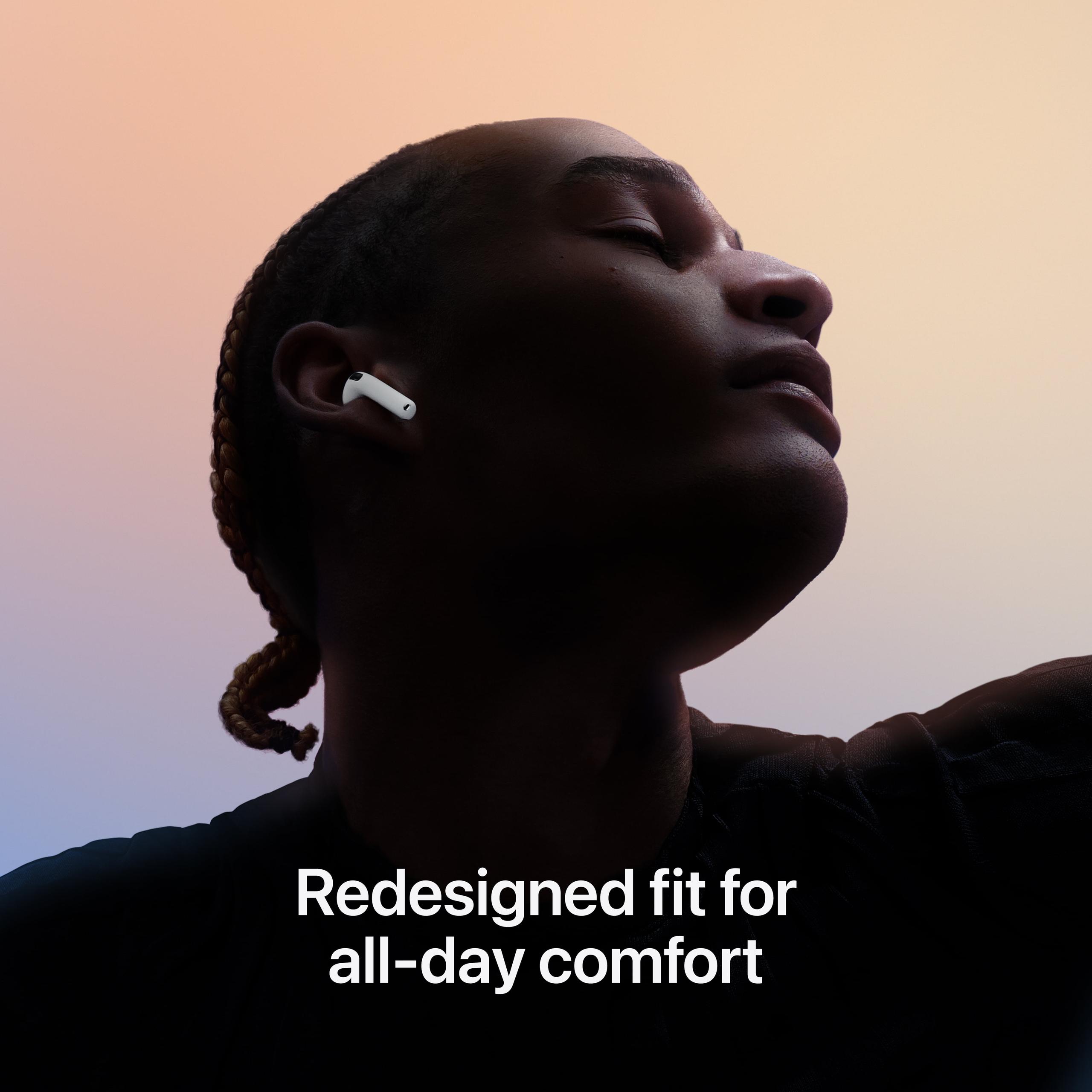
Your comfort preference with these designs often determines your choice regardless of other factors. Some people find sealed earbuds uncomfortable or claustrophobic during long listening sessions. Others can't get a secure fit with open-ear designs, especially during movement. If you've used AirPods before and loved or hated the fit, that experience strongly predicts how you'll feel about these options.
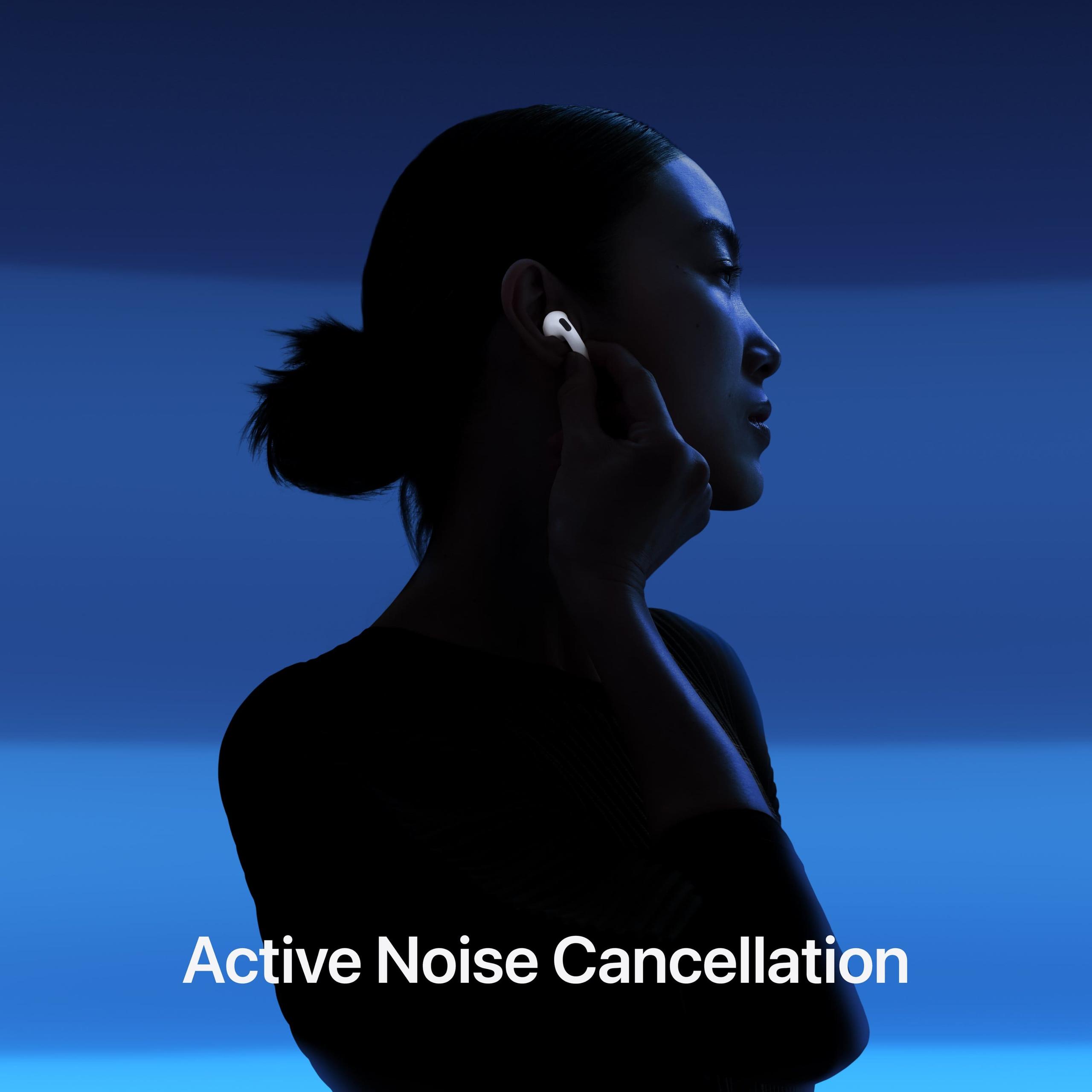
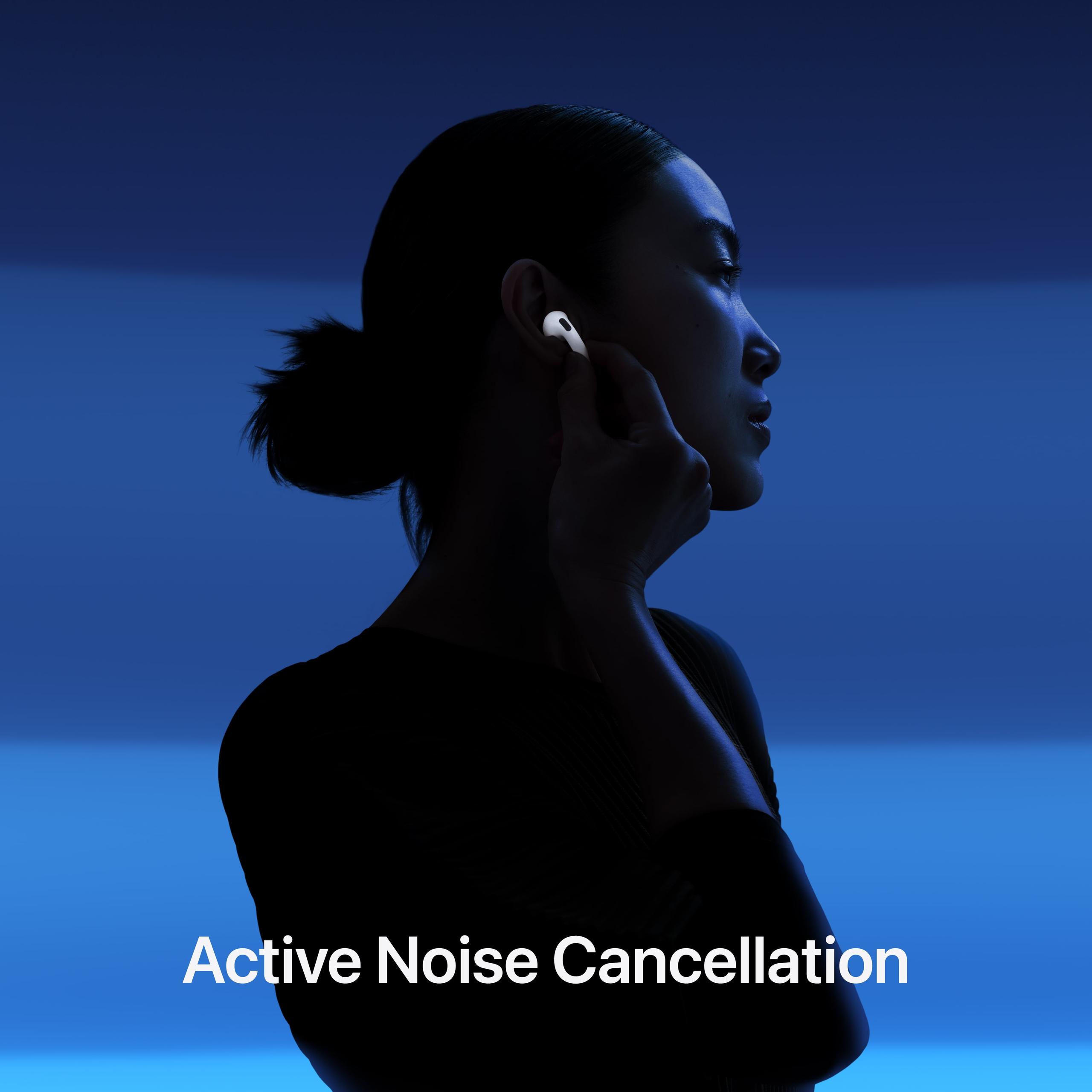
Active noise cancellation represents one of the most impressive achievements in consumer audio technology. Here's how it works: microphones on the outside of each earbud constantly listen to ambient noise. The earbuds' processor analyzes those sounds and generates precise "anti-noise"—sound waves that are exactly opposite to the incoming noise. When the original noise and anti-noise meet, they cancel each other out through destructive interference.
The AirPods Pro 3 excel at this technology because their sealed design provides a massive advantage. The ear tips create passive isolation—physically blocking sound like earplugs do. This passive barrier handles mid and high-frequency sounds (voices, clanking, sudden noises) while the active cancellation tackles low-frequency rumble (airplane engines, air conditioning, traffic). Our research across expert reviews shows the Pro 3 can reduce ambient noise by up to 90% in ideal conditions, making subway noise fade to a distant murmur and airplane cabins feel surprisingly quiet.
The technical specifications reveal why this works so well: the Pro 3 uses upgraded microphones with beamforming technology, plus advanced computational audio powered by Apple's H2 chip. The foam-infused ear tips aren't just for comfort—they provide better passive isolation than traditional silicone, giving the active system less work to do.
The AirPods 4 with ANC face a much more challenging physics problem. Without a seal, there's no passive isolation, so the active cancellation must handle all frequencies by itself. Expert consensus suggests they achieve about 60% of the noise reduction you'd get from sealed designs. That's genuinely impressive engineering—implementing any meaningful noise cancellation in an open design was considered nearly impossible just a few years ago. However, you'll still hear conversations, sudden noises, and most environmental sounds clearly.
For practical use, this difference is dramatic. The Pro 3 create a genuine bubble of quiet that transforms noisy environments into peaceful listening spaces. The AirPods 4 with ANC reduce the loudness of constant background noise like air conditioning or distant traffic, but won't isolate you from your environment.
Audio quality in wireless earbuds depends heavily on how sound reaches your eardrums. The sealed vs. open design creates fundamentally different acoustic environments that shape the entire listening experience.
The AirPods Pro 3 benefit enormously from their sealed design when it comes to bass response. Low-frequency sounds (bass, drums, low vocals) require air pressure to feel impactful. When ear tips create a seal, bass frequencies can build up pressure against your eardrum, creating that satisfying thump you feel in your chest during hip-hop tracks or movie explosions. The Pro 3's new multiport acoustic architecture—essentially a sophisticated system of chambers and vents inside each earbud—precisely controls this airflow to deliver bass that feels both powerful and controlled.
Expert audio reviews consistently praise the Pro 3's frequency response, which describes how evenly the earbuds reproduce different pitches. The custom high-excursion drivers (the tiny speakers inside each earbud) can move more air than previous generations, while the high dynamic range amplifiers provide clean power without distortion. Adaptive EQ technology uses inward-facing microphones to measure how sound actually reaches your specific ears, then adjusts the frequency response in real-time. This means guitar solos sound crisp, vocals feel present and natural, and orchestral music maintains its sense of space and separation between instruments.
The AirPods 4 with ANC face significant acoustic challenges due to their open design. Without a seal, bass frequencies simply escape into the environment rather than building pressure against your eardrum. Our analysis of professional reviews reveals that the AirPods 4 exhibit significant sub-bass roll-off—meaning the lowest frequencies that give music its foundation and power are notably weaker.
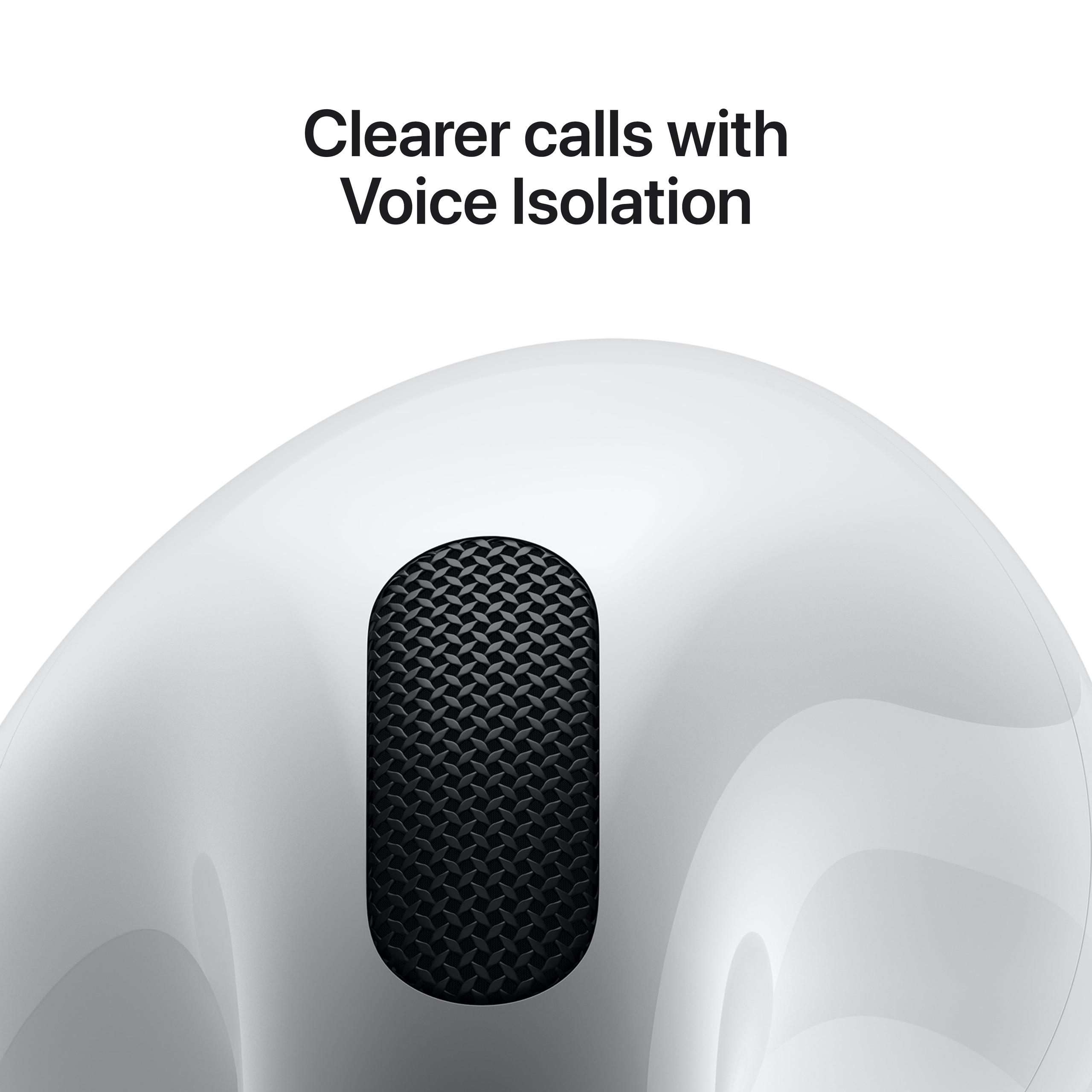
However, open designs have their own advantages. Many listeners prefer the more "natural" presentation that doesn't artificially isolate sound inside your head. The AirPods 4 create what audio engineers call a larger soundstage—music feels like it's happening around you rather than inside your skull. Vocals often sound more forward and immediate, which many people find more engaging for podcasts and phone calls.
Apple has tuned the AirPods 4 with a bass-heavy signature to compensate for the open design's natural bass loss. This creates an interesting contrast with the Pro models' more neutral tuning. For casual listening to pop, rock, or podcasts, many users actually prefer this warmer, more intimate sound signature despite its technical limitations.
Battery performance in wireless earbuds involves complex tradeoffs between size, weight, features, and longevity. Both products approach these challenges differently.
The AirPods Pro 3 deliver up to 8 hours of continuous playback with noise cancellation enabled—a 33% improvement over their predecessors. This represents significant engineering progress, as ANC typically drains batteries quickly due to the constant processing required. The earbuds achieve this through more efficient H2 chip processing and optimized power management for the various sensors and features.
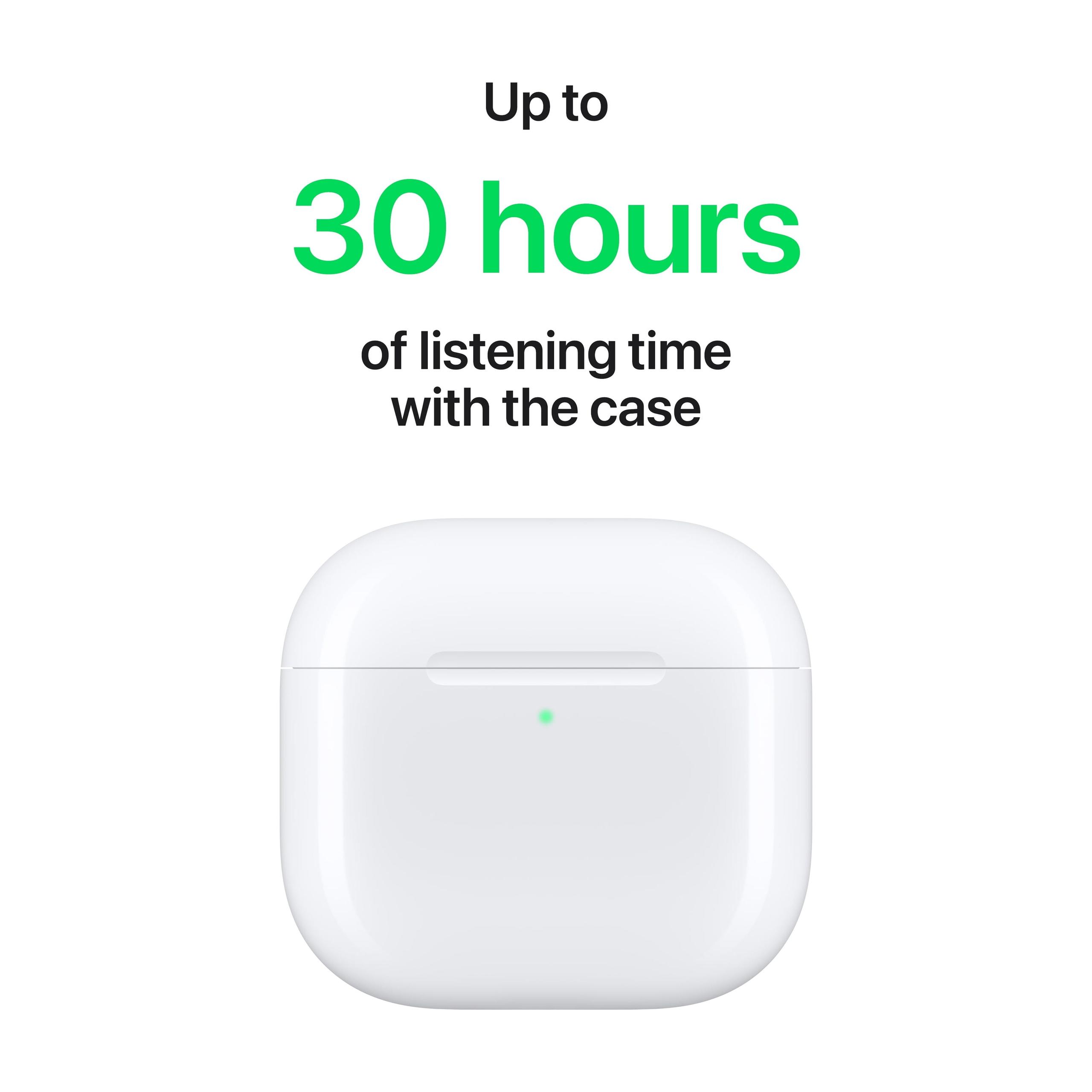
When you factor in the MagSafe charging case, total listening time reaches 24 hours. However, the case is notably larger and heavier than the AirPods 4 case, which reflects the higher battery capacity needed to support the Pro 3's power-hungry features. The case includes wireless charging, precise Find My location tracking, and a built-in speaker for location alerts.
Interestingly, the Pro 3's battery life decreases to about 6.5 hours when heart rate monitoring is active during workouts. This makes sense—the photoplethysmography (PPG) sensors that pulse infrared light 256 times per second to detect blood flow require additional power. Still, 6.5 hours covers even the longest workout sessions for most users.
The AirPods 4 with ANC prioritize portability over raw battery life. At 4 hours per charge with ANC enabled, they require more frequent charging breaks. However, their compact case is genuinely more pocketable—about 21% lighter and noticeably smaller in all dimensions. For users who primarily listen during shorter sessions (commutes, calls, casual music), this tradeoff often makes sense.
The reduced battery life reflects the engineering challenges of fitting ANC technology into Apple's classic AirPods form factor. The earbuds simply don't have space for the larger batteries that would match the Pro 3's endurance.
Water and sweat resistance have become crucial factors as wireless earbuds increasingly accompany users during exercise and outdoor activities. The IP (Ingress Protection) ratings tell an important story about each product's intended use cases.
The AirPods Pro 3 carry an IP57 rating, which breaks down into two key protections: complete dust protection (the "5") and submersion protection up to 3 feet deep for 30 minutes (the "7"). This represents a significant upgrade from earlier AirPods and matches the protection level of many dedicated sports earbuds.
In practical terms, this means confidence during intense workouts, running in rain, or accidental drops into pools or sinks. The sealed design naturally helps with water resistance since there are fewer openings for moisture to penetrate. However, the glossy finish can become slippery when wet or sweaty, which some users find problematic during intense exercise.
The AirPods 4 with ANC offer IP54 protection—complete dust protection but only splash resistance rather than submersion protection. They'll handle sweat from moderate exercise and light rain, but shouldn't be your choice for intense workouts or wet environments. The open design makes achieving higher water resistance more challenging since there are more pathways for moisture to reach sensitive electronics.
Modern wireless earbuds increasingly function as wearable computers, and the feature gap between these products is substantial.
The AirPods Pro 3 represent Apple's most ambitious integration of health technology into earbuds. The heart rate sensors use photoplethysmography—the same technology in Apple Watch—to monitor blood flow by pulsing infrared light and measuring the reflection. Pulsing 256 times per second provides accuracy within a few beats per minute of dedicated fitness trackers during workouts.
This heart rate data integrates with Apple's Fitness app to track over 50 different workout types, calculate calorie burn, and provide personalized insights through the new Workout Buddy feature powered by Apple Intelligence. For users without an Apple Watch, this transforms the Pro 3 into a capable fitness companion that tracks metrics automatically during any activity.
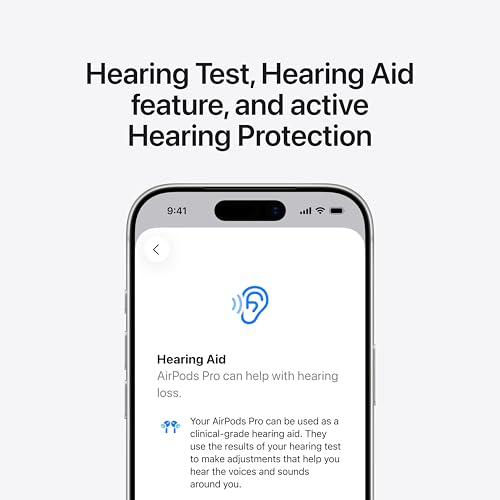
The hearing health features deserve special attention. The Pro 3 can perform a clinically validated hearing test, similar to what you'd receive from an audiologist. Results can reveal hearing loss that many people don't realize they have. For users with mild to moderate hearing loss, the Pro 3 can function as FDA-authorized hearing aids, amplifying specific frequencies based on your hearing profile. Active hearing protection automatically reduces exposure to dangerously loud sounds.
Live Translation represents another breakthrough feature. Using a combination of on-device processing, advanced microphones, and Apple Intelligence, the Pro 3 can provide real-time translation of conversations. Unlike cloud-based translation services, this works offline and maintains privacy by processing everything locally.
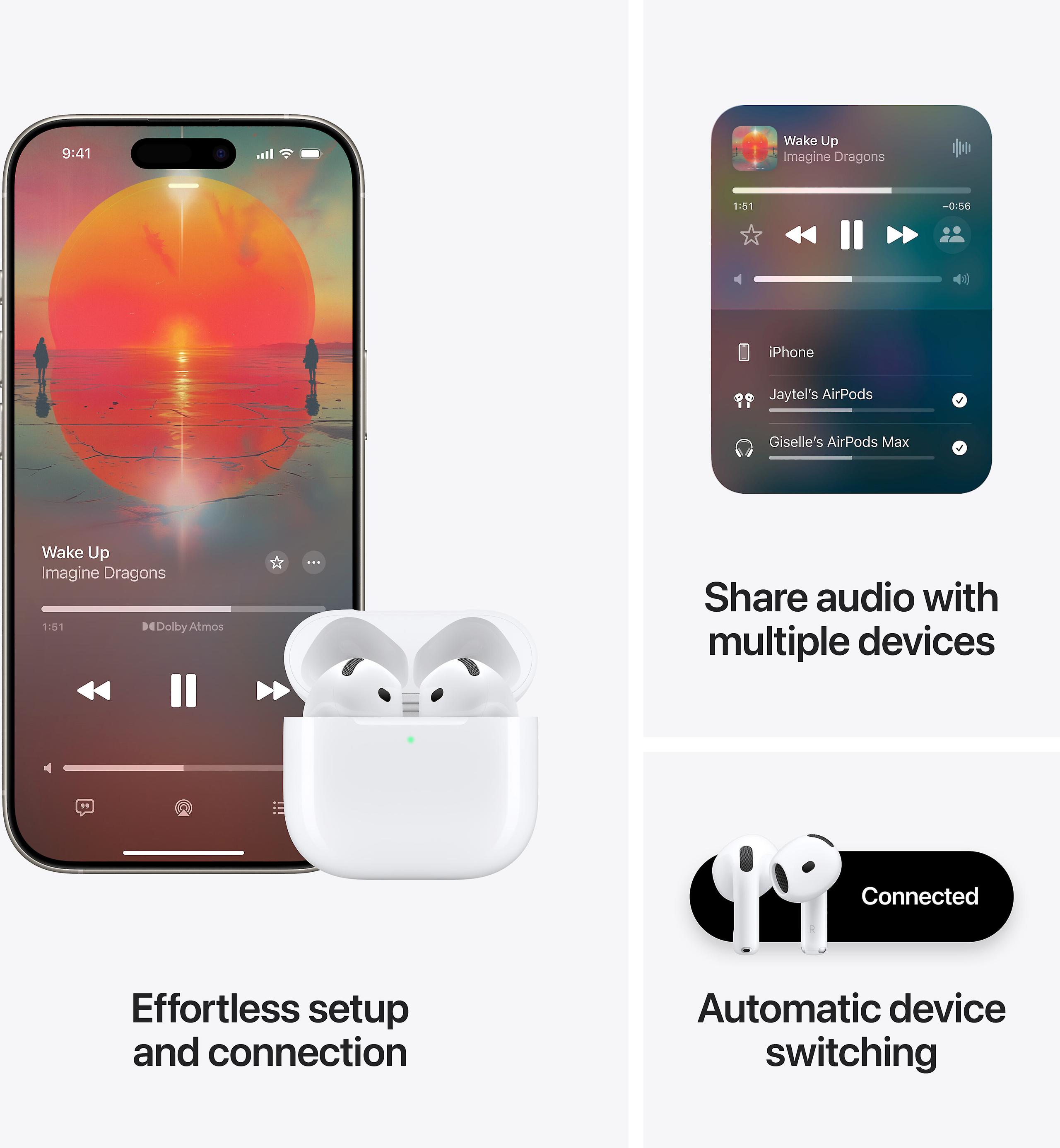
The AirPods 4 with ANC include more basic smart features focused on audio intelligence rather than health tracking. Conversation Awareness automatically reduces volume when you speak to someone nearby, then restores it when the conversation ends. Personalized Volume adjusts playback levels based on ambient noise and your listening history. These features enhance daily usability without the complexity of health monitoring.
Both products support head gestures for controlling Siri—nodding to accept calls or shaking your head to decline. This hands-free control feels surprisingly natural once you adapt to it, especially during activities where touching the earbuds isn't convenient.
While primarily designed for mobile use, both products offer interesting capabilities for home entertainment, though with different strengths.
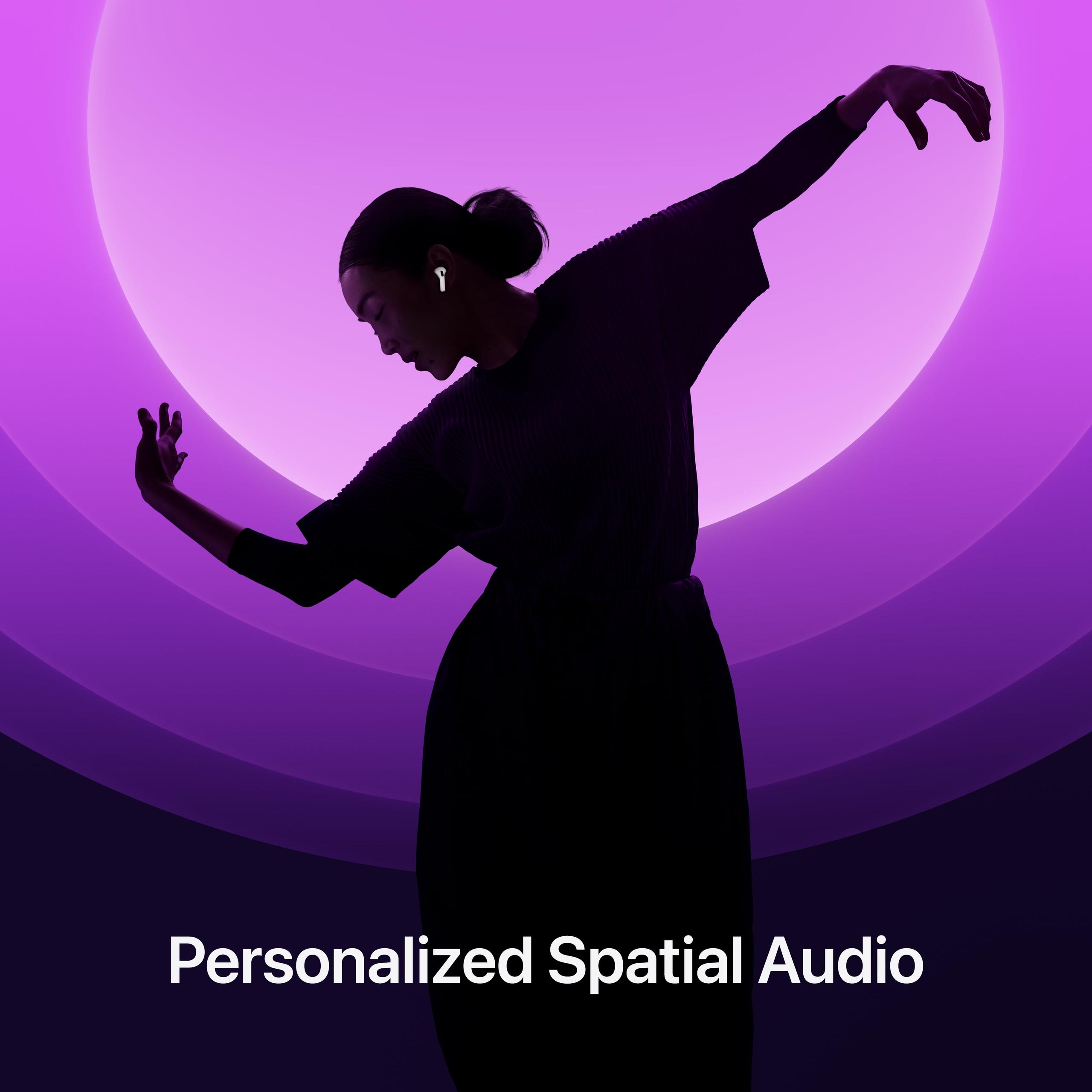
The AirPods Pro 3 excel in home theater applications thanks to their superior noise isolation and audio quality. Personalized Spatial Audio with dynamic head tracking creates a convincing surround sound experience that adapts as you move your head. This works particularly well for action movies where the isolation helps immerse you in the soundscape while the spatial processing places explosions and dialogue around you convincingly.
The sealed design proves advantageous when other family members are nearby—you can watch late-night movies at comfortable volumes without disturbing others. The 8-hour battery life covers even the longest movie marathons without interruption.
However, complete isolation isn't always desirable at home. Parents need to hear children, and some people prefer maintaining awareness of their environment even during entertainment.
The AirPods 4 with ANC offer a more social home theater experience. Their open design means you'll still hear doorbell rings, phone calls, or family members trying to get your attention. The spatial audio implementation works similarly to the Pro 3, though the open design reduces the immersive effect somewhat.
The shorter 4-hour battery life becomes more problematic for extended viewing sessions, requiring charging breaks during longer movies or binge-watching sessions.
After analyzing performance data, expert reviews, and user feedback patterns, clear recommendations emerge for different user profiles.
Choose the AirPods Pro 3 if you:
Choose the AirPods 4 with ANC if you:
These products succeed because they serve genuinely different needs rather than competing directly. The AirPods Pro 3 represent Apple's flagship audio technology—premium performance for users who demand the best noise cancellation, audio quality, and advanced features available. At roughly twice the price of the AirPods 4 with ANC, they deliver significantly more than twice the performance in key areas like noise reduction and battery life.
The AirPods 4 with ANC offer remarkable value by bringing meaningful noise cancellation to Apple's beloved open-ear design at a much more accessible price point. They prove that you don't need to spend flagship prices to get genuinely useful noise reduction, though you'll sacrifice the immersive isolation that makes premium noise cancellation so transformative.
Our analysis suggests that most users will be happier paying extra for the Pro 3 if noise cancellation is important to them—the performance gap in noisy environments is simply too large to ignore. However, users who prioritize environmental awareness, have comfort issues with sealed designs, or primarily listen in quiet spaces will find the AirPods 4 with ANC deliver excellent value and surprisingly capable performance.
The key is honestly assessing your primary use cases. If you're frequently in noisy environments, exercise regularly, or care deeply about audio quality, the Pro 3's premium features justify their cost. If you mainly use earbuds for calls and casual listening in quiet spaces, the AirPods 4 with ANC provide most of the benefits at a much more reasonable price.
Both products represent impressive engineering achievements that push wireless audio forward in different directions. Your choice should align with your lifestyle, budget, and personal preferences rather than following conventional wisdom about which is "better." In Apple's dual-product strategy, both can be the right choice—just for different users.
| Apple AirPods Pro 3 Wireless Earbuds | Apple AirPods 4 Active Noise Cancellation Earbuds |
|---|---|
| Design Philosophy - Determines comfort, fit security, and noise isolation | |
| Sealed in-ear with foam-infused silicone ear tips (5 sizes) | Open-ear design with no ear tips (one-size-fits-all) |
| Active Noise Cancellation - Most important feature for noisy environments | |
| Up to 90% noise reduction with dual-layer passive + active cancellation | ~60% noise reduction (impressive for open design but limited effectiveness) |
| Audio Quality - Critical for music enjoyment and call clarity | |
| Superior bass response, wider soundstage, multiport acoustic architecture | Bass-heavy tuning but significant sub-bass roll-off due to open design |
| Battery Life (Single Charge with ANC) - Determines how often you need to charge | |
| 8 hours (industry-leading for sealed earbuds with ANC) | 4 hours (requires more frequent charging breaks) |
| Total Battery Life with Case - Important for all-day use | |
| 24 hours total listening time | 20 hours total listening time |
| Water/Sweat Resistance - Essential for exercise and outdoor use | |
| IP57 (submersible up to 3 feet, excellent for intense workouts) | IP54 (splash resistant only, limited exercise protection) |
| Health Features - Unique capabilities for fitness enthusiasts | |
| Heart rate monitoring, hearing test, hearing aid functionality, workout tracking | None (basic audio intelligence features only) |
| Weight per Earbud - Affects comfort during extended wear | |
| 5.55g (heavier due to advanced sensors and sealed design) | 4.3g (23% lighter, more comfortable for casual wear) |
| Charging Case Size - Impact on portability | |
| Larger and heavier (43.99g) but holds more charge | Compact and lightweight (34.7g, 21% lighter) |
| Advanced Features - Smart capabilities beyond basic audio | |
| Live translation, head gestures, volume swipe controls, spatial audio | Basic live translation, head gestures, conversation awareness |
| Best Use Cases - Who should choose each product | |
| Commuters, frequent travelers, fitness enthusiasts, critical listeners | Casual users, those preferring environmental awareness, budget-conscious buyers |
The biggest difference is the design approach. The Apple AirPods Pro 3 use a sealed in-ear design with silicone ear tips that create an acoustic seal, while the Apple AirPods 4 with ANC maintain Apple's classic open-ear design with no ear tips. This fundamental difference affects everything from noise cancellation effectiveness to comfort and sound quality.
The Apple AirPods Pro 3 offer significantly superior noise cancellation, reducing ambient noise by up to 90% compared to about 60% for the Apple AirPods 4 with ANC. The Pro 3's sealed design enables much more effective noise isolation, making them ideal for noisy environments like planes, trains, and busy offices.
The Apple AirPods Pro 3 provide 8 hours of listening time with ANC enabled, while the Apple AirPods 4 with ANC offer 4 hours with noise cancellation on. With their charging cases, total listening time is 24 hours for the Pro 3 and 20 hours for the AirPods 4.
The Apple AirPods Pro 3 deliver superior audio quality with better bass response, wider soundstage, and more detailed sound reproduction. The sealed design allows for proper bass buildup and pressure. The Apple AirPods 4 with ANC have a bass-heavy tuning but suffer from sub-bass roll-off due to their open design.
The Apple AirPods Pro 3 are better for exercise due to their IP57 water resistance rating (vs IP54 for AirPods 4), more secure fit with ear tips, and built-in heart rate monitoring. The Apple AirPods 4 with ANC are lighter but may fall out during intense activity due to their open design.
Comfort depends on personal preference. The Apple AirPods 4 with ANC are lighter (4.3g vs 5.55g) and don't seal your ears, which some find more comfortable. However, the Apple AirPods Pro 3 offer five ear tip sizes for a customized fit, though some users find sealed designs uncomfortable over time.
Only the Apple AirPods Pro 3 include health tracking features, with built-in heart rate sensors that can monitor your pulse during workouts and track over 50 different exercise types. The Apple AirPods 4 with ANC don't have any health monitoring capabilities.
Both models offer excellent call quality, but the Apple AirPods Pro 3 have an advantage in noisy environments due to superior noise cancellation and more advanced microphone systems. The Apple AirPods 4 with ANC allow more environmental awareness during calls, which some users prefer.
The Apple AirPods 4 with ANC have a significantly more compact and lightweight charging case that's easier to pocket. The Apple AirPods Pro 3 case is larger and heavier but offers longer total battery life and additional features like wireless charging and a built-in speaker.
The Apple AirPods 4 with ANC provide excellent value for casual users who want some noise cancellation without premium pricing. The Apple AirPods Pro 3 justify their higher cost through significantly better noise cancellation, audio quality, battery life, and unique health features.
Both work well for home entertainment, but serve different needs. The Apple AirPods Pro 3 create an immersive, isolated experience perfect for late-night viewing without disturbing others, with 8-hour battery life covering long movie sessions. The Apple AirPods 4 with ANC allow environmental awareness so you can still hear family members or doorbells, though their 4-hour battery may require charging breaks during extended viewing.
If you've never tried in-ear earbuds with silicone tips, consider starting with the Apple AirPods 4 with ANC since their familiar open design is more predictable for comfort. However, if you frequently need noise cancellation for commuting or noisy environments, the performance benefits of the Apple AirPods Pro 3 may be worth adapting to the sealed design.
We've done our best to create useful and informative comparisons to help you decide what product to buy. Our research uses advanced automated methods to create this comparison and perfection is not possible - please contact us for corrections or questions. These are the sites we've researched in the creation of this article: 9to5mac.com - youtube.com - apple.com - youtube.com - youtube.com - whathifi.com - head-fi.org - forums.macrumors.com - soundguys.com - apple.com - apple.com - phonearena.com - forum.headphones.com - macrumors.com - youtube.com - t-mobile.com - apple.com - youtube.com - support.apple.com - media.distrelec.com - support.apple.com - en.wikipedia.org - tomsguide.com - apple.com - youtube.com - apple.com - staples.com - support.apple.com - connection.com - support.apple.com - pcrichard.com - adorama.com - zones.com - cdw.com

Privacy Policy
Terms and Conditions - Affiliate Policy
Home Security
© Copyright 2008-2026.
11816 Inwood Rd #1211, Dallas, TX 75244