



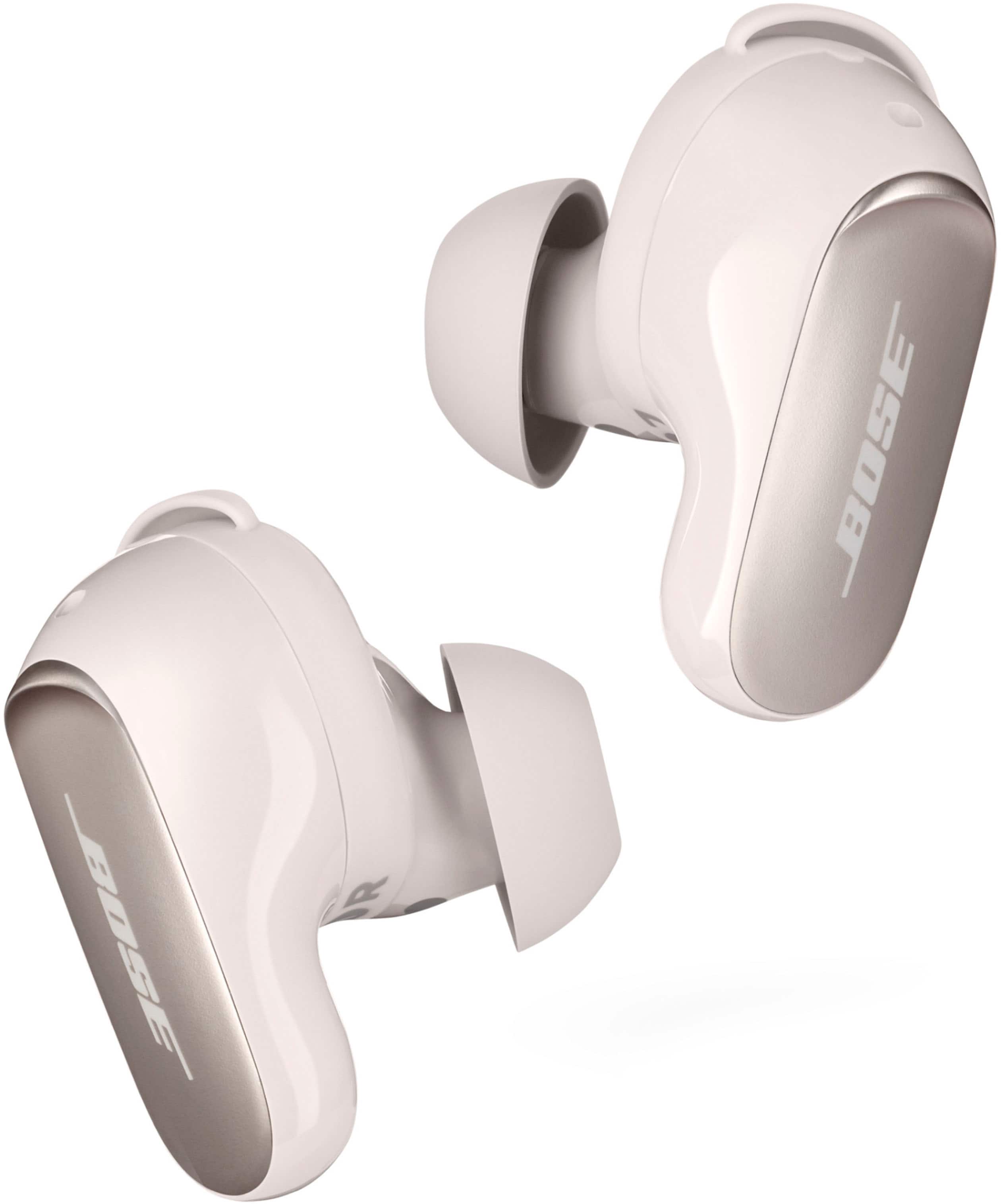
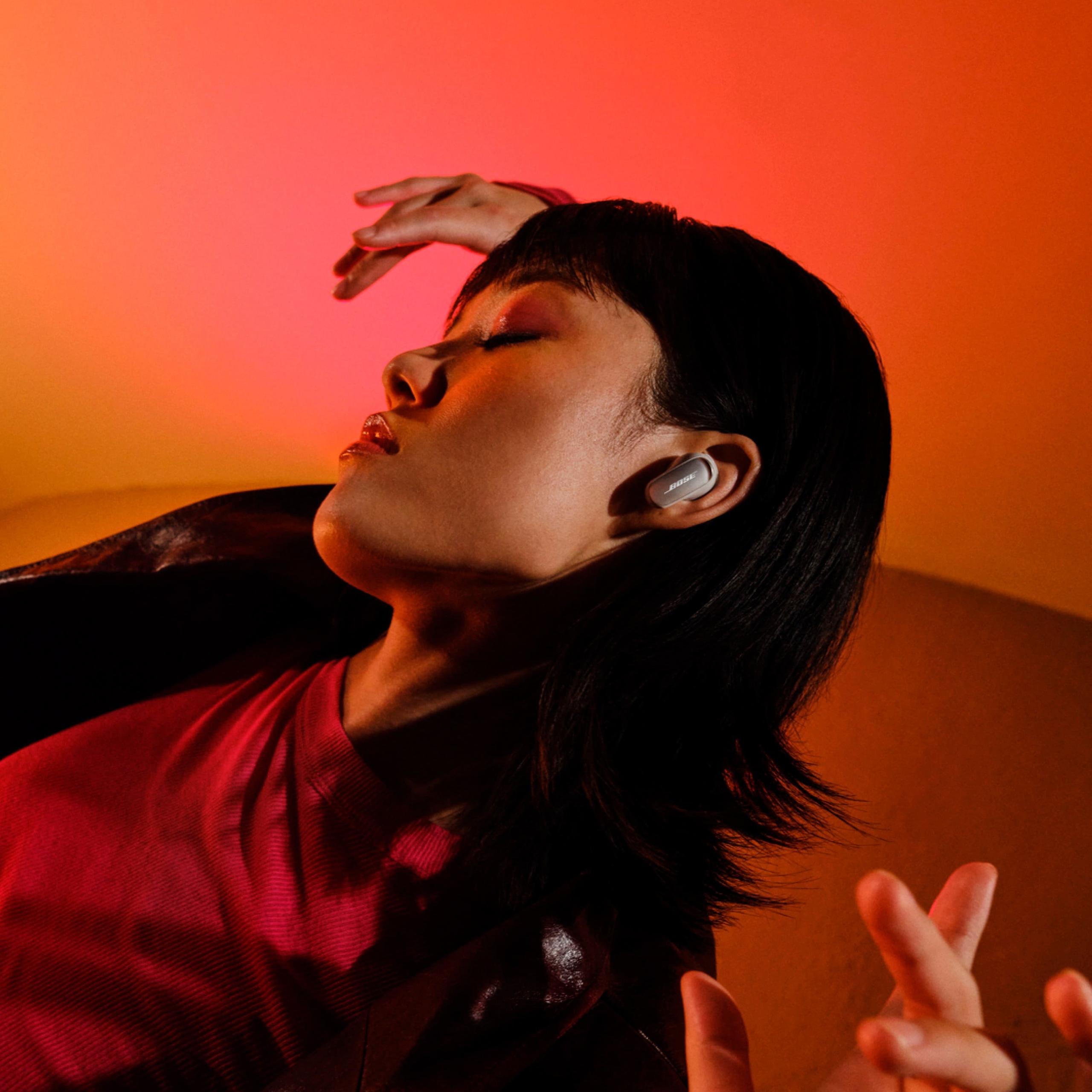
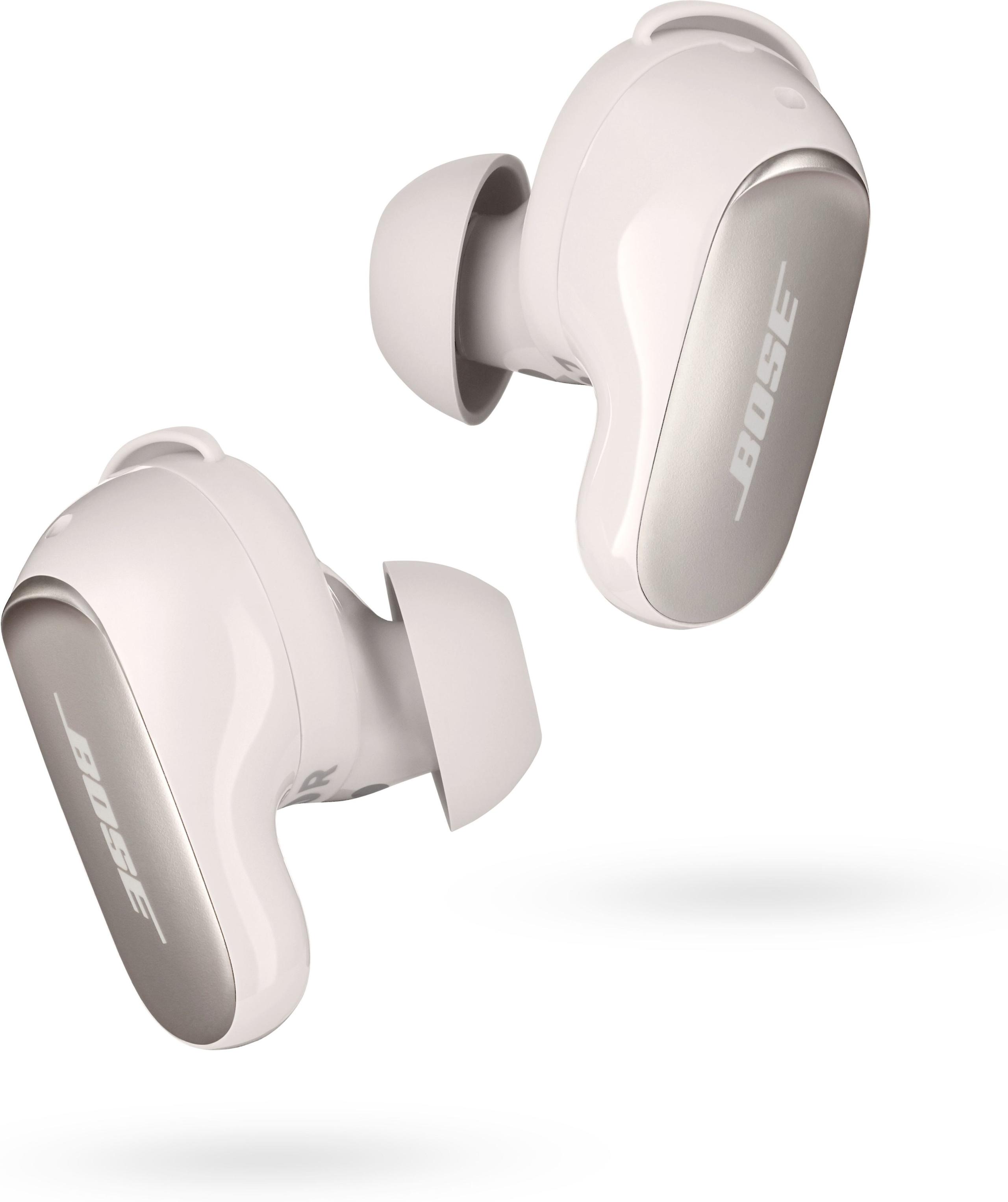
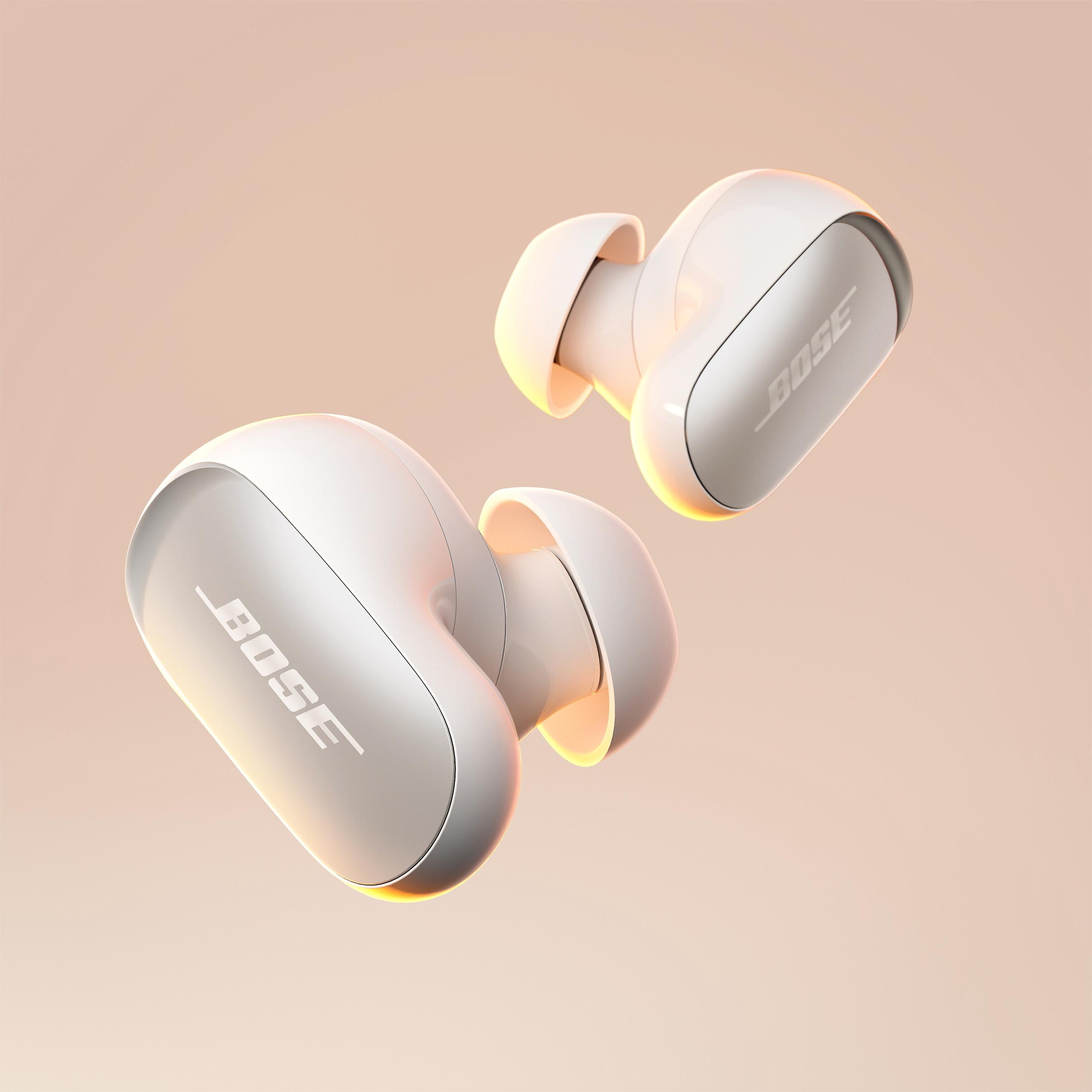
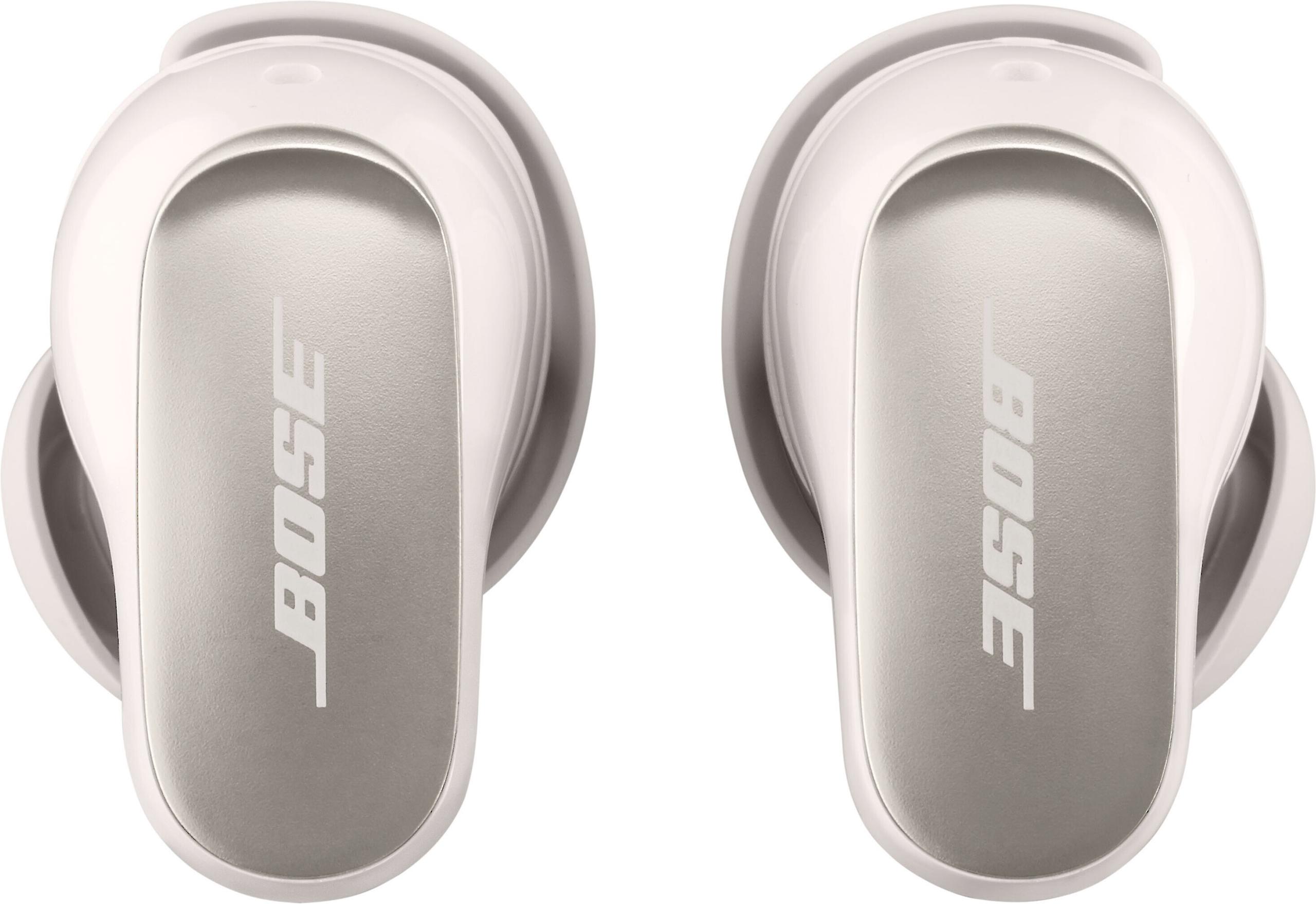
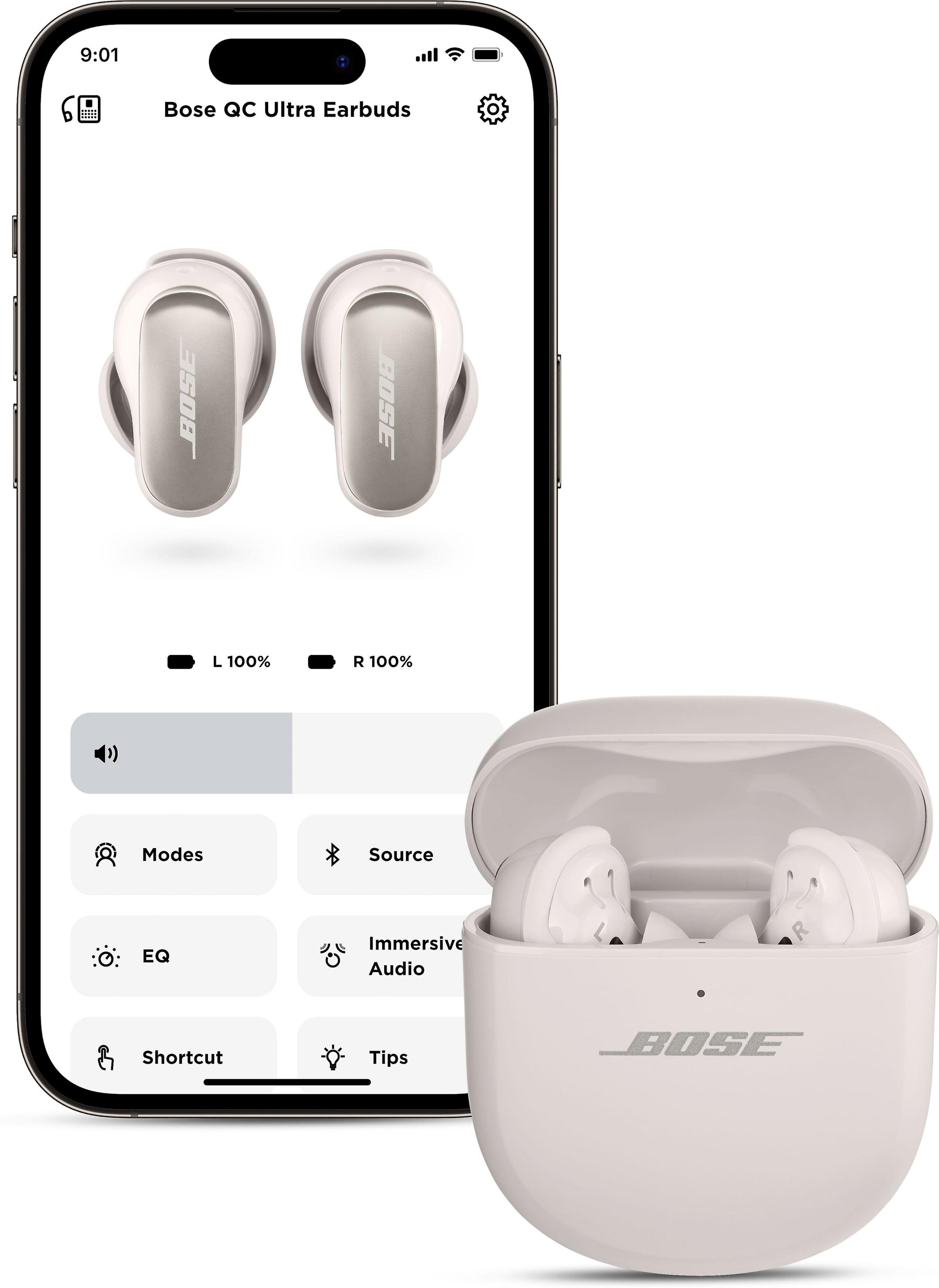
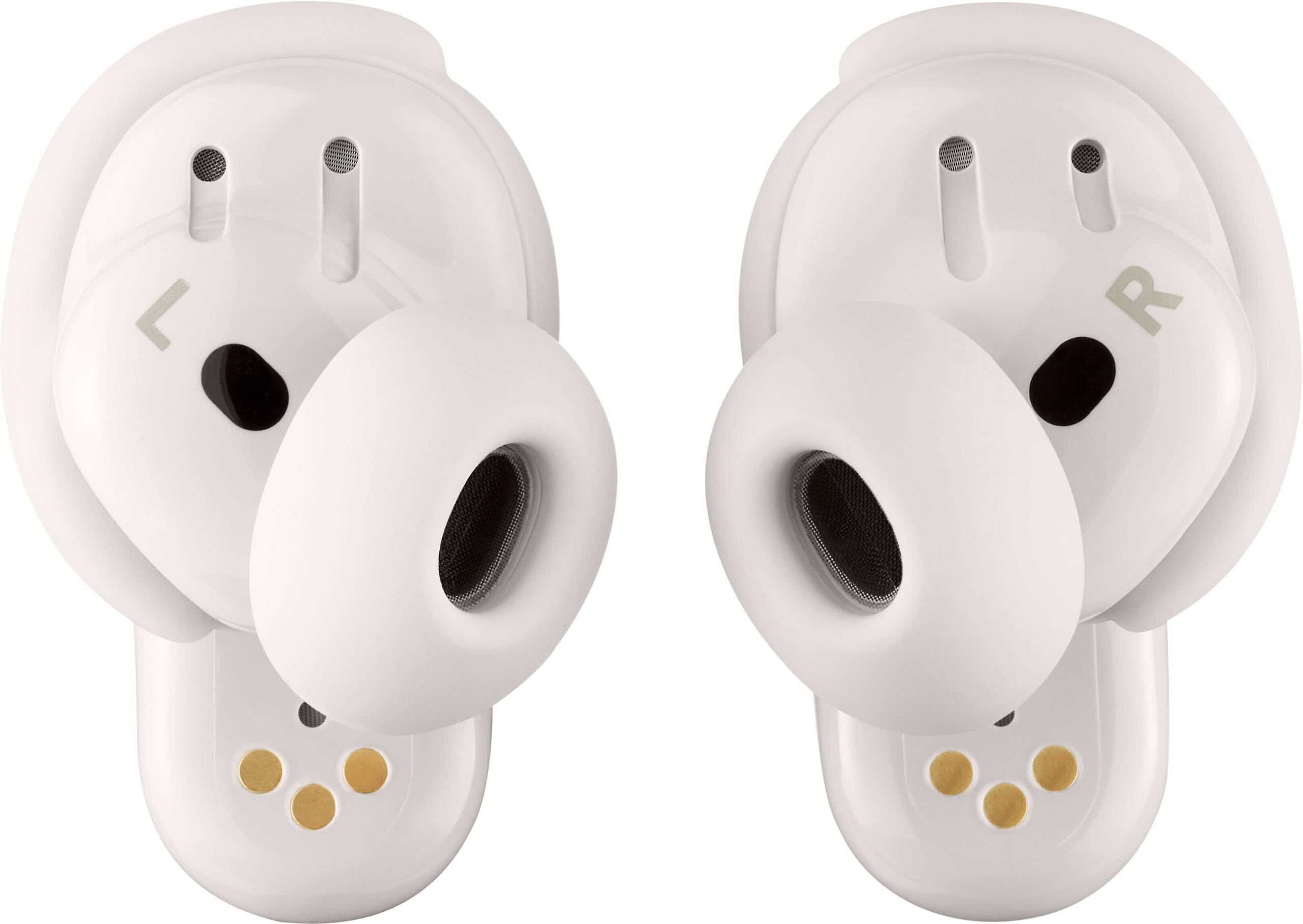
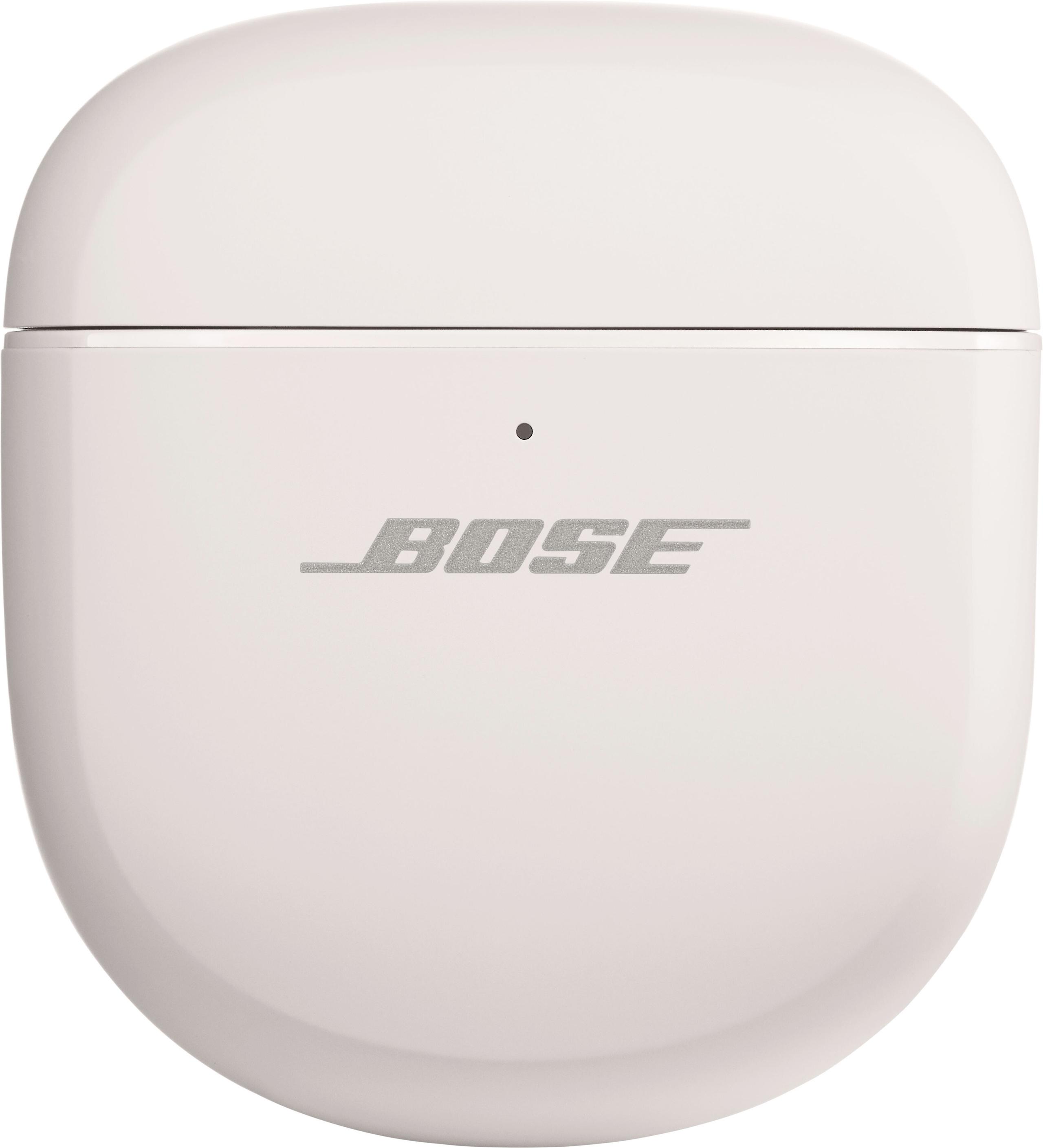
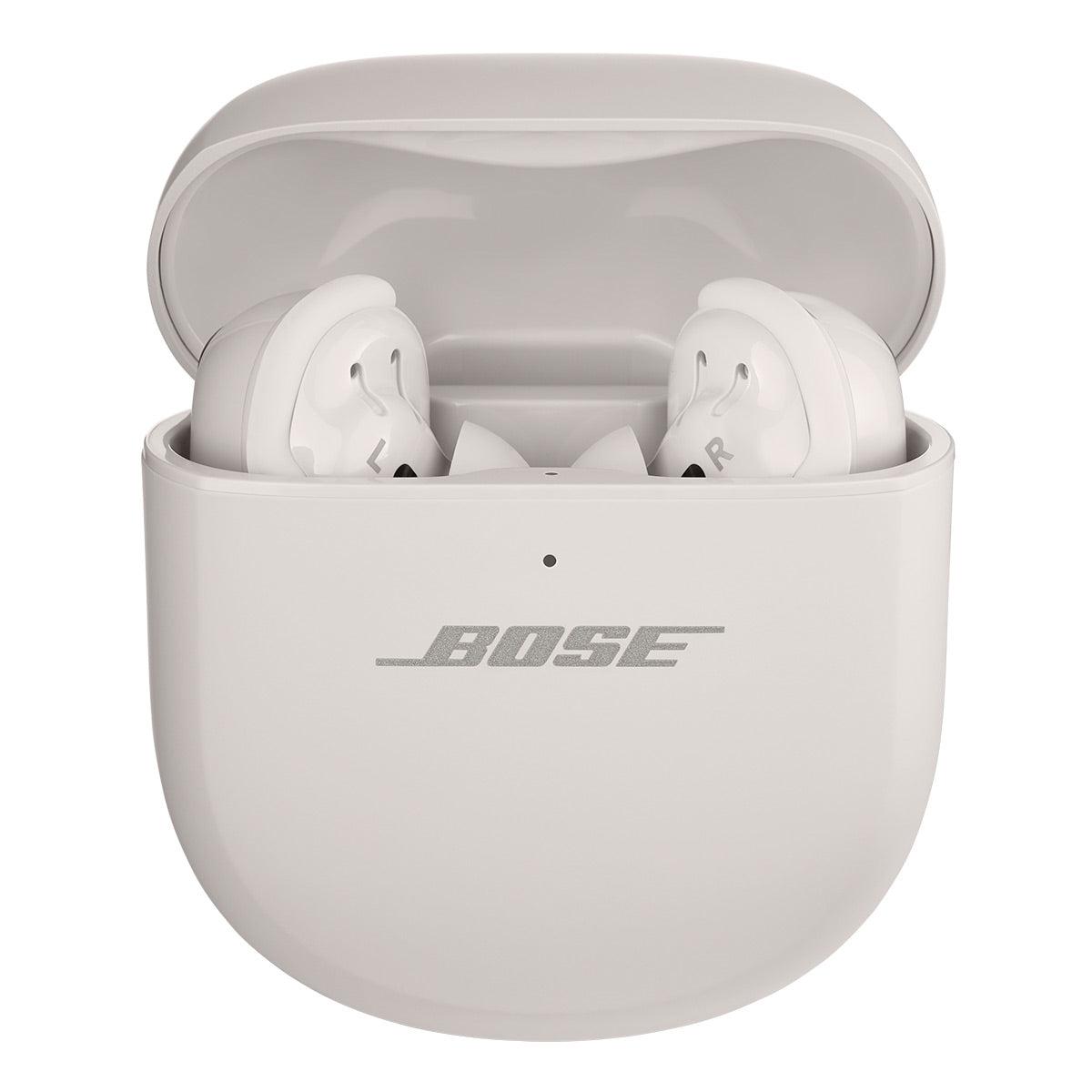
The premium wireless earbud market has exploded over the past few years, with manufacturers pushing the boundaries of what's possible in such a tiny package. When you're spending serious money on earbuds, you want to know exactly what you're getting for your investment. Today we're diving deep into two of the most compelling options: the Apple AirPods Pro 3 and the Bose QuietComfort Ultra.
Both represent the pinnacle of their respective brands' audio engineering, but they take fundamentally different approaches to solving the same problems. Understanding these differences is crucial to making the right choice for your needs and budget.
Premium wireless earbuds aren't just about playing music anymore. They've evolved into sophisticated computing devices that happen to sit in your ears. The best models combine multiple advanced technologies: active noise cancellation that uses microphones and processors to eliminate unwanted sound, spatial audio that creates a three-dimensional listening experience, and smart features that integrate with your digital life.
When evaluating these products, the most important considerations are audio quality, noise cancellation effectiveness, battery life, comfort, and how well they integrate with your existing devices. At the time of writing, both earbuds command premium pricing, though the AirPods Pro 3 typically costs less than the Bose QuietComfort Ultra.
The AirPods Pro 3 launched in 2024, marking Apple's first major update to their flagship earbuds in three years. The Bose QuietComfort Ultra also arrived in 2024, representing Bose's continued refinement of their noise-canceling expertise.
The way these earbuds handle sound reveals their different design philosophies. The AirPods Pro 3 uses what Apple calls "multiport acoustic architecture" – essentially a sophisticated system of vents and chambers that controls how air moves through the earbud. This allows for better bass response without the muddiness that often comes with boosted low frequencies.
Apple pairs this with their Adaptive EQ technology, which uses internal microphones to measure how sound bounces around inside your ear canal. The system then automatically adjusts the frequency response to compensate for how the earbuds fit in your specific ears. Think of it like having a sound engineer constantly tweaking the audio to match your unique ear shape.
The Bose QuietComfort Ultra takes a more traditional approach, starting with what many listeners consider a more exciting sound signature out of the box. Bose tends to emphasize bass and treble frequencies, creating what audio engineers call a "V-shaped" response curve. This makes music feel more dynamic and punchy, especially for genres like hip-hop, electronic, and pop music.
Where Bose gets interesting is in their codec support. The earbuds support aptX Adaptive, which allows for higher-quality wireless audio transmission when connected to compatible Android devices. This means you can stream music at higher bit rates with less compression, preserving more of the original recording's detail. The AirPods Pro 3, by contrast, sticks with AAC codec only – Apple believes their processing makes additional codecs unnecessary.
From our research into user and professional reviews, the AirPods Pro 3 tends to excel with more complex music like jazz, classical, and acoustic genres where midrange clarity matters most. The Bose QuietComfort Ultra often gets praised for making electronic music and modern pop feel more engaging and fun.
For home theater use, both earbuds support spatial audio, but they implement it differently. The AirPods Pro 3 creates a more convincing surround sound experience when watching movies on Apple devices, with sound that seems to come from specific directions around your head. The Bose implementation is competent but doesn't quite achieve the same level of immersion.
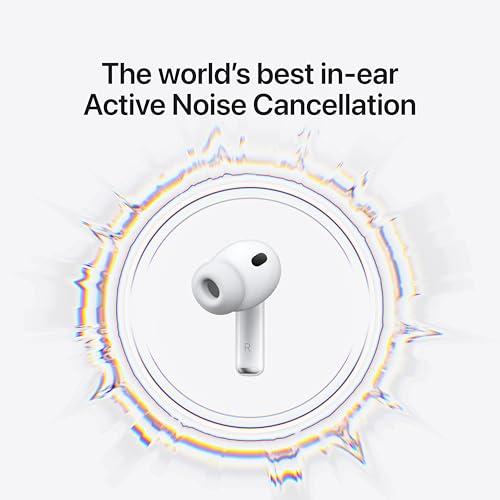
This is where things get really interesting. Active noise cancellation (ANC) works by using external microphones to pick up ambient sound, then generating opposite sound waves to cancel out the noise before it reaches your ears. It's like having tiny speakers that produce "anti-noise."
Based on professional testing from multiple sources, the AirPods Pro 3 achieves approximately 90% noise reduction across a wide range of frequencies. This represents a significant improvement over previous generations and currently leads the industry. The secret lies in Apple's new foam-infused silicone ear tips, which provide better passive isolation (physical blocking of sound) while the active system handles the rest.
The Bose QuietComfort Ultra isn't far behind at around 85% noise reduction, but there's an important caveat. In very quiet environments, some users notice a faint "noise floor" – a subtle hissing sound that's only apparent when no music is playing. This doesn't affect the listening experience with music, but it's worth noting for those who want complete silence.
What makes the AirPods Pro 3 particularly impressive is how it handles different types of noise. Low-frequency rumbles like airplane engines virtually disappear, but the system also excels at mid-frequency sounds like conversations and traffic. The Bose QuietComfort Ultra performs exceptionally well with steady, droning sounds but can struggle slightly more with sudden, sharp noises.
For frequent travelers, this difference matters. The AirPods Pro 3 creates what many describe as an almost supernatural quiet that makes long flights much more comfortable. The Bose earbuds still provide excellent noise cancellation that will satisfy most users, just not quite to the same degree.
Battery performance reveals one of the most significant practical differences between these products. The AirPods Pro 3 delivers over 8 hours of continuous playback with ANC enabled – a 33% improvement over the previous generation. This is genuinely impressive and puts them ahead of most competitors.
The Bose QuietComfort Ultra manages only about 5.5 hours per charge, which feels disappointing for premium earbuds in 2024. While both products offer similar total battery life when including their charging cases (around 24 hours), the shorter single-charge duration means more frequent interruptions for Bose users.
This difference becomes crucial for certain use cases. If you're someone who works long days with earbuds in, takes frequent flights, or just hates the interruption of charging breaks, the AirPods Pro 3 provides a clear advantage. The extra 2.5 hours might mean the difference between making it through your workday or having to pause for a charge.
Both products support fast charging – a quick 20-minute charge provides roughly 2 hours of playback – but the AirPods Pro 3 goes further with 5-minute charging that gives you a full hour of listening time.
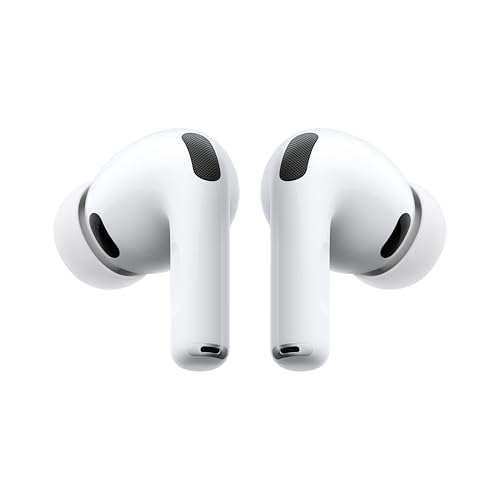
Physical design represents another area where these products diverge significantly. The AirPods Pro 3 features a more compact design than its predecessors, with a smaller "bulb" that sits in your ear. Apple includes five different ear tip sizes, including a new XXS option for smaller ears. The tips use a foam-infused silicone material that's designed to create a better seal while remaining comfortable.
However, our research suggests the fit can be inconsistent. Some users find the new design incredibly comfortable and secure, while others struggle to get them to stay in place during exercise or even casual movement. The longer stem design does make the touch controls more accessible, but it also makes the earbuds more prominent when worn.
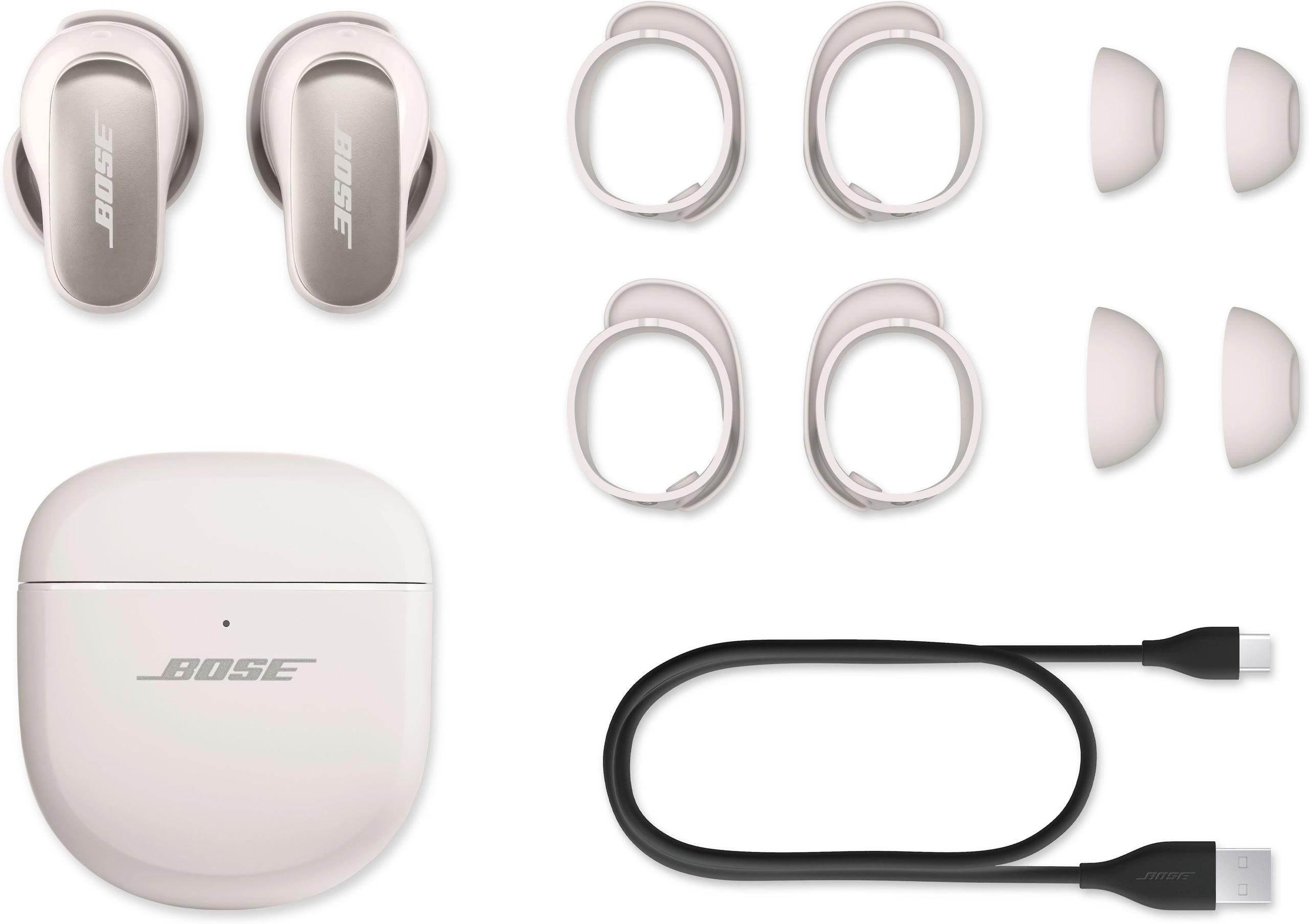
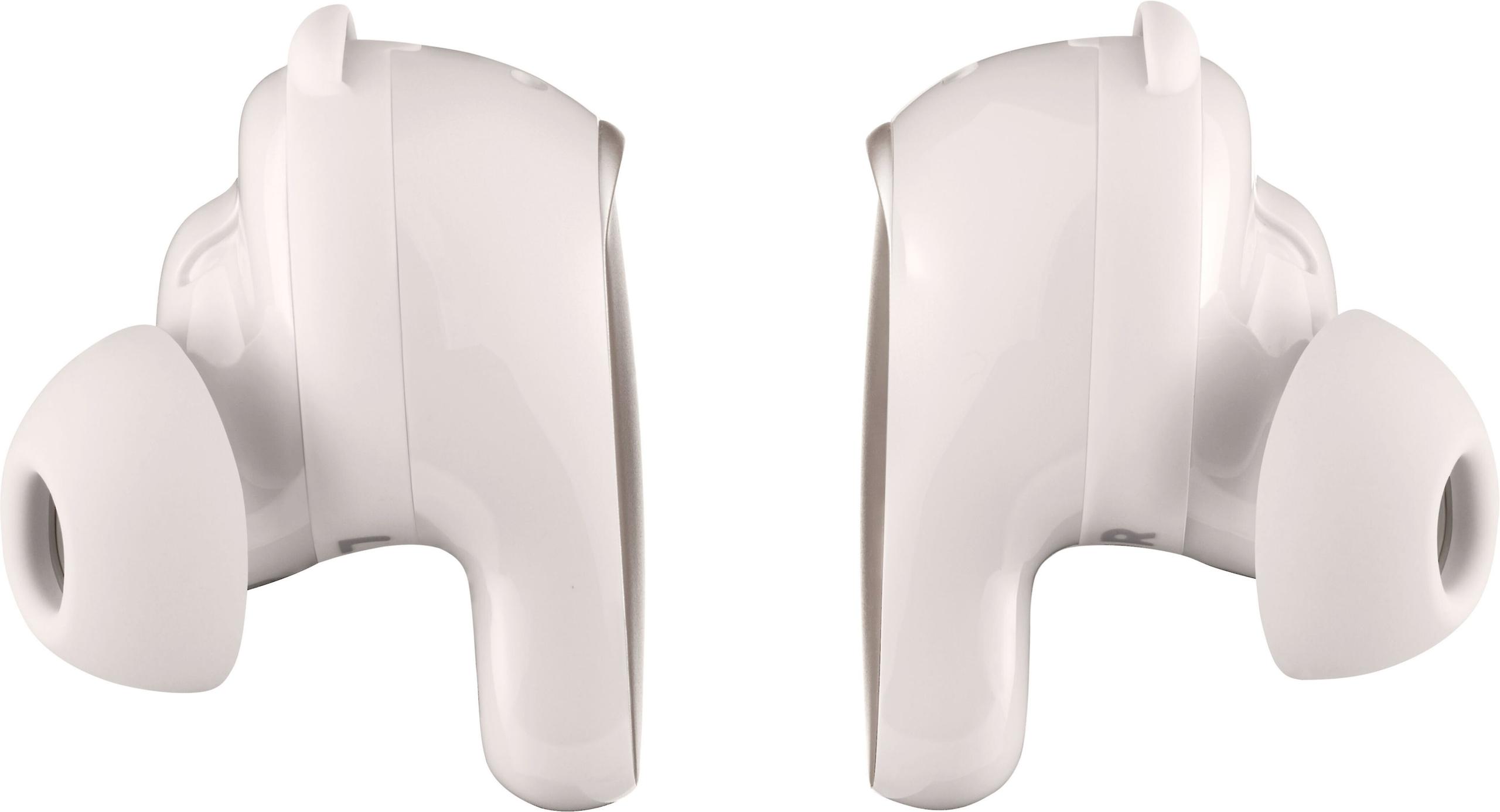
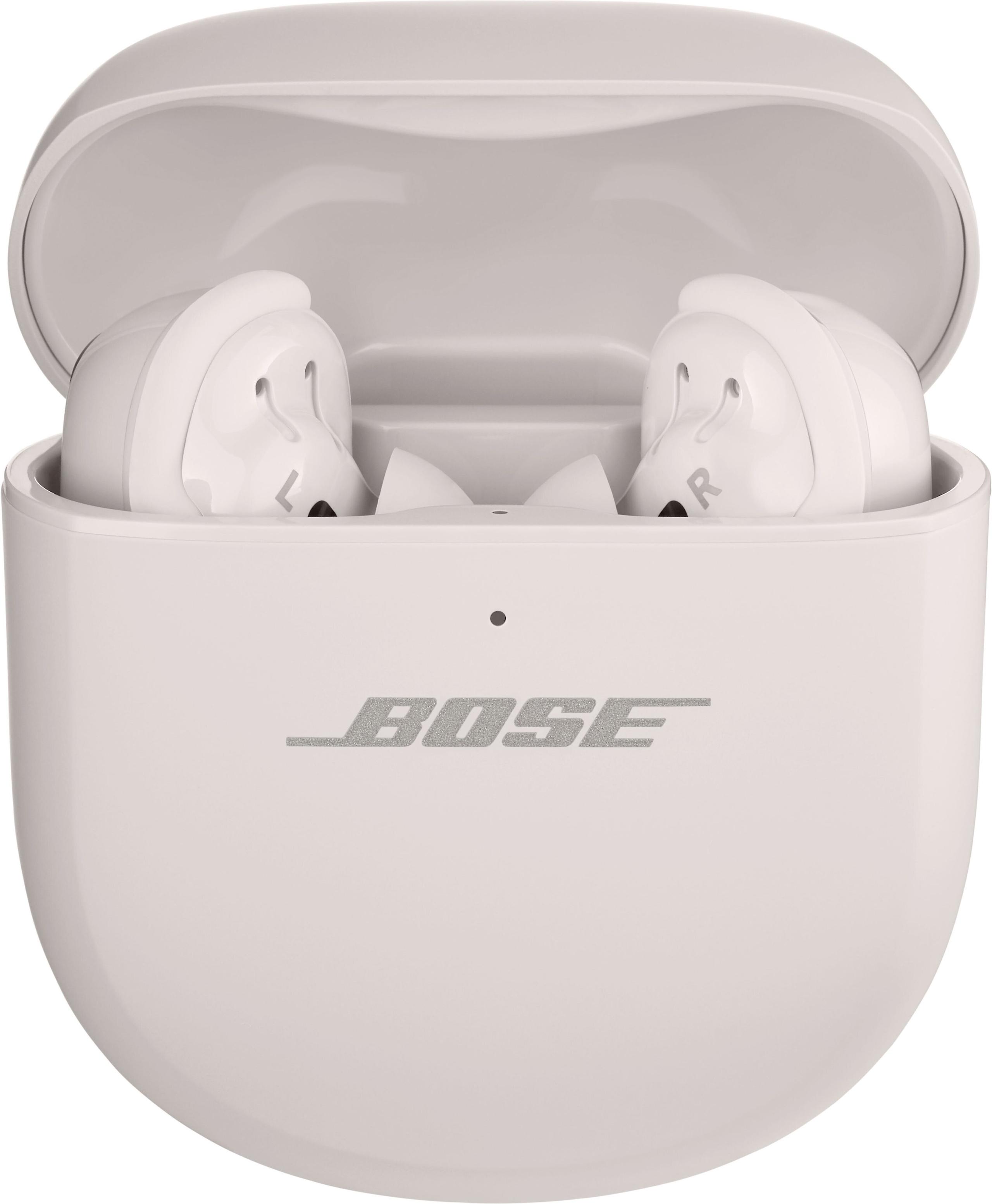
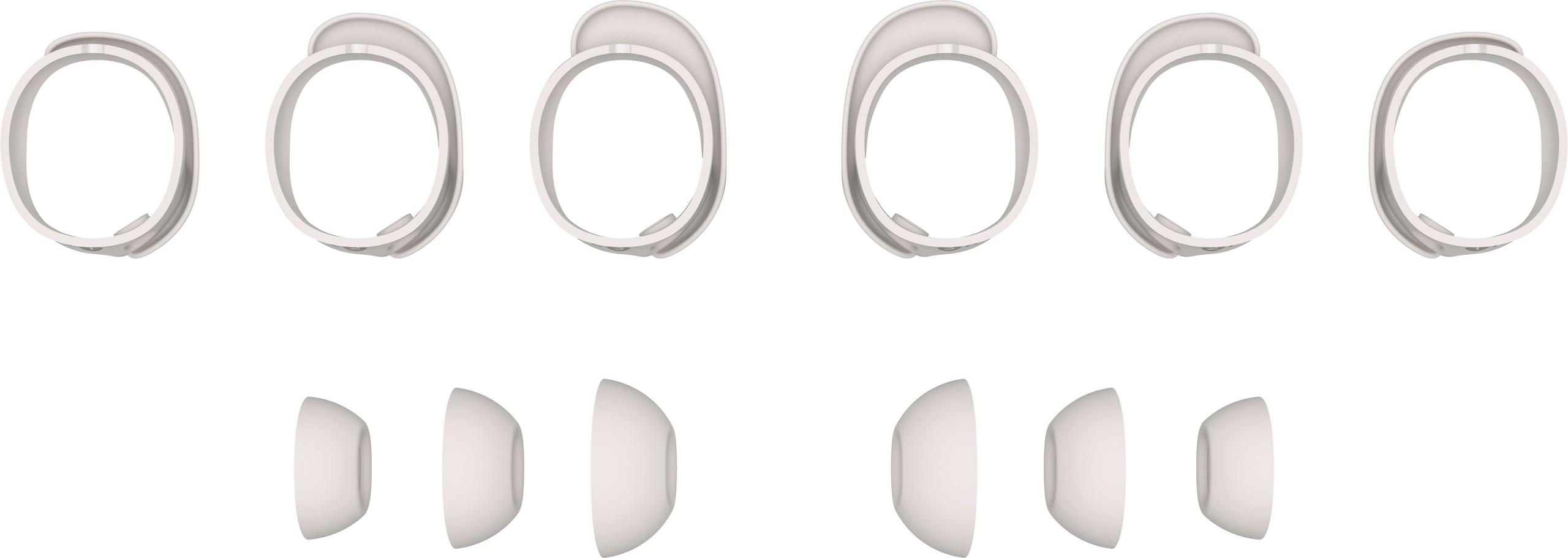
The Bose QuietComfort Ultra takes a different approach with stability bands – small silicone wings that hook into the curves of your ear. Combined with three sizes of ear tips, this creates nine possible fit combinations. The design is bulkier than Apple's, but the stability bands provide exceptional security during physical activity.
For durability, the AirPods Pro 3 offers superior protection with an IP57 rating versus the Bose's IPX4. This means better resistance to both water and dust, making them more suitable for outdoor workouts or beach use. The difference between these ratings is significant – IP57 means the earbuds can survive brief submersion in water, while IPX4 only protects against splashing.
This is where the AirPods Pro 3 really flexes its muscles with features that feel genuinely futuristic. The heart rate sensor uses photoplethysmography (PPG) – the same technology in fitness watches – to measure blood flow in your ear canal. This enables workout tracking for over 50 different exercise types, turning your earbuds into a fitness tracker.
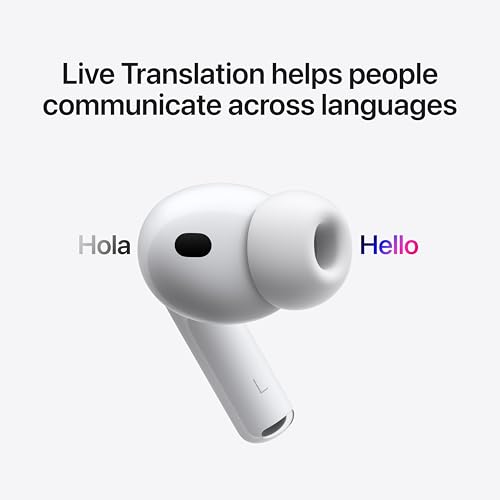
The Live Translation feature is particularly impressive, automatically lowering music volume while boosting translated speech in real-time. When someone speaks to you in a foreign language, you hear the translation in your earbuds while seeing transcribed text on your phone. It's the kind of feature that feels like science fiction.
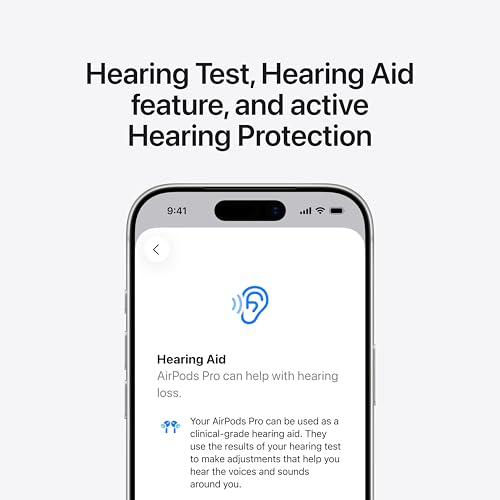
Perhaps most significant for some users is the hearing health functionality. The AirPods Pro 3 can perform hearing tests and even function as a certified hearing aid for mild to moderate hearing loss. This isn't just a gimmick – it's FDA-authorized medical functionality built into consumer earbuds.
The Bose QuietComfort Ultra takes a more practical approach to smart features. Bluetooth Multipoint allows connection to two devices simultaneously, making it easy to switch between your phone and laptop without manual reconnection. The three-band EQ gives you direct control over bass, midrange, and treble frequencies – something the AirPods Pro 3 doesn't offer.
For ecosystem integration, the AirPods Pro 3 provides seamless switching between Apple devices, but this only works within Apple's ecosystem. Android users miss out on many features entirely. The Bose QuietComfort Ultra offers consistent functionality across all platforms, making them more versatile for users with mixed device setups.
When evaluating premium earbuds, certain performance characteristics matter more than others. Noise cancellation effectiveness is paramount – it's often the primary reason people spend premium money on earbuds. Based on our analysis of expert measurements, the AirPods Pro 3 currently leads this category.
Audio quality is more subjective, but consistency across different music types and listening levels matters most. The AirPods Pro 3 excels here with its automatic tuning, while the Bose QuietComfort Ultra gives users more direct control over the sound signature.
Battery life has become increasingly important as people rely on earbuds for longer periods. The AirPods Pro 3's 8+ hour performance is genuinely class-leading and provides real practical advantages.
Fit and comfort can make or break the user experience. The Bose QuietComfort Ultra's stability band system provides more secure fit for active use, while the AirPods Pro 3's foam-infused tips prioritize comfort for long listening sessions.
For home theater use, both products support spatial audio, but the implementation differences are significant. The AirPods Pro 3 creates a more convincing surround sound experience when watching movies on Apple devices, with sound positioning that genuinely enhances the viewing experience. The processing power of the H2 chip enables sophisticated audio rendering that makes explosions rumble from the right direction and dialogue stay anchored to the screen even as you move your head.
The Bose QuietComfort Ultra supports spatial audio but doesn't achieve the same level of immersion. However, for users with non-Apple devices, it may be the only practical option for wireless spatial audio, as the AirPods Pro 3's advanced features are largely limited to Apple's ecosystem.
The AirPods Pro 3 makes the most sense for users deeply invested in Apple's ecosystem who prioritize cutting-edge features, superior battery life, and best-in-class noise cancellation. If you use an iPhone as your primary device and value innovations like health tracking and hearing assistance, these earbuds justify their premium positioning.
The health features alone could provide significant value for users concerned about hearing health or those who want comprehensive fitness tracking without wearing additional devices. The superior noise cancellation and longer battery life make them ideal for frequent travelers or anyone who spends long hours with earbuds.
The Bose QuietComfort Ultra serves users who need true cross-platform compatibility and prefer manual control over their audio experience. If you regularly switch between iOS and Android devices, or if you're an Android user who wants premium wireless earbuds, Bose provides features that work consistently across all platforms.
The superior fit security makes them excellent for active users, while the manual EQ controls appeal to audio enthusiasts who want to fine-tune their listening experience. The aptX Adaptive support also makes them attractive for Android users with compatible devices who prioritize high-resolution wireless audio.
At the time of writing, the AirPods Pro 3 typically offers better value with more innovative features at a lower price point. However, the Bose QuietComfort Ultra justifies its premium pricing for users who need its specific strengths, particularly cross-platform compatibility and manual audio controls.
Both represent excellent examples of premium wireless earbuds, but they serve different user needs. Understanding these differences and honestly evaluating your own priorities will lead you to the right choice for your specific situation and budget.
| Apple AirPods Pro 3 Wireless Earbuds | Bose QuietComfort Ultra True Wireless Earbuds |
|---|---|
| Active Noise Cancellation - The primary reason to buy premium earbuds | |
| 90% noise reduction, industry-leading performance with foam-infused tips | 85% noise reduction, excellent but with slight noise floor in quiet environments |
| Battery Life - Critical for daily use and travel | |
| 8+ hours single charge, 24 hours total with case | 5.5 hours single charge, 24 hours total with case |
| Audio Codec Support - Determines maximum audio quality | |
| AAC only (optimized for Apple devices) | AAC + aptX Adaptive (hi-res audio on compatible Android devices) |
| Fit System - Affects comfort and noise isolation | |
| 5 ear tip sizes including XXS, foam-infused silicone tips | 3 ear tip sizes + 3 stability band sizes (9 combinations total) |
| Water/Dust Resistance - Important for workouts and outdoor use | |
| IP57 (submersion resistant, dust proof) | IPX4 (splash resistant only) |
| Smart Features - Premium functionality beyond audio | |
| Heart rate monitoring, Live Translation, hearing aid certification, Conversation Awareness | Bluetooth Multipoint, manual 3-band EQ, universal device compatibility |
| Ecosystem Integration - Affects ease of use | |
| Seamless Apple device switching, limited Android functionality | Full cross-platform compatibility with consistent features |
| Spatial Audio - Enhances movies and immersive content | |
| Advanced implementation with head tracking, excellent for Apple TV/iPhone | Basic spatial audio support, works across all devices |
| Physical Design - Impacts portability and style | |
| Compact stem design, white only, smaller charging case | Bulkier with stability bands, multiple color options, larger case |
| Audio Tuning Control - Personalization options | |
| Automatic Adaptive EQ only (no manual control) | Manual 3-band EQ plus automatic tuning options |
The Apple AirPods Pro 3 offer superior active noise cancellation with approximately 90% noise reduction, making them the current industry leader. The Bose QuietComfort Ultra provide excellent 85% noise reduction but have a slight noise floor in very quiet environments. For blocking airplane noise, traffic, and office chatter, the AirPods Pro 3 deliver the most effective silence.
The Bose QuietComfort Ultra work excellently with Android devices, offering full functionality including aptX Adaptive codec support for high-quality audio. The Apple AirPods Pro 3 have limited functionality on Android - basic audio works, but you'll miss out on most smart features, seamless switching, and optimal sound quality. Android users should strongly consider the Bose QuietComfort Ultra.
The Apple AirPods Pro 3 significantly outperform with 8+ hours of playback per charge compared to the Bose QuietComfort Ultra's 5.5 hours. Both offer 24 hours total with their charging cases, but the longer single-charge time of the AirPods Pro 3 means fewer interruptions during long workdays or flights.
Both are suitable for exercise, but they excel in different ways. The Bose QuietComfort Ultra offer superior fit security with stability bands that keep them locked in place during intense movement. The Apple AirPods Pro 3 provide better sweat protection with IP57 rating and include heart rate monitoring for workout tracking, making them ideal for fitness enthusiasts who want comprehensive health data.
Sound preference varies by taste - the Apple AirPods Pro 3 offer more accurate, balanced audio that works well across all music genres, while the Bose QuietComfort Ultra provide a warmer, bass-forward sound that many find more exciting for pop and electronic music. The Bose also support manual EQ adjustment, while the AirPods Pro 3 use automatic tuning only.
Both provide good call quality, though the Apple AirPods Pro 3 have a slight edge with better wind noise reduction and voice isolation. The Bose QuietComfort Ultra handle steady background noise well during calls. For frequent conference calls or outdoor use, the AirPods Pro 3 offer more reliable performance.
Yes, both support spatial audio for immersive movie watching. The Apple AirPods Pro 3 provide superior spatial audio implementation with convincing surround sound effects when used with Apple devices. The Bose QuietComfort Ultra offer decent spatial audio that works across all devices, making them better for non-Apple users who want cinematic audio.
Comfort varies by ear shape, but the Apple AirPods Pro 3 generally offer better long-term comfort with their foam-infused ear tips and lighter weight. The Bose QuietComfort Ultra are bulkier but provide more fit options with stability bands. The AirPods Pro 3's superior battery life also means fewer charging interruptions during extended use.
Both justify premium pricing but for different reasons. The Apple AirPods Pro 3 offer cutting-edge features like heart rate monitoring, hearing aid functionality, and industry-leading noise cancellation. The Bose QuietComfort Ultra provide excellent cross-platform compatibility and manual audio controls. Your choice depends on whether you prioritize innovative features or universal compatibility.
The Bose QuietComfort Ultra support true Bluetooth Multipoint, allowing simultaneous connection to two devices with easy switching. The Apple AirPods Pro 3 offer seamless switching between Apple devices only. If you regularly switch between different types of devices, the Bose QuietComfort Ultra provide more flexibility.
The Apple AirPods Pro 3 are specifically designed for hearing health with FDA-authorized hearing aid functionality, hearing tests, and conversation boost features. They can serve as clinical-grade hearing aids for mild to moderate hearing loss. The Bose QuietComfort Ultra don't offer specialized hearing assistance features, making the AirPods Pro 3 the clear choice for users with hearing concerns.
Choose the Apple AirPods Pro 3 if you use primarily Apple devices, want the longest battery life, need superior noise cancellation, or value health tracking features. Choose the Bose QuietComfort Ultra if you use Android devices, need cross-platform compatibility, prefer manual EQ controls, or require the most secure fit for active use. The AirPods Pro 3 offer better overall value for Apple users, while the Bose QuietComfort Ultra serve Android users and those needing universal compatibility.
We've done our best to create useful and informative comparisons to help you decide what product to buy. Our research uses advanced automated methods to create this comparison and perfection is not possible - please contact us for corrections or questions. These are the sites we've researched in the creation of this article: 9to5mac.com - youtube.com - apple.com - youtube.com - youtube.com - whathifi.com - head-fi.org - forums.macrumors.com - soundguys.com - apple.com - apple.com - phonearena.com - forum.headphones.com - macrumors.com - youtube.com - t-mobile.com - apple.com - youtube.com - support.apple.com - media.distrelec.com - support.apple.com - en.wikipedia.org - rtings.com - recordingnow.com - youtube.com - runnersworld.com - whathifi.com - soundguys.com - cnet.com - bestbuy.com - techgearlab.com - youtube.com - techgearlab.com - youtube.com - youtube.com - loudnwireless.com - soundguys.com - bose.com - bestbuy.com - youtube.com - cdw.com - assets.bose.com - bose.com - staples.com - youtube.com - bhphotovideo.com - shoplineusa.com - insight.com - screenmoove.com - boselatam.com - abt.com - bhphotovideo.com - whathifi.com - bose.com - youtube.com - bose.com - tomsguide.com - boselatam.com - youtube.com

Privacy Policy
Terms and Conditions - Affiliate Policy
Home Security
© Copyright 2008-2026.
11816 Inwood Rd #1211, Dallas, TX 75244