

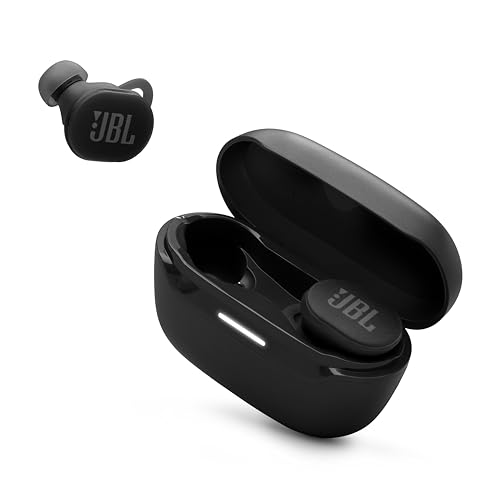


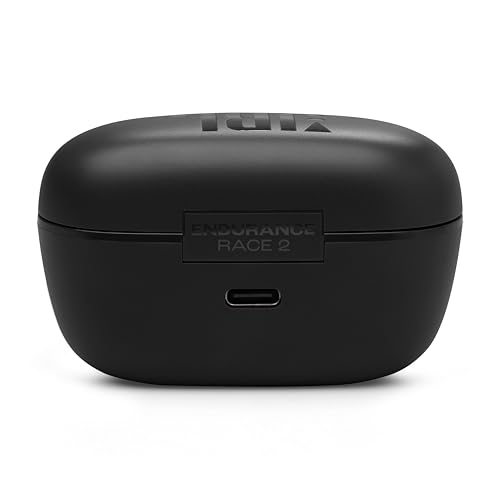
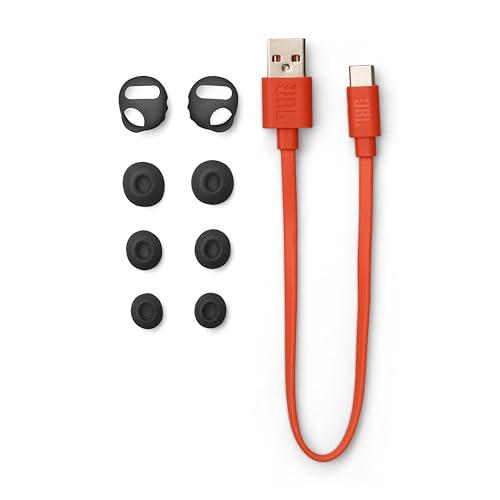
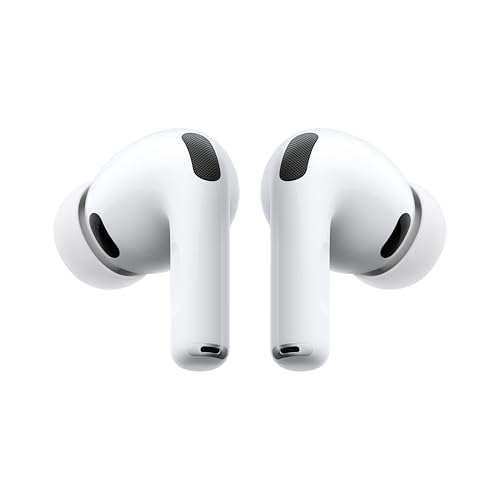


True wireless earbuds have completely transformed how we listen to music, take calls, and consume audio content. But with hundreds of options flooding the market, choosing the right pair can feel overwhelming. Today we're comparing two very different approaches to wireless audio: the sports-focused JBL Endurance Race 2 and the premium Apple AirPods Pro 3.
These earbuds represent fundamentally different philosophies. The JBL Endurance Race 2, released in 2025 as part of JBL's refreshed sports lineup, prioritizes ruggedness and extended battery life for active users. Meanwhile, the Apple AirPods Pro 3, also launching in 2025, pushes the boundaries of computational audio with advanced noise cancellation and health monitoring features that would have seemed like science fiction just a few years ago.
Understanding which approach suits your needs requires looking beyond marketing claims to examine real-world performance, build quality, and value proposition. At the time of writing, these products sit in very different price brackets—the JBL positioning itself as an affordable sports specialist while the Apple commands premium pricing for its advanced feature set.
Before diving into specifics, let's establish what makes earbuds truly exceptional. The most critical factors are audio quality (how music and calls actually sound), active noise cancellation effectiveness (how well they block outside noise), comfort and fit (whether you can wear them for hours), battery life (how often you need to charge them), and durability (whether they survive your lifestyle).
The challenge is that these priorities vary dramatically between users. A marathon runner needs completely different features than someone who primarily listens to podcasts during their commute. This is where the JBL Endurance Race 2 and Apple AirPods Pro 3 show their true colors—they're designed for entirely different people.
From our research into user reviews and professional evaluations, the most common complaints about wireless earbuds relate to poor fit (earbuds falling out or becoming uncomfortable), disappointing battery life, and weak noise cancellation in noisy environments. Both products address these issues but take radically different approaches.
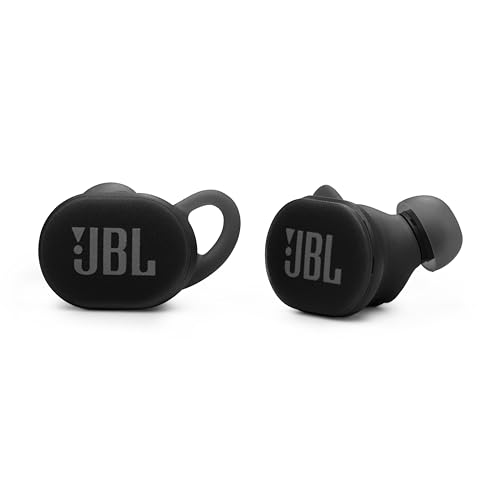
The JBL Endurance Race 2 makes its intentions clear from the moment you see it. These aren't earbuds trying to be everything to everyone—they're purpose-built tools for active lifestyles. The Twistlock™ technology integrates wing enhancers that literally lock the earbuds into your ears during movement. This isn't just marketing speak; the mechanism creates a secure seal that stays put during intense workouts, something that becomes immediately apparent when you compare them to standard earbuds during physical activity.
What's particularly clever about JBL's approach is how they've optimized every component for durability without sacrificing usability. The IP68 rating means these earbuds are completely dustproof and can handle submersion in water deeper than one meter—essentially making them swim-proof, not just sweat-resistant. This level of protection requires careful engineering of the internal components and sealing systems.
The Apple AirPods Pro 3, by contrast, represents Apple's vision of what premium earbuds should be in 2025. The redesigned architecture incorporates computational audio advances that were unimaginable in earlier generations. The custom high-excursion driver works with a high dynamic range amplifier and multiport acoustic architecture—technical terms that essentially mean Apple has created a sophisticated system for controlling how air moves through the earbud to enhance sound quality and spatial audio effects.
Apple's approach prioritizes intelligence and integration. The H2 headphone chip processes audio in real-time, while the Ultra Wideband chip enables precise location tracking. These aren't just specs on paper; they enable features like Personalized Spatial Audio, which uses your iPhone's TrueDepth camera to create a custom audio profile based on the unique shape of your ears and head.
Audio quality is where these products diverge most dramatically, and the differences aren't just about personal preference—they're about fundamental engineering approaches.
The Apple AirPods Pro 3 employs what Apple calls Adaptive EQ, which uses inward-facing microphones to continuously measure what you're actually hearing and adjusts the sound signature in real-time. This technology addresses a core problem with all earbuds: everyone's ears are different, so the same earbud can sound dramatically different from person to person. The custom 10.7mm driver is significantly larger than most competitors, allowing for deeper bass response and better overall dynamics.
Professional audio reviewers consistently praise the AirPods Pro 3's soundstage—the sense of space and instrument separation in music. This comes from the combination of larger drivers, advanced signal processing, and Personalized Spatial Audio. When listening to complex orchestral pieces or modern productions with layered instrumentation, the difference becomes immediately apparent compared to more basic earbuds.
The JBL Endurance Race 2 takes a different approach with its 6.8mm dynamic drivers tuned for JBL's signature Pure Bass sound. While smaller drivers typically can't match larger ones for bass response, JBL has optimized their acoustic design specifically for motivational music—the genres most people listen to during workouts. The Sports Mode EQ offers six presets that enhance different aspects of music based on workout intensity, from cardio-focused bright signatures to strength-training bass emphasis.
What's interesting is that the JBL often sounds more immediately impressive during active use because it's designed for that specific scenario. The bass response and upper midrange presence cut through ambient gym noise and complement the physical rhythms of exercise. However, for critical listening in quiet environments, the Apple earbuds reveal significantly more detail and nuance.
For home theater use, the Apple AirPods Pro 3 offer a clear advantage. The Personalized Spatial Audio creates a convincing surround sound effect when watching movies on Apple devices, while the superior noise cancellation helps maintain immersion even in less-than-perfect home environments. The JBL lacks these advanced spatial features, making them less suitable for cinema-style home entertainment.
Active Noise Cancellation represents one of the most significant technological advances in personal audio over the past decade. The basic principle involves using microphones to detect ambient noise and generating inverse sound waves to cancel it out. However, implementation quality varies dramatically between products.
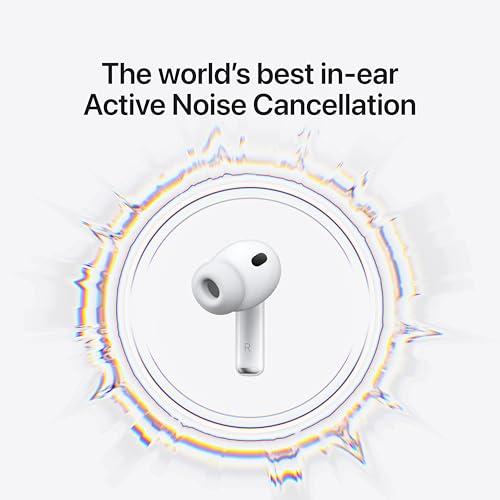
Apple claims the AirPods Pro 3 deliver "the world's best ANC of any in-ear wireless headphones," and our research suggests this isn't hyperbole. The system removes up to twice as much noise as the previous generation, which was already considered excellent. This improvement comes from upgraded ultra-low noise microphones, more sophisticated computational audio processing, and the new foam-infused ear tips that provide better passive isolation as a foundation for the active system.
The real-world impact of superior ANC extends beyond just quieter listening. Effective noise cancellation reduces listening fatigue because your brain doesn't have to work as hard to separate desired audio from background noise. This becomes particularly important during long flights, commutes, or extended work sessions. Professional reviews consistently highlight how the AirPods Pro 3's ANC maintains effectiveness across a wide frequency range, from low-frequency rumbles to mid-range chatter.
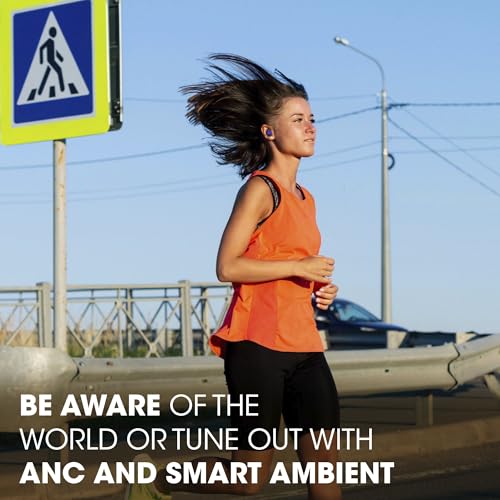
The JBL Endurance Race 2 offers basic ANC with Smart Ambient technology, but it's not designed to compete with premium implementations. The focus here is on Sports Mode optimization and maintaining situational awareness during outdoor activities. For gym use or casual outdoor running, this level of noise reduction is often preferable because complete isolation can be unsafe.
However, ANC comes with trade-offs. More sophisticated noise cancellation typically consumes more battery power and can affect audio quality if poorly implemented. The Apple system is refined enough that these compromises are minimal, while the JBL's simpler approach avoids potential issues by not trying to achieve maximum cancellation.
Battery performance often determines whether earbuds become daily companions or occasional accessories. The specifications tell only part of the story—real-world usage patterns, charging habits, and degradation over time matter just as much.
The JBL Endurance Race 2 excels in battery performance with up to 12 hours per charge and 48 hours total with the charging case (with ANC disabled). These numbers aren't just impressive on paper; they translate to practical advantages for active users. A weekend camping trip, long hiking day, or extended gym session becomes possible without worrying about battery management. The quick charge feature providing four hours of playback from just 10 minutes of charging addresses those inevitable moments when you grab your earbuds and realize they're dead.
The Apple AirPods Pro 3 offers eight hours per charge with ANC enabled, totaling 24 hours with the charging case. While this represents a 33% improvement over the previous generation, it's still significantly less than the JBL. However, the MagSafe charging case with USB-C provides more convenient charging options, and the more efficient H2 chip helps maximize the available battery capacity.
Battery life impacts user behavior in subtle but important ways. Longer battery life means less frequent charging, which reduces wear on the charging contacts and extends the overall lifespan of the earbuds. It also means fewer instances of reaching for your earbuds only to find them dead, which can be particularly frustrating before important calls or workouts.
The charging case battery capacity difference is particularly significant for frequent travelers or people who use earbuds throughout long workdays. The JBL's larger case battery means you can go several days between case charging, while the Apple case requires more frequent attention.
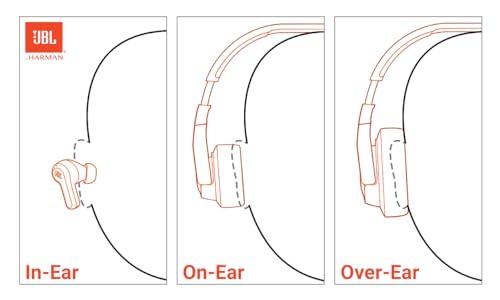
Earbud fit involves complex physics and biology that manufacturers often oversimplify. The human ear canal varies dramatically between individuals in both size and shape, and what works perfectly for one person can be completely unusable for another. Both products address this challenge but use different approaches.
The JBL Endurance Race 2 employs Twistlock™ technology with ergonomic wing enhancers designed specifically for stability during movement. This isn't just about preventing earbuds from falling out—it's about maintaining consistent acoustic seal and comfort during dynamic activity. The wing enhancers distribute pressure across a larger area of the ear, reducing hotspots that can develop during extended wear.
User reviews consistently praise the JBL's ability to stay secure during intense activities like running, weightlifting, or cycling. However, some users find the more aggressive fit less comfortable for casual listening sessions where maximum security isn't necessary. The trade-off between security and comfort becomes a personal preference based on intended use.
The Apple AirPods Pro 3 takes a different approach with redesigned internal architecture and five ear tip sizes, including a new XXS option. The foam-infused ear tips provide better passive noise isolation while maintaining comfort during extended wear. However, some users report challenges finding the optimal tip size that balances comfort with acoustic performance, particularly compared to the previous generation.
The fit challenge with any in-ear design is achieving proper acoustic seal without causing discomfort or pressure. Poor seal affects both sound quality and noise cancellation effectiveness, while excessive pressure causes discomfort that limits wearing time. The Apple system relies more on precise tip sizing, while the JBL uses mechanical retention through the wing system.
Modern earbuds increasingly function as miniature computers, and the feature gap between basic and premium products has widened dramatically in recent years.
The Apple AirPods Pro 3 introduces genuinely innovative features that go beyond traditional audio playback. The heart rate sensor using photoplethysmography (PPG) technology pulses invisible infrared light 256 times per second to measure blood flow and calculate heart rate. Combined with motion sensors and GPS data from your phone, this enables comprehensive fitness tracking across 50+ workout types without requiring additional devices.
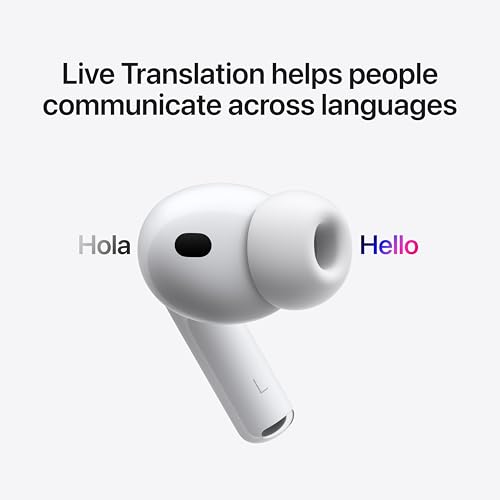
The Live Translation feature represents another technological leap, using computational audio and Apple Intelligence to provide real-time translation of conversations. While still limited to certain language pairs, this functionality points toward a future where language barriers become increasingly irrelevant.
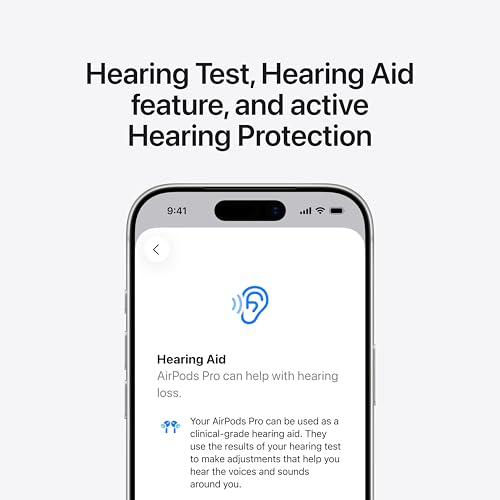
Hearing health features like the scientifically validated Hearing Test and FDA-authorized Hearing Aid functionality address genuine medical needs that go far beyond entertainment. These features transform the AirPods Pro 3 from consumer electronics into legitimate health monitoring devices.
The JBL Endurance Race 2 focuses on sports-specific features rather than broad smart capabilities. Sports Mode optimization allows users to customize ANC, ambient awareness, and EQ settings based on workout type and intensity. The unique Relax Mode offers five soundscapes for post-workout recovery, a thoughtful touch that reflects understanding of athletic training cycles.
Multi-point Bluetooth connection on the JBL enables simultaneous pairing with two devices, making it easy to switch between phone calls and music playback from different sources. This flexibility contrasts with Apple's ecosystem-focused approach, which works seamlessly within Apple devices but has limitations with other platforms.
Environmental protection ratings often get overlooked until you need them, but they represent fundamental differences in build quality and intended use cases.
The JBL Endurance Race 2's IP68 rating provides complete protection against dust ingress and continuous submersion in water beyond one meter depth. This isn't just about surviving unexpected rain or heavy sweat—these earbuds can handle swimming, beach activities, and extreme weather conditions that would destroy less protected devices.
The engineering required for IP68 protection affects every component choice and assembly process. Sealing systems must prevent water ingress while maintaining acoustic performance, and internal components must be protected against corrosion and moisture damage. This level of protection requires trade-offs in terms of size, weight, and potentially cost, but the JBL manages these compromises effectively.
The Apple AirPods Pro 3's IP57 rating offers excellent protection for normal use but stops short of submersion protection. This reflects Apple's focus on premium daily use rather than extreme conditions. For most users, IP57 provides adequate protection, but the difference becomes critical for athletes who train in all weather conditions or near water.
Durability extends beyond water resistance to mechanical robustness, battery longevity, and resistance to wear from repeated use. The JBL's sports-focused design typically sees more physical stress from active use, while the Apple earbuds might experience different wear patterns from more frequent charging cycles due to shorter battery life.
At the time of writing, these products occupy very different price segments, which fundamentally affects their value propositions and target audiences.
The JBL Endurance Race 2 delivers exceptional value for sports-focused users by concentrating resources on features that matter most for active lifestyles. Rather than trying to match premium products across all categories, JBL has optimized for durability, battery life, and secure fit while maintaining adequate performance in other areas. This focused approach allows them to deliver professional-grade sports features at accessible pricing.
The Apple AirPods Pro 3 commands premium pricing but justifies it through advanced technology and comprehensive feature sets. The computational audio processing, health monitoring capabilities, and ecosystem integration represent genuine innovations that aren't available in lower-priced products. For users who value these advanced features and are invested in the Apple ecosystem, the premium pricing reflects actual additional value.
However, value perception varies dramatically based on individual needs and priorities. A serious athlete who needs maximum durability and battery life might find the Apple product overpriced for their specific requirements, while someone prioritizing audio quality and smart features might consider the premium worth paying.
The market positioning also affects long-term value through software updates, accessory availability, and resale value. Apple's ecosystem integration typically means longer software support lifecycles, while JBL's broader compatibility might offer more flexibility as needs change.
For home entertainment use, the differences between these products become particularly pronounced. The Apple AirPods Pro 3 offer significant advantages for movie watching and immersive content consumption.
Personalized Spatial Audio creates a convincing surround sound effect that can rival dedicated home theater headphones for solo viewing. The technology uses head tracking to maintain consistent audio positioning as you move, creating an experience that feels remarkably similar to properly positioned speakers. Combined with superior noise cancellation, this makes the Apple earbuds excellent for late-night movie watching or immersive gaming without disturbing others.
The JBL Endurance Race 2 lacks advanced spatial audio features, making them less suitable for home theater use. While they can certainly handle video content adequately, they're optimized for active use rather than stationary entertainment consumption.
After extensive research into user experiences and professional evaluations, clear usage patterns emerge for each product.
Choose the JBL Endurance Race 2 if you're an active person who needs earbuds that can keep up with intense workouts, outdoor adventures, and unpredictable conditions. These excel for runners, cyclists, gym enthusiasts, and anyone who prioritizes durability and extended battery life over absolute audio refinement. They're also ideal for users who want excellent sports features without premium pricing, or anyone who uses multiple device platforms and needs broad compatibility.
The Apple AirPods Pro 3 makes sense for users who want the best possible audio experience with cutting-edge features like health monitoring and AI-powered capabilities. They're perfect for Apple ecosystem users who value seamless integration, professionals who need excellent call quality and noise cancellation for work, and anyone interested in hearing health features or advanced audio processing.
For general daily use, the Apple product offers more versatility and sophistication, while the JBL excels in specific active scenarios but may disappoint for casual listening in quiet environments.
The decision ultimately comes down to matching product strengths to your actual usage patterns and priorities. Both represent excellent execution of their respective design philosophies—the key is choosing the philosophy that aligns with your needs and budget.
| JBL Endurance Race 2 | Apple AirPods Pro 3 |
|---|---|
| Water/Dust Resistance - Critical for durability and active use | |
| IP68 (fully waterproof, submersible to 1+ meters) | IP57 (water resistant but not submersible) |
| Driver Size - Affects bass response and overall sound quality | |
| 6.8mm dynamic drivers | 10.7mm custom high-excursion drivers |
| Battery Life Per Charge - How long you can use without case charging | |
| 12 hours (10 hours with ANC on) | 8 hours (with ANC on) |
| Total Battery Life with Case - Critical for extended travel or heavy use | |
| 48 hours total (36 hours from case) | 24 hours total (16 hours from case) |
| Active Noise Cancellation - Essential for commuting and focused listening | |
| Basic ANC with Smart Ambient mode | Advanced ANC (2x better than AirPods Pro 2) |
| Fit Design - Determines comfort and stability during activity | |
| Twistlock™ technology with wing enhancers for sports | Redesigned with 5 ear tip sizes including XXS |
| Platform Compatibility - Important if you use multiple device types | |
| Universal (Android, iOS, Windows) with multi-point pairing | Optimized for Apple ecosystem, limited Android features |
| Health/Fitness Features - Valuable for active users and health monitoring | |
| Sports Mode EQ with 6 presets, Relax Mode soundscapes | Heart rate sensor, 50+ workout tracking, hearing health features |
| Smart Features - Advanced capabilities beyond basic audio | |
| JBL Headphones app customization | Live Translation, Siri integration, Personalized Spatial Audio |
| Charging Speed - How quickly you can get back to using them | |
| 10 minutes = 4 hours playback, 2 hours for full charge | Quick charge available, 1.5 hours for full charge |
| Weight Per Earbud - Affects comfort during extended wear | |
| 6.4g per earbud (heavier due to rugged build) | Approximately 5g per earbud (lighter premium design) |
| Microphone Setup - Important for call quality and voice features | |
| 4 beamforming mics (2 per earbud) for clear calls | Dual beamforming + inward-facing mics per earbud |
The JBL Endurance Race 2 are specifically designed for sports and active use. They feature Twistlock™ technology with wing enhancers that lock securely in your ears during intense movement, plus an IP68 waterproof rating that can handle submersion and heavy sweat. The Apple AirPods Pro 3 have improved fit and IP57 water resistance, but they're not optimized for vigorous physical activity like the JBL Endurance Race 2.
The JBL Endurance Race 2 significantly outperform the Apple AirPods Pro 3 in battery life, offering 12 hours per charge and 48 hours total with the charging case. The Apple AirPods Pro 3 provide 8 hours per charge and 24 hours total with the case. For extended use without frequent charging, the JBL are the clear winner.
The Apple AirPods Pro 3 offer superior active noise cancellation, with Apple claiming they deliver the "world's best ANC of any in-ear wireless headphones." They remove twice as much noise as the previous generation. The JBL Endurance Race 2 have basic ANC with Smart Ambient mode, which is adequate for gym use but not designed to compete with premium noise cancellation like the Apple AirPods Pro 3.
The Apple AirPods Pro 3 deliver superior audio quality with larger 10.7mm custom drivers, Adaptive EQ, and Personalized Spatial Audio. They offer better detail, soundstage, and overall refinement for music listening. The JBL Endurance Race 2 focus on JBL Pure Bass sound optimized for workouts and motivation, with good clarity but less sophisticated audio processing than the Apple AirPods Pro 3.
The JBL Endurance Race 2 work fully with Android, iOS, and other platforms, offering multi-point Bluetooth pairing to connect two devices simultaneously. The Apple AirPods Pro 3 work with Android but lose many advanced features like spatial audio, seamless switching, and firmware updates. Android users get better overall compatibility with the JBL.
The JBL Endurance Race 2 are significantly more durable with an IP68 rating, meaning they're completely dustproof and can handle submersion in water over 1 meter deep. The Apple AirPods Pro 3 have IP57 rating, which provides excellent water resistance but cannot handle submersion. For extreme conditions and maximum durability, choose the JBL Endurance Race 2.
Both offer excellent call quality, but they excel in different scenarios. The Apple AirPods Pro 3 provide superior call quality in quiet environments with advanced noise cancellation and computational audio. The JBL Endurance Race 2 feature 4 beamforming microphones optimized for outdoor and windy conditions. For office calls, choose Apple; for outdoor calls while active, the JBL perform better.
The Apple AirPods Pro 3 excel for home entertainment with Personalized Spatial Audio that creates surround sound effects and superior noise cancellation for immersive viewing. The JBL Endurance Race 2 can handle video content adequately but lack advanced spatial features. For the best home theater experience, the Apple AirPods Pro 3 are clearly superior.
The Apple AirPods Pro 3 include a custom heart rate sensor, track 50+ workout types, and integrate with Apple's Fitness app for comprehensive health monitoring. The JBL Endurance Race 2 offer Sports Mode EQ optimization and Relax Mode soundscapes but no biometric tracking. For fitness enthusiasts wanting health data, the Apple AirPods Pro 3 provide significantly more features.
Both offer quick charging, but with different approaches. The JBL Endurance Race 2 provide 4 hours of playback from just 10 minutes of charging and take 2 hours for a full charge. The Apple AirPods Pro 3 charge fully in 1.5 hours with MagSafe convenience. The JBL offer better quick-charge performance when you need a fast boost.
The JBL Endurance Race 2 offer exceptional value for sports-focused users, delivering professional-grade durability, extended battery life, and secure fit at a much lower price point. The Apple AirPods Pro 3 command premium pricing but justify it with advanced features like superior noise cancellation, health monitoring, and ecosystem integration. Choose JBL for budget-conscious active users, or Apple if premium features are worth the investment.
Choose the JBL Endurance Race 2 if you're active, need maximum durability and battery life, use multiple platforms, or want excellent sports features at affordable pricing. Pick the Apple AirPods Pro 3 if you prioritize audio quality, advanced noise cancellation, health tracking, smart features, and are invested in the Apple ecosystem. The JBL excel for specific active use cases, while the Apple AirPods Pro 3 offer more versatility and premium performance.
We've done our best to create useful and informative comparisons to help you decide what product to buy. Our research uses advanced automated methods to create this comparison and perfection is not possible - please contact us for corrections or questions. These are the sites we've researched in the creation of this article: youtube.com - runnersworld.com - cashify.in - youtube.com - theruntesters.com - bestbuy.com - thegardensnowboard.com - versus.com - versus.com - jbl.com - adaytrip.com - youtube.com - bhphotovideo.com - target.com - crutchfield.com - jbl.com - bhphotovideo.com - bestbuy.com - nfm.com - walmart.com - 9to5mac.com - youtube.com - apple.com - youtube.com - youtube.com - whathifi.com - head-fi.org - forums.macrumors.com - soundguys.com - apple.com - apple.com - phonearena.com - forum.headphones.com - macrumors.com - youtube.com - t-mobile.com - apple.com - youtube.com - support.apple.com - media.distrelec.com - support.apple.com - en.wikipedia.org

Privacy Policy
Terms and Conditions - Affiliate Policy
Home Security
© Copyright 2008-2026.
11816 Inwood Rd #1211, Dallas, TX 75244