



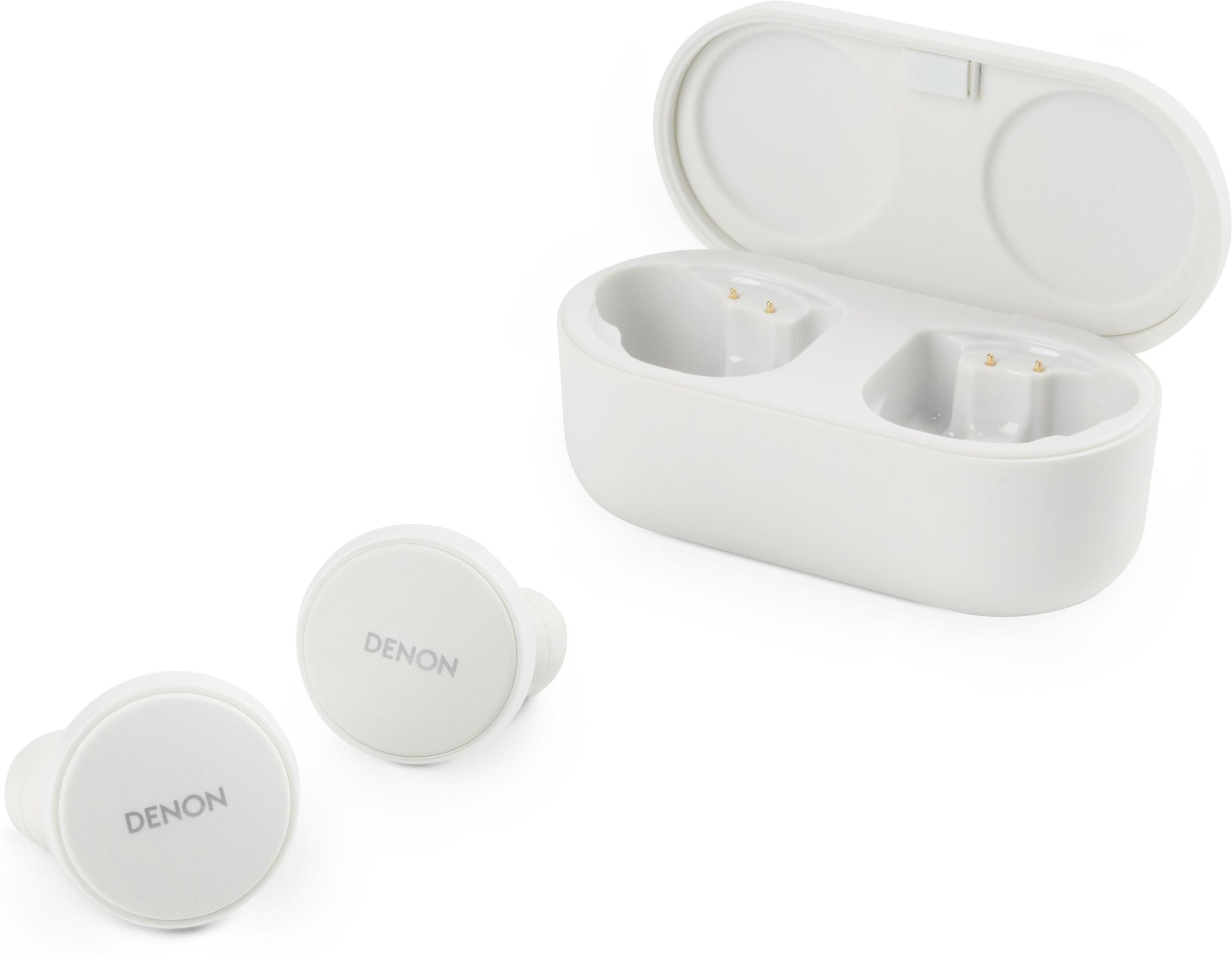
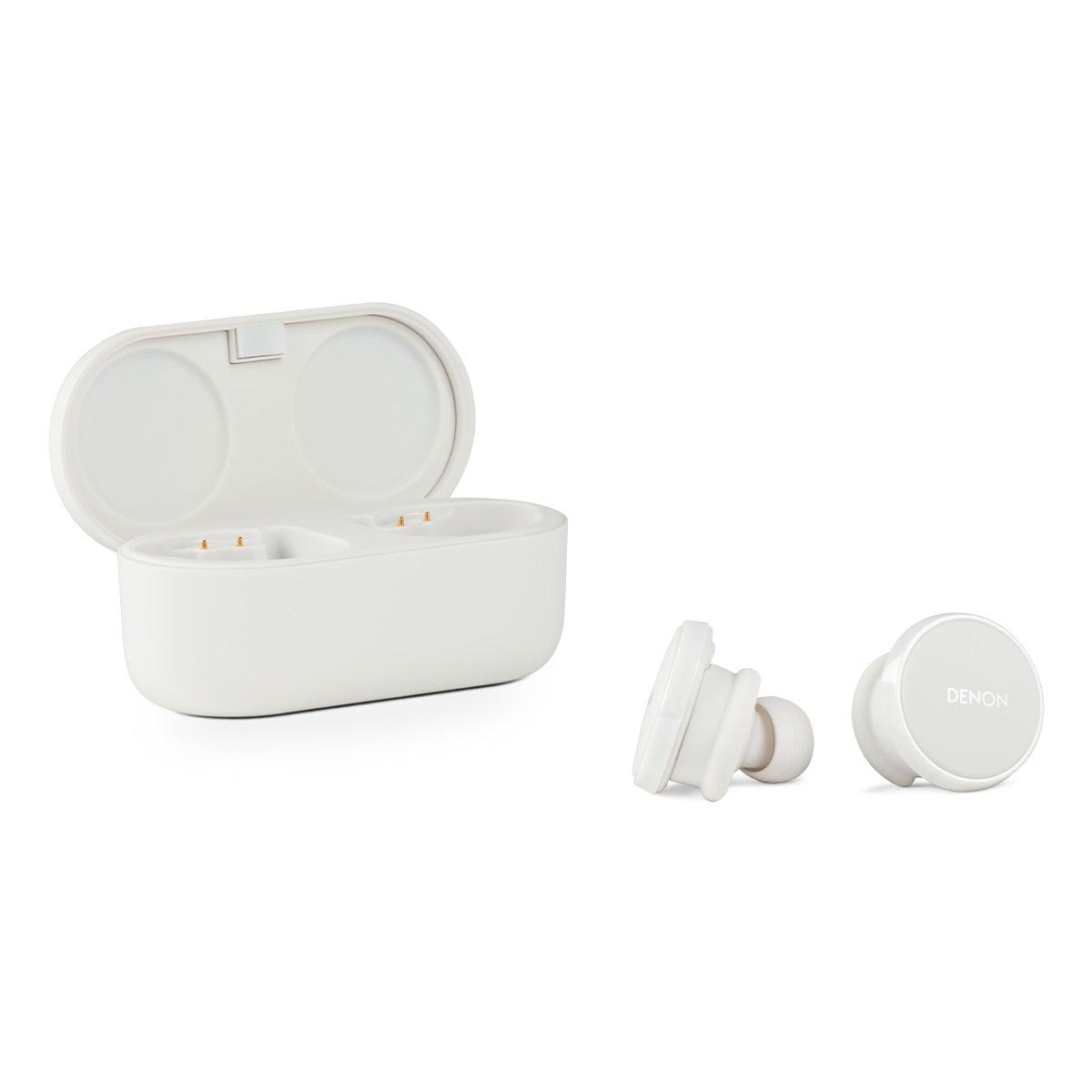
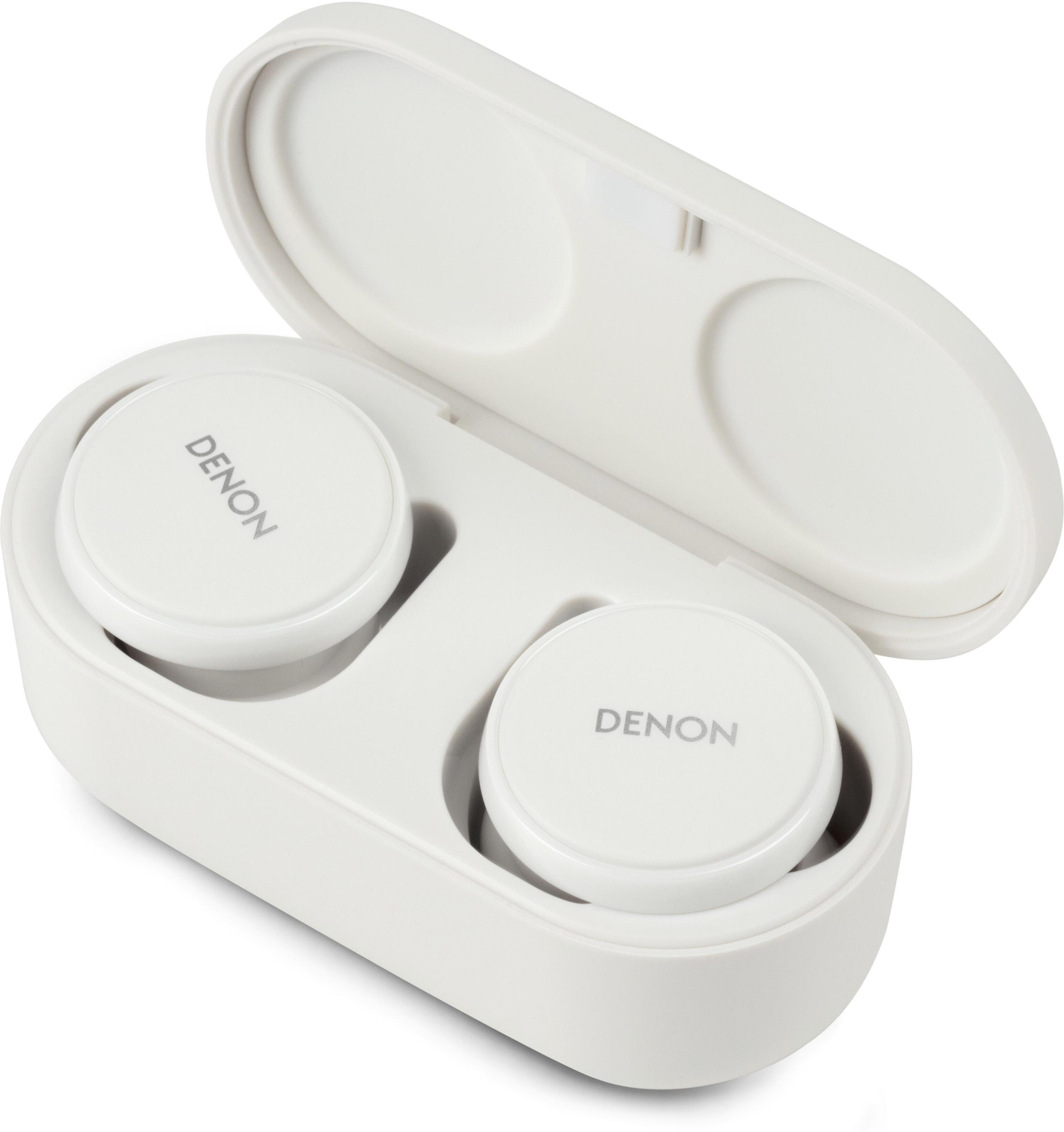
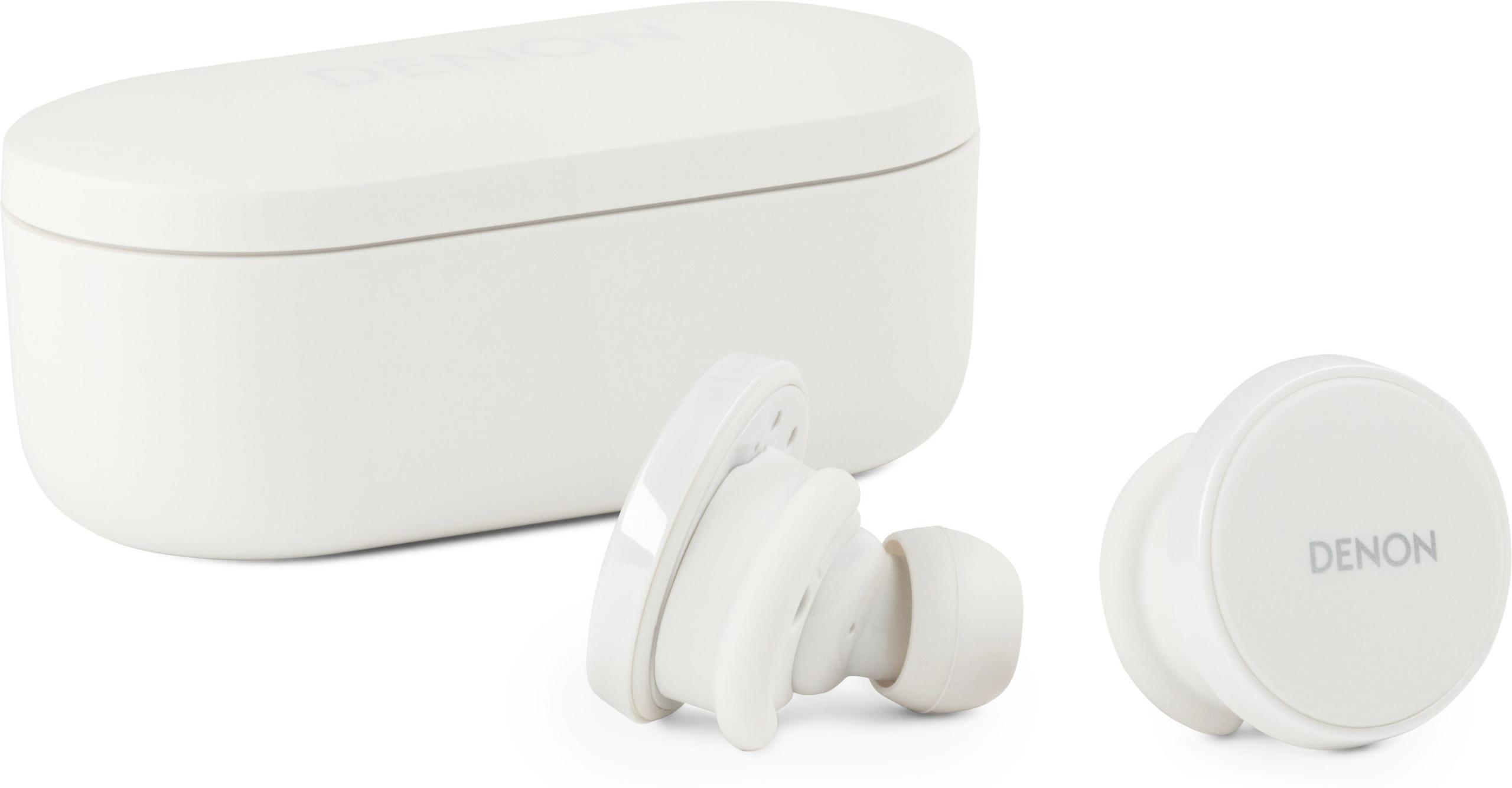
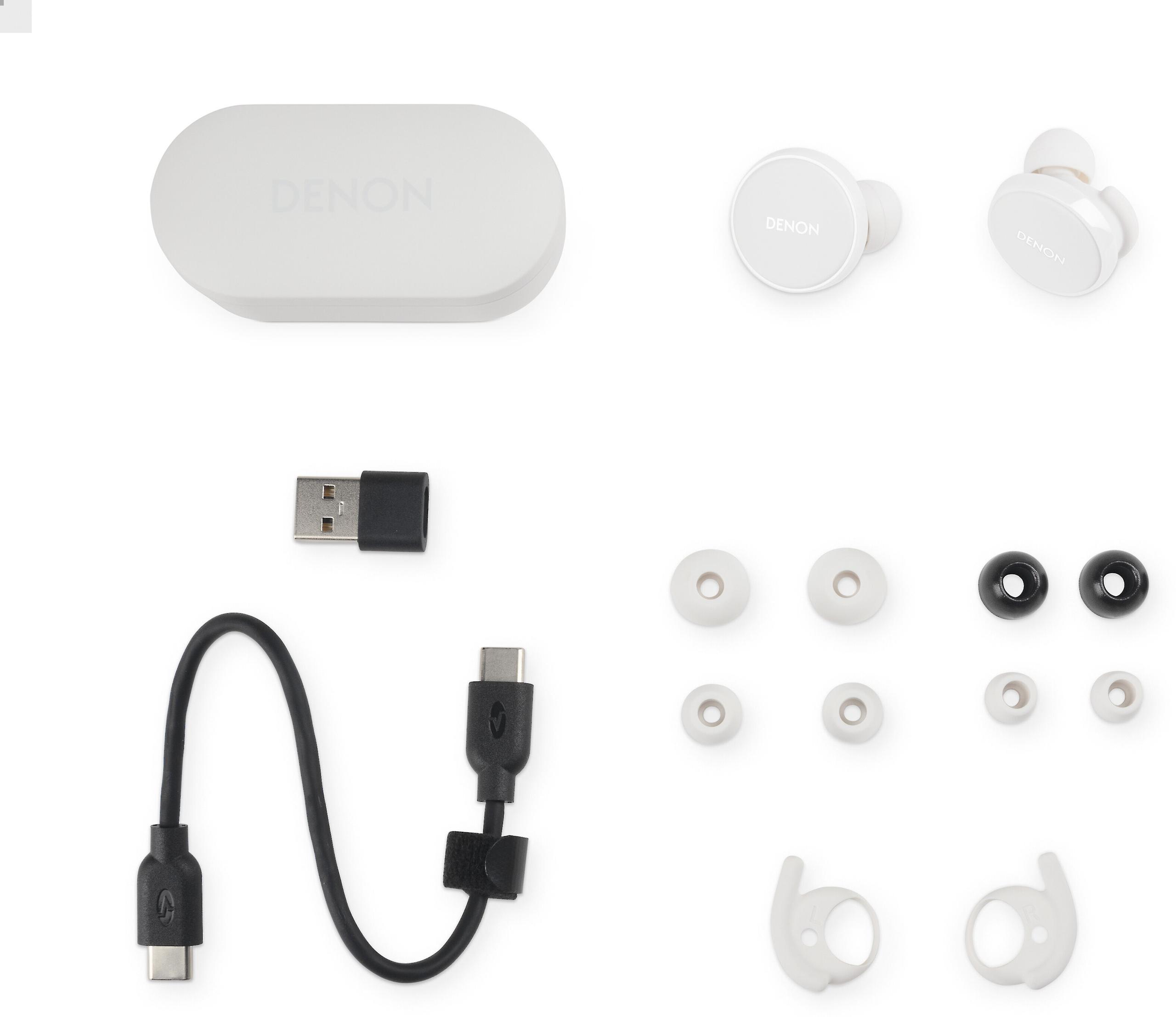

The world of premium true wireless earbuds has exploded over the past few years, with companies pushing the boundaries of what's possible in these tiny audio devices. Two standout models that represent different philosophies in this space are the Apple AirPods Pro 3 and the Denon PerL Pro. At the time of writing, both sit in the premium price tier but take notably different approaches to delivering exceptional audio experiences.
Understanding what makes premium earbuds worth their price tag requires looking beyond just sound quality. These devices now pack in active noise cancellation (technology that uses microphones to detect and cancel out external noise), advanced connectivity features, health monitoring capabilities, and sophisticated audio processing. The real question isn't just which sounds better, but which approach better matches your specific needs and preferences.
Premium true wireless earbuds have come a long way since the first generation of truly wireless designs. The Apple AirPods Pro 3, released in 2025, represents the latest evolution of Apple's flagship earbuds with significant improvements in noise cancellation, battery life, and the addition of health monitoring features. Meanwhile, the Denon PerL Pro, which hit the market in 2023, focuses heavily on personalized audio tuning and high-resolution audio support.
What sets premium earbuds apart from budget options isn't just better sound quality – though that's certainly part of it. These devices integrate advanced computational audio processing (using powerful chips to enhance and modify audio in real-time), sophisticated noise cancellation systems, and increasingly, smart features that go beyond just playing music. The key considerations when shopping in this category include sound quality, active noise cancellation effectiveness, battery life, ecosystem integration, and unique features that justify the premium price.
Sound quality represents the most fundamental difference between these two products, and it's where their different philosophies really shine through.
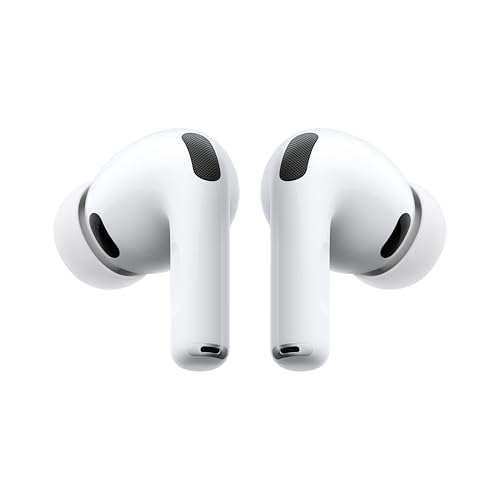
The Apple AirPods Pro 3 takes Apple's traditional approach of computational audio excellence. The custom Apple H2 chip processes audio in real-time, using what Apple calls "multiport acoustic architecture" – essentially multiple precisely-tuned openings that control airflow and enhance spatial audio effects. The earbuds feature Adaptive EQ, which automatically adjusts the sound based on how they fit in your ears, using inward-facing microphones to measure what you're actually hearing and compensate accordingly.
However, Apple's approach has one significant limitation: you can't manually adjust the sound signature. There's no equalizer in the settings, no way to boost bass or adjust treble to your preferences. Apple believes their computational approach and automatic tuning provides the optimal experience for everyone, but this philosophy doesn't appeal to users who want control over their audio experience.
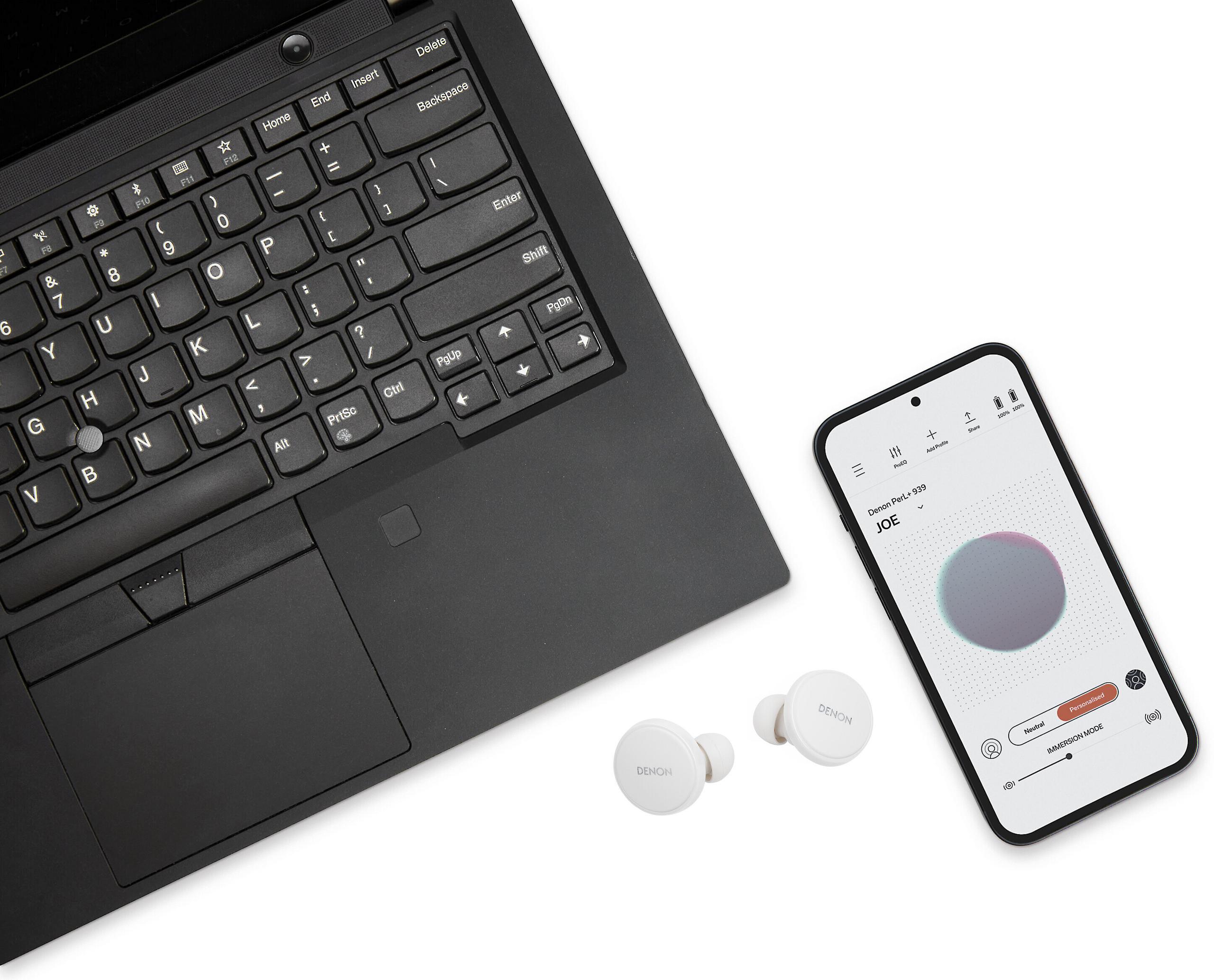
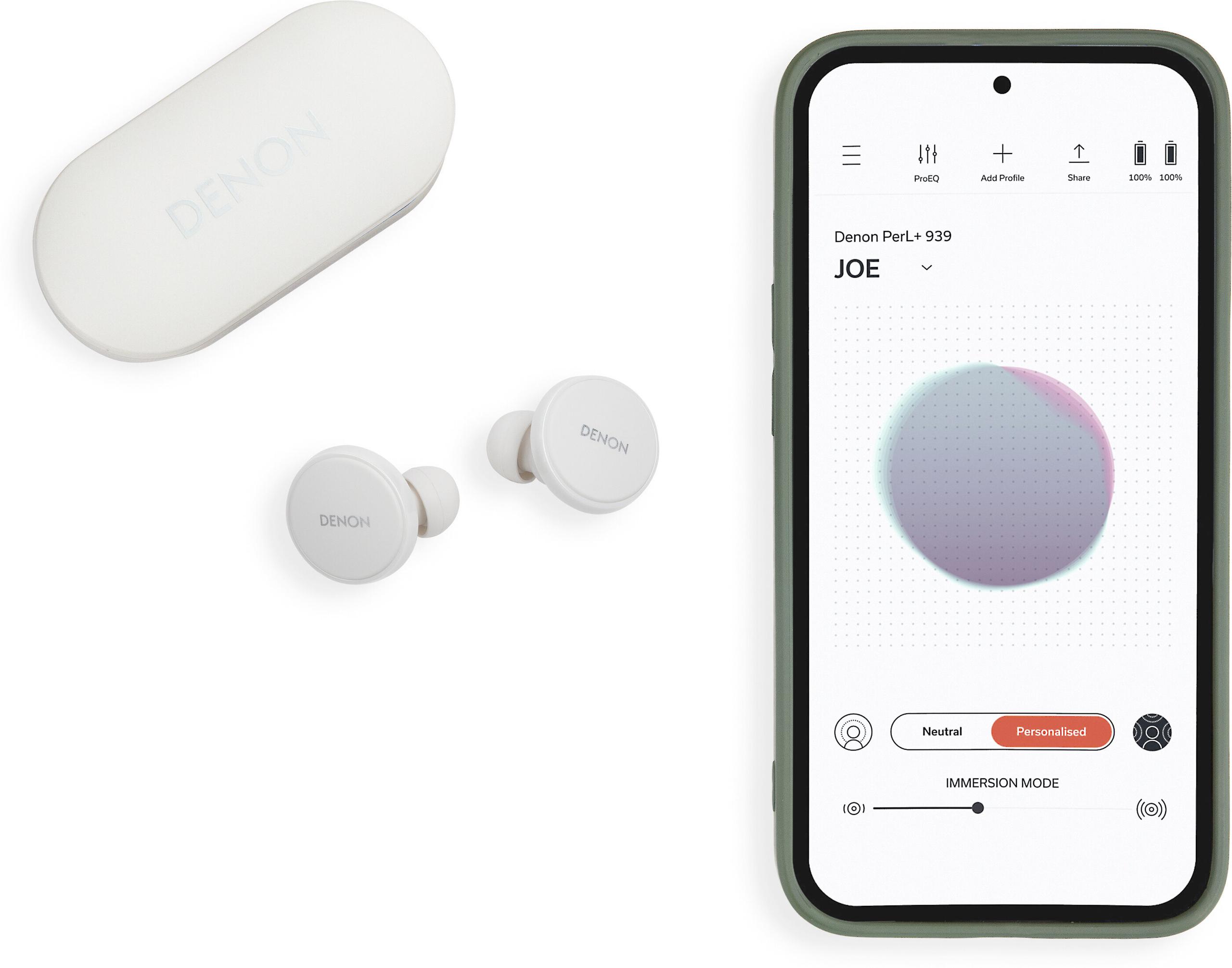
The Denon PerL Pro takes the opposite approach, putting personalization front and center. The standout feature here is Masimo Adaptive Acoustic Technology (AAT), which actually measures your ears and hearing sensitivity to create a personalized sound profile. When you first set up the earbuds, the system plays a series of test tones and uses your responses to build what they call a "hearing blob" – essentially a 3D map of your unique hearing characteristics. This isn't just marketing gimmicks; our research into user experiences shows this personalization makes a genuinely noticeable difference in sound quality.
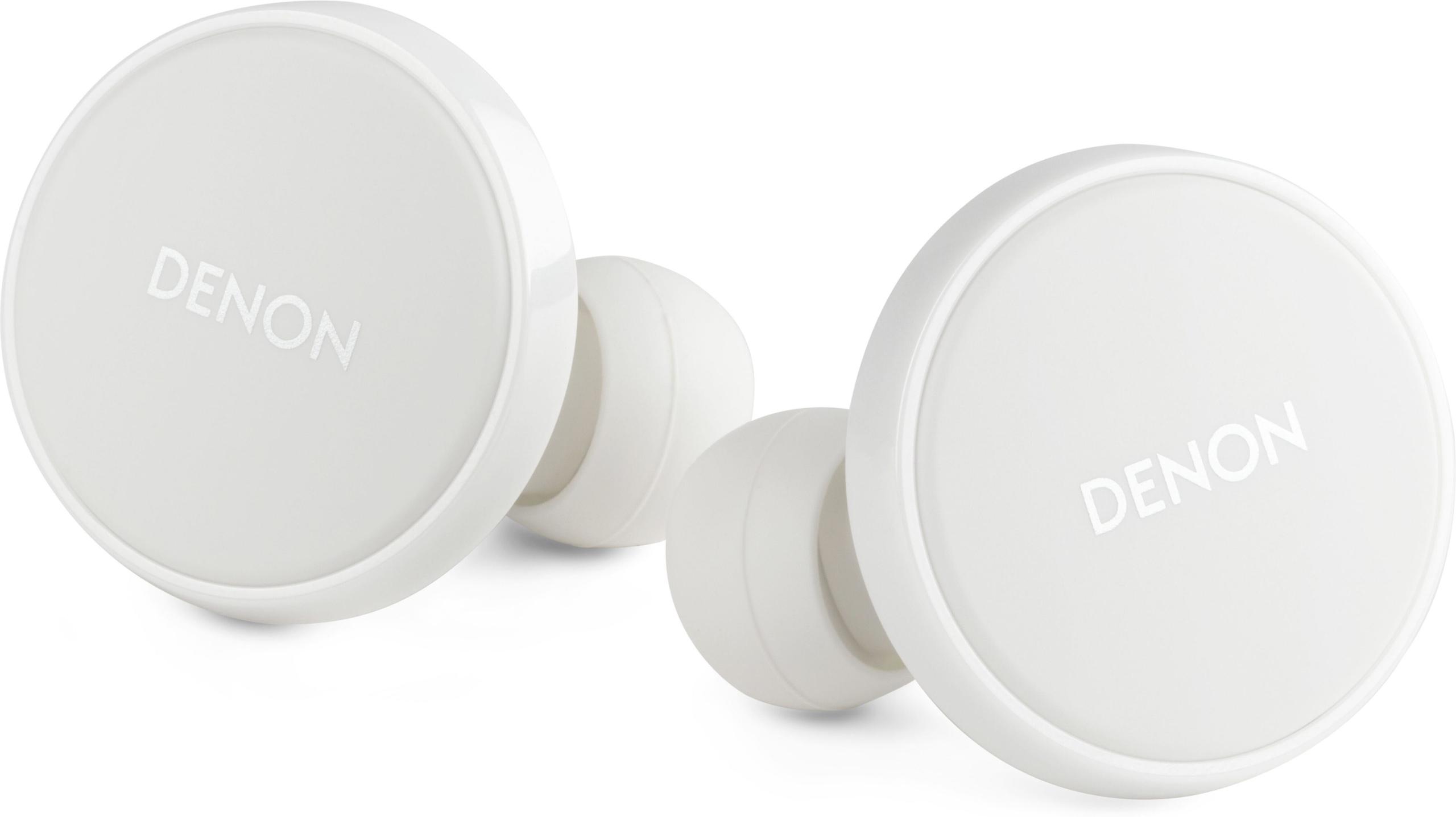
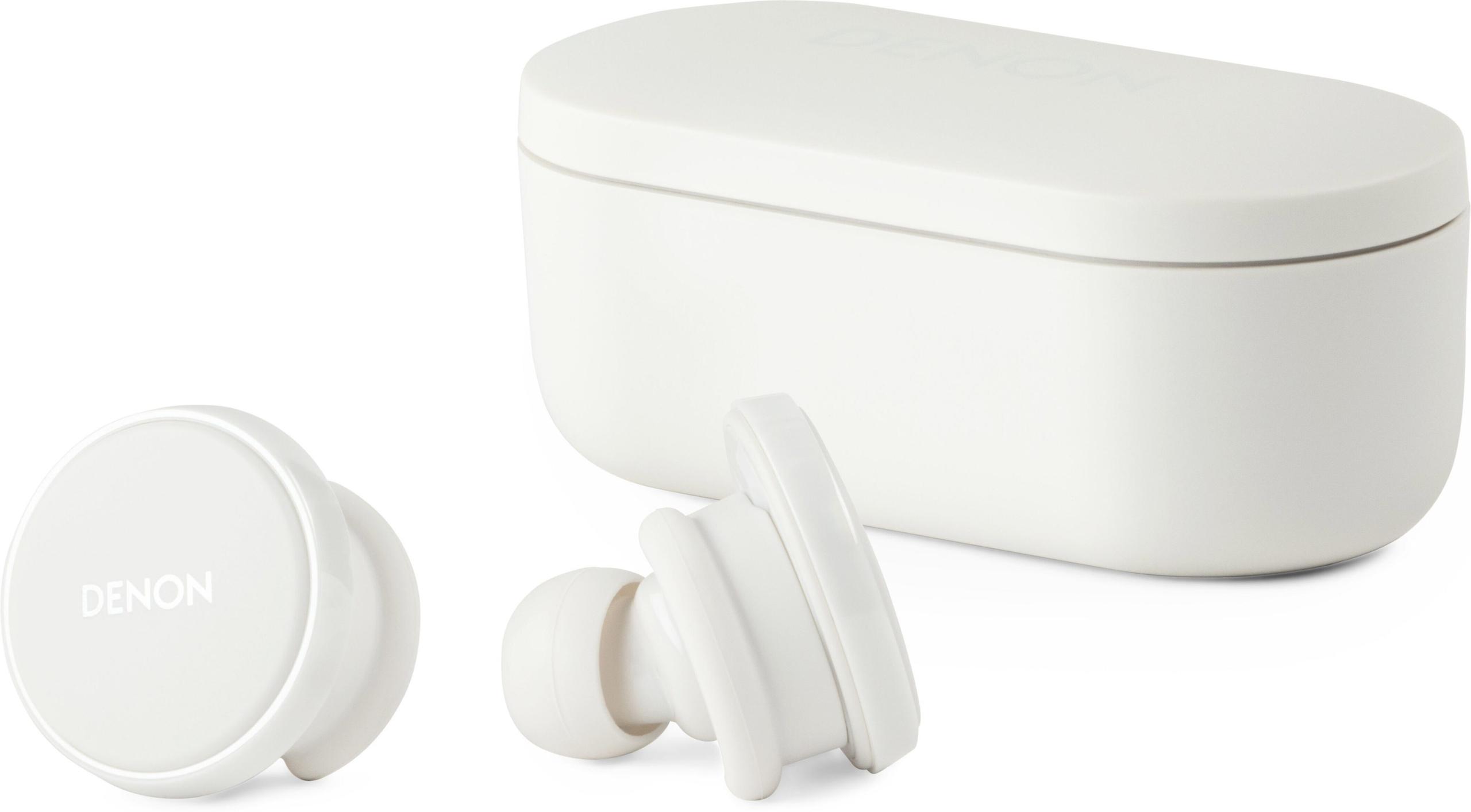
Beyond personalization, the Denon PerL Pro supports aptX Lossless, a Bluetooth codec that can stream CD-quality audio without compression – but only if you're using a compatible Android device. This is a significant advantage for Android users who want the absolute best audio quality their streaming services can provide. The earbuds also feature traditional 10mm dynamic drivers with triple-layer titanium diaphragms, which provide excellent bass response and detailed highs.
From our analysis of expert and user reviews, the sound quality winner depends heavily on your priorities. If you want a great-sounding earbud that works excellently right out of the box with minimal setup, the AirPods Pro 3 delivers consistently excellent results. But if you're an audio enthusiast who wants to fine-tune your listening experience and you use Android devices, the Denon PerL Pro offers superior customization and codec support.
Active Noise Cancellation (ANC) represents one of the most important features in premium earbuds, especially for commuters, frequent flyers, or anyone who needs to focus in noisy environments. This technology works by using outward-facing microphones to detect environmental noise, then generating inverse sound waves to cancel it out.
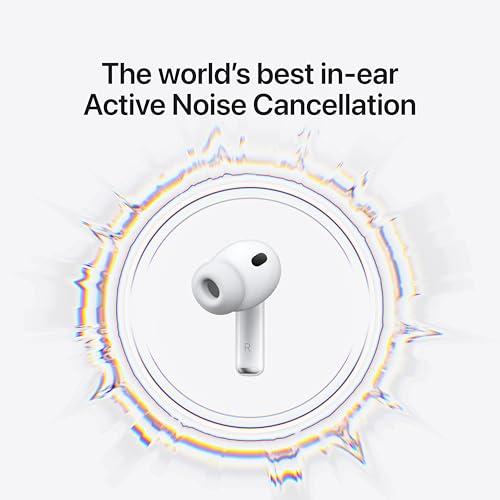
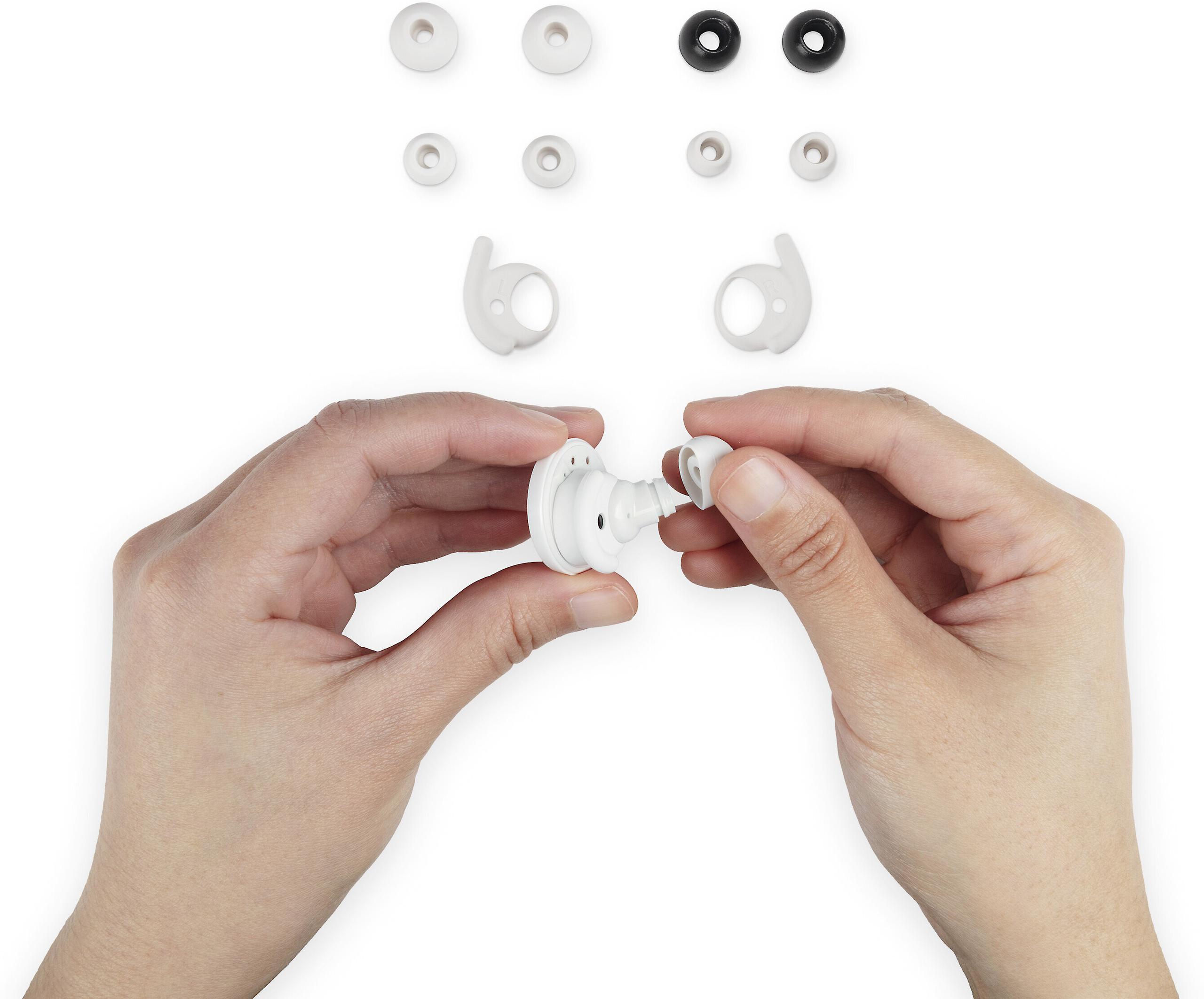
The Apple AirPods Pro 3 sets the benchmark here. Apple claims their latest ANC is twice as effective as the previous generation and four times better than the original AirPods Pro. This improvement comes from upgraded microphones, more powerful computational audio processing, and better ear tip design that creates a more effective seal. The foam-infused ear tips aren't just about comfort – they provide better passive isolation, which works together with active cancellation for superior noise blocking.
What makes Apple's ANC particularly impressive is its adaptability. The system continuously monitors your environment and adjusts cancellation in real-time. Whether you're on a plane, in a coffee shop, or walking down a busy street, the AirPods Pro 3 adapts to provide optimal noise reduction. The Transparency mode, which lets environmental sound through when you need situational awareness, is equally refined.
The Denon PerL Pro offers solid ANC performance with its eight-microphone array (four per earbud), but it doesn't match Apple's effectiveness. Denon's approach focuses more on adaptive cancellation that learns your environment over time, and includes a "Social Mode" that's designed specifically for conversations – it reduces background noise while preserving speech frequencies. This is practical for office environments or when you need to have conversations without removing your earbuds.
For pure noise cancellation performance, especially in challenging environments like airplanes or busy urban settings, the AirPods Pro 3 clearly takes the lead. The difference is noticeable enough that it could be a deciding factor for frequent travelers or anyone who regularly needs to block out distracting noise.
Battery life often determines how useful premium earbuds are in real-world use, and here we see an interesting trade-off between the two products.
Both the AirPods Pro 3 and Denon PerL Pro offer up to 8 hours of playback with ANC enabled, which represents excellent single-charge performance. However, the total battery life with their charging cases differs significantly. The AirPods Pro 3 provides 24 hours total, while the Denon PerL Pro extends to 32 hours.
This difference matters more than it might initially seem. If you're someone who uses earbuds heavily throughout the day – for work calls, commuting, and entertainment – that extra 8 hours from the Denon case could mean the difference between charging every few days versus daily charging. The Denon PerL Pro also offers faster quick charging: just 5 minutes provides an hour of playback, compared to slightly slower quick charging on the Apple model.
Both support wireless charging, though Apple's MagSafe integration provides more precise alignment and potentially faster wireless charging speeds. The AirPods Pro 3 case is also more compact, which some users prefer for pocket-ability, even though it means sacrificing some battery capacity.
For anyone who takes work calls, video conferences, or just wants clear phone conversations, microphone quality becomes crucial. This is an area where the Denon PerL Pro shows its technical sophistication.
The Denon PerL Pro uses an eight-microphone array combined with bone conduction technology. Bone conduction picks up vibrations from your jawbone when you speak, which means your voice comes through clearly even in windy or noisy conditions. This is particularly valuable for outdoor calls or when you're in challenging acoustic environments.
The AirPods Pro 3 relies more heavily on computational audio processing and beamforming microphones (which focus on sound from specific directions) to isolate your voice. Apple's Voice Isolation feature works well for removing background noise during calls, and the integration with iPhone's phone app provides excellent call handling features.
Based on user feedback and expert reviews, both perform excellently for calls, but the Denon PerL Pro has a slight edge in challenging conditions like wind or very noisy environments, thanks to that bone conduction technology.
This is where these two products really diverge in their approach to premium features.
The Apple AirPods Pro 3 pushes into health monitoring territory with a built-in heart rate sensor that uses photoplethysmography – essentially flashing invisible infrared light 256 times per second to measure blood flow through your ears. This enables workout tracking, heart rate monitoring, and integration with Apple's Fitness app for over 50 different workout types. For fitness enthusiasts already using Apple's health ecosystem, this represents genuine added value.
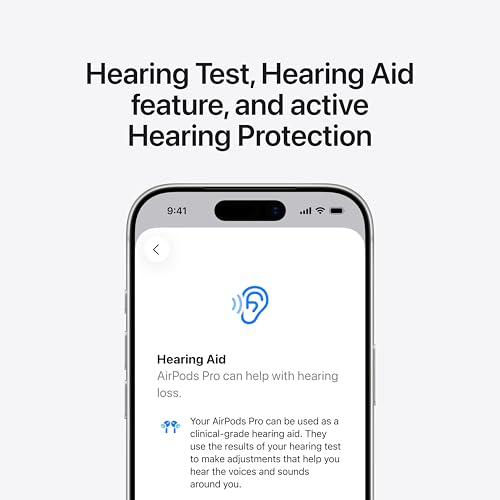
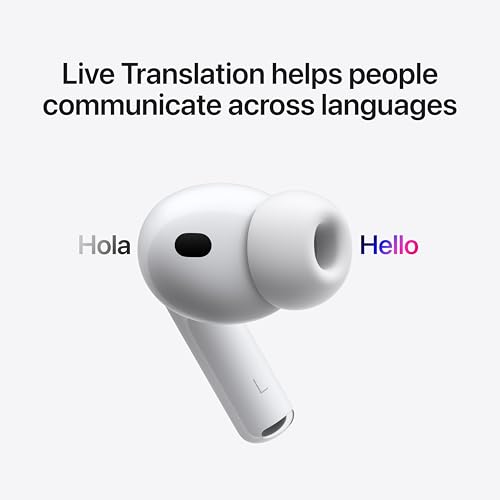
Apple also introduced Live Translation, which can translate conversations in real-time across multiple languages. While this feature shows promise, early user feedback suggests it's more of a novelty than a truly practical tool in most situations. The AirPods Pro 3 also includes hearing health features, including an FDA-approved hearing aid function for users with mild to moderate hearing loss.
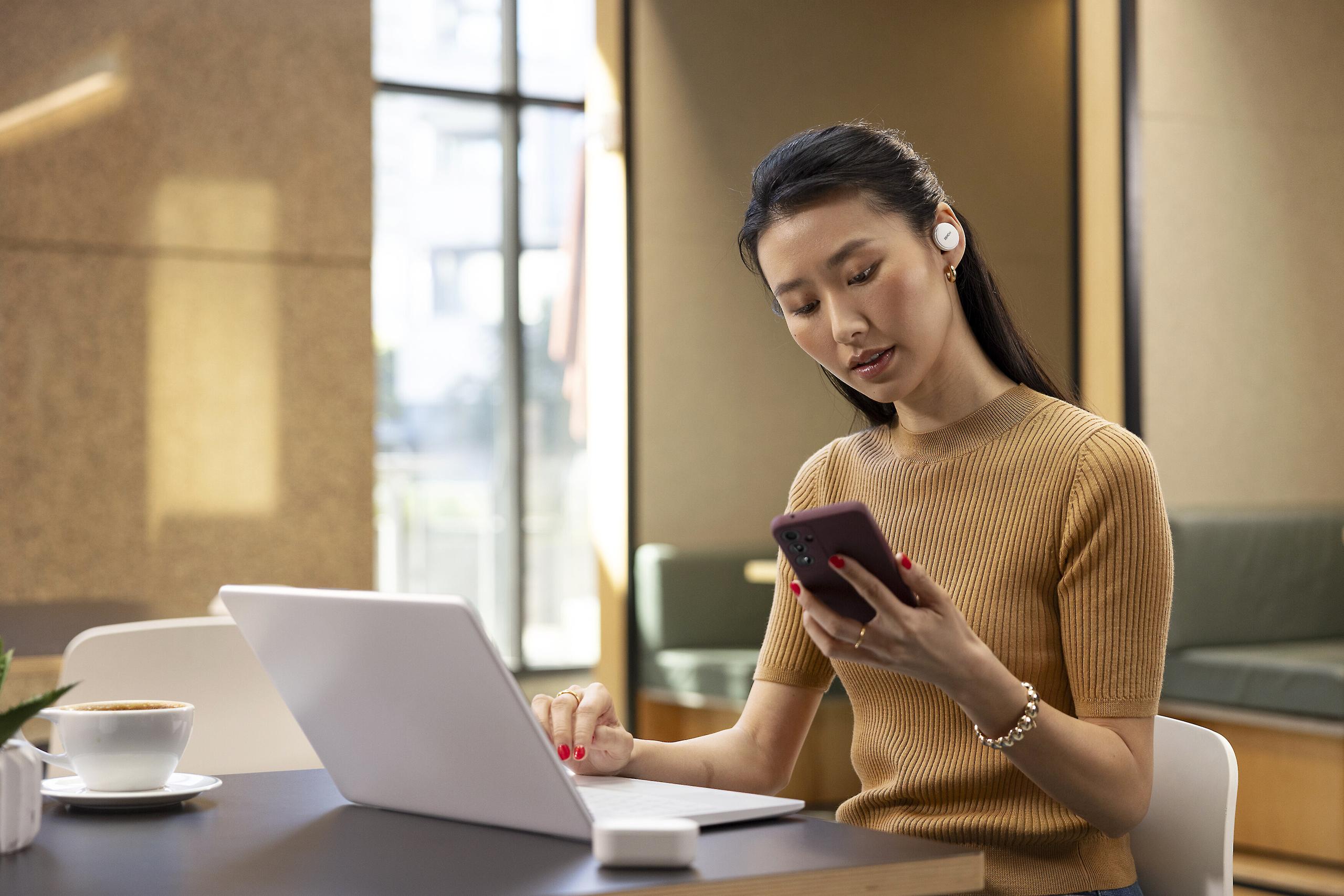
The Denon PerL Pro focuses on audio-centric advanced features. The personalized sound profiling goes beyond simple EQ adjustments – it's based on actual measurements of your hearing characteristics. The earbuds also support multipoint connectivity, meaning you can connect to two devices simultaneously and seamlessly switch between them. This is incredibly practical if you use both a laptop for work and a phone for personal use.
For home theater use, the Denon PerL Pro has some advantages. The Dirac Virtuo spatial audio processing creates a more expansive soundstage that works well for movie watching, and the aptX Adaptive codec provides lower latency than standard Bluetooth, reducing the lip-sync issues that can plague wireless earbuds during video watching.
Your choice of smartphone platform significantly influences which of these earbuds will work better for you.
The Apple AirPods Pro 3 provides an almost magical experience with Apple devices – instant pairing, automatic device switching, and seamless integration with iOS features. However, this comes at the cost of limited functionality with Android devices. You'll get basic audio playback, but features like spatial audio, optimized ANC settings, and health monitoring won't work.
The Denon PerL Pro takes a platform-agnostic approach. The personalized sound profiling, EQ controls, and advanced codec support work equally well whether you're using an iPhone, Android device, or even connecting to a Windows laptop. The multipoint connectivity is particularly valuable for users who regularly switch between different devices throughout their day.
At the time of writing, both earbuds sit in the premium price tier, with the Apple AirPods Pro 3 commanding a slight premium over the Denon PerL Pro. The value equation depends heavily on what you prioritize.
The AirPods Pro 3 justifies its premium pricing through best-in-class ANC, innovative health features, and seamless Apple ecosystem integration. If you're an iPhone user who values convenience and cutting-edge features, the premium feels reasonable.
The Denon PerL Pro offers better pure value for audio quality, especially considering its personalization features and high-resolution codec support. For audiophiles or users who want maximum flexibility across different devices, it provides more audio performance per dollar spent.
For home entertainment, both earbuds offer spatial audio features, but they work differently. The AirPods Pro 3 provides excellent spatial audio for Apple TV+ content and other compatible sources, creating an immersive experience that works particularly well for movies and TV shows.
The Denon PerL Pro might have a slight edge for home theater use due to its lower latency with aptX Adaptive and the more expansive soundstage created by Dirac Virtuo processing. The ability to customize the EQ also means you can optimize the sound signature specifically for different types of content – perhaps boosting dialogue frequencies for TV shows or enhancing bass for action movies.
Choosing between these two excellent products ultimately comes down to your priorities and use case scenarios.
Choose the Apple AirPods Pro 3 if you're deeply integrated into Apple's ecosystem and value convenience above all else. The superior ANC makes them ideal for frequent travelers or anyone working in noisy environments. The health monitoring features add genuine value for fitness enthusiasts, and the seamless device integration can't be matched by any non-Apple product. If you prioritize having the latest technology and don't mind paying premium prices for cutting-edge features, these are the clear choice.
The Denon PerL Pro makes more sense for users who prioritize audio quality, customization, and flexibility. They're particularly appealing for Android users who want high-resolution audio support, anyone who regularly switches between multiple devices, or audio enthusiasts who want control over their sound signature. The longer battery life and superior call quality in challenging conditions are practical advantages that matter in daily use.
Both represent excellent value in the premium earbud space, but they serve different user needs. The AirPods Pro 3 is about seamless integration and innovative features, while the Denon PerL Pro focuses on customizable, high-quality audio performance. Your choice should align with whether you value ecosystem convenience or audio flexibility more highly in your daily listening experience.
| Apple AirPods Pro 3 | Denon PerL Pro |
|---|---|
| Active Noise Cancellation - Critical for blocking distractions in noisy environments | |
| Industry-leading ANC, 2x better than previous generation with computational audio | Good adaptive ANC with 8-mic array, but trails Apple's effectiveness |
| Sound Personalization - How much control you have over your audio experience | |
| Automatic Adaptive EQ only, no manual EQ controls | Masimo AAT creates personalized sound profiles + 5-band manual EQ |
| Audio Codec Support - Determines maximum audio quality, especially on Android | |
| AAC and SBC only (no high-resolution support) | aptX Lossless, aptX Adaptive, AAC, SBC (CD-quality on compatible devices) |
| Battery Life - Total listening time before needing to charge the case | |
| 8 hours earbuds + 16 hours case = 24 hours total | 8 hours earbuds + 24 hours case = 32 hours total |
| Health & Fitness Features - Added functionality beyond audio | |
| Heart rate monitoring, workout tracking, hearing health features | None (pure audio focus) |
| Platform Compatibility - How well they work across different devices | |
| Excellent with Apple devices, limited Android functionality | Full feature support across iOS, Android, and other platforms |
| Call Quality - Important for work calls and phone conversations | |
| Beamforming mics with computational audio processing | 8-mic array with bone conduction technology (superior in windy conditions) |
| Multipoint Connectivity - Ability to connect to multiple devices simultaneously | |
| Apple device switching only (within ecosystem) | True multipoint: connect to 2 devices from any manufacturer |
| Water Resistance - Protection against sweat and light rain | |
| IP57 rating (dust, sweat, and water resistant) | IPX4 rating (sweat and splash resistant) |
| Weight Per Earbud - Affects long-term comfort during extended use | |
| ~5.3g each (lighter, more comfortable for long sessions) | 8.6g each (heavier but more stable fit) |
| Charging Options - Convenience of keeping earbuds powered | |
| USB-C and MagSafe wireless charging | USB-C and Qi wireless charging |
| Spatial Audio Technology - Creates immersive surround sound experience | |
| Apple's proprietary spatial audio with head tracking | Dirac Virtuo spatial audio (works across all platforms) |
The Denon PerL Pro offers superior sound quality for most users due to its personalized audio tuning and high-resolution codec support. The earbuds use Masimo Adaptive Acoustic Technology to create a custom sound profile based on your ear shape and hearing, plus they support aptX Lossless for CD-quality audio on compatible Android devices. The Apple AirPods Pro 3 delivers consistently good sound with automatic Adaptive EQ, but lacks manual customization options.
The Apple AirPods Pro 3 clearly wins in noise cancellation performance. Apple's latest ANC technology is significantly more effective at blocking external noise, making it ideal for flights, commuting, or noisy work environments. The Denon PerL Pro offers decent noise cancellation but can't match Apple's industry-leading performance in this area.
Both the Apple AirPods Pro 3 and Denon PerL Pro offer up to 8 hours of playback per charge with ANC enabled. However, the Denon PerL Pro provides significantly longer total battery life with 32 hours from the charging case compared to 24 hours from the Apple AirPods Pro 3 case.
No, the Apple AirPods Pro 3 offers limited functionality on Android devices. You'll miss out on spatial audio, optimized ANC settings, health monitoring features, and seamless device switching. Android users should choose the Denon PerL Pro instead, which provides full feature support and superior audio quality with aptX Lossless codec support.
The Denon PerL Pro has a slight advantage for call quality, especially in challenging conditions. Its 8-microphone array combined with bone conduction technology provides clearer voice pickup in windy or noisy environments. The Apple AirPods Pro 3 also offers excellent call quality with computational audio processing, but the Denon's hardware approach gives it an edge.
The Denon PerL Pro offers extensive sound customization with personalized sound profiles and a 5-band equalizer. The Apple AirPods Pro 3 only provides automatic Adaptive EQ with no manual controls, which limits your ability to adjust the sound to your preferences.
The Apple AirPods Pro 3 is better for fitness use due to its built-in heart rate monitoring, workout tracking for 50+ exercise types, and superior IP57 water resistance rating. While the Denon PerL Pro offers IPX4 protection and a more secure fit due to its heavier design, it lacks health monitoring features.
The Denon PerL Pro supports true multipoint connectivity, allowing simultaneous connection to two devices from any manufacturer. The Apple AirPods Pro 3 only offers seamless switching between Apple devices within the same ecosystem, limiting its flexibility for multi-device users.
Both offer spatial audio, but the Denon PerL Pro has advantages for home theater use. It provides lower latency with aptX Adaptive codec, reducing lip-sync issues, and offers customizable EQ settings to optimize dialogue clarity or enhance bass for different content types. The Apple AirPods Pro 3 works excellently with Apple TV+ and other compatible sources but lacks the flexibility of manual audio adjustments.
The Apple AirPods Pro 3 are lighter at around 5.3g per earbud compared to 8.6g for the Denon PerL Pro, making them more comfortable for extended listening sessions. However, the heavier Denon PerL Pro provides a more secure, stable fit that some users prefer for active use.
The Denon PerL Pro typically offers better value, providing superior sound customization, longer battery life, high-resolution audio support, and multipoint connectivity at a lower price point. The Apple AirPods Pro 3 justifies its premium through best-in-class noise cancellation, health features, and seamless Apple ecosystem integration, but only provides good value if you use these specific features.
Choose the Denon PerL Pro if sound quality is your priority. Its personalized tuning, manual EQ controls, and aptX Lossless support (on Android) deliver superior audio performance for music. The Apple AirPods Pro 3 is better if you prioritize convenience, noise cancellation, and seamless integration with Apple devices over pure audio quality.
We've done our best to create useful and informative comparisons to help you decide what product to buy. Our research uses advanced automated methods to create this comparison and perfection is not possible - please contact us for corrections or questions. These are the sites we've researched in the creation of this article: 9to5mac.com - youtube.com - apple.com - youtube.com - youtube.com - whathifi.com - head-fi.org - forums.macrumors.com - soundguys.com - apple.com - apple.com - phonearena.com - forum.headphones.com - macrumors.com - youtube.com - t-mobile.com - apple.com - youtube.com - support.apple.com - media.distrelec.com - support.apple.com - en.wikipedia.org - techradar.com - zdnet.com - bestbuy.com - rtings.com - reviewed.com - youtube.com - pmamagazine.org - denon.com - youtube.com - whathifi.com - denon.com - loudnwireless.com - soundguys.com - stereonet.com - shop.masimo.com - crutchfield.com - bhphotovideo.com - denon.com - denon.com - manuals.denon.com - denon.com - headphones.com

Privacy Policy
Terms and Conditions - Affiliate Policy
Home Security
© Copyright 2008-2026.
11816 Inwood Rd #1211, Dallas, TX 75244