

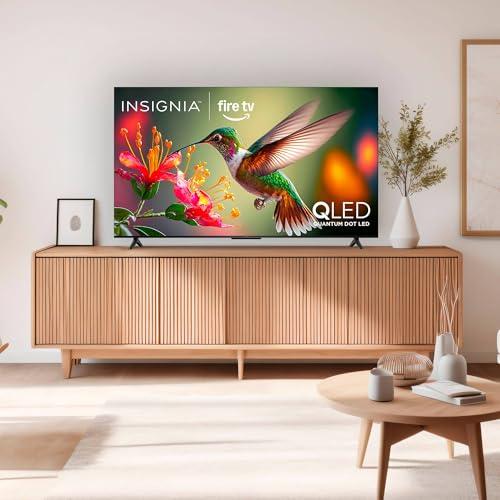
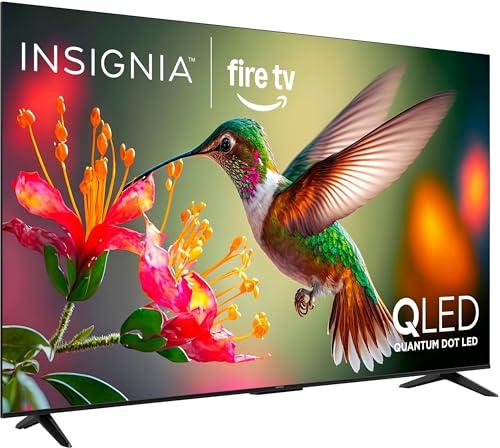
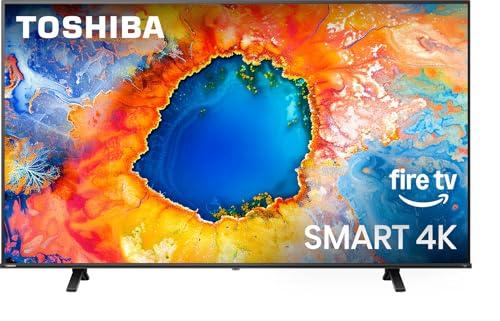
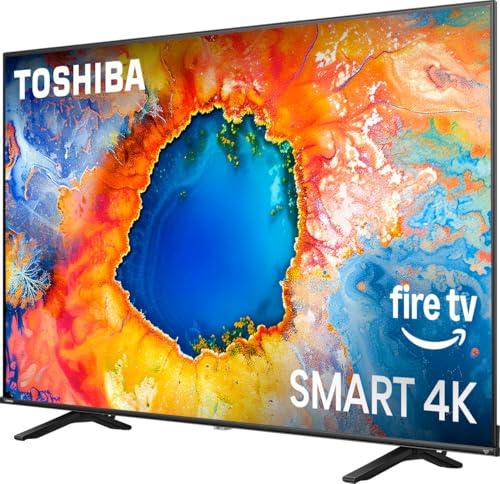
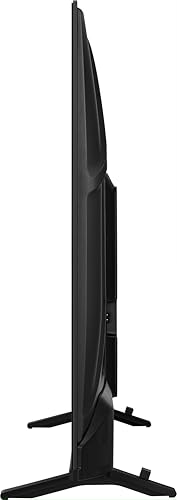

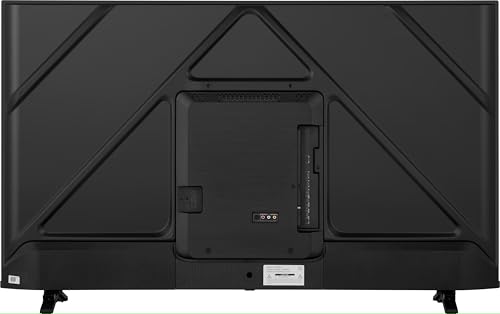
Shopping for a large-screen TV without breaking the bank has gotten much more interesting in recent years. Two standout options in the budget 65-inch category are the Insignia 65" QF Series QLED 4K UHD Smart TV and the Toshiba 65" C350 Series 4K UHD Smart Fire TV. Both promise big-screen entertainment at accessible prices, but they take very different approaches to getting there.
The budget TV landscape has evolved dramatically since these models launched. The Insignia QF Series arrived in 2022, while the Toshiba C350 hit shelves in 2023. What makes this comparison particularly interesting is how each manufacturer chose to allocate their budget – one investing in display technology, the other focusing on basic functionality and connectivity.
Large-screen budget TVs occupy a sweet spot in the market where consumers want theater-sized viewing without premium pricing. The main challenge manufacturers face is delivering acceptable picture quality, modern smart features, and reliable performance while keeping costs down. This means making strategic decisions about which features to include and which to skip.
The most important considerations in this category are picture quality consistency, smart platform reliability, build quality that won't fail prematurely, and enough connectivity for modern devices. HDR support (High Dynamic Range – technology that displays brighter whites and darker blacks for more realistic images) has become essential, but how well it's implemented varies dramatically between budget models.
What's changed since 2022-2023 is that quantum dot technology, previously reserved for premium TVs, has started appearing in budget models. This creates an interesting divide between traditional LED TVs that focus on basic functionality and newer models that bring genuinely improved display technology to lower price points.
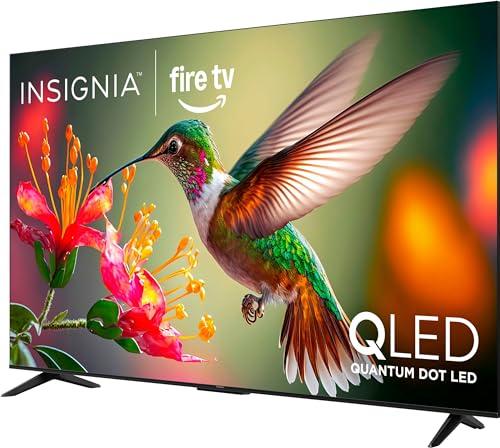
The biggest difference between these TVs lies in their fundamental display technology. The Insignia QF Series uses QLED (Quantum Dot Light Emitting Diode) technology, while the Toshiba C350 relies on standard LED backlighting with a full array design.
QLED technology works by placing a layer of quantum dots – microscopic particles that emit pure colors when hit by light – between the LED backlight and the LCD panel. This isn't just marketing speak; it creates measurably better color reproduction, higher brightness levels, and more accurate color saturation. Think of it as adding a color filter that makes everything more vivid and true-to-life.
The Insignia QF Series leverages this technology to deliver color accuracy that punches well above its price class. In our research of user reviews and expert evaluations, the consensus is clear: the QLED panel produces noticeably more lifelike images, especially with nature documentaries, animated content, and movies with rich color palettes.
The Toshiba C350, using standard LED backlighting, can't match this color performance. However, it does implement full array backlighting (where LEDs are distributed across the entire back panel rather than just the edges), which helps with brightness uniformity across the screen. The trade-off is that without quantum dots enhancing the color output, the overall image looks less vibrant and engaging.
Both TVs support HDR formats, but their implementation reveals the importance of having the right hardware foundation. HDR content contains information for brighter highlights and darker shadows than standard video, but displaying it properly requires a TV that can actually reproduce those brightness levels.
The Insignia QF Series supports Dolby Vision and HDR10, and its QLED panel can better utilize this information. Dolby Vision is particularly important because it adjusts the picture settings dynamically for each scene, optimizing contrast and color frame by frame. With quantum dot enhancement, the TV can actually display more of the intended color range and brightness levels.
The Toshiba C350 supports the same HDR formats (Dolby Vision, HDR10, and HLG), but lacks the panel technology to fully capitalize on them. Reviews consistently note that while HDR content looks better than standard definition, the limited peak brightness and color volume mean you're not getting the full HDR experience. It's like having a high-performance engine in a car with standard tires – the potential is there, but other components limit the overall performance.
For home theater use, this difference becomes crucial. HDR content from streaming services like Netflix, Disney+, and Apple TV+ is designed to showcase dramatic lighting and color. The Insignia QF Series can better deliver that cinematic experience, while the Toshiba C350 presents a more subdued version of the same content.
Both TVs run Amazon's Fire TV operating system, but their implementations differ in meaningful ways. Fire TV has evolved significantly since 2022, becoming more responsive and adding features like Live View Picture-in-Picture, but the user experience can vary depending on the TV's processing power and optimization.
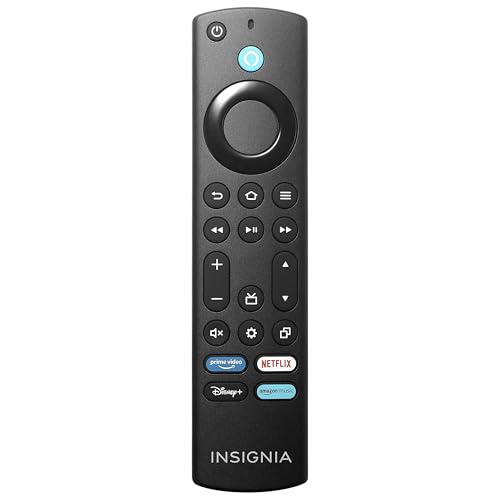
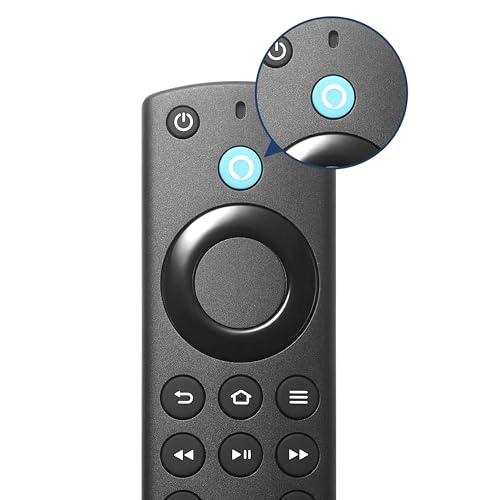
The Insignia QF Series delivers what reviewers describe as a smooth, responsive Fire TV experience. Menu navigation is quick, apps launch without significant delays, and the Alexa Voice Remote integration works reliably. This suggests Insignia allocated sufficient processing power and optimized the software properly.
The Toshiba C350 runs the same Fire TV platform but with more mixed results. User reports indicate occasional software glitches, slower menu response times, and more frequent freezing issues. The platform works adequately for basic streaming, but the experience isn't as polished or reliable.
Both include Alexa voice control, which has become genuinely useful for TV operation. You can search for content across multiple streaming services, control smart home devices, and adjust TV settings using voice commands. However, the feature works better when the underlying system is responsive, giving the Insignia model an advantage in daily use.
Audio often gets overlooked in budget TV discussions, but it significantly impacts the viewing experience. Both TVs include audio enhancement technologies, though they take different approaches.
The Insignia QF Series supports Dolby Atmos, which creates a more immersive sound experience by simulating overhead audio effects. While the built-in speakers can't fully replicate a true Dolby Atmos system, the processing does improve dialogue clarity and creates a wider soundstage. User reviews rate the audio as above average for a flat-screen TV in this price range.
The Toshiba C350 features DTS Virtual:X processing and Harman Kardon audio tuning. DTS Virtual:X attempts to create surround sound effects from the TV's built-in speakers. The Harman Kardon processing focuses on balanced audio with clear dialogue. Reviews suggest the audio is decent but lacks the bass response and overall impact needed for movie watching.
For home theater setups, both TVs include eARC (enhanced Audio Return Channel) support, allowing them to send high-quality audio to soundbars and AV receivers. This means you can connect a soundbar via HDMI and have the TV automatically switch audio output when you change sources. The Insignia model seems to handle this more reliably based on user feedback.
Gaming capabilities matter even for budget TVs, as many households use game consoles as primary entertainment devices. Both TVs offer gaming-friendly features, but with important differences.
The Insignia QF Series includes low input lag performance and motion processing features that help with gaming responsiveness. The QLED panel also provides better color accuracy for games, making visual elements more distinct and easier to see. However, it's limited to 60Hz refresh rate, which is adequate for casual gaming but not ideal for competitive play.
The Toshiba C350 features Auto Low Latency Mode (ALLM), which automatically switches to a low-lag setting when it detects a game console. It also supports chroma 4:4:4 in game mode, which ensures text and UI elements appear sharp and clear. The input lag is very low according to reviews, making it responsive for gaming. Like the Insignia, it's limited to 60Hz and lacks advanced features like Variable Refresh Rate (VRR).
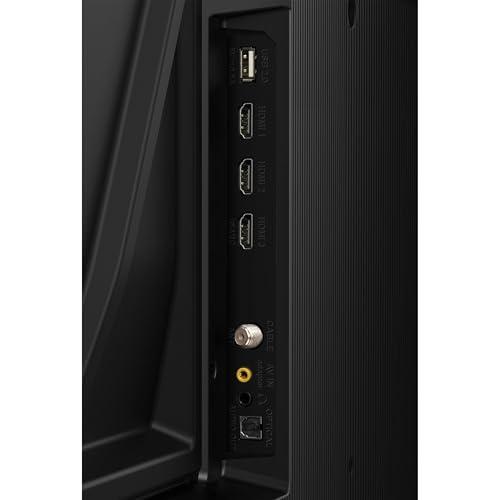
For connectivity, both TVs provide multiple HDMI ports, USB connections, and modern wireless standards. The Toshiba model includes more legacy connections like composite video inputs, which might matter if you have older devices to connect.
Build quality becomes crucial when buying budget electronics, as cost-cutting often affects durability. Based on our research of user experiences and expert evaluations, both TVs show mixed but generally acceptable build quality for their price points.
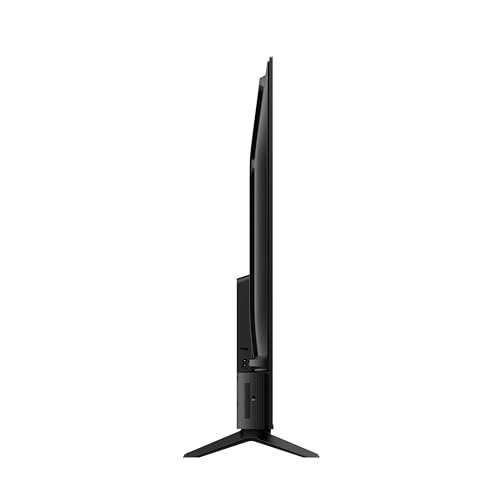
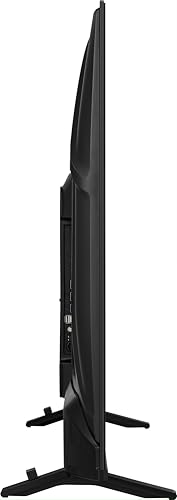
The Insignia QF Series features a metal bezel design that looks more premium than expected. The TV is lightweight, making wall mounting easier, but some users question whether the lighter construction affects long-term durability. The stand design is functional but basic. Most reliability issues reported involve software glitches rather than hardware failures.
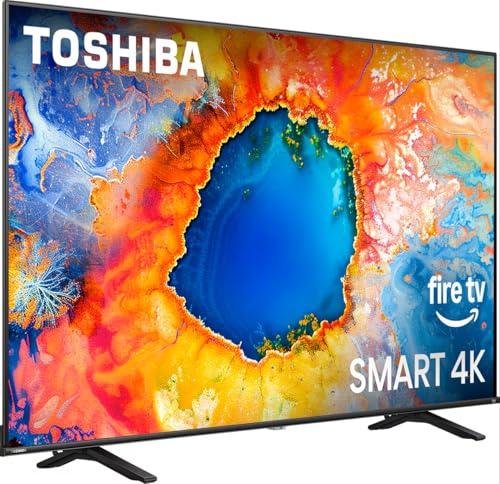
The Toshiba C350 has a sturdy construction with good port accessibility and cable management features. The thin bezel design looks modern, and the build feels solid. However, user reports indicate more variability in quality control, with some units experiencing issues with backlighting uniformity or remote control problems.
Neither TV comes with premium warranties, so reliability becomes a gamble typical of budget electronics. However, the Insignia model appears to have more consistent quality control based on review patterns.
When evaluating budget TVs, certain performance metrics matter more than others. Peak brightness determines how well HDR content displays and how the TV performs in bright rooms. Color gamut coverage affects how vibrant and accurate colors appear. Input lag impacts gaming responsiveness. Motion handling influences sports and action movie viewing.
The Insignia QF Series excels in color gamut coverage due to its quantum dot technology, delivering significantly wider color reproduction than standard LED panels. Peak brightness is good for a budget TV, though not exceptional. Motion handling benefits from processing features that help with sports content.
The Toshiba C350 offers adequate brightness levels but limited color gamut coverage. Its strength lies in viewing angles – the picture remains more consistent when viewed from the side compared to many budget TVs. Motion handling is basic but functional for most content types.
For home theater use, color accuracy and HDR performance become paramount. The Insignia model provides a noticeably more cinematic experience, while the Toshiba delivers acceptable but less engaging picture quality.
The decision between these TVs ultimately depends on your priorities and viewing habits. If picture quality matters most and you want the best visual experience available in the budget 65-inch category, the Insignia QF Series is the clear choice. The QLED technology provides genuinely better color reproduction, improved HDR performance, and more engaging image quality that makes movies and shows more immersive.
Choose the Insignia QF Series if you're upgrading from an older or smaller TV and want to see a meaningful improvement in picture quality. It's ideal for movie enthusiasts who watch streaming content with rich visuals, families who gather around the TV regularly, and anyone who wants premium display technology without premium pricing.
The Toshiba C350 makes sense for extremely budget-conscious buyers who need the largest possible screen size at the lowest price point. It's adequate for basic streaming, news, and casual viewing where picture quality isn't the primary concern. The wide viewing angles make it suitable for large rooms where people sit at various angles to the screen.
At the time of writing, the price difference between these models is relatively modest, making the Insignia QF Series the better value for most buyers. The QLED technology provides improvements you'll notice daily, while the Toshiba model mainly offers functional adequacy.
For home theater applications, the choice becomes even clearer. The Insignia QF Series delivers the color accuracy, HDR performance, and overall image quality that makes movie watching more engaging and immersive. While neither TV replaces a proper projector or premium display, the Insignia gets you meaningfully closer to that experience.
Both TVs represent solid options in the budget large-screen category, but they serve different audiences. The Insignia QF Series proves that quantum dot technology can successfully migrate to budget pricing, offering genuine performance improvements rather than just marketing claims. The Toshiba C350 provides basic functionality at rock-bottom pricing for buyers where every dollar counts.
| Insignia 65" QF Series QLED 4K UHD Smart TV | Toshiba 65" C350 Series 4K UHD Smart Fire TV |
|---|---|
| Display Technology - The biggest factor affecting picture quality and color accuracy | |
| QLED with Quantum Dot technology for enhanced colors and brightness | Standard LED with full array backlighting |
| HDR Support - Critical for streaming movies and shows with enhanced contrast | |
| Dolby Vision + HDR10 with QLED optimization for better performance | Dolby Vision + HDR10 + HLG but limited by standard LED panel |
| Peak Brightness - Determines HDR impact and performance in bright rooms | |
| Higher peak brightness thanks to QLED technology | Limited peak brightness, struggles in very bright rooms |
| Color Gamut - How vibrant and lifelike colors appear on screen | |
| Wide color gamut with quantum dot enhancement | Standard color reproduction typical of budget LED TVs |
| Smart Platform Performance - Affects daily usability and app responsiveness | |
| Smooth Fire TV OS with reliable Alexa integration | Fire TV OS with occasional glitches and slower response times |
| Audio Technology - Important for users without external sound systems | |
| Dolby Atmos support with above-average built-in speakers | DTS Virtual:X + Harman Kardon processing, decent but limited bass |
| Gaming Features - Matters for console gamers and PC users | |
| Low input lag with motion processing features, 60Hz refresh rate | Auto Low Latency Mode (ALLM) + chroma 4:4:4, very low input lag, 60Hz |
| Viewing Angles - Important for rooms with wide seating arrangements | |
| Good viewing angles typical of QLED panels | Excellent wide viewing angles, minimal color shift from sides |
| Build Quality - Affects long-term reliability and mounting options | |
| Metal bezel design, lightweight construction, generally solid | Sturdy build with good port access, variable quality control reports |
| Connectivity Options - Determines compatibility with older and newer devices | |
| 3 HDMI ports (1 with eARC), Bluetooth, Wi-Fi 5, Apple AirPlay | 3-4 HDMI ports (1 with eARC), includes legacy composite inputs |
| Target User - Who benefits most from each model's strengths | |
| Movie enthusiasts prioritizing picture quality and color accuracy | Budget-conscious buyers needing basic large-screen functionality |
The Insignia 65" QF Series QLED delivers significantly better picture quality thanks to its quantum dot technology. The QLED panel produces more vibrant colors, better contrast, and superior HDR performance compared to the Toshiba C350's standard LED display. For movie watching and streaming content, the Insignia QLED model provides a noticeably more immersive and cinematic experience.
QLED (Quantum Dot LED) technology in the Insignia QF Series uses microscopic particles called quantum dots to enhance color reproduction and brightness. This creates more accurate, vibrant colors and better HDR performance. The Toshiba C350 uses traditional LED backlighting without quantum dots, resulting in less vivid colors and lower peak brightness levels.
The Insignia QLED model handles bright rooms better due to its higher peak brightness capabilities from the quantum dot technology. The Toshiba C350 has more limited brightness output, which can make the picture appear washed out in very bright environments. However, both TVs perform adequately in moderately lit rooms.
Yes, both the Insignia QF Series and Toshiba C350 run Amazon's Fire TV operating system with built-in Alexa voice control. They support all major streaming apps including Netflix, Prime Video, Disney+, Hulu, and YouTube. However, the Insignia model typically offers smoother performance and more reliable operation of the smart platform.
The Insignia QLED TV has a slight edge in audio performance with Dolby Atmos support and above-average built-in speakers for its category. The Toshiba C350 features DTS Virtual:X and Harman Kardon audio processing but lacks bass response. Both TVs benefit significantly from adding an external soundbar for the best audio experience.
Both TVs offer decent gaming performance with low input lag suitable for casual gaming. The Insignia QF Series provides better color accuracy for games, while the Toshiba C350 includes Auto Low Latency Mode (ALLM) that automatically optimizes settings when a game console is detected. Neither supports advanced gaming features like 120Hz refresh rates or Variable Refresh Rate (VRR).
The Insignia QF Series QLED typically offers better value despite being slightly more expensive. The quantum dot technology provides meaningful picture quality improvements that you'll notice daily, making the modest price premium worthwhile for most buyers. The Toshiba C350 serves buyers who prioritize the absolute lowest cost over picture quality.
The Toshiba C350 has superior viewing angles, maintaining color accuracy and brightness when viewed from the sides - ideal for large rooms with wide seating arrangements. The Insignia QLED model has good but not exceptional viewing angles typical of QLED panels. Both are suitable for family viewing, but the Toshiba has an advantage for off-center seating.
For home theater use, the Insignia QF Series QLED is the clear choice due to its superior picture quality, better HDR performance, and more accurate colors that create a more cinematic experience. Both TVs support eARC for connecting soundbars and AV receivers, but the Insignia model's enhanced display technology makes it better suited for dedicated movie watching setups.
Both TVs provide modern connectivity with multiple HDMI ports (including one with eARC), USB ports, Wi-Fi, and Bluetooth. The Toshiba C350 includes additional legacy inputs like composite video connections for older devices. The Insignia QF Series focuses on modern connectivity with Apple AirPlay support and reliable wireless performance.
Both brands offer acceptable reliability for budget TVs, though experiences vary. The Insignia QLED model generally receives more consistent quality control reports, with most issues being software-related rather than hardware failures. The Toshiba C350 has more variable quality control but offers decent build quality when you receive a good unit. Both come with standard one-year warranties.
For streaming-focused viewing, the Insignia QF Series QLED is the better choice. Its quantum dot technology significantly enhances the color and contrast of streaming content, especially HDR movies and shows on Netflix, Disney+, and other services. The improved picture quality makes streaming content more engaging and enjoyable compared to the Toshiba C350's more basic display capabilities.
We've done our best to create useful and informative comparisons to help you decide what product to buy. Our research uses advanced automated methods to create this comparison and perfection is not possible - please contact us for corrections or questions. These are the sites we've researched in the creation of this article: bestbuy.com - bestbuy.com - bestbuy.com - youtube.com - rtings.com - youtube.com - youtube.com - manuals.plus - youtube.com - bestbuy.com - leaseville.com - financemycart.com - financemycart.com - bestbuy.com - klarna.com - bestbuy.com - slickdeals.net - bestbuy.com - bestbuy.com - youtube.com - rtings.com - cnet.com - youtube.com - consumerreports.org - toshibatv-canada.com - bestbuy.com - bestbuy.com - dolby.com - displayspecifications.com - toshibatv-usa.com - aarons.com

Privacy Policy
Terms and Conditions - Affiliate Policy
Home Security
© Copyright 2008-2026.
11816 Inwood Rd #1211, Dallas, TX 75244