

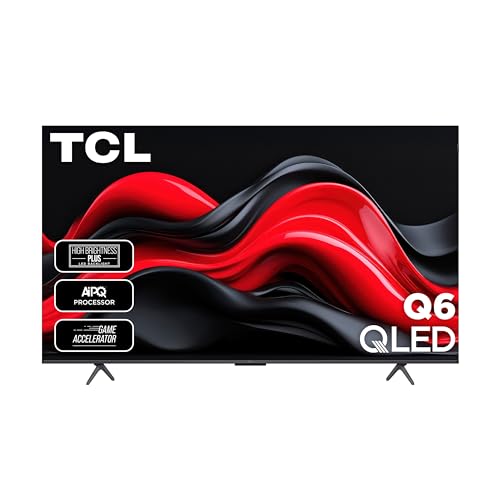

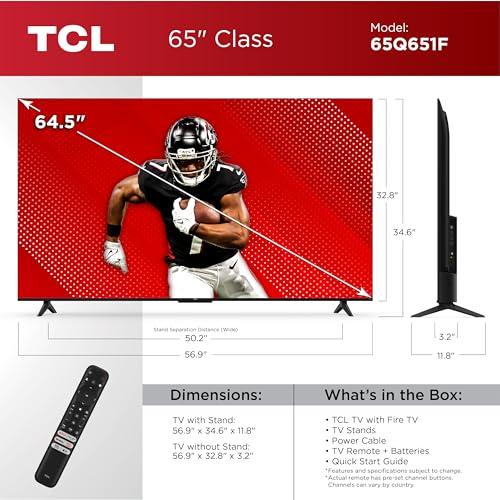


Shopping for a 65-inch TV can feel overwhelming with so many options and technical terms thrown around. After diving deep into user reviews, professional evaluations, and technical specifications, I've found that two models stand out in different ways: the TCL 65" Q Class QLED 4K Fire TV and the Toshiba 65" C350 Series 4K UHD Smart Fire TV. While both offer the same smart TV platform and screen size, they take very different approaches to picture quality and pricing.
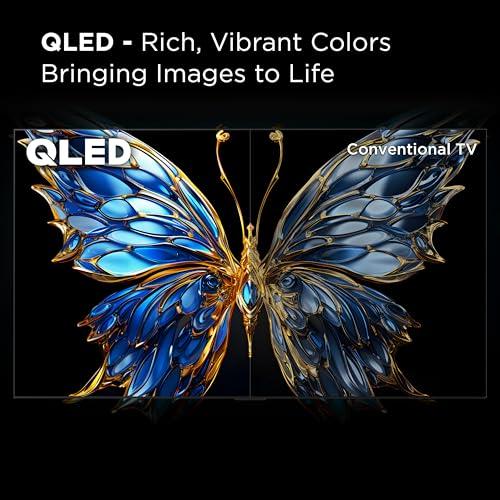
At first glance, these TVs might seem similar – both are 65-inch 4K displays with Fire TV built in. But the technology under the hood tells a different story. The TCL Q Class uses QLED technology, which stands for Quantum Dot Light Emitting Diode. This isn't just marketing speak – quantum dots are microscopic particles that can produce extremely pure colors when light hits them. Think of them as tiny color filters that help the TV display over a billion different colors, compared to the roughly 16 million colors that standard LED TVs can show.
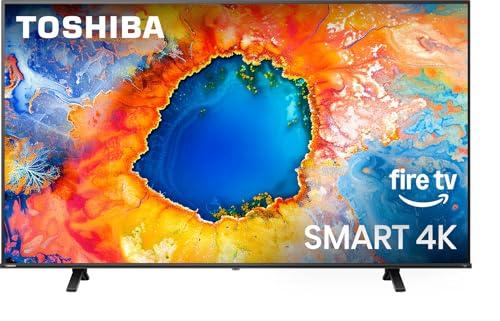
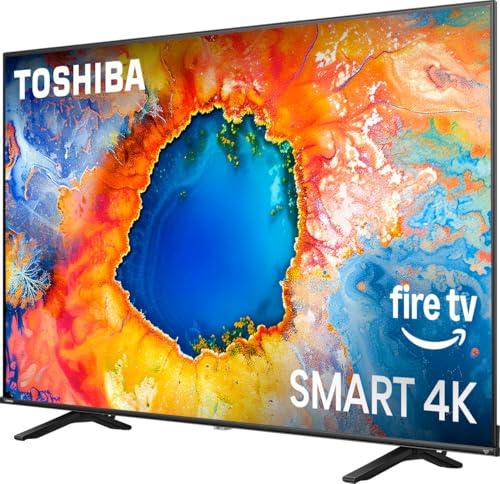
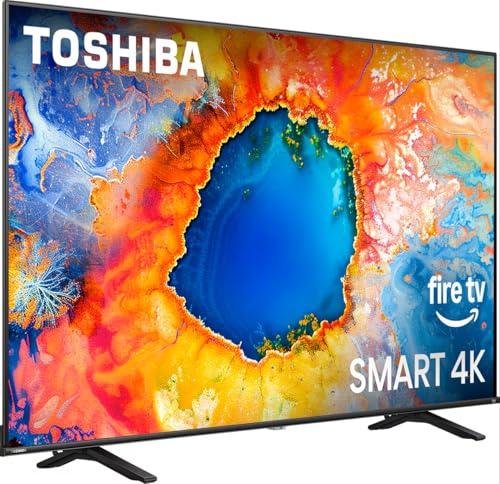
The Toshiba C350, released in 2023, takes a more traditional approach with standard LCD/LED technology. This doesn't make it inferior – it's simply designed to hit a different price point while still delivering solid 4K performance. The C350 uses a full array backlight, meaning LED lights are spread across the entire back of the screen rather than just around the edges, which helps create more uniform brightness.
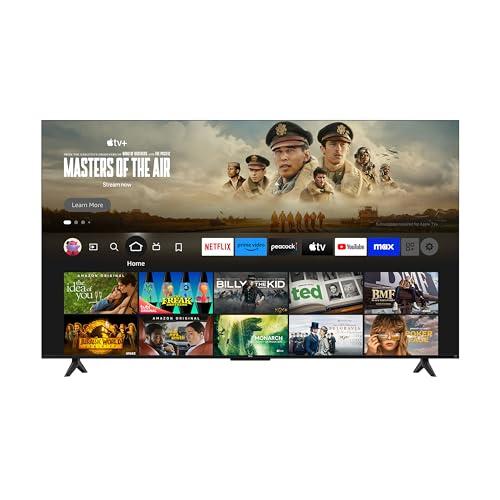
Both TVs run Amazon's Fire TV platform, which has evolved significantly since its launch. Fire TV gives you direct access to Netflix, Prime Video, Disney+, Hulu, and thousands of other apps, all controlled through an Alexa voice remote that lets you search by saying things like "show me action movies" or "play The Office."
Here's where these TVs truly separate themselves. The TCL Q Class delivers what many consider reference-quality color reproduction for its price range. The quantum dot technology enables it to display nearly 100% of the DCI-P3 color space – the same standard used in movie theaters. When you're watching a sunset scene in a nature documentary, you'll see those deep oranges and vibrant reds that the director intended, not the washed-out versions that cheaper TVs often produce.
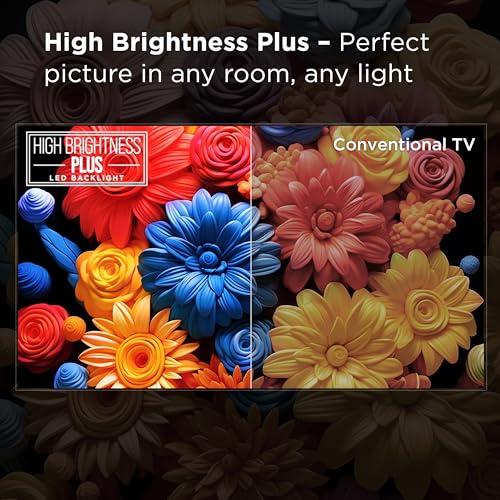
Peak brightness matters more than most people realize. The TCL Q Class can reach significantly higher brightness levels than the Toshiba C350, which becomes crucial when watching HDR (High Dynamic Range) content. HDR is like the difference between a regular photo and a professional one – it captures more detail in both the brightest highlights and darkest shadows. Without enough peak brightness, HDR content looks flat and loses its impact.
The Toshiba C350 handles standard content beautifully and offers something the TCL doesn't: wider viewing angles. If your family spreads out across a large couch or you have chairs positioned at angles to the TV, the Toshiba maintains consistent colors and brightness better when viewed from the side. The TCL, like most QLED displays, can look slightly washed out when viewed from extreme angles.
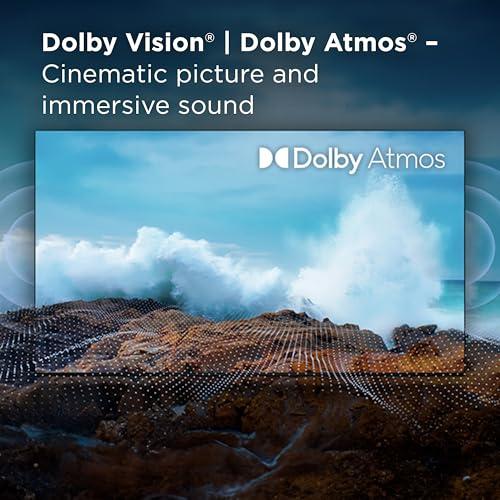
Both TVs support Dolby Vision, which is essentially a premium version of HDR that adjusts the picture scene-by-scene rather than using static settings for an entire movie. Netflix, Disney+, and Apple TV+ have extensive Dolby Vision catalogs, and the difference is immediately noticeable on compatible displays.
If gaming matters to you, the TCL Q Class pulls significantly ahead. Its Game Accelerator 120 feature enables variable refresh rate (VRR) up to 120Hz, which means the TV can match the frame rate output of your PlayStation 5 or Xbox Series X in real-time. This eliminates screen tearing – those annoying horizontal lines that can appear during fast motion – and creates smoother gameplay.
Input lag is equally important for gaming. This measures the delay between when you press a button and when the action appears on screen. The TCL Q Class consistently measures under 20 milliseconds in game mode, which feels instantaneous. The Toshiba C350 offers basic Auto Low Latency Mode but can't match the TCL's responsiveness, particularly in competitive gaming scenarios.
Both TVs automatically detect when you connect a gaming console and switch to their optimized game modes, but the TCL's implementation is more sophisticated. It can even recognize different types of games and adjust settings accordingly – using different processing for fast-paced shooters versus slower RPGs.
TV audio often gets overlooked until you're actually watching at home. The TCL Q Class includes 30 watts of total audio output with full Dolby Atmos processing. Dolby Atmos creates the illusion of sound coming from above and around you, not just from left and right. When a helicopter flies overhead in a movie, you'll hear it move across the ceiling even though the sound is coming from the TV's built-in speakers.
The Toshiba C350 includes Harman Kardon audio processing, which focuses on clarity and dialogue intelligibility. At 20 watts total output, it's less powerful than the TCL but still adequate for most rooms. The DTS Virtual:X processing helps create a wider soundstage, making the audio feel less confined to the TV's physical location.
Both TVs support eARC (enhanced Audio Return Channel) through HDMI, which means you can connect a soundbar and have it automatically turn on and adjust volume with your TV remote. This feature has become essential as more people invest in external audio systems.
Since both TVs run Fire TV, the core experience is identical. You'll get the same app selection, the same interface, and the same Alexa integration. Amazon has continuously improved Fire TV since its introduction, adding features like Picture-in-Picture for live TV and better content recommendations.
However, the underlying hardware affects performance. The TCL Q Class typically responds faster to commands and loads apps more quickly thanks to its more powerful processor. The difference isn't dramatic, but it's noticeable during extended use. Both TVs support Apple AirPlay, so iPhone and iPad users can easily cast content.
One consideration with Fire TV is Amazon's advertising approach. You'll see promoted content and app suggestions throughout the interface. Some users find this intrusive, while others appreciate discovering new shows and movies. Unlike some other smart TV platforms, you can't completely disable these recommendations.
The TCL Q Class feels more premium in hand, with its FullView metal bezel-less design and solid construction. The stand provides excellent stability, and cable management features help keep your entertainment center organized. It's designed to look good whether wall-mounted or sitting on a TV stand.
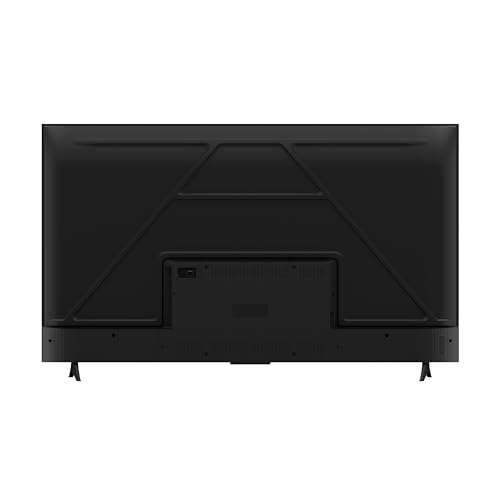
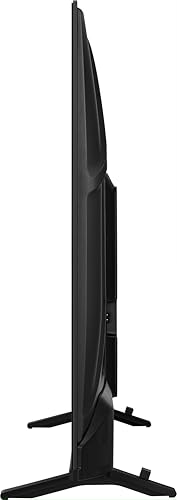
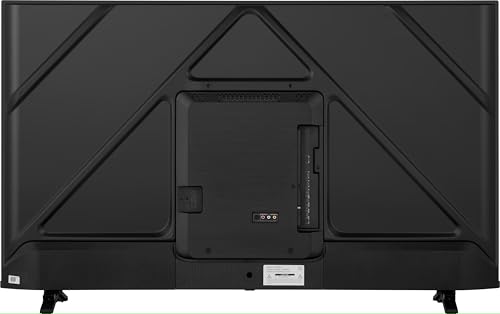
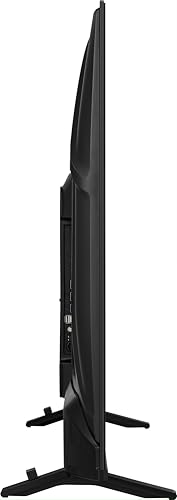
The Toshiba C350 takes a more practical approach. The build quality is solid without feeling luxurious, and the thinner profile might actually be preferable for wall mounting. The lighter weight can make installation easier, though you'll want to ensure your wall mount can handle a 65-inch display safely.
Both TVs include VESA mounting compatibility, but check the exact specifications since they use different mounting patterns. The TCL requires a 300x300mm mount, while the Toshiba uses 400x300mm.
At the time of writing, these TVs occupy different price segments intentionally. The Toshiba C350 targets budget-conscious buyers who want the largest possible screen with smart features and acceptable picture quality. It succeeds remarkably well at this goal, delivering genuine 4K performance and modern conveniences without breaking the bank.
The TCL Q Class justifies its higher price through tangible performance improvements. The QLED technology, superior gaming features, and better audio create a noticeably enhanced experience that many users find worth the additional cost. It's positioned as a mid-range premium option that competes with more expensive Samsung and LG models.
Consider the long-term value equation. TVs typically last 7-10 years, and the TCL Q Class is more likely to handle future gaming consoles, streaming formats, and HDR standards effectively. The 120Hz gaming support alone future-proofs it for the current console generation.
For dedicated home theater setups, both TVs have strengths and limitations. The TCL Q Class excels in dark room scenarios where its superior contrast and color accuracy shine. The quantum dot technology reproduces the cinema-quality colors that directors intend, particularly important for HDR movies.
However, neither TV includes local dimming zones, which would allow different areas of the screen to be independently controlled for better contrast. This means both struggle with the extreme black levels that OLED TVs achieve, though the TCL comes closer to that ideal.
If you're building a home theater with external audio equipment, both TVs support all the major surround sound formats through their eARC HDMI connections. The Toshiba C350 might actually be preferable here since you'll bypass its built-in speakers entirely, and its lower cost leaves more budget for speakers and amplification.
Choose the Toshiba C350 if you're primarily focused on getting the most screen size for your budget. It's an excellent choice for families who watch mostly streaming content, broadcast TV, and don't need cutting-edge gaming features. The wide viewing angles make it ideal for large rooms where people sit at various angles to the screen.
The TCL Q Class is worth the additional investment if picture quality matters to you. The color accuracy, brightness capability, and gaming performance create a significantly better experience that justifies the price difference for most users. It's particularly compelling for movie enthusiasts, gamers, and anyone who wants a TV that will remain relevant for years to come.
Consider your room's lighting as well. Bright rooms with lots of windows benefit dramatically from the TCL Q Class's higher peak brightness and better HDR performance. In darker, controlled environments, the Toshiba C350 can deliver satisfying results at a much lower cost.
Both TVs represent solid choices within their respective price ranges. The Toshiba C350 proves that budget TVs can deliver impressive performance when designed thoughtfully, while the TCL Q Class demonstrates how emerging display technologies can enhance the viewing experience without requiring premium pricing. Your choice ultimately depends on whether the TCL's performance improvements matter enough to justify its higher cost – and for most users invested in picture quality and gaming, they absolutely do.
| TCL 65" Q Class QLED 4K Fire TV | Toshiba 65" C350 Series 4K UHD Smart Fire TV |
|---|---|
| Display Technology - Determines color accuracy and vibrancy | |
| QLED with Quantum Dot technology, 1.07 billion colors | Standard LCD/LED with full array backlight |
| HDR Support - Critical for modern streaming content | |
| HDR PRO+ (Dolby Vision, HDR10+, HDR10, HLG) | Dolby Vision, HDR10, HLG |
| Motion Enhancement - Important for sports and action content | |
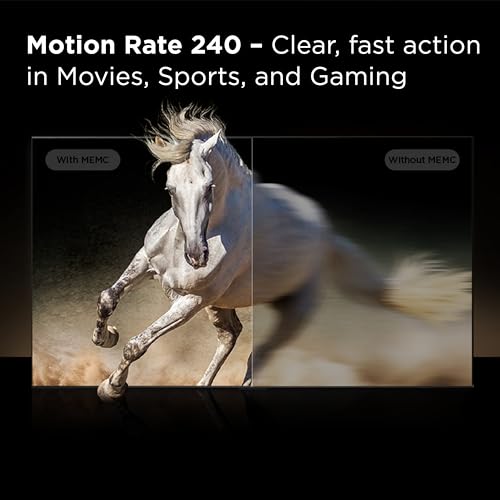
| Motion Rate 240 with MEMC frame insertion | Motion Rate 120, no MEMC |
| Gaming Features - Essential for PS5/Xbox Series X owners | |
| Game Accelerator 120 with VRR up to 120Hz, Auto Game Mode (ALLM) | Auto Low Latency Mode only, 60Hz maximum |
| Audio Power - Affects volume and bass response | |
| 30W total (2 x 15W) with Dolby Atmos | 20W total (2 x 10W) with DTS Virtual:X |
| Peak Brightness - Crucial for HDR performance and bright rooms | |
| Higher peak brightness for better HDR highlights | Lower peak brightness, better for dim rooms |
| Viewing Angles - Important for wide seating arrangements | |
| Narrower viewing angles (typical for QLED) | Wider viewing angles maintain color accuracy |
| HDMI Ports - Determines device connectivity options | |
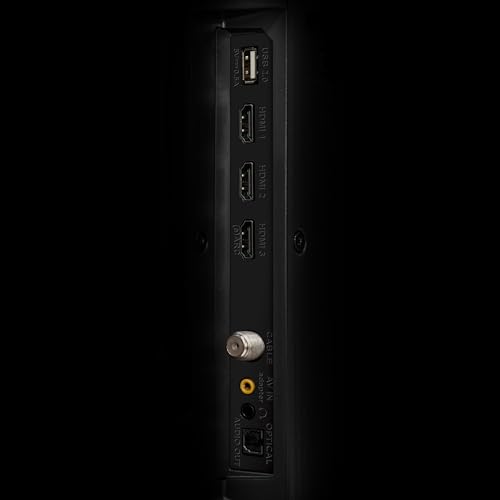
| 3 HDMI ports (1 with eARC) | 4 HDMI ports (1 with eARC) |
| Smart Platform - Both identical for streaming experience | |
| Fire TV with Alexa Voice Remote | Fire TV with Alexa Voice Remote |
| Build Quality - Affects durability and premium feel | |
| FullView metal bezel-less design, premium construction | Slim bezel design, solid build for price point |
| Target Market - Who should consider each model | |
| Mid-range buyers wanting QLED performance and gaming features | Budget-conscious buyers prioritizing screen size and basic 4K |
The TCL 65" Q Class QLED 4K Fire TV delivers superior picture quality thanks to its QLED quantum dot technology, which produces more vibrant colors and better HDR performance. The Toshiba 65" C350 Series 4K UHD Smart Fire TV offers solid 4K picture quality with wider viewing angles, but can't match the TCL's color accuracy and brightness levels.
The TCL Q Class is significantly better for gaming, featuring Game Accelerator 120 with variable refresh rate support up to 120Hz and lower input lag. The Toshiba C350 only offers basic Auto Low Latency Mode and is limited to 60Hz, making it adequate for casual gaming but not ideal for competitive or next-gen console gaming.
Yes, both the TCL 65" Q Class QLED 4K Fire TV and Toshiba 65" C350 Series 4K UHD Smart Fire TV run Amazon's Fire TV platform with identical app selection, Alexa voice control, and streaming capabilities. The experience is essentially the same on both models.
The TCL Q Class performs much better in bright rooms due to its higher peak brightness and QLED technology, which maintains color vibrancy even in well-lit environments. The Toshiba C350 is better suited for dimmer rooms where its lower brightness won't be as noticeable.
The TCL 65" Q Class QLED 4K Fire TV has more powerful 30W speakers with Dolby Atmos support, providing better volume and bass response. The Toshiba 65" C350 Series 4K UHD Smart Fire TV features 20W speakers with Harman Kardon processing that emphasizes clarity but lacks the power for larger rooms.
The Toshiba C350 offers exceptional value for budget-conscious buyers who want a large 4K smart TV with solid performance. The TCL Q Class provides better value for those willing to spend more for significantly improved picture quality, gaming features, and audio performance.
The TCL Q Class is more suitable for dedicated home theater use due to its superior color accuracy, higher brightness for HDR content, and better contrast performance in dark rooms. Both TVs support eARC for external audio systems, but the Toshiba C350 can work well in home theaters where external speakers will handle audio duties.
The Toshiba 65" C350 Series 4K UHD Smart Fire TV includes 4 HDMI ports compared to 3 on the TCL 65" Q Class QLED 4K Fire TV. Both feature one eARC-enabled HDMI port for audio equipment, but the Toshiba offers more connectivity options for multiple devices.
The Toshiba C350 offers wider viewing angles that maintain color accuracy when viewed from the sides, making it better for large family rooms with varied seating positions. The TCL Q Class has narrower viewing angles typical of QLED displays but delivers better picture quality when viewed straight-on.
The TCL 65" Q Class QLED 4K Fire TV significantly outperforms for HDR streaming content due to its quantum dot technology, higher peak brightness, and support for HDR10+ format. The Toshiba 65" C350 Series 4K UHD Smart Fire TV supports Dolby Vision and HDR10 but cannot display the full brightness range that makes HDR content impressive.
Yes, both the TCL Q Class and Toshiba C350 support VESA wall mounting, though they use different mounting patterns. The TCL uses 300x300mm while the Toshiba requires 400x300mm mounts. The Toshiba is lighter, which can make wall installation easier.
Choose the TCL 65" Q Class QLED 4K Fire TV if picture quality, gaming performance, and premium features matter most to your family. Select the Toshiba 65" C350 Series 4K UHD Smart Fire TV if you prioritize getting the largest screen possible within a tight budget while still enjoying modern smart TV features and solid 4K performance.
We've done our best to create useful and informative comparisons to help you decide what product to buy. Our research uses advanced automated methods to create this comparison and perfection is not possible - please contact us for corrections or questions. These are the sites we've researched in the creation of this article: bestbuy.com - tcl.com - tcl.com - circuitworldonline.com - bestbuy.com - tcl.com - rtings.com - woodruffappliance.com - rtings.com - bestbuy.com - tcl.com - tcl.com - tcl.com - youtube.com - alexraytv.com - tcl.com - alexraytv.com - avsforum.com - a1ontheweb.com - bestbuy.com - bestbuy.com - youtube.com - rtings.com - cnet.com - youtube.com - consumerreports.org - toshibatv-canada.com - bestbuy.com - bestbuy.com - dolby.com - displayspecifications.com - toshibatv-usa.com - aarons.com

Privacy Policy
Terms and Conditions - Affiliate Policy
Home Security
© Copyright 2008-2026.
11816 Inwood Rd #1211, Dallas, TX 75244