

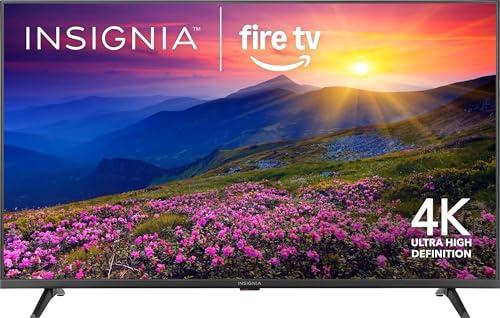

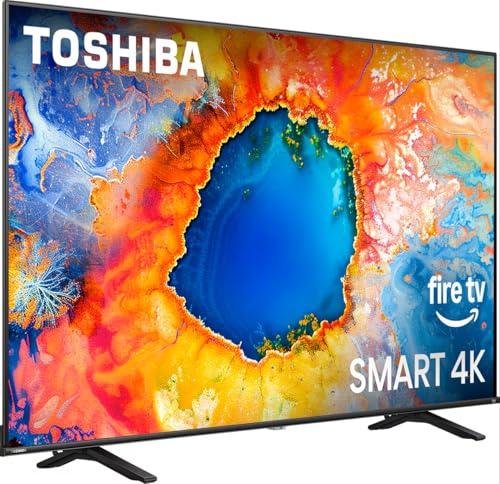
When you're shopping for a 65-inch TV without breaking the bank, you'll quickly discover that the budget 4K market has become surprisingly competitive. Two standout options that consistently appear in our research are the Insignia 65" F50 Series 4K UHD Smart Fire TV and the Toshiba 65" C350 Series 4K UHD Smart Fire TV. Both were released in 2023, representing the latest improvements in budget TV technology, but they take notably different approaches to delivering value.
At the time of writing, both models typically sell for similar prices in the $400-600 range, making this comparison particularly relevant for budget-conscious buyers. What makes this decision interesting is that despite sharing the same Fire TV smart platform, these TVs excel in completely different areas. The Insignia F50 focuses on picture quality through advanced display technology, while the Toshiba C350 prioritizes gaming performance and viewing flexibility.
Before diving into specifics, it's worth understanding what separates a good budget TV from a great one. In 2023, manufacturers have largely solved the basic problems that plagued cheap TVs just a few years ago. You're no longer choosing between "decent" and "terrible" – you're choosing between different strengths.
The most critical performance metrics in this category include contrast ratio (how deep the blacks look compared to bright whites), color accuracy (how realistic skin tones and natural scenes appear), input lag (the delay between pressing a button and seeing the response on screen), and viewing angles (how the picture looks when you're not sitting directly in front of the TV). Peak brightness, which determines how well HDR content looks and how the TV performs in bright rooms, also plays a crucial role.
Smart TV responsiveness has become increasingly important as these platforms handle everything from Netflix to gaming. A laggy interface can make even the best picture quality frustrating to use. Both models run Amazon's Fire TV platform, but implementation quality varies significantly between manufacturers.
The fundamental difference between these TVs lies in their display technology, which affects almost everything about how they perform.
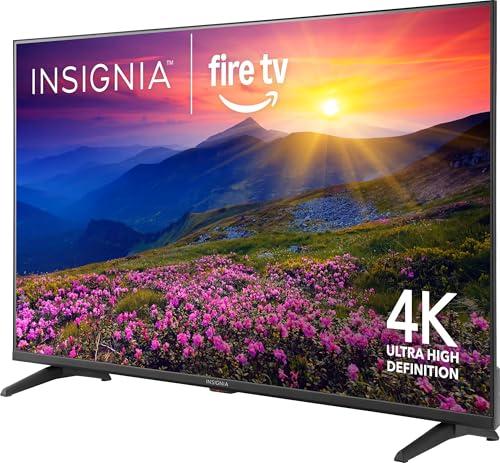
The Insignia F50 uses QLED (Quantum Dot LED) technology, which places a layer of quantum dots between the backlight and the LCD panel. These microscopic semiconductor particles emit pure colors when hit by light, resulting in a wider color gamut – essentially, the TV can display more distinct colors than standard LCD panels. This technology was primarily found in premium TVs until recently, making its appearance in a budget model quite significant.
QLED's main advantages include deeper contrast ratios, brighter peak output, and more accurate color reproduction. When you're watching HDR content on Netflix or Disney+, these improvements become immediately apparent. Dark scenes in movies like "The Batman" or "Stranger Things" show better shadow detail, while bright, colorful content like animated films pop with vibrancy that standard LCD panels can't match.
The Toshiba C350 takes a different approach with an IPS-type panel. IPS (In-Plane Switching) technology prioritizes viewing angles and color consistency over raw contrast performance. While it can't achieve the deep blacks of QLED, an IPS panel maintains accurate colors and brightness levels even when viewed from the sides or at angles.
This difference has practical implications for how you'll use the TV. If your couch is directly centered in front of the TV and you primarily watch movies in darker rooms, QLED's superior contrast will provide a more cinematic experience. However, if you have a wide seating arrangement or frequently watch TV during the day with lights on, IPS technology offers more consistent performance across different viewing positions.
One area where the Toshiba C350 significantly outperforms its competition is gaming. With an input lag of approximately 10ms in game mode, it rivals TVs costing twice as much. Input lag measures the time between when your controller sends a signal and when that action appears on screen – for gaming, anything under 20ms is considered acceptable, while under 15ms is excellent.
This performance makes the Toshiba C350 genuinely competitive with PlayStation 5 and Xbox Series X consoles, where responsiveness can mean the difference between winning and losing in competitive games. The TV also supports Auto Low Latency Mode (ALLM), which automatically switches to game mode when it detects a gaming console, eliminating the need to manually change settings.
The Insignia F50, while adequate for casual gaming, doesn't reach these same performance levels. For most single-player games and casual multiplayer sessions, the difference won't be noticeable, but serious gamers will appreciate the Toshiba's responsiveness.
Both TVs are limited to 60Hz refresh rates, which means they can't take full advantage of the 120Hz capabilities found in current-generation consoles. However, at this price point, 60Hz is standard and still provides smooth gameplay for the vast majority of content.
The picture quality comparison reveals each TV's fundamental philosophy. The Insignia F50's QLED panel delivers superior contrast performance, with deeper blacks that make dark scenes more immersive. When watching content with significant dark areas – think space movies or nighttime scenes – the QLED technology prevents light bleed that can make blacks appear gray on cheaper panels.
Color reproduction is where QLED technology really shows its advantages. The quantum dots enable the display to produce approximately 90% of the DCI-P3 color space, which is the standard used for most modern movies and TV shows. Standard LCD panels typically manage around 70-80% of this color space, meaning the Insignia F50 can display colors that simply don't exist on the Toshiba C350.
However, the Toshiba C350 fights back with superior viewing angles. While the Insignia's picture quality degrades noticeably when viewed from the sides – colors shift and brightness drops off – the Toshiba maintains consistent performance across a wide viewing area. This makes it better suited for larger rooms or families who don't always sit in the "sweet spot."
Both TVs support HDR10, which provides enhanced contrast and color range for compatible content. The Toshiba C350 also supports Dolby Vision, a more advanced HDR format that adjusts brightness and color on a scene-by-scene basis rather than using static settings for entire movies. However, neither TV has the peak brightness needed to make HDR truly spectacular – they're both limited to around 300-400 nits, well below the 1000+ nits that make HDR content really pop.
For home theater use, the Insignia F50 is the clear winner in a dedicated, darkened room where you can control lighting and seating position. The superior contrast and color accuracy create a more cinematic experience that's particularly noticeable with high-quality streaming content or 4K Blu-rays.
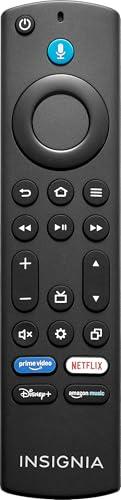
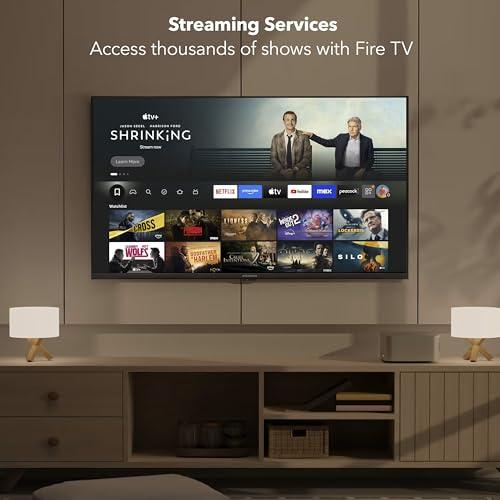
Both TVs run Amazon's Fire TV operating system, providing access to all major streaming apps including Netflix, Prime Video, Disney+, Hulu, and YouTube. The interface is identical between models, featuring Amazon's tile-based home screen with content recommendations and voice control through the included Alexa remote.
However, our research into user experiences reveals that the Toshiba C350 handles the Fire TV interface more smoothly. Menu navigation is less laggy, app switching is faster, and overall responsiveness is noticeably better. This might seem like a minor advantage, but when you're using the TV daily, interface responsiveness significantly impacts user satisfaction.
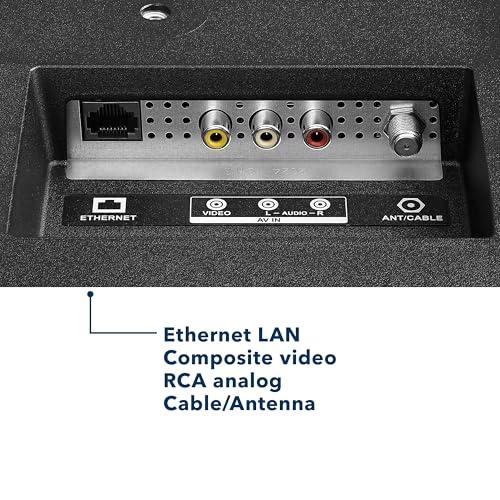
Both TVs support Apple AirPlay for casting content from iPhones and iPads, along with standard connectivity options including Wi-Fi, Bluetooth, and multiple HDMI ports. The Toshiba C350 includes four HDMI ports compared to three on the Insignia F50, which could matter if you're connecting multiple gaming consoles, streaming devices, and other equipment.
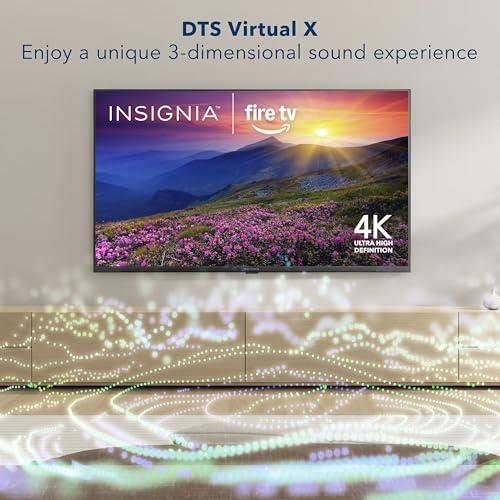
Neither TV excels in audio performance, which is typical for thin, budget-focused displays. The Insignia F50 includes a 20-watt DTS Studio Sound system with Dolby Atmos support, while the Toshiba C350 features a 16-watt system with DTS Virtual:X and Harman Kardon audio processing.
In practice, both provide clear dialogue and acceptable volume for casual viewing, but neither delivers the bass response or dynamic range needed for movies or music. Both support audio passthrough via HDMI eARC, allowing you to connect soundbars or home theater systems for significantly improved audio performance.
For home theater applications, plan to budget for external audio regardless of which TV you choose. The built-in speakers are adequate for news, sitcoms, and casual viewing, but movies and music demand better audio than either TV can provide.
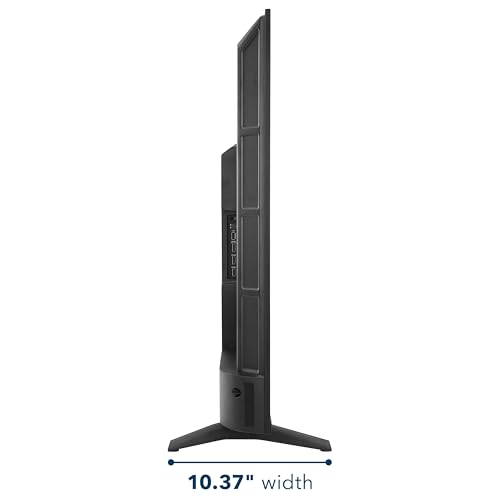
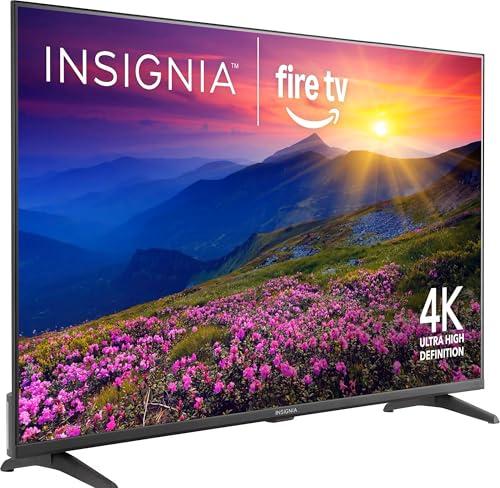
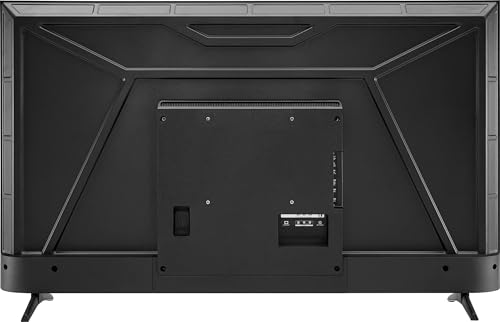
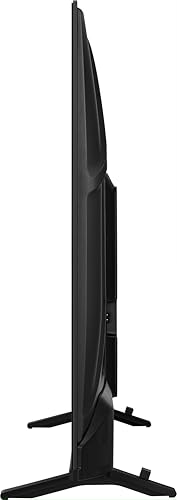
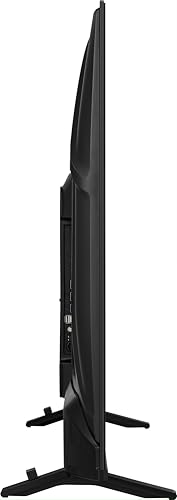
The Insignia F50 features a sleek, minimalist design with thin bezels and lightweight construction that makes wall mounting straightforward. The build quality feels solid for a budget TV, with no obvious compromises in materials or construction.
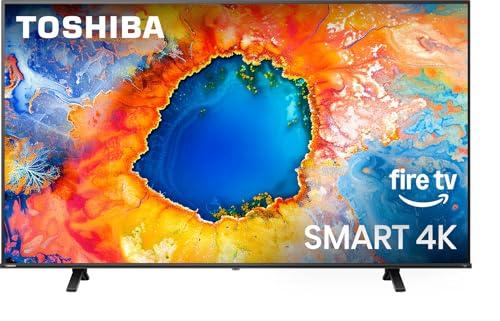
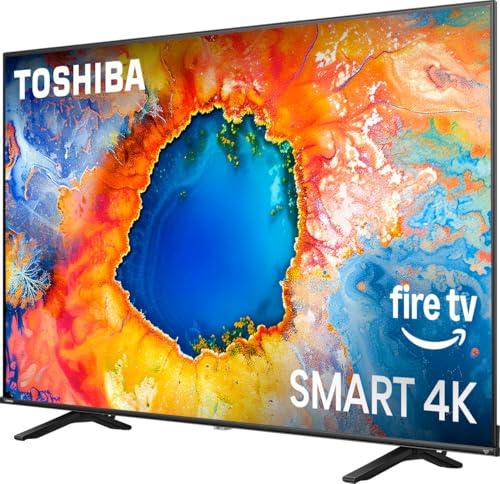
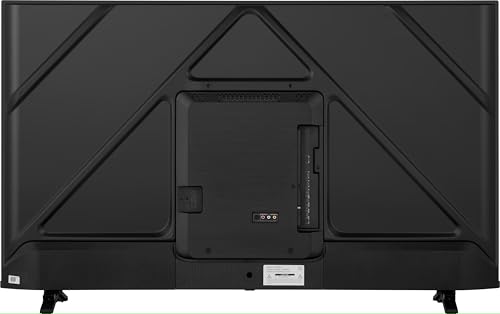
The Toshiba C350 takes a slightly more premium approach with silver accents and distinctive boomerang-shaped feet that provide stable support while adding visual interest. However, our research uncovered some reliability concerns with the Toshiba model, including reports of screen failures within two years and difficulties with warranty support.
While these reliability issues don't affect all units, they represent a risk factor worth considering when making your decision. The Insignia F50 appears to have fewer reported problems, though long-term reliability data is limited for both models given their recent release.
After extensive research into user experiences and expert opinions, clear usage scenarios emerge for each TV.
Choose the Insignia 65" F50 Series if picture quality is your primary concern. The QLED technology delivers genuinely superior contrast and color accuracy that's immediately noticeable in side-by-side comparisons. This TV excels in dedicated home theater setups where you can control lighting and seating position. It's particularly well-suited for movie enthusiasts who want the best possible visual experience without spending premium TV money.
The Insignia F50 is also the better choice if you primarily watch content in darker environments where its superior contrast ratio can shine. For streaming Netflix, Disney+, or watching 4K Blu-rays in a family room with controlled lighting, the picture quality advantages are significant enough to outweigh other considerations.
Choose the Toshiba 65" C350 Series if gaming is important or if you need viewing angle flexibility. The exceptional 10ms input lag makes this TV genuinely competitive for PlayStation 5 and Xbox Series X gaming, while the IPS panel maintains consistent picture quality across wide viewing angles.
The Toshiba C350 is better for families with varied seating arrangements or rooms where the TV will be viewed from multiple positions. It's also the clear choice for serious gamers who need responsive performance for competitive online games.
Both TVs represent excellent value in the budget 65-inch category, but they serve different priorities. The Insignia F50 offers premium display technology at a budget price, delivering picture quality that was previously exclusive to much more expensive TVs. The Toshiba C350 provides professional-grade gaming performance and viewing flexibility that makes it more versatile for varied usage patterns.
For most buyers, the decision comes down to primary use case. If you're building a dedicated home theater space or primarily watch movies and premium streaming content, the Insignia F50's superior picture quality justifies its selection. If you're a gamer or need a TV that performs well for the whole family regardless of seating position, the Toshiba C350 offers better overall versatility.
Neither choice is wrong – both TVs deliver features and performance that were unimaginable at these price points just a few years ago. The rapid advancement in budget TV technology means you're choosing between different types of excellence rather than settling for compromise.
| Insignia 65" F50 Series 4K UHD Smart Fire TV | Toshiba 65" C350 Series 4K UHD Smart Fire TV |
|---|---|
| Display Technology - Determines contrast, color accuracy, and viewing angles | |
| QLED (Quantum Dot) - Superior contrast and color | IPS-type LCD - Better viewing angles |
| Screen Size and Resolution - Both deliver sharp 4K detail on large 65" displays | |
| 65" 4K UHD (3840 x 2160) | 65" 4K UHD (3840 x 2160) |
| Gaming Input Lag - Critical for console gaming responsiveness | |
| Standard budget TV performance (~20-30ms) | Exceptional 10ms (rivals premium gaming TVs) |
| HDR Support - Enhanced contrast and color for streaming content | |
| HDR10, Dolby Vision | HDR10, Dolby Vision, HLG |
| Peak Brightness - Affects HDR performance and bright room viewing | |
| Higher peak brightness (QLED advantage) | Standard LCD brightness (~300-400 nits) |
| Viewing Angles - How picture quality holds up from side seating | |
| Limited (typical of VA/QLED panels) | Wide viewing angles (IPS advantage) |
| Contrast Ratio - Deep blacks vs bright whites for cinematic experience | |
| Superior contrast (QLED technology) | Standard IPS contrast |
| Color Gamut - Range of colors the TV can display | |
| ~90% DCI-P3 (QLED quantum dots) | ~75% DCI-P3 (standard LCD) |
| Audio System - Both require external audio for best experience | |
| 20W DTS Studio Sound, Dolby Atmos | 16W DTS Virtual:X, Harman Kardon DSP |
| Smart TV Platform - Identical streaming and voice control features | |
| Fire TV with Alexa Voice Remote | Fire TV with Alexa Voice Remote |
| Interface Performance - Responsiveness of menus and apps | |
| Standard Fire TV performance | Smoother navigation, less lag |
| HDMI Ports - Connection options for gaming and devices | |
| 3 HDMI (including eARC) | 4 HDMI (including eARC) |
| Refresh Rate - Both limited to 60Hz, adequate for most content | |
| 60Hz | 60Hz |
| Auto Low Latency Mode - Automatic gaming mode switching | |
| Basic gaming mode | ALLM with console detection |
| Build Quality - Design and construction differences | |
| Lightweight, minimalist design | Premium accents, boomerang feet |
| Reliability Concerns - Based on user reports and reviews | |
| Generally positive feedback | Some reports of early failures |
The Insignia 65" F50 Series delivers superior picture quality for movies thanks to its QLED technology. It produces deeper blacks, brighter highlights, and more vibrant colors compared to the Toshiba C350. The quantum dot display shows about 90% of the DCI-P3 color space versus around 75% for the Toshiba, making movies appear more lifelike and cinematic.
The Toshiba 65" C350 Series is significantly better for gaming with its exceptional 10ms input lag, which rivals TVs costing twice as much. It also features Auto Low Latency Mode that automatically switches to game mode when it detects consoles. The Insignia F50 has standard gaming performance but can't match the Toshiba's responsiveness for competitive gaming.
Yes, both the Insignia F50 and Toshiba C350 work with current-generation consoles. However, the Toshiba C350 provides a much better gaming experience due to its ultra-low input lag. Both are limited to 60Hz refresh rates, so they won't utilize the full 120Hz capabilities of these consoles.
The Toshiba C350 Series has significantly better viewing angles thanks to its IPS-type panel. Colors and brightness remain consistent even when viewed from the sides, making it ideal for wide seating arrangements. The Insignia F50 uses QLED technology that provides better contrast when viewed straight-on but degrades noticeably from side angles.
Neither TV excels in very bright rooms, as both have limited peak brightness around 300-400 nits. However, the Insignia F50 handles bright rooms slightly better due to its QLED panel's higher peak brightness. For rooms with lots of windows or overhead lighting, consider adding blackout curtains or choosing a higher-end TV with better brightness capabilities.
The Insignia 65" F50 Series is better suited for dedicated home theater use. Its QLED technology delivers superior contrast and color accuracy that's particularly noticeable in darkened rooms. The deeper blacks and wider color gamut create a more cinematic experience when you can control lighting and seating position, making it ideal for movie enthusiasts.
Yes, both the Insignia F50 and Toshiba C350 run identical Fire TV software with the same streaming apps, Alexa voice control, and Apple AirPlay support. However, the Toshiba C350 handles the interface more smoothly with faster menu navigation and less lag when switching between apps.
The Insignia F50 Series has slightly better built-in audio with its 20-watt DTS Studio Sound system compared to the Toshiba C350's 16-watt speakers. However, both TVs have basic audio that's adequate for casual viewing but will benefit significantly from adding a soundbar for movies and music.
The Insignia F50 appears to have fewer reported reliability issues based on user feedback. Some Toshiba C350 users have reported early screen failures and warranty support difficulties, though this doesn't affect all units. Consider extended warranty options if you're concerned about long-term reliability.
Both TVs offer excellent value but serve different priorities. The Insignia F50 provides premium QLED display technology typically found in much more expensive TVs, making it great value for picture quality focused buyers. The Toshiba C350 offers professional-grade gaming performance at a budget price, providing better value for gamers and families needing viewing flexibility.
Yes, both the Insignia F50 and Toshiba C350 support standard VESA wall mounting. The Insignia F50 is lighter and easier to handle during installation, while the Toshiba C350 has a more substantial build with distinctive boomerang-shaped feet if you prefer using the included stand.
Choose the Toshiba C350 Series if you have varied seating arrangements, do gaming, or watch TV during the day with lights on. Its wide viewing angles and smooth interface make it more versatile for family use. Choose the Insignia F50 if picture quality is your top priority and you primarily watch movies or premium streaming content in controlled lighting conditions.
We've done our best to create useful and informative comparisons to help you decide what product to buy. Our research uses advanced automated methods to create this comparison and perfection is not possible - please contact us for corrections or questions. These are the sites we've researched in the creation of this article: bestbuy.com - bestbuy.com - rtings.com - youtube.com - pcvarge.com - whathifi.com - leaseville.com - bestbuy.com - manuals.plus - youtube.com - bestbuy.com - techeasypay.com - sears.com - rtings.com - bestbuy.com - bestbuy.com - youtube.com - rtings.com - cnet.com - youtube.com - consumerreports.org - toshibatv-canada.com - bestbuy.com - bestbuy.com - dolby.com - displayspecifications.com - toshibatv-usa.com - aarons.com

Privacy Policy
Terms and Conditions - Affiliate Policy
Home Security
© Copyright 2008-2026.
11816 Inwood Rd #1211, Dallas, TX 75244