

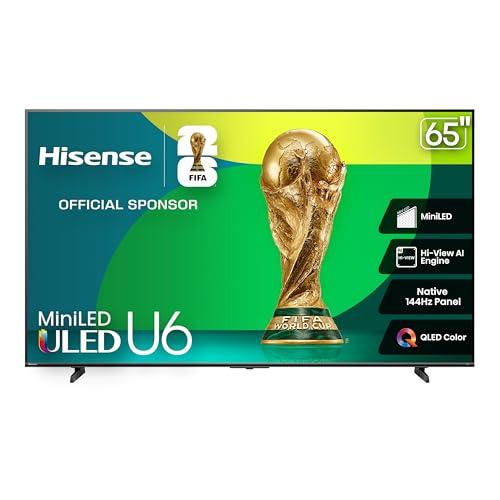
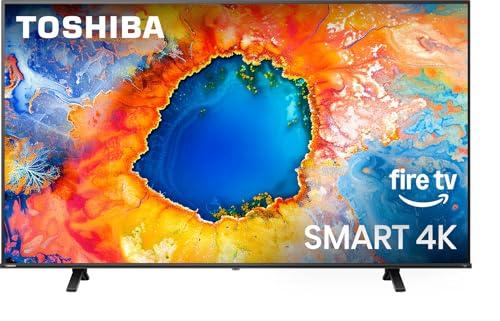
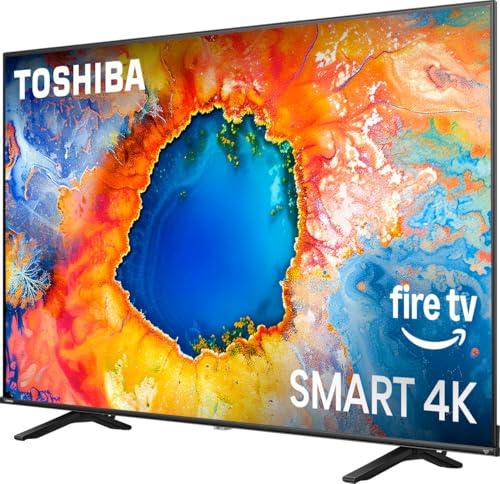
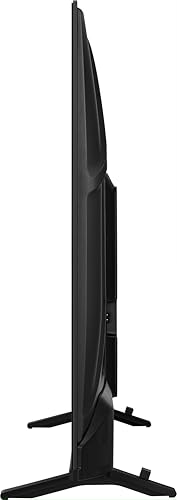

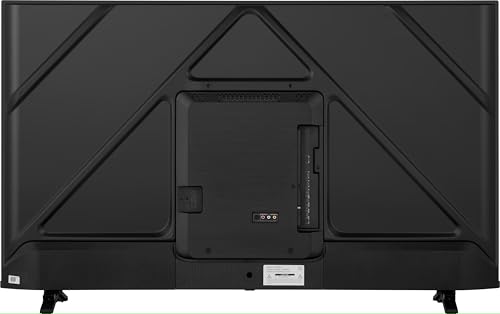
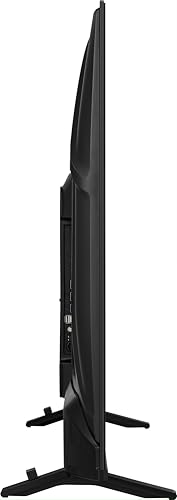
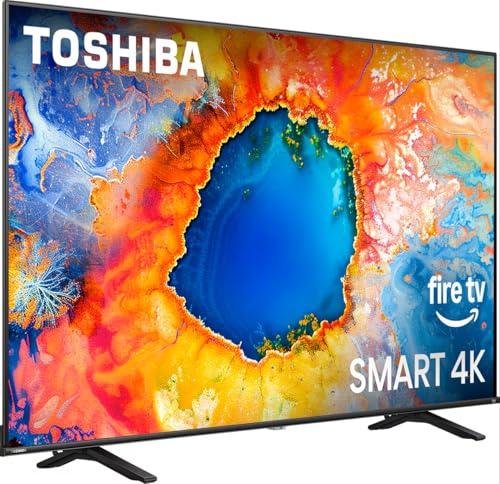
Shopping for a 65-inch TV can feel overwhelming with so many options hitting the market each year. Two models that consistently appear in budget-conscious shoppers' research are the Hisense U6 Series Mini-LED QLED 4K Fire TV and the Toshiba C350 Series 4K UHD Smart Fire TV. While both offer large-screen 4K entertainment without breaking the bank, they represent fundamentally different approaches to delivering value.
The TV market has evolved dramatically over the past few years. What once required a premium budget now appears in mid-range models, particularly technologies like quantum dot color enhancement and local dimming. Understanding these advancements helps explain why seemingly similar TVs can perform so differently in your living room.
Before diving into specifics, let's establish what matters most when evaluating large-screen TVs. Contrast ratio - the difference between the darkest blacks and brightest whites your TV can produce - arguably impacts picture quality more than any other single factor. Color gamut refers to the range of colors your display can reproduce, while peak brightness determines how well you'll see details in bright rooms or HDR content.
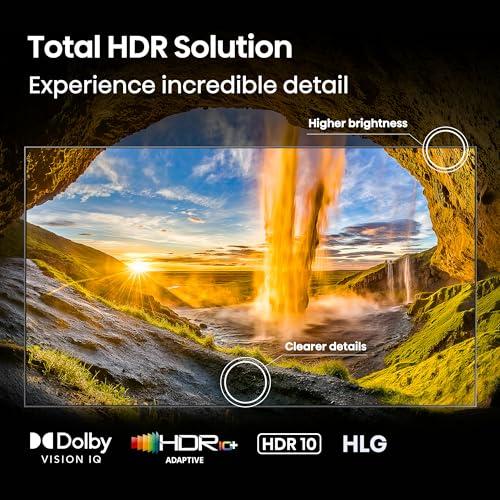
HDR (High Dynamic Range) deserves special attention since both TVs support it. Think of HDR as giving your TV instructions for displaying a much wider range of brightness and color than standard video. However, TVs need sufficient peak brightness and contrast control to actually follow those instructions effectively.
For gaming, refresh rate indicates how many times per second your screen updates the image. Higher refresh rates create smoother motion, while input lag measures the delay between pressing a controller button and seeing the action on screen. Variable Refresh Rate (VRR) synchronizes your TV's refresh with your gaming console's output, eliminating screen tearing.
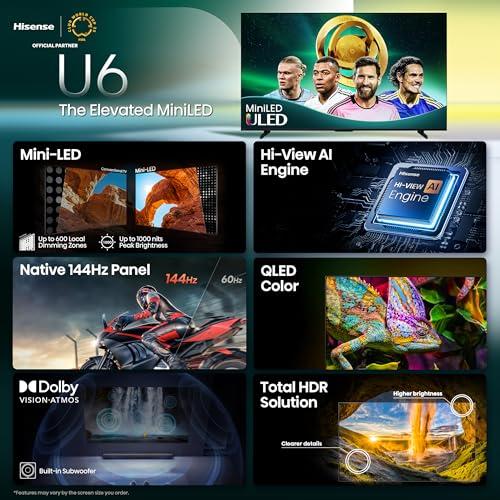
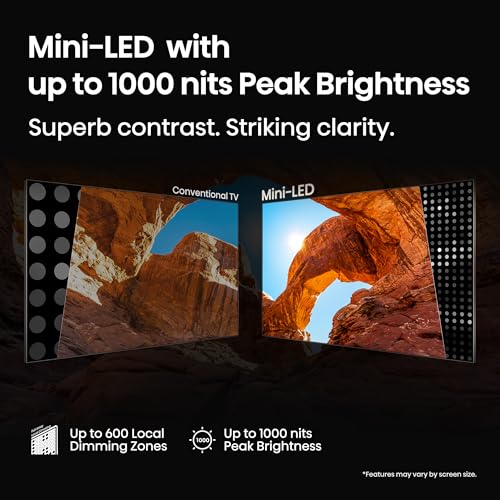
The most significant difference between these TVs lies in their backlighting systems. The Hisense U6 Series, released in 2025, uses Mini-LED technology with 608 individual dimming zones. Mini-LEDs are thousands of tiny LEDs that can brighten or dim independently, creating precise contrast control across different areas of your screen simultaneously.
The Toshiba C350 Series, from 2023, uses traditional edge-lit LED backlighting. This system illuminates the entire screen uniformly from the edges, offering simpler technology at lower cost but with less precise control over brightness variations.
This fundamental difference cascades through nearly every aspect of picture performance. When watching a movie with both bright explosions and dark shadowy scenes, the Hisense U6 can make the explosion brilliant while keeping shadows truly dark. The Toshiba C350 must choose a compromise brightness level across the entire screen.
In practical terms, the Hisense U6's Mini-LED system delivers dramatically superior contrast. During dark movie scenes, blacks appear genuinely dark rather than grayish, while bright elements pop with intensity. This creates that "window into another world" feeling that makes expensive TVs so appealing.
The Toshiba C350 produces respectable contrast for its price category, but lacks the precision to create truly deep blacks. In dark rooms, you'll notice the difference immediately - shadow details that disappear on the Toshiba remain visible on the Hisense.
However, the Hisense's local dimming isn't perfect. With only 608 zones controlling a 65-inch screen, bright objects can create visible blooming - unwanted light bleeding around highlights in dark scenes. Premium TVs use thousands of zones to minimize this effect, but at significantly higher costs.
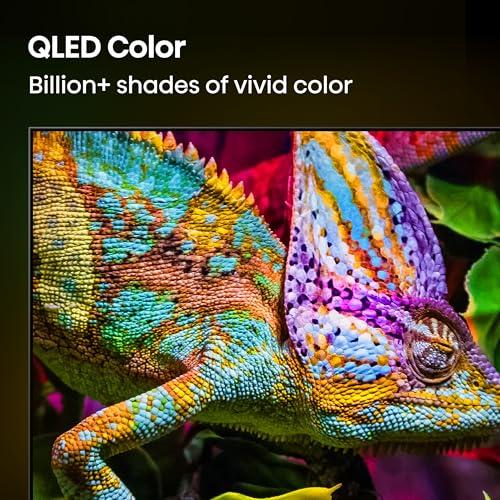
The Hisense U6 incorporates QLED (Quantum Dot Light Emitting Diode) technology, which uses microscopic particles to enhance color purity and brightness. This translates to more vivid, accurate colors, particularly in reds and greens that traditional displays struggle to reproduce.
Both TVs support Dolby Vision and HDR10, the most common HDR formats, but their ability to actually display HDR content differs substantially. The Hisense U6 achieves higher peak brightness levels, making HDR highlights more impactful. However, our research indicates it tends to over-brighten HDR content, potentially deviating from filmmakers' original intentions.
The Toshiba C350 handles HDR more conservatively, maintaining better accuracy to source material but potentially appearing less dramatic. For viewers who prioritize filmmaker intent over maximum visual impact, this restraint might actually be preferable.
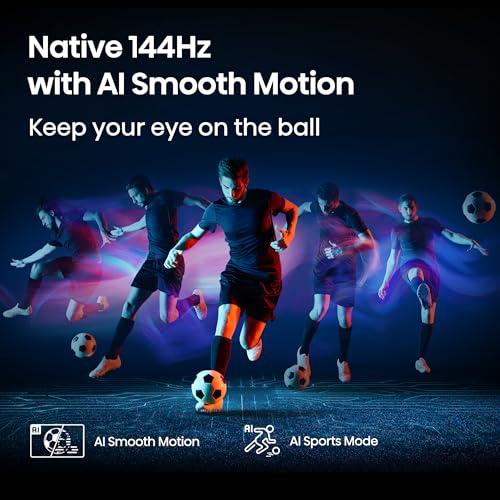
Motion performance reveals another clear winner. The Hisense U6 supports up to 144Hz refresh rates, creating incredibly smooth motion for sports, action movies, and gaming. Fast-moving objects appear crisp and clear, with minimal motion blur.
The Toshiba C350's 60Hz refresh rate handles typical content adequately but struggles with fast action. Sports fans watching hockey or soccer will notice more motion blur, particularly during rapid camera pans. Both TVs include motion smoothing features, but these can create the artificial "soap opera effect" that many viewers dislike.
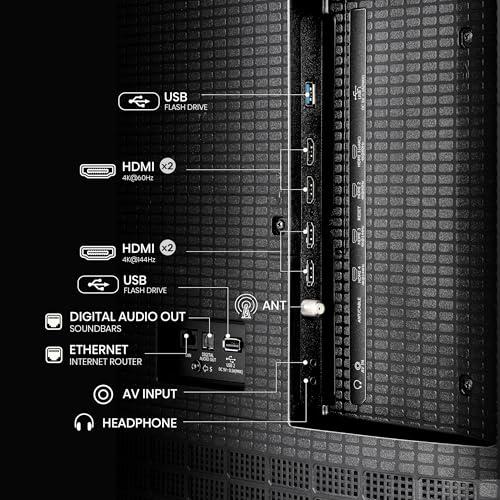
Gaming represents the starkest performance difference between these models. The Hisense U6 was clearly designed with modern gaming in mind, featuring two HDMI 2.1 ports that support 4K gaming at up to 144 frames per second. This future-proofs your investment as game developers increasingly target higher frame rates.
Variable Refresh Rate (VRR) support eliminates screen tearing, while Auto Low Latency Mode (ALLM) automatically switches to the TV's fastest response setting when gaming. Combined with low input lag, the Hisense U6 provides a genuinely competitive gaming experience.
The Toshiba C350 includes basic gaming optimizations like Auto Low Latency Mode, but lacks HDMI 2.1 connectivity and high refresh rate support. While perfectly adequate for casual gaming, serious gamers will feel limited by the 60Hz ceiling and standard HDMI bandwidth.
For PlayStation 5 or Xbox Series X owners, this difference is particularly significant. These consoles can output 4K at 120Hz in supported games, but only the Hisense U6 can display this enhanced performance.
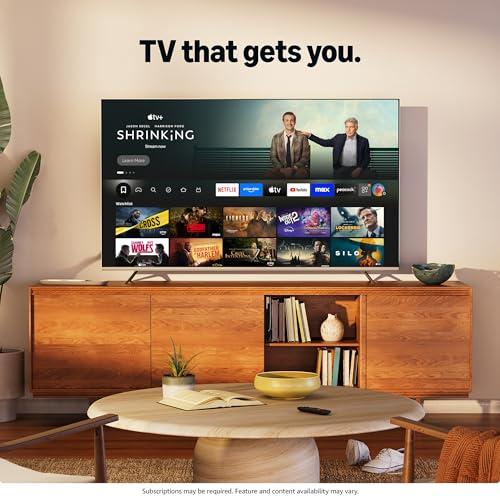
Both TVs run Amazon's Fire TV platform, providing identical smart features including Alexa voice control, streaming app access, and Apple AirPlay support. The interface responds quickly on both models, though the Hisense U6's newer processor provides slightly snappier navigation.
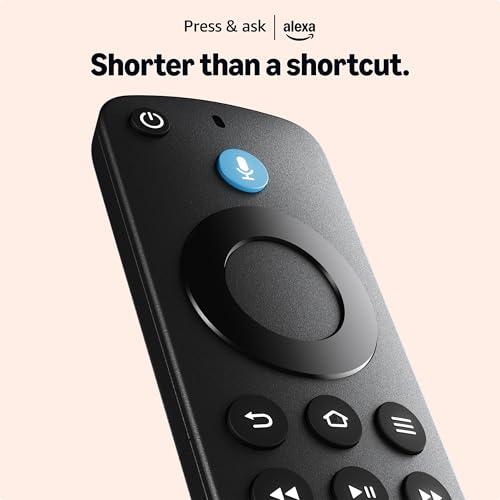
Fire TV integrates seamlessly with Amazon's ecosystem while supporting all major streaming services. The voice remote proves genuinely useful for searching content and controlling smart home devices. However, some users find Fire TV's advertising-heavy interface intrusive compared to alternatives like Roku or Google TV.
Both TVs receive regular software updates, ensuring continued compatibility with new streaming services and features. At the time of writing, Fire TV supports virtually every major streaming platform.
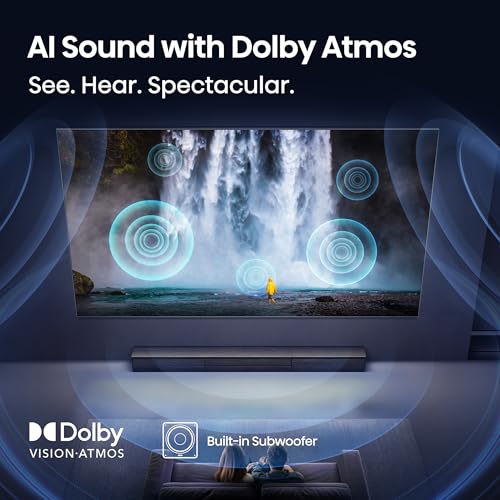
Neither TV excels in audio performance, following industry trends toward thinner designs at the expense of speaker quality. The Toshiba C350 includes DTS Virtual Sound processing, which creates a simulated surround effect through the built-in speakers. While not comparable to a dedicated sound system, it provides clearer dialogue and more engaging audio than basic TV speakers.
The Hisense U6 relies on standard speakers without advanced processing. Both TVs support eARC (Enhanced Audio Return Channel) for connecting soundbars or audio systems, and we'd recommend external audio for either model if sound quality matters to your viewing experience.
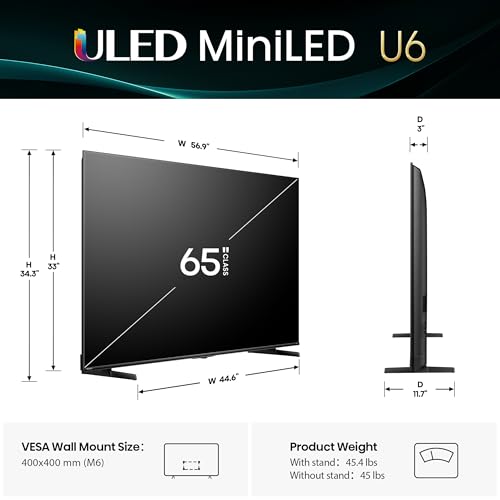
The Hisense U6 features a more premium design aesthetic with slim bezels and quality materials. The stand design accommodates most entertainment centers, while VESA mounting compatibility enables wall installation.
The Toshiba C350 takes a more utilitarian approach with straightforward construction that prioritizes functionality over style. Build quality appears solid based on user feedback, though the design feels less refined than the Hisense.
Both TVs include comprehensive connectivity, though the Hisense U6's HDMI 2.1 ports and Bluetooth 5.2 provide more future-proofing. Port placement on both models allows reasonable cable management.
At the time of writing, these TVs typically occupy different price tiers, with the Hisense U6 commanding a moderate premium over the Toshiba C350. This price difference generally reflects the substantial technology gap between Mini-LED and traditional LED backlighting.
For the additional cost, the Hisense U6 delivers meaningfully superior picture quality, comprehensive gaming features, and newer technology that should remain relevant longer. The value proposition becomes particularly compelling for users who will utilize the advanced gaming capabilities or frequently watch HDR content.
The Toshiba C350 represents solid value for buyers prioritizing basic 4K functionality over cutting-edge features. If your viewing habits center on standard TV programming and casual streaming, the picture quality difference may not justify the premium cost of Mini-LED technology.
In dedicated home theater environments, the Hisense U6 provides a significantly more immersive experience. The superior contrast and local dimming create the dramatic lighting effects that make movie watching special. Dark room viewing, common in home theaters, maximizes these advantages while minimizing the visible blooming effects.
The TV's comprehensive HDR support ensures compatibility with the highest quality content from streaming services and 4K Blu-ray players. Combined with a quality sound system through eARC connectivity, the Hisense U6 approaches the performance of TVs costing considerably more.
For home theater enthusiasts, the Toshiba C350 feels like a compromise. While it handles basic requirements adequately, the lack of local dimming and limited HDR performance diminish the cinematic experience that dedicated viewing spaces are designed to create.
The Hisense U6 Series makes sense for viewers who want advanced features without premium pricing. Gaming enthusiasts with modern consoles will particularly appreciate the high refresh rate and HDMI 2.1 connectivity. Movie lovers who frequently watch HDR content will benefit from the enhanced contrast and brightness capabilities.
This TV also suits buyers planning to keep their display for several years, as the newer technology and gaming features provide better future-proofing. The picture quality improvements are immediately noticeable and create a more engaging viewing experience across all content types.
The Toshiba C350 Series serves buyers with straightforward needs and budget constraints. If gaming beyond casual use isn't important and viewing habits center on standard programming, the simpler technology delivers adequate performance at lower cost.
This model also works well as a secondary TV where advanced features matter less. The reliable build quality and user-friendly Fire TV platform provide solid fundamentals for bedrooms, guest rooms, or casual viewing areas.
Choose the Hisense U6 if you want the best picture quality available in this price range, plan to use advanced gaming features, or frequently watch movies and HDR content. The Mini-LED technology and comprehensive feature set justify the additional cost for most users who will notice and appreciate these improvements.
Choose the Toshiba C350 if budget constraints are paramount, your viewing needs are basic, or you're shopping for a secondary display. The solid fundamentals and proven reliability provide good value for less demanding applications.
Both TVs deliver large-screen 4K entertainment with modern smart features, but they target different user priorities. The technology gap between them reflects broader industry trends toward more sophisticated display systems at accessible price points. Your decision should align with how you actually use your TV and what performance aspects matter most to your viewing satisfaction.
At the time of writing, the Hisense U6 represents the sweet spot between advanced technology and reasonable pricing, while the Toshiba C350 offers dependable basics for budget-conscious buyers. Either choice provides significant screen real estate and modern functionality - the question is simply how much performance enhancement justifies the price difference in your specific situation.
| Hisense 65" U6 Series Mini-LED QLED 4K Fire TV | Toshiba 65" C350 Series 4K UHD Smart Fire TV |
|---|---|
| Display Technology - The foundation that determines picture quality | |
| Mini-LED with 608 local dimming zones + QLED quantum dots | Traditional LED backlighting with no local dimming |
| Peak Brightness - Critical for HDR performance and bright room viewing | |
| Up to 1000 nits (excellent HDR highlights) | Moderate brightness (adequate for most rooms) |
| Refresh Rate - Essential for gaming and smooth motion | |
| Native 144Hz (future-proof gaming performance) | 60Hz (standard for basic viewing needs) |
| Gaming Features - Next-gen console compatibility | |
| 2x HDMI 2.1, VRR, 4K@144Hz, ALLM (premium gaming ready) | Basic ALLM only (casual gaming adequate) |
| HDR Support - Enhanced color and contrast capabilities | |
| Dolby Vision IQ, HDR10+, HDR10, HLG (comprehensive) | HDR10, Dolby Vision (standard support) |
| Smart Platform - Identical streaming and voice control | |
| Fire TV with Alexa (2025 hardware, faster processing) | Fire TV with Alexa (2023 hardware, proven reliable) |
| Audio Enhancement - Built-in sound processing | |
| Standard speakers (external audio recommended) | DTS Virtual Sound processing (clearer dialogue) |
| Build Quality - Design and construction differences | |
| Premium slim design with quality materials | Utilitarian build focusing on reliability |
| Best Use Cases - Who should choose each model | |
| Gamers, movie enthusiasts, tech adopters wanting premium features | Budget buyers, casual viewers, secondary TV applications |
| Value Proposition - Performance relative to typical pricing | |
| Higher cost justified by Mini-LED technology and gaming features | Lower cost for solid 4K fundamentals without advanced features |
The Hisense 65" U6 Series Mini-LED QLED 4K Fire TV delivers significantly better picture quality thanks to its Mini-LED backlighting with 608 local dimming zones and QLED quantum dot technology. This creates deeper blacks, brighter highlights, and more vivid colors compared to the Toshiba 65" C350 Series 4K UHD Smart Fire TV, which uses traditional LED backlighting without local dimming.
Yes, the Hisense U6 is dramatically better for gaming with its 144Hz refresh rate, two HDMI 2.1 ports, Variable Refresh Rate (VRR) support, and 4K@144Hz capability. The Toshiba C350 only offers 60Hz refresh rate and basic Auto Low Latency Mode, making it adequate for casual gaming but limiting for serious gamers with modern consoles.
Both the Hisense U6 and Toshiba C350 run Amazon's Fire TV platform with identical core features including Alexa voice control, streaming app access, and Apple AirPlay support. The main difference is that the newer Hisense hardware provides slightly faster navigation and processing.
The Hisense U6 Series excels in dark room viewing due to its Mini-LED backlighting and local dimming zones, which create true blacks and dramatic contrast perfect for cinematic experiences. The Toshiba C350 lacks local dimming, resulting in grayish blacks that diminish the movie-watching experience in dark environments.
The Hisense U6 can exhibit visible blooming (light bleeding) around bright objects in dark scenes due to having only 608 dimming zones across a 65-inch screen. It also tends to over-brighten HDR content, which may not respect filmmakers' original intentions. The Toshiba C350 avoids these issues but sacrifices overall contrast performance.
Value depends on your needs. The Hisense U6 offers exceptional value for buyers wanting premium features like Mini-LED technology and advanced gaming capabilities at a mid-range budget. The Toshiba C350 provides better value for budget-conscious buyers who need basic 4K functionality without advanced features.
The Toshiba C350 has a slight audio advantage with its DTS Virtual Sound processing, which creates clearer dialogue and simulated surround effects. The Hisense U6 uses standard speakers without advanced processing. Both TVs support eARC for connecting external sound systems, which is recommended for either model.
Both TVs handle bright rooms adequately, though the Hisense U6 achieves higher peak brightness levels for better HDR performance. The Toshiba C350 offers decent brightness for most lighting conditions. Neither TV has exceptional anti-reflective coatings, so positioning away from direct light sources is recommended for both models.
The Hisense U6 Series is significantly better suited for dedicated home theater environments due to its superior contrast, local dimming, and comprehensive HDR support. The Mini-LED technology creates the dramatic lighting effects that enhance the cinematic experience. The Toshiba C350 handles basic home theater needs but lacks the performance for truly immersive viewing.
The Hisense U6 offers better future-proofing with its 2025 technology, HDMI 2.1 ports, high refresh rates, and VRR support for next-generation gaming and content. The Toshiba C350 from 2023 provides adequate current functionality but may feel limited as content and gaming standards evolve.
Casual viewers who primarily watch standard TV programming and occasional streaming may find the Toshiba C350 perfectly adequate for their needs at a lower cost. However, even casual viewers often appreciate the improved picture quality of the Hisense U6, especially when watching movies or sports with enhanced contrast and color.
Choose the Hisense U6 Series if you want the best possible picture quality in this price range, plan to do serious gaming, or frequently watch HDR movies. Choose the Toshiba C350 Series if you need basic 4K functionality at the lowest possible cost and don't require advanced features like high refresh rates or local dimming.
We've done our best to create useful and informative comparisons to help you decide what product to buy. Our research uses advanced automated methods to create this comparison and perfection is not possible - please contact us for corrections or questions. These are the sites we've researched in the creation of this article: youtube.com - bestbuy.com - rtings.com - youtube.com - tomsguide.com - rtings.com - static.pcrichard.com - hisense-usa.com - pcguide.com - hisense-usa.com - manuals.plus - costco.com - pcrichard.com - beverlycenter.com - hisense-usa.com - rtings.com - device.report - bestbuy.com - bestbuy.com - youtube.com - rtings.com - cnet.com - youtube.com - consumerreports.org - toshibatv-canada.com - bestbuy.com - bestbuy.com - dolby.com - displayspecifications.com - toshibatv-usa.com - aarons.com

Privacy Policy
Terms and Conditions - Affiliate Policy
Home Security
© Copyright 2008-2026.
11816 Inwood Rd #1211, Dallas, TX 75244