

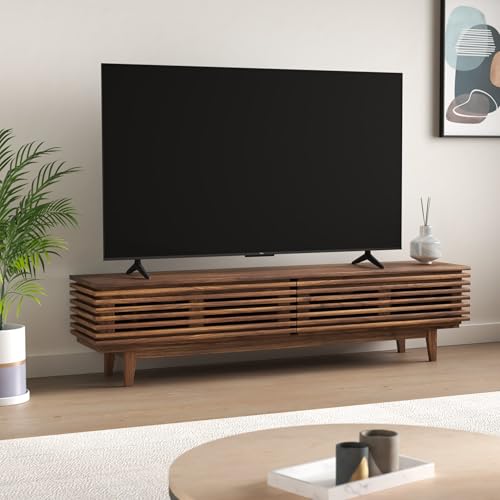
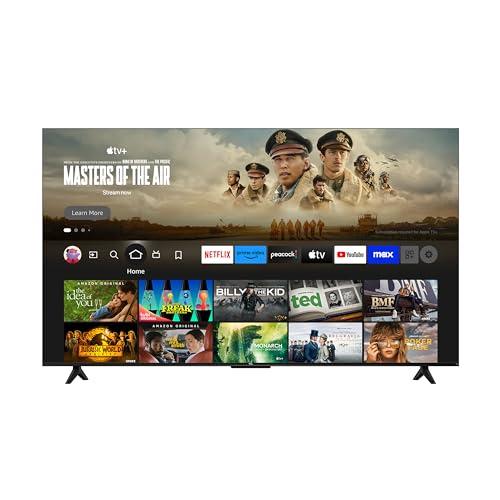

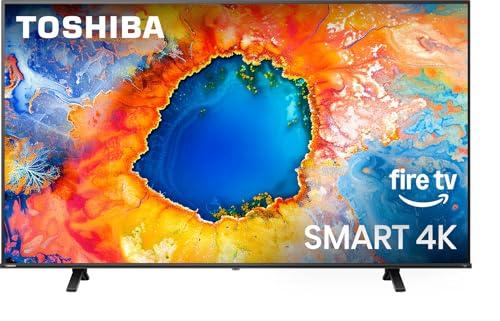
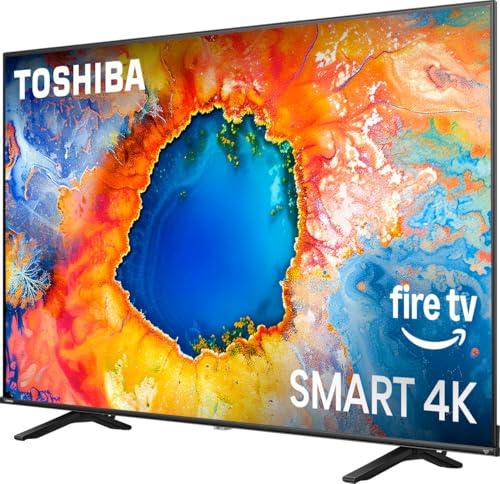

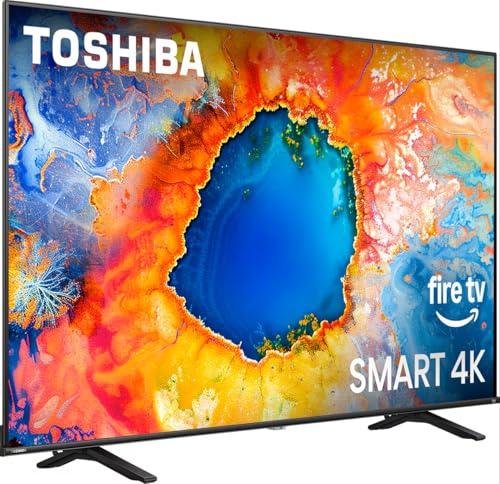
Choosing a 65-inch 4K smart TV doesn't have to break the bank, but it shouldn't leave you frustrated with poor performance either. Two models that consistently appear in budget-conscious shoppers' research are the TCL 65" S5 Class 4K UHD HDR Fire TV 2024 and the Toshiba 65" C350 Series 4K UHD Smart Fire TV. Both promise big-screen entertainment at accessible prices, but they take notably different approaches to delivering value.
At the time of writing, these TVs represent the sweet spot where screen size meets affordability in the 4K smart TV market. The challenge isn't finding a cheap 65-inch TV—it's finding one that won't leave you wishing you'd spent more after a few months of use.
The budget 4K TV category has evolved dramatically over the past few years. What constitutes "budget" today would have been considered premium just five years ago. Both the TCL S5 (released in 2024) and the Toshiba C350 (released in 2023) benefit from this technological trickle-down effect, offering features like HDR support, smart platforms, and gaming modes that were once exclusive to high-end models.
However, budget doesn't mean basic anymore. Modern viewers expect these TVs to handle everything from Netflix binges to PlayStation 5 gaming sessions, while also serving as the central hub for smart home control. The key differentiator isn't whether these features exist—it's how well they're implemented and which compromises manufacturers made to hit their target price points.
The most critical considerations when evaluating budget 4K TVs include picture quality fundamentals (brightness, contrast, color accuracy), motion handling capabilities, gaming performance, smart platform reliability, and build quality. These factors directly impact your daily viewing experience more than flashy marketing features.
Picture quality represents the most significant battleground between the TCL S5 and Toshiba C350. Both deliver sharp 4K resolution—that's essentially table stakes in 2024—but their approaches to color, motion, and HDR processing reveal meaningful differences.
The TCL S5 employs what the company calls its AIPQ Processor with Deep Learning AI, which sounds more impressive than it might actually be. In practical terms, this means the TV uses machine learning algorithms to analyze incoming content and automatically adjust settings like sharpness, color saturation, and noise reduction. While AI upscaling has become commonplace, TCL's implementation appears more aggressive in its processing, which can help lower-resolution content look cleaner but sometimes introduces artificial-looking results with native 4K material.
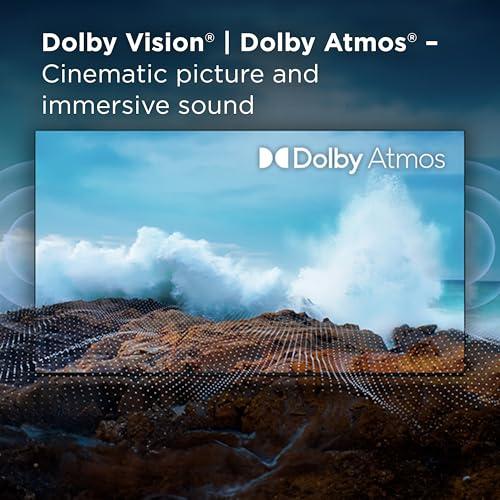
More importantly, the TCL S5 supports a broader range of HDR formats, including HDR10+, Dolby Vision, HDR10, and HLG. HDR (High Dynamic Range) essentially allows TVs to display brighter highlights and deeper shadows simultaneously, creating more realistic images. HDR10+ is particularly noteworthy because it uses dynamic metadata—meaning the TV receives scene-by-scene instructions for optimal brightness and color, rather than applying the same settings to an entire movie.
The Toshiba C350, while supporting Dolby Vision and HDR10, lacks HDR10+ support. This isn't necessarily a deal-breaker since HDR10+ content remains less common than standard HDR10 or Dolby Vision, but it does represent a future-proofing consideration.
Both TVs suffer from the same fundamental limitation that affects most budget models: inadequate peak brightness and lack of local dimming. Local dimming allows specific sections of the backlight to dim or brighten independently, creating better contrast between bright and dark areas of the same image. Without this feature, both TVs struggle to deliver the dramatic impact that HDR content is designed to provide. Expect decent color reproduction and sharpness, but don't anticipate the "wow factor" you'd experience with premium QLED or OLED displays.
Based on our research into professional reviews and user feedback, the TCL S5 appears to have a slight edge in overall color vibrancy and processing sophistication, while the Toshiba C350 offers more consistent performance across different viewing angles—an important consideration for family rooms where people sit in various positions relative to the TV.
Motion handling represents one of the most significant differences between these models, and it's where the TCL S5 clearly distinguishes itself from the Toshiba C350.
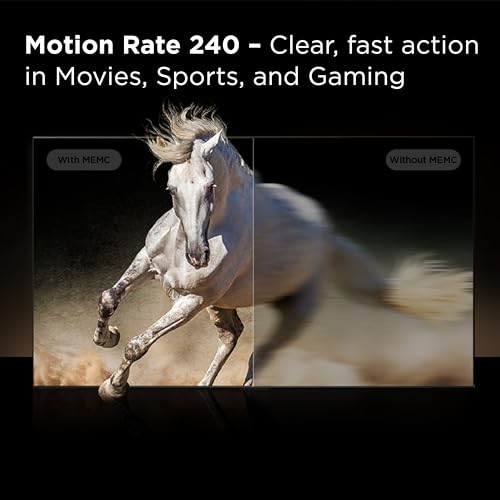
The TCL S5 features Motion Rate 240 with MEMC (Motion Estimation, Motion Compensation) Frame Insertion. This technology analyzes consecutive frames and creates intermediate frames to smooth motion, particularly beneficial for sports broadcasts, action movies, and gaming. Think of it like creating additional frames between the original frames to make movement appear more fluid.
MEMC can be controversial among enthusiasts because it sometimes creates the "soap opera effect"—making movies look artificially smooth, like they were shot with video cameras rather than film. However, for sports viewing, this technology genuinely improves the experience by reducing motion blur during fast camera pans or when tracking quickly moving objects like soccer balls or hockey pucks.
The Toshiba C350 lacks any advanced motion processing, relying on its basic 60Hz refresh rate and whatever motion smoothing the panel naturally provides. For most TV shows and movies, this isn't problematic, but sports enthusiasts and action movie fans will likely notice the difference, particularly during fast-paced sequences.
If you're someone who primarily watches dramas, comedies, or documentaries, the motion processing difference won't significantly impact your experience. However, if sports viewing represents a substantial portion of your TV time, the TCL S5 offers a measurable advantage that justifies its typically higher price point at the time of writing.
Gaming performance has become increasingly important as more households incorporate modern consoles into their entertainment setups. This is another area where the TCL S5 and Toshiba C350 diverge significantly in their capabilities and target audiences.
The TCL S5 includes Game Accelerator 120, which supports up to 120Hz Variable Refresh Rate (VRR) at lower resolutions. VRR synchronizes the TV's refresh rate with the console's output frame rate, eliminating screen tearing and providing smoother gameplay during intense action sequences. While the TV can't achieve 4K resolution at 120Hz—a limitation of its HDMI 2.0 ports—it can deliver 1440p or 1080p at 120Hz, which many competitive gamers actually prefer for the improved responsiveness.
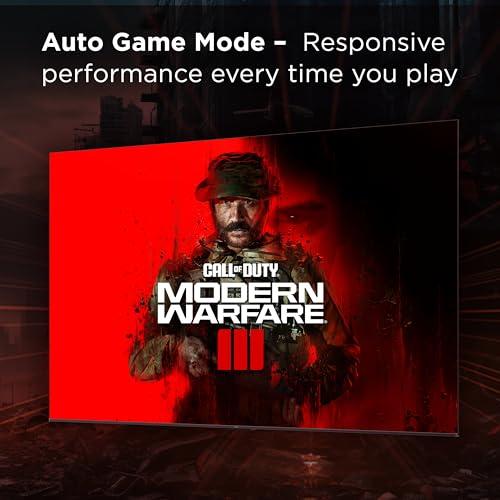
Auto Game Mode (ALLM) automatically detects when a gaming console is connected and switches to optimized settings that minimize input lag—the delay between pressing a controller button and seeing the action on screen. Based on professional testing data we've reviewed, the TCL S5 achieves respectably low input lag, making it suitable for most gaming genres including competitive online games.
The Toshiba C350 offers basic gaming functionality with its Auto Low Latency Mode, but lacks VRR support and is limited to 60Hz refresh rates. This makes it adequate for casual gaming and single-player adventures but less ideal for competitive multiplayer games where every millisecond of response time matters.
For households with PlayStation 5 or Xbox Series X consoles, the TCL S5 provides better compatibility with modern gaming features. If gaming represents a significant portion of your entertainment time, particularly if you play competitive online games, the TCL offers meaningfully better performance.
Both TVs utilize Amazon's Fire TV platform, which eliminates one potential decision point but raises questions about the platform's suitability for different users. Fire TV has evolved considerably since its introduction, now offering a relatively comprehensive app ecosystem including all major streaming services.
The Fire TV interface prioritizes Amazon's content and services, which can be both helpful and frustrating depending on your viewing habits. If you're already invested in Amazon's ecosystem—Prime Video, Amazon Music, Alexa smart home devices—the integration feels seamless. The voice remote functionality works reliably for content searches and basic navigation, and both TVs support hands-free Alexa commands for controlling smart home devices.
However, Fire TV's advertising-heavy interface and content recommendations can feel intrusive compared to more neutral platforms like Roku or Google TV. The home screen prominently features Amazon's content suggestions, and navigating to your preferred apps sometimes requires scrolling past multiple promotional tiles.
Both the TCL S5 and Toshiba C350 support Apple AirPlay 2, allowing iPhone and iPad users to cast content directly to the TV. This partially mitigates Fire TV's limitations if you prefer using your mobile device for content discovery and control.
Performance-wise, both TVs handle the Fire TV platform adequately, though some users report occasional sluggishness when switching between apps or during initial startup. This appears more related to the Fire TV platform itself than specific hardware limitations of either model.
Audio represents a universal weakness among budget TVs, and both the TCL S5 and Toshiba C350 follow this pattern. Each features 20W total audio output through built-in speakers, which provides adequate volume for normal viewing but lacks the depth and richness that enhances the viewing experience.
The TCL S5 includes DTS Virtual:X alongside Dolby Atmos support, while the Toshiba C350 adds Harman Kardon DSP processing to its DTS Virtual:X implementation. These technologies attempt to create more immersive surround sound from the TV's built-in speakers, but the physical limitations of thin TV cabinets mean the improvements are modest at best.
Both TVs support eARC (Enhanced Audio Return Channel) through their HDMI connections, allowing high-quality audio passthrough to soundbars or AV receivers. This represents the most practical path to better audio performance, and both models handle this functionality reliably.
If audio quality significantly impacts your viewing enjoyment, budget for a soundbar regardless of which TV you choose. The built-in speakers serve adequately for casual viewing but won't satisfy anyone seeking an immersive home theater experience.
Modern entertainment systems require multiple HDMI connections for game consoles, streaming devices, soundbars, and other components. This is where the Toshiba C350 holds a practical advantage over the TCL S5.
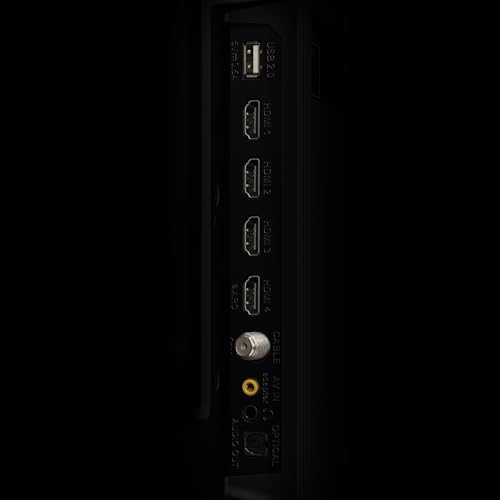
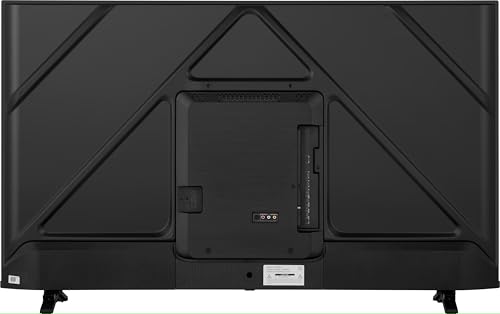
The Toshiba C350 provides four HDMI 2.1 ports compared to the TCL S5's three HDMI 2.0 ports. While HDMI 2.1 offers theoretical advantages for gaming and high-bandwidth content, the practical benefits remain limited for most users given both TVs' 60Hz limitations for 4K content.
The additional HDMI port on the Toshiba C350 provides more flexibility for complex setups involving multiple game consoles, streaming devices, and audio equipment. If you anticipate connecting several devices simultaneously, this could influence your decision.
Both TVs include standard connectivity options like Wi-Fi, Bluetooth, USB ports, and optical audio outputs. The TCL S5 specifies Wi-Fi 5 and Bluetooth 5.2 support, potentially offering more stable wireless connections, though real-world differences are likely minimal for typical home use.
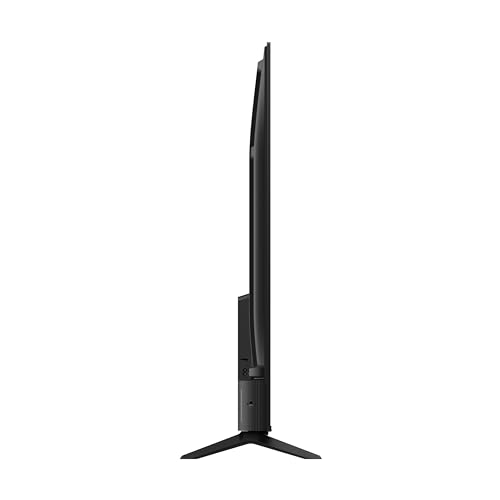
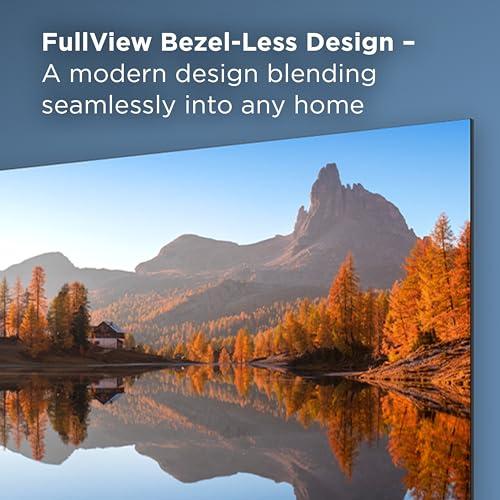
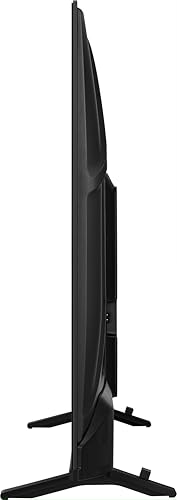
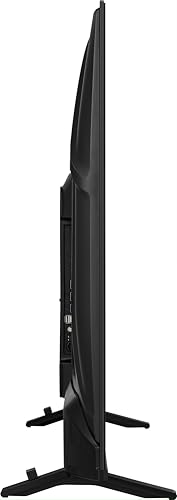
Both TVs feature modern, thin-bezel designs that blend reasonably well into contemporary living spaces. Build quality appears adequate for the price category, though neither offers the premium materials or sophisticated industrial design found in higher-end models.
The TCL S5 includes a metal bezel-less design that provides a slightly more upscale appearance, while the Toshiba C350 features a more conventional plastic construction. Neither feels particularly premium, but both should provide reliable service over typical TV lifespans.
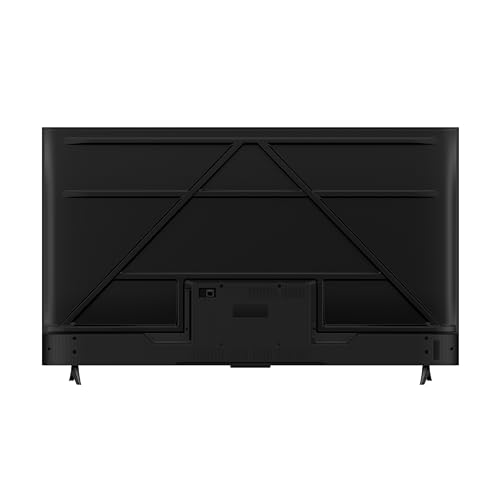
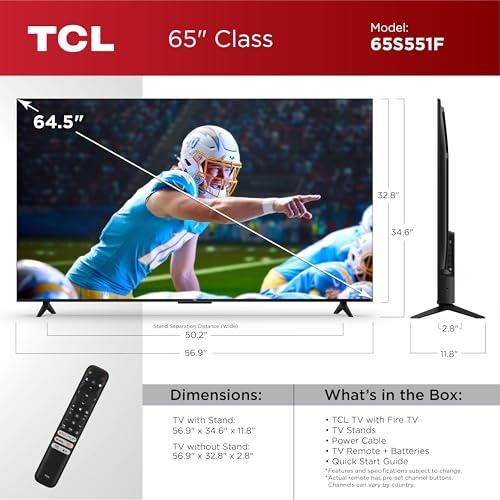
Both models support standard VESA wall mounting, and their relatively lightweight construction makes installation straightforward. The included stands provide adequate stability, though the wide-set feet on both models may require larger entertainment centers.
For dedicated home theater setups, both TVs present meaningful limitations that buyers should understand before committing. The lack of local dimming, limited peak brightness, and modest contrast ratios mean neither can deliver the dramatic visual impact that defines premium home theater experiences.
However, in dark viewing environments with properly calibrated settings, both TVs can provide enjoyable movie watching experiences, particularly for the price points involved. The TCL S5's superior motion processing makes it slightly more suitable for action movies and sports viewing, while the Toshiba C350's wider viewing angles benefit multi-person viewing scenarios.
If home theater performance represents your primary concern, consider whether allocating more budget toward a higher-end TV with local dimming and greater peak brightness might provide better long-term satisfaction than purchasing either of these models plus additional audio equipment.
At the time of writing, both TVs typically compete within similar price ranges, with the TCL S5 commanding a modest premium over the Toshiba C350. This pricing relationship makes the decision more nuanced than if one were significantly more expensive than the other.
Choose the TCL S5 Class 4K UHD HDR Fire TV 2024 if:
Choose the Toshiba C350 Series 4K UHD Smart Fire TV if:
Neither the TCL S5 nor the Toshiba C350 will satisfy viewers seeking premium picture quality or advanced home theater capabilities. However, both offer legitimate value propositions for different types of users within the budget 65-inch TV category.
The TCL S5 represents the better choice for households that prioritize gaming compatibility and motion processing, while the Toshiba C350 serves users who want straightforward 4K functionality at the lowest possible price point. Your decision should align with your specific viewing habits, technical requirements, and budget constraints rather than attempting to find a universally "better" option between these two fundamentally different approaches to budget TV design.
Both TVs benefit from the dramatic improvements in budget TV technology over recent years, offering features and performance that would have cost significantly more just a few years ago. Your satisfaction with either model will largely depend on setting appropriate expectations and understanding the compromises inherent in this price category.
| TCL 65" S5 Class 4K UHD HDR Fire TV 2024 | Toshiba 65" C350 Series 4K UHD Smart Fire TV |
|---|---|
| Display Technology - Foundation of picture quality | |
| 4K UHD LED with Direct LED backlight | 4K UHD LED with Full Array backlight |
| HDR Support - Impact on color and contrast | |
| HDR PRO+ with Dolby Vision, HDR10+, HDR10, HLG | Dolby Vision, HDR10, HLG (no HDR10+) |
| Motion Processing - Critical for sports and action content | |
| Motion Rate 240 with MEMC Frame Insertion | Motion Rate 120 (basic, no MEMC) |
| Gaming Features - Console compatibility and responsiveness | |
| Game Accelerator 120 (up to 120Hz VRR), Auto Game Mode (ALLM) | Auto Low Latency Mode only (60Hz max, no VRR) |
| Processor - Content upscaling and image processing | |
| TCL AIPQ Processor with Deep Learning AI | Standard processing (no AI enhancement) |
| Audio Output - Built-in speaker performance | |
| 20W (2x10W) with Dolby Atmos, DTS Virtual:X | 20W (2x10W) with DTS Virtual:X, Harman Kardon DSP |
| HDMI Ports - Device connection flexibility | |
| 3 HDMI 2.0 ports (1 with eARC) | 4 HDMI 2.1 ports (1 with eARC) |
| Wireless Connectivity - Network performance and device pairing | |
| Wi-Fi 5 (802.11ac), Bluetooth 5.2 | Wi-Fi built-in, Bluetooth (version unspecified) |
| Smart Platform - User interface and app ecosystem | |
| Fire TV with Alexa Voice Remote, Apple AirPlay 2 | Fire TV with Alexa Voice Remote, Apple AirPlay 2 |
| Design - Build quality and aesthetics | |
| Full view metal bezel-less design | Standard slim bezel design |
| Release Year - Technology generation and feature set | |
| 2024 (latest features and processing) | 2023 (proven reliability, fewer cutting-edge features) |
The TCL 65" S5 Class 4K UHD HDR Fire TV 2024 is significantly better for gaming. It features Game Accelerator 120 with up to 120Hz Variable Refresh Rate (VRR) and Auto Game Mode for reduced input lag. The Toshiba 65" C350 Series only offers basic Auto Low Latency Mode and is limited to 60Hz, making it suitable only for casual gaming.
Yes, both the TCL S5 and Toshiba C350 use Amazon's Fire TV platform with Alexa voice remote included. They offer identical access to streaming apps like Netflix, Prime Video, and Disney+, plus Apple AirPlay 2 support for casting from iOS devices.
The TCL 65" S5 Class provides superior motion handling with Motion Rate 240 and MEMC Frame Insertion technology, which reduces blur during fast-paced sports and action scenes. The Toshiba C350 lacks advanced motion processing, relying only on its basic 60Hz refresh rate.
The Toshiba 65" C350 Series offers 4 HDMI ports (with HDMI 2.1 support), while the TCL S5 provides 3 HDMI 2.0 ports. If you need to connect multiple devices like game consoles, streaming devices, and soundbars, the Toshiba offers more flexibility.
Neither the TCL S5 nor Toshiba C350 excels in bright rooms due to limited peak brightness typical of budget TVs. Both lack local dimming technology. However, the TCL S5 may handle glare slightly better due to its more advanced image processing.
Yes, both support HDR, but the TCL 65" S5 Class offers more comprehensive HDR support including Dolby Vision, HDR10+, HDR10, and HLG. The Toshiba C350 supports Dolby Vision, HDR10, and HLG but lacks HDR10+ compatibility.
Both the TCL S5 and Toshiba C350 feature 20W speakers with similar audio technologies. The TCL includes DTS Virtual:X and Dolby Atmos, while the Toshiba adds Harman Kardon DSP processing. Sound quality is comparable on both, though external audio is recommended for better performance.
Both the TCL S5 and Toshiba C350 have limitations for dedicated home theater use due to lack of local dimming and limited peak brightness. However, in dark rooms with proper calibration, both can provide enjoyable movie experiences, with the TCL S5 offering slightly better motion processing for action films.
The TCL 65" S5 Class 2024 generally provides better picture quality with its AIPQ Processor featuring Deep Learning AI, more comprehensive HDR support, and superior motion processing. The Toshiba C350 offers more consistent viewing angles but lacks the advanced processing features.
Yes, both the TCL S5 and Toshiba C350 include Alexa voice remotes and support hands-free voice commands through the Fire TV platform. You can search content, control smart home devices, and navigate menus using voice commands on either model.
The TCL 65" S5 Class 2024 is more future-proof with its 2024 release date, advanced gaming features like 120Hz VRR support, comprehensive HDR format compatibility, and AI-powered processing. The Toshiba C350 offers proven reliability but fewer cutting-edge features.
Choose the TCL S5 if you prioritize gaming performance, sports viewing, or want the latest features. Select the Toshiba C350 if you need more HDMI connections, prefer wider viewing angles for group viewing, or want a more budget-friendly option for basic 4K streaming and TV watching.
We've done our best to create useful and informative comparisons to help you decide what product to buy. Our research uses advanced automated methods to create this comparison and perfection is not possible - please contact us for corrections or questions. These are the sites we've researched in the creation of this article: rtings.com - bestbuy.com - youtube.com - youtube.com - businessinsider.com - pcvarge.com - rtings.com - tcl.com - tcl.com - tcl.com - bestbuy.com - sears.com - samsclub.com - tvsbook.com - bestbuy.com - bestbuy.com - youtube.com - rtings.com - cnet.com - youtube.com - consumerreports.org - toshibatv-canada.com - bestbuy.com - bestbuy.com - dolby.com - displayspecifications.com - toshibatv-usa.com - aarons.com

Privacy Policy
Terms and Conditions - Affiliate Policy
Home Security
© Copyright 2008-2026.
11816 Inwood Rd #1211, Dallas, TX 75244