

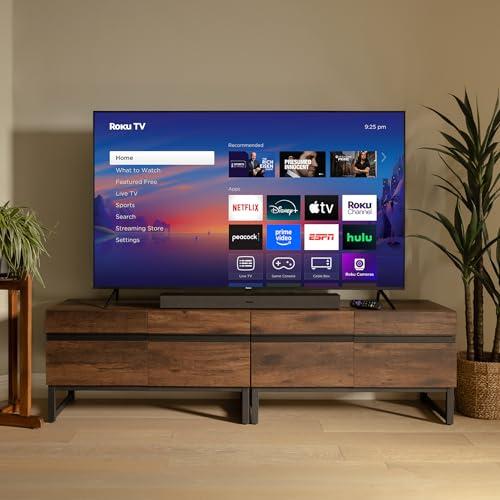
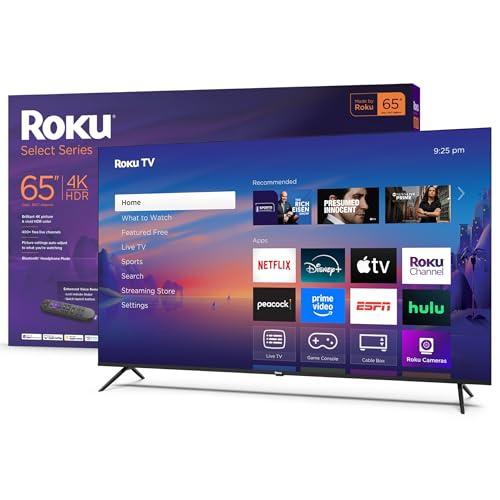
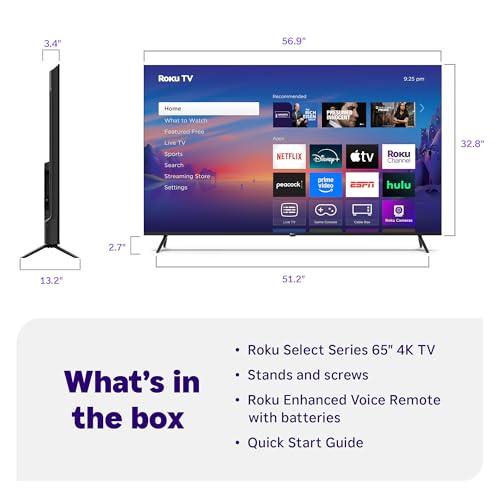
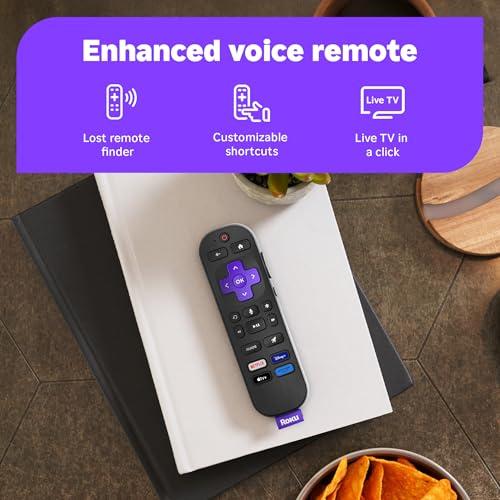



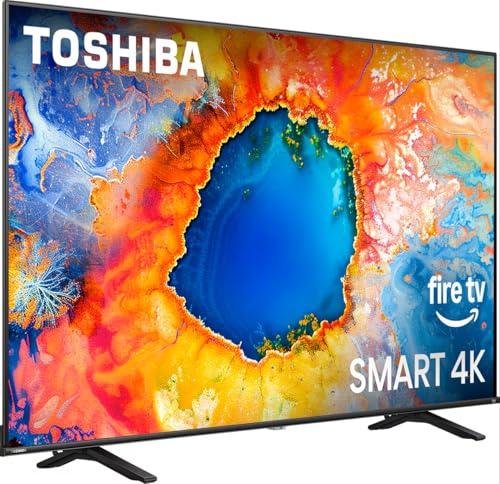
The 65-inch budget TV market has become fiercely competitive, offering consumers impressive value at prices that would have been unimaginable just a few years ago. When shopping for a large-screen TV without breaking the bank, two models stand out: the Roku Select Series 65" 4K HDR Smart TV and the Toshiba 65" C350 Series 4K UHD Smart Fire TV. Both represent compelling options in the sub-$500 range (at the time of writing), but they take distinctly different approaches to delivering entertainment value.
Understanding what separates these TVs requires looking beyond their similar 65-inch 4K specifications. The real differences lie in their smart platforms, picture processing, audio capabilities, and long-term software support—factors that significantly impact your daily viewing experience.
The budget TV segment has evolved dramatically since 2020. What once required spending $800+ for a decent 65-inch 4K TV can now be achieved for roughly half that amount. This transformation happened as manufacturing costs decreased and streaming became the dominant content consumption method, allowing manufacturers to focus resources on smart platforms rather than premium display technologies.
Today's budget TVs prioritize smart features, decent 4K upscaling (the process of making lower-resolution content look better on 4K screens), and adequate HDR support over premium display technologies like quantum dots or OLED panels. The key considerations have shifted from pure picture quality to overall user experience, platform reliability, and streaming performance.
For buyers in this segment, the most important factors are typically the smart TV interface, app availability, picture quality for streaming content, and whether the TV will receive software updates years down the road. Gaming performance and home theater capabilities, while nice to have, usually take a backseat to everyday usability and streaming reliability.
The biggest fundamental difference between the Roku Select Series and Toshiba C350 lies in their smart TV platforms. This isn't just about which apps are available—it's about the entire user experience, from turning on the TV to finding content and navigating menus.
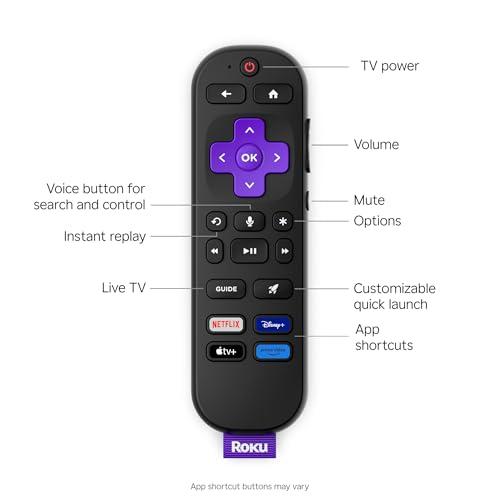
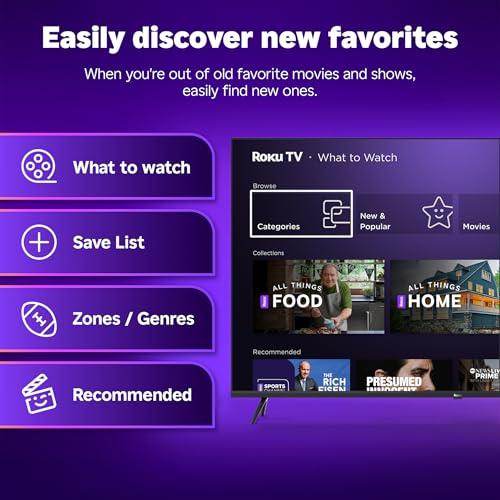
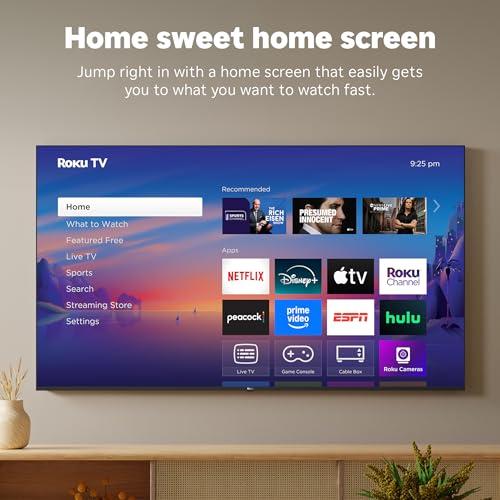
The Roku Select Series, launched in 2025, runs Roku's proprietary operating system, which has earned widespread praise for its simplicity and reliability. Roku's interface presents content in a straightforward grid layout with customizable app shortcuts. The platform offers access to over 500 free streaming channels alongside all major paid services like Netflix, Disney+, and HBO Max. What sets Roku apart is its content-agnostic approach—it doesn't favor any particular streaming service, making content discovery more balanced and less commercially driven.
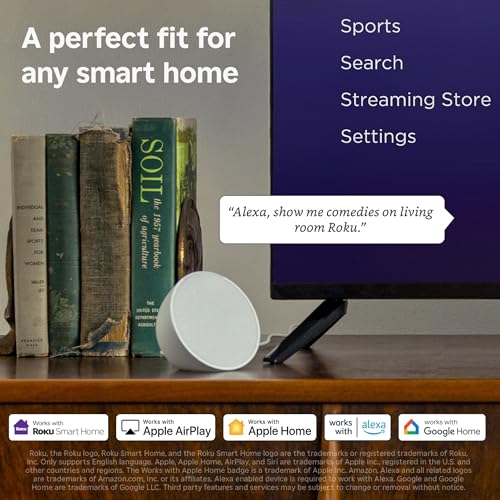
The platform's search functionality works across multiple apps simultaneously, so searching for a movie will show results from Netflix, Amazon Prime, Hulu, and other services you subscribe to. This universal search capability saves significant time when you're not sure which app has the content you want. Roku's voice control supports multiple assistants—Roku Voice, Alexa, Google Assistant, and Siri—giving users flexibility in how they interact with their TV.
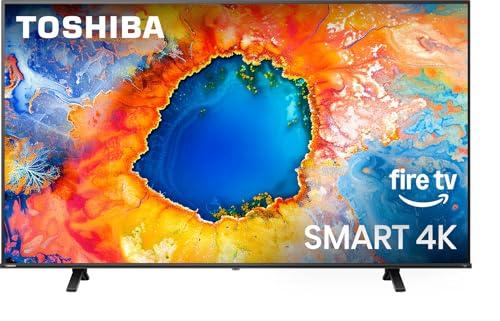
The Toshiba C350, released in 2023, uses Amazon's Fire TV platform, which integrates deeply with Amazon's ecosystem. Fire TV offers excellent voice control through Alexa and provides access to Amazon's vast content library, including free content through IMDb TV and Amazon's growing collection of original programming. The interface prominently features Amazon's content recommendations and purchasing options, which can be helpful if you're already invested in Amazon's ecosystem but may feel pushy if you prefer other services.
Fire TV's interface has improved significantly since its early versions, but it still tends to feel more cluttered and advertising-heavy compared to Roku's cleaner approach. The platform occasionally experiences software glitches and slower performance, particularly as the TV ages, though Amazon does provide regular updates.
For most users, Roku's platform offers a more balanced and user-friendly experience, while Fire TV excels for households already deeply invested in Amazon's ecosystem. The long-term software support advantage clearly favors Roku, as the company's business model depends on keeping their platform current and competitive.
Both TVs deliver 4K resolution (3840 x 2160 pixels), but their approach to picture processing and HDR (High Dynamic Range) support differs meaningfully. HDR is a technology that expands the range of colors and contrast a TV can display, making images appear more realistic and vibrant than standard dynamic range content.
The Roku Select Series supports HDR10+ but notably lacks Dolby Vision support. HDR10+ is an open standard that adjusts brightness and color settings scene by scene, while Dolby Vision is a more advanced (but proprietary) HDR format that offers superior color accuracy and brightness handling. The absence of Dolby Vision limits the TV's compatibility with premium streaming content, as many high-budget movies and shows on Netflix, Disney+, and Apple TV+ use Dolby Vision for their best picture quality.
The Toshiba C350 supports Dolby Vision, HDR10, and HLG (Hybrid Log-Gamma, used for broadcast HDR), giving it a more comprehensive HDR feature set. This broader HDR support means the Toshiba can properly display the enhanced picture quality that content creators intended for premium streaming movies and shows.
Both TVs use LED backlighting with direct-lit panels, meaning the LEDs are positioned behind the entire screen rather than just around the edges (edge-lit). This direct lighting provides more even brightness distribution than edge-lit designs but falls short of full-array local dimming, where different zones of LEDs can be controlled independently to improve contrast.
The lack of local dimming on both models means they struggle with deep black levels—dark scenes appear somewhat gray rather than truly black. This limitation becomes most noticeable when watching movies with dark cinematography in a dimmed room. However, for typical streaming content viewed in moderately lit rooms, both TVs deliver satisfactory picture quality with good color reproduction and adequate brightness.
Based on expert and user reviews, the Toshiba C350 demonstrates slightly better peak brightness and wider viewing angles, making it more suitable for rooms where people watch from various seating positions. The improved viewing angles mean colors and brightness remain more consistent when viewed from the side, while the Roku Select Series shows more noticeable color shifting when viewed off-center.
Television audio has become increasingly important as streaming content features more sophisticated soundtracks and sound design. Both TVs offer decent built-in audio, but with different approaches to sound processing.
The Roku Select Series features a 2.1 audio system with Dolby Audio processing. However, expert testing reveals significant limitations in bass response—essentially, you won't hear much low-frequency sound from the built-in speakers. The maximum volume is also somewhat limited, with noticeable compression and distortion at higher levels. The TV includes Bluetooth headphone mode, allowing private listening without disturbing others, which is a thoughtful feature for late-night viewing.
The Toshiba C350 takes audio more seriously with DTS Virtual:X processing and Harman Kardon audio tuning. DTS Virtual:X creates a simulated surround sound experience using the TV's built-in speakers, while Harman Kardon's processing aims to optimize clarity and balance. The result is noticeably better built-in audio quality, with clearer dialogue and more balanced frequency response compared to the Roku.
Both TVs support external audio connections, but the Toshiba C350 offers superior audio passthrough capabilities, including Dolby Atmos passthrough via HDMI eARC (enhanced Audio Return Channel). This feature allows the TV to send high-quality audio formats to compatible soundbars or home theater systems without processing or compressing the signal.
For viewers planning to use external audio equipment, both TVs will work fine, though the Toshiba's superior passthrough capabilities make it more future-proof for advanced home theater setups. For those relying primarily on built-in speakers, the Toshiba provides a meaningfully better audio experience.
Neither TV targets serious gamers, but both offer adequate performance for casual gaming. Both models are limited to 60Hz refresh rates and lack advanced gaming features like Variable Refresh Rate (VRR) or HDMI 2.1's higher bandwidth capabilities that would benefit Xbox Series X, PlayStation 5, or high-end PC gaming.
The Roku Select Series provides slightly lower input lag (the delay between pressing a button and seeing the action on screen), making it marginally more responsive for gaming. Both TVs include Auto Low Latency Mode (ALLM), which automatically switches to a low-lag gaming mode when a console is detected.
For casual gaming—family-friendly games, older consoles, or non-competitive gaming—both TVs perform adequately. Serious gamers should look elsewhere, as neither TV can fully utilize the capabilities of current-generation gaming consoles or provide the high refresh rates and VRR support that competitive gaming demands.
For dedicated home theater use, both TVs present limitations typical of budget models. The lack of local dimming means neither TV excels in darkened viewing environments where contrast performance becomes critical. Both struggle with deep blacks, making them less ideal for cinematic viewing of movies with dark scenes.
The Toshiba C350's Dolby Vision support gives it an advantage for home theater use, as many premium movies and shows use this format for their best picture quality. The better built-in audio and superior audio passthrough capabilities also favor the Toshiba for home theater applications.
However, both TVs work best in moderately lit rooms rather than dedicated dark home theaters. They're better suited for family rooms where some ambient light is present and where the convenience of smart features matters more than ultimate picture quality.
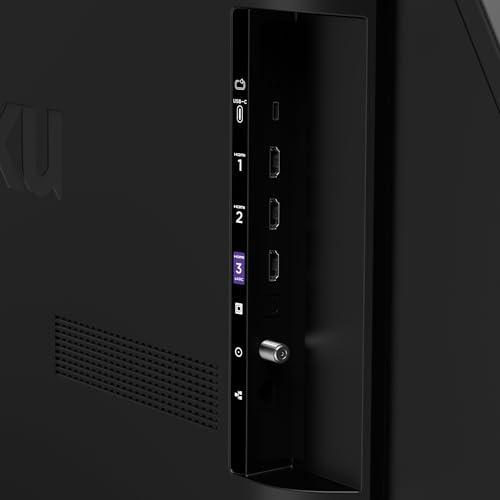
Both TVs offer adequate connectivity for most users, with multiple HDMI ports, Wi-Fi, and Bluetooth support. The Roku Select Series includes Apple AirPlay support, making it easy to cast content from iPhones, iPads, and Macs. The Toshiba C350 offers better legacy input support and superior HDMI eARC implementation for external audio equipment.
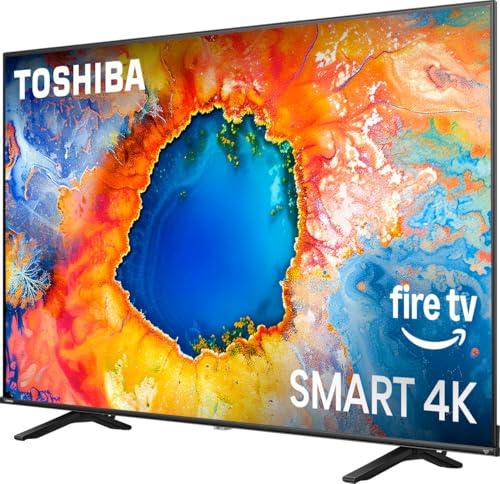
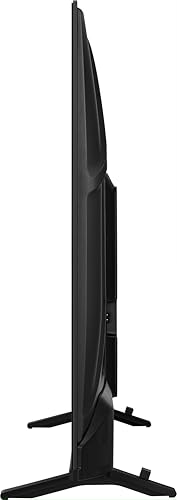
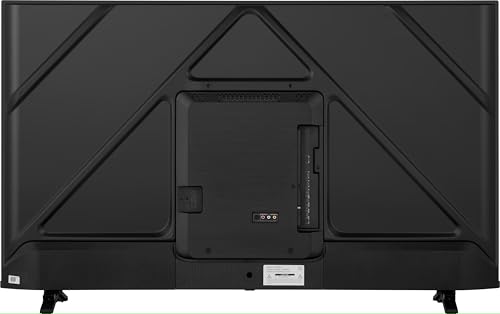
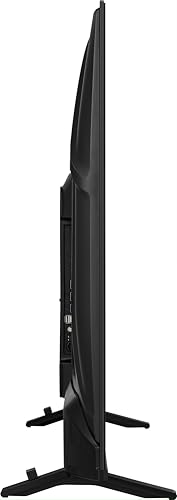
Build quality appears similar between both models, with modern thin-bezel designs that look appropriate in contemporary living spaces. Both require fairly large TV stands due to their wide-set feet designs, though both support standard VESA wall mounting.
The Roku Select Series makes the most sense for households that prioritize streaming convenience, interface quality, and long-term software support. It's ideal for users who primarily watch streaming content, value a clean and intuitive interface, and want confidence that their TV will continue receiving updates and new features over time. The superior platform reliability makes it particularly appealing for less tech-savvy users who want a TV that "just works" without complications.
The Toshiba C350 better serves users who watch a mix of content types, including premium HDR movies and shows, and who care about built-in audio quality. It's the better choice for Amazon ecosystem users and those who need better connectivity options for external audio equipment. The Dolby Vision support also makes it more suitable for home theater applications, despite its budget-level contrast performance.
At the time of writing, both TVs typically sell in similar price ranges, making the decision primarily about features and platform preference rather than cost. The Roku Select Series represents the safer long-term choice due to platform reliability and update commitment, while the Toshiba C350 offers better immediate picture and audio performance.
For most buyers, I'd recommend the Roku Select Series unless you specifically need Dolby Vision support or significantly better built-in audio. The platform advantages and long-term software support typically outweigh the picture quality differences in this budget segment. However, if you're already invested in Amazon's ecosystem or plan to use the TV primarily for premium HDR content, the Toshiba C350 may provide better value despite its platform limitations.
Both TVs deliver solid performance for their price points, but your choice should align with your specific viewing habits, technical preferences, and long-term expectations for software support and reliability.
| Roku Select Series 65" 4K HDR Smart TV 2025 | Toshiba 65" C350 Series 4K UHD Smart Fire TV |
|---|---|
| Screen Size & Resolution - Both deliver identical 4K clarity on large 65-inch displays | |
| 65" 4K UHD (3840 x 2160) | 65" 4K UHD (3840 x 2160) |
| HDR Support - Affects picture quality with streaming content | |
| HDR10+ only (missing Dolby Vision limits premium content) | Dolby Vision, HDR10, HLG (superior HDR compatibility) |
| Smart TV Platform - Determines daily user experience and app performance | |
| Roku OS (cleaner interface, better long-term support) | Fire TV (Amazon-focused, more ads, occasional glitches) |
| Refresh Rate - Important for gaming and sports | |
| 60Hz (adequate for streaming, limited for gaming) | 60Hz (adequate for streaming, limited for gaming) |
| Audio Technology - Built-in speaker quality matters if no soundbar | |
| Dolby Audio 2.1 (weak bass, requires external audio) | DTS Virtual:X + Harman Kardon (better built-in sound) |
| Voice Control - Hands-free operation convenience | |
| Roku Voice, Alexa, Google Assistant, Siri | Alexa Voice Remote (deep Amazon integration) |
| Viewing Angles - Important for rooms with multiple seating positions | |
| Limited (colors shift when viewed from sides) | Wide viewing angles (better for group viewing) |
| Gaming Features - Matters for console gaming | |
| Auto Low Latency Mode, lower input lag | Auto Low Latency Mode, slightly higher input lag |
| Audio Passthrough - Critical for home theater setups | |
| Limited DTS support via eARC | Dolby Atmos passthrough, better eARC support |
| Content Casting - Wireless streaming from devices | |
| Apple AirPlay support | Standard Fire TV casting options |
| HDMI Ports - Number of devices you can connect | |
| 3 HDMI ports (4 on some 65" variants) | 3-4 HDMI ports (varies by model year) |
| Software Updates - Long-term platform reliability | |
| Excellent track record, regular updates | Decent support, but less reliable than Roku |
The Toshiba C350 has slightly better picture quality due to its Dolby Vision HDR support, which the Roku Select Series lacks. The Toshiba also offers wider viewing angles and better peak brightness. However, both TVs have similar 4K resolution and lack local dimming, so the differences are modest for most viewing scenarios.
The Roku Select Series uses Roku's clean, ad-free interface with universal search across streaming apps and excellent long-term software support. The Toshiba C350 runs Fire TV, which integrates deeply with Amazon services but has more ads and promotional content. Roku generally offers a more balanced, user-friendly experience.
The Roku Select Series has slightly lower input lag, making it marginally better for gaming. Both TVs are limited to 60Hz refresh rates and lack advanced gaming features like VRR or HDMI 2.1. Neither the Roku nor Toshiba C350 is ideal for serious gaming with next-gen consoles.
The Toshiba C350 has significantly better built-in audio with DTS Virtual:X and Harman Kardon processing. The Roku Select Series has weak bass and limited volume. While both benefit from external audio, the Toshiba is more usable with just built-in speakers.
The Toshiba C350 supports Dolby Vision, HDR10, and HLG, giving it comprehensive HDR compatibility with premium streaming content. The Roku Select Series only supports HDR10+, which limits its ability to display the best picture quality from Netflix, Disney+, and other services that use Dolby Vision.
Neither the Roku Select Series nor Toshiba C350 excels for dedicated home theater use due to their lack of local dimming and limited contrast. The Toshiba is slightly better for home theater with Dolby Vision support and superior audio passthrough capabilities for external sound systems.
The Roku Select Series has a much better track record for long-term software updates and platform reliability. Roku's business model depends on keeping their platform current. The Toshiba C350 with Fire TV receives updates from Amazon, but with less consistency and reliability over time.
Yes, both TVs support voice control. The Roku Select Series works with Roku Voice, Alexa, Google Assistant, and Siri. The Toshiba C350 features deep Alexa integration with the included voice remote, making it excellent for Amazon Echo users.
Both TVs offer similar connectivity with 3-4 HDMI ports and Wi-Fi. The Toshiba C350 has better audio passthrough via eARC and more legacy input options. The Roku Select Series includes Apple AirPlay for easy casting from iOS devices.
Both the Roku Select Series and Toshiba C350 work adequately in moderately lit rooms but struggle in very bright spaces. The Toshiba has slightly better peak brightness, making it marginally more suitable for brighter viewing environments.
The Roku Select Series typically offers better long-term value for streaming due to its superior platform, cleaner interface, and reliable updates. While the Toshiba C350 may cost similarly, the Roku's platform advantages make it more valuable for streaming-focused households.
Choose the Roku Select Series for superior streaming experience, platform reliability, and long-term software support. Choose the Toshiba C350 for better HDR support, improved built-in audio, wider viewing angles, and if you're already invested in Amazon's ecosystem.
We've done our best to create useful and informative comparisons to help you decide what product to buy. Our research uses advanced automated methods to create this comparison and perfection is not possible - please contact us for corrections or questions. These are the sites we've researched in the creation of this article: bestbuy.com - rtings.com - roku.com - rtings.com - youtube.com - cnet.com - manuals.plus - target.com - walmart.com - nice-pay.com - bestbuy.com - roku.com - roku.com - electronicexpress.com - bestbuy.com - bestbuy.com - youtube.com - rtings.com - cnet.com - youtube.com - consumerreports.org - toshibatv-canada.com - bestbuy.com - bestbuy.com - dolby.com - displayspecifications.com - toshibatv-usa.com - aarons.com

Privacy Policy
Terms and Conditions - Affiliate Policy
Home Security
© Copyright 2008-2026.
11816 Inwood Rd #1211, Dallas, TX 75244