

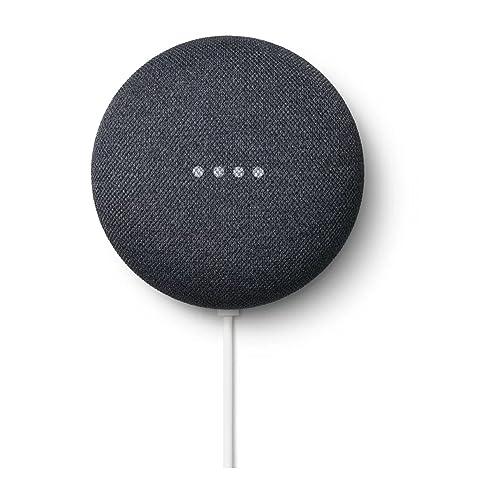
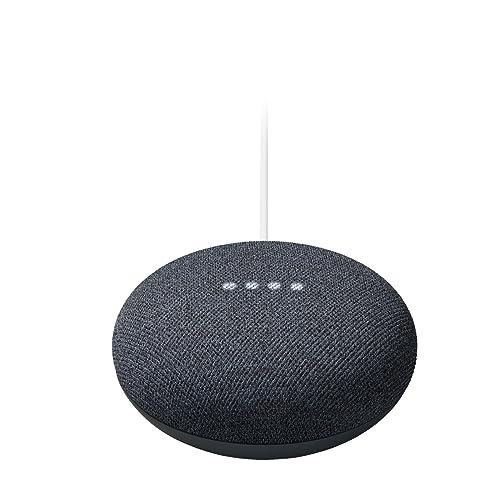
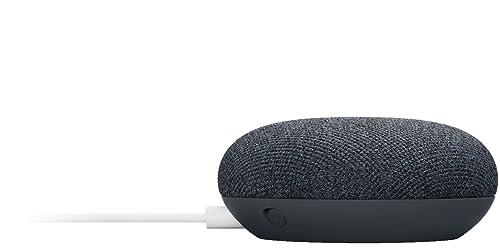
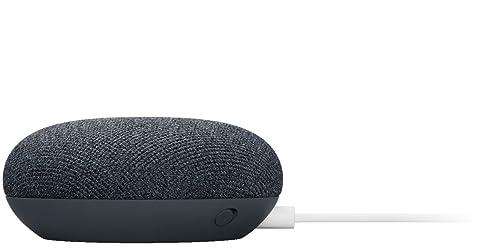
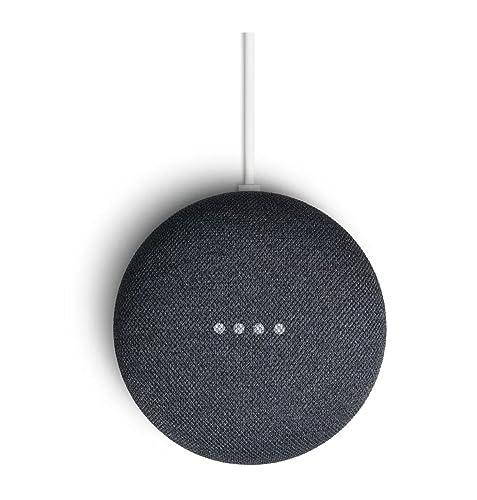
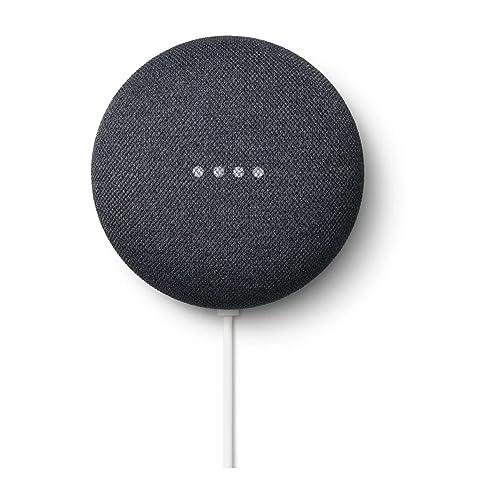
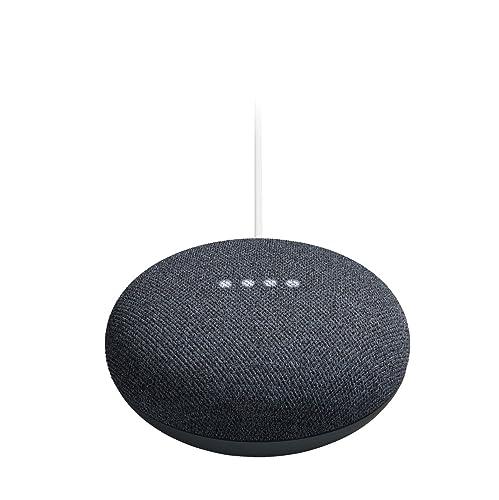
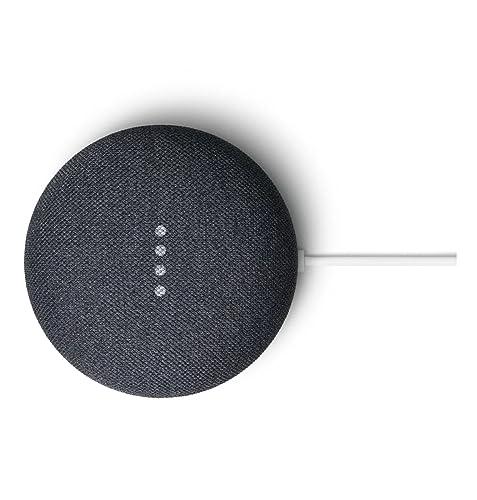
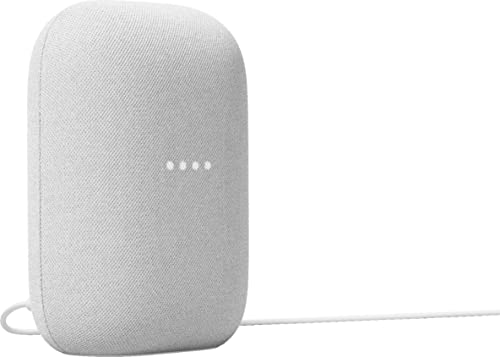
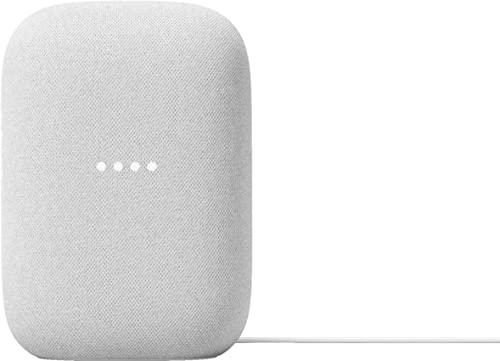
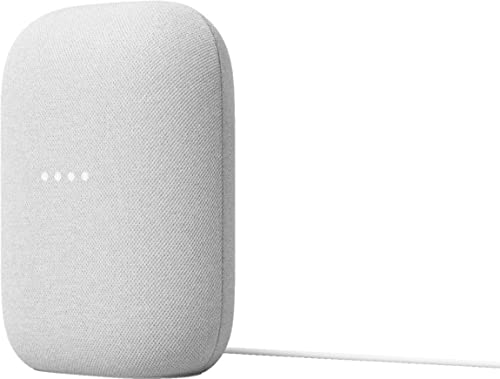
Smart speakers have become the central hub of modern homes, serving as everything from music players to smart home controllers. If you're looking to dive into Google's ecosystem or upgrade your current setup, you're likely considering two popular options: the compact Google Nest Mini 2nd Gen and the more substantial Google Nest Audio. Both deliver Google Assistant's full capabilities, but they approach audio performance and home integration very differently.
Understanding these differences matters because choosing the wrong speaker can leave you either underwhelmed by poor sound quality or overpaying for features you don't need. Let's break down exactly what makes each speaker unique and help you decide which fits your lifestyle.
Before diving into specifics, it's worth understanding what makes a smart speaker truly useful in your daily life. At their core, these devices need to excel at three main functions: playing audio content clearly, hearing and responding to your voice commands accurately, and controlling your smart home devices reliably.
The audio performance determines whether you'll actually enjoy listening to music, podcasts, or audiobooks through the speaker. Voice recognition accuracy affects how frustrating or seamless your interactions become, especially in noisy environments or when speaking from across the room. Smart home integration speed and reliability impact whether controlling your lights, thermostat, or security system feels natural or clunky.
Physical placement flexibility also matters more than many people initially realize. A speaker that sounds great on your kitchen counter might not work well mounted on a bedroom wall, and a device that dominates your coffee table might not suit your living room's aesthetic.
The Google Nest Mini 2nd Gen launched in 2019 as a refined version of the original Home Mini, addressing several key complaints about its predecessor. Google doubled the bass output, improved the microphone array from two to three far-field microphones, and added a dedicated machine learning chip that processes common voice commands locally. This local processing means frequently used commands like "turn off the lights" respond faster because they don't need to ping Google's servers.
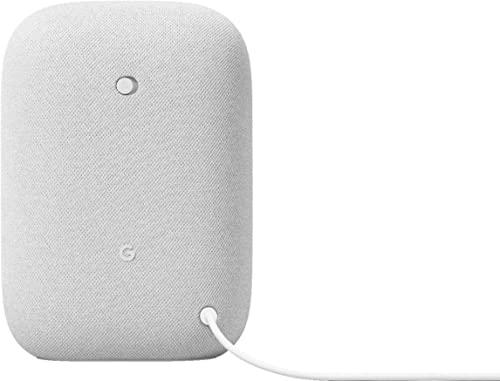
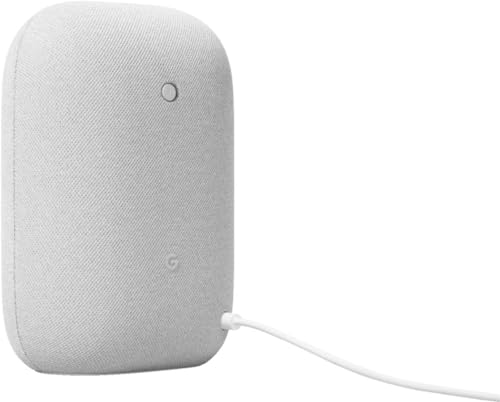
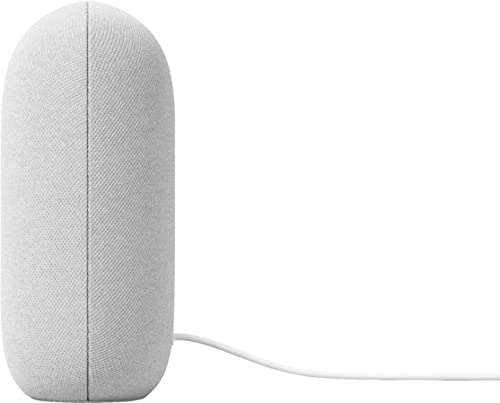
The Google Nest Audio arrived in 2020 as a replacement for the original Google Home, representing a more significant redesign. Google claims it delivers 75% louder audio and 50% stronger bass than its predecessor, thanks to a completely new speaker configuration featuring a 75mm woofer paired with a 19mm tweeter. This two-driver system allows for much better frequency separation – meaning bass notes and treble sounds don't interfere with each other.
Both speakers have benefited from regular software updates since their release, gaining features like Ambient IQ (which automatically adjusts volume based on background noise) and improved Voice Match recognition that better distinguishes between different family members' voices.
The most significant distinction between these speakers lies in their audio capabilities, and the difference is immediately apparent when you hear them side by side.
The Nest Mini's single 40mm driver faces downward and uses the surface it sits on to create 360-degree sound dispersion. This design works well for ambient listening and ensures you hear similar audio quality regardless of where you're positioned in the room. However, physics limits what a single small driver can achieve – there's only so much bass a 40mm speaker can produce, and combining all frequency ranges in one driver means compromises across the spectrum.
The Nest Audio's dedicated woofer and tweeter configuration changes everything. The 75mm woofer handles bass and mid-range frequencies, while the 19mm tweeter focuses solely on high frequencies. This specialization means each driver can be optimized for its specific frequency range, resulting in clearer vocals, more defined instrumental separation, and substantially more bass presence.
Based on extensive user feedback and professional reviews, the audio quality gap is substantial. The Nest Mini produces surprisingly good sound for its size – vocals come through clearly, and there's enough bass presence for casual listening. However, it struggles with complex musical passages where multiple instruments compete for attention, and the limited volume output means it can't fill larger rooms effectively.
The Nest Audio delivers what most users consider "proper" speaker quality. Drums have actual impact, bass lines remain audible without overwhelming vocals, and the overall soundstage feels wider and more engaging. Maximum volume levels are significantly higher, making it suitable for background music during parties or filling open-concept living spaces.
For context, many users report that the Nest Audio produces audio quality comparable to dedicated Bluetooth speakers in the $60-80 range, while the Nest Mini performs more like speakers in the $20-30 category – which aligns well with their respective price positions when you factor in the smart features.
The Nest Mini's 360-degree sound design makes it incredibly versatile for placement but limits its effectiveness in larger spaces. It excels in bedrooms, bathrooms, kitchens, and home offices where you're typically within 8-10 feet of the speaker. Beyond that distance, volume limitations become apparent, and the lack of directional sound means you're not getting optimal audio quality regardless of positioning.
The Nest Audio's front-firing design requires more thoughtful placement but rewards you with much better performance. Positioned correctly on a shelf or entertainment center, it can easily fill rooms up to 300-400 square feet with quality sound. The directional nature means you get the best experience when positioned to face your primary listening area, making it less ideal for room-center placement but perfect for most furniture arrangements.
Both speakers feature identical Google Assistant capabilities, but their physical differences create subtle performance variations that matter in daily use.
The three far-field microphones in both devices use beamforming technology – essentially focusing their "hearing" in specific directions to better isolate your voice from background noise. The Nest Mini's compact design places these microphones close together, which works well for near-field voice recognition but can struggle in larger rooms or when competing with loud audio playback.
The Nest Audio's larger form factor allows for better microphone spacing, improving voice isolation and recognition accuracy. More importantly, its superior audio drivers mean you're less likely to need to shout over music playback to get the speaker's attention.
Both speakers utilize similar processing power for smart home commands, with the Nest Mini actually having a slight edge due to its dedicated machine learning chip that caches common commands locally. In practice, both respond to smart home controls within 1-2 seconds, making this difference negligible for most users.
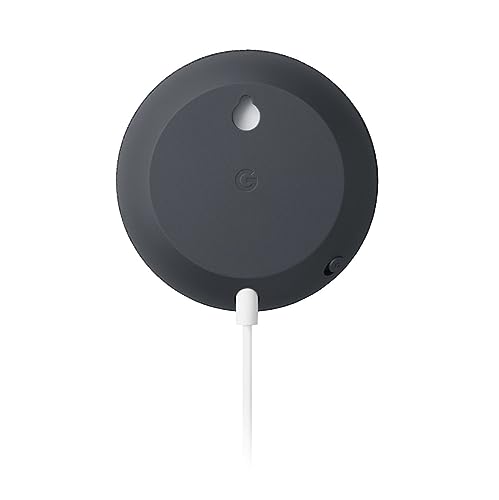
The real smart home advantage comes from placement flexibility. The Nest Mini's compact size and wall-mounting capability make it easier to position optimally for voice pickup throughout your home, while the Nest Audio's larger size limits placement options but provides better coverage from a single location.
These speakers represent fundamentally different approaches to home integration, and understanding these philosophies helps predict which will work better in your specific situation.
The Nest Mini embraces invisibility – it's designed to blend into your home so thoroughly that guests might not notice it. The fabric covering, available in multiple colors, and ultra-compact footprint mean it can disappear on bookshelves, nightstands, or even wall-mounted in corners. This discretion comes with benefits: it doesn't dominate spaces, works in any décor style, and creates no pressure to position it prominently.
The Nest Audio takes the opposite approach. Its substantial cylindrical form and premium fabric covering are meant to be visible design elements that complement your furniture. Google clearly intended this as a "statement piece" that you'd proudly display on an entertainment center or prominent shelf. This visibility requirement can be limiting if your preferred placement location doesn't align with optimal acoustic positioning.
Both speakers utilize recycled materials – the Nest Mini incorporates recycled plastic bottles in its fabric covering, while the Nest Audio uses 70% recycled plastic throughout its construction. However, the Nest Audio feels significantly more premium, with a weight and solidity that suggests durability and quality.
The Nest Mini's lightweight construction feels appropriate for its price point but can seem toy-like compared to the Nest Audio's substantial presence. This difference matters more than you might expect – the Nest Audio stays put when you adjust volume via touch controls, while the Nest Mini can slide around on smooth surfaces.
At the time of writing, the Nest Audio typically costs roughly twice as much as the Nest Mini, making value comparison straightforward – you're essentially deciding whether improved audio quality justifies the price premium.
The Nest Mini's lower price point makes whole-home deployment financially accessible. Three Nest Mini speakers cost roughly the same as 1.5 Nest Audio speakers, allowing you to cover bedroom, kitchen, and living room for similar investment. This approach prioritizes smart home coverage and convenience over audio quality.
Alternatively, a single Nest Audio in your primary living space, supplemented by Nest Mini units in secondary rooms, provides the best balance of quality and coverage. This hybrid approach costs more initially but delivers superior performance where you likely spend most of your audio-focused time.
The Nest Mini excels as a smart home controller that happens to play audio. It's perfect for voice commands, podcast listening while cooking, alarm clock functionality, and background music during daily activities. If these represent your primary use cases, the Nest Mini delivers everything you need without excess cost.
The Nest Audio works best as an audio device that happens to control your smart home. It's designed for intentional music listening, audiobook enjoyment, and serving as a secondary sound source for TV or movie content. If audio quality significantly impacts your enjoyment, the Nest Audio justifies its premium.
Neither speaker is designed as a primary home theater solution, but both can serve useful secondary roles in entertainment setups.
The Nest Mini works well as a bedroom TV companion for late-night viewing when you want clearer dialogue without disturbing others. Its compact size allows placement near your viewing position without blocking sight lines or overwhelming nightstands. However, its limited volume and bass response mean it can't improve action movie experiences or music-heavy content significantly.
The Nest Audio can serve as a meaningful upgrade for built-in TV speakers, especially in smaller rooms or apartments where a full soundbar system isn't practical. Chromecast built-in allows direct streaming from phones or tablets, making it useful for background music during gatherings or casual YouTube viewing. The improved bass response and higher volume output create a more engaging experience for most content types.
For serious home theater use, both speakers work better as voice control interfaces for your existing audio equipment rather than primary sound sources. Their Google Assistant integration allows convenient control of compatible soundbars, AV receivers, and streaming devices.
Several technical capabilities distinguish these speakers beyond basic audio performance and deserve consideration for specific use cases.
The Nest Audio includes Ambient IQ technology, which automatically adjusts volume based on background noise levels in your environment. This feature particularly benefits podcast and audiobook listening, maintaining consistent dialogue clarity whether you're cooking dinner or relaxing in a quiet room. The Nest Mini lacks this adaptive capability, requiring manual volume adjustments as your environment changes.
Both speakers support real-time audio processing, but the Nest Audio's more powerful processor enables more sophisticated algorithms. This processing power becomes apparent during complex audio passages or when multiple people are speaking simultaneously – the Nest Audio maintains better clarity and separation.
Both speakers support identical connectivity options – Wi-Fi, Bluetooth 5.0, and Chromecast built-in – but perform differently in practice. The Nest Audio demonstrates lower latency when casting video content, making it more suitable for casual video viewing without annoying audio-video synchronization issues.
For multi-room audio, both speakers can be grouped together or with other Google speakers, but the significant audio quality difference means mixing them in the same listening space creates an uneven experience. Stereo pairing requires two identical units, so you can't pair a Nest Mini with a Nest Audio.
After extensive research into user experiences and expert evaluations, clear usage patterns emerge that favor one speaker over the other.
The Nest Mini serves best as an entry point into Google's ecosystem or as secondary speakers in a multi-room setup. It's perfect for college students or young professionals who want smart home capabilities without significant audio investment. Parents appreciate its durability and lower replacement cost for kids' rooms, while renters value the minimal space impact and easy relocation.
Specific scenarios where the Nest Mini excels include kitchen timer and recipe assistance, bedroom alarm clock and ambient sound, bathroom music during morning routines, and home office voice commands during work calls. Its discrete presence makes it suitable for professional environments where larger speakers might seem inappropriate.
The Nest Audio targets users who regularly engage in intentional audio listening – people who play music while working, enjoy audiobooks or podcasts during relaxation, or want their smart speaker to enhance rather than just provide background sound.
It's particularly valuable for apartment dwellers who can't install full stereo systems, music enthusiasts on a budget who want better-than-phone audio quality, and families who gather around a central living space for entertainment. The Nest Audio also makes sense as a primary speaker for users who might eventually expand to multi-room audio but want to start with quality rather than quantity.
The choice between these speakers ultimately depends on your audio priorities and usage patterns. If you primarily want voice control capabilities with adequate audio quality for casual listening, the Nest Mini delivers exceptional value. Its lower cost allows multi-room deployment, and its compact size provides placement flexibility that larger speakers can't match.
However, if audio quality significantly impacts your daily enjoyment – whether through music, podcasts, or general media consumption – the Nest Audio justifies its premium pricing through substantially better performance. The difference isn't subtle; it's immediately apparent and becomes more valuable over time as you use the speaker regularly.
Consider starting with your primary use case: smart home control favors the Nest Mini, while entertainment and music listening favor the Nest Audio. You can always expand your setup later, and both speakers maintain strong resale value if your needs change.
For most users, I'd recommend the Nest Audio as the better long-term investment, with Nest Mini units added to secondary rooms as budget allows. This approach prioritizes audio quality where you'll notice it most while maintaining the option to expand Google Assistant coverage throughout your home.
| Google Nest Mini 2nd Gen | Google Nest Audio |
|---|---|
| Audio Driver Configuration - Determines sound quality and volume capability | |
| Single 40mm driver with 360-degree sound | 75mm woofer + 19mm tweeter (dedicated drivers for better separation) |
| Maximum Volume Output - Critical for room size compatibility | |
| Moderate volume, best for rooms under 150 sq ft | 75% louder output, suitable for rooms up to 400 sq ft |
| Bass Response - Essential for music enjoyment | |
| Limited bass due to small driver size | 50% stronger bass with dedicated woofer |
| Physical Dimensions - Affects placement flexibility | |
| Ultra-compact: 98mm diameter × 42mm height | Larger presence: 175mm height × 124mm width |
| Weight and Portability - Important for room-to-room movement | |
| Lightweight at 181g, easily portable | Substantial 1.2kg, designed for permanent placement |
| Wall Mounting Capability - Valuable for space-constrained setups | |
| Built-in mounting point for wall installation | Requires shelf or surface placement only |
| Smart Assistant Performance - Core functionality is identical | |
| 3 far-field mics, full Google Assistant features | 3 far-field mics, full Google Assistant features |
| Multi-Room Audio Setup Cost - For whole-home coverage | |
| Affordable for 3+ room deployment | Higher per-unit cost limits multi-room expansion |
| Ambient IQ Technology - Auto-adjusts volume based on background noise | |
| Not available | Included (helpful for podcasts and calls) |
| Chromecast Video Latency - Matters for video content | |
| Standard latency, minor lip-sync delays possible | Lower latency, better for video streaming |
| Sustainability Materials - Environmental consideration | |
| Fabric from recycled bottles, 35% recycled plastic | 70% recycled plastic construction throughout |
| Power Consumption - Ongoing electricity cost | |
| 15W power adapter (more efficient) | 30W power adapter (higher consumption) |
Yes, the Google Nest Audio justifies its higher price if audio quality matters to you. It delivers 75% louder volume and 50% stronger bass than the Google Nest Mini 2nd Gen, making it significantly better for music listening and larger rooms. However, if you primarily need smart home control with basic audio, the Nest Mini offers excellent value.
The Google Nest Mini 2nd Gen is ideal for small spaces like bedrooms, bathrooms, and home offices. Its compact size, wall-mounting capability, and 360-degree sound work perfectly in rooms under 150 square feet. The Nest Audio might be overkill for very small rooms but provides better audio quality if you listen to music regularly.
Yes, both the Google Nest Mini and Nest Audio work seamlessly together in Google's multi-room audio system. You can group them for synchronized playback throughout your home, though the audio quality difference means they're better used in separate rooms rather than the same listening space.
Both speakers feature identical Google Assistant capabilities with 3 far-field microphones. The Google Nest Audio has a slight advantage in larger rooms due to better microphone spacing, while the Nest Mini includes a dedicated machine learning chip that processes common commands faster. In practice, voice recognition performance is nearly identical.
The Google Nest Audio can serve as a modest upgrade over built-in TV speakers for casual viewing, especially in smaller rooms. However, neither the Nest Audio nor Nest Mini is designed as a primary home theater solution. For serious home theater use, consider a dedicated soundbar instead.
The Google Nest Audio is significantly better for music, featuring a dedicated 75mm woofer and 19mm tweeter that deliver clearer vocals, better instrument separation, and substantial bass response. The Nest Mini works fine for casual background music but lacks the audio quality for focused listening sessions.
Only the Google Nest Mini 2nd Gen includes a built-in mounting point for wall installation. The Nest Audio requires placement on shelves, tables, or entertainment centers due to its larger cylindrical design and weight. This makes the Nest Mini more versatile for space-constrained setups.
The Google Nest Mini 2nd Gen is more cost-effective for whole-home deployment due to its lower price point. You can place multiple Nest Mini units throughout your home for comprehensive voice control coverage. The Nest Audio works better as a primary speaker in main living areas, supplemented by Nest Mini units elsewhere.
Yes, both the Google Nest Mini and Nest Audio include Chromecast built-in and support all major streaming services like Spotify, YouTube Music, and Pandora. The Nest Audio has lower latency for video content, making it slightly better for streaming video with audio.
The Google Nest Audio is superior for spoken content thanks to its dedicated tweeter that delivers clearer vocals and Ambient IQ technology that automatically adjusts volume based on background noise. While the Nest Mini handles podcasts adequately, the Nest Audio provides a more comfortable long-form listening experience.
Both work well in kitchens, but serve different purposes. The Google Nest Mini 2nd Gen excels for timers, recipe assistance, and basic background music while cooking. The Nest Audio is better if you want quality music during meal prep or entertaining, as it can fill larger kitchen spaces with better sound quality.
The Google Nest Mini 2nd Gen is the ideal starter smart speaker due to its affordable price point and full Google Assistant functionality. It lets you experience smart home control without a major investment. You can always upgrade to the Nest Audio later or add it to expand your system once you understand your audio preferences.
We've done our best to create useful and informative comparisons to help you decide what product to buy. Our research uses advanced automated methods to create this comparison and perfection is not possible - please contact us for corrections or questions. These are the sites we've researched in the creation of this article: bestbuy.com - pocket-lint.com - goodhousekeeping.com - rtings.com - rtings.com - versus.com - tomsguide.com - versus.com - youtube.com - youtube.com - techradar.com - homedepot.com - support.google.com - gadgetconnect.co.ke - store.google.com - multitronic.fi - bestbuy.com - store.google.com - neweggbusiness.com - store.google.com - support.google.com - versus.com - youtube.com - adiglobaldistribution.us - aboonehomes.com - rtings.com - whathifi.com - store.google.com - sypnotix.com - store.google.com - techradar.com - rtings.com - audiosciencereview.com - soundguys.com - audioholics.com - store.google.com - store.google.com - youtube.com - soundguys.com - dxomark.com - thenextweb.com - dimensions.com - store.google.com - store.google.com - bestbuy.com - en.wikipedia.org - store.google.com - cybershack.com.au - matteralpha.com

Privacy Policy
Terms and Conditions - Affiliate Policy
Home Security
© Copyright 2008-2026.
11816 Inwood Rd #1211, Dallas, TX 75244