

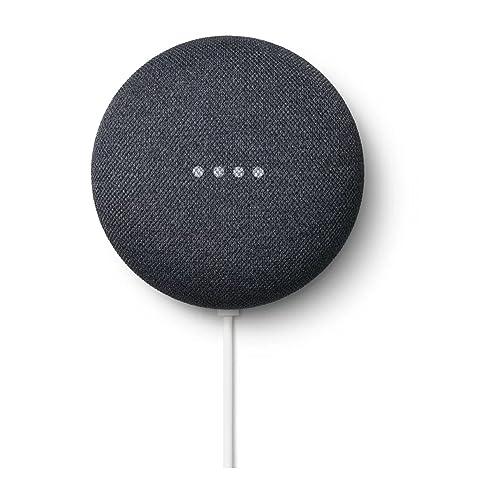
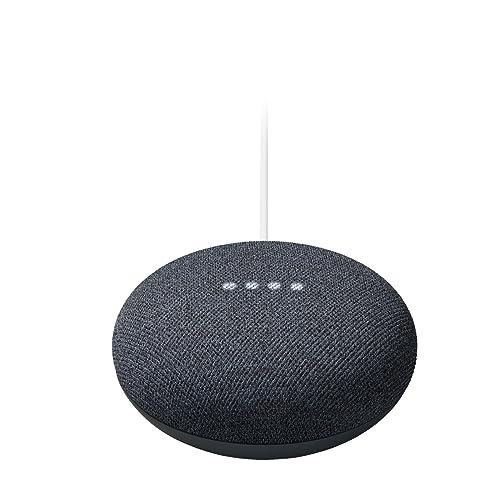
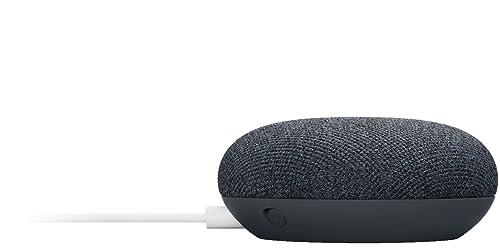
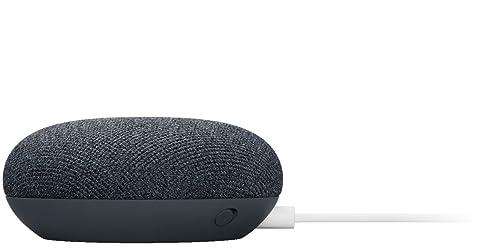
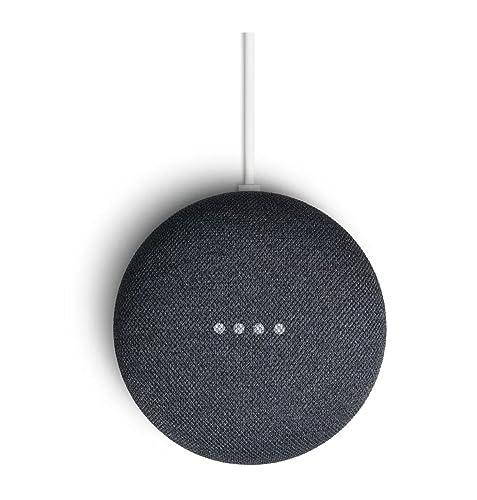
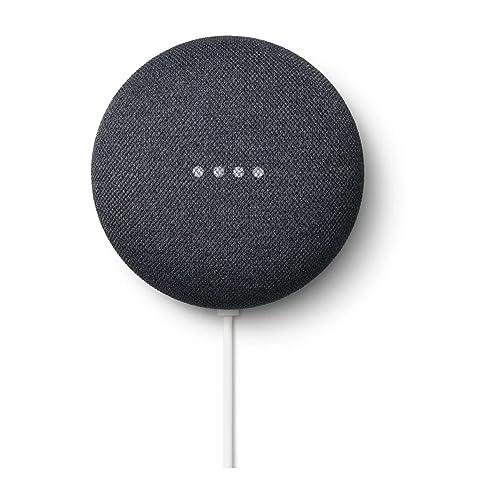
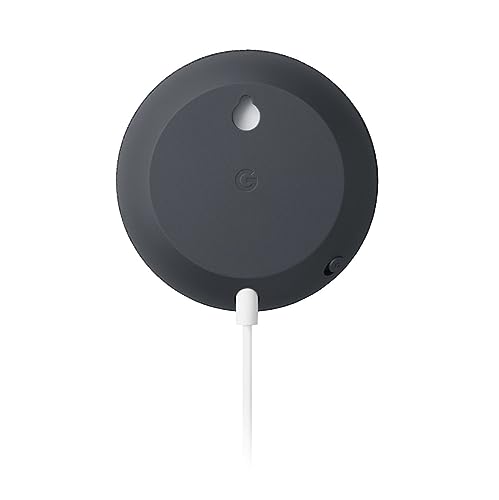
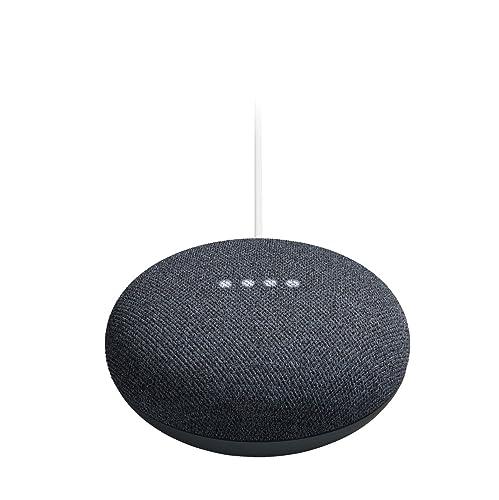
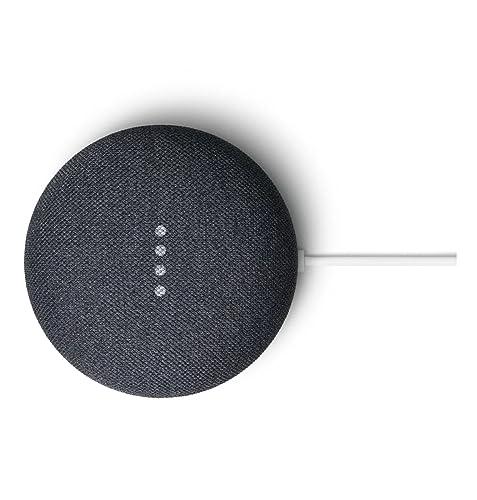
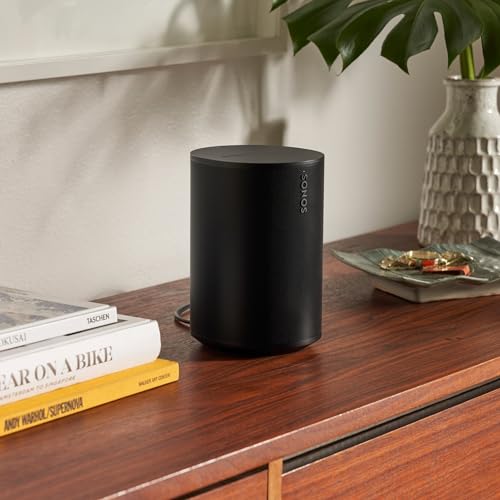
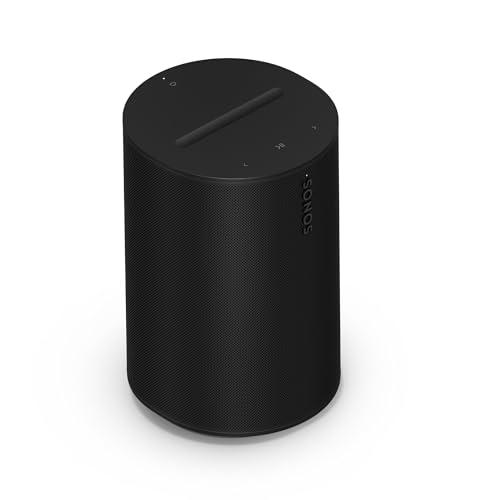
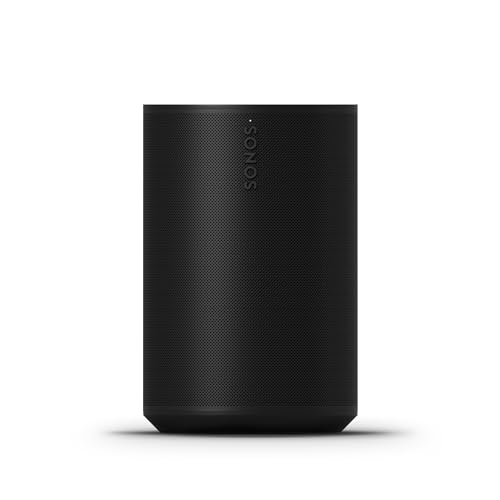
Smart speakers have evolved from quirky gadgets to essential home devices, but choosing the right one can be surprisingly complex. Today's market ranges from ultra-affordable voice assistants to premium audio systems, each serving different needs and budgets. This comparison between the Google Nest Mini 2nd Gen and Sonos Era 100 illustrates this divide perfectly—one prioritizes accessibility and Google integration, while the other focuses on audio quality and flexibility.
Understanding what makes a smart speaker "smart" helps frame this comparison. These devices combine traditional speakers with built-in microphones, wireless connectivity, and voice processing capabilities. They can respond to spoken commands, control other smart home devices, stream music from various services, and integrate with digital assistants like Google Assistant or Amazon Alexa.
The smart speaker category splits into several distinct tiers, each serving different priorities and budgets. Entry-level models like the Nest Mini focus on voice control and basic audio at minimal cost. Mid-range options balance features and performance, while premium speakers like the Era 100 prioritize sound quality and advanced connectivity.
When evaluating smart speakers, audio performance remains the most critical factor for long-term satisfaction. This includes frequency response (how well the speaker reproduces different pitches), dynamic range (the difference between quiet and loud sounds), and soundstage (how spacious and immersive the audio feels). Voice recognition capabilities matter equally, particularly the speaker's ability to understand commands in noisy environments and integrate with your preferred digital ecosystem.
Connectivity options increasingly define a speaker's versatility. Wi-Fi enables streaming from online services, while Bluetooth allows direct connection from phones and tablets. Newer features like AirPlay 2 (Apple's wireless streaming protocol) and Matter certification (a universal smart home standard) expand compatibility across different devices and platforms.
The Google Nest Mini 2nd Gen emerged in 2019 as Google's response to Amazon's Echo Dot dominance in the budget smart speaker space. Google built upon their original Home Mini's foundation, addressing key weaknesses like limited bass response and voice recognition accuracy. The second generation doubled the bass output and improved the microphone array, making it significantly more capable while maintaining the ultra-compact design and aggressive pricing that made the original popular.
Sonos released the Era 100 in 2023 as part of a major product refresh, replacing their popular Sonos One. This timing reflects Sonos's response to increased competition in premium compact speakers and changing connectivity expectations. The Era 100 introduced Bluetooth support to Sonos's lineup for the first time in years, while also upgrading to Wi-Fi 6 and adding USB-C connectivity—features that acknowledge how users actually want to connect their devices.
The technology improvements between these generations matter significantly. Wi-Fi 6, found in the Era 100, provides faster data transfer and better performance in congested wireless environments—particularly important for high-quality music streaming. The Nest Mini's Wi-Fi 5 support remains adequate for most users but represents older technology that may become limiting as streaming quality improves.
Audio quality represents the most significant divide between these speakers, with performance differences that justify their price gap. The Nest Mini uses a single 40mm driver in a compact enclosure, which inherently limits its acoustic capabilities. Physics dictates that small drivers in small enclosures cannot produce deep bass frequencies effectively, and this constraint defines the Nest Mini's sound character.
Our research into user experiences consistently reveals the Nest Mini's audio limitations. While adequate for voice responses and casual background music, it struggles with dynamic music content. The improved bass response over the first generation helps, but "twice the bass" from a minimal starting point still results in limited low-frequency reproduction. The 360-degree sound design helps distribute audio evenly around the speaker, but this approach trades focused stereo imaging for omnidirectional coverage.
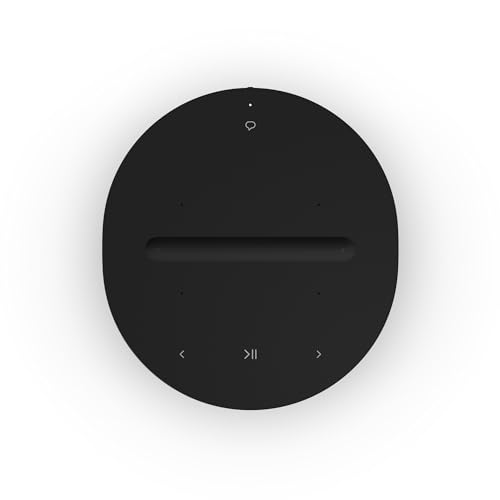
The Sonos Era 100 employs a fundamentally different acoustic approach with dual angled tweeters (high-frequency drivers) and a larger mid-woofer. This configuration enables true stereo separation from a single unit—a significant technical achievement. The angled tweeters create spatial separation between left and right audio channels, while the larger woofer provides substantially more bass extension and overall volume capability.
Custom waveguides in the Era 100 represent sophisticated acoustic engineering. These shaped passages direct sound waves to create a wider listening area and more natural frequency response. Combined with dedicated Class-D amplifiers for each driver, this system delivers controlled, distortion-free audio across a much wider dynamic range than the Nest Mini.
Frequency response testing from multiple sources confirms these performance differences. The Era 100 extends both higher and lower in the frequency spectrum, with more linear response across the midrange where most music content resides. The Nest Mini shows significant roll-off in bass frequencies below 100Hz and some irregularities in the midrange that affect vocal clarity at higher volumes.
Volume capability differences are substantial. The Era 100 can fill medium-sized rooms with clear, undistorted audio, while the Nest Mini works best for personal listening or small spaces. This distinction matters for practical usage—the Era 100 can serve as a room's primary speaker, while the Nest Mini functions better as a supplementary device.
Voice recognition technology varies significantly between these platforms, affecting daily usability. The Nest Mini incorporates three far-field microphones with advanced noise cancellation and Voice Match technology. Voice Match allows the speaker to recognize individual users' voices, personalizing responses and accessing individual calendars, preferences, and account information.
Google's voice processing happens primarily in the cloud, leveraging massive computational resources to understand complex queries and provide contextual responses. This approach enables sophisticated natural language processing but requires constant internet connectivity. The Nest Mini's integration with Google services creates seamless experiences for users invested in Gmail, Google Calendar, Maps, and YouTube.
The Sonos Era 100 takes a different approach with its microphone array and voice processing. While technically capable of far-field voice recognition, Sonos focuses more on audio quality than voice assistant features. The speaker supports Amazon Alexa and Sonos's own voice control system, but notably dropped Google Assistant support—a decision that limits its appeal for Google ecosystem users.
Sonos Voice Control processes commands locally on the device rather than sending them to cloud servers, which improves privacy and reduces response latency for basic functions. However, this local processing limits the complexity of queries it can handle compared to cloud-based systems like Google Assistant.
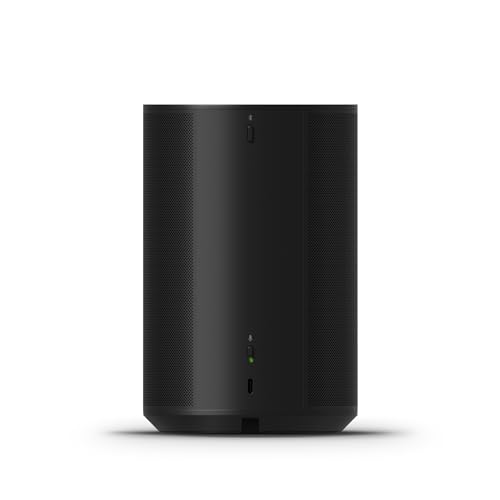
Privacy considerations differ between these approaches. The Era 100 includes a physical microphone disconnect switch, completely severing the microphone circuit when privacy is desired. The Nest Mini relies on software-based muting, which some users prefer to supplement with physical controls.
Modern smart speakers succeed or fail based on their connectivity options, and this area reveals fundamental philosophical differences between Google and Sonos. The Nest Mini prioritizes seamless integration within Google's ecosystem, while the Era 100 emphasizes universal compatibility across platforms.
Wi-Fi implementation differences matter more than specifications suggest. The Era 100's Wi-Fi 6 support provides improved performance in dense wireless environments—common in apartment buildings or neighborhoods with many competing networks. Wi-Fi 6's enhanced efficiency also reduces power consumption during streaming, though this benefit is less noticeable with always-plugged speakers.
Bluetooth support represents a major differentiator. The Era 100 includes Bluetooth 5.0 with support for high-quality codecs like AAC, enabling direct streaming from any Bluetooth device without network setup. This capability proves valuable for guests' devices, offline music libraries, or situations where Wi-Fi is unavailable. The Nest Mini also includes Bluetooth but primarily uses it for initial setup rather than regular music streaming.
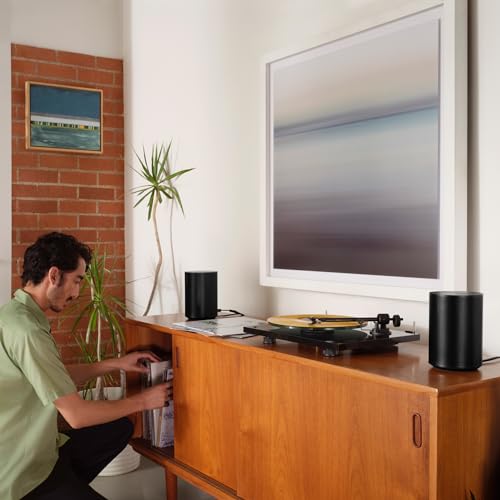
The Era 100's USB-C input adds analog connectivity options missing from the Nest Mini. While requiring a separate adapter, this connection enables direct input from turntables, computers, or other audio sources. This flexibility appeals to users with diverse audio setups or those who prefer wired connections for critical listening.
AirPlay 2 support in the Era 100 enables seamless integration with Apple devices, including multi-room synchronization with other AirPlay speakers. This cross-platform compatibility contrasts with the Nest Mini's focus on Google's Chromecast protocol, though both approaches work effectively within their respective ecosystems.
Smart speaker systems often grow beyond single units, making expandability crucial for long-term satisfaction. The Nest Mini integrates into Google's multi-room audio system, allowing synchronized playback across multiple Google speakers. This system works reliably and offers good value when building a whole-home audio network with budget constraints.
However, Google's multi-room system has limitations. Audio quality remains constrained by the weakest link, so adding more Nest Mini units doesn't improve sound quality—it only extends coverage. The system also lacks advanced features like room-specific EQ adjustment or the ability to mix different speaker types optimally.
The Sonos Era 100 belongs to Sonos's comprehensive multi-room ecosystem, which many consider the gold standard for whole-home audio. Sonos speakers can be grouped, ungrouped, and controlled independently with precise synchronization. The system supports different music sources in different rooms simultaneously and offers sophisticated room correction through Trueplay tuning.
Trueplay technology deserves special attention as it represents advanced acoustic engineering. The Era 100 can use either your smartphone's microphone or its own built-in microphones to analyze room acoustics, then automatically adjust its frequency response to compensate for acoustic challenges. This feature can dramatically improve sound quality in difficult room environments.
Stereo pairing capabilities differ significantly. Two Era 100 speakers can form a true stereo pair with dedicated left and right channels, creating a much wider soundstage and improved imaging. While multiple Nest Mini units can play the same content simultaneously, they cannot form coherent stereo pairs due to their mono design and processing limitations.
Home theater compatibility varies dramatically between these speakers, reflecting their different target markets. The Nest Mini lacks meaningful home theater integration beyond basic media control commands. Its limited audio capabilities and mono output make it unsuitable for surround sound applications.
The Era 100 offers sophisticated home theater integration when paired with Sonos soundbars like the Arc or Beam. Two Era 100 speakers can serve as wireless rear surround channels, creating a 5.1 surround sound system without running speaker cables. This configuration provides genuine surround sound benefits for movies and TV shows, with automatic switching between music and surround modes.
Audio latency—the delay between video and audio—affects home theater usability significantly. Sonos speakers typically maintain low latency when used in home theater configurations, ensuring lip-sync accuracy. The Nest Mini may experience variable latency depending on the streaming source and network conditions, making it less suitable for video content.
The Era 100's ability to disable certain features when used as rear surrounds demonstrates thoughtful engineering. Bluetooth and line input automatically deactivate in surround mode to prevent conflicts, while voice control remains functional for system management.
Understanding value requires looking beyond initial price to consider long-term utility and satisfaction. The Nest Mini delivers exceptional value for users seeking basic smart speaker functionality at minimal investment. Its ultra-compact design, reliable Google Assistant integration, and adequate audio quality for voice-centric applications justify its budget positioning.
However, the Nest Mini's value proposition weakens if audio quality matters significantly to your daily usage. Users who primarily stream music, podcasts with dynamic content, or want room-filling sound will quickly outgrow its capabilities. The speaker works best as a supplementary device rather than a primary audio source.
The Era 100 commands a significant premium but delivers proportionally better performance across multiple dimensions. Its audio quality alone justifies the price difference for users who regularly listen to music, while additional features like multi-room capability, advanced connectivity, and home theater integration provide further value for system builders.
Cost-per-feature analysis reveals the Era 100's efficiency. While initially expensive, its capabilities eliminate the need for separate Bluetooth speakers, reduce requirements for audio system upgrades, and provide a foundation for whole-home audio expansion. Users building comprehensive smart home systems often find the Era 100's premium features reduce overall system costs.
Several technical specifications deserve deeper explanation as they directly impact user experience. Driver size and configuration fundamentally determine audio capability—the Era 100's larger woofer and dual tweeters enable both better bass extension and stereo separation, while the Nest Mini's single small driver faces physical limitations that software cannot overcome.
Amplification architecture also matters significantly. The Era 100's dedicated amplifiers for each driver prevent interference between frequency ranges and enable precise control over each element. The Nest Mini's single amplifier must handle all frequencies simultaneously, creating potential for distortion and limiting dynamic range.
Processing power affects both voice recognition and audio quality. The Nest Mini relies heavily on cloud processing, which enables sophisticated voice understanding but creates dependency on internet connectivity. The Era 100 incorporates more local processing power, enabling features like Trueplay tuning and reduced latency for certain functions.
Microphone technology varies in important ways. The Era 100's beamforming microphone array can focus on sound from specific directions while reducing background noise, improving voice recognition accuracy in challenging acoustic environments. The Nest Mini's microphones are less sophisticated but benefit from Google's advanced cloud-based noise reduction algorithms.
Choosing between these speakers requires honest assessment of your priorities, usage patterns, and budget constraints. The Nest Mini suits users who primarily want voice control capabilities, occasional music playback, and deep Google services integration at minimal cost. It excels in bedrooms, offices, and kitchens where compact size matters more than audio quality.
Consider the Nest Mini if you're building a budget smart home system, need multiple speakers throughout your home, or primarily use smart speakers for information queries, timers, and basic media control. Its limitations become less important when audio quality isn't your primary concern.
The Sonos Era 100 targets users who want their smart speaker to serve as a legitimate music listening device while maintaining smart features. Its superior audio quality, advanced connectivity options, and expansion potential justify the premium for users who regularly stream music, podcasts, or other audio content.
Choose the Era 100 if you're building a serious home audio system, want flexibility in connectivity options, or need speakers that can grow with changing needs. The investment pays dividends through better daily audio experiences and reduced need for system upgrades.
At the time of writing, the price difference between these speakers reflects their different market positioning—the Nest Mini typically costs roughly one-fifth the price of the Era 100. This dramatic price gap makes the decision clearer for budget-conscious buyers, while users with flexible budgets should seriously consider whether the Era 100's superior capabilities justify the investment.
The ideal scenario for many users might involve both speakers serving different roles—Nest Mini units for voice control in secondary rooms and an Era 100 for primary listening areas. This hybrid approach maximizes both functionality and value while staying within reasonable budget constraints.
Ultimately, both speakers succeed at their intended purposes. The Google Nest Mini 2nd Gen democratizes smart speaker access and brings voice control to any budget, while the Sonos Era 100 proves that compact speakers can deliver serious audio performance without compromising smart features. Your choice should align with how you actually use smart speakers rather than theoretical capabilities you might never need.
| Google Nest Mini 2nd Gen Smart Speaker | Sonos Era 100 Smart Speaker |
|---|---|
| Audio Configuration - Determines sound quality and stereo capability | |
| Single 40mm driver, mono output with 360-degree design | Dual angled tweeters + 25% larger mid-woofer, true stereo sound |
| Physical Size - Impacts placement flexibility and room presence | |
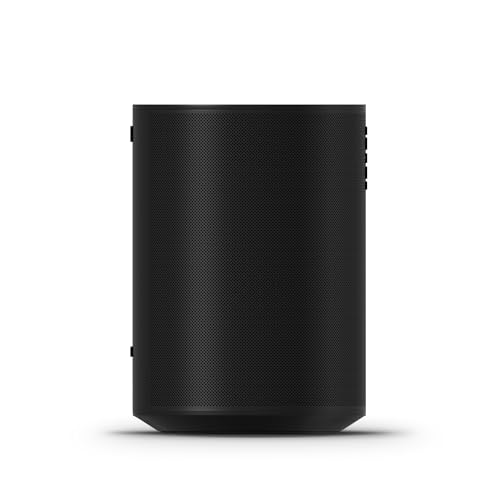
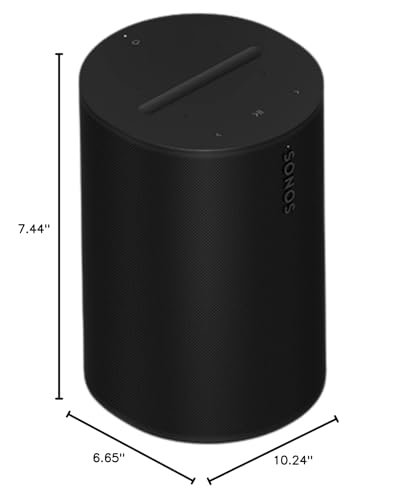
| Ultra-compact: 98mm diameter × 42mm height, 183g | Larger bookshelf design: 183mm × 130mm × 120mm, 2.02kg |
| Voice Assistant Support - Critical for ecosystem integration | |
| Google Assistant only (excellent Google services integration) | Amazon Alexa + Sonos Voice Control (no Google Assistant) |
| Wireless Connectivity - Affects streaming quality and future-proofing | |
| Wi-Fi 5 (802.11ac), Bluetooth 5.0, Chromecast built-in | Wi-Fi 6 (802.11ax), Bluetooth 5.0, AirPlay 2, Spotify Connect |
| Additional Inputs - Enables connection flexibility beyond wireless | |
| None (wireless streaming only) | USB-C line input with adapter (turntables, computers, etc.) |
| Multi-Room Audio Capabilities - Important for whole-home systems | |
| Google Home multi-room, basic synchronization | Advanced Sonos ecosystem with Trueplay tuning and stereo pairing |
| Home Theater Integration - Matters if you want surround sound | |
| Basic media control only, not suitable for surround use | Wireless rear surrounds when paired with Sonos soundbars |
| Room Correction Technology - Optimizes sound for your space | |
| None available | Trueplay tuning using built-in or smartphone microphones |
| Power Requirements - Affects placement options | |
| Must stay plugged in, 15W adapter with 1.5m cable | Must stay plugged in, requires AC power (no battery option) |
| Privacy Controls - Important for microphone management | |
| Touch mute button (software-based microphone disable) | Physical microphone disconnect switch (hardware-based privacy) |
| Build Materials - Indicates durability and environmental impact | |
| Fabric top from 100% recycled bottles, 35% recycled plastic | Premium matte finish, humidity-resistant construction |
| Amplification - Affects audio clarity and power | |
| Single amplifier for all frequencies | Three dedicated Class-D amplifiers (one per driver) |
The Sonos Era 100 delivers significantly better sound quality than the Google Nest Mini 2nd Gen. The Era 100 features dual tweeters and a larger woofer that produce true stereo sound with deeper bass and clearer highs. The Nest Mini uses a single small driver that's adequate for voice responses and background music but can't match the audio performance of the Sonos Era 100.
Only the Google Nest Mini 2nd Gen supports Google Assistant. The Sonos Era 100 works with Amazon Alexa and Sonos Voice Control but dropped Google Assistant support entirely. If Google services integration is important to you, the Nest Mini is your only option between these two speakers.
The Google Nest Mini 2nd Gen is ideal for small spaces due to its ultra-compact design measuring just 98mm in diameter. It can be wall-mounted and fits anywhere without taking up significant space. The Sonos Era 100 is much larger and designed more like a traditional bookshelf speaker, making the Nest Mini better for tight spaces.
The Sonos Era 100 excels in home theater applications and can serve as wireless rear surround speakers when paired with Sonos soundbars. The Google Nest Mini 2nd Gen offers only basic media control and isn't suitable for surround sound use. For home theater integration, the Era 100 is the clear choice.
The Sonos Era 100 provides more comprehensive connectivity with Wi-Fi 6, Bluetooth, AirPlay 2, USB-C input, and Spotify Connect. The Google Nest Mini 2nd Gen includes Wi-Fi 5, Bluetooth, and Chromecast but lacks the advanced connectivity options of the Era 100. The Sonos speaker offers greater flexibility for different devices and streaming methods.
Both speakers support multi-room audio but with different approaches. The Google Nest Mini 2nd Gen works within Google's multi-room system for basic synchronized playback. The Sonos Era 100 integrates into Sonos's advanced multi-room ecosystem with features like Trueplay room correction, stereo pairing, and sophisticated group management. The Era 100 offers a more premium multi-room experience.
The Sonos Era 100 is far superior for music listening with its stereo sound, dedicated amplifiers, and custom waveguides that create room-filling audio. The Google Nest Mini 2nd Gen works for casual background music but lacks the audio quality for serious music enjoyment. Choose the Era 100 if music quality matters to you.
Both speakers include privacy features but with different approaches. The Sonos Era 100 has a physical microphone disconnect switch that completely cuts the microphone circuit. The Google Nest Mini 2nd Gen uses a software-based mute button. The Era 100 offers more robust privacy protection with its hardware-based solution.
Value depends on your priorities. The Google Nest Mini 2nd Gen offers exceptional value for basic smart speaker functions, voice control, and Google integration at a budget-friendly price. The Sonos Era 100 costs significantly more but delivers premium audio quality and advanced features. The Nest Mini wins for budget-conscious buyers, while the Era 100 provides better long-term value for audio enthusiasts.
Yes, but with different results. Two Sonos Era 100 speakers can create a true stereo pair with dedicated left and right channels for an enhanced soundstage. Multiple Google Nest Mini 2nd Gen speakers can play synchronized audio but cannot form stereo pairs due to their mono design. The Era 100 offers genuine stereo pairing capabilities.
The Sonos Era 100 integrates better with Apple devices through AirPlay 2 support, enabling seamless streaming and multi-room control from iOS devices. The Google Nest Mini 2nd Gen can connect to Apple devices via Bluetooth but lacks AirPlay support. Apple users will find the Era 100 more convenient for their ecosystem.
The fundamental difference is focus and target market. The Google Nest Mini 2nd Gen prioritizes affordability, compact design, and Google Assistant integration for basic smart home functions. The Sonos Era 100 emphasizes premium audio quality, advanced connectivity, and multi-room capabilities for serious listening. Choose the Nest Mini for budget-friendly voice control or the Era 100 for superior sound quality and features.
We've done our best to create useful and informative comparisons to help you decide what product to buy. Our research uses advanced automated methods to create this comparison and perfection is not possible - please contact us for corrections or questions. These are the sites we've researched in the creation of this article: bestbuy.com - pocket-lint.com - goodhousekeeping.com - rtings.com - rtings.com - versus.com - tomsguide.com - versus.com - youtube.com - youtube.com - techradar.com - homedepot.com - support.google.com - gadgetconnect.co.ke - store.google.com - multitronic.fi - bestbuy.com - store.google.com - neweggbusiness.com - store.google.com - support.google.com - versus.com - youtube.com - adiglobaldistribution.us - aboonehomes.com - smarthomesounds.co.uk - whathifi.com - rtings.com - smarthomesounds.co.uk - whathifi.com - rtings.com - audioadvice.com - loudnwireless.com - sonos.com - rtings.com - youtube.com - sonos.com - redsharknews.com - hometechnologyreview.com - bestbuy.com - sonos.com - trysonos.sg - sonos.com - youtube.com - bestbuy.com - audiolab.com - costco.com - surrounds.com.au - bestbuy.com

Privacy Policy
Terms and Conditions - Affiliate Policy
Home Security
© Copyright 2008-2026.
11816 Inwood Rd #1211, Dallas, TX 75244