

When Amazon released the first Echo in 2014, it kicked off a revolution that transformed how we interact with our homes. Fast forward to today, and compact smart speakers have become the affordable gateway to voice-controlled living. Both the Google Nest Mini 2nd Gen and Amazon Echo Pop represent refined entries in this space, but they take distinctly different approaches to delivering smart home capabilities in small packages.
These aren't speakers designed to fill your living room with concert-hall sound. Instead, they're engineered to be helpful digital assistants that happen to play music reasonably well. Understanding this fundamental purpose is crucial when evaluating which one deserves a spot in your home.
The compact smart speaker category exists at the intersection of convenience, affordability, and functionality. These devices prioritize voice assistant capabilities and smart home integration over audiophile-grade sound reproduction. Think of them as digital Swiss Army knives – they handle multiple tasks competently rather than excelling at just one thing.
The most critical considerations when choosing between compact smart speakers include ecosystem compatibility (how well they work with your existing devices and services), voice recognition accuracy (especially in noisy environments), smart home control capabilities, and audio performance within their size constraints. At the time of writing, both the Google Nest Mini 2nd Gen and Amazon Echo Pop offer compelling value propositions, though they excel in different areas.
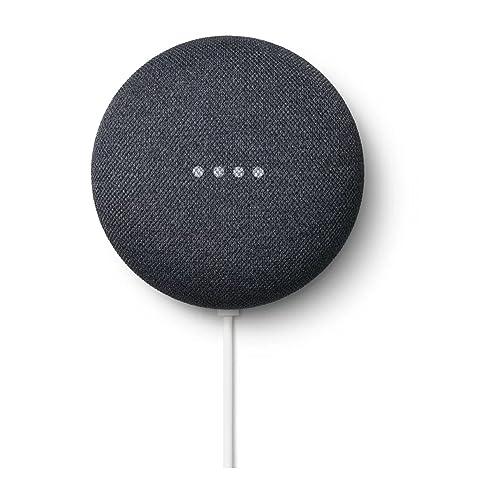
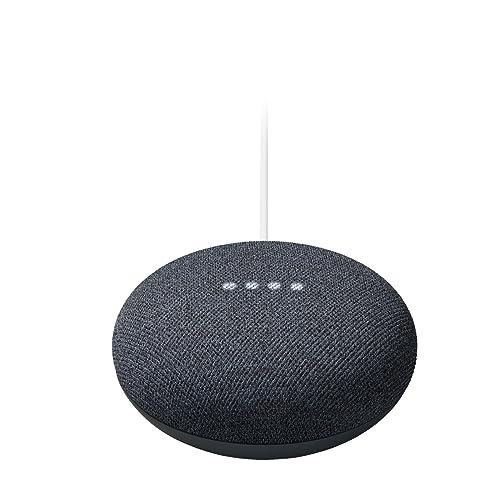
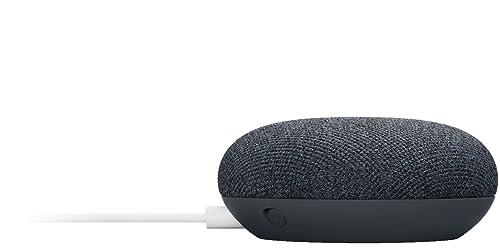
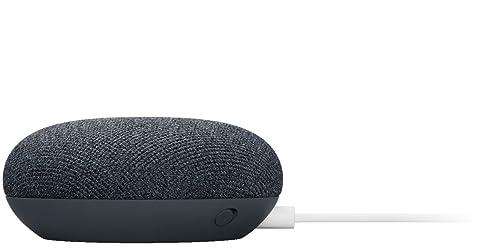
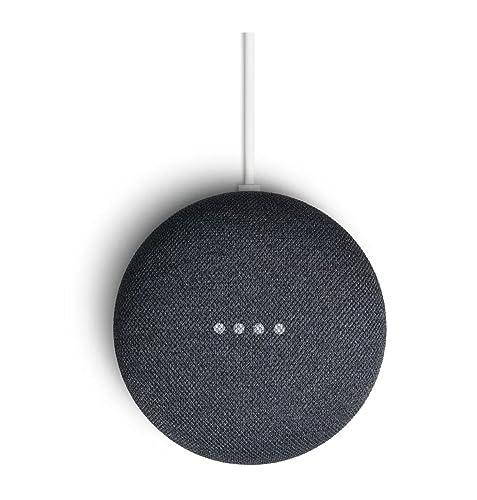
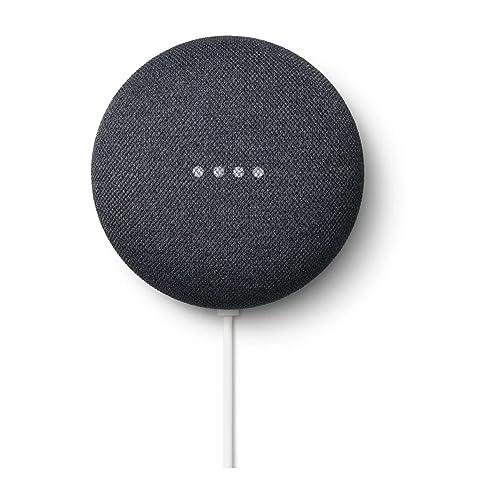
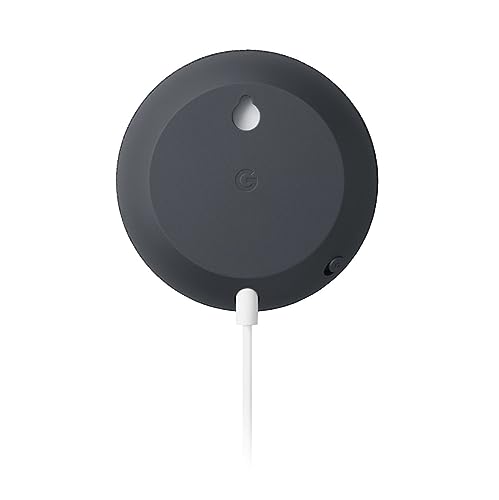
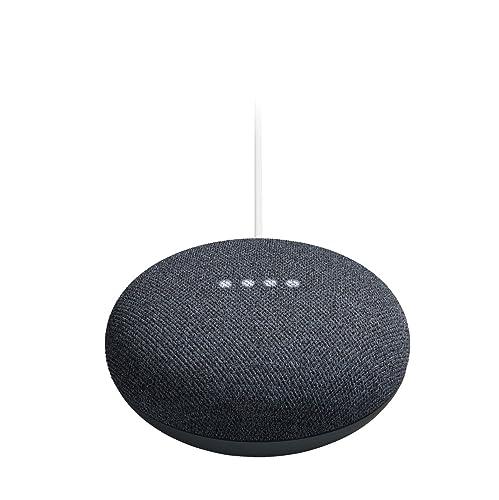
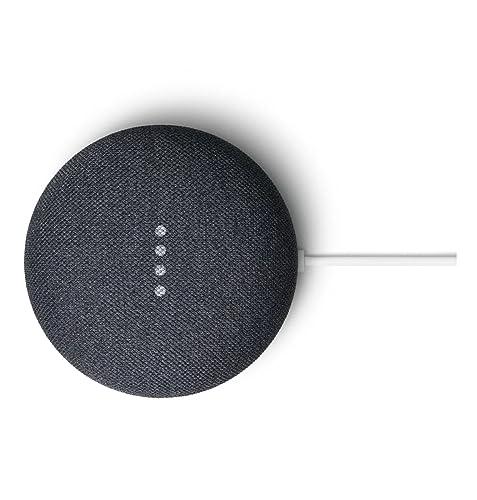
The Google Nest Mini 2nd Gen, released in 2019 as an evolution of the original Home Mini, embraces minimalism with its circular, fabric-topped design. Measuring just 98mm across and 42mm tall while weighing 183 grams, it's designed to disappear into your living space. The fabric covering isn't just aesthetic – it's made from 100% recycled plastic bottles, reflecting Google's sustainability commitments that became more prominent in their product lineup during the late 2010s.
What makes the Nest Mini particularly clever is its capacitive touch controls. These invisible touch zones on the fabric surface respond to taps for volume adjustment and playback control, maintaining the clean aesthetic while providing tactile feedback. The device also includes ultrasound sensing technology that detects when you're approaching, causing subtle LED lights to appear and show you where to touch.
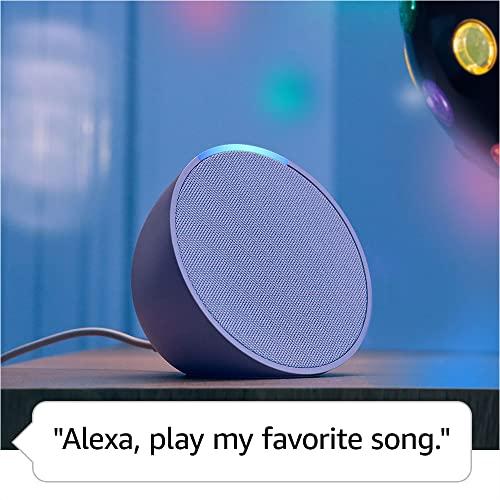
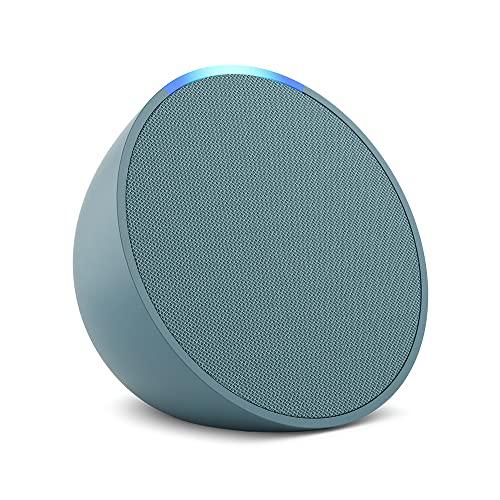
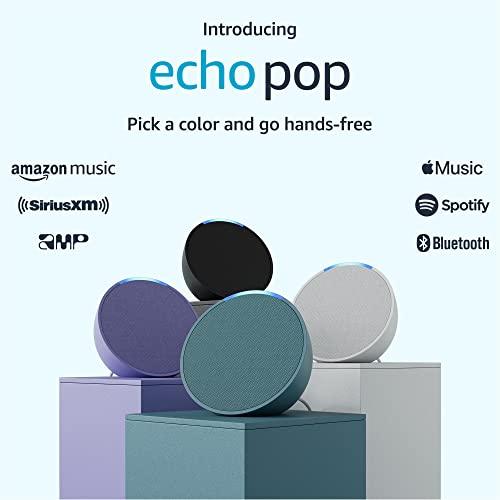
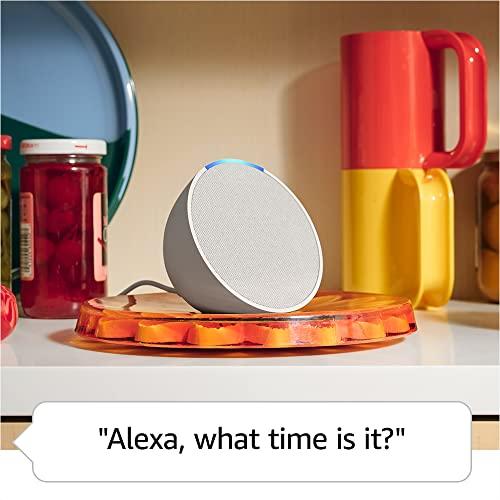
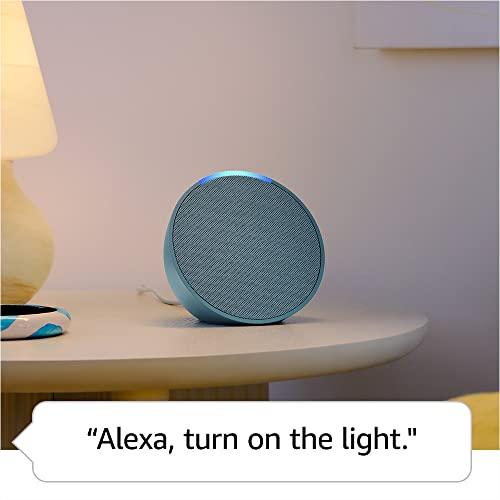
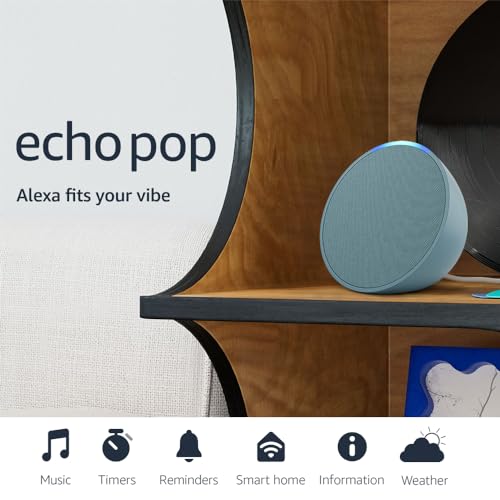
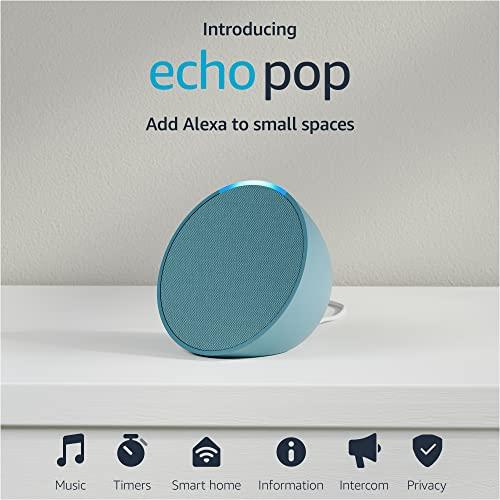
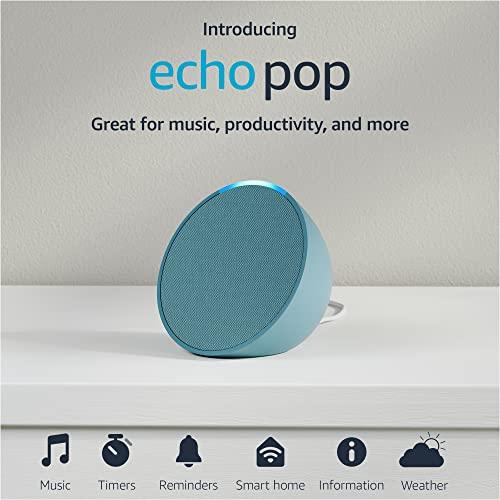
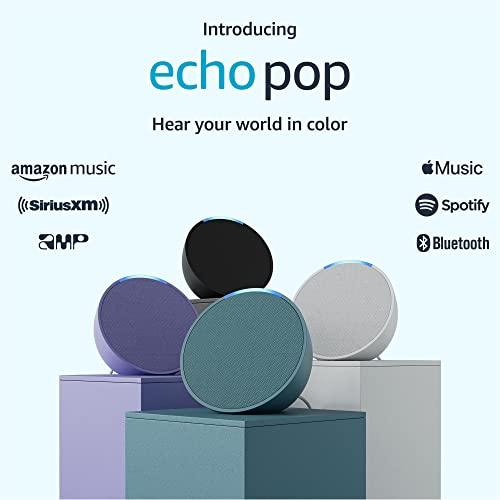
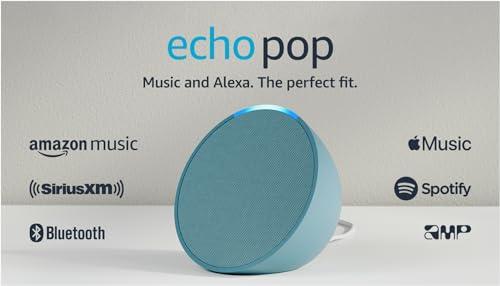
The Amazon Echo Pop, launched in 2023, represents Amazon's more recent thinking about compact speaker design. Its semi-spherical shape breaks from the traditional orb-like Echo aesthetic, creating a front-firing speaker configuration that directs sound more precisely than omnidirectional designs. At 99 × 83 × 91mm and weighing 196 grams, it occupies more space but uses it strategically.
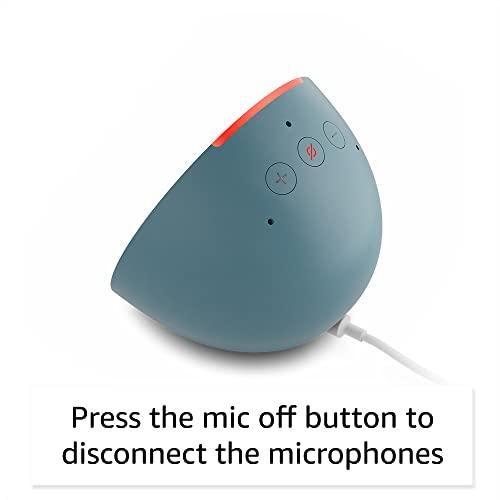
Amazon's design includes a curved LED bar that provides clearer visual feedback than the Nest Mini's hidden lights. The AZ2 Neural Edge processor – Amazon's custom chip introduced in 2021 – enables faster local processing of voice commands, reducing the delay between your request and the speaker's response. This represents a significant technological advancement over earlier Echo devices that relied more heavily on cloud processing.
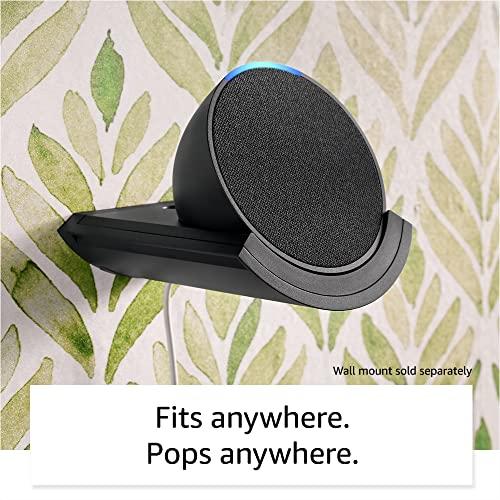
Both speakers can be wall-mounted, but their different form factors suit different placement scenarios. The Nest Mini's low profile works excellently on nightstands and shelves, while the Echo Pop's directional design performs better when positioned against walls or in corners where its focused audio projection can be optimized.
Audio performance in compact speakers involves challenging physics. Small enclosures inherently limit bass response because low-frequency sounds require more air movement than tiny drivers can produce. Both devices handle this constraint differently, leading to distinct sonic signatures.
The Google Nest Mini 2nd Gen uses a 40mm driver in a 360-degree sound configuration. This omnidirectional approach means sound radiates equally in all directions, creating consistent audio regardless of your listening position. Google significantly improved the bass response over the original Home Mini, doubling the low-end output through better driver engineering and Smart Sound technology that automatically adjusts audio based on room acoustics.
However, our evaluation of expert reviews and user feedback reveals that the Nest Mini's sound profile prioritizes balance over impact. Vocals and midrange frequencies come through clearly, making it excellent for podcasts and spoken content. Music playback is pleasant but lacks the punch that makes you want to turn up the volume and dance around your kitchen.
The Amazon Echo Pop takes a different approach with its larger 1.95-inch front-firing driver. This directional audio design concentrates sound energy in one direction rather than dispersing it omnidirectionally. The result is noticeably better bass response and higher maximum volume output. In our research, users consistently report that the Echo Pop delivers more satisfying music playback, particularly for genres that benefit from stronger low-end presence.
The Echo Pop's three-band graphic EQ accessible through the Alexa app provides meaningful sound customization. You can boost bass for hip-hop, enhance treble for classical music, or find a balanced setting for podcasts. The Nest Mini offers only basic bass and treble adjustments, limiting your ability to fine-tune the sound to your preferences or room characteristics.
Volume capabilities differ significantly between these speakers. The Echo Pop can get louder while maintaining better clarity at higher volumes. The Nest Mini starts to compress and distort when pushed to its limits, though it remains more listenable at moderate volumes where most people use these devices.
For home theater applications, neither speaker is designed as a primary audio solution, but they can serve useful supplementary roles. The Nest Mini excels as a Chromecast Audio endpoint, allowing you to easily stream audio from your phone or tablet to create simple multi-room setups. The Echo Pop can pair with other Alexa devices for multi-room audio, though it lacks the seamless casting capabilities that make the Nest Mini more versatile for casual home theater expansion.
Voice recognition technology has advanced dramatically since the early days of smart speakers. Both devices represent current-generation capabilities, but they implement different approaches to speech processing and natural language understanding.
The Google Nest Mini 2nd Gen leverages Google's industry-leading natural language processing capabilities. Google Assistant excels at understanding context, handling follow-up questions, and providing detailed, conversational responses. The three far-field microphones with Voice Match technology can distinguish between different users, providing personalized responses based on who's speaking.
Where Google Assistant particularly shines is in information retrieval and integration with Google services. Ask about your calendar, request traffic updates for your commute, or inquire about complex topics, and you'll typically receive comprehensive, helpful responses. The assistant's ability to understand natural speech patterns and context makes conversations feel more fluid and less robotic.
The Amazon Echo Pop runs Alexa on the AZ2 Neural Edge processor, which provides faster response times – typically 1-2 seconds from command to action. This speed improvement, introduced with Amazon's custom silicon in 2021, makes interactions feel more immediate and natural. The three-microphone array performs exceptionally well in noisy environments, maintaining accuracy when competing with background music or kitchen noise.
Alexa's strength lies in its vast skills ecosystem – think of these as apps for your voice assistant. With over 100,000 available skills, Alexa can control an enormous range of smart home devices, play games, order food, and integrate with third-party services. This extensibility makes the Echo Pop particularly valuable for users building comprehensive smart home setups.
Smart home control capabilities reveal important differences. The Nest Mini works seamlessly with Google Home devices and supports Matter – the new smart home standard that enables cross-platform compatibility. However, it functions more as a voice interface to existing smart home systems rather than a central hub.
The Echo Pop takes a more active role in smart home management. Beyond supporting Matter and Bluetooth Low Energy Mesh, it includes Amazon Sidewalk support, which creates a shared network that helps compatible devices stay connected even outside your Wi-Fi range. The eero Built-In feature is particularly clever – it can extend your mesh Wi-Fi network by up to 1,000 square feet, essentially serving double duty as both a smart speaker and network infrastructure.
Perhaps the most crucial decision factor isn't the speakers themselves but rather which ecosystem you're already invested in or prefer to build around. This choice will significantly impact your long-term satisfaction with either device.
The Google Nest Mini 2nd Gen integrates seamlessly with Android phones, Google Calendar, Gmail, Google Photos, and Chromecast-enabled devices. If you rely on Google services for email, photos, and productivity, the Nest Mini provides effortless voice access to your digital life. The built-in Chromecast functionality is particularly valuable – you can cast audio from virtually any app on your phone with a simple tap, making it easy to share music or podcasts without specific voice commands.
Google's approach emphasizes integration with your existing digital habits. The speaker becomes an extension of your Google account, providing personalized responses based on your search history, calendar appointments, and preferences. This tight integration can feel almost magical when it works well, but it does mean committing more deeply to Google's ecosystem.
The Amazon Echo Pop excels in smart home device compatibility and shopping integration. Amazon's early entry into the smart home market means Alexa supports more devices from more manufacturers than any other voice assistant. If you envision a home filled with smart lights, locks, thermostats, and appliances, Alexa's broader device support provides more flexibility.
Amazon's integration with shopping, Prime Video, and Audible creates a different type of convenience. You can reorder household items, check order status, or control Fire TV devices with simple voice commands. The Drop In feature allows communication between Echo devices in different rooms, creating an intercom system that's particularly useful in larger homes.
When evaluating compact smart speakers, certain performance characteristics matter more than others. Based on our analysis of expert reviews and user feedback, the most important metrics include:
Voice recognition accuracy in real-world conditions tops the list. A speaker that can't consistently understand you defeats the entire purpose. Both devices perform well in quiet environments, but the Echo Pop maintains better accuracy when competing with background noise, cooking sounds, or music playback.
Response time and processing speed directly impact user experience. The Echo Pop's AZ2 processor provides a noticeable advantage here, responding faster to commands and feeling more immediate in daily use.
Audio quality within size constraints matters because these speakers will handle music playback regularly, even if it's not their primary purpose. The Echo Pop delivers more satisfying music reproduction, while the Nest Mini provides adequate sound for casual listening and excellent clarity for spoken content.
Smart home integration breadth and reliability becomes increasingly important as you add more connected devices. The Echo Pop offers broader device compatibility and more robust control features, while the Nest Mini provides simpler but more seamless integration with Google services.
At the time of writing, both speakers occupy similar price points in the budget smart speaker category, though exact pricing fluctuates frequently due to promotions and sales. The value equation depends heavily on your specific needs and existing device ecosystem.
The Google Nest Mini 2nd Gen offers excellent value for users already integrated with Google services. Its Chromecast functionality alone adds significant utility for media streaming, and the compact design maximizes placement flexibility. For basic smart speaker needs – controlling a few smart devices, playing background music, asking occasional questions – it provides all necessary functionality at an attractive price point.
The Amazon Echo Pop justifies its typically slight price premium through superior audio performance, faster processing, and more extensive smart home capabilities. The eero Wi-Fi extension feature adds tangible value for users with mesh networks, essentially providing two devices in one. For users planning to build comprehensive smart home systems, the broader device compatibility and more robust control features provide better long-term value.
Your decision between these speakers should primarily align with your existing technology ecosystem and intended use cases.
Choose the Google Nest Mini 2nd Gen if you're deeply integrated with Google services, prioritize compact design, frequently cast media from mobile devices, or want the most affordable entry into smart speakers. It's particularly well-suited for bedrooms, small offices, and secondary locations where you want basic smart speaker functionality without prominent physical presence.
The Amazon Echo Pop makes more sense for users who prioritize audio quality, plan extensive smart home automation, need Wi-Fi network extension, or want more robust voice recognition in challenging acoustic environments. It's ideal for kitchens, home offices, and locations where you'll frequently interact with the speaker throughout the day.
For home theater applications, neither speaker serves as a primary audio solution, but the Nest Mini's Chromecast integration provides more flexible media streaming options, while the Echo Pop offers better multi-room audio coordination with other Alexa devices.
Consider your five-year technology plan when making this decision. Smart speakers often become central to home automation systems, so choosing the platform with better long-term expansion capabilities – typically favoring the Echo Pop for device compatibility – might outweigh immediate preferences.
Both speakers represent solid choices within their category, but they serve different user profiles effectively. The Google Nest Mini 2nd Gen excels as a simple, elegant Google services interface, while the Amazon Echo Pop provides a more robust foundation for comprehensive smart home development.
| Google Nest Mini 2nd Gen Smart Speaker | Amazon Echo Pop Smart Speaker |
|---|---|
| Physical Size - Critical for placement flexibility in small spaces | |
| 98mm diameter × 42mm height, 183g (ultra-compact circular design) | 99 × 83 × 91mm, 196g (larger semi-spherical footprint) |
| Audio Performance - Most noticeable difference in daily use | |
| 40mm driver, 360-degree sound, moderate bass response | 1.95" front-firing driver, better bass extension, higher max volume |
| Voice Assistant - Determines your smart home ecosystem | |
| Google Assistant with excellent natural language processing | Amazon Alexa with faster 1-2 second response times via AZ2 processor |
| Smart Home Integration - Affects long-term expansion potential | |
| Chromecast built-in, Matter support, Google Home hub functionality | Matter support, 100,000+ compatible devices, Sidewalk network extension |
| Audio Customization - Important for optimizing sound to your taste | |
| Basic bass and treble adjustments only | Full 3-band graphic EQ with detailed sound tuning |
| Connectivity Features - Additional value beyond basic smart speaker functions | |
| Wi-Fi casting, Bluetooth 5.0, no audio output jack | Wi-Fi, Bluetooth 5.0, eero Built-In mesh extension (1,000 sq ft coverage) |
| Voice Recognition - Critical for reliable hands-free control | |
| 3 far-field mics, Voice Match technology, good in quiet environments | 3 microphones with superior noise environment performance |
| Design Aesthetic - Impacts how well it fits your home decor | |
| Minimalist fabric top (100% recycled bottles), 4 color options | Semi-spherical with curved LED bar, unique colors like Lavender Bloom |
| Ecosystem Lock-in - Your existing devices determine long-term satisfaction | |
| Optimized for Android, Google services, Chromecast devices | Best with Amazon services, Fire TV, extensive Alexa device ecosystem |
| Processing Power - Affects responsiveness and future feature support | |
| Quad-core ARM CPU with ML hardware engine | AZ2 Neural Edge processor with faster local voice processing |
The Amazon Echo Pop delivers noticeably better audio quality with its larger 1.95-inch front-firing driver, providing stronger bass response and higher maximum volume compared to the Google Nest Mini 2nd Gen. The Echo Pop's directional design also offers more focused sound projection, while the Nest Mini provides balanced 360-degree audio that's better suited for central room placement.
Google Assistant on the Google Nest Mini 2nd Gen excels at natural language processing, detailed information queries, and integration with Google services like Gmail and Calendar. Amazon Alexa on the Amazon Echo Pop offers faster response times, supports over 100,000 smart home devices, and provides extensive third-party skills for expanded functionality.
The Amazon Echo Pop offers superior smart home integration with broader device compatibility, Matter support, and Amazon Sidewalk network extension. While the Google Nest Mini 2nd Gen supports Matter and works well with Google Home devices, Alexa's ecosystem provides more extensive control options for comprehensive smart home setups.
Neither the Google Nest Mini 2nd Gen nor Amazon Echo Pop are designed as primary home theater speakers, but both can serve supplementary roles. The Nest Mini's built-in Chromecast makes it excellent for casual audio streaming, while the Echo Pop can pair with other Alexa devices for multi-room audio coordination.
The Google Nest Mini 2nd Gen is more space-efficient with its circular 98mm diameter and 42mm height design, weighing just 183 grams. The Amazon Echo Pop has a larger semi-spherical footprint at 99 × 83 × 91mm and weighs 196 grams, though both are considered compact smart speakers.
Both speakers feature three-microphone arrays, but the Amazon Echo Pop performs better in noisy environments thanks to its AZ2 Neural Edge processor. The Google Nest Mini 2nd Gen includes Voice Match technology for personalized responses and works well in quieter settings, though it may struggle more with background noise.
Value depends on your ecosystem preference. The Google Nest Mini 2nd Gen typically costs less and provides excellent value for Google service users with built-in Chromecast functionality. The Amazon Echo Pop justifies its slight premium through superior audio quality, faster processing, and more extensive smart home capabilities.
The Amazon Echo Pop offers superior audio customization with a full 3-band graphic EQ accessible through the Alexa app, allowing detailed sound tuning for different music genres. The Google Nest Mini 2nd Gen provides only basic bass and treble adjustments, limiting your ability to fine-tune audio preferences.
Choose the Google Nest Mini 2nd Gen if you're invested in Google services, use Android devices, or frequently cast media from your phone. Select the Amazon Echo Pop if you plan extensive smart home automation, prefer shopping integration, or want broader device compatibility for future expansion.
Yes, both the Google Nest Mini 2nd Gen and Amazon Echo Pop require constant AC power through their included adapters and cannot operate on battery power. This means they need to remain plugged into wall outlets and aren't suitable for portable use.
The Amazon Echo Pop typically responds faster with 1-2 second response times thanks to its AZ2 Neural Edge processor that handles more voice processing locally. The Google Nest Mini 2nd Gen has slightly longer response times as it relies more heavily on cloud processing for complex queries.
Only the Amazon Echo Pop offers network extension capabilities through its eero Built-In feature, which can extend compatible mesh Wi-Fi networks by up to 1,000 square feet. The Google Nest Mini 2nd Gen doesn't include Wi-Fi extension functionality, focusing solely on smart speaker and casting capabilities.
We've done our best to create useful and informative comparisons to help you decide what product to buy. Our research uses advanced automated methods to create this comparison and perfection is not possible - please contact us for corrections or questions. These are the sites we've researched in the creation of this article: bestbuy.com - pocket-lint.com - goodhousekeeping.com - rtings.com - rtings.com - versus.com - tomsguide.com - versus.com - youtube.com - youtube.com - techradar.com - homedepot.com - support.google.com - gadgetconnect.co.ke - store.google.com - multitronic.fi - bestbuy.com - store.google.com - neweggbusiness.com - store.google.com - support.google.com - versus.com - youtube.com - adiglobaldistribution.us - aboonehomes.com - rtings.com - reviewed.com - techradar.com - soundguys.com - youtube.com - youtube.com - youtube.com - bestbuy.com - soundguys.com - rtings.com - goodhousekeeping.com - bestbuy.com - youtube.com - dell.com - manuals.plus - youtube.com - bestbuy.com - en.wikipedia.org - nfm.com

Privacy Policy
Terms and Conditions - Affiliate Policy
Home Security
© Copyright 2008-2026.
11816 Inwood Rd #1211, Dallas, TX 75244