


When Amazon released the Echo Show 15 in 2021, it represented a bold shift toward making smart displays the command center of modern homes. Meanwhile, Google's Nest Mini 2nd Gen, launched in 2019, perfected the opposite philosophy: invisible, voice-first smart home control that disappears into your living space. These devices exemplify two fundamentally different approaches to home automation, and choosing between them depends entirely on how you want to interact with your smart home.
At the time of writing, the price difference between these products is dramatic—the Echo Show 15 costs roughly six times more than the Nest Mini 2nd Gen. But this isn't simply about expensive versus cheap; it's about choosing between a comprehensive visual hub and a focused audio assistant. Understanding which approach fits your lifestyle requires diving deep into what each device actually delivers.
The smart home market has evolved into two distinct camps. Smart displays like the Echo Show 15 combine touchscreens, cameras, speakers, and voice assistants into multimedia command centers. They're designed to be always visible, providing at-a-glance information and serving multiple entertainment functions. Think of them as the digital equivalent of a family bulletin board that can also stream Netflix.
Voice-only smart speakers like the Nest Mini 2nd Gen take the minimalist approach. They focus entirely on audio interaction, voice recognition, and seamless integration without demanding visual attention. These devices excel at disappearing into your home while providing powerful voice control capabilities.
The fundamental question isn't which is better—it's which philosophy matches your needs. Do you want a central information hub that everyone can see and interact with, or do you prefer invisible assistance that responds when called?
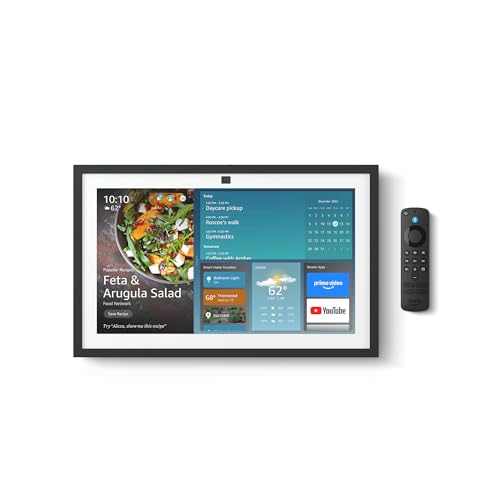
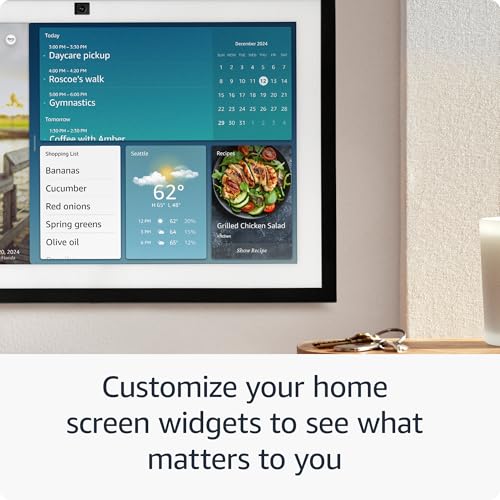
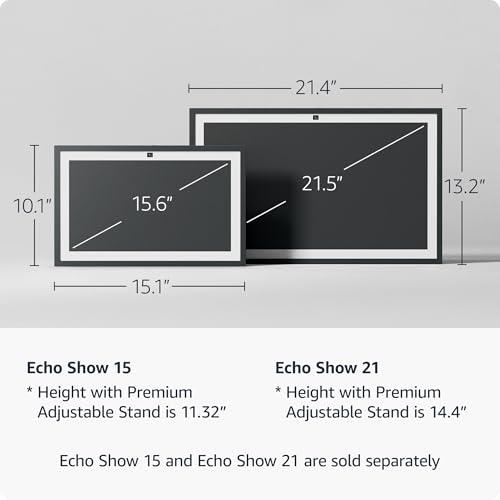
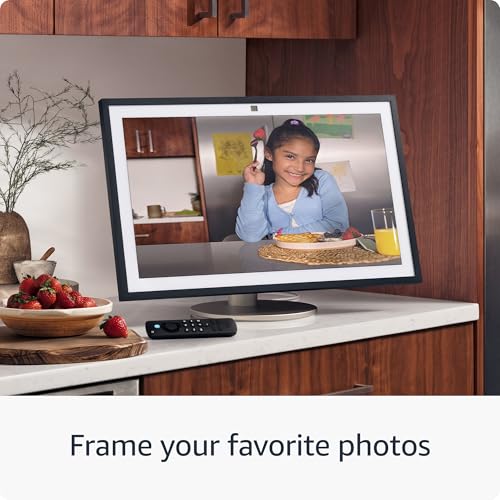
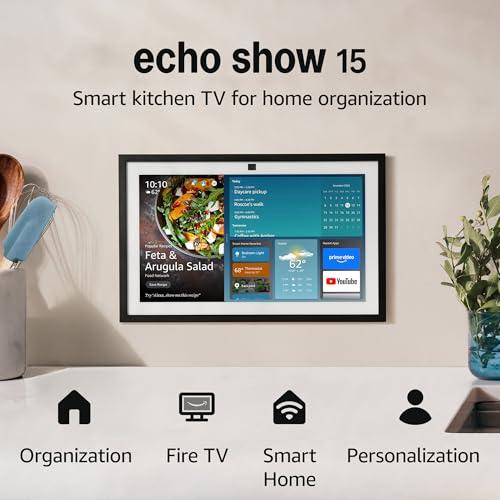
The Echo Show 15 transforms how families organize and consume information. Its 15.6-inch Full HD touchscreen (1920 x 1080 resolution) functions as a digital dashboard that can display multiple widgets simultaneously. These widgets—customizable information panels for calendars, shopping lists, weather, and smart home controls—turn the device into a glanceable information center that works even when no one's actively using it.
What sets this apart from simply mounting a tablet on your wall is the integration depth. The Echo Show 15 can aggregate calendars from Google, Outlook, and Apple into a unified family schedule. It displays personalized reminders based on Visual ID (facial recognition technology that identifies different family members) and shows relevant information without anyone needing to ask. When your teenager walks by, they see their soccer practice reminder; when you approach, you see your work meeting agenda.
The device's orientation flexibility—it works in both landscape and portrait modes—means you can optimize the layout for your space and content preferences. Portrait mode works better for displaying long lists and calendars, while landscape orientation maximizes the Fire TV viewing experience for entertainment content.
Since its 2021 launch, Amazon has refined the Echo Show 15 with improved camera hardware (upgrading from 5MP to 13MP in newer versions), enhanced Visual ID accuracy, and expanded widget functionality. The latest models include built-in Zigbee, Matter, and Thread Border Router support, making them comprehensive smart home hubs that can directly communicate with compatible devices without requiring separate hub hardware.
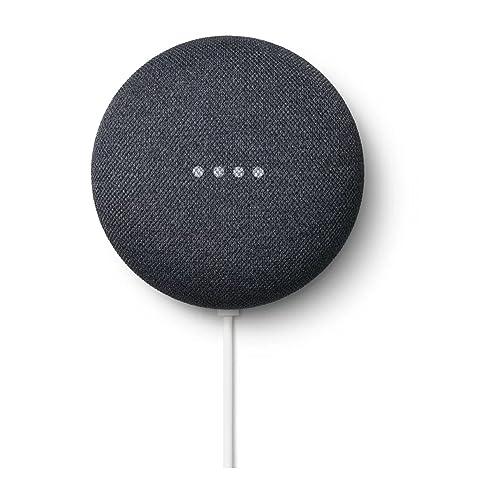
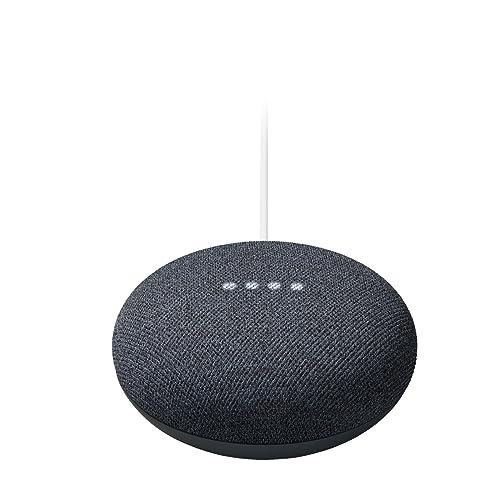
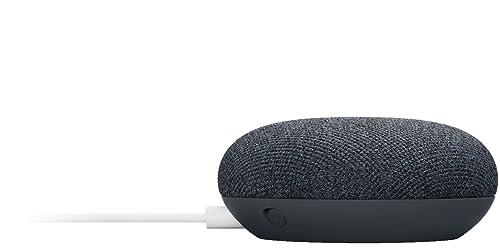
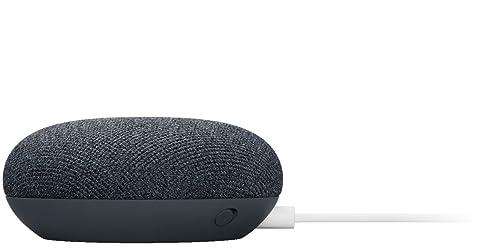
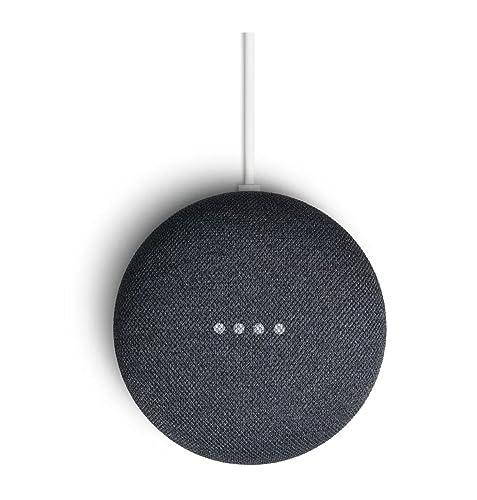
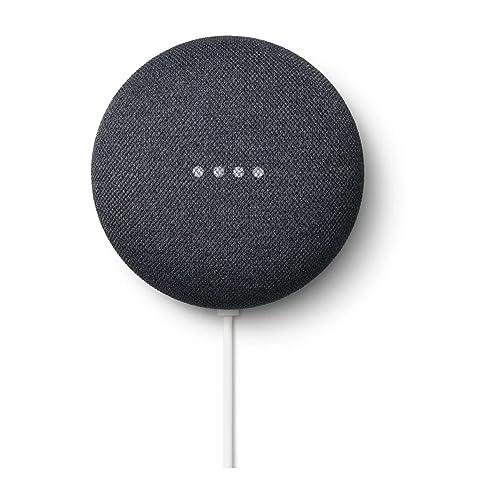
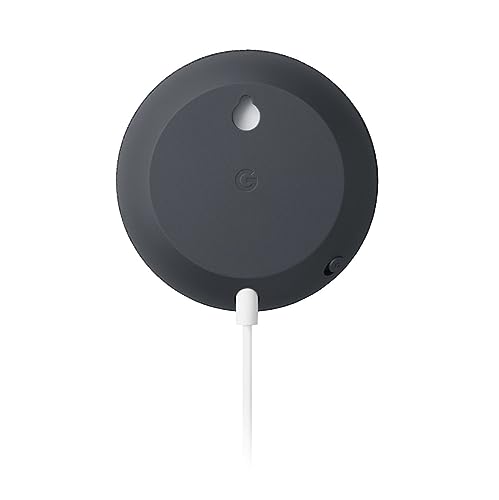
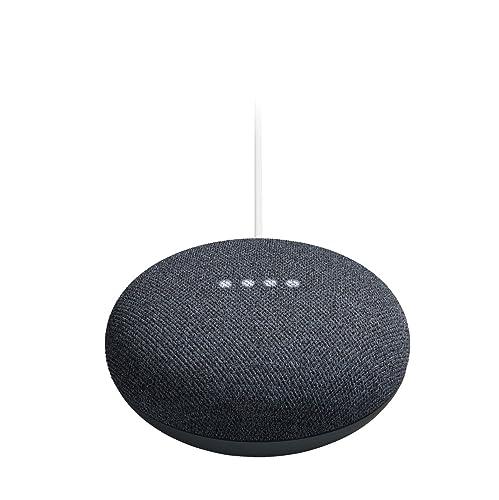
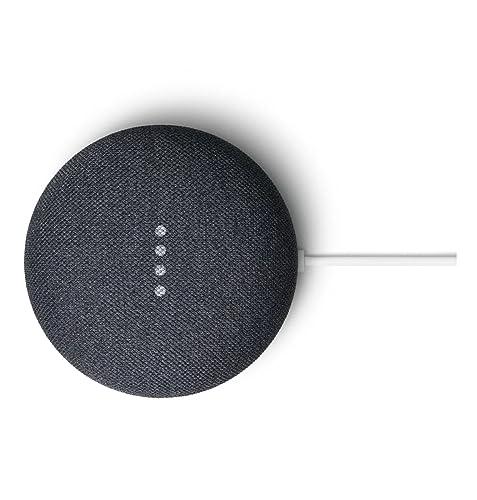
The Nest Mini 2nd Gen represents Google's belief that the best smart home assistant is one you barely notice until you need it. At just 3.85 inches in diameter and weighing less than 200 grams, it's designed to blend into any space while delivering surprisingly capable performance.
The key innovation lies in its three far-field microphones and advanced voice processing. Far-field technology means these microphones can accurately capture voice commands from across a room, even with background noise like cooking sounds or television audio. Google's Voice Match technology goes further, recognizing different family members' voices and providing personalized responses—your music preferences, calendar appointments, and smart home settings activate automatically when you speak.
What's remarkable about the Nest Mini 2nd Gen is how much audio performance Google achieved in such a compact package. The 40mm driver delivers 360-degree sound, meaning audio disperses evenly in all directions rather than projecting from a single point. This creates more consistent volume levels regardless of where you're positioned relative to the speaker.
Since its 2019 release, Google has continued supporting the Nest Mini 2nd Gen with software updates that have improved voice recognition accuracy, expanded Google Assistant capabilities, and added Matter support for broader smart home compatibility. The company's commitment to five years of security updates ensures these devices remain secure and functional long-term.
Voice recognition accuracy often determines whether you love or hate your smart home assistant. Both devices excel here, but with different strengths that reflect their design philosophies.
The Echo Show 15 uses a six-microphone array—more microphones than most smart speakers—which provides excellent voice pickup from various angles and distances. However, the real advantage comes from visual confirmation. When you ask Alexa to add milk to your shopping list, you immediately see it appear on the display. This visual feedback eliminates the uncertainty that sometimes occurs with voice-only interactions where you're not sure if the device understood correctly.
Amazon's Alexa has built an enormous skill library over the years, with thousands of third-party integrations. However, Alexa sometimes struggles with natural language processing—it prefers specific command structures and can get confused by conversational requests that deviate from expected patterns.
The Nest Mini 2nd Gen takes a different approach with only three microphones but superior processing algorithms. Google Assistant consistently outperforms competitors in understanding natural speech patterns, context, and follow-up questions. You can ask, "What's the weather like?" followed by "What about tomorrow?" and Google Assistant maintains the conversational context without requiring you to repeat "weather" in the second question.
Google's machine learning hardware engine processes voice commands locally when possible, reducing response latency compared to cloud-dependent systems. This means simple commands like "turn on the lights" execute faster, while complex queries still leverage Google's powerful cloud processing when needed.
Audio quality represents one of the starkest differences between these devices, and understanding why requires looking at their internal hardware and acoustic design choices.
The Echo Show 15 includes dual 1.6-inch full-range speakers in a rear-firing configuration. This means the speakers face backward, bouncing sound off the wall behind the device to create ambient audio. While this works for voice clarity and background music, it produces what many users describe as "tinny" sound with limited bass response. The rear-firing design prioritizes voice intelligibility over music fidelity—you'll clearly hear Alexa's responses and video dialogue, but music lacks the warmth and depth you'd want for serious listening.
The speaker configuration changes based on orientation: landscape mode provides stereo separation (different audio channels for left and right speakers), while portrait mode combines both speakers into dual-mono (identical audio from both speakers). For casual video watching or voice interactions, this audio quality suffices, but anyone serious about music will want to pair the Echo Show 15 with external Bluetooth speakers.
The Nest Mini 2nd Gen achieves superior audio quality despite its compact size through clever acoustic engineering. The single 40mm driver—larger than you'd expect in such a small device—delivers what Google calls "twice the bass" compared to the original Mini. This isn't marketing hyperbole; the improved driver and internal acoustic chamber design genuinely produce fuller, warmer sound.
The 360-degree sound design means the Nest Mini 2nd Gen doesn't have a "front" or optimal listening position. Audio projects evenly in all directions, creating consistent volume and tone whether you're directly in front of the device or approaching from the side. This makes it ideal for kitchen counters, bedside tables, or any location where you might approach from various angles.
However, both devices have audio limitations. Neither produces deep bass response that audiophiles expect from dedicated speakers, and both compress audio at higher volumes. The Nest Mini 2nd Gen simply does more with less, delivering better music listening despite its size and price constraints.
Smart home control represents where these devices' different approaches become most apparent, and where your existing or planned smart home ecosystem significantly influences which makes more sense.
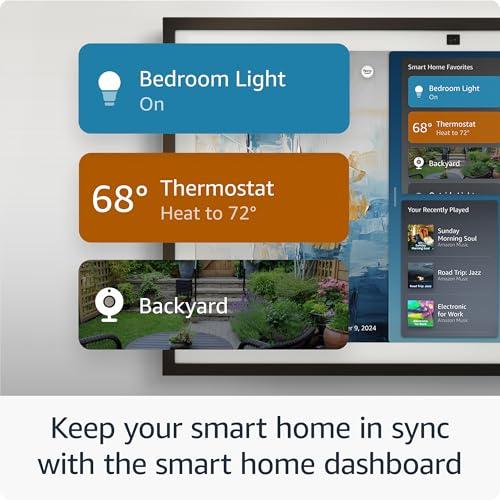
The Echo Show 15 excels as a visual smart home dashboard. Its customizable widgets can display the status of lights, thermostats, security cameras, and other connected devices at a glance. You can see which lights are on throughout your house, adjust thermostat settings with touch controls, and view live camera feeds from doorbells or security cameras. This visual approach reduces the mental load of remembering which devices are in which states.
More importantly, newer Echo Show 15 units include built-in Zigbee, Matter, and Thread Border Router capabilities. These are communication protocols that allow smart home devices to connect directly to the Echo Show without requiring separate hub hardware. Zigbee is a low-power wireless protocol used by many smart lights, locks, and sensors. Thread is a newer standard designed for more reliable mesh networking. Matter is an industry-wide compatibility standard that helps devices from different manufacturers work together seamlessly.
Having these protocols built-in means the Echo Show 15 can serve as your smart home's central nervous system, directly communicating with compatible devices and potentially eliminating the need for separate hub hardware from companies like Philips (for Hue lights) or SmartThings.
The Nest Mini 2nd Gen approaches smart home control through voice commands and Google's superior natural language processing. Instead of navigating visual menus, you simply say, "Hey Google, turn off the bedroom lights" or "Set the thermostat to 72 degrees." Google Assistant's ability to understand context and natural speech makes these interactions feel more conversational and less robotic than typical smart home commands.
The Nest Mini 2nd Gen also supports Matter compatibility, ensuring it can control devices from various manufacturers. However, it lacks built-in Zigbee or Thread radios, so you'll need separate hub hardware for devices that require those protocols.
For whole-home control, the Nest Mini 2nd Gen's compact size and affordable price make it practical to place multiple units throughout your house. Having speakers in multiple rooms enables room-specific voice control and multi-room audio synchronization—you can play the same music throughout your home or control devices by speaking to the nearest assistant.
Entertainment capabilities showcase the most dramatic differences between these approaches, and often determine which device makes more sense for your lifestyle.
The Echo Show 15 includes built-in Fire TV functionality, essentially combining a smart display with Amazon's streaming platform. You can watch Netflix, Prime Video, Disney+, and other streaming services directly on the 15.6-inch screen. While this screen size won't replace your main television, it's perfectly sized for casual viewing in kitchens, bedrooms, or home offices.
The picture-in-picture functionality lets you watch content while still accessing Alexa features and smart home controls. You could watch a cooking show while asking Alexa to set timers, add ingredients to shopping lists, or adjust kitchen lighting—all without interrupting your viewing.
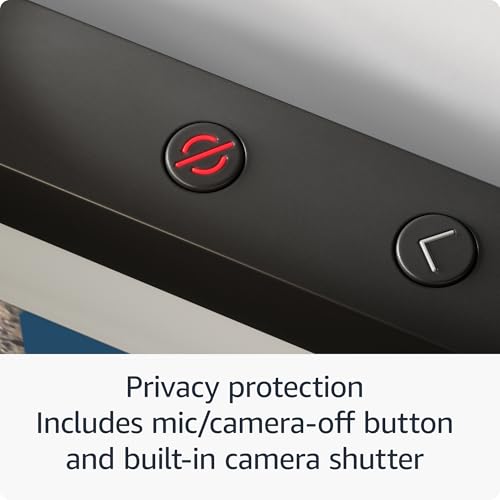
For video calling, the Echo Show 15 includes a camera (5MP in original versions, upgraded to 13MP in newer models) that supports calls to other Echo devices or through the Alexa app. However, it doesn't support popular video calling platforms like Zoom, Google Meet, or Skype, which limits its usefulness for work-from-home scenarios.
The Nest Mini 2nd Gen focuses exclusively on audio content—music, podcasts, audiobooks, and radio. But it excels in this area through Chromecast built-in technology, which allows seamless streaming from your phone, tablet, or computer. You can start playing music on your phone and instantly transfer playback to the Nest Mini 2nd Gen with better audio quality than your device's built-in speakers.
For multi-room audio, multiple Nest Mini 2nd Gen units can synchronize perfectly, creating a whole-home audio system at a fraction of the cost of dedicated multi-room solutions. You can group speakers by room or play different content in different areas—jazz in the living room while your teenagers listen to pop music in their bedrooms.
Neither device serves as a primary home theater component, but they integrate with existing setups in different ways that might influence your decision.
The Echo Show 15 works well as a secondary display in media rooms or home offices where you might want glanceable information while watching your main screen. Its ability to display smart home controls means you can adjust lighting, temperature, or audio settings without searching for multiple remotes. However, its audio quality isn't suitable for enhancing your home theater's sound system.
The Nest Mini 2nd Gen can serve as an additional audio zone in home theater setups that use Chromecast or Google Cast technology. If your main system supports these protocols, you can extend audio to the Nest Mini 2nd Gen for synchronized playback or independent control in adjacent rooms.
For serious home theater enthusiasts, both devices work better as smart home controllers than audio/video components. The Echo Show 15 provides visual control interfaces, while the Nest Mini 2nd Gen enables voice control of compatible AV equipment.
Understanding value requires looking beyond initial pricing to consider long-term utility and ecosystem integration costs.
The Echo Show 15, at the time of writing, represents a significant investment that makes sense if you'll utilize its multiple functions regularly. If it replaces a kitchen television, digital photo frame, smart home hub, and family organization system, the consolidated functionality justifies the higher cost. However, if you primarily want voice control with occasional visual information, you're paying for capabilities you won't use.
The Nest Mini 2nd Gen offers exceptional value for core smart assistant functionality. Its price point makes whole-home deployment practical—three or four units throughout your house still cost less than a single Echo Show 15. This distributed approach often provides better voice coverage and more convenient access than a single central display.
Consider ongoing costs too. Both devices work with their respective music streaming services, but also support third-party options. The Echo Show 15 might encourage more Amazon Prime Video consumption, while the Nest Mini 2nd Gen integrates seamlessly with YouTube Music and other Google services.
Choose the Echo Show 15 if you're looking for a comprehensive family organization hub that consolidates multiple functions into a single device. It makes the most sense for busy households where visual information display provides genuine value—families with complex schedules, multiple children with different activities, or homes where a kitchen or common area could benefit from casual entertainment options.
The Echo Show 15 also suits users who prefer visual confirmation of smart home actions and enjoy browsing information through touch interfaces rather than voice commands. If you find yourself frequently checking weather, calendars, or smart home device status, having this information constantly visible reduces the friction of staying informed.
However, the Echo Show 15 requires dedicated wall space and works best when mounted properly. If you rent your home, lack suitable wall space, or prefer devices that don't dominate your décor, its size and mounting requirements might be problematic.
Choose the Nest Mini 2nd Gen if you prefer smart home control that stays invisible until needed. Its compact size, superior audio quality for the price, and natural voice interaction make it ideal for users who want capable smart home assistance without visual interfaces.
The Nest Mini 2nd Gen particularly suits minimalist users, renters who can't mount large displays, or anyone wanting to deploy multiple voice assistants throughout their home affordably. If you primarily listen to audio content—music, podcasts, audiobooks—rather than watching video content, the Nest Mini 2nd Gen delivers better performance per dollar.
Multiple Nest Mini 2nd Gen units create more comprehensive voice coverage than a single central display, making whole-home control more convenient for larger houses or users who want voice access from every room.
The decision ultimately comes down to interaction preference: visual, centralized control with entertainment capabilities versus distributed, voice-first assistance with superior audio quality. Both approaches work excellently within their intended use cases, but choosing the wrong philosophy for your lifestyle will leave you frustrated with capabilities you don't need or missing functionality you expected.
| Amazon Echo Show 15 Smart Display | Google Nest Mini 2nd Gen Smart Speaker |
|---|---|
| Display - Determines if you get visual information at a glance | |
| 15.6-inch Full HD touchscreen (1920 x 1080) with customizable widgets | No display - pure voice interaction only |
| Audio Quality - Critical for music listening and voice clarity | |
| Dual 1.6-inch rear-firing speakers, described as "tinny" with limited bass | Single 40mm driver with 360-degree sound, twice the bass of original Mini |
| Voice Recognition - How well it hears and understands commands | |
| 6-microphone array with visual confirmation on screen | 3 far-field microphones with superior Google Assistant processing |
| Smart Home Hub Capabilities - Reduces need for separate hub hardware | |
| Built-in Zigbee, Matter, and Thread Border Router support | Matter support only, requires separate hubs for Zigbee/Thread devices |
| Size and Mounting - Affects where you can place it in your home | |
| 15.8 x 9.9 x 1.4 inches, 4.88 lbs, requires wall mounting for best use | 3.85-inch diameter, 6.4 oz, fits anywhere or wall-mountable |
| Camera and Video Calls - For video communication and Visual ID features | |
| 5MP camera (13MP in newer models) with physical shutter, Visual ID facial recognition | No camera - audio-only device |
| Entertainment Features - Streaming and content consumption capabilities | |
| Built-in Fire TV with Netflix, Prime Video, streaming apps on 15.6-inch screen | Audio-only content via Chromecast - music, podcasts, audiobooks |
| Multi-Room Setup Cost - Important for whole-home voice coverage | |
| Single expensive unit limits coverage to one room | Affordable enough for multiple units throughout entire home |
| Ecosystem Integration - Which voice assistant and services work best | |
| Amazon Alexa with extensive skills library, works with Amazon services | Google Assistant with superior natural language processing, Google services |
| Family Organization Features - Shared calendars, lists, and personalized content | |
| Customizable widgets, shared calendars, personalized Visual ID profiles, sticky notes | Voice-only personal reminders and lists, Voice Match for individual recognition |
| Environmental Impact - Sustainability considerations for eco-conscious buyers | |
| 41% recycled materials in construction | 100% recycled plastic bottle fabric top, 35% post-consumer recycled plastic housing |
The Amazon Echo Show 15 is a smart display with a 15.6-inch touchscreen that serves as a visual command center for your home, while the Google Nest Mini 2nd Gen is a compact voice-only smart speaker focused purely on audio interaction. The Echo Show 15 lets you see information, watch videos, and control smart home devices through touch, whereas the Nest Mini 2nd Gen relies entirely on voice commands and superior audio quality.
The Google Nest Mini 2nd Gen delivers superior audio quality despite its smaller size. It features a 40mm driver with 360-degree sound and twice the bass response of the original Mini. The Amazon Echo Show 15 uses dual rear-firing speakers that many users describe as "tinny" with limited bass, as they're optimized for voice clarity rather than music fidelity.
Only the Amazon Echo Show 15 supports video streaming with built-in Fire TV functionality, allowing you to watch Netflix, Prime Video, Disney+, and other apps on its 15.6-inch screen. The Google Nest Mini 2nd Gen is audio-only and cannot display video content, though it excels at streaming music, podcasts, and audiobooks through Chromecast.
Google Assistant on the Nest Mini 2nd Gen generally provides more accurate natural language processing and better understands conversational context. Amazon's Alexa on the Echo Show 15 has a larger library of third-party skills but sometimes requires more specific command structures. The Echo Show 15 provides visual confirmation of commands, which can be helpful for complex requests.
You'll typically need just one Amazon Echo Show 15 as it's designed to be a central hub, though this limits voice coverage to one room. The Google Nest Mini 2nd Gen is affordable enough to place multiple units throughout your home, providing better voice coverage and multi-room audio synchronization across your entire house.
The Amazon Echo Show 15 offers visual smart home control with customizable widgets and built-in Zigbee, Matter, and Thread hub capabilities, reducing the need for separate hub hardware. The Google Nest Mini 2nd Gen provides excellent voice-based smart home control with Matter support, but you'll need separate hubs for Zigbee or Thread devices.
Neither device serves as a primary home theater component. The Amazon Echo Show 15 works better as a secondary information display in media rooms, showing smart home controls while you watch your main screen. The Google Nest Mini 2nd Gen can extend audio to adjacent rooms through Chromecast technology but won't enhance your main home theater audio system.
The Amazon Echo Show 15 excels for family organization with shared calendars, customizable widgets for schedules and chores, Visual ID that recognizes different family members, and parental controls for content. The Google Nest Mini 2nd Gen offers Voice Match for personalized responses but lacks visual organization features that help busy families stay coordinated.
Only the Amazon Echo Show 15 supports video calling through its built-in camera (5MP or 13MP depending on model), but calls are limited to other Echo devices or the Alexa app - it doesn't support Zoom, Google Meet, or Skype. The Google Nest Mini 2nd Gen has no camera and only supports voice calls through Google services.
The Google Nest Mini 2nd Gen provides exceptional value for core smart assistant functionality and superior audio quality at a much lower cost. The Amazon Echo Show 15 justifies its higher price if you'll regularly use its visual features, family organization tools, and streaming capabilities, but you're paying for functionality you may not need if you primarily want voice control.
The Amazon Echo Show 15 measures 15.8 x 9.9 inches and works best when wall-mounted, requiring dedicated wall space and potentially permanent installation. The Google Nest Mini 2nd Gen is only 3.85 inches in diameter and can fit on any shelf, nightstand, or counter, or be easily wall-mounted without dominating your décor.
The Google Nest Mini 2nd Gen is ideal for renters due to its compact size, no mounting requirements, and easy portability between homes. The Amazon Echo Show 15 requires wall mounting for optimal use and its large size makes it less suitable for temporary living situations or frequent moves, though it can work on a counter with limited functionality.
We've done our best to create useful and informative comparisons to help you decide what product to buy. Our research uses advanced automated methods to create this comparison and perfection is not possible - please contact us for corrections or questions. These are the sites we've researched in the creation of this article: choose.co.uk - youtube.com - capsulenz.com - gadgetguy.com.au - youtube.com - tomsguide.com - techradar.com - youtube.com - developer.amazon.com - tomsguide.com - dell.com - en.wikipedia.org - youtube.com - bestbuy.com - youtube.com - youtube.com - bestbuy.com - pocket-lint.com - goodhousekeeping.com - rtings.com - rtings.com - versus.com - tomsguide.com - versus.com - youtube.com - youtube.com - techradar.com - homedepot.com - support.google.com - gadgetconnect.co.ke - store.google.com - multitronic.fi - bestbuy.com - store.google.com - neweggbusiness.com - store.google.com - support.google.com - versus.com - youtube.com - adiglobaldistribution.us - aboonehomes.com

Privacy Policy
Terms and Conditions - Affiliate Policy
Home Security
© Copyright 2008-2026.
11816 Inwood Rd #1211, Dallas, TX 75244