

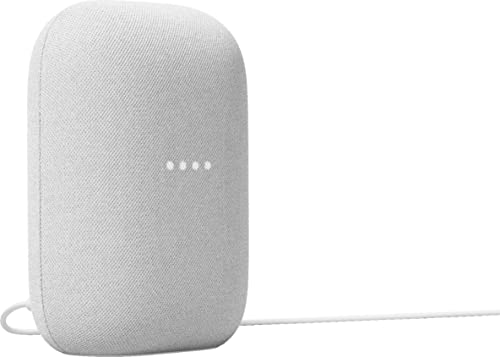
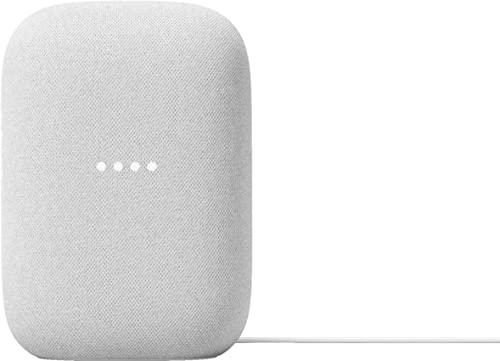
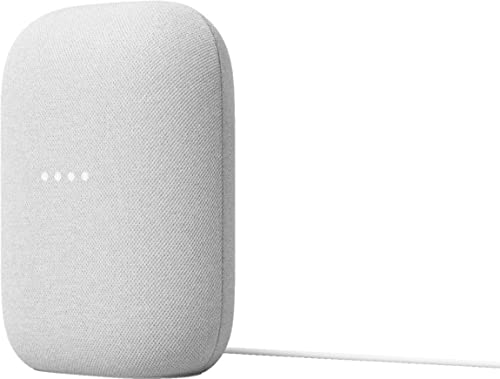
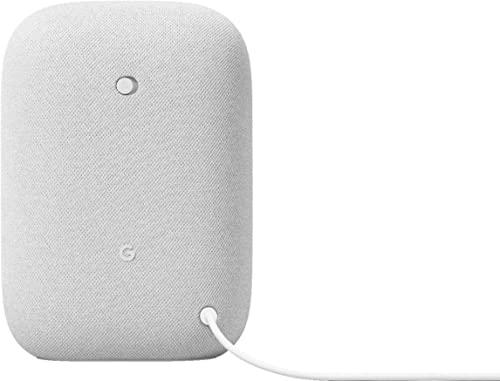
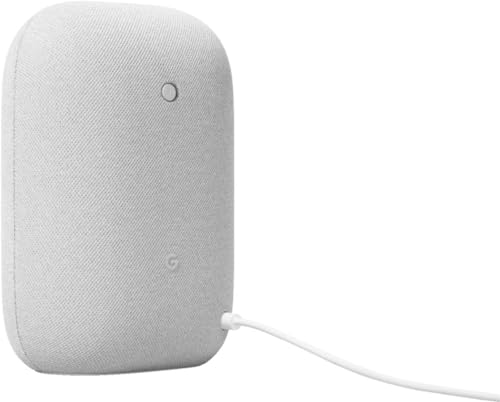
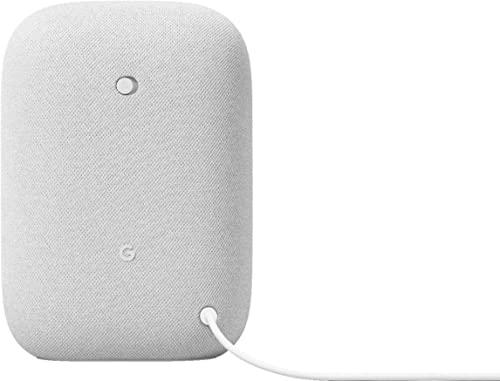
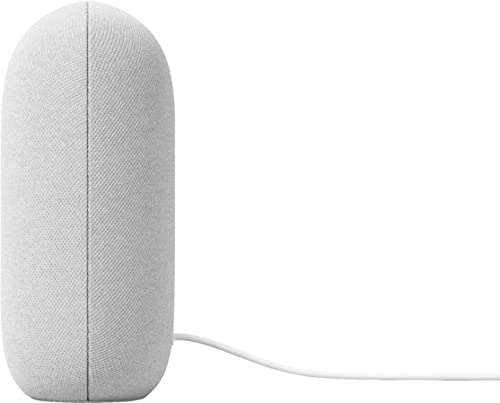
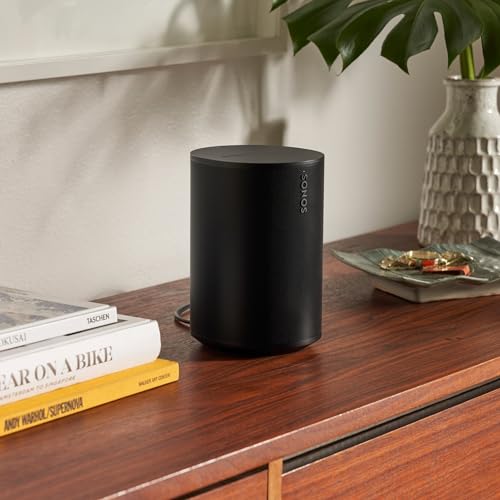
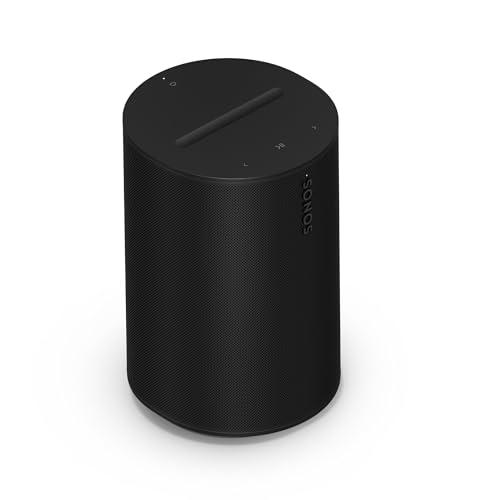
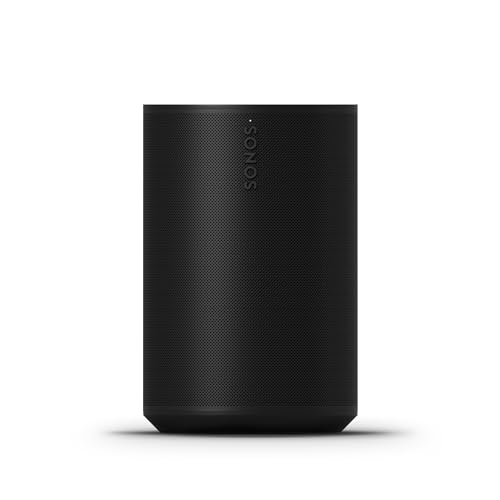
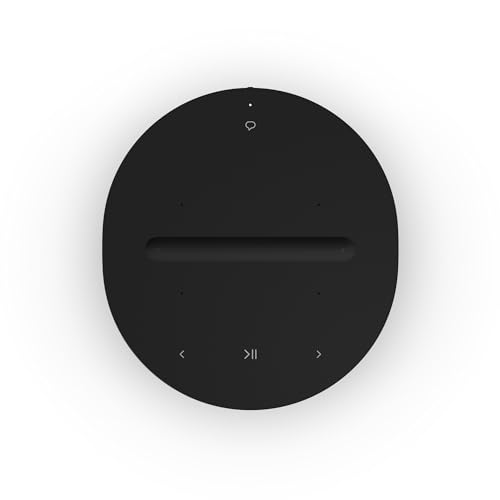
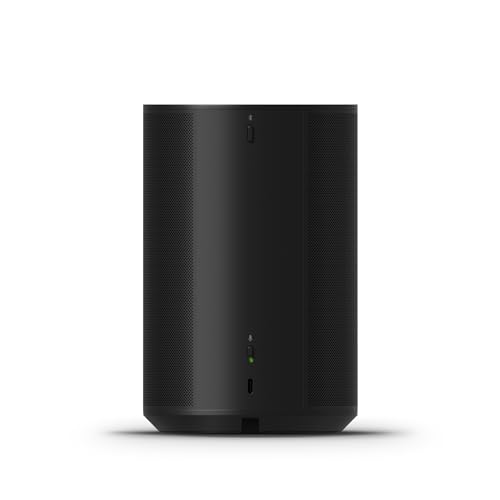
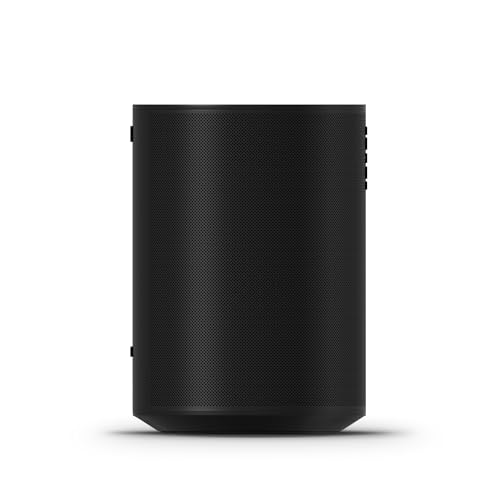
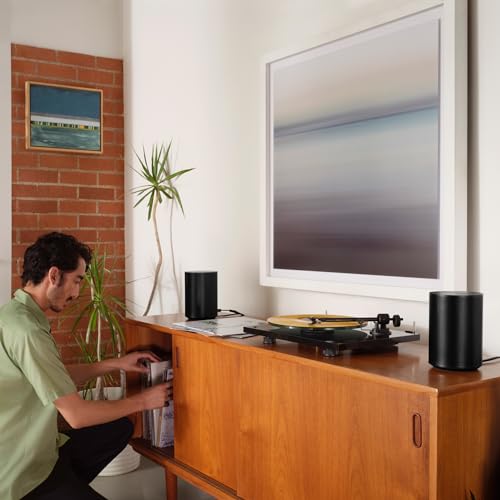
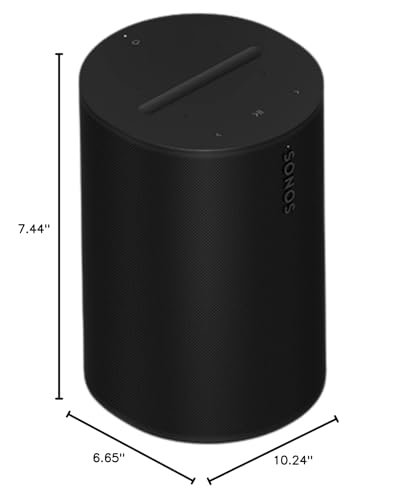
The smart speaker market has evolved dramatically since its early days, when basic voice recognition and tinny audio were the norm. Today's smart speakers need to excel at multiple jobs: delivering quality sound for music, responding accurately to voice commands, integrating seamlessly with smart home devices, and fitting naturally into your living space. The choice between budget-friendly functionality and premium performance has never been more stark than in the comparison between Google's Nest Audio and Sonos's Era 100.
Both speakers represent significant steps forward for their respective manufacturers. The Nest Audio, released in 2020, marked Google's serious attempt to improve upon the lackluster audio quality of the original Google Home. The Sonos Era 100, launched in 2023, replaced the popular Sonos One with meaningful upgrades that address long-standing user requests for better connectivity and improved sound.
Smart speakers occupy a unique position in home audio, blending traditional speaker functionality with voice-controlled artificial intelligence. At their core, these devices serve three primary functions: music playback, voice assistance, and smart home control. However, the execution of these functions varies dramatically across price points and manufacturer priorities.
The key considerations when choosing a smart speaker extend beyond simple audio quality. You need to consider which voice assistant ecosystem you prefer, how the speaker will integrate with your existing devices, whether you plan to use it alone or as part of a multi-room system, and what level of audio performance satisfies your listening habits.
Modern smart speakers also serve as connectivity hubs, supporting everything from Bluetooth streaming to Wi-Fi-based music services. The more expensive models often include additional connection methods like line inputs for turntables or other audio equipment, while budget options focus on wireless streaming only.
The Google Nest Audio positions itself as the sweet spot between affordability and capability within Google's smart speaker lineup. At the time of writing, it typically costs around half the price of premium alternatives while delivering substantial improvements over Google's entry-level options. This pricing strategy makes it accessible to users who want Google Assistant functionality with respectable audio performance but aren't willing to invest in premium sound quality.
The Sonos Era 100, meanwhile, commands a significant premium that reflects its focus on audio excellence. Priced at more than double the Nest Audio's cost, the Era 100 targets users who prioritize sound quality and system flexibility over budget considerations. This pricing puts it in direct competition with other premium smart speakers while maintaining Sonos's reputation for superior multi-room audio capabilities.
The fundamental difference between these speakers lies in their approach to audio reproduction. The Nest Audio uses a traditional two-driver setup with a 75mm woofer handling mid and low frequencies, paired with a 19mm tweeter for highs. This configuration, powered by a 30-watt amplifier, represents a significant upgrade over Google's previous offerings but follows conventional single-point audio design principles.
The Era 100 takes a more sophisticated approach with its dual-tweeter design. Instead of relying on a single tweeter, Sonos angles two tweeters to create genuine stereo separation from a single enclosure. This is paired with a mid-woofer that's 25% larger than its predecessor, the Sonos One. Each driver receives power from its own dedicated Class-D amplifier, which provides more precise control over audio reproduction than shared amplification systems.
Based on extensive user and expert feedback, the audio performance differences between these speakers are immediately noticeable. The Nest Audio delivers clear vocals and adequate bass for its size, with Google's real-time audio processing helping maintain tonal balance across different volume levels. However, the sound tends to be directional, meaning it sounds best when you're positioned directly in front of the speaker.
The Era 100's dual-tweeter configuration creates a noticeably wider soundstage, making music feel more spacious and immersive. The larger woofer delivers deeper, more controlled bass that doesn't become boomy or overwhelm other frequencies. Perhaps most importantly, the stereo separation means instruments and vocals occupy distinct spaces in the audio field, rather than everything seeming to come from a single point.
For everyday listening—podcasts, news, background music—both speakers perform admirably. The differences become most apparent when listening to complex musical arrangements or at higher volumes. The Era 100 maintains clarity and separation even when pushed hard, while the Nest Audio can sound compressed or harsh at maximum volume.
One often-overlooked aspect of smart speaker performance is how well they fill different room sizes and shapes. The Nest Audio's front-firing design works well in smaller spaces where you're likely to be positioned in its optimal listening zone. However, in larger or more open rooms, the sound can seem thin or focused in one area.
The Era 100's custom waveguides (specially shaped channels that direct sound waves) help disperse audio more evenly throughout a space. Combined with the stereo separation, this makes the speaker more effective in medium-sized rooms or areas where listeners might be positioned at various angles from the speaker.
The Nest Audio exclusively features Google Assistant, which has evolved significantly since the speaker's 2020 launch. Voice recognition accuracy has improved through software updates, and the integration with Google services remains unmatched for users invested in that ecosystem. Features like Voice Match technology allow up to six different users to receive personalized responses, making it genuinely useful for families.
The Era 100 offers more flexibility in voice assistant choice, supporting both Sonos's own voice control system and Amazon Alexa. This multi-assistant approach means you're not locked into a single ecosystem, though it also means the integration may not be as seamless as Google's purpose-built solution.
Both speakers handle basic smart home control well, but their approaches differ. The Nest Audio excels at controlling Google-compatible devices and integrates naturally with Chromecast-enabled equipment. If you're already using Google services for email, calendar, and other functions, the voice commands feel natural and comprehensive.
The Era 100 takes a more platform-agnostic approach with Matter certification, a relatively new smart home standard designed to work across different manufacturer ecosystems. This future-proofs the speaker for emerging smart home devices and ensures broader compatibility as the standard gains adoption.
The connectivity options reveal each manufacturer's priorities clearly. The Nest Audio focuses on wireless streaming with Wi-Fi 802.11ac support, Bluetooth 5.0, and built-in Chromecast functionality. This covers the vast majority of use cases but offers no options for wired audio sources.
The Era 100 significantly expands connectivity options with Wi-Fi 6 support (providing faster and more reliable wireless performance), Bluetooth 5.0, Apple AirPlay 2, and perhaps most importantly, a USB-C line input option. The line input capability, achieved through an optional adapter, opens up possibilities for connecting turntables, computers, or other audio sources directly.
Wi-Fi 6 support in the Era 100 might seem like overkill for audio streaming, but it provides benefits in congested wireless environments and ensures the speaker won't become a network bottleneck as other devices demand more bandwidth.
The Nest Audio can be paired with another unit for stereo sound, and multiple speakers can be grouped for synchronized playback throughout a home. However, the Google Home ecosystem's multi-room capabilities feel somewhat basic compared to dedicated audio-focused systems.
The Era 100 shines in system building scenarios. Sonos has spent years perfecting multi-room audio, and the experience shows. The Sonos app makes it easy to group speakers, adjust individual room volumes, and manage music across different zones. More importantly, the Era 100 can integrate into Sonos home theater systems as rear surround speakers, providing a clear upgrade path for users who might want to expand their setup later.
This is where the fundamental differences become most apparent. The Nest Audio works fine for casual TV audio when connected via Bluetooth or Chromecast, but it's not designed for serious home theater use.
The Era 100 offers genuine home theater integration possibilities. When paired with Sonos soundbars like the Arc or Beam, two Era 100s can serve as wireless rear surround speakers, creating a proper 5.1 surround sound experience. This integration is seamless and doesn't require additional wiring or complex setup procedures.
One of the Era 100's most significant technical advantages is Trueplay room calibration. This feature uses either your smartphone's microphone or the speaker's built-in microphone array to analyze your room's acoustic characteristics and automatically adjust the speaker's frequency response accordingly.
Room acoustics dramatically affect how speakers sound. Hard surfaces create reflections that can muddy bass or make highs sound harsh, while soft furnishings can absorb too much high-frequency energy. Trueplay measures these effects and compensates for them, essentially customizing the speaker's sound to your specific space. The technology now works with both iOS and Android devices, making it accessible regardless of your smartphone choice.
The Nest Audio lacks automatic room calibration, though Google's real-time audio processing does provide some dynamic adjustments based on content and volume level.
Both speakers receive regular software updates that can improve performance and add features over time. The Nest Audio includes a quad-core processor with dedicated machine learning hardware, enabling features like Ambient IQ, which automatically adjusts volume based on background noise levels.
The Era 100 focuses its processing power more heavily on audio optimization and multi-room coordination, which requires significant computational resources to maintain perfect synchronization across multiple speakers.
The Nest Audio represents excellent value for users who primarily want voice assistant functionality with acceptable audio quality. At roughly half the price of premium alternatives, it delivers meaningful improvements over basic smart speakers while maintaining affordability. The integration with Google services is seamless, and the speaker handles typical smart speaker tasks—playing music, answering questions, controlling smart home devices—with competence.
However, this value proposition comes with limitations. The audio quality, while good for the price, won't satisfy listeners who prioritize sound quality. The lack of upgrade paths means you're somewhat locked into the Google ecosystem, and there's no graceful way to evolve the speaker into a more sophisticated audio system.
The Era 100 requires a significantly larger financial commitment but justifies it through superior performance across multiple categories. The audio quality difference is substantial enough that most listeners will notice it immediately. The connectivity flexibility, room calibration technology, and integration possibilities make it a speaker that can grow with changing needs.
More importantly, the Era 100 serves as an entry point into the Sonos ecosystem, which many consider the gold standard for multi-room audio. The initial investment pays dividends if you eventually want to add more speakers or integrate home theater components.
Users who prioritize Google ecosystem integration above all else will find the Nest Audio compelling. If you're heavily invested in Google services, use Android devices exclusively, and primarily want a smart speaker for voice commands and casual music listening, the price-to-performance ratio is hard to beat.
The speaker also makes sense for users who want to try smart speakers without a major financial commitment. At its price point, it's accessible enough to experiment with smart home integration and multi-room audio without feeling like a major investment.
Budget-conscious households looking for meaningful upgrades over basic smart speakers will appreciate the Nest Audio's balance of features and affordability. It's particularly well-suited for bedrooms, kitchens, or other secondary spaces where premium audio isn't essential.
Audio enthusiasts who want smart features without compromising sound quality will gravitate toward the Era 100. If you notice and care about audio differences, the superior performance justifies the premium pricing.
Users planning to build comprehensive smart home audio systems should seriously consider the Era 100 as a starting point. The ability to add more speakers, integrate home theater components, and maintain high-quality audio throughout the home makes the initial investment worthwhile.
Platform-agnostic users who don't want to commit exclusively to Google or Amazon ecosystems will appreciate the Era 100's flexibility in voice assistants and connectivity options.
The choice between the Google Nest Audio and Sonos Era 100 ultimately comes down to priorities and budget flexibility. The Nest Audio offers solid smart speaker functionality at an accessible price point, making it an excellent choice for users who want Google ecosystem integration without premium audio demands.
The Era 100 commands a significant premium but delivers meaningfully better performance across virtually every category that matters for long-term satisfaction. The superior audio quality, connectivity flexibility, and system building potential make it a better investment for users who plan to use their smart speaker extensively or want room to grow.
At the time of writing, the price difference represents roughly a 150% premium for the Era 100 over the Nest Audio. Whether that premium is justified depends entirely on how much you value superior audio quality and system flexibility versus immediate affordability and Google ecosystem integration.
For most users, I'd recommend starting with the Era 100 if budget allows, simply because the performance differences are substantial enough to affect daily enjoyment. However, the Nest Audio remains an excellent choice for secondary rooms or users whose smart speaker needs are primarily functional rather than entertainment-focused.
| Google Nest Audio | Sonos Era 100 |
|---|---|
| Audio Architecture - Determines sound quality and stereo separation | |
| 75mm woofer + 19mm tweeter, mono sound | Dual angled tweeters + 25% larger mid-woofer, true stereo |
| Amplification - Controls audio power and clarity | |
| Single 30W amplifier | Three dedicated Class-D amplifiers |
| Room Calibration - Automatically optimizes sound for your space | |
| Real-time processing only, no room tuning | Trueplay tuning for iOS and Android devices |
| Voice Assistants - Determines smart home ecosystem compatibility | |
| Google Assistant only | Sonos Voice Control + Amazon Alexa |
| Wireless Connectivity - Affects streaming quality and future-proofing | |
| Wi-Fi 802.11ac, Bluetooth 5.0, Chromecast | Wi-Fi 6, Bluetooth 5.0, AirPlay 2, Spotify Connect |
| Wired Input Options - Enables connection to turntables and other devices | |
| None available | USB-C line-in (adapter required, sold separately) |
| Multi-Room Capabilities - Important for whole-home audio systems | |
| Basic Google Home grouping | Full Sonos ecosystem with advanced synchronization |
| Home Theater Integration - Matters if you want surround sound | |
| Bluetooth/Chromecast only, no surround capability | Can serve as wireless rear surrounds with Sonos soundbars |
| Smart Home Standards - Ensures compatibility with future devices | |
| Works with Google ecosystem devices | Matter-certified for broad device compatibility |
| Stereo Pairing - Creates wider soundstage with two speakers | |
| Yes, pairs with another Nest Audio | Yes, pairs with another Era 100 for enhanced stereo |
| Physical Design - Affects placement flexibility and aesthetics | |
| Fabric-wrapped, 70% recycled plastic, 5 colors | Matte finish, compact bookshelf design, 2 colors |
| Microphone Privacy - Important for users concerned about always-listening devices | |
| Hardware mute switch, 3 far-field mics | Physical disconnect switch, beamforming microphone array |
The Sonos Era 100 delivers significantly better sound quality than the Google Nest Audio. The Era 100 features dual angled tweeters that create true stereo separation and a 25% larger woofer for deeper bass, while the Nest Audio uses a traditional mono setup with one tweeter and smaller woofer. The difference is immediately noticeable, especially for music listening.
The Sonos Era 100 offers genuine home theater integration, functioning as wireless rear surround speakers when paired with Sonos soundbars like the Arc or Beam. The Google Nest Audio can only connect to TVs via Bluetooth or Chromecast and doesn't support surround sound configurations, making it unsuitable for serious home theater use.
Both speakers offer excellent voice assistant capabilities but serve different ecosystems. The Google Nest Audio exclusively uses Google Assistant with seamless integration into Google services, while the Sonos Era 100 supports both Sonos Voice Control and Amazon Alexa, giving you more flexibility in choosing your preferred assistant.
Yes, both speakers support multi-room audio, but the Sonos Era 100 offers a superior experience. Sonos has perfected multi-room synchronization over many years, making it easy to group speakers and control different zones. The Google Nest Audio provides basic multi-room functionality through Google Home but lacks the sophistication of the Sonos system.
The Google Nest Audio offers better value for budget-conscious buyers who prioritize Google ecosystem integration over premium audio quality. However, the Sonos Era 100 provides better long-term value for users who want superior sound quality and the flexibility to build a comprehensive audio system over time.
The Sonos Era 100 includes a USB-C line input option (adapter sold separately) for connecting turntables, computers, or other audio sources. The Google Nest Audio only supports wireless connections through Wi-Fi, Bluetooth, and Chromecast, with no wired input options available.
The Sonos Era 100 fills rooms more effectively thanks to its custom waveguides and stereo separation that disperses sound evenly throughout a space. The Google Nest Audio has a more directional, front-firing design that works best when positioned directly facing the listening area.
The Sonos Era 100 features Trueplay room calibration technology that analyzes your room's acoustics and automatically adjusts the speaker's sound accordingly. This works with both iOS and Android devices. The Google Nest Audio lacks automatic room calibration but does include real-time audio processing for dynamic volume adjustments.
Both the Google Nest Audio and Sonos Era 100 support stereo pairing with a second identical speaker. However, the Era 100 already provides stereo separation from a single unit due to its dual-tweeter design, while the Nest Audio requires two speakers to achieve true stereo sound.
The Google Nest Audio excels for users invested in the Google ecosystem, offering seamless integration with Google services and Chromecast devices. The Sonos Era 100 takes a more platform-agnostic approach with Matter certification, ensuring broader compatibility with various smart home devices and future-proofing your investment.
The Sonos Era 100 provides more comprehensive connectivity with Wi-Fi 6, Bluetooth 5.0, Apple AirPlay 2, Spotify Connect, and USB-C line input capability. The Google Nest Audio supports Wi-Fi 802.11ac, Bluetooth 5.0, and Chromecast built-in, covering basic wireless streaming needs but lacking wired input options.
Choose the Google Nest Audio if you're primarily interested in voice assistant functionality, use Google services extensively, and want an affordable entry into smart speakers. Select the Sonos Era 100 if you prioritize sound quality, want flexibility to expand your audio system later, or plan to integrate the speaker into a home theater setup.
We've done our best to create useful and informative comparisons to help you decide what product to buy. Our research uses advanced automated methods to create this comparison and perfection is not possible - please contact us for corrections or questions. These are the sites we've researched in the creation of this article: rtings.com - pocket-lint.com - whathifi.com - store.google.com - sypnotix.com - store.google.com - techradar.com - rtings.com - audiosciencereview.com - youtube.com - soundguys.com - audioholics.com - store.google.com - store.google.com - youtube.com - support.google.com - soundguys.com - dxomark.com - thenextweb.com - support.google.com - dimensions.com - store.google.com - store.google.com - bestbuy.com - en.wikipedia.org - store.google.com - cybershack.com.au - matteralpha.com - smarthomesounds.co.uk - whathifi.com - rtings.com - smarthomesounds.co.uk - whathifi.com - rtings.com - audioadvice.com - loudnwireless.com - sonos.com - rtings.com - youtube.com - sonos.com - redsharknews.com - hometechnologyreview.com - bestbuy.com - sonos.com - trysonos.sg - sonos.com - youtube.com - bestbuy.com - audiolab.com - costco.com - surrounds.com.au - bestbuy.com

Privacy Policy
Terms and Conditions - Affiliate Policy
Home Security
© Copyright 2008-2026.
11816 Inwood Rd #1211, Dallas, TX 75244