

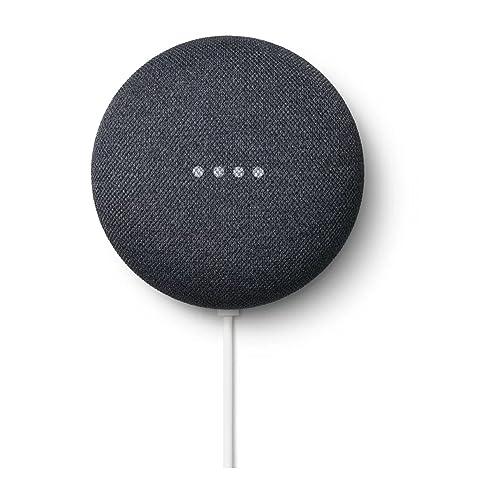
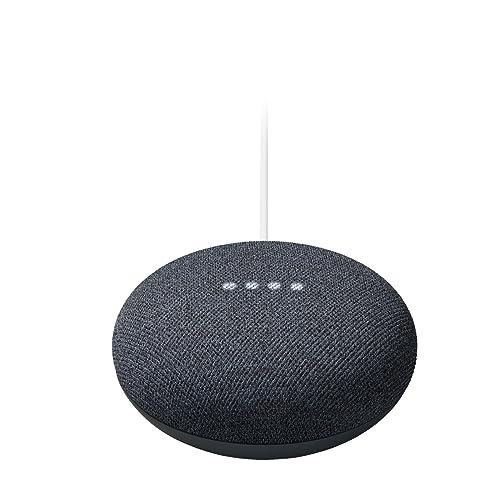
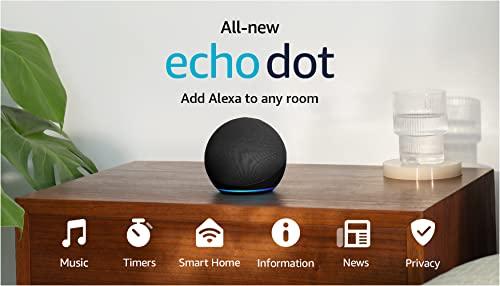
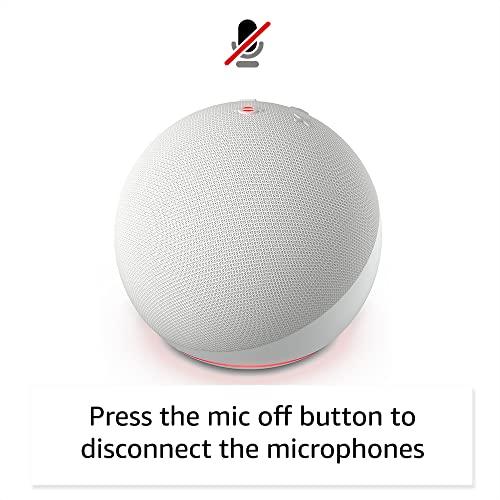
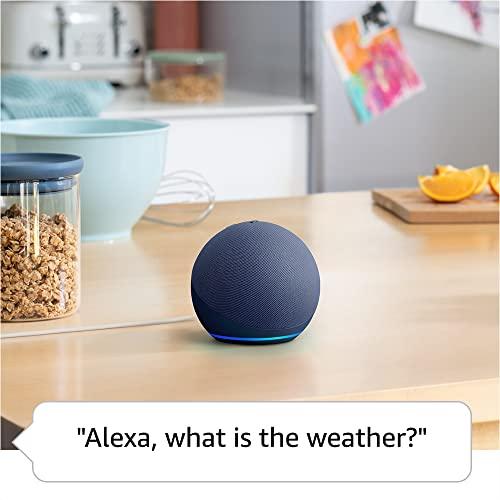
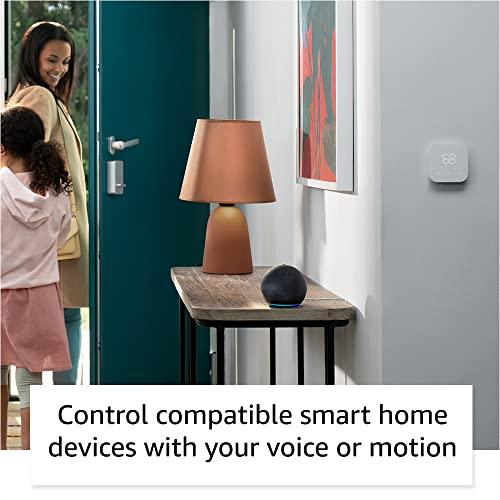
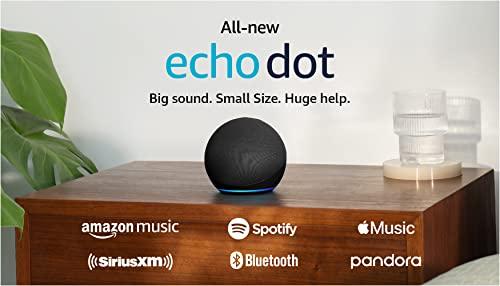
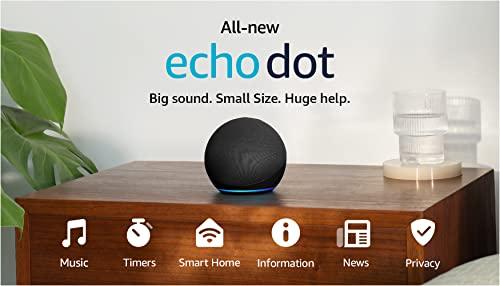
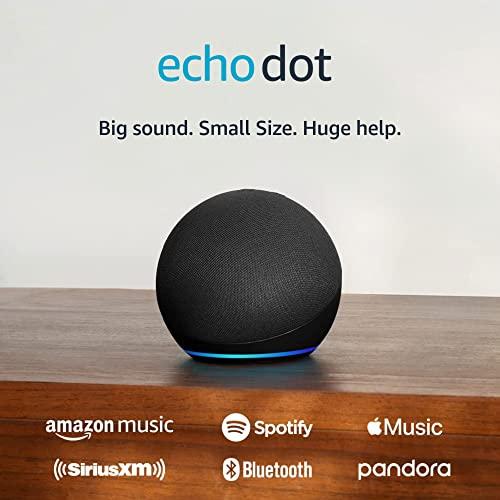
Smart speakers have transformed from curious tech gadgets into essential home hubs that most of us now take for granted. Whether you're asking about tomorrow's weather while making coffee or telling your lights to dim for movie night, these compact devices have become the central nervous system of the modern smart home.
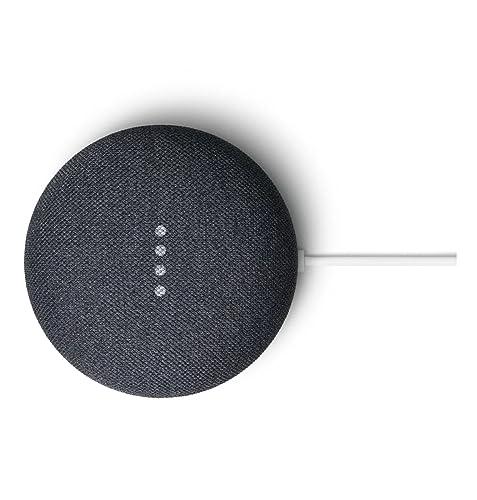
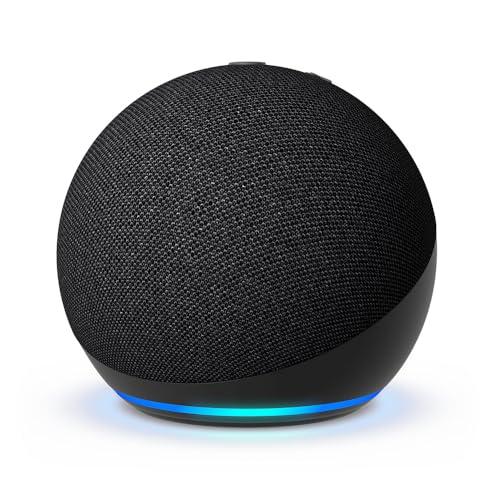
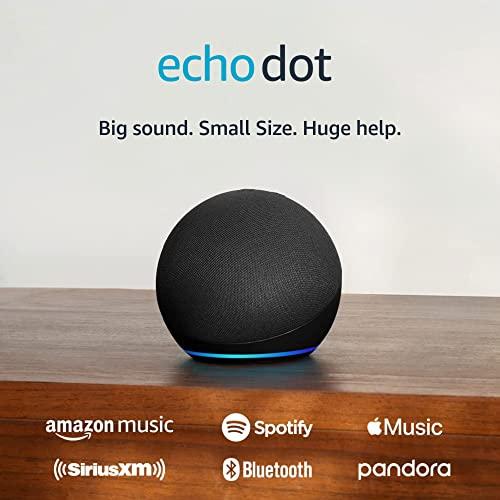
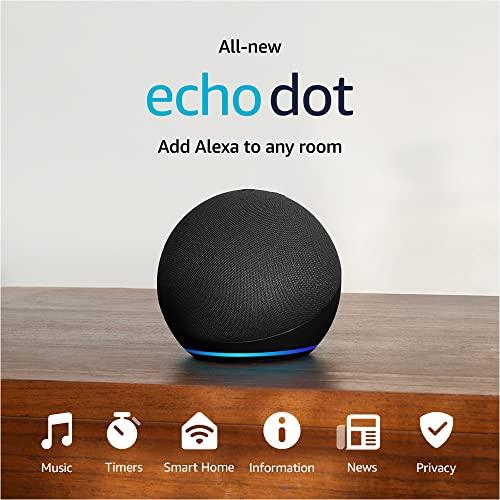
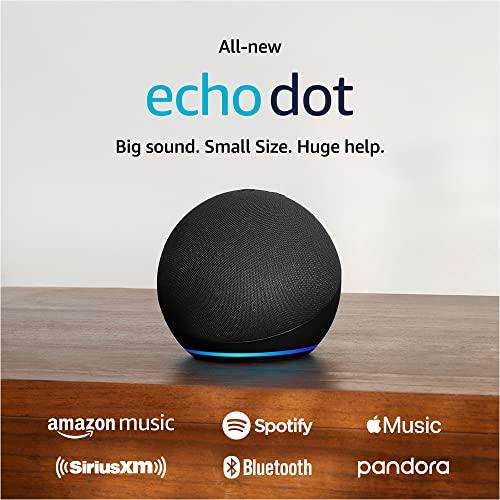
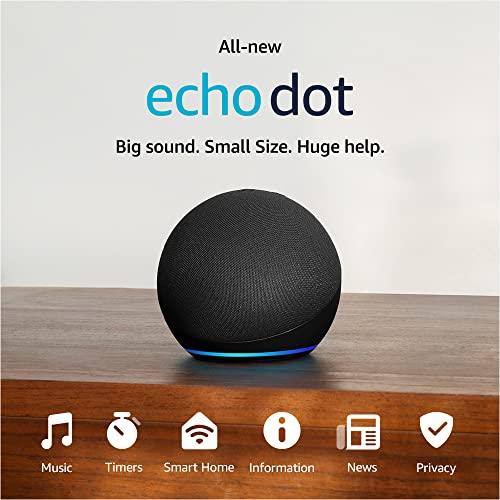
The budget smart speaker category, where devices typically cost between $30-60 at the time of writing, represents the sweet spot for most buyers. You get the core functionality without paying premium prices for features you might not need. Today, we're comparing two heavyweights in this space: the Google Nest Mini 2nd Gen and the Amazon Echo Dot 5th Generation.
Before diving into specifics, it's important to understand what makes a smart speaker successful. Unlike traditional speakers where audio quality reigns supreme, smart speakers must balance multiple priorities. Voice recognition accuracy matters more than perfect sound reproduction—what good is pristine audio if the device can't hear you from across the room?
Smart home integration capability has become increasingly crucial as more households adopt connected devices. The best smart speakers act as central hubs, controlling everything from thermostats to security cameras through simple voice commands. Ecosystem compatibility determines how well your speaker plays with your existing devices and services, making this a critical consideration for many buyers.
The most important factor in this comparison is timing. The Google Nest Mini 2nd Gen launched in 2019, while the Amazon Echo Dot 5th Generation arrived in 2022. This three-year gap represents significant technological advancement in the smart speaker world.
Since 2019, we've seen improvements in voice processing chips, microphone array technology, and smart home protocols. The introduction of Matter—a universal smart home standard—has revolutionized device compatibility. Bluetooth and Wi-Fi standards have also evolved, offering better connectivity and lower power consumption.
Voice recognition serves as the foundation upon which all other smart speaker functions depend. Our research into user experiences and expert reviews reveals clear performance differences between these devices.
The Echo Dot 5th Gen benefits from Amazon's AZ2 Neural Edge Processor, a dedicated chip designed specifically for voice processing. This means faster wake word detection (when you say "Alexa") and quicker response times to commands. Users consistently report that the newer hardware picks up voice commands more reliably, even with background noise or music playing.
The enhanced three-microphone array in the Echo Dot 5th Gen represents a significant upgrade over typical two-microphone setups. These microphones use far-field technology, meaning they're specifically tuned to pick up voices from across a room while filtering out background noise. In practical terms, this means you can speak naturally from your couch rather than projecting your voice toward the device.
The Nest Mini 2nd Gen, while competent, shows its age in voice recognition performance. The 2019-era processing hardware simply can't match the responsiveness of newer systems. However, Google Assistant does excel in contextual understanding—it's particularly strong at handling follow-up questions without requiring you to repeat the wake word.
For example, you might ask, "What's the weather today?" followed by "What about tomorrow?" Google Assistant typically understands the context better than Alexa in these conversational scenarios. However, this advantage is somewhat offset by the slower overall response times due to older hardware.
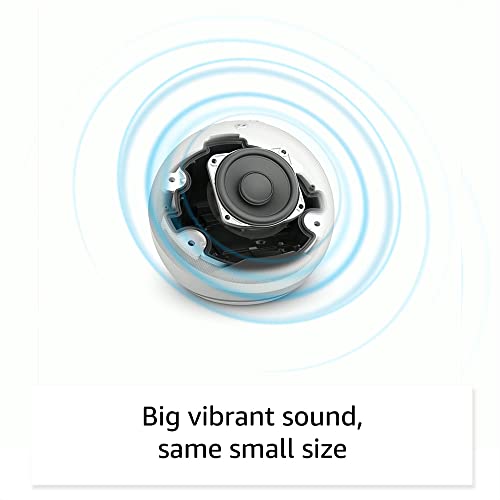
Neither device will replace a dedicated music system, but audio quality differences matter for daily use. The Echo Dot 5th Gen features a 44mm front-firing driver compared to the Nest Mini's 40mm driver. While 4mm might seem insignificant, it represents a roughly 20% increase in surface area, translating to noticeably better bass response and overall volume.
The front-firing design of the Echo Dot creates more directional sound, which works well when the speaker faces your listening area. The Nest Mini uses 360-degree sound dispersion, spreading audio evenly in all directions. For kitchen counters or central locations, this omnidirectional approach can work better, but the newer Echo hardware still delivers superior overall audio quality.
Both speakers struggle with deep bass due to their compact size—physics simply limits what's possible in such small enclosures. However, the Echo Dot 5th Gen manages to produce twice the bass output of the Nest Mini, making music more engaging and podcasts clearer.
For home theater applications, neither device serves as an ideal solution for primary audio. However, they can function as convenient voice remotes for compatible streaming devices. The Nest Mini's Chromecast integration allows you to cast audio directly from your phone, which can be useful for background music during movie nights.
Smart home capability represents perhaps the most significant differentiator between these devices. The Echo Dot 5th Gen includes a built-in Zigbee hub, essentially functioning as two devices in one. Zigbee is a wireless communication protocol used by many smart home devices—think of it as a specialized Wi-Fi network designed for low-power devices like sensors and smart switches.
This built-in hub capability means you can connect Zigbee devices directly to the Echo Dot without purchasing a separate hub that typically costs $25-50. For anyone planning to expand into smart home automation, this represents significant value.
The Echo Dot 5th Gen also supports Matter, the new universal smart home standard designed to make devices from different manufacturers work together seamlessly. Matter compatibility future-proofs your investment as more devices adopt this standard.
The Nest Mini 2nd Gen excels within Google's ecosystem but offers less flexibility for mixed-brand smart homes. Its Chromecast integration remains a unique advantage—you can stream music directly from your phone or tablet to the speaker, bypassing voice commands entirely. This proves particularly useful when you want to play specific playlists or audio content not available through voice search.
The Echo Dot 5th Gen includes several innovative features that showcase its modern hardware. The built-in temperature sensor enables automation based on room conditions—imagine having your smart thermostat adjust automatically when the temperature drops, or having a fan turn on during hot afternoons.
Ultrasound motion detection allows the device to sense when someone enters or leaves a room, enabling presence-based automation. These sensors use sound waves beyond human hearing to detect movement, similar to how some security systems work.
Perhaps most interesting is the Eero mesh network integration. If you use Eero routers for your home Wi-Fi, the Echo Dot can function as an additional network node, extending Wi-Fi coverage by up to 1,000 square feet. This dual functionality adds considerable value for Eero users.
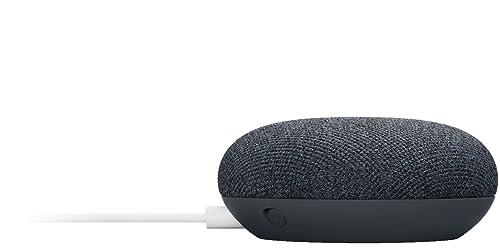
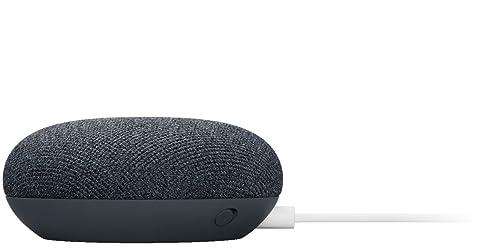
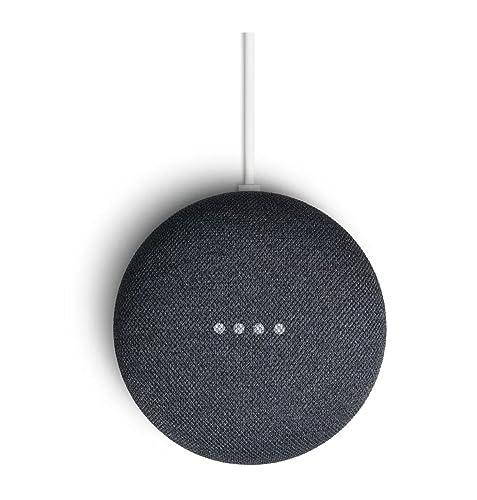
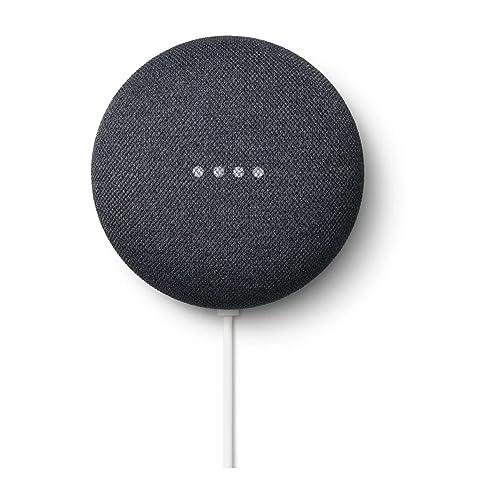
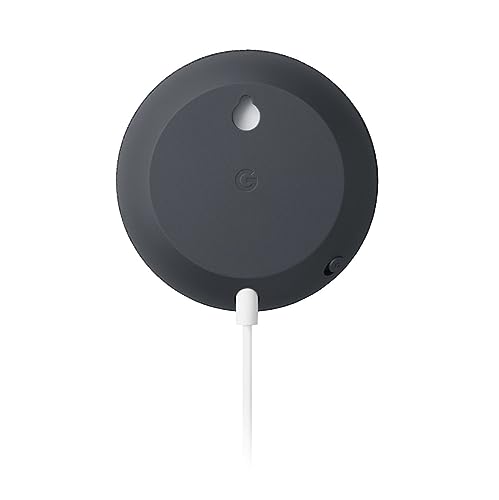
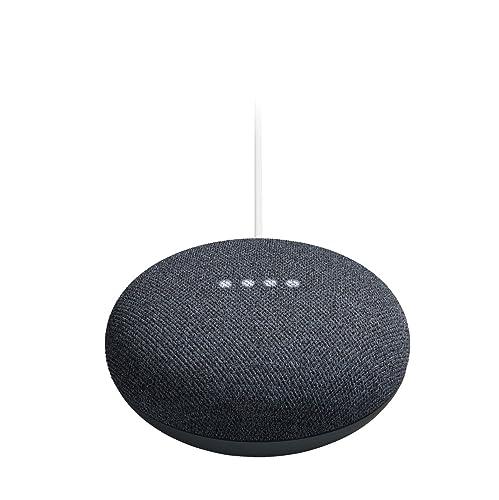
The Nest Mini focuses on simplicity and integration rather than advanced features. Its wall-mounting capability and compact design (weighing just 177 grams versus 340 grams for the Echo) make it ideal for bedrooms or bathrooms where space is limited. The invisible capacitive touch controls blend seamlessly into the fabric surface, creating a cleaner aesthetic than physical buttons.
When evaluating smart speakers, certain performance characteristics matter more than others. Response time—how quickly the device reacts to wake words and commands—directly impacts user satisfaction. Our research indicates the Echo Dot 5th Gen consistently outperforms the Nest Mini in this crucial metric.
Voice recognition accuracy in challenging conditions separates good speakers from great ones. This includes performance with background noise, multiple speakers, and varying distances. The newer microphone array in the Echo Dot provides a clear advantage here.
Smart home device compatibility determines long-term utility. The Echo Dot's Zigbee hub and Matter support offer broader compatibility than the Nest Mini's Google-centric approach, though Google users might prefer the tighter ecosystem integration.
Audio clarity at typical listening volumes matters more than maximum volume for most users. Both devices perform well for casual listening, but the Echo Dot provides noticeably clearer vocals and more balanced sound.
Your existing digital ecosystem significantly influences which device will serve you better. Google users benefit from the Nest Mini's integration with Gmail, Google Calendar, YouTube Music, and Android phones. The ability to cast content via Chromecast remains unmatched in the Amazon ecosystem.
Amazon ecosystem users gain advantages with Prime Music, Audible audiobooks, Fire TV integration, and the vast Alexa Skills marketplace. The Echo Dot can track package deliveries, manage Amazon shopping lists, and control Fire TV devices through voice commands.
For users without strong ecosystem preferences, the Echo Dot's broader third-party compatibility and built-in smart home hub functionality provide more flexibility for future expansion.
At the time of writing, both devices typically retail in the $40-50 range, though frequent sales bring prices down to $25-35. The Echo Dot 5th Gen often provides better value despite similar pricing due to its newer hardware and additional functionality.
The three-year technology gap creates a significant future-proofing advantage for the Echo Dot. Newer hardware typically receives longer software support, and the modern smart home protocols ensure compatibility with emerging devices.
The Nest Mini makes sense primarily when found at substantial discounts or for users deeply invested in Google's ecosystem who prioritize Chromecast functionality.
The Google Nest Mini 2nd Gen suits users who prioritize Google ecosystem integration above all else. If you rely heavily on Google services, use Android phones exclusively, and frequently cast content to Chromecast devices, the tighter integration might outweigh the hardware disadvantages.
Budget-conscious shoppers who find the Nest Mini significantly cheaper (typically $10+ less) might also consider it, understanding they're sacrificing some performance and future-proofing for immediate savings.
The Amazon Echo Dot 5th Generation represents the better choice for most users. Its superior hardware, broader smart home compatibility, and future-proofing make it the more versatile option. The built-in Zigbee hub alone can save money for anyone interested in smart home expansion.
While both devices deliver competent smart speaker experiences, the Echo Dot 5th Gen emerges as the clear winner for most buyers. The combination of better voice recognition, improved audio quality, built-in smart home hub functionality, and modern connectivity standards creates compelling value.
The Google Nest Mini remains relevant primarily for existing Google ecosystem users or those finding it at significant discounts. However, the three-year technology gap is substantial enough that most buyers benefit from choosing the more current hardware.
For anyone beginning their smart home journey or looking to upgrade from older devices, the Echo Dot 5th Gen provides a solid foundation that will remain relevant for years to come. Its flexibility and modern feature set make it an investment in your home's digital future rather than just another gadget.
| Google Nest Mini 2nd Gen Smart Speaker | Amazon Echo Dot 5th Generation Smart Speaker |
|---|---|
| Release Year - Hardware generation impacts performance and longevity | |
| 2019 (older hardware showing its age) | 2022 (current-generation technology) |
| Voice Assistant - Core functionality and ecosystem integration | |
| Google Assistant with strong contextual understanding | Amazon Alexa with extensive Skills marketplace |
| Audio Driver Size - Directly affects sound quality and volume | |
| 40mm driver with 360-degree sound | 44mm front-firing driver (20% larger surface area) |
| Voice Recognition Hardware - Critical for reliable wake word detection | |
| Standard microphone array on 2019 processing | Enhanced 3-microphone array with AZ2 Neural Edge Processor |
| Smart Home Hub Capability - Saves money on separate hub purchases | |
| Requires separate hubs for most devices | Built-in Zigbee hub (typically $25-50 value) |
| Matter Support - Future-proofs smart home compatibility | |
| No (limited to Google ecosystem devices) | Yes (works with devices from any manufacturer) |
| Unique Streaming Features - Differentiating capabilities | |
| Chromecast built-in for direct phone casting | Eero mesh network extender functionality |
| Physical Design - Affects placement flexibility | |
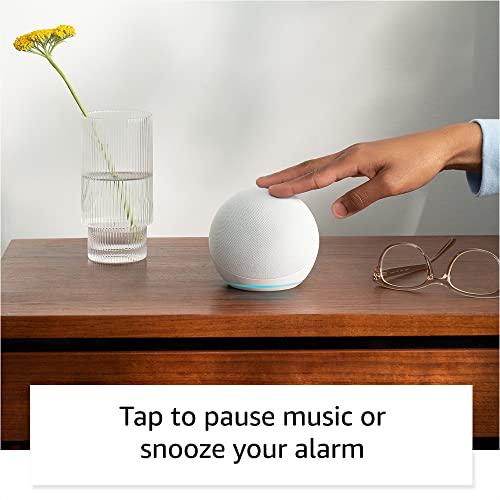
| Wall-mountable, 177g weight, invisible touch controls | Desktop only, 340g weight, physical buttons |
| Temperature Automation - Enables advanced home automation | |
| None | Built-in temperature sensor for climate-based routines |
| Motion Detection - Hands-free automation triggers | |
| Basic proximity sensing | Ultrasound motion detection for presence-based routines |
| Connectivity Standards - Affects device compatibility and performance | |
| Wi-Fi 5, Bluetooth 5.0 | Dual-band Wi-Fi, Bluetooth 4.2, Zigbee 3.0 |
| Best For - Target user scenarios | |
| Google ecosystem users who prioritize Chromecast | Most buyers seeking current tech and smart home expansion |
The Amazon Echo Dot 5th Generation delivers superior audio quality with its larger 44mm driver compared to the Google Nest Mini 2nd Gen's 40mm driver. The Echo Dot produces noticeably better bass and overall volume, making it the clear winner for music listening and general audio performance.
The Amazon Echo Dot 5th Generation offers significantly better voice recognition thanks to its enhanced 3-microphone array and modern AZ2 Neural Edge Processor. The Google Nest Mini 2nd Gen uses older 2019 hardware that struggles with far-field detection and noisy environments, making the Echo Dot more reliable for voice commands.
The Amazon Echo Dot 5th Generation excels at smart home control with its built-in Zigbee hub and Matter support, allowing direct connection to smart devices without additional hubs. The Google Nest Mini 2nd Gen requires separate hubs for most smart home devices, making the Echo Dot more cost-effective and versatile.
Both speakers can control compatible streaming devices, but the Google Nest Mini 2nd Gen has an advantage with built-in Chromecast support for direct audio streaming. However, the Amazon Echo Dot 5th Generation works well with Fire TV devices and offers better overall voice recognition for reliable commands during movie nights.
Google Assistant on the Google Nest Mini 2nd Gen excels at search queries and contextual follow-up questions, while Alexa on the Amazon Echo Dot 5th Generation offers broader smart home compatibility and faster response times. The Echo Dot's newer hardware provides more reliable wake word detection overall.
The Amazon Echo Dot 5th Generation includes innovative features like temperature sensing, ultrasound motion detection, and Eero mesh network integration. The Google Nest Mini 2nd Gen offers wall-mounting capability, Chromecast streaming, and invisible touch controls, making each speaker suited for different use cases.
The Amazon Echo Dot 5th Generation typically provides better value despite similar pricing, offering newer hardware, built-in smart home hub functionality, and future-proofing through Matter support. The Google Nest Mini 2nd Gen only makes sense when found at significant discounts or for dedicated Google ecosystem users.
The Google Nest Mini 2nd Gen is more compact and lightweight at 177g with wall-mounting capability, perfect for bedrooms or bathrooms. The Amazon Echo Dot 5th Generation is bulkier at 340g but offers a more premium feel with physical buttons, making the Nest Mini better for space-constrained areas.
The Google Nest Mini 2nd Gen integrates seamlessly with Google services, Android phones, and Chromecast devices. The Amazon Echo Dot 5th Generation excels with Amazon Prime services, Fire TV, and the vast Alexa Skills marketplace, offering broader third-party compatibility than the Nest Mini.
The Amazon Echo Dot 5th Generation includes a built-in Zigbee hub that connects directly to compatible smart devices, eliminating the need for separate hubs. The Google Nest Mini 2nd Gen lacks hub functionality, requiring additional purchases for most smart home expansions, making the Echo Dot more economical long-term.
The Amazon Echo Dot 5th Generation responds significantly faster thanks to its 2022 AZ2 Neural Edge Processor, while the Google Nest Mini 2nd Gen shows its age with slower 2019 hardware. Users consistently report the Echo Dot provides more immediate responses to wake words and commands.
Choose the Google Nest Mini 2nd Gen if you're heavily invested in Google services, use Android exclusively, and frequently cast to Chromecast devices. Select the Amazon Echo Dot 5th Generation for broader compatibility, smart home expansion plans, or if you're platform-neutral, as the Echo Dot offers more versatility and modern features.
We've done our best to create useful and informative comparisons to help you decide what product to buy. Our research uses advanced automated methods to create this comparison and perfection is not possible - please contact us for corrections or questions. These are the sites we've researched in the creation of this article: bestbuy.com - pocket-lint.com - goodhousekeeping.com - rtings.com - rtings.com - versus.com - tomsguide.com - versus.com - youtube.com - youtube.com - techradar.com - homedepot.com - support.google.com - gadgetconnect.co.ke - store.google.com - multitronic.fi - bestbuy.com - store.google.com - neweggbusiness.com - store.google.com - support.google.com - versus.com - youtube.com - adiglobaldistribution.us - aboonehomes.com - soundguys.com - reviewed.com - youtube.com - youtube.com - whathifi.com - youtube.com - youtube.com - dell.com - bestbuy.com - youtube.com - youtube.com - nfm.com - soundguys.com - staples.com - homedepot.com - techradar.com - gadgets360.com - youtube.com - versus.com - en.wikipedia.org

Privacy Policy
Terms and Conditions - Affiliate Policy
Home Security
© Copyright 2008-2026.
11816 Inwood Rd #1211, Dallas, TX 75244