


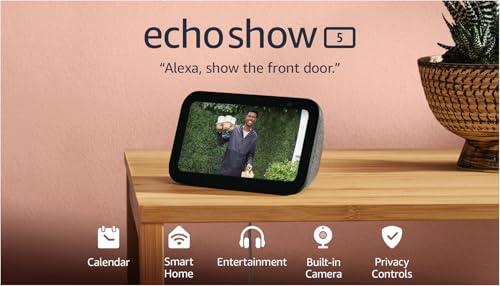
The smart home revolution has given us two distinctly different approaches to voice-controlled devices. On one side, you have compact smart speakers like the Google Nest Mini 2nd Gen, designed to blend invisibly into your space while delivering powerful voice assistance. On the other, there are smart displays like the Amazon Echo Show 5 3rd Gen, which add visual interfaces and touchscreen controls to the mix.
Both devices serve as your gateway to controlling smart home gadgets, playing music, and accessing information through voice commands. However, they represent fundamentally different philosophies about how we should interact with our smart homes. Understanding these differences is crucial for making the right choice for your specific needs and living situation.
Smart speakers and smart displays both use voice assistants—AI-powered software that responds to spoken commands—but they handle user interaction very differently. The Google Nest Mini follows the "invisible assistant" approach, where a small, fabric-covered device sits quietly until you need it. The Echo Show 5 takes the "visual assistant" route, always displaying useful information and allowing both voice and touch interaction.
The key considerations when choosing between these categories include how much counter space you have, whether you value visual feedback, your privacy preferences regarding cameras, and how you plan to use the device day-to-day. Smart speakers excel at becoming part of your home's background, while smart displays become focal points that actively show information.
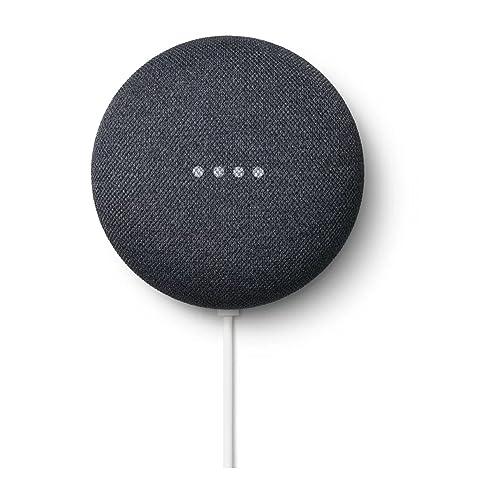
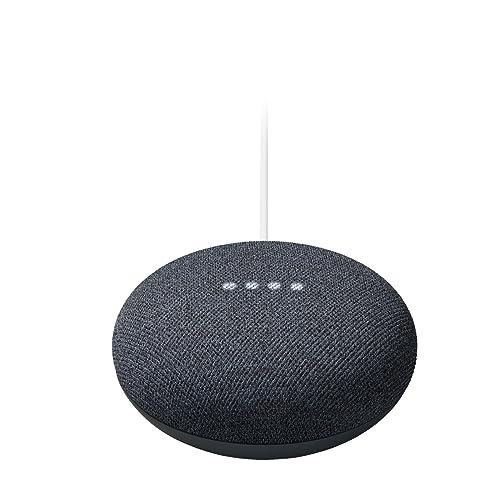
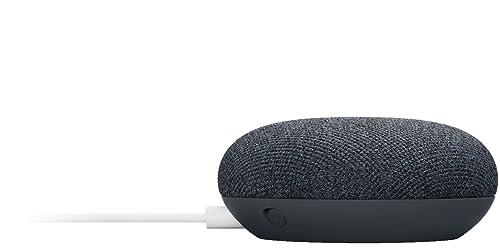
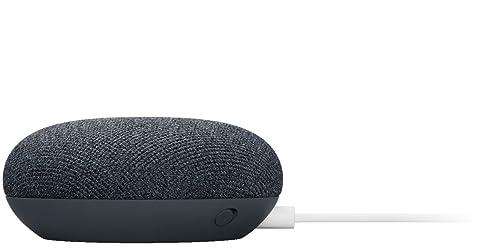
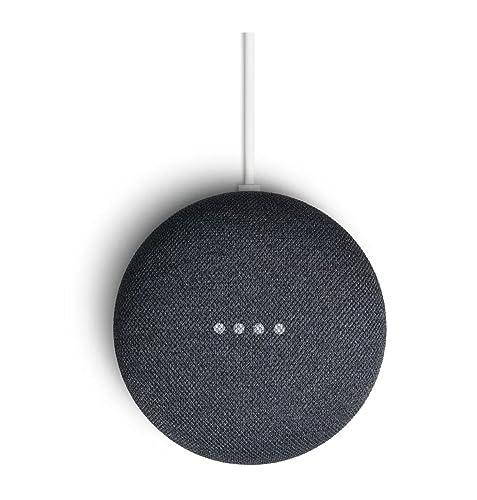
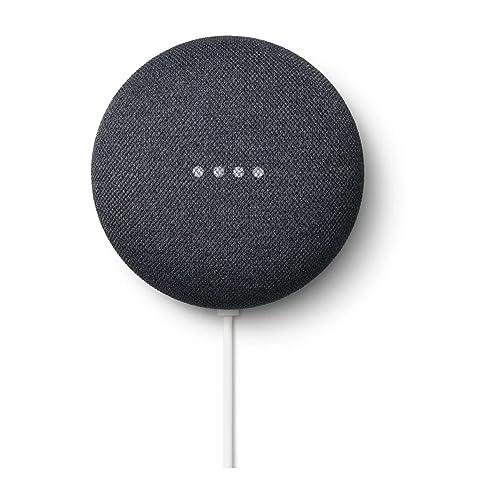
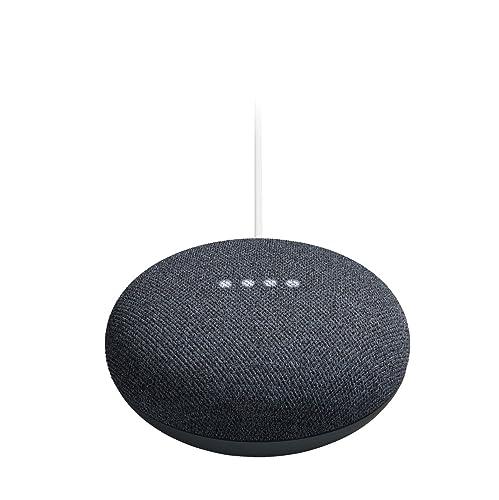
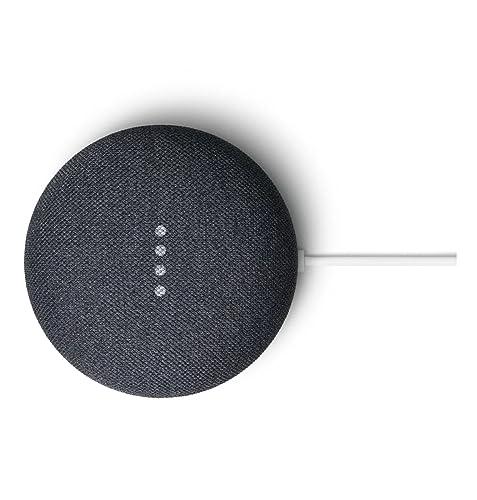
The physical differences between these devices are immediately apparent. The Google Nest Mini, released in 2019 as an improvement over the original Home Mini, measures just 98mm across and 42mm tall—about the size of a small donut. Weighing only 183 grams, it's designed to disappear on shelves, nightstands, or even mounted on walls. The fabric top, made from recycled plastic bottles, gives it a softer, more home-friendly appearance than typical tech gadgets.
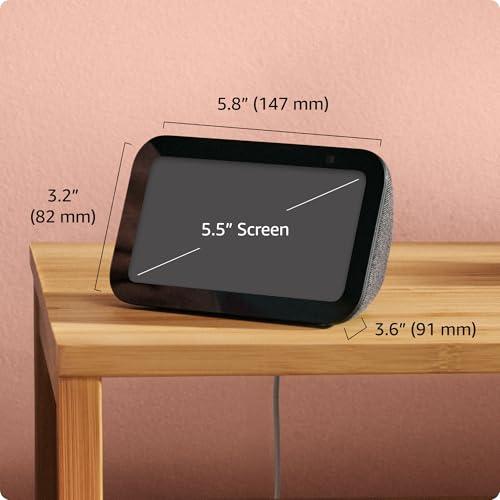
In contrast, the Amazon Echo Show 5, which received its third-generation update in 2023, demands attention with its 5.5-inch display and substantially larger footprint of 147×82×91mm. At 456 grams, it's nearly three times heavier and takes up significantly more space. However, this size difference serves a purpose—the larger body houses the display, camera, and more powerful internal components.
The design philosophy difference is striking. Google prioritized invisibility and minimal space usage with the Nest Mini, while Amazon focused on functionality and visual presence with the Echo Show 5. If you're working with limited counter space or prefer devices that don't draw attention, the size difference alone might determine your choice.
Both devices punch above their weight class in audio performance, but they achieve good sound through different approaches. The Google Nest Mini uses a 40mm driver that delivers 360-degree sound, meaning audio radiates in all directions rather than just forward like traditional speakers. This omnidirectional approach helps fill rooms more evenly, which is particularly useful since you might place the device anywhere in a room.
Google also implemented Smart Sound technology, which automatically adjusts the audio output based on your room's acoustics and what type of content you're playing. If you're listening to a podcast, it emphasizes vocal clarity. For music, it boosts the overall frequency response. The second-generation model delivers twice the bass of the original Mini, though you shouldn't expect earth-shaking low-end from such a compact speaker.
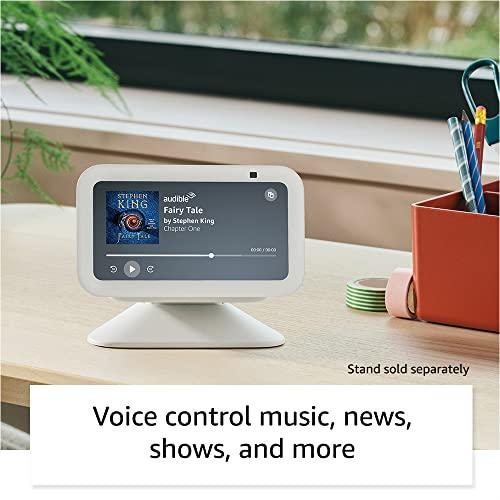
The Echo Show 5 takes a more traditional approach with its 1.7-inch full-range speaker positioned at the back of the device. Amazon improved the audio significantly in the 3rd generation, delivering clearer vocals and better bass response than previous versions. The sound is more directional than the Nest Mini's 360-degree approach, but the visual display compensates by showing album art, lyrics, and playback controls.
For most users, both devices provide adequate audio quality for voice responses, podcasts, and background music. Neither will satisfy serious music listeners—you'll want larger speakers or a proper sound system for that. However, the Nest Mini edges ahead slightly in overall audio quality due to its 360-degree design and Smart Sound processing, while the Echo Show 5 offers better visual music controls.
Voice recognition capabilities determine how well these devices understand your commands, especially in noisy environments or from across the room. The Google Nest Mini employs three far-field microphones with Voice Match technology, which can distinguish between different users' voices and provide personalized responses. The microphone array design helps isolate your voice from background noise, music playback, and other household sounds.
Google Assistant, the AI behind the Nest Mini, excels at natural language processing—understanding conversational commands rather than requiring specific phrases. You can ask follow-up questions, and it maintains context from previous interactions. For instance, you might ask "What's the weather?" followed by "What about tomorrow?" and it understands you're still talking about weather.
The Amazon Echo Show 5 uses two far-field microphones integrated into its fabric front, powered by Amazon's AZ2 Neural Edge processor. This dedicated AI chip handles voice processing locally rather than sending everything to the cloud, improving response times and privacy. Alexa, Amazon's voice assistant, has been around longer and supports thousands more "Skills"—third-party apps that extend functionality.
While both assistants handle basic commands well, Google Assistant generally provides more natural conversations and better answers to factual questions, leveraging Google's search capabilities. Alexa shines in smart home control and has broader third-party device support. The Echo Show 5 has an advantage here because it can show visual confirmations of your commands—you can see lights turning on or thermostats adjusting.
Both devices serve as control hubs for smart home devices, but they approach this responsibility differently. The Google Nest Mini integrates seamlessly with Google's ecosystem and supports Matter, an industry standard that ensures compatibility with devices from different manufacturers. It also includes Chromecast built-in, allowing you to stream audio from your phone or computer directly to the speaker without additional setup.
The Chromecast integration is particularly valuable because it essentially gives you a $30-35 streaming device functionality for free (at the time of writing). You can cast music from Spotify, YouTube Music, or virtually any audio app on your phone. This makes the Nest Mini especially appealing if you already use Google services like Gmail, Google Photos, or YouTube TV.
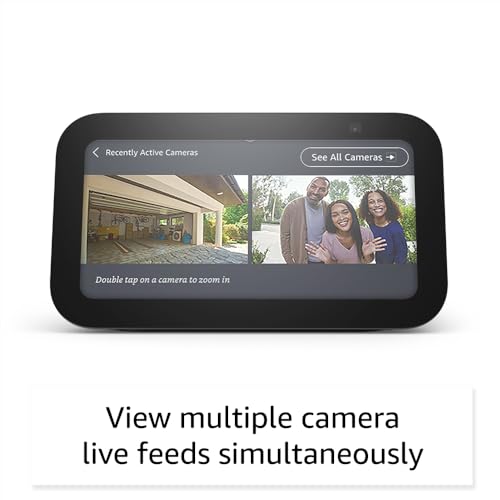
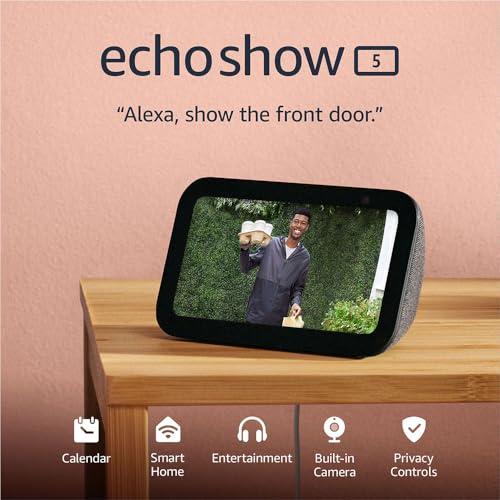
The Amazon Echo Show 5 takes a more visual approach to smart home control. Instead of just telling you that lights are dimmed, you can see the adjustment happening on screen. You can view live camera feeds from security cameras, see who's at your door through video doorbells, and control multiple devices through touch interfaces. This visual feedback makes troubleshooting much easier—if a command doesn't work, you can often see why on the display.
Amazon has built stronger partnerships with smart home manufacturers over the years, so Alexa typically supports more devices and brands than Google Assistant. The Echo Show 5 also includes a Zigbee hub built-in, allowing direct connections to compatible smart bulbs, sensors, and switches without requiring separate hubs.
This is where the Amazon Echo Show 5 truly differentiates itself. The 5.5-inch touchscreen (with 960×480 pixel resolution) transforms how you interact with your smart home assistant. While the resolution isn't sharp by modern smartphone standards, it's perfectly adequate for displaying weather information, calendar appointments, recipes, and smart home controls.
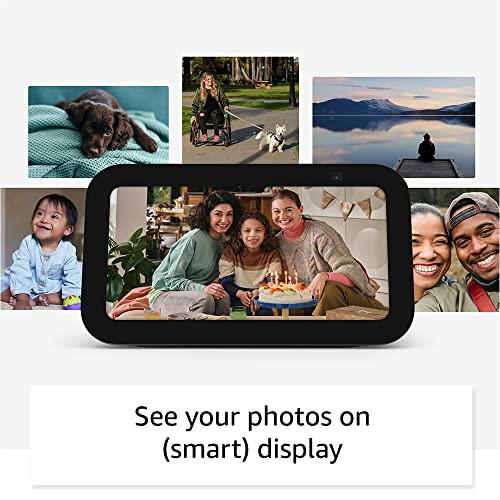
The visual interface excels in specific scenarios. Following recipes becomes much easier when you can see ingredients and step-by-step instructions without asking for repetition. Setting multiple timers shows visual countdowns for each one. Weather forecasts display multi-day outlooks with icons and temperatures. The screen also serves as a digital photo frame, cycling through your favorite pictures when not actively in use.
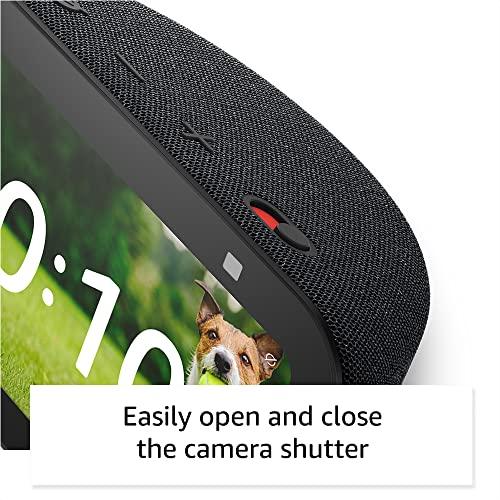
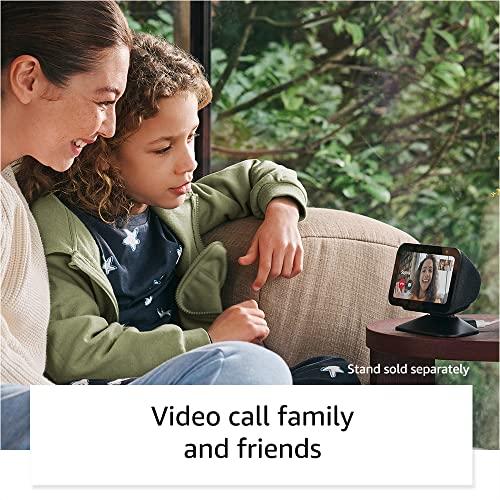
Video calling capability is another significant advantage. The 2MP front-facing camera enables calls to other Echo devices with screens, the Alexa app on phones, and even Skype contacts. For families with members living far apart, this feature alone might justify choosing the Echo Show 5 over the Google Nest Mini. The camera includes a physical privacy shutter, addressing concerns about always-on cameras in private spaces.
However, this visual functionality comes with trade-offs. The always-on display consumes more power, the device requires more counter space, and some users find the constant information display distracting. The Google Nest Mini avoids these issues entirely by focusing purely on audio interaction.
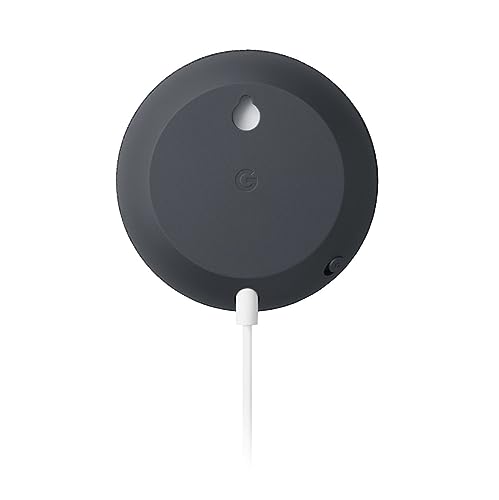
Privacy represents a fundamental difference between these devices. The Google Nest Mini has no camera, eliminating visual privacy concerns entirely. It does have microphones for voice commands, but you can mute these with a physical switch on the back of the device. When muted, the device stops listening entirely until you physically unmute it.
The Echo Show 5 includes both microphones and a 2MP camera, raising additional privacy considerations. Amazon addresses these concerns with both a physical microphone mute button and a camera shutter that mechanically blocks the lens. When activated, these physical controls disable the respective functions completely—they're not software-based switches that could potentially be overridden.
Your comfort level with cameras in living spaces will significantly influence this decision. Many users happily place Echo Show devices in kitchens, living rooms, and even bedrooms, while others prefer camera-free devices in private areas. The Google Nest Mini sidesteps this entire discussion by focusing purely on audio interaction.
When evaluating these devices, certain performance characteristics prove more important than others in real-world use. Response time—how quickly the device responds to wake words and processes commands—affects daily usability more than peak audio volume. Both devices perform well here, though the Echo Show 5's AZ2 Neural Edge processor provides slightly faster local processing for common requests.
Wake word accuracy becomes crucial in noisy households. Both devices handle this well, but the Google Nest Mini's three-microphone array and advanced noise cancellation give it a slight edge in challenging acoustic environments. If your home has open floor plans, high ceilings, or lots of background noise, this difference becomes more noticeable.
Smart home response reliability matters enormously for daily use. Both platforms occasionally fail to control devices, but Amazon's broader device support ecosystem typically results in fewer compatibility issues. The Echo Show 5's visual feedback also makes troubleshooting much easier when problems occur.
The Google Nest Mini excels as a bedroom nightstand companion, kitchen timer assistant, and background music player. Its compact size makes it perfect for apartments, dorm rooms, or anywhere space is limited. The Chromecast integration shines for users who frequently stream music from phones or laptops. I've found it particularly useful in home offices where you want voice control without visual distractions.
The Amazon Echo Show 5 transforms into a more versatile kitchen assistant, displaying recipes, timers, and shopping lists visually. As a bedside device, it works excellently as an alarm clock that shows weather, calendar appointments, and news briefings. The video calling functionality makes it valuable for families, especially those with elderly relatives who appreciate the larger screen compared to phone calls.
For home theater applications, both devices serve as convenient voice controls for compatible smart TVs and streaming devices. The Nest Mini integrates better with Chromecast-enabled TVs and streaming devices, while the Echo Show 5 works well with Fire TV devices and can display what's currently playing on your entertainment system.
At the time of writing, the Google Nest Mini typically retails for significantly less than the Echo Show 5—often by $40-60 or more. This price difference reflects their different feature sets and target markets. The Nest Mini provides excellent value if you want basic smart speaker functionality with high-quality voice recognition and Google ecosystem integration.
The Echo Show 5 commands a higher price due to its display, camera, and more complex internal components. However, it replaces multiple devices—a smart speaker, digital photo frame, video calling device, and visual smart home controller. When viewed as a bundle of functionality, the price premium becomes more reasonable.
Consider that you might spend similar money buying a basic smart speaker plus a separate video calling device. The Echo Show 5 consolidates these functions while adding smart home visual controls that standalone speakers cannot provide.
Choose the Google Nest Mini if you prioritize minimal space usage, prefer invisible technology integration, want the best value for basic smart speaker functionality, or have strong preferences for Google services. It's ideal for renters, students, or anyone who wants to dip their toes into smart home technology without major commitments.
The Amazon Echo Show 5 makes more sense if you value visual feedback, want video calling capabilities, prefer comprehensive smart home control interfaces, or spend significant time in kitchens following recipes. It's worth the extra cost for families, cooking enthusiasts, or users who want their smart assistant to be more of a information hub than a invisible helper.
Both devices represent mature, well-executed approaches to smart home control. The Google Nest Mini proves that good things come in small packages, while the Amazon Echo Show 5 demonstrates how visual interfaces can enhance voice control experiences. Your choice ultimately depends on whether you want a device that disappears into your home or one that actively participates in your daily routines through visual interaction.
The smart home ecosystem you're already invested in might make this decision for you—Google services users will find more value in the Nest Mini, while those with existing Alexa devices or Amazon Prime subscriptions might prefer the Echo Show 5. Either choice will serve you well; they're just optimized for different use cases and preferences.
| Google Nest Mini 2nd Gen Smart Speaker | Amazon Echo Show 5 3rd Gen Smart Display |
|---|---|
| Display - Essential for visual smart home control and video calls | |
| None (audio-only interaction) | 5.5" touchscreen (960×480 resolution) |
| Camera - Enables video calling and home monitoring | |
| None (eliminates privacy concerns) | 2MP with physical privacy shutter |
| Size & Weight - Critical for placement flexibility | |
| 98mm diameter, 42mm tall, 183g (ultra-compact) | 147×82×91mm, 456g (requires dedicated counter space) |
| Audio System - Determines music and voice quality | |
| 40mm driver with 360-degree sound, Smart Sound room adaptation | 1.7" speaker with improved bass, directional audio |
| Voice Recognition - Affects accuracy in noisy environments | |
| 3 far-field microphones with Voice Match technology | 2 far-field microphones with AZ2 Neural Edge processor |
| Voice Assistant - Determines ecosystem compatibility | |
| Google Assistant (superior natural language, Google services integration) | Alexa (broader smart home support, extensive Skills library) |
| Smart Home Features - Core functionality for device control | |
| Chromecast built-in, Matter support, Google Home hub | Visual device control, live camera feeds, Zigbee hub built-in |
| Connectivity - Standard wireless capabilities | |
| Wi-Fi 802.11ac, Bluetooth 5.0 | Dual-band Wi-Fi 802.11ac, Bluetooth |
| Privacy Controls - Important for household acceptance | |
| Physical microphone mute switch only | Physical camera shutter + microphone/camera mute button |
| Unique Capabilities - Differentiating features | |
| Chromecast streaming, wall-mountable, minimal footprint | Video calling, visual recipes, smart home monitoring, digital photo frame |
| Best Use Cases - Where each product excels | |
| Bedrooms, small spaces, invisible integration, Google ecosystem users | Kitchens, family communication, comprehensive smart home control |
| Value Proposition - Cost vs features trade-off | |
| Exceptional value for basic smart speaker needs | Higher cost justified by display and expanded functionality |
The primary difference is that the Google Nest Mini 2nd Gen is an audio-only smart speaker, while the Amazon Echo Show 5 3rd Gen includes a 5.5-inch touchscreen display. The Echo Show 5 offers visual feedback, video calling, and touch controls, whereas the Nest Mini focuses purely on voice interaction in a compact form factor.
The Google Nest Mini 2nd Gen is significantly better for small spaces, measuring only 98mm in diameter and weighing 183g. It can fit on small shelves or be wall-mounted without taking up valuable counter space. The Amazon Echo Show 5 is much larger and requires dedicated counter or shelf space due to its display and 456g weight.
Only the Amazon Echo Show 5 3rd Gen supports video calls through its built-in 2MP camera. You can make calls to other Echo devices with screens, the Alexa app, or Skype contacts. The Google Nest Mini has no camera and only supports voice calls through Google's calling features.
Both devices offer good sound quality for their size, but the Google Nest Mini 2nd Gen has a slight edge with its 40mm driver and 360-degree sound design. The Nest Mini also features Smart Sound technology that adapts to your room's acoustics. The Echo Show 5 has improved audio in its 3rd generation but uses a more traditional directional speaker approach.
Google Assistant on the Nest Mini excels at natural language processing and answering factual questions, while Alexa on the Echo Show 5 has broader smart home device compatibility and thousands more third-party Skills. The Echo Show 5 benefits from visual confirmations of commands, making smart home control easier to troubleshoot.
Both devices work well for smart home control, but with different approaches. The Google Nest Mini offers excellent voice control with Chromecast built-in and Matter support. The Amazon Echo Show 5 provides visual smart home control with live camera feeds, touch controls, and a built-in Zigbee hub for direct device connections.
The Google Nest Mini 2nd Gen offers inherently better privacy since it has no camera - only microphones that can be muted with a physical switch. The Amazon Echo Show 5 includes both camera and microphone privacy controls with physical buttons, but some users prefer avoiding cameras entirely in private spaces.
Both devices can control compatible smart TVs through voice commands. The Google Nest Mini works particularly well with TVs that have Chromecast built-in, allowing you to cast content directly. The Echo Show 5 integrates well with Fire TV devices and can display information about what's currently playing on your entertainment system.
The Amazon Echo Show 5 3rd Gen is superior for kitchen use due to its visual display that can show recipes, cooking timers, and shopping lists. You can follow step-by-step cooking instructions without repeating voice commands. The Nest Mini works for basic kitchen tasks like timers and music, but lacks visual recipe support.
The Google Nest Mini 2nd Gen is significantly more affordable than the Amazon Echo Show 5 3rd Gen. The price difference reflects their different feature sets - the Nest Mini focuses on essential smart speaker functions, while the Echo Show 5 includes a display, camera, and expanded capabilities that justify its higher cost.
This depends on your preferences. The Google Nest Mini is ideal if you want a discrete, compact device that won't create visual distractions or privacy concerns. The Amazon Echo Show 5 works well as a smart alarm clock with visual weather updates and calendar information, but some users prefer avoiding cameras in bedrooms despite the physical privacy shutter.
Choose the Google Nest Mini 2nd Gen if you want an affordable, compact smart speaker with excellent Google ecosystem integration and prefer invisible technology. Choose the Amazon Echo Show 5 3rd Gen if you value visual feedback, need video calling capabilities, want comprehensive smart home control with visual confirmation, or frequently use your device for recipes and kitchen assistance.
We've done our best to create useful and informative comparisons to help you decide what product to buy. Our research uses advanced automated methods to create this comparison and perfection is not possible - please contact us for corrections or questions. These are the sites we've researched in the creation of this article: bestbuy.com - pocket-lint.com - goodhousekeeping.com - rtings.com - rtings.com - versus.com - tomsguide.com - versus.com - youtube.com - youtube.com - techradar.com - homedepot.com - support.google.com - gadgetconnect.co.ke - store.google.com - multitronic.fi - bestbuy.com - store.google.com - neweggbusiness.com - store.google.com - support.google.com - versus.com - youtube.com - adiglobaldistribution.us - aboonehomes.com - bestbuy.com - reviewed.com - goodhousekeeping.com - techradar.com - geekzone.co.nz - versus.com - youtube.com - versus.com - youtube.com - hindustantimes.com - nfm.com - dimensions.com - gadgetguy.com.au - youtube.com - versus.com - dell.com - bestbuy.com - homedepot.com - homedepot.com - businessinsider.com - en.wikipedia.org - youtube.com

Privacy Policy
Terms and Conditions - Affiliate Policy
Home Security
© Copyright 2008-2026.
11816 Inwood Rd #1211, Dallas, TX 75244