

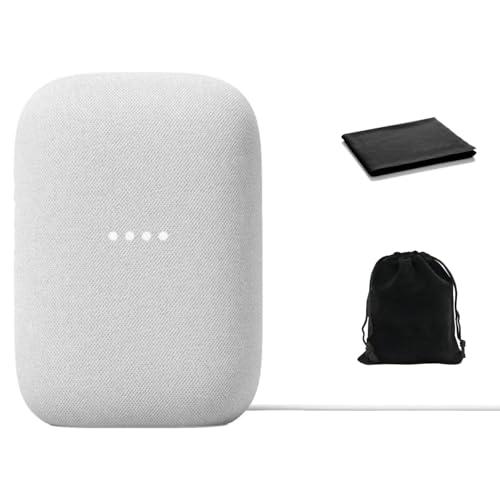
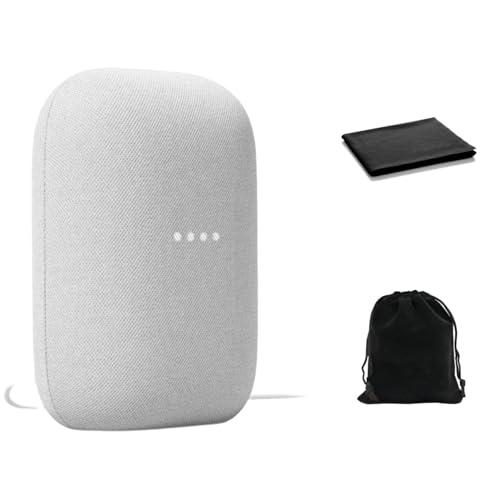
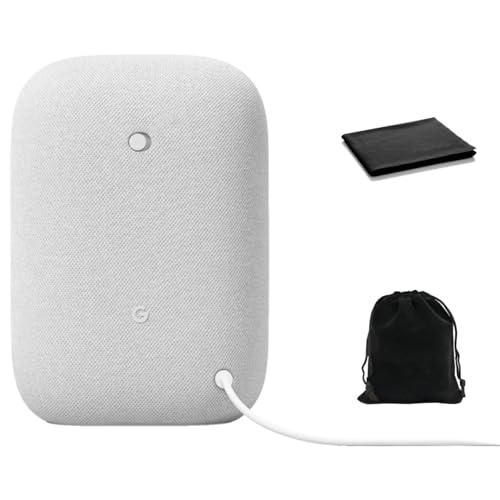
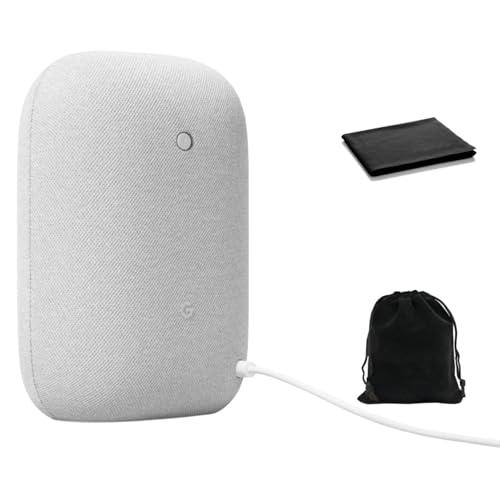
Google's smart speaker lineup can be confusing for newcomers, especially when comparing the Google Nest Audio with the Google Nest Mini 2nd Gen. Both speakers offer Google Assistant integration and similar smart home features, but they target completely different user priorities. Understanding these differences is crucial for making the right choice for your home.
Smart speakers have evolved far beyond simple Bluetooth audio devices. They combine wireless streaming, artificial intelligence, and home automation into a single product that responds to voice commands. When evaluating any smart speaker, you're essentially weighing four key factors: audio quality, voice recognition accuracy, smart home integration capabilities, and overall value for your specific needs.
The Google ecosystem offers particular advantages for Android users and those already invested in Google services. Both the Nest Audio and Nest Mini tap into the same Google Assistant brain, meaning they can control compatible smart home devices, answer questions, set timers, and play music from streaming services with identical capability. The real differences emerge when you examine their physical design, audio hardware, and intended use cases.
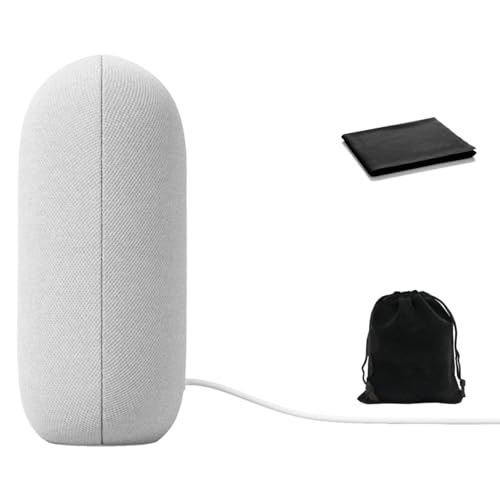
The Google Nest Audio, released in 2020, represents Google's attempt to create a music-focused smart speaker that could compete with dedicated audio devices. Its larger pill-shaped form factor (roughly 7 inches tall and 5 inches wide) houses significantly more advanced audio hardware than its compact sibling. The fabric covering, made from 70% recycled plastic, gives it a premium appearance that works well as a visible centerpiece in living rooms or bedrooms.
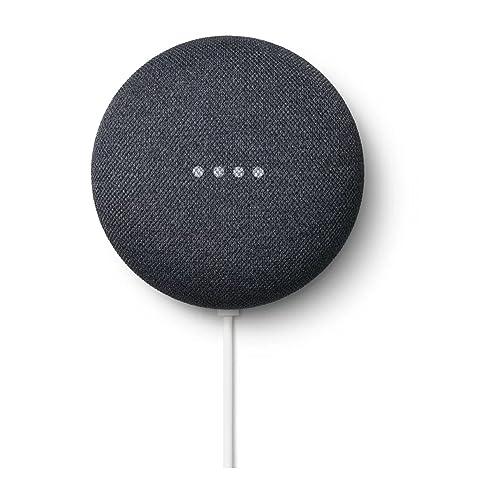
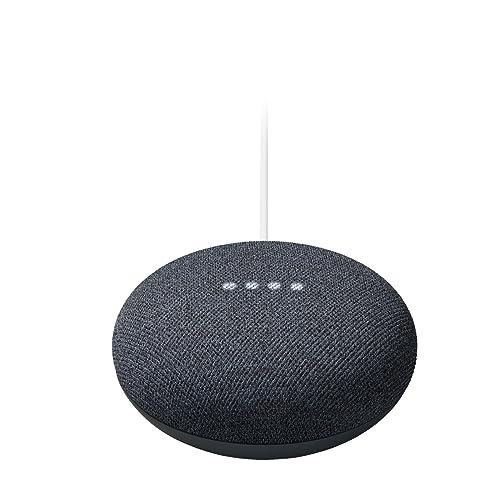
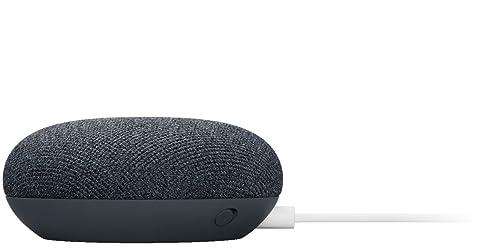
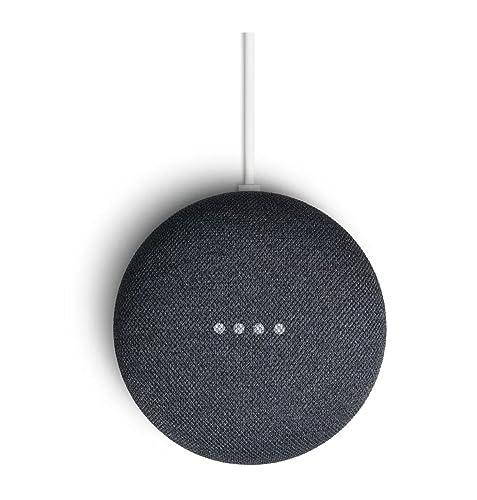
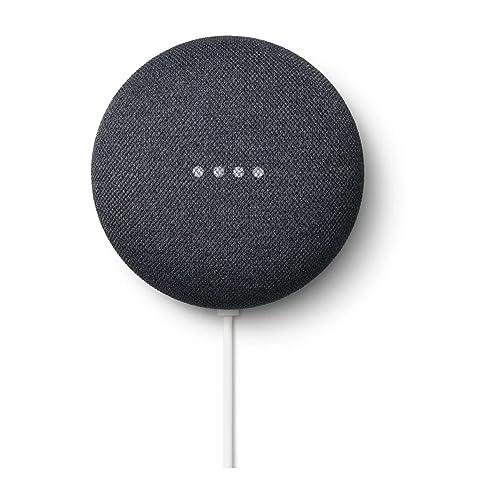
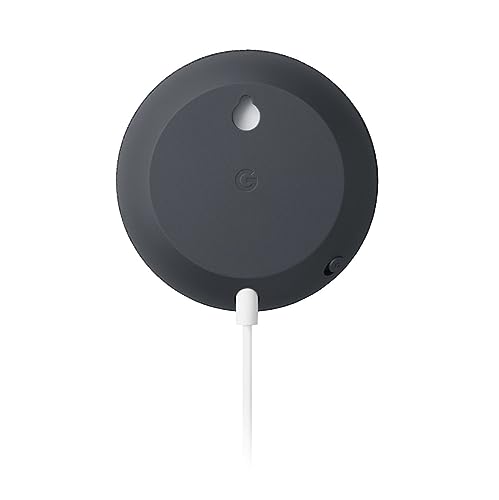
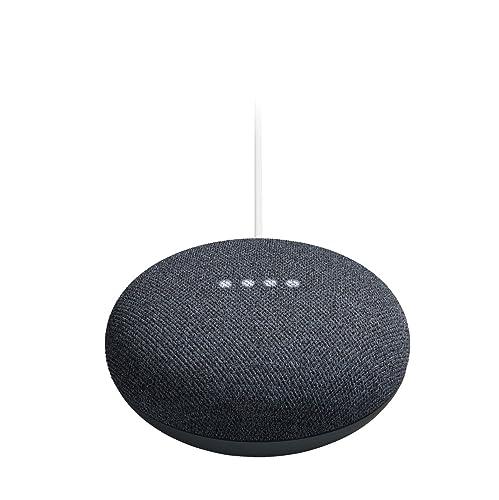
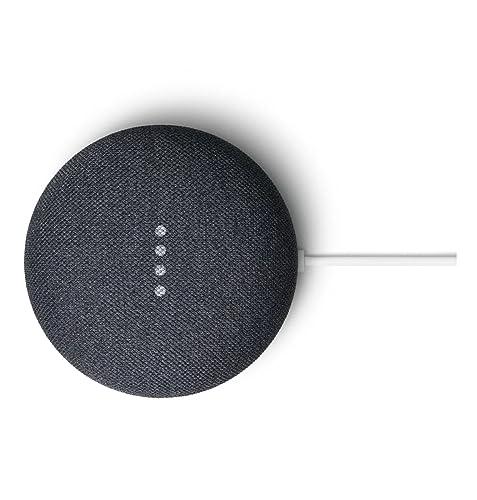
In contrast, the Nest Mini 2nd Gen, launched in 2019 as an update to the original Home Mini, prioritizes discretion and affordability. At less than 4 inches in diameter and weighing just 6 ounces, it's designed to disappear into your home environment. The wall-mounting capability makes it particularly versatile – you can place it on nightstands, mount it in bathrooms, or tuck it into kitchen corners where a larger speaker would feel intrusive.
This size difference isn't just aesthetic. The Nest Audio's larger cabinet volume allows for better bass response and overall acoustic performance, while the Nest Mini's compact design prioritizes convenience and placement flexibility over audio quality.
Speaker drivers are the components that actually produce sound by moving air. Think of them like tiny pistons that vibrate to create the music you hear. The Nest Audio features a sophisticated dual-driver system: a 75mm woofer (responsible for bass and midrange frequencies) paired with a 19mm tweeter (handling high frequencies like cymbals and vocal details). This separation allows each driver to specialize in what it does best, resulting in clearer, more accurate sound reproduction.
The Nest Mini takes a different approach with a single 40mm driver handling all frequencies. While this full-range driver design keeps costs down and enables 360-degree sound dispersion (meaning it sounds roughly the same from any angle), it inherently compromises audio quality. A single driver can't excel at reproducing both deep bass and crisp highs simultaneously.
Based on extensive user feedback and professional reviews, the audio differences between these speakers are substantial. The Nest Audio delivers what most people would consider legitimate music listening quality. Its bass response extends low enough to provide satisfying low-end punch for most music genres, while vocals remain clear and detailed. Google claims it produces 75% more volume and 50% stronger bass compared to the original Google Home, and these improvements are immediately apparent when listening.
The Nest Mini, while impressive for its size, simply cannot match this performance. Its single small driver produces what's best described as "acceptable background audio." It works well for podcasts, news, and casual background music, but attempting to use it as your primary music speaker will leave you disappointed. The bass is thin, high volumes introduce noticeable distortion, and the overall sound lacks the fullness that makes music enjoyable.
For home theater use, the Nest Audio can serve as a basic TV speaker improvement when connected via Chromecast, though it's not designed as a dedicated soundbar replacement. The Nest Mini isn't suitable for home theater applications due to its limited volume and poor bass response.
Both speakers excel at voice recognition, which is their primary shared strength. Each device includes three far-field microphones (the Nest Mini was upgraded from two microphones in the first generation), enabling reliable voice detection even from across typical rooms. These microphones use beamforming technology, which means they can focus on your voice while filtering out background noise like running appliances or music playback.
The Google Assistant functionality is identical between devices. Both can control compatible smart lights, thermostats, and other connected devices. They integrate seamlessly with Google services like Calendar, Gmail, and Google Photos. Voice Match technology allows up to six family members to receive personalized responses based on voice recognition.
One practical advantage of the Nest Mini's compact size is its superior placement flexibility for voice commands. You can position it closer to where you naturally speak – on kitchen counters, bedside tables, or bathroom vanities – potentially improving voice recognition in those specific locations.
Both speakers support the same connectivity standards: Wi-Fi 802.11ac (supporting both 2.4GHz and 5GHz bands for optimal network performance), Bluetooth 5.0 for direct device pairing, and Chromecast built-in for seamless streaming from compatible apps. They also support Matter, the new smart home standard that promises better device compatibility across different brands and platforms.
However, neither device functions as a full smart home hub. Unlike some competing products, they lack Zigbee or Z-Wave radios for directly connecting smart home devices. Instead, they rely on Wi-Fi and cloud-based connections, which means your smart devices need their own internet connectivity or separate hubs.
The multi-room audio capabilities deserve special mention. You can group multiple Google speakers throughout your home to play synchronized music, and Google's intelligence ensures only the closest device responds when multiple speakers hear a command. For stereo listening, you can pair two Nest Audio speakers together, creating a genuine left-right channel separation that significantly improves the listening experience for music and video content.
At the time of writing, the Nest Audio typically costs about twice as much as the Nest Mini. This price relationship is crucial for understanding their value propositions.
If your primary interest is Google Assistant functionality and basic smart home control, the Nest Mini offers exceptional value. You get full access to Google's ecosystem at the lowest possible price point. For users who want voice assistants in multiple rooms without significant investment, the Mini's affordability makes whole-home coverage feasible.
The Nest Audio's higher price reflects its audio capabilities. If music listening matters to you, the price premium becomes justified quickly. The difference in sound quality isn't subtle – it's the difference between background audio and engaging music listening.
Both speakers include dedicated machine learning chips that accelerate Google Assistant processing. The Nest Audio features a quad-core A53 processor running at 1.8GHz, while the Nest Mini uses a quad-core 64-bit ARM CPU at 1.4GHz. These processors handle voice recognition, natural language processing, and audio optimizations locally, reducing latency and improving privacy by keeping some data processing on-device.
The Nest Audio includes several advanced audio features. Ambient IQ automatically adjusts volume based on background noise levels, particularly useful for spoken content like podcasts and audiobooks. The real-time audio processing algorithms continuously optimize sound output based on the content being played and room acoustics.
The Nest Mini features Smart Sound technology, which makes automatic adjustments to optimize audio for its small driver, but the physical limitations of the hardware mean these optimizations can only do so much.
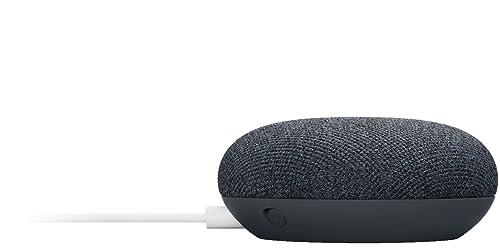
Both devices include physical microphone mute switches – a crucial privacy feature. When activated, the microphones are completely disconnected at the hardware level, not just software disabled. LED indicators clearly show when the microphones are muted, providing visual confirmation of privacy status.
You're building a multi-room voice system on a budget. The Nest Mini's low cost makes it practical to place Google Assistant access throughout your entire home. Kitchen timers, bedroom alarms, and bathroom weather updates become effortless with strategically placed Mini speakers.
Audio quality isn't your priority. If you primarily want voice control, news updates, and basic smart home functionality, the Nest Mini delivers everything you need. Many users find it perfectly adequate for background music while cooking or casual listening.
Space and aesthetics matter most. The Mini's tiny footprint and wall-mounting capability make it ideal for cramped spaces or minimalist aesthetics. It's particularly well-suited for bedrooms, bathrooms, and kitchens where a larger speaker would feel overwhelming.
Music listening is important to you. If you plan to actively listen to music, podcasts, or audiobooks, the Nest Audio's superior sound quality justifies its higher cost. The difference is immediately apparent and significantly impacts enjoyment.
You want one good speaker instead of multiple basic ones. Rather than spreading your budget across several Nest Mini devices, investing in a single Nest Audio for your primary listening space often provides better overall satisfaction.
You're considering home theater enhancement. While not a dedicated soundbar, the Nest Audio can meaningfully improve TV audio when used with Chromecast-enabled streaming.
Many users find success combining both speakers strategically. A Nest Audio in the living room or bedroom for music listening, supplemented by Nest Mini units in utility areas like kitchens and bathrooms for voice commands, maximizes both functionality and budget efficiency.
The choice between these speakers ultimately depends on your priorities and expectations. The Nest Mini excels as an affordable entry point to Google's smart home ecosystem, offering full voice assistant functionality in an unobtrusive package. It's genuinely impressive what Google has packed into such a small, inexpensive device.
However, if audio quality matters at all in your decision-making process, the Nest Audio is worth the additional investment. The sound quality difference isn't marginal – it's the difference between a functional device and an enjoyable one for music listening.
For most users starting their smart speaker journey, I'd recommend beginning with a single Nest Audio in your primary living space. If you find yourself wanting voice control in additional rooms, you can always add Nest Mini units later. This approach gives you the best audio experience where it matters most while keeping future expansion affordable.
The smart speaker market continues evolving rapidly, but Google's commitment to both products suggests they'll receive ongoing software updates and feature improvements. Either choice connects you to an ecosystem that will likely grow more capable and useful over time, making both speakers solid long-term investments for different types of users.
| Google Nest Audio Smart Speaker | Google Nest Mini 2nd Gen Smart Speaker |
|---|---|
| Audio Drivers - The most important factor for sound quality | |
| 75mm woofer + 19mm tweeter (dedicated drivers for bass/treble) | Single 40mm full-range driver (handles all frequencies) |
| Maximum Volume - How loud they can get without distortion | |
| 75% louder than original Google Home (suitable for medium rooms) | Limited volume, best for small spaces and background listening |
| Bass Response - Critical for music enjoyment | |
| 50% stronger bass than predecessor, satisfying low-end for most music | Minimal bass extension, thin sound for music listening |
| Physical Size - Impacts placement options and room aesthetics | |
| 175 x 124 x 78mm, 1.2kg (prominent tabletop presence) | 98 x 42mm, 181g (ultra-compact, wall-mountable) |
| Sound Dispersion - How audio fills the room | |
| Directional sound projection (front-facing design) | 360-degree sound dispersion (sounds same from all angles) |
| Power Requirements - Flexibility for placement | |
| 30W external adapter required (must stay plugged in) | 15W external adapter required (must stay plugged in) |
| Microphone Array - Voice recognition accuracy | |
| 3 far-field microphones (optimized for larger spaces) | 3 far-field microphones (upgraded from 2 in first generation) |
| Processor Performance - Affects response speed and features | |
| Quad-core A53 1.8GHz + ML hardware engine | Quad-core 64-bit ARM 1.4GHz + ML hardware engine |
| Smart Home Connectivity - Future-proofing and compatibility | |
| Wi-Fi ac, Bluetooth 5.0, Chromecast, Matter support | Wi-Fi ac, Bluetooth 5.0, Chromecast, Matter support |
| Stereo Pairing - Option for enhanced audio experience | |
| Can pair with another Nest Audio for true stereo | Cannot create stereo pair (mono audio only) |
| Best Use Cases - Who should buy each speaker | |
| Primary music listening, living rooms, dedicated audio zones | Voice commands, multi-room coverage, utility areas, bedgets |
| Value Proposition - Cost versus performance trade-offs | |
| Premium pricing justified by significantly better audio quality | Exceptional value for voice assistant features and smart home control |
The Google Nest Audio delivers significantly better sound quality for music listening. It features a 75mm woofer and 19mm tweeter that produce 75% more volume and 50% stronger bass than Google's previous speakers. The Google Nest Mini 2nd Gen has a single 40mm driver that's adequate for podcasts and background music but lacks the bass and clarity needed for serious music enjoyment.
The primary difference is audio performance and size. The Google Nest Audio is a larger, music-focused speaker with dual drivers and room-filling sound, while the Google Nest Mini 2nd Gen is an ultra-compact device designed for voice commands and basic audio needs. Both offer identical Google Assistant features, but the Audio excels at music while the Mini prioritizes affordability and placement flexibility.
The Google Nest Audio can serve as a basic TV audio improvement when connected via Chromecast, though it's not designed as a dedicated soundbar replacement. The Google Nest Mini 2nd Gen is not suitable for home theater use due to its limited volume and weak bass response. For meaningful TV audio enhancement, the Nest Audio is the only viable option between these two.
The Google Nest Mini 2nd Gen is ideal for small spaces due to its compact size and wall-mounting capability. However, if audio quality matters and you only need one speaker, the Google Nest Audio provides much better music listening despite being larger. The Mini works well when space is extremely limited or when you want multiple units throughout small rooms.
Yes, both the Google Nest Audio and Google Nest Mini 2nd Gen offer identical Google Assistant functionality. They can control smart home devices, answer questions, set timers, and play music with the same capabilities. Both feature three far-field microphones and Voice Match technology. The assistant performance is essentially identical between the two devices.
It depends on your priorities. The Google Nest Mini 2nd Gen offers exceptional value if you primarily want voice control and smart home features at the lowest cost. The Google Nest Audio provides better value if music quality matters, as the audio improvements justify the higher cost. For voice-only use, choose the Mini; for music listening, choose the Audio.
You can pair two Google Nest Audio speakers together for true stereo sound with left and right channel separation. The Google Nest Mini 2nd Gen cannot create stereo pairs but can be grouped with other Google speakers for synchronized multi-room audio. For stereo music listening, you need two Nest Audio units.
The Google Nest Mini 2nd Gen is more practical for whole-home coverage due to its lower cost and compact size. Many users place multiple Minis in kitchens, bathrooms, and bedrooms for voice control. However, a hybrid approach works well: one Google Nest Audio in the main living area for music, with Nest Mini units in utility areas.
Both speakers handle spoken content well, but the Google Nest Audio provides clearer vocals and better overall clarity for extended listening. The Google Nest Mini 2nd Gen is perfectly adequate for podcasts and audiobooks, especially with features like Ambient IQ that adjusts volume based on background noise. For casual listening, either works fine.
The Google Nest Mini 2nd Gen is better suited for kitchens and bathrooms due to its small footprint, wall-mounting option, and lower cost. These spaces typically prioritize voice commands for timers, weather, and music control over audio quality. The Google Nest Audio may be too large for many kitchen counters or bathroom vanities.
Yes, both the Google Nest Audio and Google Nest Mini 2nd Gen require constant power from wall outlets. Neither has a built-in battery. The Nest Audio uses a 30W adapter while the Mini uses a 15W adapter. This means both need to be positioned near electrical outlets and cannot be used outdoors or in portable situations.
If you plan to listen to music regularly, start with the Google Nest Audio as your primary speaker. If you mainly want voice assistant features and smart home control, the Google Nest Mini 2nd Gen is an excellent, affordable entry point. Many users find success starting with one Nest Audio for their main listening area, then adding Mini units to other rooms as needed.
We've done our best to create useful and informative comparisons to help you decide what product to buy. Our research uses advanced automated methods to create this comparison and perfection is not possible - please contact us for corrections or questions. These are the sites we've researched in the creation of this article: rtings.com - soundguys.com - bestbuy.com - androidcentral.com - whathifi.com - rtings.com - thenextweb.com - youtube.com - audiosciencereview.com - youtube.com - sypnotix.com - rtings.com - audioholics.com - youtube.com - store.google.com - store.google.com - youtube.com - support.google.com - cdn.adiglobaldistribution.us - dxomark.com - store.google.com - crutchfield.com - soundguys.com - soundguys.com - support.google.com - store.google.com - bestbuy.com - en.wikipedia.org - store.google.com - youtube.com - bestbuy.com - pocket-lint.com - goodhousekeeping.com - rtings.com - rtings.com - versus.com - tomsguide.com - versus.com - youtube.com - techradar.com - homedepot.com - gadgetconnect.co.ke - store.google.com - multitronic.fi - bestbuy.com - store.google.com - neweggbusiness.com - store.google.com - versus.com - youtube.com - adiglobaldistribution.us - aboonehomes.com

Privacy Policy
Terms and Conditions - Affiliate Policy
Home Security
© Copyright 2008-2026.
11816 Inwood Rd #1211, Dallas, TX 75244