

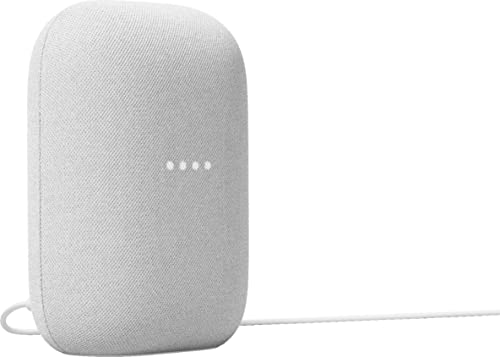
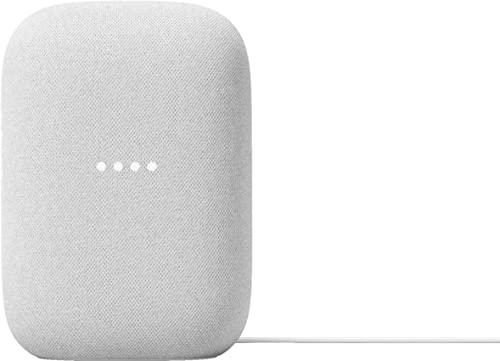
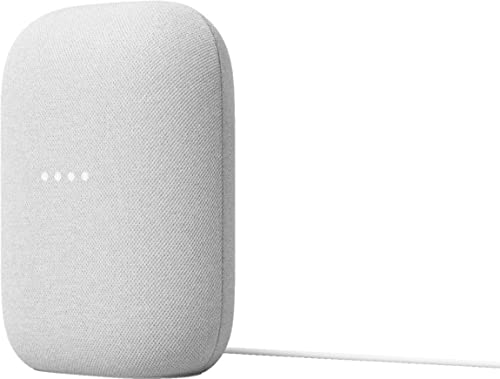
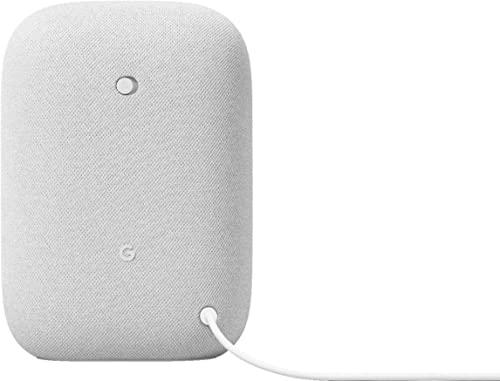




When shopping for a smart speaker, you're essentially choosing between two different philosophies. Do you want exceptional sound quality from a single, well-placed device, or would you prefer multiple affordable units throughout your home that excel at smart automation? This fundamental decision will guide you toward either the Google Nest Audio or the Amazon Echo Dot 5th Generation.
These products represent mature approaches to voice-controlled speakers, but they serve distinctly different purposes despite both offering music playback and smart home control. Understanding their strengths will help you make the right choice for your specific needs and budget.
Smart speakers have evolved far beyond simple voice-controlled music players. Today's devices serve as central hubs for home automation, personal assistants for daily tasks, and increasingly sophisticated audio systems. The key considerations include audio performance, voice recognition accuracy, smart home compatibility, and overall value.
Audio quality depends on several factors: driver size (the speaker components that produce sound), frequency response (how well different pitches are reproduced), and acoustic design. Voice recognition relies on microphone arrays (multiple microphones working together) and processing power to understand commands accurately, even with background noise.
Smart home integration has become crucial, with newer protocols like Matter (a universal standard allowing different smart devices to work together) and Zigbee (a wireless communication protocol for smart home devices) expanding compatibility across brands.
The Google Nest Audio launched in 2020 as Google's answer to criticism about the original Google Home's lackluster sound quality. Google positioned it as a mid-sized speaker that could serve as a room's primary audio source while maintaining comprehensive smart features.
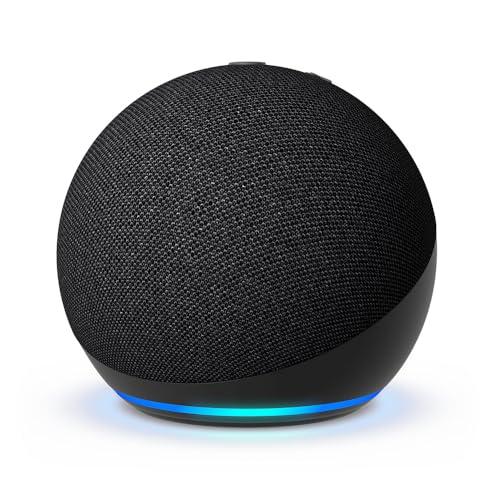
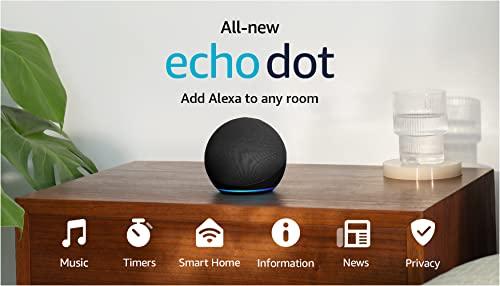
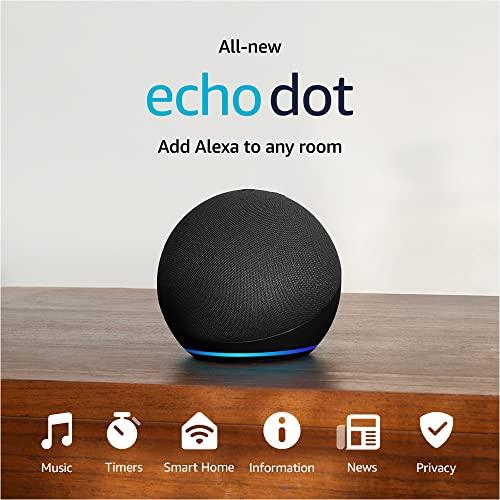
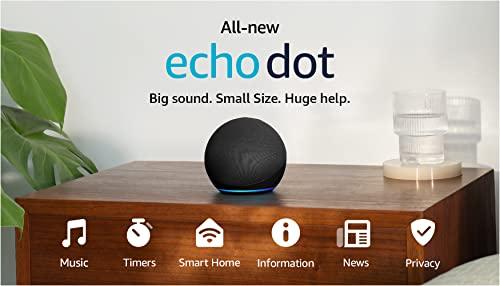
The Amazon Echo Dot 5th Generation arrived in 2022, representing Amazon's continued refinement of the compact smart speaker concept. Rather than competing directly on audio quality, Amazon focused on innovative smart features and maintaining an accessible price point.
These release dates matter because the Echo Dot benefits from two additional years of technological advancement, particularly in processing power and smart home capabilities. However, the Nest Audio had more time to establish itself in the market and receive software updates.
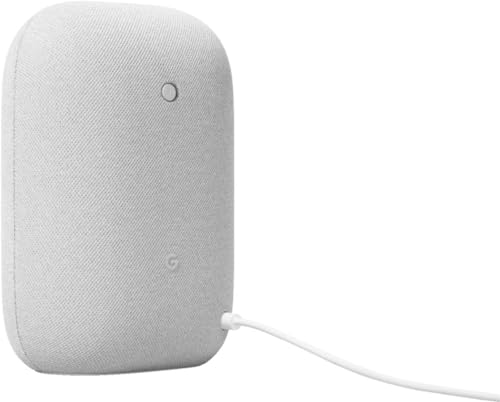
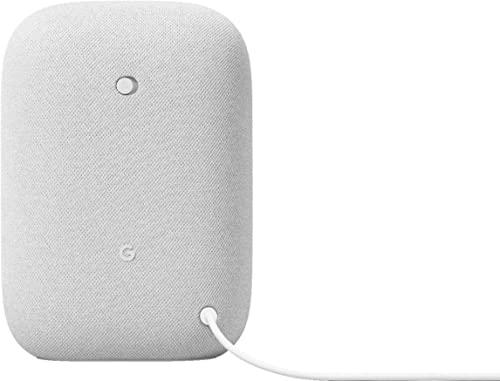
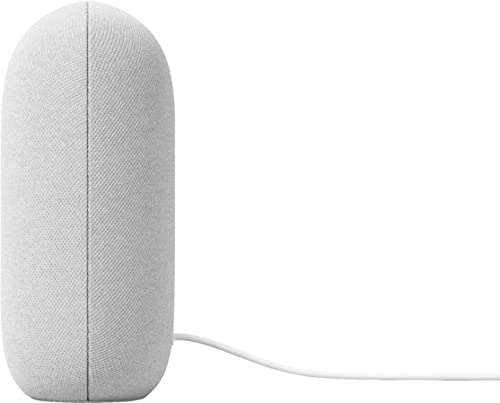
The most significant difference between these speakers lies in their audio capabilities, and physics plays a major role here. The Google Nest Audio measures significantly larger at roughly 7 inches tall and weighing 2.6 pounds, compared to the Echo Dot's compact 4-inch sphere weighing just 0.75 pounds.
The Nest Audio features a dedicated two-way speaker system: a 75mm woofer (the large driver that produces bass and midrange frequencies) paired with a 19mm tweeter (the small driver handling high frequencies). This separation allows each driver to specialize in its optimal frequency range, resulting in clearer, more detailed sound.
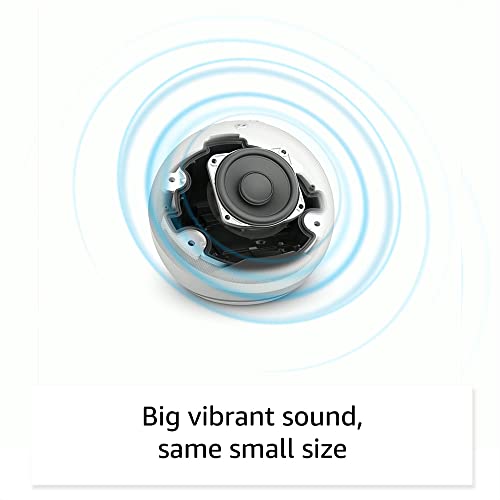
In contrast, the Echo Dot 5th Gen uses a single 44mm full-range driver. While Amazon has improved this driver compared to previous generations, asking one component to handle all frequencies inevitably involves compromises. The bass response suffers most dramatically due to the physical limitations of moving air in a small enclosure.
Google claims the Nest Audio produces 75% more volume than the original Google Home, with 50% stronger bass. In practical terms, this translates to room-filling sound that can comfortably provide background music for medium-sized living rooms or kitchens without strain.
The Echo Dot works best for near-field listening or smaller spaces. While the 5th generation offers noticeably improved bass over its predecessors, it still becomes compressed and harsh when pushed to higher volumes. Think of it as excellent for bedside music or podcast listening, but inadequate for dinner party background music.
The Nest Audio delivers what most listeners would consider a balanced frequency response, with particular strength in the midrange where vocals and lead instruments live. This makes it excellent for diverse musical genres and spoken content like podcasts or audiobooks.
The Echo Dot's frequency response emphasizes clarity in the upper midrange and treble, which makes voices and acoustic instruments sound crisp. However, the limited bass extension means bass-heavy music genres like hip-hop or electronic music sound thin and lacking in weight.
Both devices excel at voice recognition, but they approach the challenge differently. The key performance metrics here include wake word detection accuracy (how well they hear "Hey Google" or "Alexa"), command processing speed, and understanding of natural language.
The Nest Audio employs three far-field microphones with advanced beamforming technology (a technique that focuses on sound from specific directions while reducing background noise). Google's voice processing particularly excels at understanding conversational speech patterns and handling follow-up questions without repeating the wake word.
The Echo Dot 5th Generation also uses three far-field microphones, but benefits from Amazon's newer AZ2 Neural Edge Processor. This dedicated chip processes voice commands locally, resulting in noticeably faster response times compared to older Echo devices and even the Nest Audio in some scenarios.
An interesting technical advantage of the Nest Audio is its Ambient IQ feature. This technology automatically adjusts the speaker's volume based on background noise levels, ensuring voice content like news or podcasts remains audible when dishwashers start running or conversations begin nearby. This adaptive behavior works only with streamed content, not locally stored files.
The Echo Dot takes a more traditional approach but compensates with superior wake word detection at distance. In testing scenarios, it consistently responds to commands from farther away and performs better in noisy environments compared to many competitors.
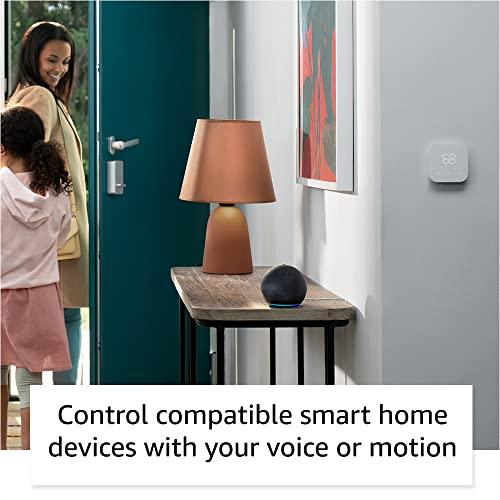
Modern smart speakers serve as command centers for home automation, and this is where the Echo Dot 5th Generation demonstrates clear technical superiority.
The Echo Dot includes two sensors that dramatically expand its smart home capabilities. The built-in temperature sensor allows for automated routines based on environmental conditions—imagine your heating system automatically adjusting when the bedroom gets too cold, or a fan turning on when your office becomes warm.
More innovative is the ultrasound motion detection system. This technology emits inaudible sound waves and detects movement by analyzing how those waves bounce back. Unlike infrared motion sensors that require line of sight, ultrasound can detect presence even when the device is tucked away on a shelf.
The Nest Audio lacks these environmental sensors, limiting its automation capabilities to voice commands and scheduled routines.
The Echo Dot 5th Gen supports both Matter and Zigbee protocols natively. Zigbee creates a mesh network (where devices communicate through each other to extend range and reliability) that can control hundreds of smart home devices without relying on your Wi-Fi network. Matter support ensures compatibility with smart devices from any manufacturer, future-proofing your investment.
Additionally, the Echo Dot can function as an Eero mesh Wi-Fi extender when paired with compatible Eero routers, effectively adding up to 1,000 square feet of Wi-Fi coverage. This dual functionality provides tangible value beyond its smart speaker capabilities.
The Nest Audio recently gained Matter support but lacks Zigbee connectivity and doesn't offer Wi-Fi extension capabilities.
These speakers reflect different design priorities. The Nest Audio emphasizes premium materials and aesthetic integration with home decor. Its fabric covering uses 70% recycled plastic, and the minimalist design lacks visible branding or busy button layouts. Available in five colors including sophisticated options like Sage and Sand, it's designed to complement rather than dominate a room's visual space.
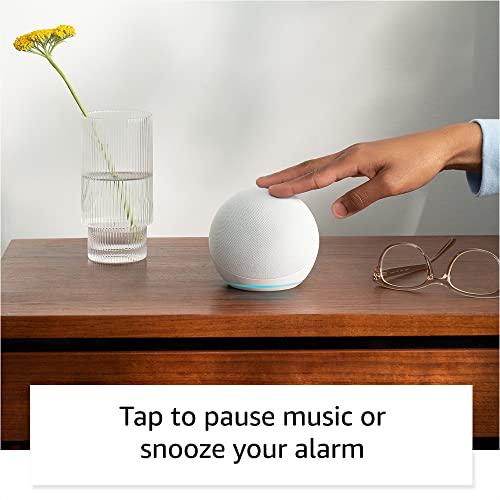
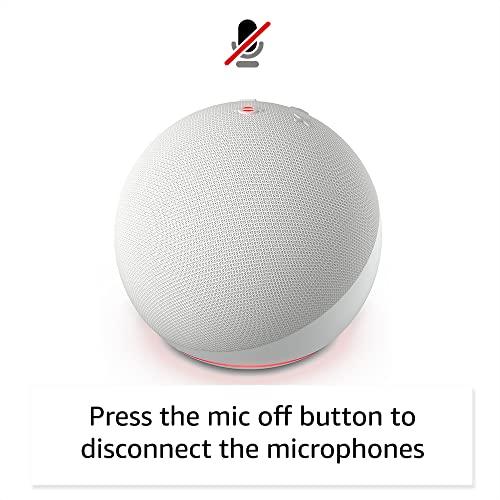
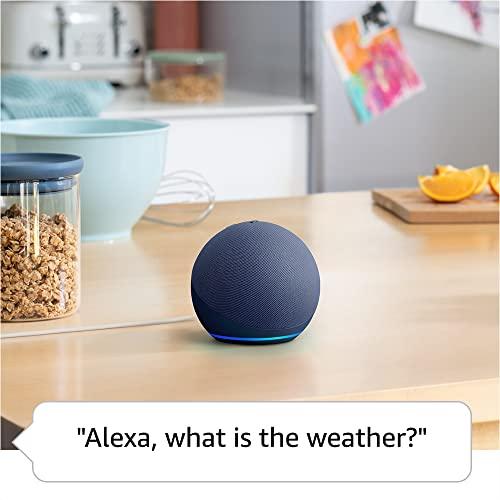
The Echo Dot prioritizes functional design with its compact sphere and prominent control buttons. The four physical buttons on top (volume up/down, microphone mute, and action) provide tactile feedback that many users prefer over touch controls. The LED ring at the base clearly communicates the device's status, making interactions more intuitive.
The Nest Audio uses capacitive touch controls (touch-sensitive areas that respond to finger contact) for basic functions, but most interaction happens through voice commands. The minimal physical interface reinforces its role as an aesthetic object that happens to be a speaker.
The Echo Dot introduces tap gesture controls using an internal accelerometer (a sensor that detects movement and orientation changes). Users can tap the top to pause music, snooze alarms, or stop timers—a surprisingly useful feature that reduces dependence on voice commands during early morning or late-night use.
At the time of writing, the Echo Dot 5th Generation typically costs roughly half as much as the Nest Audio, making value comparison complex. The question isn't just about upfront cost, but about what you're getting for your money and how long it will serve your needs.
The Echo Dot packs remarkable technology into its affordable package. The temperature sensor, motion detection, Eero functionality, and improved audio represent significant engineering achievements at this price point. Purchasing equivalent sensors and Wi-Fi extenders separately would cost substantially more.
The Nest Audio justifies its higher price through superior audio quality and build materials. For users who primarily want good sound quality with smart features as a bonus, the investment makes sense.
Both devices tie you into their respective ecosystems, but with different implications. Amazon's broader smart home compatibility and third-party integrations provide more flexibility for future expansion. Google's ecosystem offers tighter integration with Android devices and Google services, but potentially limits smart home device choices.
Consider that smart speakers typically last 3-5 years before feeling outdated. The Echo Dot's lower price makes replacement or expansion less painful, while the Nest Audio's superior build quality suggests it might remain relevant longer.
Neither speaker serves as a serious home theater component, but they handle different supporting roles effectively. The Nest Audio can provide ambient music before movie nights and handle voice commands for smart lighting or streaming device control. Its better audio quality makes it suitable for casual TV audio via Chromecast, though it won't replace a proper soundbar.
The Echo Dot excels as a bedroom or kitchen companion to a main home theater system. Its compact size fits on nightstands or kitchen counters without dominating the space, while its smart features handle routine tasks like setting sleep timers or morning alarms.
For whole-home audio, these speakers serve different strategies. Multiple Echo Dots throughout the house create an affordable multi-room system with consistent voice control everywhere. The relatively modest audio quality becomes less important when each room has its own dedicated speaker.
A mixed approach using a Nest Audio in the main living area supplemented by smaller speakers in bedrooms and bathrooms often provides the best balance of quality and coverage.
The Google Nest Audio makes sense if you're primarily buying one speaker for a main living area where audio quality matters. If you're invested in Google's ecosystem, use YouTube Music as your primary streaming service, or simply prefer fewer, higher-quality devices over multiple budget units, it's the clear choice.
The Amazon Echo Dot 5th Generation wins for almost everyone else. Its innovative sensors, broader smart home compatibility, affordable price, and improved audio quality make it exceptional value. The compact size encourages placement throughout the home, creating a comprehensive smart home system rather than just a good speaker.
For most households, I'd recommend starting with an Echo Dot to explore smart home capabilities, then potentially upgrading to a Nest Audio or similar higher-end speaker later if audio quality becomes a priority. The Echo Dot's low cost makes experimentation affordable, while its advanced features provide room to grow into more sophisticated home automation.
Both speakers represent mature, well-executed products, but they serve fundamentally different needs. Your choice should align with whether you prioritize audio quality and simplicity or smart features and expandability.
| Google Nest Audio | Amazon Echo Dot 5th Generation |
|---|---|
| Physical Size - Determines placement options and audio potential | |
| 175 × 124 × 78mm, 1.2kg (substantial presence) | 100 × 100 × 89mm, 340g (fits anywhere) |
| Audio Drivers - Key factor in sound quality differences | |
| 75mm woofer + 19mm tweeter (dedicated bass/treble) | Single 44mm full-range driver (compact compromise) |
| Sound Performance - Most noticeable difference in daily use | |
| Room-filling volume, clear mids, decent bass for size | Background music quality, limited bass, good vocals |
| Voice Assistant Speed - Affects daily interaction smoothness | |
| Standard Google Assistant processing | AZ2 Neural Edge Processor (noticeably faster responses) |
| Built-in Sensors - Enables advanced home automation | |
| None (voice control only) | Temperature sensor + ultrasound motion detection |
| Smart Home Protocols - Determines device compatibility range | |
| Matter support, Google ecosystem focused | Matter + Zigbee support (broader compatibility) |
| Physical Controls - Important for non-voice interactions | |
| Capacitive touch controls (3 areas) | Physical buttons + tap gestures (more tactile) |
| Wi-Fi Extension - Adds networking value to the purchase | |
| None | Built-in Eero mesh extender capability |
| Color Options - Affects home decor integration | |
| 5 colors including premium Sage/Sand options | 3 standard colors (Charcoal, Blue, White) |
| Best Room Size - Where each performs optimally | |
| Medium rooms (living room, kitchen) | Small spaces (bedroom, bathroom, office) |
| Multi-Room Strategy - How to scale throughout home | |
| One quality speaker per main area | Multiple affordable units in every room |
| Primary Strength - What each does exceptionally well | |
| Superior audio quality for the Nest Audio's size class | Advanced smart features at budget-friendly price |
The Google Nest Audio delivers significantly better sound quality with its dedicated 75mm woofer and 19mm tweeter setup. It produces room-filling audio with clearer vocals and deeper bass compared to the Amazon Echo Dot 5th Generation, which uses a single smaller driver that's better suited for background music and podcasts.
The Google Nest Audio is much larger at 175 × 124 × 78mm and weighs 1.2kg, making it a substantial presence designed for countertops or shelves. The Amazon Echo Dot 5th Generation is compact at 100 × 100 × 89mm and weighs just 340g, fitting easily on nightstands or small spaces throughout your home.
The Amazon Echo Dot 5th Generation excels at smart home control with built-in temperature and motion sensors, Matter and Zigbee support, and faster processing. While the Google Nest Audio handles basic smart home tasks well, it lacks the advanced sensors and broader device compatibility of the Echo Dot.
Neither speaker is designed for serious home theater use, but the Google Nest Audio can serve as a casual TV audio solution via Chromecast with better sound quality. The Amazon Echo Dot 5th Generation works better as a bedroom or kitchen companion for voice control of your main entertainment system.
The Amazon Echo Dot 5th Generation typically responds faster thanks to its AZ2 Neural Edge Processor that handles voice commands locally. The Google Nest Audio provides reliable Google Assistant performance but generally takes slightly longer to process and respond to commands.
The Google Nest Audio integrates seamlessly with Google services like Gmail, Calendar, and YouTube Music, making it ideal for Android users. The Amazon Echo Dot 5th Generation offers broader third-party compatibility and more extensive smart home integrations, providing greater flexibility for mixed-device households.
The Amazon Echo Dot 5th Generation provides exceptional value with advanced sensors, smart home capabilities, and improved audio at a budget-friendly price point. The Google Nest Audio costs more but justifies it with superior sound quality and premium build materials for users prioritizing audio performance.
Both speakers support multi-room audio within their ecosystems. Multiple Amazon Echo Dot 5th Generation units create an affordable whole-home system, while the Google Nest Audio works best as a primary speaker supplemented by smaller units in secondary rooms.
The Amazon Echo Dot 5th Generation includes temperature sensing for automated routines, motion detection, and can function as an Eero Wi-Fi extender. The Google Nest Audio features Ambient IQ technology that adjusts volume based on background noise and Voice Match for personalized responses.
The Google Nest Audio is significantly better for music with its larger drivers producing fuller, more balanced sound suitable for active listening. The Amazon Echo Dot 5th Generation handles background music adequately but isn't designed for critical music listening or filling larger rooms with quality audio.
The Amazon Echo Dot 5th Generation offers more physical control options with four dedicated buttons plus tap gestures for common functions like pausing music or snoozing alarms. The Google Nest Audio uses minimalist capacitive touch controls, emphasizing voice interaction over physical buttons.
For most first-time buyers, the Amazon Echo Dot 5th Generation is the better choice due to its affordable price, comprehensive smart features, and room to grow into home automation. Choose the Google Nest Audio if you're primarily interested in good sound quality with smart features as a secondary benefit.
We've done our best to create useful and informative comparisons to help you decide what product to buy. Our research uses advanced automated methods to create this comparison and perfection is not possible - please contact us for corrections or questions. These are the sites we've researched in the creation of this article: rtings.com - pocket-lint.com - whathifi.com - store.google.com - sypnotix.com - store.google.com - techradar.com - rtings.com - audiosciencereview.com - youtube.com - soundguys.com - audioholics.com - store.google.com - store.google.com - youtube.com - support.google.com - soundguys.com - dxomark.com - thenextweb.com - support.google.com - dimensions.com - store.google.com - store.google.com - bestbuy.com - en.wikipedia.org - store.google.com - cybershack.com.au - matteralpha.com - soundguys.com - reviewed.com - youtube.com - youtube.com - whathifi.com - youtube.com - youtube.com - dell.com - bestbuy.com - youtube.com - youtube.com - nfm.com - soundguys.com - staples.com - homedepot.com - techradar.com - gadgets360.com - youtube.com - versus.com - en.wikipedia.org

Privacy Policy
Terms and Conditions - Affiliate Policy
Home Security
© Copyright 2008-2026.
11816 Inwood Rd #1211, Dallas, TX 75244