

Smart speakers have transformed how we interact with our homes, evolving from simple voice assistants into sophisticated audio devices that can control everything from lights to thermostats. But choosing the right one isn't straightforward anymore—especially when comparing two devices that take fundamentally different approaches to smart home integration.
The Google Nest Audio and Amazon Echo Spot 2024 represent two distinct philosophies in smart home design. One prioritizes audio excellence, while the other focuses on visual functionality. Understanding these differences is crucial for making the right choice for your specific needs and living situation.
Before diving into specifics, it's important to understand what makes modern smart speakers tick. At their core, these devices combine several key technologies: far-field microphones (specialized mics that can hear you from across the room), digital signal processing (computer algorithms that clean up audio), and wireless connectivity that links them to cloud-based artificial intelligence.
The smart speaker market has matured significantly since Amazon's original Echo launched in 2014. Today's devices offer dramatically improved sound quality, better voice recognition, and seamless integration with dozens of smart home devices. However, manufacturers have begun specializing their products for specific use cases rather than creating one-size-fits-all solutions.
This specialization is clearly evident when comparing the Google Nest Audio, released in 2020 as Google's premium audio-focused smart speaker, with the Amazon Echo Spot 2024, which returned to market in 2024 after Amazon discontinued the original Echo Spot. These products target different needs entirely, making direct comparison both challenging and illuminating.
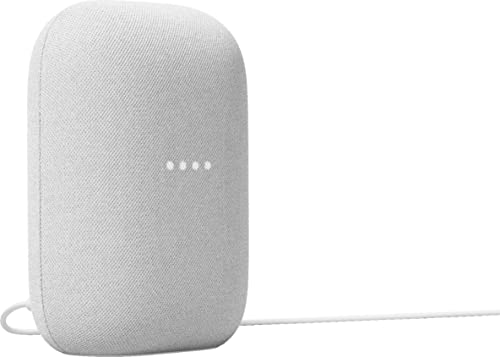
The Google Nest Audio was engineered specifically to address criticisms about smart speakers having poor audio quality. Google equipped it with a substantial 75mm woofer (the driver that produces bass and midrange frequencies) paired with a 19mm tweeter (responsible for high-frequency details like cymbals and vocal clarity). This combination delivers what audio engineers call a "balanced frequency response"—meaning no particular frequency range dominates at the expense of others.
What sets the Nest Audio apart is its real-time audio processing algorithm. This sophisticated software continuously analyzes the music you're playing and adjusts the sound output to maintain consistent tonal balance. For instance, if you're listening to a bass-heavy track, the algorithm prevents the low frequencies from overwhelming the vocals. This adaptive approach results in remarkably consistent sound quality across different music genres.
The speaker's front-firing design (sound projects forward rather than in all directions) works well for most room placements, though it means you'll want to position it facing your main listening area. In practice, this translates to clear, room-filling sound that works well for everything from morning news podcasts to evening music sessions.
The Amazon Echo Spot 2024, with its compact 1.73-inch driver, takes a fundamentally different approach. Amazon designed this speaker primarily for voice assistant interactions and casual listening rather than serious music reproduction. The driver size alone tells the story—it's roughly half the diameter of competing dedicated smart speakers.
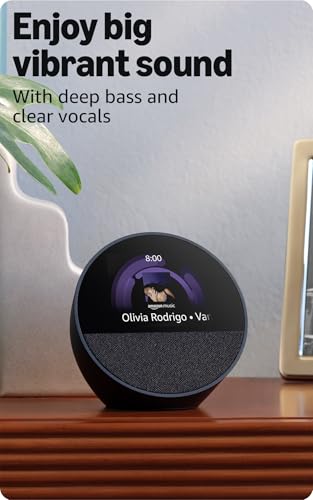
However, dismissing the Echo Spot's audio capabilities entirely would be unfair. For its intended use case—bedside listening, voice commands, and background music in small spaces—it performs admirably. The sound is clear and balanced, with sufficient volume for personal listening. Alexa's voice comes through crisp and easily understood, which is crucial for a device you might interact with in the dark.
When evaluating smart speaker audio, several technical specifications matter most:
Dynamic Range refers to the difference between the quietest and loudest sounds a speaker can reproduce. The Nest Audio excels here, handling everything from whisper-quiet piano passages to thunderous orchestral crescendos without compression (the undesirable squashing of audio dynamics that makes music sound flat).
Frequency Response measures how evenly a speaker reproduces different pitches. Based on our research into professional reviews and user feedback, the Nest Audio maintains more consistent output across the frequency spectrum, while the Echo Spot shows some limitations in the deepest bass frequencies—entirely expected given its size constraints.
Maximum Volume without distortion is where the size difference becomes most apparent. The Nest Audio can fill medium to large rooms with clear sound, while the Echo Spot works best for near-field listening in smaller spaces.
The Google Nest Audio showcases Google Assistant's most impressive capabilities. Voice Match technology allows the device to recognize different family members' voices, providing personalized responses for calendar inquiries, music preferences, and smart home controls. This feature proves particularly valuable in households where multiple people have different streaming service subscriptions or daily routines.
Google's natural language processing (the AI that interprets what you're saying) consistently demonstrates superior understanding of complex, conversational requests. Ask it something like "Play that song from the movie we watched last weekend" and it often succeeds where other assistants struggle.
The Nest Audio also excels at contextual follow-up questions. After asking about weather, you can simply say "How about tomorrow?" without restating the full query—a seemingly small feature that makes daily interactions feel more natural.
The Amazon Echo Spot 2024 leverages Alexa's mature smart home ecosystem, which includes thousands of compatible devices and third-party skills (think of these as apps for voice assistants). Amazon's head start in the smart speaker market means broader device compatibility, especially with older smart home products.
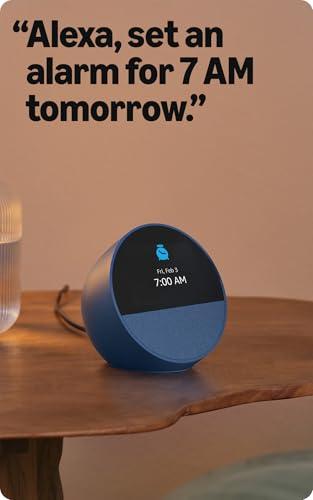
Alexa's routines feature allows complex automation scenarios. For example, you could create a "Good Morning" routine that gradually increases bedroom lighting, starts your coffee maker, and provides a weather briefing—all triggered by your first alarm dismissal or motion detection from the Echo Spot's built-in sensor.
The ultrasonic motion sensor deserves special mention. Unlike cameras or infrared sensors, ultrasonic sensors detect movement through sound waves, making them more privacy-friendly while enabling occupancy-based automations. Walk into your bedroom, and the Echo Spot can automatically adjust lighting or temperature without any voice command.
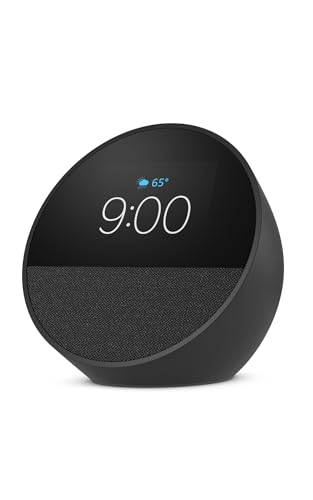
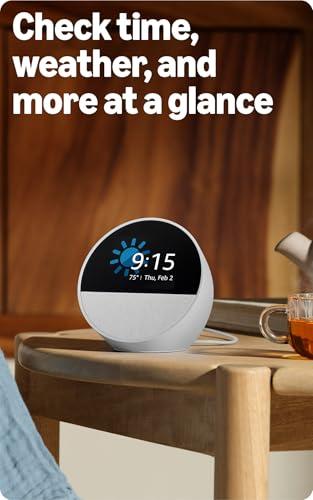
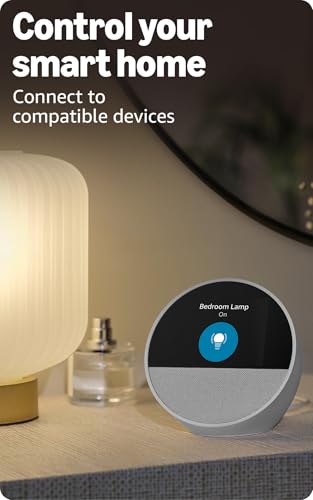
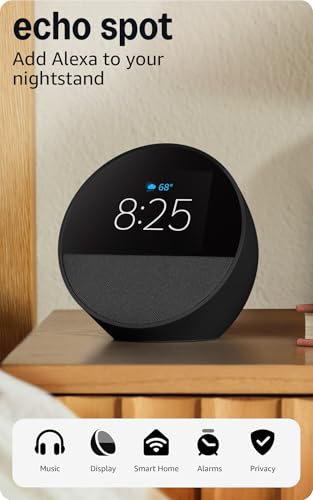
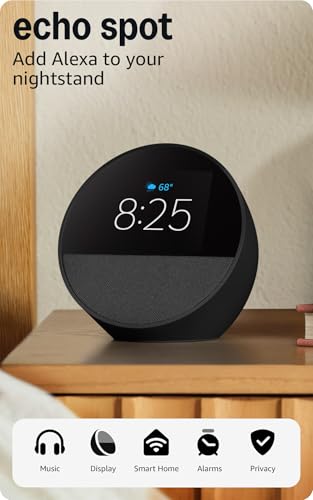
The Echo Spot's 2.83-inch color display fundamentally changes how you interact with a smart speaker. While the screen isn't large enough for video streaming, it excels at displaying information you frequently need at a glance: time, weather, current music, and smart home device status.
The customizable clock faces add personality while remaining functional. Six different animated themes ensure the device can match various bedroom aesthetics, from minimalist digital displays to more decorative analog clock faces. The display automatically dims at night, preventing sleep disruption while remaining readable if you need to check the time.
Touch controls complement voice commands effectively. Quick volume adjustments, smart device toggles, and alarm dismissals can all be handled silently—particularly valuable for early morning routines when you don't want to wake others.
The Google Nest Audio, lacking any visual interface, requires smartphone app access or voice commands for all interactions. While this maintains the device's clean aesthetic, it can feel limiting when you want to quickly check settings or confirm smart home device status without speaking aloud.
Both devices support Matter, the new smart home standard designed to improve device compatibility across different ecosystems. However, their approaches to smart home control differ significantly.
The Nest Audio integrates seamlessly with Google's services ecosystem. If you use Gmail, Google Calendar, YouTube Music, or Google Photos extensively, the synergy is remarkable. The device can announce calendar appointments, control Chromecast devices, and provide personalized information based on your Google account activity.
The Echo Spot 2024 offers broader third-party device compatibility through its established Alexa ecosystem. While it doesn't include a Zigbee hub (unlike some other Echo devices), it still supports a vast array of smart home products through Wi-Fi and cloud-based connections.
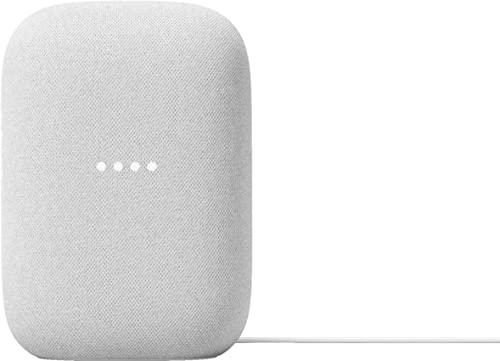
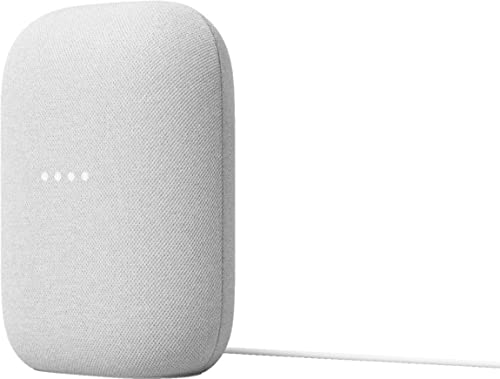
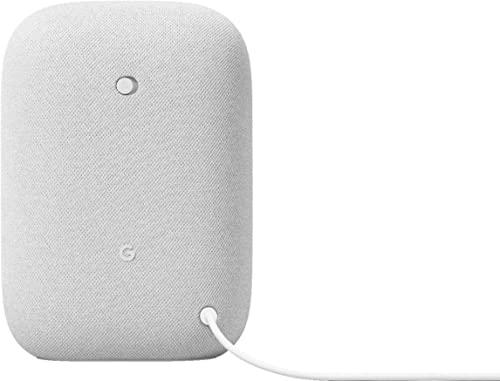
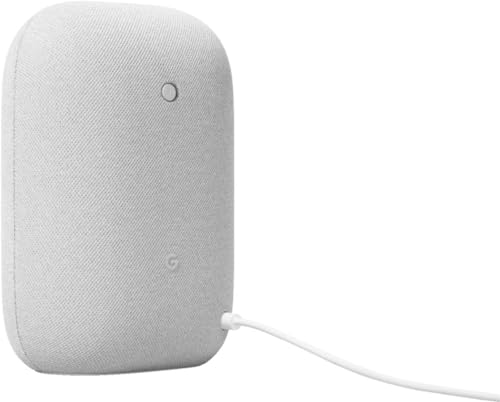
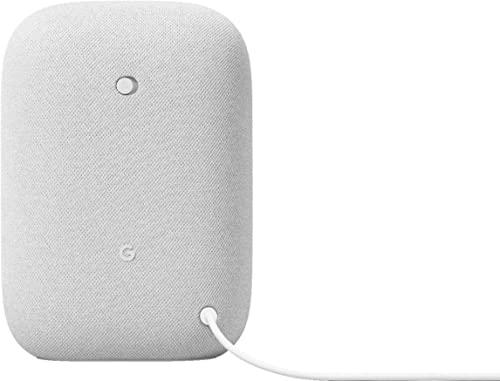
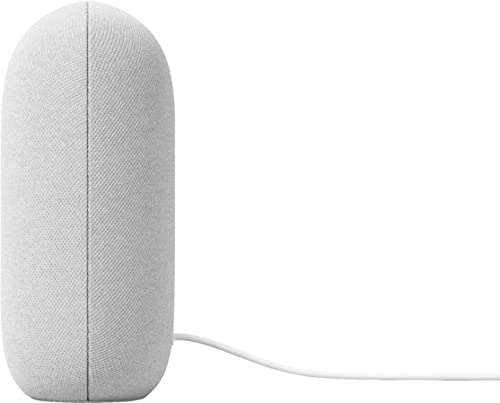
The Google Nest Audio embodies minimalist design principles. Its fabric-wrapped exterior, made from 70% recycled plastic, comes in five subtle colors designed to disappear into home decor. The device measures roughly 7 inches tall, making it suitable for bookshelves, side tables, or entertainment centers without dominating the visual space.
The Amazon Echo Spot 2024 takes a more functional approach with its semi-spherical design and prominent display. At roughly 4.5 inches in each dimension, it's designed specifically for bedside or desk placement where its alarm clock functionality takes precedence over aesthetic integration.
For home theater applications, neither device serves as a primary audio source, but they can play supporting roles. The Nest Audio works well as a voice control hub for compatible smart TVs and streaming devices, particularly those in Google's ecosystem. Its superior audio quality makes it suitable for casual TV audio in smaller rooms, though it can't replace a proper soundbar or surround sound system.
The Echo Spot 2024 functions better as a bedside companion for bedroom entertainment setups. Its compact size and visual interface make it ideal for controlling bedroom TVs, adjusting lighting during movie nights, or setting sleep timers without disturbing others.
At the time of writing, both devices occupy similar price ranges in the smart speaker market, though the Nest Audio typically commands a slight premium reflecting its superior audio hardware. However, pricing fluctuates frequently, particularly during promotional periods.
The Nest Audio delivers exceptional value for users prioritizing audio quality. Its sound performance rivals dedicated Bluetooth speakers costing significantly more, while adding comprehensive smart home capabilities. For households where the smart speaker will serve as a primary music source, this represents compelling value.
The Echo Spot 2024 justifies its pricing through unique functionality rather than raw audio performance. No other major manufacturer offers a comparably compact smart display with alarm clock features. For users specifically seeking a smart bedside companion, the specialized feature set justifies the cost.
Choose the Google Nest Audio if music quality matters most to your household. Its superior drivers and processing make it ideal for living rooms, kitchens, or any space where you regularly listen to music. The device excels in Google's ecosystem, making it particularly attractive for Android users or families heavily invested in Google services.
The Nest Audio also makes more sense for multi-room audio systems. Its consistent sound signature and robust wireless connectivity support create seamless whole-home audio experiences when paired with other Google smart speakers.
Select the Amazon Echo Spot 2024 for bedside use or situations where visual information adds significant value. Its display functionality, compact footprint, and specialized alarm clock features make it unmatched for bedroom deployment. The motion sensor enables sophisticated automation scenarios that pure audio speakers can't replicate.
The Echo Spot also suits users who prefer Amazon's broader smart home ecosystem or frequently use Alexa's extensive skills library. If you already own multiple Echo devices, the Spot integrates seamlessly for drop-in calling and multi-room announcements.
These devices succeed in different scenarios because they solve different problems. The Google Nest Audio excels as a high-quality smart speaker that happens to look great, while the Amazon Echo Spot 2024 succeeds as a smart alarm clock that happens to play music.
Neither choice is objectively better—they're optimized for different use cases. Understanding your primary needs, room constraints, and ecosystem preferences will guide you to the right decision. In many households, the ideal solution might actually be both: a Nest Audio for main living areas and an Echo Spot for the bedroom, leveraging each device's unique strengths where they matter most.
| Google Nest Audio Speaker | Amazon Echo Spot 2024 Smart Alarm Clock |
|---|---|
| Audio Quality - Most important for music listening and room-filling sound | |
| 75mm woofer + 19mm tweeter with real-time processing delivers room-filling audio | 1.73-inch driver optimized for voice and near-field listening |
| Display - Critical for visual information and bedside use | |
| No display - voice and app control only | 2.83-inch color touchscreen (320x240) with customizable clock faces |
| Primary Use Case - Determines which device fits your needs | |
| Music-focused smart speaker for living areas | Smart alarm clock for bedside/desk use |
| Voice Assistant - Affects smart home integration and service compatibility | |
| Google Assistant with Voice Match for personalized responses | Alexa with extensive skills library and smart home compatibility |
| Size and Placement - Important for room integration | |
| 175 x 124 x 78mm - designed for shelves and entertainment areas | 113 x 103 x 111mm - compact for nightstands and desks |
| Smart Home Features - Determines automation capabilities | |
| Matter support, Chromecast built-in, multi-room audio | Matter support, motion sensor for occupancy automation, touch controls |
| Design Philosophy - Affects how it fits in your home | |
| Minimalist fabric design in 5 colors, blends into decor | Functional semi-sphere with display, alarm clock aesthetic |
| Connectivity - Important for streaming and device compatibility | |
| Wi-Fi, Bluetooth 5.0, Chromecast built-in | Wi-Fi, Bluetooth A2DP/AVRCP, no video streaming |
| Audio Performance Range - Determines room size suitability | |
| Medium to large rooms with directional, powerful sound | Small spaces and personal listening environments |
| Privacy Features - Important for bedroom and personal use | |
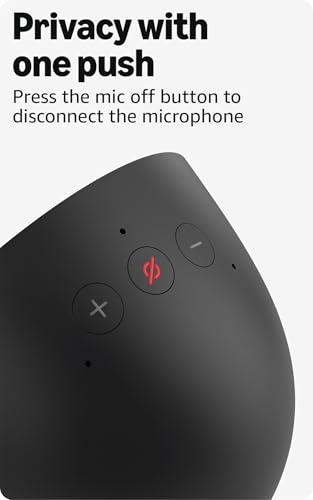
| Hardware mic mute switch, no camera | Hardware mic mute, no camera, designed for private spaces |
| Unique Features - Differentiating capabilities that matter most | |
| Adaptive EQ, multi-room sync, superior music reproduction | Tap-to-snooze, motion detection, visual smart home controls |
| Best Value For - Who should choose each product | |
| Music lovers wanting premium audio with smart features | Users needing smart alarm clock with display functionality |
The Google Nest Audio Speaker delivers significantly better sound quality with its 75mm woofer and 19mm tweeter combination. It's designed specifically for music listening with room-filling audio, while the Amazon Echo Spot 2024 has a smaller 1.73-inch driver optimized for voice commands and casual listening in small spaces.
The Amazon Echo Spot 2024 Smart Alarm Clock is specifically designed for bedroom use with its compact size, display that dims at night, and tap-to-snooze functionality. The Google Nest Audio Speaker can work in bedrooms but lacks visual features and is better suited for living areas where audio quality matters most.
Both devices excel at smart home control but in different ways. The Amazon Echo Spot 2024 offers visual controls through its touchscreen and motion sensor automation, while the Google Nest Audio Speaker provides superior voice recognition and seamless integration with Google services and Chromecast devices.
Only the Amazon Echo Spot 2024 Smart Alarm Clock has a display - a 2.83-inch color touchscreen that shows time, weather, and smart home controls. The Google Nest Audio Speaker has no display and relies entirely on voice commands and smartphone app control.
For small apartments, the Amazon Echo Spot 2024 works well as a space-saving bedside device, while the Google Nest Audio Speaker is better for main living areas where you want quality music playback. Consider your primary use case - alarm clock functionality versus music listening.
The Google Nest Audio Speaker supports Google Duo calling, while the Amazon Echo Spot 2024 Smart Alarm Clock supports Alexa calling and drop-in features between Echo devices. Both offer hands-free calling capabilities through their respective ecosystems.
The Google Nest Audio Speaker excels with Google-integrated services like YouTube Music and has Chromecast built-in for seamless streaming. The Amazon Echo Spot 2024 supports major streaming services through Alexa but is limited by its smaller speaker for music enjoyment.
Neither device serves as a primary home theater speaker, but the Google Nest Audio Speaker can work as a voice control hub for compatible smart TVs and provides better audio for casual viewing in smaller rooms. The Amazon Echo Spot 2024 is better as a bedside companion for bedroom entertainment controls.
The Google Nest Audio Speaker generally offers superior voice recognition with Voice Match technology that recognizes different family members and provides personalized responses. The Amazon Echo Spot 2024 Smart Alarm Clock has reliable voice recognition but may be slightly less accurate in noisy environments.
Yes, both the Google Nest Audio Speaker and Amazon Echo Spot 2024 can control smart lights, thermostats, and other compatible devices. The key difference is that the Amazon Echo Spot 2024 offers visual controls through its touchscreen, while the Google Nest Audio relies on voice commands.
Both devices prioritize privacy with hardware microphone mute switches and no cameras. The Amazon Echo Spot 2024 Smart Alarm Clock is specifically designed for private bedroom use, while the Google Nest Audio Speaker uses Voice Match to keep individual user information separate in multi-person households.
Many users find value in having both - the Google Nest Audio Speaker for main living areas where audio quality matters, and the Amazon Echo Spot 2024 Smart Alarm Clock for the bedroom where visual features and alarm functionality are most valuable. This combination leverages each device's unique strengths.
We've done our best to create useful and informative comparisons to help you decide what product to buy. Our research uses advanced automated methods to create this comparison and perfection is not possible - please contact us for corrections or questions. These are the sites we've researched in the creation of this article: rtings.com - pocket-lint.com - whathifi.com - store.google.com - sypnotix.com - store.google.com - techradar.com - rtings.com - audiosciencereview.com - youtube.com - soundguys.com - audioholics.com - store.google.com - store.google.com - youtube.com - support.google.com - soundguys.com - dxomark.com - thenextweb.com - support.google.com - dimensions.com - store.google.com - store.google.com - bestbuy.com - en.wikipedia.org - store.google.com - cybershack.com.au - matteralpha.com - bestbuy.com - tomsguide.com - nextpit.com - versus.com - techradar.com - versus.com - youtube.com - youtube.com - manuals.plus - techgadgetscanada.com - bestbuy.com - youtube.com - homedepot.com - homedepot.com - youtube.com - soundguys.com - youtube.com

Privacy Policy
Terms and Conditions - Affiliate Policy
Home Security
© Copyright 2008-2026.
11816 Inwood Rd #1211, Dallas, TX 75244