


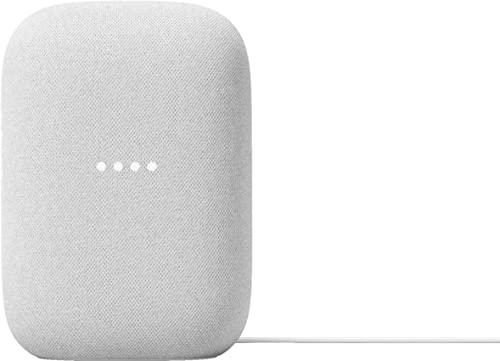
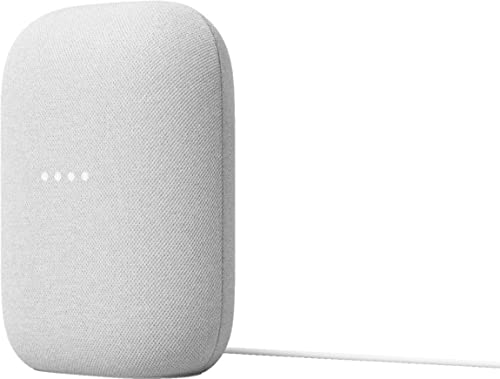
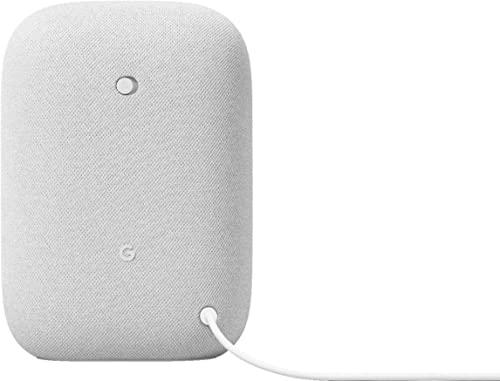
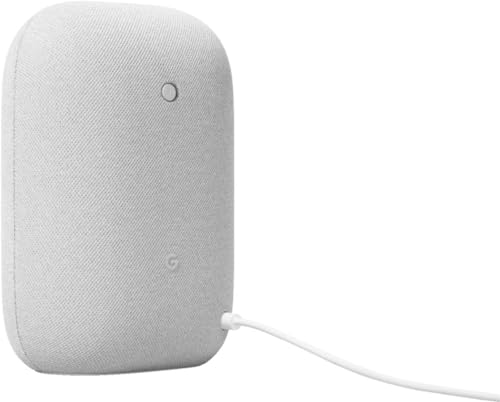
When you're looking to add some intelligence to your home, you'll quickly discover two very different approaches to smart home control. The Amazon Echo Show 15 represents the visual approach—a large touchscreen that acts as your home's command center. Meanwhile, the Google Nest Audio takes the audio-first route, focusing on exceptional sound quality and voice interaction. Understanding these different philosophies is crucial because they'll determine how you interact with your smart home every day.
Think of smart home devices as falling into two camps: those that show you information and those that tell you information. The Amazon Echo Show 15 is essentially a tablet permanently mounted on your wall, displaying everything from your calendar to weather forecasts at a glance. You can touch the screen, talk to it, or just look at it for information. The Google Nest Audio, on the other hand, is purely conversational—you ask it questions, and it responds with voice, music, or sounds.
This fundamental difference affects everything: where you place the device, how much you'll use it, and what kinds of tasks it excels at. Visual devices like the Echo Show 15 work best in central locations where family members naturally gather, while audio devices like the Nest Audio can work effectively in any room where you spend time.
The choice between these approaches often comes down to your lifestyle. Do you prefer to see your schedule, reminders, and smart home status at a glance? Or are you comfortable asking for information and getting spoken responses? Both methods have their merits, and some households benefit from having both types of devices working together.
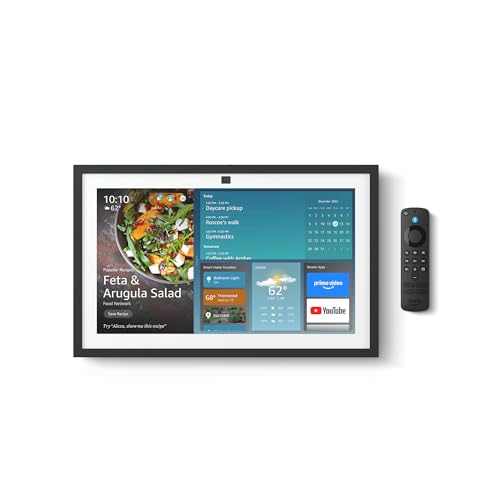
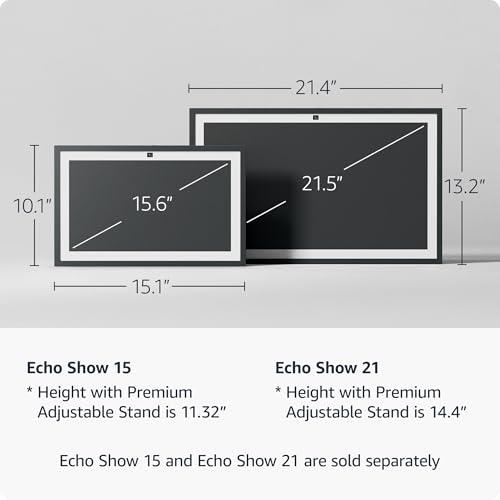
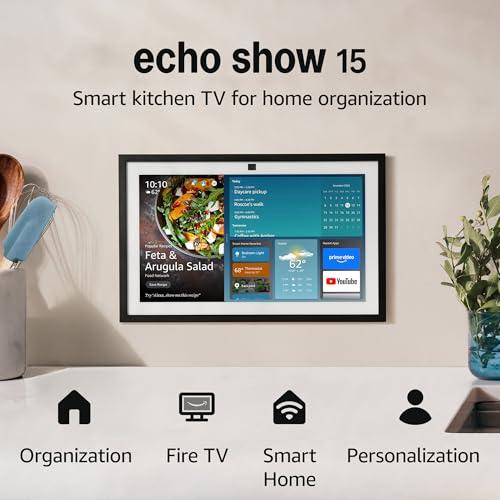
Released in 2021, the Amazon Echo Show 15 was Amazon's ambitious attempt to create the ultimate family organization hub. With its massive 15.6-inch Full HD display, it's by far the largest Echo Show device Amazon has ever made. The company clearly designed this device to live permanently on your wall, functioning as a digital family bulletin board that everyone can see and use.
The 15.6-inch screen isn't just big—it's intelligently designed. Running at 1920 x 1080 resolution (the same as many computer monitors), it delivers crisp text and vibrant images whether mounted in landscape or portrait orientation. This flexibility matters more than you might think. In a kitchen, portrait orientation lets you see more of a recipe or shopping list, while landscape works better for video content or wide calendar views.
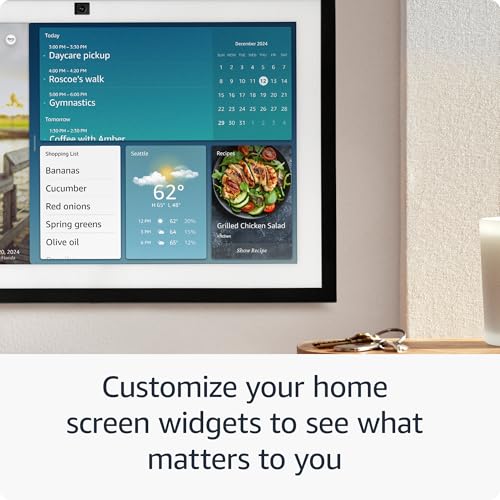
What makes the display truly useful is the customizable widget system. Unlike a smartphone where you swipe between apps, the Echo Show 15 presents multiple pieces of information simultaneously. You can glance at the device and immediately see today's weather, your family's calendar appointments, shopping lists, and smart home device status. This "information at a glance" approach eliminates the friction of having to ask for each piece of information separately.
The Visual ID feature uses facial recognition technology (a camera system that identifies different people) to personalize what appears on screen. When your teenager walks by, they see their class schedule and personal reminders. When you approach, it switches to your work calendar and to-do lists. This personalization happens automatically without anyone having to say a word.
The Amazon Echo Show 15 includes built-in Zigbee, Matter, and Thread support—these are wireless communication protocols that allow smart home devices to talk to each other directly through your Echo Show, without needing separate hubs. This means you can add compatible smart lights, locks, and sensors that connect directly to your Echo Show, simplifying your smart home setup significantly.
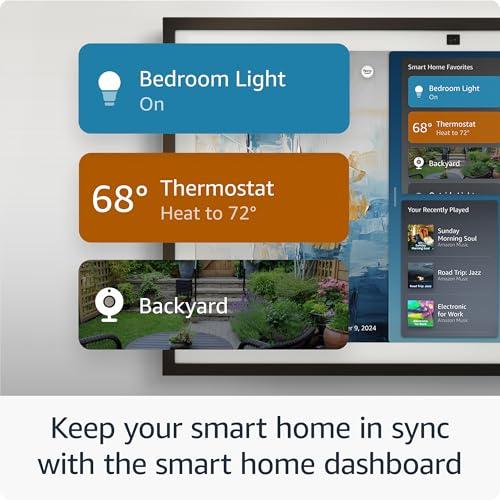
The visual interface makes smart home control more intuitive than voice commands alone. Instead of remembering the exact names of your devices or specific phrases, you can simply tap on-screen controls to dim lights, adjust thermostats, or check security cameras. For families with children or guests who aren't familiar with voice commands, this visual approach removes barriers to using smart home features.
Perhaps surprisingly for a smart home hub, the Echo Show 15 includes full Fire TV functionality. This means you can watch Netflix, Prime Video, YouTube, and other streaming services directly on the device. While it won't replace your main TV, it's genuinely useful for casual viewing in kitchens or family areas. The 5MP camera (upgraded from earlier models) supports video calling with surprisingly good quality, automatically framing and following speakers during calls.
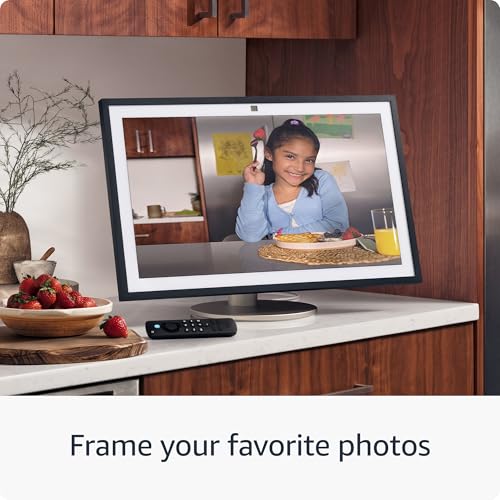
The device truly shines as a digital photo frame when not actively in use. It seamlessly pulls photos from Amazon Photos, Facebook, or other connected services, cycling through your memories when no one's interacting with it. This ambient functionality helps justify the device's prominent wall placement—it's always doing something useful rather than just sitting dark.
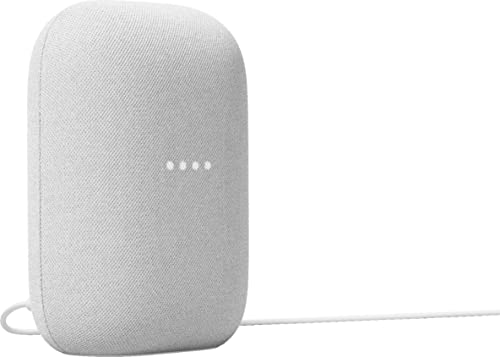
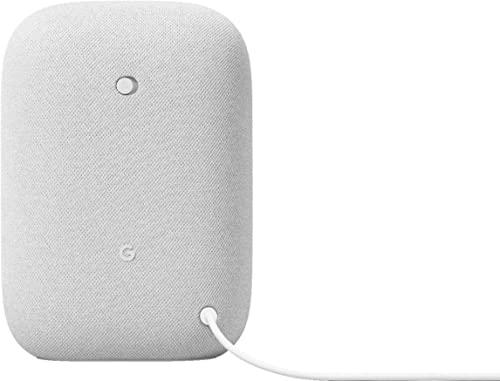
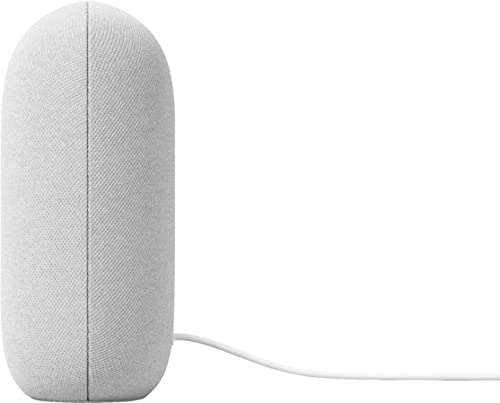
Google released the Nest Audio in 2020 as a replacement for the original Google Home, and the company clearly prioritized sound quality above all else. This wasn't just a minor refresh—Google completely redesigned the internal audio components and processing algorithms to deliver what they claimed was 75% louder sound with 50% stronger bass than its predecessor.
The technical specifications tell the story: a large 75mm woofer (the driver that produces bass and midrange frequencies) paired with a 19mm tweeter (for high frequencies and detail). More importantly, the Google Nest Audio uses sophisticated real-time audio processing that analyzes what you're listening to and adjusts the sound accordingly.
This smart audio processing, which Google calls computational audio, makes a noticeable difference in everyday use. When you're listening to a podcast, the system emphasizes vocal clarity and reduces background noise. Switch to music, and it opens up the soundstage to deliver fuller, more dynamic audio. The Ambient IQ feature automatically adjusts volume based on background noise in your room—so your morning news briefing will be louder when the dishwasher is running and quieter during peaceful evening hours.
For a device at this price point (significantly less expensive than the Echo Show 15 at the time of writing), the audio quality is genuinely impressive. The bass has real weight without being overwhelming, vocals are clear and natural, and the overall sound fills medium-sized rooms effectively. While it can't match dedicated audiophile speakers, it delivers surprisingly satisfying music playback for casual listening.
The Nest Audio's three far-field microphones excel at picking up voice commands even in noisy environments. Google Assistant's natural language processing has become remarkably sophisticated—you can ask follow-up questions, use conversational language instead of rigid commands, and interrupt with new requests without saying the wake word again.
The Voice Match technology deserves special mention. Once set up, the Nest Audio can distinguish between different family members' voices and provide personalized responses. Ask about "my calendar," and it knows whether to access your Google Calendar or your partner's. This personalization works seamlessly without the visual recognition technology that some find invasive in camera-equipped devices.
One area where the Google Nest Audio truly excels is multi-room audio. You can pair two units for stereo sound or create speaker groups throughout your home for synchronized music playback. The setup process is straightforward through the Google Home app, and the synchronization is tight enough that you can walk between rooms without noticing audio delays.
This expandability represents a different philosophy from the single-device approach of the Echo Show 15. Instead of one central hub, you can build a distributed audio system that grows with your needs and budget. Start with one Nest Audio in your primary living space, then add more units to bedrooms, offices, or outdoor areas over time.
The audio performance difference between these devices is stark and worth understanding in detail. The Amazon Echo Show 15 uses two 1.6-inch full-range drivers in sealed enclosures, positioned to fire backwards from the device. This rear-firing design helps reduce audio reflection from the wall but also means the sound lacks the directness and clarity of front-firing speakers.
In practical terms, the Echo Show 15's audio is adequate for voice responses, casual background music, and video content, but it sounds thin and lacks bass depth. The audio processing can't overcome the fundamental limitations of small drivers in a device primarily designed around its visual interface. If you're watching a cooking show or listening to news briefings, it's perfectly functional. For music appreciation, it's noticeably lacking.
The Google Nest Audio approaches audio as its primary mission. The 75mm woofer is significantly larger than what you'll find in most smart speakers, allowing it to move more air and produce genuine bass response. The 19mm tweeter handles high frequencies with clarity and detail that makes vocals sound natural and music engaging.
More importantly, the computational audio processing in the Nest Audio continuously optimizes the sound output. It analyzes the frequency content of whatever you're playing and adjusts the EQ (equalization—the balance between bass, midrange, and treble) in real-time. This means a jazz vocal recording gets different processing than a rock song or a podcast, with each optimized for maximum clarity and impact.
The smart home integration story reveals another fundamental difference in approach. The Amazon Echo Show 15 functions as a comprehensive smart home hub with built-in support for Zigbee, Matter, and Thread protocols. These wireless standards allow compatible devices to connect directly to your Echo Show without requiring separate hubs or bridges.
This built-in hub functionality is genuinely valuable. Instead of needing a separate Philips Hue bridge for your smart lights, a SmartThings hub for sensors, and other standalone devices, many of your smart home devices can connect directly to the Echo Show 15. This simplifies setup, reduces the number of devices cluttering your network, and often improves response times for smart home commands.
The visual interface for smart home control shouldn't be underestimated either. When you can see the status of your devices and tap to control them, it removes the cognitive load of remembering device names and voice commands. For households with children, elderly family members, or guests, this visual approach is far more accessible than memorizing specific voice phrases.
The Google Nest Audio takes a different approach, relying primarily on voice commands and smartphone apps for smart home control. While it supports Matter for device compatibility, it doesn't include built-in Zigbee or Thread radios. This means you'll need separate hubs for many smart home devices, but Google Assistant's natural language processing often makes voice control feel more conversational and flexible than Alexa's more structured command system.
Neither device is designed as a primary home theater solution, but they serve different roles in entertainment setups. The Amazon Echo Show 15 works well as a secondary viewing device for casual content consumption. Its Fire TV integration provides access to major streaming services, and the 15.6-inch screen is adequate for recipe videos while cooking, news briefings, or children's content in playrooms.
However, the audio limitations become more apparent with video content. Dialog is clear enough for casual viewing, but action sequences or music-heavy content expose the thin, bass-light sound signature. You'll likely want to pair it with external Bluetooth speakers for any serious video watching.
The Google Nest Audio can serve as an upgrade for TV audio when connected via Bluetooth, though this introduces some latency that can cause lip-sync issues with video content. Its stronger bass response and clearer midrange make dialog more intelligible than many built-in TV speakers, particularly in smaller rooms where its sound output is adequate.
For true home theater applications, neither device is ideal on its own, but they can complement existing setups. The Echo Show 15 works well as an information display in home theater rooms, showing weather, time, or smart home controls without interrupting viewing. Multiple Nest Audio units can create a multi-room audio system that extends your music throughout the house, though they lack the surround sound processing needed for cinematic audio.
The installation requirements reveal another key difference between these approaches. The Amazon Echo Show 15 essentially requires wall mounting to function as intended. Amazon includes a mounting bracket, but you'll need to commit to a specific location and deal with cable management for the power adapter. Once mounted, the device is essentially permanent—not something you'll move frequently.
This permanence can be either a benefit or limitation depending on your living situation. For homeowners planning a long-term smart home setup, the central location and always-visible information display creates genuine value. For renters or anyone hesitant about wall mounting, it represents a significant barrier to adoption.
The Google Nest Audio offers complete placement flexibility. It requires only a power outlet and works effectively on any stable surface. You can easily move it between rooms, take it to different floors of your house, or relocate it as your needs change. This flexibility extends to seasonal use—bringing it outside for summer gatherings or moving it to a bedroom for better sleep sounds.
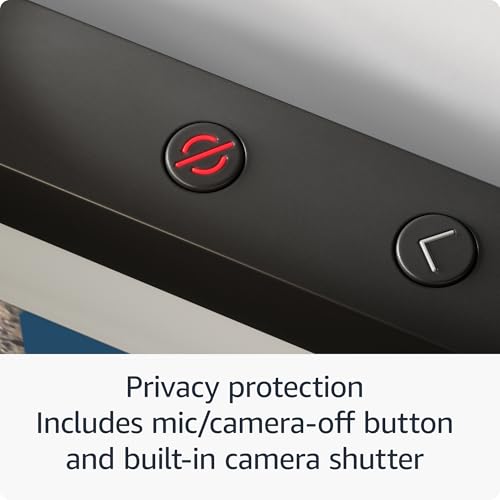
Privacy concerns affect these devices differently due to their distinct capabilities. The Amazon Echo Show 15 includes both camera and microphone arrays, raising potential concerns about visual and audio monitoring. Amazon addresses this with a physical camera shutter and microphone mute switch, giving users hardware-level control over when the device can see or hear them.
The Visual ID feature, while convenient, requires the device to process and store facial recognition data. Amazon allows users to disable this feature entirely and provides controls over how long recognition data is stored. For privacy-conscious users, these camera capabilities may be deal-breakers regardless of the convenience they provide.
The Google Nest Audio eliminates camera-related privacy concerns entirely while still including always-listening microphones for voice activation. The hardware mute switch provides physical assurance that microphones are disabled, and Google's approach to voice data processing has become more privacy-focused in recent years, with more processing happening locally on the device rather than in cloud servers.
At the time of writing, these devices occupy very different price tiers, with the Google Nest Audio positioned as a premium audio device at an accessible price point, while the Amazon Echo Show 15 represents a significant investment in smart home infrastructure.
The Nest Audio's value proposition centers on delivering audio quality typically associated with much more expensive speakers while adding comprehensive smart assistant capabilities. For households prioritizing music playback and voice control, the price-to-performance ratio is excellent.
The Echo Show 15's higher price reflects its multi-functional nature. When you consider that it replaces a digital photo frame, provides smart home hub functionality, enables video calling, and includes streaming entertainment capabilities, the cost becomes more justifiable. However, the upfront investment is substantial, and the value depends heavily on actually using these various features.
Both products benefit from frequent sales and promotional pricing, particularly during major shopping periods. The Nest Audio often sees deeper percentage discounts due to its lower base price, while the Echo Show 15 may offer better absolute savings during major sales events.
Choose the Amazon Echo Show 15 if you want a central family organization hub that everyone can see and use without voice commands. It's ideal for busy households that benefit from shared calendars, visible reminders, and at-a-glance information. The device works best when wall-mounted in a central location like a kitchen or family room where people naturally gather.
This device particularly appeals to families with children who may struggle with voice commands or households where visual information access reduces daily friction. If you're already invested in the Amazon ecosystem with Prime Video, Amazon Photos, and Alexa-compatible smart home devices, the integration benefits are significant.
The Google Nest Audio is the better choice if audio quality is your primary concern and you prefer the flexibility of voice-only interaction. It's perfect for music lovers who want room-filling sound, podcast enthusiasts who appreciate clear vocal reproduction, and anyone who values the ability to move their smart speaker as needed.
This device works particularly well for users heavily invested in Google services like Gmail, Google Calendar, and Google Photos. The natural language processing feels more conversational than Alexa, and the ability to create multi-room audio systems makes it appealing for households wanting distributed smart audio throughout their homes.
Ultimately, these devices represent fundamentally different philosophies about smart home interaction. The Echo Show 15 bets on visual information and multi-functional integration, while the Nest Audio focuses on audio excellence and conversational interaction. Your choice should align with how you naturally prefer to consume information and control your smart home environment.
| Amazon Echo Show 15 Smart Display | Google Nest Audio Speaker |
|---|---|
| Product Category - Fundamentally different approaches to smart home control | |
| Smart display with 15.6" touchscreen, camera, and visual interface | Smart speaker focused purely on audio quality and voice interaction |
| Display Size - Key differentiator for information access and family use | |
| 15.6-inch Full HD (1920x1080) touchscreen with customizable widgets | No display - all information delivered through voice responses |
| Audio Quality - Critical for music enjoyment and voice clarity | |
| Rear-firing 1.6" speakers with thin, bass-light sound adequate for voice content | 75mm woofer + 19mm tweeter with computational audio processing for rich, room-filling sound |
| Smart Home Hub Capabilities - Affects device compatibility and setup complexity | |
| Built-in Zigbee, Matter, and Thread support eliminates need for separate hubs | Requires separate hubs for Zigbee devices; relies on Matter and voice/app control |
| Camera and Video Features - Important for privacy-conscious buyers and video calling | |
| 5MP camera with Visual ID, video calling, and physical privacy shutter | No camera - eliminates privacy concerns but no video calling capability |
| Installation Requirements - Affects placement flexibility and commitment level | |
| Wall mounting required for optimal use; permanent installation with cable management | Countertop placement anywhere with power outlet; easily relocatable |
| Voice Assistant - Core functionality for smart home control and information | |
| Alexa with 6-microphone array and visual feedback on screen | Google Assistant with 3-microphone array and superior natural language processing |
| Multi-Room Audio - Important for whole-home music systems | |
| Cannot be paired with other units for stereo or multi-room audio | Supports stereo pairing and multi-room audio groups for distributed sound |
| Entertainment Features - Adds value beyond basic smart home functions | |
| Built-in Fire TV with streaming apps; functions as digital photo frame | Music-focused with Chromecast built-in; no video streaming capability |
| Privacy Controls - Essential consideration for camera and microphone concerns | |
| Physical camera shutter and microphone mute; Visual ID can be disabled | Physical microphone mute switch only; no camera privacy concerns |
| Best Use Cases - Helps determine which product fits your lifestyle | |
| Central family hub in kitchens/common areas; busy households needing visual organization | Music listening in any room; voice-first interaction; flexible placement needs |
The Google Nest Audio is significantly better for music listening. It features a dedicated 75mm woofer and 19mm tweeter with computational audio processing that delivers rich, room-filling sound with genuine bass response. The Amazon Echo Show 15 has smaller rear-firing speakers that produce thin, bass-light audio adequate for voice content but not ideal for music enjoyment.
Only the Amazon Echo Show 15 can stream video content with its built-in Fire TV functionality and 15.6-inch display. You can watch Netflix, Prime Video, and YouTube directly on the screen. The Google Nest Audio is audio-only and cannot display video content, though it can stream music and podcasts from various services.
The Amazon Echo Show 15 offers superior smart home control with built-in Zigbee, Matter, and Thread hub capabilities, plus a visual interface for device management. You can see device status at a glance and control them by touch. The Google Nest Audio relies on voice commands and requires separate hubs for many smart devices, though Google Assistant offers more natural conversation-style control.
Only the Amazon Echo Show 15 has a camera (5MP) for video calling and Visual ID features, along with a physical privacy shutter and microphone mute. The Google Nest Audio has no camera, eliminating visual privacy concerns entirely, though it does have always-listening microphones with a physical mute switch for complete privacy control.
The Google Nest Audio is much easier to set up and relocate - it just needs a power outlet and works on any stable surface. The Amazon Echo Show 15 requires wall mounting for optimal use, making it a more permanent installation that's not easily moved between rooms or locations.
The Amazon Echo Show 15 supports video calling through its camera and can make voice calls through Alexa. The Google Nest Audio can make voice calls through Google Assistant but cannot make video calls since it lacks a camera and display.
The Amazon Echo Show 15 is generally better for families because children can see information like schedules and reminders without needing to remember voice commands. The visual interface is more intuitive for kids to use. However, the Google Nest Audio may be preferable for families concerned about camera privacy or who want a device that's less fragile and more portable.
The Amazon Echo Show 15 excels at displaying information with customizable widgets showing weather, calendars, reminders, and notes at a glance. Multiple family members can see shared information simultaneously. The Google Nest Audio provides all information through voice responses only - you must ask for each piece of information individually.
The Amazon Echo Show 15 is ideal for kitchens with recipe display, timer management, video streaming while cooking, and easy touch controls when hands might be messy. The visual interface works well for cooking tasks. The Google Nest Audio can handle voice commands and timers but cannot display recipes or provide visual feedback.
The Google Nest Audio supports stereo pairing with another unit and multi-room audio groups for synchronized playback throughout your home. The Amazon Echo Show 15 cannot be paired with other Echo devices for stereo sound or multi-room audio due to its display-focused design.
The Google Nest Audio offers excellent value with premium audio quality at a lower price point, making it accessible for most budgets. The Amazon Echo Show 15 costs significantly more but replaces multiple devices (digital photo frame, smart hub, small TV) and provides extensive functionality that justifies the higher investment for families needing a central organization hub.
Neither device is ideal for serious home theater use. The Amazon Echo Show 15 works for casual video viewing with its 15.6-inch screen but has weak audio that may require external speakers. The Google Nest Audio can improve TV dialogue when connected via Bluetooth but may introduce audio lag with video content. Both work better as supplementary devices rather than primary home theater components.
We've done our best to create useful and informative comparisons to help you decide what product to buy. Our research uses advanced automated methods to create this comparison and perfection is not possible - please contact us for corrections or questions. These are the sites we've researched in the creation of this article: choose.co.uk - youtube.com - capsulenz.com - gadgetguy.com.au - youtube.com - tomsguide.com - techradar.com - youtube.com - developer.amazon.com - tomsguide.com - dell.com - en.wikipedia.org - youtube.com - bestbuy.com - youtube.com - youtube.com - rtings.com - pocket-lint.com - whathifi.com - store.google.com - sypnotix.com - store.google.com - techradar.com - rtings.com - audiosciencereview.com - youtube.com - soundguys.com - audioholics.com - store.google.com - store.google.com - youtube.com - support.google.com - soundguys.com - dxomark.com - thenextweb.com - support.google.com - dimensions.com - store.google.com - store.google.com - bestbuy.com - en.wikipedia.org - store.google.com - cybershack.com.au - matteralpha.com

Privacy Policy
Terms and Conditions - Affiliate Policy
Home Security
© Copyright 2008-2026.
11816 Inwood Rd #1211, Dallas, TX 75244